• Home
  • About Us
  • Toolkit
  • Getting Finances Done
    • Hiring Advisors
    • Debt Management
    • Spending Plan
  • Insurance
    • Life Insurance
    • Health Insurance
    • Disability Insurance
    • Homeowners/Renters Insurance
  • Contact Us
  • Privacy Policy
  • Risk Tolerance Quiz

The Free Financial Advisor

You are here: Home / Archives for wealth protection

4 Steps to Take if You Hold More Than $250K in One Bank

March 20, 2026 by Brandon Marcus Leave a Comment

4 Steps to Take if You Hold More Than $250K in One Bank

Image Source: Shutterstock.com

Money sitting in a bank should feel safe. Not “probably fine,” not “it’ll work out,” but locked-down, sleep-easy, zero-stress safe. That feeling disappears fast once a balance creeps past $250,000, because that number carries real consequences that too many people ignore until it’s too late.

That $250K line doesn’t exist for decoration. It marks the limit of standard FDIC insurance per depositor, per bank, per ownership category. Cross it without a plan, and part of that money sits exposed. No alarms go off, no warning message pops up, and no banker rushes over to stop it. The responsibility lands entirely on the account holder, which means the next move matters more than ever.

Step One: Know Exactly What’s Protected (And What Isn’t)

The $250,000 FDIC insurance limit sounds simple, but the details underneath it tell a much bigger story. The Federal Deposit Insurance Corporation covers deposits like checking accounts, savings accounts, money market deposit accounts, and CDs. That coverage applies per depositor, per insured bank, and per ownership category, which creates more flexibility than most people realize. A single account with $300,000 at one bank leaves $50,000 unprotected, plain and simple. But ownership structure changes everything.

Different account categories unlock additional coverage. A single account, a joint account, a retirement account like an IRA, and a trust account each qualify for separate $250,000 limits. That means someone with a spouse could hold $500,000 in a joint account at one bank and still stay fully insured. Add individual accounts on top of that, and the coverage expands even further without opening new banks. This structure rewards organization and punishes guesswork.

Ignoring these details can get expensive in a worst-case scenario. If a bank fails, FDIC insurance kicks in quickly, but only for insured amounts. Anything above the limit becomes part of the recovery process, which can take time and may not return in full. That reality makes it essential to map out every account and understand how coverage applies. A quick review today beats a stressful scramble later.

Step Two: Spread It Out Like a Pro, Not Like a Panic Move

Moving money across multiple banks sounds like a hassle, but it works as one of the most effective ways to stay fully insured. The strategy stays simple: keep no more than $250,000 per depositor, per bank, per ownership category. That approach keeps every dollar within FDIC limits without relying on complicated financial products. It also creates a built-in safety net across institutions instead of concentrating risk in one place.

This step doesn’t require opening accounts at random banks just to check a box. Strong online banks, credit unions with NCUA insurance, and established financial institutions all offer options. The key lies in choosing institutions with solid reputations, easy account access, and clear policies. Managing multiple accounts becomes much easier with modern apps and dashboards, which track balances and transactions in one place.

Some people hesitate because spreading money feels inefficient, but the tradeoff leans heavily toward safety. A single bank failure may seem unlikely, yet recent history shows that unexpected events can shake even well-known institutions. Diversification doesn’t chase returns here; it protects principal. That shift in mindset turns this step into a smart defensive move rather than a reactive one.

Step Three: Use Ownership Categories to Your Advantage

Ownership categories often get overlooked, yet they offer one of the cleanest ways to expand coverage without adding complexity. A single account only gets one $250,000 limit, but combining different account types at the same bank can multiply protection quickly. For example, one person can hold an individual account, share a joint account, and maintain a retirement account, all at the same bank, with each category receiving its own coverage limit.

Trust accounts open another layer of opportunity. Revocable trust accounts can extend coverage based on the number of beneficiaries, which can significantly increase insured amounts when structured correctly. This option works especially well for those already using trusts for estate planning. The key lies in setting up the account properly and naming eligible beneficiaries according to FDIC rules.

This step rewards attention to detail. Simply opening multiple accounts without understanding categories won’t guarantee full coverage. Each account must fall into a recognized ownership type, and documentation must reflect that structure clearly. Taking the time to organize accounts strategically can protect hundreds of thousands of dollars without ever leaving a single bank.

4 Steps to Take if You Hold More Than $250K in One Bank

Image Source: Shutterstock.com

Step Four: Consider Tools Built for Big Balances

Managing large cash balances manually works, but specialized tools can make the process smoother and more efficient. Services like cash sweep programs automatically distribute funds across multiple partner banks, keeping each portion within FDIC limits. That means one account can provide access to millions in insured deposits without constant monitoring or manual transfers. These programs often come through brokerage firms or certain banks that cater to high-balance clients.

Certificates of deposit placed through CDARS (Certificate of Deposit Account Registry Service) offer another option. This system spreads large deposits across a network of banks while maintaining full FDIC coverage. The depositor works with one bank, signs one agreement, and receives one statement, even though the funds sit across multiple institutions behind the scenes. That simplicity appeals to anyone who wants protection without juggling multiple logins.

These tools don’t eliminate the need for awareness, but they reduce the day-to-day effort required to maintain coverage. Fees, interest rates, and terms can vary, so reviewing the details still matters. The right tool can turn a complicated setup into a streamlined system that keeps every dollar protected and easy to access. Convenience and security don’t have to compete here.

Keep Every Dollar Working and Protected

Holding more than $250,000 in one bank doesn’t signal a mistake, but ignoring that threshold definitely does. Smart money management means knowing where protection ends and taking action before risk creeps in. The steps don’t require advanced financial expertise, just a willingness to organize, diversify, and use the tools available.

Each move builds on the last. Understanding FDIC limits creates the foundation, spreading funds reduces concentration risk, ownership categories expand coverage, and specialized tools simplify the entire system. Together, these strategies form a strong defense that keeps large balances secure without sacrificing accessibility or control.

How is that money structured right now, and does every dollar sit fully protected? Take a look, make a plan, and share any strategies or insights that have worked well.

You May Also Like…

The AI Financial Advisor Era: Can You Trust a Bot With Your Savings?

Biometric Banking and the Rise of Fraud Concerns in 2026

5 Budgeting Apps That Integrate With Biometric Banking

Bank Alert: 7 Reasons “Courtesy Credits” Get Taken Back Without Warning

10 Warning Signs Your Banking App Was Compromised

Brandon Marcus
Brandon Marcus

Brandon Marcus is a writer who has been sharing the written word since a very young age. His interests include sports, history, pop culture, and so much more. When he isn’t writing, he spends his time jogging, drinking coffee, or attempting to read a long book he may never complete.


Filed Under: Banking Tagged With: 2026 finance, bank safety, banking tips, cash strategy, FDIC insurance, high net worth, money management, Personal Finance, Planning, Risk management, savings strategy, wealth protection

6 Alternative Assets to Hedge Against Inflation

March 18, 2026 by Brandon Marcus Leave a Comment

6 Alternative Assets to Hedge Against Inflation

Image Source: Shutterstock.com

Inflation can sneak into your finances like an uninvited guest, quietly shrinking purchasing power while your savings struggle to keep up. The usual bank accounts and bonds often feel like shields against nothing when prices climb, leaving people scrambling for smarter ways to protect wealth. Alternative assets offer a compelling solution because they operate outside traditional markets, providing both potential growth and a buffer against rising costs. These unconventional options aren’t just for Wall Street pros—they can become valuable tools in anyone’s financial toolkit.

Exploring alternative assets requires more than just curiosity; it demands strategy, research, and a willingness to consider options that might seem unusual at first. While stocks and bonds dominate most portfolios, diversifying with tangible and non-traditional assets creates resilience when inflation spikes. Each type of asset carries its own advantages, risks, and liquidity considerations, making understanding the landscape crucial.

1. Glittering Gold and Precious Metals

Gold has earned its reputation as the ultimate inflation hedge for centuries, and that status isn’t just historical mythology. When the value of paper money declines, tangible precious metals like gold, silver, and platinum often retain or even grow in value. These metals are universally recognized, highly liquid, and portable, which makes them incredibly versatile for hedging purposes. Collecting coins or bars adds a tactile element to investing, turning a financial strategy into a physical asset that can be stored safely or even gifted.

Silver, while often overshadowed by gold, provides another interesting layer of diversification. Unlike gold, silver tends to have industrial demand, linking it to economic cycles in ways that balance portfolio risk differently. Platinum and palladium, rarer than gold, can add extra upside for investors willing to handle volatility. Investing in metals doesn’t require a full vault at home—ETFs and precious metal funds offer exposure without the storage challenges. Whether acquired physically or digitally, metals remain a steadfast shield against inflation, grounding portfolios when markets wobble.

2. Real Estate That Stands the Test of Time

Property continues to offer an effective hedge against rising prices, but it’s not just about buying a home. Real estate investment trusts (REITs), rental properties, and even vacation homes can generate income while appreciating in value. Inflation often drives up both rent and property prices, meaning owning real estate can counteract the eroding effect of rising costs. Physical property also provides a tangible sense of security that paper assets cannot replicate.

Beyond traditional residential spaces, commercial real estate offers compelling alternatives, from storage units to office spaces repurposed for co-working. Investors benefit from rental income that often escalates alongside inflation, creating a natural buffer. Location matters more than ever—growing markets with strong demand typically deliver both income and appreciation, while stagnant areas carry risk. Real estate remains a long-term play, requiring patience and management, but its dual ability to produce cash flow and hedge against inflation makes it a central alternative asset.

3. Collectibles: From Art to Action Figures

High-quality collectibles have skyrocketed in value over the past decades, turning rare items into a surprisingly reliable inflation shield. Classic paintings, limited-edition sneakers, vintage toys, and rare comic books all represent markets that often move independently of stock and bond fluctuations. Scarcity drives value, and in many cases, demand continues to grow even during economic downturns. Collectibles combine enjoyment and investment, allowing for personal passion to meet financial strategy.

The key to success in this area lies in expertise and authenticity. Provenance, condition, and rarity can make or break an item’s investment potential. Unlike traditional assets, collectibles require active research and careful curation, but the payoff can be impressive. Modern platforms also facilitate buying, selling, and verifying collectibles, reducing some of the friction in these markets. While not every collectible will explode in value, a well-chosen piece can preserve purchasing power while adding a layer of fun to a portfolio.

4. Cryptocurrencies: Digital Gold?

Digital currencies have become a heated topic in wealth protection discussions, offering high volatility but strong inflation hedging potential. Bitcoin and other major cryptocurrencies are often framed as digital gold due to their limited supply and independence from government-controlled currencies. This makes them attractive during periods when fiat money loses value. Cryptocurrency also provides global accessibility, with the ability to transfer and store value digitally across borders.

That said, crypto carries risk unlike traditional assets. Extreme price swings demand careful strategy, diversification, and risk tolerance. Many investors use small allocations to gain exposure without jeopardizing stability. Other blockchain-based assets, such as Ethereum or stablecoins pegged to tangible value, diversify the digital component of a portfolio. While adoption and regulation evolve, cryptocurrencies remain a modern, exciting alternative for those looking to hedge against inflation while exploring the frontier of finance.

6 Alternative Assets to Hedge Against Inflation

Image Source: Shutterstock.com

5. Farmland and Agriculture

Owning farmland might feel old-school, but it’s one of the most direct ways to hedge against inflation because land and food production inherently retain value. Crops, livestock, and timber generate income that often rises with commodity prices, creating both cash flow and long-term appreciation. Farmland has historically delivered steady returns and resilience, especially during periods of economic uncertainty.

Investing doesn’t always require boots in the dirt. Farmland investment platforms and REITs focused on agricultural land allow participation without daily hands-on management. Beyond direct returns, farmland provides tangible security—people need food regardless of inflation rates, and owning productive land creates a natural hedge. Strategic selection, soil quality, and crop types matter for maximizing returns, but agriculture remains a surprisingly powerful alternative asset for forward-thinking investors.

6. Hedge Funds and Private Equity

While traditional portfolios rely on public stocks and bonds, hedge funds and private equity offer access to alternative strategies that aren’t tied to inflation in the same ways. Hedge funds use tactics like short selling, derivatives, and global diversification to generate returns even in uncertain markets. Private equity invests directly in private companies, capturing growth opportunities inaccessible through public trading. Both can act as insulation from inflationary pressures, although they require higher entry thresholds and professional guidance.

These vehicles excel at creating tailored risk-return profiles, with managers adjusting strategies to respond to market fluctuations. Investors benefit from expertise and active management that anticipate inflationary trends before they hit mainstream markets. Diversification across sectors and geographies reduces dependency on any single economy, adding a layer of protection. While access may be limited, incorporating hedge funds or private equity into a portfolio can significantly enhance resilience against inflation.

Inflation Defense Starts Before Prices Spike

Alternative assets aren’t just about novelty—they form a strategic shield for wealth that stretches beyond traditional investments. Combining metals, real estate, collectibles, cryptocurrencies, farmland, and specialized investment vehicles creates a portfolio that can withstand inflation while offering growth opportunities. Timing and research remain essential, but the payoff lies in protection, flexibility, and long-term resilience. A diversified approach ensures that rising costs don’t automatically erode financial security, making wealth preservation both practical and exciting.

Which alternative assets do you think hold the strongest potential to beat inflation, and have you tried any unconventional investments yourself? Share strategies, experiences, or surprising success stories in the comments and start a conversation about creative ways to protect wealth.

You May Also Like…

The Hidden Cost of Keeping Money in Savings at 2.4% Inflation

6 Reasons Middle-Class Budgets Are Breaking Under “Slow Inflation”

Insurance Premium Increases Continue Outpacing Inflation

6 Financial Dangers of Ignoring Inflation

8 Bold Strategies for Investing During Periods of High Inflation

Brandon Marcus
Brandon Marcus

Brandon Marcus is a writer who has been sharing the written word since a very young age. His interests include sports, history, pop culture, and so much more. When he isn’t writing, he spends his time jogging, drinking coffee, or attempting to read a long book he may never complete.
Filed Under: Investing Tagged With: Alternative Assets, collectibles, cryptocurrencies, diversification, gold, hedge funds, Inflation, investing, Personal Finance, Planning, Real estate, wealth protection

7 Medical Costs That Can Wreck Retirement Even With Solid Savings

February 12, 2026 by Brandon Marcus Leave a Comment

These Are 7 Medical Costs That Can Wreck Retirement Even With Solid Savings

Image source: shutterstock.com

Retirement is supposed to be the time when the alarm clock finally loses its power, the calendar opens up, and the money you worked so hard for starts working for you.

But healthcare costs don’t politely fade into the background when you retire. They step forward, grab the microphone, and demand a starring role in your financial life. Even people with solid savings, smart investments, and good planning can get blindsided by medical expenses that feel more like slow leaks than sudden explosions—but over time, they can drain accounts faster than anyone expects. If you want a retirement that feels free instead of fragile, these are the medical costs you need on your radar.

1. The Long Goodbye: Long-Term Care That Outlasts Your Savings

Long-term care is one of the biggest financial wildcards in retirement because it’s unpredictable, emotional, and expensive all at once. Whether it’s in-home care, assisted living, or a nursing facility, the costs can stretch for years instead of months, which changes everything financially.

Many people assume insurance or Medicare will cover most of it, but the reality is far more limited, and families often discover this too late. Even part-time help at home can add up quickly when it becomes a daily need instead of an occasional support system. A smart move is learning your long-term care options early, looking into hybrid insurance products, and having honest conversations with family before a crisis forces rushed decisions.

2. The Prescription Trap: When Monthly Meds Become Major Money

Prescription costs don’t usually hit all at once, which is what makes them so dangerous to retirement budgets. One medication might be manageable, two feels annoying, but five or six can quietly become a serious monthly expense that never goes away. Prices fluctuate, coverage changes, and what’s affordable one year can suddenly spike the next.

Specialty drugs, in particular, can carry price tags that feel surreal for something you need just to stay functional. Reviewing your drug coverage yearly, asking doctors about lower-cost alternatives, and using reputable prescription discount programs can make a real difference over time.

3. Medicare Isn’t Magic: The Gaps Everyone Underestimates

Medicare is helpful, but it’s not the healthcare safety net people imagine it to be. Premiums, deductibles, copays, and uncovered services add layers of cost that stack up quietly. Dental, vision, hearing, and many therapies often fall outside standard coverage, which means retirees end up paying out of pocket for things that directly affect quality of life.

Supplemental plans help, but they come with their own costs and complexities. The smartest retirees treat Medicare as a foundation, not a full solution, and budget for healthcare like it’s a fixed monthly bill, not an occasional surprise.

4. Chronic Conditions: The Cost of “Manageable” Illness

Chronic conditions don’t always feel dramatic, but financially, they’re relentless. Diabetes, heart disease, arthritis, autoimmune disorders, and similar conditions require constant monitoring, regular appointments, medications, and sometimes specialized equipment. Individually, each expense feels reasonable, but together they create a steady drain that never really stops.

This kind of cost doesn’t shock your budget—it erodes it. Preventive care, lifestyle changes, and consistent treatment plans can actually protect your finances as much as your health by keeping small issues from turning into major complications.

5. Emergency Care: The Surprise Bill Nobody Plans For

One unexpected hospital visit can derail months—or years—of financial planning. Emergency care is expensive, fast-moving, and often out of your control, which makes it uniquely stressful. Ambulances, ER visits, hospital stays, imaging, and follow-up care can pile up before you even process what happened.

Even with insurance, out-of-pocket costs can be significant and confusing. Building a dedicated healthcare emergency fund separate from your regular savings can be one of the most underrated financial moves in retirement planning.

These Are 7 Medical Costs That Can Wreck Retirement Even With Solid Savings

Image source: shutterstock.com

6. Mental Health Support: The Hidden Cost of Emotional Well-Being

Mental health care is essential, but it’s often underfunded in retirement budgets. Therapy, counseling, psychiatric care, and medications can be ongoing needs, not short-term fixes. Coverage is inconsistent, provider networks can be limited, and out-of-pocket costs add up quietly.

Emotional health affects physical health, relationships, and overall quality of life, which makes this an area you can’t afford to ignore. Investing in mental well-being isn’t just good self-care—it’s long-term financial protection, too.

7. Medical Travel: When Care Means Going the Distance

Sometimes the best care isn’t local, and that’s where travel costs sneak in. Flights, hotels, meals, and extended stays for treatments or specialists can turn medical care into a logistical and financial puzzle. This is especially true for complex conditions that require specialty centers or ongoing visits.

These expenses rarely get factored into retirement plans, but they can become recurring costs instead of one-time events. Planning ahead means considering not just treatment costs, but the real-world logistics of accessing quality care.

Health Is Part of the Financial Plan

Healthcare isn’t a side expense, it’s a core budget category. The strongest retirement plans treat health costs as inevitable, not hypothetical. That means building flexible savings, planning for long-term care, reviewing coverage regularly, and staying proactive instead of reactive.

It also means making lifestyle choices that protect both your body and your bank account, because prevention really is one of the most powerful financial tools you have. Retirement freedom isn’t just about money—it’s about resilience, planning, and being ready for the realities that come with longer lives.

What medical costs worry you most when you think about retirement, and which ones do you feel most prepared for? Share your tales, concerns, and plans in the comments below.

You May Also Like…

The Retirement Income Assumption That Breaks Down First During Inflation Cycles

The Retirement Budget Trap: Why Expenses Spike Between Ages 62 and 70

8 Budget Areas That Expand After Retirement

10 Costs That Make Retirement Budgets Feel Unstable

Why So Many Retirees Are Being Forced to Spend Savings Faster Than Planned This Year

Brandon Marcus
Brandon Marcus

Brandon Marcus is a writer who has been sharing the written word since a very young age. His interests include sports, history, pop culture, and so much more. When he isn’t writing, he spends his time jogging, drinking coffee, or attempting to read a long book he may never complete.

Filed Under: Retirement Tagged With: aging well, Financial Security, healthcare costs, Long-term care, medical expenses, Medicare planning, Personal Finance, retirement planning, retirement risks, wealth protection

Why Do Some People Lose Money by Keeping Too Much in Cash

September 15, 2025 by Travis Campbell Leave a Comment

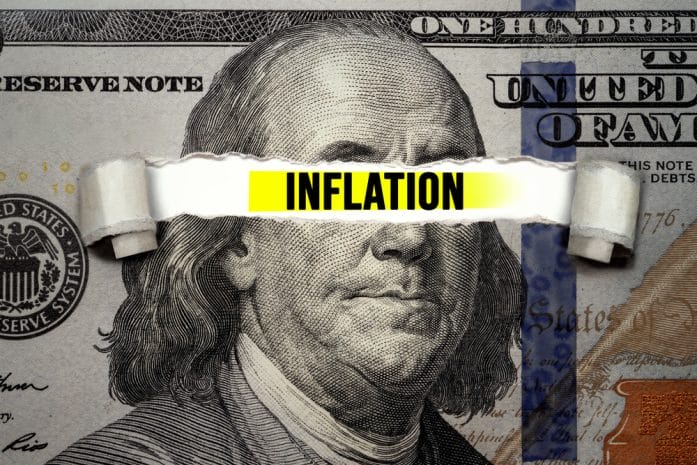
inflation

Image source: pexels.com

Holding cash feels safe. There’s a certain comfort in seeing your account balance sit untouched, ready for anything. But keeping too much in cash can quietly erode your wealth over time. Many people don’t realize that the risks of stock markets aren’t the only threats to their money. The real danger might be inaction—letting your savings sit idle while the world moves on. Understanding why some people lose money by keeping too much in cash can help you make smarter decisions for your financial future.

1. Inflation Eats Away at Value

The primary reason people lose money by keeping too much in cash is inflation. Inflation is the gradual increase in the price of goods and services over time. When your money sits in a low-interest savings account or under your mattress, its purchasing power shrinks each year. If inflation is 3% and your savings earn just 0.5%, your real buying power drops. Over five or ten years, this loss becomes significant.

This is why too much cash can be a silent wealth killer. While your account balance may not go down, what you can actually buy with that cash does. For long-term savers, ignoring inflation means falling behind, even if you never touch your money.

2. Missed Investment Growth

Another way people lose money by keeping too much in cash is by missing out on investment growth. Historically, assets like stocks and bonds have provided much higher returns than traditional savings accounts. While investing involves risk, the long-term trend has been upward growth. Cash, by contrast, rarely keeps pace with inflation.

If you keep a large portion of your money in cash, you’re not giving your money a chance to grow. Compounding interest and market gains can make a huge difference over time. For example, $10,000 invested in a diversified stock portfolio 20 years ago would be worth far more today than $10,000 left in a savings account. This missed opportunity is a hidden cost of being overly cautious.

3. Emotional Decision-Making

Fear often drives people to hold too much cash. Market downturns and scary headlines can make investing seem risky, so some choose to sit on the sidelines. But letting emotions dictate your financial strategy is rarely wise. Over time, fear-driven decisions can mean you stay out of the market when it rebounds, missing out on gains and compounding your losses.

It’s easy to underestimate the cost of letting fear keep you in cash. A balanced approach, with a mix of investments and a reasonable emergency fund, can help you avoid the pitfalls of emotional investing.

4. Opportunity Cost and Financial Goals

Keeping too much cash can also affect your ability to reach financial goals. Whether you’re saving for retirement, a home, or your child’s education, your money needs to grow. Cash might feel safe, but it won’t help you reach these targets as quickly—or at all—if inflation outpaces your returns.

There’s an opportunity cost to every dollar that sits idle. That’s money that could be working for you in the market, earning dividends, or compounding over time. By choosing safety overgrowth, you may end up having to save more or work longer to reach your goals.

5. Lack of Diversification

Diversification is a key principle in investing. It means spreading your money across different types of assets to reduce risk. When you keep too much cash, you’re putting all your eggs in one basket. If interest rates stay low and inflation remains steady, your cash loses value. Other asset classes, like stocks, bonds, or real estate, can help balance out these risks.

Many financial advisors suggest having a mix of assets tailored to your age, goals, and risk tolerance. By relying solely on cash, you miss the benefits of diversification and expose yourself to a different kind of risk: the slow erosion of your wealth.

6. Not Taking Advantage of Tax Benefits

Cash holdings don’t benefit from many of the tax advantages available to investors. Retirement accounts like IRAs or 401(k)s offer tax-deferred or tax-free growth, but only if you invest. Simply parking funds in cash within these accounts means you’re not maximizing their potential. Over time, the difference can be substantial.

Investing in tax-advantaged accounts can help you keep more of your money.

7. False Sense of Security

It’s easy to feel secure with a big cash pile, but this comfort can be misleading. Cash can’t protect you from all risks—especially long-term ones like inflation or rising living costs. Over decades, the loss of purchasing power can be just as damaging as a market downturn.

Understanding the risks of keeping too much in cash can help you make better choices. Many people are surprised to learn how much they lose over the years by not putting their money to work.

Finding the Right Balance with Your Cash Holdings

The answer isn’t to avoid cash entirely. An emergency fund is essential, and you should always have enough on hand for short-term needs or unexpected expenses. But keeping too much in cash can be costly in the long run. Balancing your savings between cash and investments can help protect you from inflation and put you on track for your financial goals.

The key is to understand why some people lose money by keeping too much in cash—and take steps to avoid it yourself.

How do you balance your emergency savings with your long-term investment goals? Let us know your approach in the comments below!

What to Read Next…

  • Are These 8 Money Saving Tricks Actually Keeping You Broke
  • 10 Smart Purchases That Are Slowly Making You Broke
  • Why Some People Feel Rich But Can’t Afford a 400 Emergency
  • 8 Signs You’re Losing Wealth Without Realizing It
  • 9 Silent Bank Policy Changes That Eat Into Your Savings
Travis Campbell
Travis Campbell

Travis Campbell is a digital marketer/developer with over 10 years of experience and a writer for over 6 years. He holds a degree in E-commerce and likes to share life advice he’s learned over the years. Travis loves spending time on the golf course or at the gym when he’s not working.

Filed Under: Budgeting Tagged With: cash management, Inflation, investment growth, Personal Finance, wealth protection

10 Shocking Ways Wealth Disappears During a Market Crash

September 4, 2025 by Travis Campbell Leave a Comment

stocks

Image source: pexels.com

When a market crash hits, the impact goes far beyond a few red numbers on a screen. Entire fortunes can vanish almost overnight, leaving families, businesses, and retirees scrambling to recover. Understanding how a market crash erodes wealth is crucial for anyone who wants to protect their financial future. It isn’t just about seeing your investment account drop; the ripple effects can be felt in every corner of your financial life. By learning the most common ways wealth disappears during a market crash, you’ll be better prepared to make smart decisions and avoid costly mistakes. Let’s break down the surprising ways your net worth might shrink when the markets tumble.

1. Plummeting Stock Values

The most obvious way wealth disappears during a market crash is through falling stock prices. When the market tanks, the value of your investments can drop sharply in a matter of days or even hours. For many, this means years of savings can be wiped out, especially if your portfolio isn’t diversified. The psychological impact of seeing your hard-earned money vanish can also lead to poor decision-making and panic selling.

2. Forced Sales at a Loss

Sometimes, a market crash forces investors to sell their assets at the worst possible time. If you need cash for emergencies or to meet margin calls, you may have no choice but to sell when prices are at their lowest. This locks in losses that might have been temporary if you could have waited out the downturn. Forced sales are one of the most painful ways wealth disappears during a market crash.

3. Declining Home Equity

Market crashes don’t just affect stocks; they often spill over into real estate. When confidence falters and credit tighten, home values can fall. If you own property, your home equity may shrink, reducing your net worth and limiting your options for refinancing or selling. This can be especially tough for retirees who planned to downsize or use home equity to fund their retirement.

4. Business Failures

During a market crash, many businesses struggle to survive. Revenue drops, credit dries up, and customers cut back. Small business owners and entrepreneurs can see years of effort and investment wiped out. Even if you don’t own a business, your job or income might be at risk if your employer is affected.

5. Slashed Dividends and Interest Payments

Many investors rely on dividends and interest for regular income. But companies facing financial stress often cut or suspend these payments during a market crash. This can create sudden cash flow problems for retirees and others who depend on investment income. When your cash flow dries up, you may be forced to sell other assets at a loss, compounding the damage.

6. Retirement Account Losses

Retirement accounts like 401(k)s and IRAs are heavily exposed to market swings. A severe downturn can shrink your nest egg just when you need it most. For those close to retirement, there may not be enough time to recover. This is one of the most significant ways wealth disappears during a market crash, with long-term consequences for your lifestyle and financial security.

7. Increased Borrowing Costs

When markets crash, lenders become more cautious. Interest rates on loans and credit cards may rise, and it gets harder to qualify for new credit. If you need to borrow during a downturn, you might face higher costs or stricter terms. This can erode your wealth by increasing your monthly expenses and limiting your financial flexibility.

8. Loss of Confidence and Poor Decisions

Market crashes often cause widespread panic. Fear can lead to rash decisions, such as selling investments at the bottom or abandoning a sound financial plan. Emotional reactions can turn temporary declines into permanent losses. Staying calm and sticking to your strategy is essential, but it’s not always easy when the headlines are bleak.

9. Hidden Fees and Penalties

During a market crash, you may be tempted to move your money around or withdraw funds from retirement accounts. These actions can trigger hidden fees, early withdrawal penalties, or tax consequences. Over time, these costs add up and eat into your remaining wealth. Always check the fine print before making big moves in a downturn.

10. Reduced Opportunities for Recovery

After a crash, it may take years for the markets and the economy to bounce back. If you’ve lost a large portion of your wealth, you may not have the resources or time to benefit from the recovery. Those who sell at the bottom or fail to reinvest may miss out on future gains, locking in their losses permanently. This is one of the most frustrating ways wealth disappears during a market crash, as it limits your ability to rebuild.

Protecting Your Wealth in Uncertain Times

Understanding the many ways wealth disappears during a market crash is the first step toward protecting yourself. Diversification, maintaining an emergency fund, and having a clear financial plan can all help you weather the storm.

Staying informed and avoiding emotional decisions are key. Remember, every crash is different, but the principles of sound investing remain the same.

What’s the most surprising way you’ve seen wealth disappear during a market crash? Share your experience or questions in the comments below!

What to Read Next…

  • Why So Many Investors Are Losing Assets In Plain Sight
  • 7 Areas Of Your Portfolio Exposed To Sudden Market Shocks
  • What Happens To Retirement Payouts When The Market Drops Mid Inheritance
  • 6 Reasons Real Estate Wealth Disappears Within One Generation
  • 8 Real Estate Mistakes That Erode Wealth Before Retirement Ever Starts
Travis Campbell
Travis Campbell

Travis Campbell is a digital marketer/developer with over 10 years of experience and a writer for over 6 years. He holds a degree in E-commerce and likes to share life advice he’s learned over the years. Travis loves spending time on the golf course or at the gym when he’s not working.

Filed Under: Finance Tagged With: investing, market crash, Personal Finance, Planning, Retirement, stock market, wealth protection

8 Signs You’re Losing Wealth Without Realizing It

August 7, 2025 by Catherine Reed Leave a Comment

8 Signs You’re Losing Wealth Without Realizing It

Image source: 123rf.com

We often think of losing wealth as something dramatic—like a market crash or job loss—but in reality, it usually happens slowly and silently. You might be doing everything right on the surface, paying your bills and putting money in savings, yet your net worth is shrinking month after month. Small leaks in your financial habits, overlooked fees, and inefficient choices can quietly drain your resources without you even noticing. If your wealth doesn’t seem to be growing despite steady income, there may be warning signs you’re missing. Let’s break down the most common ways families start losing wealth without realizing it.

1. Your Monthly Expenses Keep Creeping Up

It starts small: a new subscription, a slightly higher grocery bill, or an upgraded phone plan. Over time, these incremental increases can add hundreds to your monthly budget. If your income hasn’t changed to match, you’re slowly dipping into savings or missing out on investing that extra money. This lifestyle creep is one of the most common ways people start losing wealth without noticing. Tracking your spending regularly is the only way to catch and stop the drift.

2. You’re Dipping Into Savings More Than You Used To

A strong savings habit is great, but if you’re frequently pulling money out to cover unexpected costs or monthly bills, something’s off. Tapping into savings can feel harmless in the moment, especially for “one-time” expenses that never seem to stop. The problem is that your savings lose value over time, especially if they’re not replenished or growing through interest. This quiet erosion is a classic sign of losing wealth. Your savings should grow—not just survive.

3. You Don’t Know How Much You’re Paying in Fees

Banking fees, investment account charges, mutual fund expense ratios, and credit card interest all add up. Even a small fee of 1% on a retirement account can cost tens of thousands over a few decades. If you’re not reviewing statements or comparing service providers, you could be paying way more than necessary. Losing wealth through fees is sneaky because it feels like nothing’s changing—until you compare your growth to someone with lower costs. Always know what you’re paying and why.

4. Your Home Is Eating More Than It’s Giving

Many people view their home as an asset, but it can become a liability if maintenance costs, taxes, and utilities keep rising. If you’re pouring money into repairs or upgrades without increasing the home’s value, it’s draining your wealth. Home equity may rise on paper, but if your monthly budget is tight because of home costs, you’re not building usable wealth. Consider how much your home is helping—or hurting—your long-term financial picture. Losing wealth through homeownership isn’t uncommon when costs get out of control.

5. You’re Not Adjusting for Inflation

If your income or investments aren’t growing at a pace that keeps up with inflation, your money is losing purchasing power. That means the same $100 buys less each year—even if the number in your savings account stays the same. Failing to invest wisely or adjust income streams is one of the most overlooked ways of losing wealth over time. Inflation eats quietly and slowly, but its effects are undeniable. Protecting your money means actively growing it, not just holding onto it.

6. You Keep Delaying Debt Payoff

Interest is the silent wealth killer when it comes to credit cards, personal loans, or even auto loans. If you’re making minimum payments or constantly refinancing, you’re stretching debt—and giving more of your money to lenders. The longer debt lingers, the more wealth it consumes, especially if it’s high-interest debt. Many families believe they’re doing okay because they can afford the payments, but that’s not the same as building wealth. Reducing debt aggressively is one of the clearest ways to stop losing wealth.

7. Your Investments Aren’t Being Monitored

Set-it-and-forget-it investing works to a point, but markets change and so should your portfolio. If you’re not rebalancing, updating your risk tolerance, or reviewing performance, you may be missing opportunities or exposing yourself to unnecessary losses. Investments left unchecked can underperform or be eaten by inflation and fees. Losing wealth isn’t always about making bad investments—it’s often about ignoring good ones. Regular reviews help ensure your money is working as hard as you are.

8. Your Insurance Coverage Is Outdated

You might think you’re protected, but outdated or insufficient insurance can become very expensive when you need it most. Whether it’s health, auto, home, or life insurance, failing to review your policies could cost thousands in uncovered claims or premiums you didn’t need. Under-insuring yourself is risky, but overpaying for unnecessary coverage is another common way of losing wealth. The right balance saves you money and keeps you secure. Make reviewing your policies a yearly habit.

Wealth Protection Starts with Awareness

Wealth doesn’t vanish all at once—it trickles away when we’re not looking. If you’re not actively tracking your money, reviewing your habits, and adjusting your strategy, you may be slowly losing wealth without even realizing it. The good news is that these silent leaks are fixable once they’re spotted. Staying proactive with your finances means fewer surprises, stronger growth, and more peace of mind. Wealth isn’t just about earning—it’s about protecting what you’ve already built.

Have you caught yourself losing wealth in unexpected ways? Which habits have you changed to stop the drain? Let us know in the comments!

Read More:

8 Real Estate Mistakes That Erode Wealth Before Retirement Ever Starts

8 Things Rich People Never Finance (And You Shouldn’t Either)

Catherine Reed
Catherine Reed

Catherine is a tech-savvy writer who has focused on the personal finance space for more than eight years. She has a Bachelor’s in Information Technology and enjoys showcasing how tech can simplify everyday personal finance tasks like budgeting, spending tracking, and planning for the future. Additionally, she’s explored the ins and outs of the world of side hustles and loves to share what she’s learned along the way. When she’s not working, you can find her relaxing at home in the Pacific Northwest with her two cats or enjoying a cup of coffee at her neighborhood cafe.

Filed Under: Wealth Building Tagged With: budgeting mistakes, family finances, financial habits, hidden money drains, losing wealth, personal finance tips, smart money moves, wealth protection

12 Financial Experts Who Turned Out to Be Frauds

June 15, 2025 by Travis Campbell Leave a Comment

financial expert

Image Source: pexels.com

Trust forms the foundation of financial advice. When we hand over our hard-earned money to financial experts, we expect honesty, integrity, and genuine expertise. Unfortunately, the financial world has seen its share of wolves in sheep’s clothing—individuals who built empires on deception rather than sound financial principles. These fraudsters not only devastated countless lives but also eroded public trust in financial institutions. Understanding their tactics can help you protect your wealth and recognize warning signs before becoming a victim yourself.

1. Bernie Madoff

Bernie Madoff orchestrated the largest Ponzi scheme in history, defrauding investors of approximately$65 billion. For decades, he maintained the illusion of consistent returns while using new investor funds to pay existing clients. His fraud collapsed during the 2008 financial crisis when redemption requests exceeded available funds. Madoff’s scheme succeeded partly because of his respected position as former NASDAQ chairman, which gave him an aura of legitimacy few questioned.

2. Elizabeth Holmes

The Theranos founder promised revolutionary blood-testing technology that required only a finger prick. Holmes raised over $700 million from investors, achieving a $9 billion company valuation. Her financial fraud extended beyond technology claims—she repeatedly misrepresented revenue projections and falsified demonstrations for investors. In 2022, Holmes received an 11-year prison sentence for defrauding investors through elaborate financial misrepresentations.

3. Allen Stanford

Texas financier R. Allen Stanford sold $7 billion in certificates of deposit through his Stanford International Bank, promising returns significantly above market rates. His financial empire collapsed in 2009 when investigators discovered he had been running a massive Ponzi scheme for over two decades. Stanford’s fraud particularly devastated investors in the Caribbean and Latin America, where he had cultivated a reputation as a financial genius and philanthropist.

4. Jordan Belfort

The infamous “Wolf of Wall Street” built Stratton Oakmont, a brokerage firm that defrauded investors through pump-and-dump schemes and securities fraud. Belfort manipulated penny stocks, artificially inflating prices before selling his own holdings at a profit. His financial crimes cost investors approximately$200 million before his 1998 indictment. Belfort later reinvented himself as a motivational speaker after serving 22 months in prison.

5. Charles Ponzi

The original namesake of the Ponzi scheme promised investors 50% returns in 45 days through international postal reply coupon arbitrage in the 1920s. Ponzi never actually conducted legitimate business operations—he simply used new investor money to pay earlier investors. His scheme collapsed after just one year, but not before he had defrauded investors of approximately$20 million in today’s dollars. His name became synonymous with financial fraud schemes worldwide.

6. Lou Pearlman

Before his financial crimes were exposed, Pearlman was known for managing successful boy bands like NSYNC and the Backstreet Boys. Behind this legitimate business, he ran a $300 million Ponzi scheme through his Trans Continental companies. Pearlman fabricated financial statements for a non-existent airline and convinced investors and banks to fund his fraudulent enterprises for over 20 years before his 2008 conviction.

7. Marc Dreier

New York attorney Marc Dreier sold $700 million in fictitious promissory notes to hedge funds and investment firms. His elaborate fraud included impersonating executives, creating fake financial documents, and renting conference rooms at legitimate companies to conduct fraudulent meetings. Dreier’s scheme collapsed in 2008 when he was caught impersonating a pension fund executive in Canada, leading to a 20-year prison sentence.

8. Barry Minkow

Minkow founded ZZZZ Best, a carpet cleaning company, as a teenager. He took the company public through fraudulent financial statements showing millions in non-existent restoration contracts. After his first fraud was exposed and he served prison time, Minkow reinvented himself as a fraud investigator and pastor, only to commit securities fraud again by shorting stocks of companies he publicly accused of wrongdoing.

9. Nicholas Cosmo

Cosmo’s Agape World promised investors 48-80% returns annually through bridge loans to businesses. In reality, he operated a $413 million Ponzi scheme that collapsed in 2009. Cosmo’s fraud was particularly egregious because he had previously served prison time for financial fraud before launching Agape World, yet still managed to attract thousands of investors through promises of extraordinary returns.

10. Tom Petters

Minnesota businessman Tom Petters claimed to purchase electronics wholesale and sell them to major retailers, raising billions from investors for these purported deals. In reality, Petters fabricated purchase orders and bank statements while running a $3.65 billion Ponzi scheme. His fraud unraveled in 2008 when a company insider became a government informant, leading to Petters’ 50-year prison sentence.

11. Nevin Shapiro

Shapiro’s grocery distribution business, Capitol Investments USA, was actually a $930 million Ponzi scheme. He used his fraudulent wealth to become a prominent University of Miami booster, providing improper benefits to athletes. Shapiro’s financial fraud collapsed in 2009, revealing he had fabricated grocery contracts while using investor funds to finance his lavish lifestyle and sports connections.

12. Marcus Schrenker

Financial advisor Marcus Schrenker attempted one of the most dramatic escapes from financial fraud charges. When his investment schemes began unraveling, Schrenker faked his death by parachuting from his airplane and leaving it to crash. His financial crimes included selling annuities with hidden fees and misappropriating client funds. Authorities quickly apprehended him, ending his brief flight from justice.

Protecting Yourself in a World of Financial Deception

The common thread among these fraudsters is their ability to exploit trust through promises of exceptional returns with minimal risk. Legitimate investments involve tradeoffs between risk and reward—claims that circumvent this fundamental principle should trigger immediate skepticism. Protect yourself by verifying credentials, understanding investment mechanics, and recognizing that sustainable wealth-building rarely happens through shortcuts or “exclusive” opportunities.

Have you ever encountered investment opportunities that seemed too good to be true? What made you suspicious, and how did you respond?

Read More

The Definition of Irony (or Why You Should Know What You’re Doing)

I’m Not an Expert on Everything

Travis Campbell
Travis Campbell

Travis Campbell is a digital marketer/developer with over 10 years of experience and a writer for over 6 years. He holds a degree in E-commerce and likes to share life advice he’s learned over the years. Travis loves spending time on the golf course or at the gym when he’s not working.

Filed Under: Crime Tagged With: Bernie Madoff, financial advisors, financial fraud, Financial Security, investment scams, ponzi schemes, wealth protection

Why Medical Debt Is Rising in Wealthy Households

April 28, 2025 by Travis Campbell Leave a Comment

medical papers

Image Source: pexels.com

Even families with substantial incomes and assets are increasingly finding themselves burdened by unexpected medical expenses. The phenomenon of medical debt affecting affluent households challenges our assumptions about financial security in America. Despite having resources that should theoretically protect them, wealthy families are not immune to the crushing weight of healthcare costs that can rapidly accumulate following serious illnesses, accidents, or chronic conditions. Understanding why this happens and how to protect yourself is crucial, regardless of your income bracket.

1. High-Deductible Health Plans Create Vulnerability

Many affluent professionals opt for high-deductible health plans (HDHPs) to reduce premium costs, assuming they can handle out-of-pocket expenses if needed. However, these plans create significant financial exposure when serious medical issues arise. Deductibles can reach $7,000 for individuals and $14,000 for families before insurance coverage begins.

The popularity of HDHPs has grown substantially among higher-income brackets. According to a Kaiser Family Foundation study, enrollment in these plans has increased by over 40% in the past decade among households earning more than $150,000 annually.

When multiple family members require care simultaneously or when complex conditions demand specialized treatment, these deductibles must be paid repeatedly, quickly accumulating into substantial medical debt even for those with significant savings.

2. Out-of-Network Surprises Bypass Insurance Protections

Wealthy households often assume their comprehensive insurance plans will shield them from excessive costs. However, out-of-network charges remain one of the most common paths to medical debt for affluent families.

Emergencies frequently lead to treatment by providers outside insurance networks. Even at in-network facilities, specialists like anesthesiologists, radiologists, or surgical assistants may operate independently of hospital insurance agreements.

Despite the No Surprises Act of 2022, loopholes remain. A Consumer Financial Protection Bureau report found that 20% of insured patients still receive surprise bills averaging $1,200, with some reaching tens of thousands of dollars.

For wealthy families seeking specialized care for complex conditions, these out-of-network charges can quickly escalate into six-figure sums that even substantial savings cannot easily absorb.

3. Experimental Treatments Fall Outside Insurance Coverage

Affluent households facing serious illnesses often pursue cutting-edge treatments not covered by standard insurance plans. When conventional therapies fail, families with means frequently explore experimental options, clinical trials, or advanced procedures available only at specialized centers.

These treatments typically require payment upfront, with costs often exceeding $100,000. Even wealthy families may find themselves liquidating investments, taking loans against retirement accounts, or mortgaging properties to fund these potentially life-saving interventions.

The emotional pressure to “do everything possible” when facing life-threatening conditions often leads families to make financial decisions they would otherwise avoid, prioritizing health over long-term financial stability.

4. Income Volatility Affects Even High Earners

High-income households often derive substantial portions of their earnings from variable sources like bonuses, commissions, equity compensation, or business profits. This income volatility creates periods of financial vulnerability that can coincide with medical emergencies.

When serious illness strikes during economic downturns or industry-specific contractions, even previously wealthy families may experience dramatic income reductions while medical expenses mount. A surgeon unable to practice due to injury, an executive on extended medical leave, or a business owner managing a family health crisis may see income drop by 70% or more while expenses increase.

This perfect storm of declining income and rising medical costs forces many formerly affluent households to deplete savings, liquidate investments at inopportune times, and ultimately accumulate medical debt despite their previous financial success.

5. Chronic Conditions Create a Cumulative Financial Burden

Ongoing medical needs for conditions like cancer, autoimmune disorders, or rare diseases generate continuous expenses that erode even substantial wealth over time. While initial treatment might be covered, maintenance medications, specialized equipment, home modifications, and ongoing care often fall outside insurance parameters.

For wealthy families managing chronic conditions, annual out-of-pocket medical expenses can exceed $50,000 beyond what insurance covers. Over a decade, these costs can consume more than $500,000 of family resources, fundamentally altering financial trajectories despite previous affluence.

The cumulative impact of these expenses often forces difficult choices between maintaining health and preserving wealth, with many families prioritizing care over financial security.

The Wealth Protection Gap Demands New Strategies

The rising tide of medical debt among wealthy households reveals a fundamental gap in our financial planning approaches. Traditional wealth management focuses on asset growth and tax efficiency, but often neglects comprehensive protection against catastrophic medical expenses. This protection gap leaves even the affluent vulnerable to financial devastation from health crises.

Addressing this vulnerability requires integrating healthcare planning directly into wealth management strategies. This includes evaluating insurance coverage beyond premium costs, establishing dedicated medical emergency funds separate from general savings, and creating legal structures to protect assets from medical creditors.

The reality of medical debt affecting wealthy households demonstrates that financial security requires more than income and investments—it demands strategic protection against the specific threat that healthcare costs pose to wealth at all income levels.

Have you or someone you know experienced unexpected medical costs despite having good insurance and income? What strategies have you found effective for protecting your finances against healthcare expenses?

Read More

Should I Tap My Retirement Funds for Medical Expenses?

Are Medical Collections Still Relevant to Your Credit Score?

Travis Campbell
Travis Campbell

Travis Campbell is a digital marketer/developer with over 10 years of experience and a writer for over 6 years. He holds a degree in E-commerce and likes to share life advice he’s learned over the years. Travis loves spending time on the golf course or at the gym when he’s not working.

Filed Under: Personal Finance Tagged With: healthcare costs, high-income households, insurance gaps, medical bankruptcy, medical debt, Planning, wealth protection

The Most Dangerous Person to Name as a Beneficiary

April 27, 2025 by Travis Campbell Leave a Comment

money and clock

Image Source: pexels.com

Naming beneficiaries might seem straightforward when setting up your estate plan, but this decision has significant long-term consequences. Many people make critical mistakes when designating who receives their assets after death, potentially creating financial disasters for their loved ones. These seemingly simple choices can trigger tax complications and family conflicts and leave your hard-earned assets vulnerable to creditors or mismanagement. Understanding who not to name as a beneficiary is just as important as knowing who should receive your legacy.

1. The Financially Irresponsible Adult Child

Adult children with poor money management skills represent one of the riskiest beneficiary designations. When someone who struggles with spending, debt, or financial decision-making suddenly receives a large inheritance, the results can be disastrous.

Consider implementing a trust instead of direct inheritance. A properly structured trust with distribution conditions and professional management can protect assets while providing for your child’s needs. Some parents opt for staggered distributions at specific ages (30, 35, 40) rather than a lump sum.

According to a Williams Group wealth consultancy study, 70% of wealthy families lose their wealth by the second generation, often due to financial irresponsibility and lack of preparation.

For beneficiaries with addiction issues or severe financial problems, consider naming a trustee who can manage distributions based on sobriety or financial counseling requirements.

2. The Minor Child Without Proper Guardianship Planning

Naming a minor child directly as a beneficiary creates immediate complications. Children under 18 (or 21 in some states) cannot legally control inherited assets, requiring court intervention to appoint a guardian.

The court-appointed guardian might not be someone you would have chosen, and the guardianship process involves ongoing court oversight, fees, and potential family disputes. Additionally, when the child reaches majority age, they receive all remaining assets at once, regardless of their financial maturity.

Instead, create a trust for minor beneficiaries, naming a trustworthy trustee to manage assets until the child reaches the appropriate ages for distribution. This approach provides flexibility and protection and ensures your wishes for the child’s education and care are followed.

3. The Special Needs Dependent

Perhaps the most dangerous beneficiary designation involves leaving assets directly to someone with special needs who relies on government benefits. This well-intentioned mistake can disqualify your loved one from essential programs like Medicaid and Supplemental Security Income (SSI).

Government benefits programs typically have strict asset limits (often just $2,000), and direct inheritance can push beneficiaries over these thresholds. Once disqualified, reapplying for benefits can be difficult and time-consuming, leaving your loved one without critical support.

The solution is establishing a properly drafted Special Needs Trust. According to the Special Needs Alliance, these specialized trusts allow assets to supplement government benefits without jeopardizing eligibility, covering quality-of-life expenses that benefits don’t provide.

4. The Spouse in a Second Marriage Scenario

Naming a current spouse as the primary beneficiary in blended family situations can unintentionally disinherit children from previous relationships. When assets pass directly to a spouse, they have no legal obligation to provide for stepchildren after your death.

This beneficiary designation often creates family tension and potential legal battles. Even well-intentioned stepparents may face pressure from their own children or future spouses to redirect assets away from their biological children.

Consider using a Qualified Terminable Interest Property (QTIP) trust that provides income to your spouse during their lifetime while preserving the principal for your children after your spouse’s death. This balanced approach protects everyone’s interests.

5. The Estate as Beneficiary

Naming “my estate” as your beneficiary forces assets through probate—a public, potentially expensive, and time-consuming court process. This designation negates the primary advantage of beneficiary designations: avoiding probate.

When assets go through probate, they become subject to creditor claims, legal challenges, and administrative fees. The distribution timeline extends significantly, often taking months or years instead of weeks.

For retirement accounts specifically, naming the estate as beneficiary eliminates valuable tax-deferral opportunities that individual beneficiaries would otherwise receive, potentially creating larger tax burdens.

6. The Vulnerable Elder or Dependent Adult

Naming someone who may be susceptible to financial exploitation—such as an elderly parent or vulnerable adult—creates significant risks. These individuals might face undue influence from caregivers, family members, or scammers.

Consider alternative arrangements like a trust with a professional trustee or co-trustees who can provide oversight and protection. For elderly parents, consider whether they can manage a sudden inheritance and what would happen to those assets after their death.

Protecting Your Legacy Requires Thoughtful Planning

The most dangerous beneficiary designations share a common theme: they fail to account for the complex realities of human behavior, legal structures, and tax implications. Effective estate planning requires looking beyond the simple act of naming someone and considering the full consequences of how assets transfer.

Working with qualified financial advisors and estate planning attorneys helps identify potential pitfalls in your beneficiary designations. Regular reviews of your estate plan—especially after major life events like marriages, divorces, births, or deaths—ensure your designations remain appropriate as circumstances change.

Have you encountered unexpected problems with beneficiary designations in your family? What strategies have you used to protect your assets while still providing for loved ones with complicated situations?

Read More

Can Your Ex Legally Take Your Money After You Die? The Answer Might Surprise You

The 5 Unscrupulous Reasons Some Relatives Might Try to Challenge Your Will in Court

Travis Campbell
Travis Campbell

Travis Campbell is a digital marketer/developer with over 10 years of experience and a writer for over 6 years. He holds a degree in E-commerce and likes to share life advice he’s learned over the years. Travis loves spending time on the golf course or at the gym when he’s not working.

Filed Under: Estate Planning Tagged With: beneficiary designations, Estate planning, inheritance planning, Planning, special needs trusts, wealth protection

If You Win The Lottery Do These 5 Things On Day One

April 19, 2025 by Travis Campbell Leave a Comment

lottery balls

Image Source: unsplash.com

Winning the lottery transforms your financial reality overnight, but your decisions in those first 24 hours can determine whether your windfall becomes a blessing or a curse. While the champagne and celebration calls might be tempting, lottery winners who make smart moves immediately often fare better than those who dive into spending. According to the National Endowment for Financial Education, nearly 70% of lottery winners end up broke within a few years. Taking these five critical actions on day one can protect your newfound wealth and set yourself up for long-term financial security rather than becoming another lottery cautionary tale.

1. Sign Your Ticket and Secure It

The moment you discover you’ve won, sign the back of your ticket immediately. This simple act legally establishes you as the rightful owner and prevents anyone else from claiming your prize if the ticket is lost or stolen. After signing, take photos of both sides of the ticket as backup evidence.

Store the physical ticket in the safest place available to you on day one—ideally, a bank safe deposit box or a home safe. If neither is immediately accessible, consider a waterproof, fireproof container hidden securely in your home. Remember that this small piece of paper is now worth millions, so treat it accordingly.

Some states allow lottery winners to claim prizes through trusts or other legal entities, which might be worth considering for privacy reasons. However, these arrangements typically can’t be established within 24 hours, so physical security of the ticket remains your priority on day one.

2. Keep Your Win Private

The urge to share your exciting news with everyone you know will be overwhelming, but resist it. Lottery winners who broadcast their good fortune often find themselves inundated with requests for money from friends, family, and strangers alike. According to research from the Journal of Behavioral Decision Making, sudden wealth can dramatically change how others perceive and interact with you.

Check whether your state allows winners to remain anonymous. Even if it doesn’t, you can often limit public exposure by claiming through a trust or legal entity (though this would be arranged in subsequent days). For day one, tell only your spouse or one trusted confidant who can help you process the emotional impact without spreading the news.

Turn off social media notifications and avoid posting anything hinting at your changed circumstances. The fewer people who know about your windfall initially, the more time you’ll have to make rational decisions without external pressure.

3. Contact Financial and Legal Professionals

Before claiming your prize, assemble a team of professionals experienced in sudden wealth management. At minimum, you’ll need:

  • A financial advisor with high-net-worth experience
  • A tax attorney familiar with lottery winnings
  • An estate planning attorney

Don’t rely on existing relationships with professionals who lack experience in this specialized area. Instead, research and contact firms that specifically handle large windfalls. Many major wealth management companies offer services tailored to lottery winners and can connect you with the right experts.

During these initial conversations, focus on understanding the claiming process, immediate tax implications, and preliminary wealth protection strategies. While you won’t finalize your financial plan on day one, establishing these professional relationships immediately provides crucial guidance for the decisions ahead.

4. Decide Between Lump Sum and Annuity

One of the most significant financial decisions you’ll face is taking your winnings as a lump sum or an annuity paid over many years. This choice affects everything from tax liability to long-term investment potential.

The lump sum option provides immediate access to capital (minus taxes) but requires disciplined management to last. According to financial planning experts, most winners choose this option for maximum flexibility despite higher immediate tax consequences.

The annuity option provides guaranteed income over decades (typically 20-30 years), offering built-in protection against spending the entire windfall quickly. However, it limits your access to capital and may not keep pace with inflation.

While you don’t need to make this decision definitively on day one, begin researching and discussing options with your newly contacted financial team. Understanding the implications of each choice prepares you for the formal decision when claiming your prize.

5. Create a “No Decision” Period

Perhaps counterintuitively, one of the most important things to do on day one is to commit to doing very little with your money for the immediate future. Establish a mandatory waiting period—ideally 3-6 months—before making any major financial moves beyond basic wealth protection.

During this cooling-off period, focus on education rather than action. Learn about wealth management, tax strategies, and investment options. Allow yourself time to adjust emotionally to your new financial reality while developing a comprehensive plan with your professional team.

The only exceptions to this waiting period should be essential wealth protection measures recommended by your advisors. By resisting impulsive decisions, you’ll avoid the common pitfalls that lead many lottery winners to financial ruin.

Protecting Your Windfall Is Your New Full-Time Job

Winning the lottery isn’t just a stroke of luck—it’s the beginning of a responsibility that requires attention, education, and careful management. Your actions on day one set the foundation for how effectively you’ll preserve and grow your wealth for years to come. By focusing on protection, privacy, and professional guidance from the very beginning, you transform your lottery win from a potentially risky windfall into a secure financial future.

Have you ever thought about what specific financial moves you would make if you suddenly received a large sum of money? Share your thoughts in the comments below!

Read More

5 Good Reasons to Hire a Financial Advisor (and 2 Bad Ones)

Behind on Your Bills? 5 Easy Steps to Sanity

Travis Campbell
Travis Campbell

Travis Campbell is a digital marketer/developer with over 10 years of experience and a writer for over 6 years. He holds a degree in E-commerce and likes to share life advice he’s learned over the years. Travis loves spending time on the golf course or at the gym when he’s not working.

Filed Under: Personal Finance Tagged With: lottery winners advice, lottery winnings, Planning, sudden wealth, wealth protection

  • 1
  • 2
  • Next Page »

FOLLOW US

Search this site:

Recent Posts

  • Can My Savings Account Affect My Financial Aid? by Tamila McDonald
  • 12 Ways Gen X’s Views Clash with Millennials… by Tamila McDonald
  • What Advantages and Disadvantages Are There To… by Jacob Sensiba
  • 10 Tactics for Building an Emergency Fund from Scratch by Vanessa Bermudez
  • Call 911: Go To the Emergency Room Immediately If… by Stephen Kanaval
  • 7 Weird Things You Can Sell Online by Tamila McDonald
  • 10 Scary Facts About DriveTime by Tamila McDonald

Copyright © 2026 · News Pro Theme on Genesis Framework