• Home
  • About Us
  • Getting Finances Done
    • Hiring Advisors
    • Debt Management
    • Spending Plan
  • Insurance
    • Life Insurance
    • Health Insurance
    • Disability Insurance
    • Homeowners/Renters Insurance
  • Contact Us
  • Our Editorial Commitment

The Free Financial Advisor

You are here: Home / Archives for student loan interest

Your Student Loan AutoPay Discount Just Got Bigger — But There’s a September 30 Deadline

September 18, 2026 by Brandon Marcus Leave a Comment

Your Student Loan AutoPay Discount Just Got Bigger — But There’s a September 30 Deadline
A new federal student loan Auto Pay benefit can reduce eligible borrowers’ interest rates by 1%, but enrollment must occur by September 30, 2026, to receive the temporary reduction through June 30, 2028 – Shutterstock

A small checkbox on a student loan account can now make a much bigger difference. Starting July 1, 2026, eligible federal student loan borrowers enrolled in Auto Pay can receive a 1% interest-rate reduction, up from the previous 0.25% reduction. But borrowers who are not already enrolled need to act by September 30, 2026 to receive the temporary benefit through June 30, 2028.

That sounds simple enough until the fine print enters the room, as fine print tends to do. The discount does not mean the government will cut 1% from the loan balance, and not every student loan qualifies, so borrowers should check the details before assuming the savings automatically apply.

That “1%” Is an Interest-Rate Cut, Not a 1% Payment Coupon

The biggest thing to know is what the new benefit actually changes. It reduces the interest rate on an eligible federal student loan by 1 percentage point while the borrower remains enrolled in Auto Pay. It does not mean a borrower gets 1% of the balance deposited into a bank account or knocked off the monthly bill.

A loan carrying a 6% interest rate could effectively carry a 5% rate while the reduction applies, assuming the loan qualifies and the borrower maintains Auto Pay. The actual dollar savings depend on the loan balance, interest rate, repayment schedule, and how long the borrower receives the reduction. That makes the benefit more valuable for someone carrying a larger balance than someone who owes only a small amount.

September 30 Is the Date to Circle

Borrowers who already use Auto Pay generally do not need to scramble to enroll again. The Department of Education says borrowers already enrolled will receive the additional 0.75 percentage-point reduction. That brings the total Auto Pay reduction to 1%, while borrowers who are not enrolled need to sign up by September 30, 2026.

The deadline matters because this particular temporary benefit does not simply become available whenever someone eventually gets around to activating Auto Pay. Federal Student Aid says borrowers enrolled by September 30, or borrowers who already have Auto Pay, can receive the 1% reduction through June 30, 2028. A borrower who keeps postponing the setup while juggling work, bills, school paperwork, and everything else on the calendar could easily let a valuable deadline slip past.

Not Every Federal Loan Gets the Same Treatment

Eligibility has a specific wrinkle that borrowers should not ignore. The Department of Education says the additional reduction applies to Federal Direct Loans originated after July 1, 2012. The benefit covers both student and parent borrowers who meet the requirements.

The loan’s status also matters. Borrowers generally need to be in repayment and enrolled in Auto Pay to receive the reduction, while borrowers in default must first bring eligible loans back into good standing before enrolling. That means clicking an Auto Pay button cannot magically turn every federal student loan into a qualifying loan.

Auto Pay Helps With More Than the Interest Rate

The interest reduction gets the headline, but automatic payments can also remove one annoying task from the monthly routine. Federal Student Aid says Auto Pay lets a servicer automatically deduct the payment from a borrower’s checking or savings account, and borrowers receive a reminder before the withdrawal.

That convenience still deserves a little caution. Anyone using Auto Pay should keep enough money in the linked account for the scheduled withdrawal and should update the payment information if the bank account changes. A discount does not make an overdraft a bargain, so borrowers should treat the automatic withdrawal like any other recurring bill.

Check the Account Before September Turns Into October

For borrowers with eligible federal Direct Loans, the September 30 deadline creates a fairly straightforward task: log in to the loan servicer’s website, check whether Auto Pay already applies, and enroll if it does not. Federal Student Aid directs borrowers to their loan servicer’s website to sign up, while StudentAid.gov provides account information and links to the appropriate servicer.

The timing also makes this a good moment to inspect the rest of the account rather than blindly clicking through enrollment. Check the loan balance, interest rate, repayment plan, upcoming payment, and bank-account information while logged in. A discount cannot fix a repayment arrangement that no longer fits a borrower’s circumstances. The 1% reduction is temporary through June 30, 2028, so borrowers should also remember that the rate benefit has an expiration date.

Would a temporary 1% interest-rate reduction change whether you would enroll in student loan Auto Pay before the September 30 deadline?

You May Also Like…

The SAVE Plan Is Over — Millions of Student Loan Borrowers Now Face a 90-Day Decision

7 Private Student Loan Complaint Records Families Should Keep Until the Balance Is Cleared

Your Employer May Match Student Loan Payments in 2026—But Only Up to the 401(k) Deferral Limit

How Can Student Loans Quietly Shape Life Decisions for Decades

Why Are So Many Seniors Being Sued Over Student Loans They Didn’t Take Out?

Brandon Marcus
Brandon Marcus

Brandon Marcus is a writer who has been sharing the written word since a very young age. His interests include sports, history, pop culture, and so much more. When he isn’t writing, he spends his time jogging, drinking coffee, or attempting to read a long book he may never complete.

Filed Under: Lifestyle Tagged With: Auto pay, federal student loans, Personal Finance, September 30 deadline, student loan interest, student loan repayment, student loans

7 Little-Known Deductions That Could Vanish After the One Big Beautiful Bill

May 14, 2026 by Brandon Marcus Leave a Comment

7 Little-Known Deductions That Could Vanish After the One Big Beautiful Bill
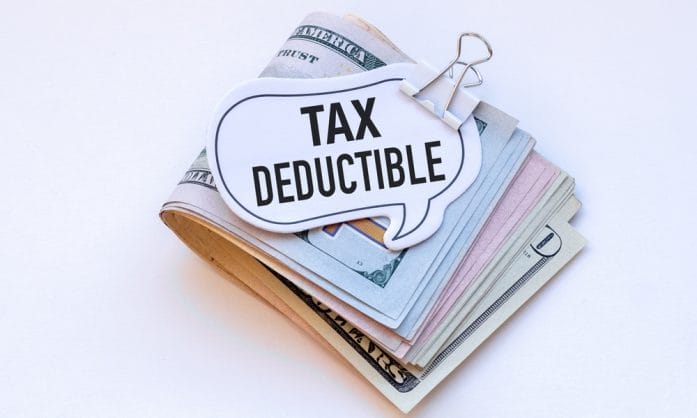
A pile of cash that is tax deductible – Shutterstock

Tax season already feels like a puzzle most Americans never asked to solve, yet new policy shifts could make that puzzle even trickier. Changes tied to the One Big Beautiful Bill could eliminate or reshape several lesser-known tax deductions that quietly help households save money each year. These deductions rarely grab headlines, but they often put real dollars back into everyday budgets. When they disappear or shrink, the impact shows up fast in refund checks and annual tax bills.

Financial pressure continues to rise as households juggle housing costs, healthcare expenses, and education debt. Even small deductions can soften that blow, especially for middle-income families who rely on every available break.

1. Teacher Classroom Expense Deduction Faces Uncertain Future

Teachers often spend their own money on classroom supplies without expecting reimbursement from schools or districts. The current deduction helps offset some of those out-of-pocket costs, covering items like books, supplies, and learning materials. Tax changes could reduce or eliminate this deduction as lawmakers look for ways to simplify the tax code. That shift would hit educators directly, especially in underfunded districts where personal spending already runs high. Many teachers already spend hundreds or even thousands of dollars each year just to keep classrooms running smoothly.

If this deduction disappears, educators may feel even more financial strain during back-to-school season. Schools could see indirect effects as teachers scale back personal contributions. Some policymakers argue consolidation improves efficiency, but critics warn it ignores real classroom needs. The loss would not just affect teachers but also students who benefit from enriched learning environments.

2. Medical Expense Deduction Threshold Could Get Tougher

Medical expense deductions currently help taxpayers who face significant healthcare costs that insurance does not fully cover. These deductions only kick in after expenses exceed a percentage of adjusted gross income, but even that relief could tighten under new reforms. The One Big Beautiful Bill may raise thresholds, making it harder for families to qualify. That change would especially impact seniors and individuals managing chronic conditions. Healthcare already strains budgets, and fewer deductions could intensify that pressure.

Raising the bar means fewer households would benefit from itemizing medical costs. Families dealing with surgeries, prescriptions, or long-term treatments could lose valuable relief. Critics argue that higher thresholds overlook the unpredictable nature of medical emergencies. Supporters of reform claim simplification reduces paperwork, but the tradeoff could land heavily on vulnerable taxpayers.

3. SALT Deduction Cap Could Become Even More Restrictive

The state and local tax deduction, commonly known as SALT, allows taxpayers to deduct certain state and local taxes from federal returns. High-tax states rely heavily on this deduction, especially for middle and upper-middle-income homeowners. Certain changes could tighten the already controversial cap or restructure it further. That shift would disproportionately impact households in states like New York, California, and New Jersey. Many homeowners already feel squeezed by the existing limits.

A stricter cap would increase taxable income for millions of filers. That means higher federal tax bills even if local taxes stay the same. Lawmakers supporting reform argue it creates fairness across states. Opponents argue it penalizes taxpayers in higher-cost regions without addressing underlying tax burdens.

4. Student Loan Interest Deduction May Shrink or Disappear

Student loan interest deductions currently help borrowers reduce taxable income while paying down education debt. This benefit provides modest relief, but it still matters for younger taxpayers managing large balances. Under new changes, lawmakers may eliminate or scale back this deduction to streamline education-related tax provisions. That move would hit recent graduates the hardest. Many already juggle rent, utilities, and loan payments at the same time.

Removing this deduction would raise the effective cost of borrowing for education. Monthly budgets could tighten further for early-career professionals. Supporters of reform argue that broader student aid programs should replace scattered tax breaks. Critics worry the timing could worsen financial stress for millions still recovering from rising tuition costs.

5. Home Office Deduction for Employees Could Narrow

Remote work expanded rapidly in recent years, and many workers now claim home office deductions for qualified expenses. This deduction helps offset costs like internet, utilities, and workspace equipment. Tax updates will restrict eligibility, especially for W-2 employees rather than self-employed individuals. That shift would eliminate benefits for many remote workers who depend on home setups. Employers increasingly expect flexibility, but tax policy may not fully keep pace.

A narrower deduction would reduce financial support for hybrid and remote workers. Some households could see higher taxable income despite working from home full-time. Policymakers argue that clearer boundaries reduce misuse of the deduction. Workers, however, may view the change as outdated in a modern digital workforce.

7 Little-Known Deductions That Could Vanish After the One Big Beautiful Bill
A man working in his home office – Shutterstock

6. Gambling Loss Deduction Rules Could Tighten Significantly

The gambling loss deduction allows taxpayers to offset winnings with documented losses, but only up to the amount of winnings. Changes could tighten reporting requirements or limit how losses get calculated. That shift could affect both casual gamblers and frequent players who track activity carefully. Casinos and online platforms already report winnings, but deductions rely heavily on detailed recordkeeping. Stricter rules would make compliance more difficult for everyday filers.

Tighter limits could result in higher taxable gambling income for many Americans. Even occasional wins could carry heavier tax consequences without full loss offsets. Supporters argue stricter rules prevent abuse and improve accuracy. Critics claim the change punishes recreational players who already break even or lose money overall.

7. Miscellaneous Itemized Deductions Could Face Full Elimination

Miscellaneous itemized deductions once covered a wide range of expenses like tax preparation fees and unreimbursed work costs. Many of these deductions already faced restrictions in recent years, but further elimination remains on the table. The One Big Beautiful Bill could simplify the tax code by removing these categories entirely. That approach would reduce complexity but also eliminate small yet meaningful savings. Taxpayers who rely on itemizing could feel the impact immediately.

Losing these deductions would push more people toward standard deductions only. That shift could simplify filing but reduce flexibility for unique financial situations. Lawmakers supporting elimination focus on efficiency and enforcement clarity. Critics highlight how small deductions often help middle-income households bridge financial gaps.

What These Tax Changes Could Really Mean for Everyday Americans

Tax policy changes rarely stay abstract for long because they eventually show up in paychecks and refund amounts. The loss of these lesser-known deductions could increase taxable income for millions of households across the country. Families, teachers, homeowners, students, and remote workers could feel the effects in different but very real ways. Even modest deductions often add up to meaningful yearly savings.

What do these tax changes say about fairness and financial priorities in the current system? If you have an opinion, let’s hear about it below in the comments.

You May Also Like…

Tennessee Residents Still Pay Federal Taxes on Investment Income Despite State Changes

6 Ways the “One Big Beautiful Bill” Could Backfire on Retirees

South Carolina Newcomers Are Paying Higher Property Taxes Until Homestead Eligibility Kicks In

Texas Has No Income Tax — But Property Taxes Can Get Close To 2% in Some Areas

The Drone Inspection Finding That’s Triggering Homeowner Policy Cancellations

Brandon Marcus
Brandon Marcus

Brandon Marcus is a writer who has been sharing the written word since a very young age. His interests include sports, history, pop culture, and so much more. When he isn’t writing, he spends his time jogging, drinking coffee, or attempting to read a long book he may never complete.

Filed Under: Lifestyle Tagged With: home office deduction, IRS taxes, itemized deductions, medical expenses, One Big Beautiful Bill, Personal Finance, SALT deduction, student loan interest, tax changes USA, tax credits, Tax Deductions, tax policy

Follow Us

Search this site:

Recent Posts

  • Can My Savings Account Affect My Financial Aid? by Tamila McDonald
  • 12 Ways Gen X’s Views Clash with Millennials… by Tamila McDonald
  • What Advantages and Disadvantages Are There To… by Jacob Sensiba
  • 10 Tactics for Building an Emergency Fund from Scratch by Vanessa Bermudez
  • Call 911: Go To the Emergency Room Immediately If… by Stephen Kanaval
  • 7 Weird Things You Can Sell Online by Tamila McDonald
  • 10 Scary Facts About DriveTime by Tamila McDonald

Copyright © 2026 · News Pro Theme on Genesis Framework