• Home
  • About Us
  • Toolkit
  • Getting Finances Done
    • Hiring Advisors
    • Debt Management
    • Spending Plan
  • Insurance
    • Life Insurance
    • Health Insurance
    • Disability Insurance
    • Homeowners/Renters Insurance
  • Contact Us
  • Privacy Policy
  • Risk Tolerance Quiz

The Free Financial Advisor

You are here: Home / Archives for invest

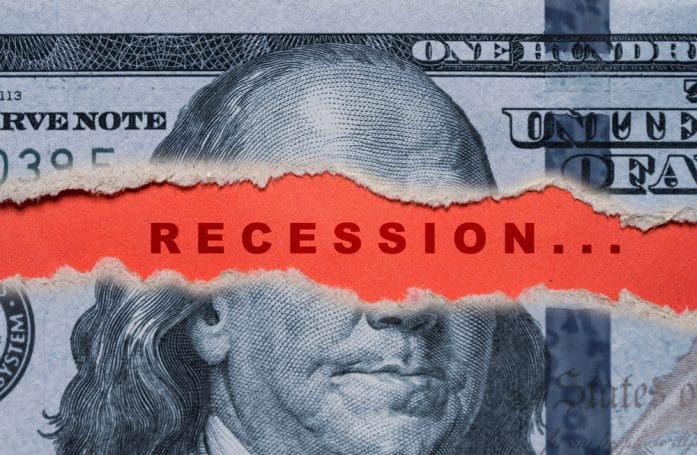
Could Your Financial Plan Withstand A Surprise Recession Beginning In December?

December 29, 2025 by Brandon Marcus Leave a Comment

Could Your Financial Plan Withstand A Surprise Recession Beginning In December?

Image Source: Shutterstock.com

The calendar flips to December, holiday lights glow, inboxes fill with end-of-year recaps—and suddenly the economic mood shifts. Markets wobble, headlines sharpen, and that quiet question creeps in: Are we actually ready for this? Recessions rarely send formal invitations, and when they arrive, they don’t care how confident last quarter felt.

The real thrill—and danger—is discovering whether your financial plan is built like a brick house or a house of cards when the wind picks up. This is where smart preparation meets financial reality.

The Warning Signs Most People Miss Until It’s Too Late

Economic downturns don’t usually explode out of nowhere; they whisper before they roar. Subtle signals like slowing job growth, tightening credit, and declining consumer confidence often appear months in advance. Many people ignore these cues because markets can still look “fine” on the surface. A solid financial plan accounts for these warning signs rather than reacting after the damage is done. Recognizing early indicators gives you time to adjust instead of panic.

Why December Recessions Hit Harder Than Expected

A recession beginning in December carries a unique psychological punch. Spending is already elevated from the holidays, credit card balances are peaking, and optimism tends to override caution. When income uncertainty suddenly enters the picture, the emotional whiplash can be intense. This timing often leaves households with less cash flexibility and more financial commitments. A resilient plan anticipates seasonal pressure instead of being blindsided by it.

Emergency Funds Are Not Optional Anymore

An emergency fund is not a “nice-to-have”; it’s the foundation of financial survival. Ideally, it should cover three to six months of essential expenses, parked somewhere safe and accessible. During a recession, layoffs and reduced hours can happen fast, and cash flow disruptions snowball quickly. Without a cushion, people are forced to rely on debt or liquidate investments at the worst possible time. A well-built emergency fund buys you calm when the world feels chaotic.

Your Investment Mix Matters More Than Your Timing

Trying to time the market during a recession is like trying to catch a falling knife while blindfolded. What actually protects you is diversification across asset classes, risk levels, and time horizons. A portfolio built solely for growth can suffer deep emotional and financial stress during downturns. On the flip side, an overly conservative strategy may fail to recover when markets rebound. Balance—not prediction—is what allows portfolios to bend without breaking.

Debt Becomes Louder When the Economy Gets Quiet

Debt behaves very differently when income feels uncertain. High-interest balances suddenly feel heavier, and minimum payments become more stressful. A recession exposes which debts are manageable and which ones quietly drain financial oxygen. Strategic debt reduction before a downturn can dramatically improve resilience. The goal isn’t perfection—it’s flexibility and control.

Could Your Financial Plan Withstand A Surprise Recession Beginning In December?

Image Source: Shutterstock.com

Job Security Is Not A Guarantee, Even In “Stable” Fields

No industry is completely recession-proof, even those that feel essential. Layoffs often start at the edges and move inward, catching confident professionals off guard. Having multiple income streams or marketable skills can make a major difference. Networking, skill development, and side income aren’t just ambition plays—they’re insurance policies. Financial plans that assume uninterrupted employment are often the most fragile.

Emotional Decision-Making Can Be The Biggest Risk

Fear causes people to abandon good plans at the worst possible moments. Selling investments at the bottom, freezing savings, or making reactionary career moves can do long-term damage. Emotional discipline is just as important as numerical strategy during downturns. A strong plan includes rules for decision-making when stress levels spike. When emotions rise, structure keeps you grounded.

Liquidity Is Power When Opportunities Appear

Recessions don’t just destroy value—they also create it. Those with liquidity can invest, acquire, or reposition while others are forced to retreat. Having accessible cash or low-risk assets gives you optionality when markets reset. This is how some people emerge from recessions stronger than before. Flexibility turns uncertainty into opportunity.

Professional Guidance Becomes More Valuable Under Pressure

Financial advice matters most when things get uncomfortable. A trusted advisor can help filter noise, stress-test your plan, and prevent costly emotional decisions. They also bring perspective that’s hard to maintain when headlines feel relentless. Even a single strategic adjustment can meaningfully change outcomes. The right guidance helps turn chaos into clarity.

A Recession Tests More Than Money

Financial stress often spills into relationships, health, and overall well-being. Money anxiety can quietly shape decisions in ways people don’t immediately recognize. Planning ahead reduces not just financial strain, but emotional fatigue. A resilient plan supports your lifestyle, your goals, and your peace of mind. True preparedness isn’t about fear—it’s about confidence.

Is Your Plan Ready For The Test?

A recession starting in December wouldn’t just test markets—it would test habits, assumptions, and preparedness. The good news is that readiness isn’t about predicting the future; it’s about building flexibility into your present. Whether the economy stumbles or surprises us, a thoughtful plan gives you options instead of panic. Take a moment to reflect on your own strategy and where it could be stronger.

Feel free to leave your thoughts, insights, or personal experiences in the comments below because your perspective might help someone else prepare.

You May Also Like…

Funding Gap: 8 Ways Rising College Costs Are Changing Mid-Life Financial Planning

Tax Horizon: 4 Year-End Moves That Could Shape Your Finances for a Decade

8 Tips for Talking With Your Partner About Health, Finances & Legacy

Tax Blindspot: 4 Deductions Many Americans Miss During December

Holiday Budget: 6 Moves That Protect Your Financial New Year


Brandon Marcus
Brandon Marcus

Brandon Marcus is a writer who has been sharing the written word since a very young age. His interests include sports, history, pop culture, and so much more. When he isn’t writing, he spends his time jogging, drinking coffee, or attempting to read a long book he may never complete.


Filed Under: Lifestyle Tagged With: Best Independent Contractor Jobs for 2023, Debt, debt payoff, December, eliminating debt, emergency fund, emergency funds, Financial plan, invest, investing, Investment, investments, job security, Life, Lifestyle, Planning, recession, Saving, savings, savings account, Smart Spending, spending

Portfolio Structure: 6 Smart Adjustments If the Market Refuses to Cooperate

December 29, 2025 by Brandon Marcus Leave a Comment

Portfolio Structure: 6 Smart Adjustments If the Market Refuses to Cooperate

Image Source: Shutterstock.com

Markets love to test patience, confidence, and occasionally sanity. One week everything’s green and glowing, the next week your portfolio looks like it caught the flu. When the market refuses to cooperate, panic is tempting—but strategy is powerful.

This is where smart structure steps in, not as a dramatic overhaul, but as a series of calm, intentional adjustments. Think of this as tuning a high-performance engine rather than slamming the brakes. With the right tweaks, your portfolio can stay resilient even when the headlines are not.

1. Rebalance With Purpose, Not Panic

Rebalancing isn’t about reacting to fear; it’s about restoring alignment with your long-term goals. Over time, winning assets quietly take over your portfolio, increasing risk without asking permission. A disciplined rebalance trims what’s grown too large and reinforces areas that have fallen behind. This keeps your risk profile intentional instead of accidental. Done regularly, it turns volatility into a maintenance tool rather than a threat.

2. Diversify Beyond The Obvious

True diversification isn’t just owning more stocks; it’s owning assets that behave differently under stress. Stocks, bonds, real assets, and alternatives often react to economic shocks in unique ways. When one stumbles, another may stabilize the ride. Diversification doesn’t eliminate losses, but it can dramatically reduce emotional whiplash. The goal is smoother performance, not chasing the hottest trend of the month.

3. Adjust Risk Exposure Without Abandoning Growth

Reducing risk doesn’t require retreating to the sidelines. Small shifts toward quality, stability, or lower volatility investments can keep growth alive while dialing down stress. Think of it as adjusting the sails rather than abandoning the voyage. This approach keeps you invested while acknowledging that market seasons change. Smart risk adjustment allows participation without overexposure.

4. Revisit Time Horizons And Liquidity Needs

Market frustration often comes from mismatched timelines. Money needed soon should not be riding out long-term market turbulence. Separating short-term funds from long-term investments brings clarity and confidence. Liquidity provides flexibility, especially when opportunities or emergencies appear. When time horizons align with asset choices, emotional decision-making tends to fade.

5. Embrace Defensive Strategies Without Fear

Defensive does not mean pessimistic; it means prepared. Sectors like healthcare, consumer staples, or utilities often behave more steadily during downturns. Adding defensive exposure can soften volatility while keeping capital productive. This approach acknowledges uncertainty without surrendering to it. A balanced defense allows you to stay in the game without bracing for impact every day.

Portfolio Structure: 6 Smart Adjustments If the Market Refuses to Cooperate

Image Source: Shutterstock.com

6. Reevaluate Strategy Instead Of Reacting To Noise

Markets generate noise nonstop, and most of it is designed to provoke emotion. Smart investors pause to evaluate whether new information truly changes the long-term outlook. Strategic reviews, not emotional reactions, lead to better decisions. Sometimes the smartest move is simply refining what already works. Consistency, not constant change, often delivers the strongest results.

Building Confidence When Markets Get Messy

When the market refuses to cooperate, structure becomes your greatest ally. Thoughtful adjustments can restore confidence without abandoning long-term goals or chasing short-term relief. Every investor experiences moments of doubt, but those moments often become turning points for smarter strategies. The key is staying engaged, informed, and intentional rather than reactive.

If you’ve navigated market turbulence before or are facing it now, we’d love to hear your experiences and insights in the comments below.

You May Also Like…

Tax Trigger: 8 Portfolio Adjustments to Make Before 2026 Reforms Hit

Is Your Portfolio Too Dependent On Outdated Economic Assumptions?

Could Your Current Portfolio Survive A Sudden December Correction?

10 Shocking Facts About Index Funds Versus Actively Managed Portfolios

What Young People Need To Know About Investing Volatility


Brandon Marcus
Brandon Marcus

Brandon Marcus is a writer who has been sharing the written word since a very young age. His interests include sports, history, pop culture, and so much more. When he isn’t writing, he spends his time jogging, drinking coffee, or attempting to read a long book he may never complete.

Filed Under: Investing Tagged With: diversify, invest, investing, investment portfolio, investments, portfolio, portfolio adjustments, portfolio diversification, portfolio management, portfolio rebalancing, rebalancing, rebalancing portfolio, smart invsetments

What Young People Need To Know About Investing Volatility

December 28, 2025 by Brandon Marcus Leave a Comment

What Young People Need To Know About Investing Volatility

Image Source: Shutterstock.com

The stock market often roars, stumbles, sprints, and sometimes faceplants in public. One day your portfolio looks like a genius move, the next it feels like a personal attack. That emotional rollercoaster is called volatility, and it’s the price of admission for long-term growth.

For young investors, volatility isn’t a monster to fear—it’s a tool to understand, respect, and eventually use to your advantage. If you can learn to stay calm while the market throws tantrums, you’re already ahead of most people twice your age.

What Volatility Actually Means In Real Life

Volatility is simply how much and how fast prices move up and down over time. It doesn’t automatically mean danger, even though headlines love to make it sound like chaos. Markets fluctuate because of earnings reports, interest rates, global events, and human emotions like fear and greed. For young investors, volatility is often more noise than signal, especially over short timeframes. Understanding this difference is the first step toward not panicking when your screen turns red.

Why Volatility Hits Young Investors Differently

Young people often have something powerful on their side: time. When you’re decades away from retirement, short-term market drops matter far less than long-term growth. Volatility can actually work in your favor because it creates opportunities to buy assets at lower prices. The danger isn’t volatility itself, but reacting emotionally to it. Panic selling early in your investing journey can erase the biggest advantage you’ll ever have—compound growth.

The Emotional Traps That Wreck Good Plans

Markets test your patience more than your intelligence. Fear tells you to sell when prices fall, while excitement tempts you to chase hype when prices soar. Social media and news cycles amplify every market move until it feels urgent and personal. Successful investors learn to separate feelings from strategy, which is harder than it sounds but easier with practice. Recognizing emotional traps is often more valuable than knowing financial formulas.

What Young People Need To Know About Investing Volatility

Image Source: Shutterstock.com

How Long-Term Thinking Changes Everything

Time smooths out volatility like waves flattening over distance. Historically, markets have trended upward despite wars, recessions, and global crises. When you think in decades instead of days, short-term drops become background noise rather than disasters. Long-term investing rewards consistency, patience, and discipline far more than perfect timing. The earlier you adopt this mindset, the more powerful it becomes.

Risk Isn’t The Enemy—Ignorance Is

Risk gets a bad reputation, but it’s inseparable from reward. The real danger is not understanding what you’re invested in or why you own it. Knowing your risk tolerance helps you build a portfolio you can stick with during turbulence. Education reduces fear, because uncertainty shrinks when you understand how markets work. Smart risk-taking, not risk avoidance, is how wealth grows.

Volatility As A Teacher, Not A Threat

Every market swing teaches a lesson about behavior, patience, and discipline. Downturns reveal whether your strategy is solid or just optimism in disguise. Young investors who experience volatility early often develop stronger financial instincts later. These moments build resilience that spreadsheets never can. The goal isn’t to avoid volatility, but to learn from it without overreacting.

Building Habits That Outlast Market Cycles

Consistent investing beats perfect timing almost every time. Automating contributions helps remove emotion from the process. Diversification spreads risk so no single event can wipe you out. Reviewing your plan periodically keeps you aligned without obsessing daily. Good habits turn market chaos into background noise instead of a source of stress.

The Role Of Patience In Beating The Market

Patience is the quiet superpower most investors underestimate. Markets reward those who wait far more often than those who rush. Compounding works slowly at first, then suddenly feels unstoppable. Many people quit right before the most powerful growth phase begins. Staying invested through boring or scary periods is often the difference between average and exceptional results.

Why Volatility Can Actually Be Your Ally

Volatility creates opportunity by offering assets at varying prices over time. It allows disciplined investors to buy more when prices fall and benefit when they recover. Without volatility, growth would be slower and opportunities rarer. Understanding this flips fear into curiosity. When you stop dreading market swings, you start seeing possibility instead.

Riding The Waves Without Losing Your Balance

Volatility is not a flaw in the system—it’s a feature of how investing works. For young people, learning to coexist with uncertainty can shape smarter decisions for decades to come. The market will always move, but your mindset determines whether that movement helps or hurts you. Building patience, knowledge, and emotional control now pays dividends far beyond money.

Give us all of your thoughts, lessons, or personal investing stories in the comments below and join the conversation.

You May Also Like…

What Young People Can Teach Their Grandparents About Money

Why Young People Don’ Think About Estate Planning

These 5 Stocks Only Perform Well When The Entire Stock Market Does

How To Start Your 2026 Investing Journey With A Bang

Confront Your Fears of Investing With Our Step-by-Step Training Guide.


Brandon Marcus
Brandon Marcus

Brandon Marcus is a writer who has been sharing the written word since a very young age. His interests include sports, history, pop culture, and so much more. When he isn’t writing, he spends his time jogging, drinking coffee, or attempting to read a long book he may never complete.

Filed Under: Investing Tagged With: active investing, beginning investing, invest, investing, investments, market, market volatility, smart investing, stock market, volatility, young people, young people investing

Risk Rewind: 5 Lessons From Past Crashes That Still Matter Today

December 28, 2025 by Brandon Marcus Leave a Comment

Risk Rewind: 5 Lessons From Past Crashes That Still Matter Today

Image Source: Shutterstock.com

Markets love to pretend they’re rational, but history keeps proving otherwise. Every boom arrives with bravado, every bust with disbelief, and somehow investors always swear this time is different. Yet from tulip mania to dot-com dreams to the housing bubble meltdown, the same emotional patterns keep replaying like a financial remix nobody asked for.

The charts change, the technology evolves, and the buzzwords get shinier—but human behavior? Not so much. This rewind through history isn’t about fear; it’s about learning how to stay smart when everyone else is losing their heads.

1. Overconfidence Is The Gateway To Disaster

Every major crash starts with a collective belief that the rules no longer apply. In the late 1920s, investors believed stocks could only go up, right until they didn’t. Overconfidence blinds people to warning signs, convincing them that they’re smarter, faster, or more informed than the market itself. This mindset turns healthy optimism into reckless leverage, margin debt, and all-in bets. History reminds us that humility is not weakness—it’s a survival skill.

2. Speculation Thrives When Memory Fades

When enough time passes after a crash, fear fades and fantasy returns. The dot-com bubble showed how quickly fundamentals can be tossed aside when hype takes over. Companies with no profits, no products, and sometimes no clear purpose were valued like empires simply because they had “.com” in their name. Forgetting past pain allows speculation to grow unchecked, and the market rarely forgives that amnesia.

3. Leverage Turns Small Mistakes Into Catastrophes

Borrowing to invest has always been tempting, especially when prices are rising and lenders are eager. During the 2008 financial crisis, excessive leverage turned a housing slowdown into a global meltdown. Leverage magnifies gains, but it also multiplies losses at terrifying speed. When markets turn, leverage removes choice, forcing sales at the worst possible moment. History teaches that debt doesn’t just increase risk—it accelerates consequences.

4. Herd Mentality Is Stronger Than Logic

Humans are wired to follow the crowd, especially when money is involved. When everyone else seems to be getting rich, standing still feels like falling behind. This herd behavior fueled everything from tulip bulbs costing more than houses to meme stocks soaring without fundamentals. The crowd can be loud, persuasive, and wrong all at once. Learning to think independently is one of the rarest and most valuable investor skills.

5. Fear And Greed Never Go Out Of Style

Markets swing between euphoria and panic, and neither state lasts forever. Greed convinces people to chase returns long after risks have grown obvious, while fear pushes them to sell precisely when opportunity appears. Every crash in history reflects this emotional whiplash. Understanding that emotions drive markets more than logic helps investors stay grounded when chaos hits. The lesson isn’t to eliminate emotion—it’s to recognize when it’s in control.

Risk Rewind: 5 Lessons From Past Crashes That Still Matter Today

Image Source: Shutterstock.com

6. Innovation Doesn’t Cancel Valuation

New technology often creates real progress, but progress doesn’t justify any price. From railroads to radio to the internet, every innovation boom came with inflated expectations. Investors often confuse revolutionary ideas with guaranteed profits, forgetting that execution, competition, and timing still matter. History shows that great technologies can still produce terrible investments if bought at the wrong price. Innovation is exciting, but valuation is reality.

7. Liquidity Disappears Faster Than You Expect

In good times, assets feel liquid and buyers seem endless. During crises, liquidity vanishes almost overnight. Sellers scramble while buyers step back, creating violent price drops. This pattern appeared in 1987, 2008, and even in brief modern flash crashes. Liquidity is abundant until the moment it’s desperately needed—and by then, it’s usually gone.

8. Risk Hides Best During Calm Periods

The most dangerous risks often look harmless at first. Extended stability encourages risk-taking because nothing appears to go wrong. Low volatility can lull investors into believing the system is safer than it really is. History shows that calm periods often plant the seeds for future chaos. Stability should prompt caution, not complacency.

9. Diversification Is Boring But Brilliant

Diversification rarely feels exciting, especially when one sector is dominating headlines. Yet every major crash has punished those who put all their hopes into a single idea. Spreading risk doesn’t eliminate losses, but it prevents devastation. Boring strategies tend to survive long enough to matter. History rewards those who stay balanced when others chase extremes.

10. Recovery Always Comes—But Not Evenly

Every crash eventually gives way to recovery, but not everyone benefits equally. Some assets rebound quickly, others take decades, and some never return at all. Timing, patience, and flexibility play huge roles in who survives and who thrives. History shows that resilience matters more than prediction. The goal isn’t to avoid downturns—it’s to endure them intelligently.

History Doesn’t Repeat, But It Rhymes

Market crashes may wear different costumes, but their underlying stories remain remarkably consistent. Overconfidence, speculation, leverage, and emotion continue to shape every boom and bust. By studying the past, investors gain perspective, patience, and a healthier respect for risk.

The real edge isn’t predicting the next crash—it’s being prepared when it arrives. Drop your thoughts, experiences, or lessons learned below and keep the conversation going.

You May Also Like…

Why Young People Should Invest In The Stock Market

These 5 Stocks Only Perform Well When The Entire Stock Market Does

4 Bold Predictions Regarding the Future of the Stock Market

5 Clues That It’s Time To Pull Your Investment

5 Investment Mistakes Young People Make


Brandon Marcus
Brandon Marcus

Brandon Marcus is a writer who has been sharing the written word since a very young age. His interests include sports, history, pop culture, and so much more. When he isn’t writing, he spends his time jogging, drinking coffee, or attempting to read a long book he may never complete.

Filed Under: Investing Tagged With: herd mentality, invest, investing, investments, market volatility, overconfidence, Smart Investments, speculation, stock market, stock market crash, volatility

Asset Exposure: 6 Categories of Investments That Might Be Over-Represented

December 28, 2025 by Brandon Marcus Leave a Comment

Asset Exposure: 6 Categories of Investments That Might Be Over-Represented

Image Source: Shutterstock.com

Money has a funny way of sneaking into familiar corners. One day you’re making a few “smart” financial choices, and the next thing you know, half your portfolio is marching in the same direction like a herd that never learned how to turn left. Asset exposure isn’t just about what you own — it’s about how much of your financial future is riding on a single theme, trend, or assumption.

The real danger often isn’t risk itself, but invisible concentration that feels diversified until it suddenly isn’t. Buckle up, because we’re diving into six common investment categories that tend to quietly grow too large for comfort.

1. Domestic Equities

Home-country stocks often feel safe, familiar, and easy to understand, which is exactly why investors overload on them. Many portfolios lean heavily toward domestic companies simply because they’re the ones people read about, recognize, and emotionally trust. While local markets can be strong, overexposure means your financial fate becomes tightly linked to one economy, one political system, and one regulatory environment. When that system sneezes, your entire portfolio may catch a cold. Global diversification isn’t about chasing exotic returns — it’s about building shock absorbers.

2. Technology Stocks

Technology investments have a magnetic pull, fueled by innovation, headlines, and jaw-dropping growth stories. Over time, investors often accumulate more tech exposure than they realize through individual stocks, ETFs, retirement funds, and index allocations.

The danger lies in correlation: when tech sneezes, tech all sneezes together. Regulatory pressure, rising interest rates, or shifts in consumer behavior can hit the entire sector at once. Loving innovation is great, but letting it dominate your portfolio can quietly raise your risk level.

Asset Exposure: 6 Categories of Investments That Might Be Over-Represented

Image Source: Shutterstock.com

3. Real Estate And Property-Linked Assets

Real estate feels tangible, dependable, and historically reliable, which is why it often becomes a comfort investment. Between primary residences, rental properties, REITs, and property-focused funds, exposure can stack up fast. The issue is that real estate tends to move in cycles influenced by interest rates, credit availability, and regional economics. When liquidity dries up, real estate doesn’t pivot quickly. An overconcentration can lock capital into assets that are slow to adjust when conditions change.

4. Employer-Related Investments

Holding company stock or retirement plans tied to your employer can quietly double your risk without you realizing it. If your income and investments depend on the same organization, your financial stability becomes dangerously concentrated. Layoffs, scandals, or industry downturns can suddenly affect both your paycheck and your portfolio at the same time. Many people underestimate this exposure because it feels loyal or convenient. True diversification means your employer should not also be your primary investment engine.

5. High-Yield Or Income-Focused Assets

Dividend stocks, high-yield bonds, and income-focused funds can look irresistible, especially when they promise steady cash flow. The problem is that yield often comes with hidden risk, such as leverage, credit exposure, or sensitivity to interest rate changes. When markets tighten, these assets can lose value faster than expected while income streams shrink.

Chasing yield without understanding the underlying structure can turn stability into stress. Income is valuable, but concentration in it can quietly magnify volatility.

6. Trend-Driven Or Thematic Investments

From clean energy to artificial intelligence to crypto-adjacent assets, thematic investing captures excitement and imagination. The danger lies in how quickly enthusiasm can outpace fundamentals. When narratives cool or technology evolves faster than expected, these investments can deflate rapidly. Many investors accumulate multiple funds or stocks tied to the same theme, unknowingly multiplying exposure. Trends can be powerful, but they work best as seasoning — not the main course.

Balance Is The Quiet Superpower

Overexposure rarely announces itself with flashing warning signs. It builds slowly, wrapped in comfort, familiarity, and optimism, until one unexpected shift reveals just how narrow the foundation really was. The goal isn’t to eliminate risk, but to distribute it wisely across ideas, industries, and geographies. Thoughtful diversification gives your portfolio flexibility, resilience, and room to breathe.

If you’ve noticed patterns in your own investments or learned lessons the hard way, feel free to drop your thoughts or experiences in the comments section below, because your perspective might help someone else avoid a costly blind spot.

You May Also Like…

13 Eye-Opening Truths About Real Estate Crowdfunding Ventures

How To Start Your 2026 Investing Journey With A Bang

Risk Exposure: 9 Stress Tests Every Soon-to-Retire Investor Should Run

9 Critical Differences Between Value and Growth Investing Approaches

Why Do Some Investors Obsess Over Real Estate Alone


Brandon Marcus
Brandon Marcus

Brandon Marcus is a writer who has been sharing the written word since a very young age. His interests include sports, history, pop culture, and so much more. When he isn’t writing, he spends his time jogging, drinking coffee, or attempting to read a long book he may never complete.

Filed Under: Investing Tagged With: domestic equities, invest, investing, Investment, investments, Real estate, real estate investing, technology stocks

Tax Surge: 4 Income Types That Trigger Hidden Tax Bills

December 28, 2025 by Brandon Marcus Leave a Comment

Tax Surge: 4 Income Types That Trigger Hidden Tax Bills

Image Source: Shutterstock.com

Money feels great when it lands in your account — until the tax bill shows up like an uninvited guest who knows exactly how much you made and wants a cut. One of the biggest financial surprises people face isn’t earning more money, but realizing that not all income is treated the same by the tax system. Some income types quietly trigger extra taxes, phaseouts, penalties, or reporting rules that most people never see coming.

These hidden tax traps don’t just affect the ultra-wealthy; they quietly snag freelancers, retirees, investors, and side hustlers every year.

1. Investment Income That Quietly Raises Your Tax Rate

Investment income often feels passive, but the tax system treats it like an active participant in your financial life. Capital gains, dividends, and interest can push your total income higher, sometimes triggering higher marginal tax brackets without you realizing it. Long-term capital gains are taxed differently than ordinary income, but they can still cause other benefits or credits to phase out. Investment income can also trigger the Net Investment Income Tax, an extra 3.8% levy many people don’t realize applies once certain income thresholds are crossed. Even reinvested dividends — money you never actually touched — can still generate a tax bill that sneaks up on you.

2. Side Hustle And Gig Income That Comes With Surprise Self-Employment Taxes

That side hustle money feels especially sweet because it’s often earned on your own terms, but it comes with tax strings attached. Unlike a traditional job, side income usually doesn’t have taxes withheld automatically, meaning the IRS expects you to pay both income tax and self-employment tax. Many people are shocked to learn they owe quarterly estimated payments instead of settling up once a year. What starts as a fun side project can quietly become a tax headache if planning doesn’t keep pace with profits.

3. Retirement Income That Isn’t As Tax-Free As It Sounds

Retirement income often carries the illusion of simplicity, but the tax reality can be surprisingly complex. Traditional 401(k) and IRA withdrawals are taxed as ordinary income, which can push retirees into higher tax brackets than expected. Social Security benefits can also become partially taxable depending on your total income, a twist that catches many retirees off guard. Required Minimum Distributions can force withdrawals even when the money isn’t needed, creating taxable income by mandate rather than choice. What feels like a stable retirement paycheck can quietly reshape your entire tax picture.

Tax Surge: 4 Income Types That Trigger Hidden Tax Bills

Image Source: Shutterstock.com

4. Windfalls And One-Time Payments That Trigger Unexpected Consequences

Bonuses, legal settlements, severance packages, and even forgiven debt often come with tax implications that aren’t obvious at first glance. These lump sums can push income temporarily into a higher tax bracket, increasing the rate applied to part of your earnings. Certain payments may also reduce deductions, credits, or healthcare subsidies tied to income thresholds. What feels like a financial win can become a tax maze without careful planning.

The Hidden Side Of “Extra” Money

Understanding how different income types interact with tax rules can help prevent unpleasant surprises and allow smarter financial decisions year-round. Whether it’s investments, side gigs, retirement funds, or one-time windfalls, knowledge turns confusion into control.

If you’ve ever been surprised by a tax bill or learned a lesson the hard way, we’d love to hear your thoughts or experiences in the comments below.

You May Also Like…

Income Stream: 5 Unexpected Income Sources Retirees Are Trying This Winter

Income Pivot: 8 Income Streams Retirees Are Adding Before Rates Change Again

13 Intriguing Ideas for Generating Passive Rental Income Streams

7 Income Streams You’d Laugh At—Until They Out-earned Your Salary

6 Income Sources People Don’t Try But Should


Brandon Marcus
Brandon Marcus

Brandon Marcus is a writer who has been sharing the written word since a very young age. His interests include sports, history, pop culture, and so much more. When he isn’t writing, he spends his time jogging, drinking coffee, or attempting to read a long book he may never complete.

Filed Under: tax tips Tagged With: gig economy, Income, income stream, income types, invest, investing, Investment, investments, multiple income stream, retire, Retirement, retirement account, side hustle, side hustles, Tax, tax tips, taxes, windfalls

Regulation Checklist: 9 Conversations Advisors Are Having With Clients Right Now

December 27, 2025 by Brandon Marcus Leave a Comment

Regulation Checklist: 9 Conversations Advisors Are Having With Clients Right Now

Image Source: Shutterstock.com

The financial world is buzzing, shifting, and occasionally doing backflips, and advisors are right in the middle of the action. New rules, sharper enforcement, and faster-moving technology have turned routine check-ins into strategic conversations with real consequences. Clients are asking smarter questions, regulators are asking tougher ones, and advisors are balancing clarity with compliance at record speed.

This moment feels less like paperwork and more like a high-stakes chess match where every move matters. These are the nine conversations shaping portfolios, trust, and decision-making right now.

1. Fiduciary Duty And What It Really Means Today

Clients want to know whether their advisor is legally and ethically obligated to act in their best interest at all times. Advisors are clarifying how fiduciary standards apply across accounts, products, and planning relationships. The conversation often includes where conflicts can exist and how they are disclosed or mitigated. Many clients are surprised to learn that not all advice is governed by the same rules. This discussion builds trust by replacing jargon with transparency.

2. Fee Transparency And Cost Justification

Fees are no longer a background detail; they are front and center in client conversations. Advisors are explaining exactly what clients pay, how those costs are structured, and what value they receive in return. This includes advisory fees, fund expenses, and potential transaction costs. Clients are increasingly comparing services, so clarity matters more than ever. The best conversations frame cost as an investment in guidance, not a mystery deduction.

3. Regulation Best Interest And Practical Impact

Regulation Best Interest sounds technical, but its real-world effects are very personal. Advisors are explaining how recommendations must align with a client’s goals, timeline, and risk tolerance. This often leads to deeper conversations about life changes, not just market performance. Clients want to know how these rules protect them in real scenarios. When explained well, the regulation feels less like red tape and more like a safety net.

4. Data Privacy And Cybersecurity Expectations

Clients are more aware than ever of data breaches and digital risk. Advisors are now expected to explain how personal and financial information is protected. This includes secure portals, encryption, and internal access controls. The conversation also covers what clients can do to protect themselves. Trust grows when security is treated as a shared responsibility, not a footnote.

5. AI, Automation, And Human Oversight

Artificial intelligence is no longer futuristic; it is part of daily financial operations. Advisors are discussing where automation helps and where human judgment remains essential. Clients want reassurance that algorithms do not replace accountability. These talks often highlight how technology enhances efficiency without removing personal connection. The goal is confidence, not confusion, about who is really making decisions.

Regulation Checklist: 9 Conversations Advisors Are Having With Clients Right Now

Image Source: Shutterstock.com

6. ESG, Values, And Regulatory Scrutiny

Environmental, social, and governance considerations continue to spark interest and debate. Advisors are navigating new disclosure rules while helping clients align investments with personal values. The conversation now includes how ESG claims are defined and verified. Clients want clarity without greenwashing or vague promises. Regulation has turned values-based investing into a more structured dialogue.

7. Retirement Rule Changes And Long-Term Planning

Shifting retirement regulations mean old assumptions no longer always apply. Advisors are walking clients through updated contribution limits, distribution rules, and tax implications. These discussions often uncover opportunities that were previously overlooked. Clients appreciate proactive guidance instead of last-minute surprises. Planning becomes more dynamic when rules evolve.

8. Marketing, Testimonials, And Online Presence

Advisors are now more visible online, and regulations are keeping pace. Clients are curious about what testimonials mean and how reviews are monitored. Advisors explain what can and cannot be said publicly and why compliance matters. This transparency helps clients interpret online information more critically. Trust grows when marketing feels honest rather than promotional.

9. Documentation, Disclosures, And Decision Trails

Behind every recommendation is a trail of documentation designed to protect both advisor and client. Advisors are explaining why certain forms exist and how records support accountability. Clients are learning that documentation is not bureaucracy for its own sake. It creates clarity if questions ever arise later. Good records turn complex decisions into well-supported ones.

The Conversations That Shape Confidence

Regulation may sound dry, but these conversations are anything but. They reveal how trust is built, how decisions are protected, and how advisors and clients move forward together with clarity. Each discussion strengthens the relationship and sharpens expectations on both sides.

If you have experiences, insights, or moments where one of these conversations made a difference, add your thoughts in the comments below. Your perspective helps keep this evolving conversation real and relevant.

You May Also Like…

6 Ways Your Financial Advisor Can Help With Your New Year’s Resolutions

9 Outdated Pieces of Financial Advice That Are Now Dangerous

The Financial Advice That Works—But Almost No One Follows

Could Your Advisor’s Advice Change If They Knew More About Your Personality

Why Do So Many Clients Demand Advice About Buying Cars Instead of Homes


Brandon Marcus
Brandon Marcus

Brandon Marcus is a writer who has been sharing the written word since a very young age. His interests include sports, history, pop culture, and so much more. When he isn’t writing, he spends his time jogging, drinking coffee, or attempting to read a long book he may never complete.

Filed Under: Financial Advisor Tagged With: artificial intelligence, Automation, cost justification, data, digital safety, fee, fee transparency, finance, finances, financial advisors, general finance, human oversight, Interest, invest, investing, Investment, investments, privacy, privacy issues

Are You Missing Opportunities Because You’re Too Focused On Day-To-Day Market Noise?

December 27, 2025 by Brandon Marcus Leave a Comment

Are You Missing Opportunities Because You’re Too Focused On Day-To-Day Market Noise?

Image Source: Shutterstock.com

The market doesn’t whisper—it screams, flashes, buzzes, and vibrates every second of the day. Red candles spark panic, green candles spark greed, and your phone becomes a tiny casino living in your pocket. One tweet, one earnings miss, one analyst downgrade, and suddenly your long-term plan feels like it’s on trial.

That emotional whiplash is exactly what keeps so many smart people stuck reacting instead of building. The real tragedy isn’t missing a perfect trade—it’s missing the bigger opportunities hiding behind the noise.

The Daily Market Circus And Why It Feels So Urgent

Financial news is designed to feel urgent because urgency keeps you watching, clicking, and reacting. Every headline is framed like a crisis or a breakthrough, even when it’s just another normal fluctuation. This constant stimulation tricks your brain into believing every movement matters equally. In reality, most daily market changes are statistical static, not meaningful signals. When you treat background noise like breaking news, long-term clarity quietly slips away.

Short-Term Thinking Versus Long-Term Wealth Creation

Short-term thinking thrives on emotion, while long-term wealth is built on patience and probability. The market rewards those who allow compounding to do its slow, unglamorous work. Focusing on daily swings often leads investors to buy high, sell low, and repeat the cycle with confidence. Long-term strategies, by contrast, benefit from time smoothing out mistakes, downturns, and bad headlines. Wealth usually grows quietly, not loudly.

Why Your Brain Loves Noise More Than Strategy

Your brain evolved to respond to immediate threats, not 30-year investment horizons. Market volatility triggers the same fight-or-flight response as physical danger, even though your survival isn’t actually at risk. News alerts and price charts hijack your attention because novelty feels important. Strategy, however, requires boredom, discipline, and delayed gratification. The market rewards the mind that can sit still while everything else screams for action.

The Hidden Cost Of Constant Reaction

Every impulsive move has a cost, even if it doesn’t show up as a visible loss. Trading fees, taxes, missed rebounds, and emotional exhaustion quietly chip away at performance. Constant reaction also fractures confidence, making every decision feel heavier than the last. Over time, you stop trusting your plan and start chasing reassurance. Ironically, the more you try to stay “on top” of the market, the further behind you often fall.

Are You Missing Opportunities Because You’re Too Focused On Day-To-Day Market Noise?

Image Source: Shutterstock.com

How Zooming Out Reveals Better Opportunities

When you zoom out, patterns replace panic and trends replace turbulence. Big opportunities often appear boring in the moment because they unfold slowly and steadily. Long-term investors benefit from economic growth, innovation, and human progress rather than daily drama. By focusing on fundamentals instead of fluctuations, you give yourself room to think clearly. Zooming out doesn’t mean ignoring risk—it means seeing it in proper proportion.

Reframing Success Beyond Daily Wins And Losses

Success in investing isn’t measured by how often you’re right this week, but by how resilient your strategy is over years. A well-constructed plan absorbs bad days without derailing your goals. When you define success as consistency instead of excitement, stress loses its grip. This mindset shift allows patience to become a competitive advantage. The calmer you stay, the more opportunity you can actually recognize.

Step Back To Move Forward

The market will always be loud, emotional, and unpredictable, but you don’t have to match its energy. Real opportunity often lives just beyond the reach of daily noise, waiting for those willing to slow down and think bigger. By shifting your focus from constant reaction to intentional direction, you give your strategy room to breathe and grow. The goal isn’t to ignore the market, but to stop letting it shout you off course.

If you’ve ever felt torn between staying informed and staying sane, your perspective could help others—drop your thoughts or experiences in the comments below.

You May Also Like…

Should You Switch Advisors Before The New Year Or Wait Until Markets Stabilize?

5 Clues That It’s Time To Pull Your Investment

Why Investing Apps Will Remain Popular in 2026

Market Frame: 4 Visual Techniques Advisors Use to Explain Risk Better

Market Blindspot: 8 Global Shifts Investors Aren’t Watching But Should


Brandon Marcus
Brandon Marcus

Brandon Marcus is a writer who has been sharing the written word since a very young age. His interests include sports, history, pop culture, and so much more. When he isn’t writing, he spends his time jogging, drinking coffee, or attempting to read a long book he may never complete.

Filed Under: Investing Tagged With: beginning investing, invest, investing, investing choices, Investment, investments, market, market choices, stock market

Market Wave: 6 Sector Themes Building Momentum Heading Into 2026

December 27, 2025 by Brandon Marcus Leave a Comment

Market Wave: 6 Sector Themes Building Momentum Heading Into 2026

Image Source: Shutterstock.com

The market doesn’t whisper when change is coming — it hums, buzzes, and eventually roars. Right now, that sound is getting louder as investors, innovators, and everyday consumers feel the ground shifting under long-established industries. New technologies are colliding with changing demographics, evolving regulations, and a global appetite for efficiency and resilience.

Some sectors are quietly stacking momentum, while others are sprinting ahead like they know something the rest of us don’t. If you’re paying attention, the next few years won’t feel random at all — they’ll feel like a wave building offshore, just waiting to break.

1. Artificial Intelligence Moves From Hype To Infrastructure

Artificial intelligence is no longer a flashy experiment; it’s becoming core infrastructure across industries. Businesses are embedding AI into logistics, customer service, cybersecurity, and financial forecasting, making it less optional and more operational. The biggest momentum isn’t in chatbots alone but in automation tools that quietly increase margins and productivity. As regulation slowly matures, companies that focus on explainability and trust will separate from the hype-chasers. By 2026, AI will feel less like magic and more like electricity — invisible, essential, and everywhere.

2. Energy Transition Gets Practical And Profitable

Clean energy is entering a more grounded phase where scalability matters as much as idealism. Governments and corporations are shifting from lofty climate pledges to tangible investments in grids, storage, and efficiency. Battery technology, nuclear revival conversations, and next-gen solar are all converging into a more reliable energy ecosystem. Investors are increasingly favoring companies that solve real bottlenecks instead of selling futuristic promises. The transition isn’t slowing down; it’s simply growing up and becoming economically unavoidable.

Market Wave: 6 Sector Themes Building Momentum Heading Into 2026

Image Source: Shutterstock.com

3. Healthcare Tech Rewrites The Patient Experience

Healthcare innovation is moving from hospital-centered to patient-centered at remarkable speed. Wearables, remote monitoring, and AI-assisted diagnostics are reducing friction in how care is delivered and measured. Aging populations and staffing shortages are accelerating the need for smarter systems rather than bigger ones. Preventative care is becoming data-driven instead of guesswork, shifting incentives across the entire sector. By 2026, healthcare technology won’t just save lives — it will save time, money, and sanity.

4. Defense And Cybersecurity Enter A New Era

Geopolitical instability has turned defense and cybersecurity from background considerations into strategic necessities. Governments and private companies alike are spending aggressively to protect digital and physical infrastructure. Cyber threats now move at machine speed, forcing equally fast responses powered by automation and AI. Defense innovation is expanding beyond weapons into logistics, communications, and space-based systems. This sector’s growth is driven less by fear and more by the realization that resilience is a competitive advantage.

5. Consumer Finance Gets Smarter And More Personal

Financial services are undergoing a quiet but powerful transformation. Fintech platforms are using data to tailor experiences, from personalized budgeting to adaptive lending models. Younger generations expect transparency, speed, and control, forcing traditional institutions to evolve or partner up. Embedded finance is blurring the lines between banks, apps, and everyday services. By 2026, money management will feel less like paperwork and more like a real-time conversation.

6. Advanced Manufacturing Makes A Comeback

Manufacturing is shedding its old image and embracing automation, robotics, and localized production. Supply chain shocks taught businesses that efficiency without resilience is a liability. Smart factories are using AI, sensors, and digital twins to optimize output in real time. Governments are incentivizing domestic production to reduce dependency and create skilled jobs. The result is a manufacturing renaissance that blends high-tech innovation with economic strategy.

Riding The Momentum Without Losing Your Balance

The themes shaping the road to 2026 aren’t isolated trends — they’re interconnected forces reshaping how the world works. Technology, policy, and human behavior are moving together in ways that reward adaptability and long-term thinking. Whether you’re an investor, entrepreneur, or curious observer, understanding these shifts offers a powerful lens into what’s coming next.

Momentum doesn’t guarantee success, but awareness creates opportunity. Drop your thoughts, reactions, or personal experiences in the comments below and keep the conversation moving.

You May Also Like…

Should You Switch Advisors Before The New Year Or Wait Until Markets Stabilize?

Market Turn: 4 Signals That the Next Bull Cycle Could Look Different

Market Frame: 4 Visual Techniques Advisors Use to Explain Risk Better

Asset Migration: 5 Emerging Market Trends Retirees Should Know Before January

Crisis Proof: 10 Buffer Strategies Advisors Use to Protect Clients From Market Shock


Brandon Marcus
Brandon Marcus

Brandon Marcus is a writer who has been sharing the written word since a very young age. His interests include sports, history, pop culture, and so much more. When he isn’t writing, he spends his time jogging, drinking coffee, or attempting to read a long book he may never complete.

Filed Under: Lifestyle Tagged With: artificial intelligence, consume finance, cybersecurity, finance, finances, general finances, healthcare, healthcare tech, invest, investing, Investment, investments, manufacturing, market, stock market

Tax Trigger: 8 Portfolio Adjustments to Make Before 2026 Reforms Hit

December 25, 2025 by Brandon Marcus Leave a Comment

Tax Trigger: 8 Portfolio Adjustments to Make Before 2026 Reforms Hit

Image Source: Shutterstock.com

Tax season usually arrives like clockwork, but 2026 is shaping up to be a wild ride. New reforms are looming on the horizon, and if you don’t act, your portfolio might feel the sting faster than you can say “capital gains.” Savvy investors are already shifting strategies, optimizing deductions, and repositioning assets to sidestep the biggest hits.

A few smart moves now could save you thousands, maybe tens of thousands, over the next decade. Let’s dive into eight portfolio adjustments that could turn tax turbulence into an advantage.

1. Rebalance With Precision And Purpose

Rebalancing isn’t just about keeping your portfolio neat; it’s about strategic timing. With the 2026 reforms, certain asset classes could become more or less tax-efficient. Consider shifting some gains to tax-advantaged accounts or harvesting losses where possible. Even minor tweaks now can compound into significant tax savings later. Think of this as a tactical game of chess where every move counts.

2. Maximize Your Tax-Deferred Contributions

401(k)s, IRAs, and similar vehicles are more than retirement buckets—they’re tax shields. With upcoming reforms potentially changing contribution limits or tax treatment, pumping extra money into these accounts now could shield you from higher rates. Don’t overlook the catch-up contributions if you’re over 50; they’re like turbo boosters for your tax strategy. Each additional dollar tucked away now is a future win. Essentially, this is free legal magic your future self will thank you for.

3. Harvest Losses Strategically

Selling underperforming investments to offset gains is a classic move—but timing is everything. With new reforms on the way, the rules for capital gains and losses might tighten. Smart investors are examining their portfolios for those quietly lagging assets that could be converted into a tax break. Even a small loss harvested now can offset larger taxable gains later. It’s like finding buried treasure hidden in plain sight.

4. Accelerate Or Delay Income Thoughtfully

Some income might be better earned sooner, and some better postponed. Bonus checks, dividends, or capital gains could push you into a higher bracket once reforms land. Crunching the numbers now to accelerate deductions or delay taxable income can prevent unwelcome surprises. Consulting your tax advisor on timing can turn potential penalties into strategic advantages. Think of it as playing a high-stakes financial Tetris.

5. Evaluate Your Estate And Gift Planning

Estate taxes and gift rules may shift dramatically in 2026, and ignoring this is a costly mistake. Consider gifting assets or making charitable donations before the new thresholds apply. For high-net-worth investors, trusts and strategic transfers could preserve millions in taxable wealth. Even modest adjustments now could mean a lighter tax footprint for heirs. Planning ahead transforms anxiety into control.

6. Rethink Your Real Estate Investments

Property isn’t just a place to live—it’s a complex tax lever. Upcoming reforms might change depreciation schedules, mortgage interest deductions, or capital gains rules. Selling, refinancing, or restructuring real estate holdings could turn potential penalties into significant savings. Rental property owners should review income strategies carefully before the clock strikes 2026. In real estate, foresight is the ultimate power move.

Tax Trigger: 8 Portfolio Adjustments to Make Before 2026 Reforms Hit

Image Source: Shutterstock.com

7. Explore Tax-Efficient Funds And ETFs

Some investments are built to minimize tax impact automatically. Index funds, municipal bond funds, and certain ETFs generate fewer taxable events than actively managed funds. Moving part of your portfolio into these vehicles before reforms hit could preserve more of your returns. Remember, it’s not just about raw growth—it’s about growth that survives the taxman. Being proactive now is better than reactive scrambling later.

8. Lock In Current Rates With Smart Conversions

Roth conversions are tricky but can be extraordinarily beneficial in the right hands. Converting traditional IRAs to Roth accounts before 2026 could lock in current tax rates, protecting future withdrawals. Even partial conversions, spread over multiple years, can reduce the overall tax bite. The strategy requires careful calculation, but executed correctly, it’s a shield against the unknown. Your future self may look back and high-five you for this move.

Time To Take Action Before 2026

The 2026 tax reforms aren’t just another regulatory update—they’re a wake-up call. Taking these eight steps could transform your portfolio from vulnerable to virtually untouchable. Every adjustment, no matter how small, is an opportunity to safeguard wealth and maximize returns. Now is the moment to be proactive rather than reactive, because once the new rules hit, it may be too late to maneuver.

Leave your thoughts or personal experiences in the comments section below—what strategies are you planning before 2026?

You May Also Like…

How To Start Your 2026 Investing Journey With A Bang

Why Investing Apps Will Remain Popular in 2026

Market Rust: 4 Aging Industries That Might Surprise Investors Next Cycle

5 Investment Mistakes Young People Make

Are You Prepared For The Tax-Law Changes Arriving Sooner Than Most Americans Expect?


Brandon Marcus
Brandon Marcus

Brandon Marcus is a writer who has been sharing the written word since a very young age. His interests include sports, history, pop culture, and so much more. When he isn’t writing, he spends his time jogging, drinking coffee, or attempting to read a long book he may never complete.

Filed Under: Investing Tagged With: contributions, Estate plan, Estate planning, harvest losses, Income, income stream, invest, investing, Investment, investment portfolio, investment taxes, investments, multiple income streams, portfolio, portfolio adjustments, portfolio rebalancing, rebalancing, rebalancing portfolio, tax reform, tax season, taxes

  • « Previous Page
  • 1
  • 2
  • 3
  • 4
  • …
  • 6
  • Next Page »

FOLLOW US

Search this site:

Recent Posts

  • Can My Savings Account Affect My Financial Aid? by Tamila McDonald
  • 12 Ways Gen X’s Views Clash with Millennials… by Tamila McDonald
  • What Advantages and Disadvantages Are There To… by Jacob Sensiba
  • 10 Tactics for Building an Emergency Fund from Scratch by Vanessa Bermudez
  • Call 911: Go To the Emergency Room Immediately If… by Stephen Kanaval
  • 7 Weird Things You Can Sell Online by Tamila McDonald
  • 10 Scary Facts About DriveTime by Tamila McDonald

Copyright © 2026 · News Pro Theme on Genesis Framework