• Home
  • About Us
  • Toolkit
  • Getting Finances Done
    • Hiring Advisors
    • Debt Management
    • Spending Plan
  • Insurance
    • Life Insurance
    • Health Insurance
    • Disability Insurance
    • Homeowners/Renters Insurance
  • Contact Us
  • Privacy Policy
  • Risk Tolerance Quiz

The Free Financial Advisor

You are here: Home / Archives for portfolio

Portfolio Structure: 6 Smart Adjustments If the Market Refuses to Cooperate

December 29, 2025 by Brandon Marcus Leave a Comment

Portfolio Structure: 6 Smart Adjustments If the Market Refuses to Cooperate

Image Source: Shutterstock.com

Markets love to test patience, confidence, and occasionally sanity. One week everything’s green and glowing, the next week your portfolio looks like it caught the flu. When the market refuses to cooperate, panic is tempting—but strategy is powerful.

This is where smart structure steps in, not as a dramatic overhaul, but as a series of calm, intentional adjustments. Think of this as tuning a high-performance engine rather than slamming the brakes. With the right tweaks, your portfolio can stay resilient even when the headlines are not.

1. Rebalance With Purpose, Not Panic

Rebalancing isn’t about reacting to fear; it’s about restoring alignment with your long-term goals. Over time, winning assets quietly take over your portfolio, increasing risk without asking permission. A disciplined rebalance trims what’s grown too large and reinforces areas that have fallen behind. This keeps your risk profile intentional instead of accidental. Done regularly, it turns volatility into a maintenance tool rather than a threat.

2. Diversify Beyond The Obvious

True diversification isn’t just owning more stocks; it’s owning assets that behave differently under stress. Stocks, bonds, real assets, and alternatives often react to economic shocks in unique ways. When one stumbles, another may stabilize the ride. Diversification doesn’t eliminate losses, but it can dramatically reduce emotional whiplash. The goal is smoother performance, not chasing the hottest trend of the month.

3. Adjust Risk Exposure Without Abandoning Growth

Reducing risk doesn’t require retreating to the sidelines. Small shifts toward quality, stability, or lower volatility investments can keep growth alive while dialing down stress. Think of it as adjusting the sails rather than abandoning the voyage. This approach keeps you invested while acknowledging that market seasons change. Smart risk adjustment allows participation without overexposure.

4. Revisit Time Horizons And Liquidity Needs

Market frustration often comes from mismatched timelines. Money needed soon should not be riding out long-term market turbulence. Separating short-term funds from long-term investments brings clarity and confidence. Liquidity provides flexibility, especially when opportunities or emergencies appear. When time horizons align with asset choices, emotional decision-making tends to fade.

5. Embrace Defensive Strategies Without Fear

Defensive does not mean pessimistic; it means prepared. Sectors like healthcare, consumer staples, or utilities often behave more steadily during downturns. Adding defensive exposure can soften volatility while keeping capital productive. This approach acknowledges uncertainty without surrendering to it. A balanced defense allows you to stay in the game without bracing for impact every day.

Portfolio Structure: 6 Smart Adjustments If the Market Refuses to Cooperate

Image Source: Shutterstock.com

6. Reevaluate Strategy Instead Of Reacting To Noise

Markets generate noise nonstop, and most of it is designed to provoke emotion. Smart investors pause to evaluate whether new information truly changes the long-term outlook. Strategic reviews, not emotional reactions, lead to better decisions. Sometimes the smartest move is simply refining what already works. Consistency, not constant change, often delivers the strongest results.

Building Confidence When Markets Get Messy

When the market refuses to cooperate, structure becomes your greatest ally. Thoughtful adjustments can restore confidence without abandoning long-term goals or chasing short-term relief. Every investor experiences moments of doubt, but those moments often become turning points for smarter strategies. The key is staying engaged, informed, and intentional rather than reactive.

If you’ve navigated market turbulence before or are facing it now, we’d love to hear your experiences and insights in the comments below.

You May Also Like…

Tax Trigger: 8 Portfolio Adjustments to Make Before 2026 Reforms Hit

Is Your Portfolio Too Dependent On Outdated Economic Assumptions?

Could Your Current Portfolio Survive A Sudden December Correction?

10 Shocking Facts About Index Funds Versus Actively Managed Portfolios

What Young People Need To Know About Investing Volatility


Brandon Marcus
Brandon Marcus

Brandon Marcus is a writer who has been sharing the written word since a very young age. His interests include sports, history, pop culture, and so much more. When he isn’t writing, he spends his time jogging, drinking coffee, or attempting to read a long book he may never complete.

Filed Under: Investing Tagged With: diversify, invest, investing, investment portfolio, investments, portfolio, portfolio adjustments, portfolio diversification, portfolio management, portfolio rebalancing, rebalancing, rebalancing portfolio, smart invsetments

Risk Observation: 5 Quiet Signals Indicating Trouble Ahead for Mid-Life Investors

December 26, 2025 by Brandon Marcus Leave a Comment

Risk Observation: 5 Quiet Signals Indicating Trouble Ahead for Mid-Life Investors

Image Source: Shutterstock.com

The world of investing is thrilling, but it can also be sneaky. One minute your portfolio is cruising along like a luxury sports car, and the next, subtle signs hint at trouble ahead. Mid-life investors, often juggling retirement planning, mortgages, and the occasional splurge on fancy coffee machines, need to stay vigilant.

Ignoring these quiet signals can turn what seemed like a secure ride into a bumpy, nerve-racking journey. Understanding these warning signs early is like spotting a speed bump in the dark—it saves you from a hard stop later.

1. Portfolio Volatility Outpaces Comfort Levels

Volatility is part of investing, but when your portfolio swings like a rollercoaster more than a merry-go-round, it’s time to pay attention. Mid-life investors often have fewer years to recover from big losses, so extreme fluctuations can silently eat into your retirement plans. If checking your account leaves you sweaty and wide-eyed, your risk tolerance might be misaligned with your investments. Ignoring this mismatch can quietly chip away at your wealth without obvious red flags. The smartest approach is to periodically assess whether your current investments match your comfort and timeline.

2. Reliance On High-Risk “Quick Wins”

The allure of fast, high-return investments can sneak up on even the most disciplined investors. Mid-life professionals might feel pressure to catch up on retirement savings, prompting riskier moves. Relying heavily on speculative stocks or exotic instruments is like playing with fire while wearing gasoline-soaked gloves. While occasional calculated risk is healthy, consistent dependence signals a potential problem. Investors should ask themselves if their strategy prioritizes stability or adrenaline.

3. Ignoring Cash Flow Realities

A portfolio can look impressive on paper, but if your day-to-day cash flow feels tight, trouble may be lurking behind the scenes. Mid-life investors often juggle family expenses, mortgage payments, and college tuition, and neglecting liquidity can create silent stress. If you’re dipping into long-term investments to cover short-term needs, the warning bells are ringing quietly. Proper planning ensures that your cash flow and investments coexist without one undermining the other. Understanding your income, expenses, and liquidity needs is crucial to avoiding unexpected financial shocks.

4. Emotional Investment Decisions

Even experienced investors aren’t immune to emotion-driven mistakes. Buying in a frenzy during market hype or selling in panic during dips can quietly erode long-term gains. Mid-life investors, who often feel the ticking clock of retirement, may experience heightened emotional responses to market swings. Recognizing patterns of fear or overexcitement is a key signal that your strategy needs recalibration. A disciplined, rules-based approach can reduce emotional pitfalls and keep your portfolio on track.

Risk Observation: 5 Quiet Signals Indicating Trouble Ahead for Mid-Life Investors

Image Source: Shutterstock.com

5. Lack Of Regular Portfolio Review

Out of sight doesn’t mean out of trouble. Neglecting regular reviews allows risks to grow unnoticed and opportunities to slip by. Mid-life investors may feel busy, but skipping scheduled portfolio check-ins can silently compromise long-term goals. Small shifts in market conditions, tax laws, or personal circumstances can quietly alter your risk landscape. Setting aside time each quarter to evaluate your holdings ensures problems are spotted early and adjustments are timely.

Your Financial Radar Matters

Staying alert to these quiet signals is essential for any mid-life investor who wants to avoid nasty surprises. Volatility, risky dependencies, cash flow issues, emotional investing, and lack of regular review are not just abstract concepts—they’re actionable warning signs. By tuning into these indicators, you can navigate the investment landscape more confidently and protect your retirement goals.

Every portfolio has its ups and downs, but recognizing subtle warning signs early keeps you ahead of trouble. Now it’s your turn to leave your thoughts and experiences in the comments section below.

You May Also Like…

Funding Gap: 8 Ways Rising College Costs Are Changing Mid-Life Financial Planning

Behavior Risk: 4 Psychological Traps Mid-lifers Fall Into When Markets Turn Choppy

Regulation Echo: 10 Under-the-Radar Rules Affecting Future Wealth

How To Start Your 2026 Investing Journey With A Bang

8 Bold Strategies for Investing During Periods of High Inflation


Brandon Marcus
Brandon Marcus

Brandon Marcus is a writer who has been sharing the written word since a very young age. His interests include sports, history, pop culture, and so much more. When he isn’t writing, he spends his time jogging, drinking coffee, or attempting to read a long book he may never complete.

Filed Under: Investing Tagged With: emotional investing, investing, Investment, investments, investors, market risk, mid-life investing, mid-life investments, portfolio, portfolio diversification, portfolio management, stock market

Tax Trigger: 8 Portfolio Adjustments to Make Before 2026 Reforms Hit

December 25, 2025 by Brandon Marcus Leave a Comment

Tax Trigger: 8 Portfolio Adjustments to Make Before 2026 Reforms Hit

Image Source: Shutterstock.com

Tax season usually arrives like clockwork, but 2026 is shaping up to be a wild ride. New reforms are looming on the horizon, and if you don’t act, your portfolio might feel the sting faster than you can say “capital gains.” Savvy investors are already shifting strategies, optimizing deductions, and repositioning assets to sidestep the biggest hits.

A few smart moves now could save you thousands, maybe tens of thousands, over the next decade. Let’s dive into eight portfolio adjustments that could turn tax turbulence into an advantage.

1. Rebalance With Precision And Purpose

Rebalancing isn’t just about keeping your portfolio neat; it’s about strategic timing. With the 2026 reforms, certain asset classes could become more or less tax-efficient. Consider shifting some gains to tax-advantaged accounts or harvesting losses where possible. Even minor tweaks now can compound into significant tax savings later. Think of this as a tactical game of chess where every move counts.

2. Maximize Your Tax-Deferred Contributions

401(k)s, IRAs, and similar vehicles are more than retirement buckets—they’re tax shields. With upcoming reforms potentially changing contribution limits or tax treatment, pumping extra money into these accounts now could shield you from higher rates. Don’t overlook the catch-up contributions if you’re over 50; they’re like turbo boosters for your tax strategy. Each additional dollar tucked away now is a future win. Essentially, this is free legal magic your future self will thank you for.

3. Harvest Losses Strategically

Selling underperforming investments to offset gains is a classic move—but timing is everything. With new reforms on the way, the rules for capital gains and losses might tighten. Smart investors are examining their portfolios for those quietly lagging assets that could be converted into a tax break. Even a small loss harvested now can offset larger taxable gains later. It’s like finding buried treasure hidden in plain sight.

4. Accelerate Or Delay Income Thoughtfully

Some income might be better earned sooner, and some better postponed. Bonus checks, dividends, or capital gains could push you into a higher bracket once reforms land. Crunching the numbers now to accelerate deductions or delay taxable income can prevent unwelcome surprises. Consulting your tax advisor on timing can turn potential penalties into strategic advantages. Think of it as playing a high-stakes financial Tetris.

5. Evaluate Your Estate And Gift Planning

Estate taxes and gift rules may shift dramatically in 2026, and ignoring this is a costly mistake. Consider gifting assets or making charitable donations before the new thresholds apply. For high-net-worth investors, trusts and strategic transfers could preserve millions in taxable wealth. Even modest adjustments now could mean a lighter tax footprint for heirs. Planning ahead transforms anxiety into control.

6. Rethink Your Real Estate Investments

Property isn’t just a place to live—it’s a complex tax lever. Upcoming reforms might change depreciation schedules, mortgage interest deductions, or capital gains rules. Selling, refinancing, or restructuring real estate holdings could turn potential penalties into significant savings. Rental property owners should review income strategies carefully before the clock strikes 2026. In real estate, foresight is the ultimate power move.

Tax Trigger: 8 Portfolio Adjustments to Make Before 2026 Reforms Hit

Image Source: Shutterstock.com

7. Explore Tax-Efficient Funds And ETFs

Some investments are built to minimize tax impact automatically. Index funds, municipal bond funds, and certain ETFs generate fewer taxable events than actively managed funds. Moving part of your portfolio into these vehicles before reforms hit could preserve more of your returns. Remember, it’s not just about raw growth—it’s about growth that survives the taxman. Being proactive now is better than reactive scrambling later.

8. Lock In Current Rates With Smart Conversions

Roth conversions are tricky but can be extraordinarily beneficial in the right hands. Converting traditional IRAs to Roth accounts before 2026 could lock in current tax rates, protecting future withdrawals. Even partial conversions, spread over multiple years, can reduce the overall tax bite. The strategy requires careful calculation, but executed correctly, it’s a shield against the unknown. Your future self may look back and high-five you for this move.

Time To Take Action Before 2026

The 2026 tax reforms aren’t just another regulatory update—they’re a wake-up call. Taking these eight steps could transform your portfolio from vulnerable to virtually untouchable. Every adjustment, no matter how small, is an opportunity to safeguard wealth and maximize returns. Now is the moment to be proactive rather than reactive, because once the new rules hit, it may be too late to maneuver.

Leave your thoughts or personal experiences in the comments section below—what strategies are you planning before 2026?

You May Also Like…

How To Start Your 2026 Investing Journey With A Bang

Why Investing Apps Will Remain Popular in 2026

Market Rust: 4 Aging Industries That Might Surprise Investors Next Cycle

5 Investment Mistakes Young People Make

Are You Prepared For The Tax-Law Changes Arriving Sooner Than Most Americans Expect?


Brandon Marcus
Brandon Marcus

Brandon Marcus is a writer who has been sharing the written word since a very young age. His interests include sports, history, pop culture, and so much more. When he isn’t writing, he spends his time jogging, drinking coffee, or attempting to read a long book he may never complete.

Filed Under: Investing Tagged With: contributions, Estate plan, Estate planning, harvest losses, Income, income stream, invest, investing, Investment, investment portfolio, investment taxes, investments, multiple income streams, portfolio, portfolio adjustments, portfolio rebalancing, rebalancing, rebalancing portfolio, tax reform, tax season, taxes

Is Your Portfolio Too Dependent On Outdated Economic Assumptions?

December 19, 2025 by Brandon Marcus Leave a Comment

Is Your Portfolio Too Dependent On Outdated Economic Assumptions?

Image Source: Shutterstock.com

Markets don’t move in straight lines, yet many portfolios are built as if they do. Investors clutch onto old rules like sacred scrolls, convinced that the same economic patterns from decades ago still dictate the future. Inflation is no longer a predictable ghost from the past, interest rates have learned to dance in ways textbooks didn’t prepare us for, and technology is turning entire industries upside down.

If your investment strategy hasn’t evolved, you might be sailing a ship built for yesterday’s seas into tomorrow’s storm. It’s time to ask the hard question: is your portfolio stuck in the past, and how dangerous could that be?

Understanding The Old Rules That Still Linger

Most portfolios are crafted around assumptions that once worked beautifully. The 60/40 stock-bond split, for example, has been a golden rule for decades. Investors assumed stocks grow steadily and bonds offer safe harbor during storms. But economic shocks, pandemics, and unprecedented monetary policies have rewritten these old scripts. Holding onto them blindly might feel safe, but it’s like using a flip phone to navigate a world of quantum computers.

Inflation Is The Silent Portfolio Killer

For years, investors treated inflation like a predictable annual guest, showing up quietly with modest increases. Today, it crashes in like a rockstar at a festival, loud, unpredictable, and impossible to ignore. Bonds that were once “safe” now lose real value fast, while cash sitting idle becomes a slow leak on your wealth. Your portfolio can look fine on paper but erode silently in purchasing power. Understanding inflation’s new rhythm is critical for anyone who wants to survive the modern market dance.

Technology And Innovation Are Redefining Risk

The rise of AI, fintech, and biotech is rewriting the rulebook faster than most investors can blink. Companies that once seemed invincible are now vulnerable to disruption, while tiny startups leapfrog over decades-old giants overnight. If your portfolio assumes stability in established industries, it’s ignoring seismic shifts happening right under your nose. Diversification must now include sectors that didn’t exist ten years ago. Embracing innovation isn’t just smart—it’s essential to future-proof your investments.

Globalization And Geopolitics Cannot Be Ignored

Economic assumptions that ignore global events are a relic of a simpler world. Trade wars, political instability, and climate events now directly influence market returns. A portfolio based solely on domestic performance or historic international patterns is like driving blindfolded on a busy highway. Investors need to model scenarios that include geopolitical shocks and global ripple effects. Recognizing these factors can mean the difference between panic selling and strategic repositioning.

Is Your Portfolio Too Dependent On Outdated Economic Assumptions?

Image Source: Shutterstock.com

Interest Rates Are Playing A Whole New Game

Decades of near-zero interest rates lulled investors into believing low borrowing costs were permanent. Suddenly, rates spike, plunge, and jitter unpredictably, turning fixed-income strategies upside down. Bonds and savings vehicles that promised stability now behave like roller coasters. Portfolios built under old assumptions are scrambling to adapt, and so are advisors. Understanding rate risk in the modern era isn’t optional; it’s a survival skill.

Behavioral Biases Keep Old Assumptions Alive

Even when the data screams change, investors often stick to the familiar. Anchoring, confirmation bias, and fear of missing out keep outdated assumptions alive longer than logic warrants. People assume markets will behave as they always have, ignoring the lessons from recent turbulence. Emotional investing is the unseen hand that locks portfolios into past rules. Recognizing your own biases is as important as analyzing economic trends.

Rebalancing For The Reality Of Today

The solution isn’t abandoning strategy—it’s evolving it. Rebalancing your portfolio with today’s economic realities in mind can reduce risk and increase opportunity. Modern portfolios need flexible allocations that respond to market shocks, technological disruption, and geopolitical uncertainty. Tools like dynamic asset allocation, inflation-protected securities, and sector rotation can help. Staying current doesn’t mean chasing every trend; it means building resilience into your financial future.

How To Move Forward

Your portfolio might look solid, but if it’s rooted in outdated economic assumptions, it could be vulnerable. The market is a moving target, and yesterday’s rules won’t always guide you safely. Reassess, reimagine, and update your strategies to match today’s economic realities. Investors who evolve will navigate volatility with confidence rather than panic.

Let us know your thoughts or any experiences you’ve had navigating modern market challenges in the comments section below.

You May Also Like…

Could Your Current Portfolio Survive A Sudden December Correction?

Risk Reboot: 5 Portfolio Tweaks If You Believe a Rate Hike Surprise Is Coming

6 Honest Discussions About The Role of Gold in Modern Portfolios

10 Shocking Facts About Index Funds Versus Actively Managed Portfolios

10 Different Ways to Hedge Your Portfolio Against Economic Downturns


Brandon Marcus
Brandon Marcus

Brandon Marcus is a writer who has been sharing the written word since a very young age. His interests include sports, history, pop culture, and so much more. When he isn’t writing, he spends his time jogging, drinking coffee, or attempting to read a long book he may never complete.

Filed Under: Investing Tagged With: invest, investing, Investment, investments, portfolio, portfolio protection, portfolio rebalancing, portfolio strategy, portfolios, rebalancing, rebalancing portfolio

Could Your Current Portfolio Survive A Sudden December Correction?

December 15, 2025 by Brandon Marcus Leave a Comment

Could Your Current Portfolio Survive A Sudden December Correction?

Image Source: Shutterstock.com

December has a funny way of messing with investor confidence. One minute the market feels festive and unstoppable, and the next it’s slipping on icy economic headlines and unexpected sell-offs. Holiday cheer doesn’t protect portfolios from profit-taking, tax-driven selling, or last-minute panic.

This is the month when optimism and anxiety often collide in dramatic fashion. The real question isn’t whether volatility might show up, but whether your portfolio is actually prepared when it does.

Why December Has A Reputation For Market Mood Swings

December often lulls investors into a false sense of calm because it follows strong autumn rallies more often than not. Beneath that calm, however, traders are locking in gains, rebalancing positions, and reacting to year-end economic data. Thin trading volume around the holidays can exaggerate price moves in both directions. Add in looming Federal Reserve expectations and geopolitical surprises, and volatility suddenly has fuel. A portfolio built only for smooth sailing can struggle when these crosscurrents hit at once.

How Concentration Risk Shows Up At The Worst Possible Time

A portfolio that leans too heavily on a few big winners can feel brilliant right up until December decides otherwise. When selling pressure hits popular stocks, crowded trades unwind quickly and without much mercy. Investors are often shocked to see their “diversified” accounts move in near lockstep because the holdings share the same risks. December corrections tend to expose these hidden correlations. What looked balanced in November can feel dangerously narrow by mid-month.

The Silent Impact Of Tax Decisions On Market Prices

December isn’t just about markets; it’s also about taxes, and those incentives matter more than most investors realize. Tax-loss harvesting can push certain stocks or sectors lower as investors rush to offset gains. This selling isn’t always tied to fundamentals, which makes price moves feel confusing and abrupt. Portfolios that ignore tax dynamics may misinterpret what’s really happening under the surface. Understanding this seasonal pressure can prevent emotional decisions at exactly the wrong moment.

Why Liquidity Matters More Than Returns In A Correction

During a sudden December dip, liquidity becomes a portfolio’s unsung hero. Assets that trade easily allow investors to adjust positions without taking painful discounts. Illiquid investments, on the other hand, can trap capital when flexibility matters most. Many investors don’t realize how hard it can be to exit certain positions until volatility spikes. A correction has a way of revealing whether your portfolio can move or whether it’s stuck watching from the sidelines.

Could Your Current Portfolio Survive A Sudden December Correction?

Image Source: Shutterstock.com

The Difference Between Volatility And Permanent Damage

Not every December downturn is a disaster, but the line between noise and real harm matters. Volatility tests patience, while permanent losses test strategy. Portfolios built around clear goals and time horizons tend to weather short-term storms better. Those chasing recent performance often confuse temporary drops with signals to abandon ship. Knowing what kind of pain you can tolerate helps separate normal turbulence from true warning signs.

Stress-Testing Your Portfolio Before The Holiday Chaos Begins

The best time to assess resilience is before the market gives you a reason to panic. Stress-testing means asking uncomfortable questions about downside scenarios, correlations, and income needs. December corrections reward investors who already know their answers. A thoughtful review can highlight weaknesses without requiring drastic changes. Preparation turns surprise into inconvenience instead of catastrophe.

A Seasonal Reality Check Worth Taking Seriously

December corrections don’t arrive every year, but they arrive often enough to deserve respect. A portfolio that survives holiday volatility usually does so because it was designed with realism, not wishful thinking. This time of year offers a valuable opportunity to reflect on risk, balance, and long-term priorities. Instead of fearing potential pullbacks, investors can use them as stress tests for their financial plans.

Share your thoughts, experiences, or December market stories in the comments section below and join the conversation.

You May Also Like…

Risk Reboot: 5 Portfolio Tweaks If You Believe a Rate Hike Surprise Is Coming

Could Your Advisor Be Overlooking The Biggest Risk Hiding In Your Portfolio This Winter?

Behavior Risk: 4 Psychological Traps Mid-lifers Fall Into When Markets Turn Choppy

5 Lessons Young People Should Know About Investing

Why Young People Should Invest In The Stock Market

Brandon Marcus
Brandon Marcus

Brandon Marcus is a writer who has been sharing the written word since a very young age. His interests include sports, history, pop culture, and so much more. When he isn’t writing, he spends his time jogging, drinking coffee, or attempting to read a long book he may never complete.

Filed Under: Investing Tagged With: correction, December, financial choices, financial decisions, investing, Investing Tips, investments, liquidity, market prices, market risk, portfolio, risk, tax decisions, volatility, winter

Tech-Threat: 5 Ways AI Is Changing What Your Financial Advisor Should Be Doing for You

December 15, 2025 by Brandon Marcus Leave a Comment

Here Are The Ways AI Is Changing What Your Financial Advisor Should Be Doing for You

Image Source: Shutterstock.com

Money advice used to feel mysterious, guarded, and sometimes intimidating, like it was locked behind mahogany desks and expensive jargon. Now artificial intelligence has kicked the door wide open, changing not just how financial advice is delivered but what you should reasonably expect from the person managing your money.

AI tools can analyze markets in seconds, spot patterns humans miss, and automate tasks that once took entire teams to complete. That doesn’t mean financial advisors are becoming obsolete, but it does mean the bar has been raised—dramatically. If your advisor isn’t evolving alongside this technology, you may be paying human prices for work a machine already does better.

1. Real-Time Data Analysis Should Replace Guesswork

AI can process massive amounts of financial data in real time, meaning market trends no longer need to be interpreted days or weeks later. Your financial advisor should now be using AI-driven insights to explain what’s happening as it happens, not after the opportunity has passed. This shifts their role from speculator to interpreter, helping you understand what the data actually means for your personal goals. If advice still feels vague or delayed, that’s a red flag in an AI-powered world. Modern advising should feel timely, informed, and grounded in live information rather than educated hunches.

2. Personalized Financial Strategies Must Go Deeper

AI makes hyper-personalization possible, analyzing spending habits, risk tolerance, timelines, and even behavioral patterns. That means generic advice and cookie-cutter portfolios no longer cut it. Your advisor should be using AI-enhanced tools to tailor strategies that reflect how you actually live and make decisions. This allows conversations to move beyond “average investor” assumptions and into truly customized planning. When personalization is done right, your financial plan should feel like it was designed specifically for your life, not pulled from a template.

Here Are The Ways AI Is Changing What Your Financial Advisor Should Be Doing for You

Image Source: Shutterstock.com

3. Routine Tasks Should Be Automated, Not Billed

Rebalancing portfolios, tracking performance, and running projections can now be done instantly by AI systems. Your financial advisor shouldn’t be spending your time or money on tasks that technology can complete faster and more accurately. Instead, automation should free them up to focus on higher-value work like strategic planning and complex decision-making. If meetings still revolve around reports you could generate yourself, something is off. The human role should now center on insight, not administration.

4. Behavioral Coaching Becomes The Human Advantage

AI excels at numbers, but it can’t talk you off the ledge during a market panic or challenge emotional money habits with empathy. This is where your financial advisor should truly shine, using emotional intelligence to complement technological precision. Advisors should help you navigate fear, overconfidence, and impulsive decisions that no algorithm can fully prevent. With AI handling the math, humans should handle the mindset. The best advisors now act as behavioral coaches as much as financial strategists.

5. Transparency And Education Are No Longer Optional

AI-powered platforms make information easier to access, compare, and verify than ever before. Your financial advisor should be proactively explaining decisions, assumptions, and strategies rather than expecting blind trust. Education becomes a core service, not an add-on, because informed clients can now fact-check instantly. Advisors who resist transparency risk losing credibility in an era where data is democratized. Trust today is built through clarity, not authority.

The Advisor-Client Relationship Is Being Rewritten

AI isn’t replacing financial advisors, but it is redefining what good advice looks like. The role is shifting away from number crunching and toward interpretation, personalization, and emotional guidance. Clients now have the power to expect smarter tools, deeper insight, and more meaningful conversations. When technology raises the baseline, excellence becomes the differentiator.

How do you feel about AI’s role in financial advice, and what do you expect from your advisor going forward? Share your thoughts, stories, or experiences in the comments section below.

You May Also Like…

7 Obsolete Job Skills That Defined the ’80s Workforce

Is Your Retirement Timeline Still Safe If The Market Drops Again Before New Year’s Eve?

7 Tech Products Gen Z Can’t Live Without — That Are Actually Downgrades

8 Trendy Tech Products Everyone in Silicon Valley Is Obsessed With

4 Bold Predictions About The Future of Personal Finance Technology

Brandon Marcus
Brandon Marcus

Brandon Marcus is a writer who has been sharing the written word since a very young age. His interests include sports, history, pop culture, and so much more. When he isn’t writing, he spends his time jogging, drinking coffee, or attempting to read a long book he may never complete.

Filed Under: Financial Advisor Tagged With: AI, artificial intelligence, big tech, finance, finances, financial advisor, financial advisors, general finance, portfolio, technology

Risk Reboot: 5 Portfolio Tweaks If You Believe a Rate Hike Surprise Is Coming

December 13, 2025 by Brandon Marcus Leave a Comment

Here Are 5 Portfolio Tweaks If You Believe a Rate Hike Surprise Is Coming

Image Source: Shutterstock.com

Markets have a way of throwing curveballs just when you think you’ve got a handle on them, and an unexpected rate hike is about as sudden and disruptive as it gets. Investors who ignore the possibility of higher rates can wake up to portfolio losses that feel more like a slap than a gentle nudge. On the flip side, a nimble strategy can transform fear into opportunity, turning a surprise rate increase into a chance to reposition, hedge, and thrive.

If you’re mentally bracing for central bank action, it’s time to consider tweaks that protect your gains and exploit the new landscape. From bonds to equities and alternative assets, small adjustments now could save headaches later—and maybe even unlock unexpected growth.

1. Adjust Your Bond Duration

Interest rate hikes are the arch-nemesis of long-duration bonds, which tend to fall in value when yields rise. Shortening the duration of your fixed-income holdings can reduce sensitivity to rate shocks and stabilize your portfolio.

Think of it as trading in a long, wobbly bridge for a series of shorter, sturdier spans. Inflation-protected securities, floating-rate notes, and shorter-term bonds can also help cushion the impact of sudden hikes. By strategically managing duration, you’re not avoiding bonds altogether—you’re just making them more resilient to surprises.

2. Tilt Towards Financial Sector Equities

Financial institutions, particularly banks and insurers, often thrive in rising rate environments because higher rates improve interest margins. A rate hike surprise could boost earnings expectations for this sector faster than for more rate-sensitive industries like utilities or real estate. Investors might consider rebalancing a small portion of their equity allocation toward these beneficiaries to capture upside potential. Timing matters, of course, and overexposure could backfire if the hike triggers broader market volatility. Even a modest tilt can provide both defensive ballast and opportunistic growth during turbulent rate shifts.

3. Reevaluate Your Dividend Strategy

High-dividend stocks are popular for income-focused investors, but they’re also among the most sensitive to interest rate changes. When rates climb unexpectedly, some investors may flee dividend-paying equities in favor of safer fixed-income alternatives. Reassessing your holdings can help avoid surprise losses while still maintaining income objectives. Consider companies with strong earnings growth and a sustainable dividend track record rather than chasing yield alone. The goal is to maintain steady income without compromising resilience against rate-driven volatility.

Here Are 5 Portfolio Tweaks If You Believe a Rate Hike Surprise Is Coming

Image Source: Shutterstock.com

4. Increase Exposure To Inflation Hedges

Unexpected rate hikes often coincide with inflationary pressure or expectations, and inflation can erode portfolio value if left unchecked. Allocating part of your portfolio to real assets such as commodities, real estate, or inflation-linked securities can provide a buffer. Gold, energy commodities, and Treasury Inflation-Protected Securities (TIPS) have historically helped preserve wealth during rate spikes. Diversifying in this way doesn’t eliminate risk, but it adds a layer of protection against both rising rates and rising prices. Investors who embrace inflation hedges position themselves to survive turbulence and potentially capitalize on dislocations.

5. Keep Liquidity On Standby

In periods of rate uncertainty, liquidity can become your secret weapon. Having cash or cash-equivalents ready allows you to seize opportunities when volatility spikes and markets overreact. Short-term instruments like money market funds, ultra-short-term bonds, or high-yield savings accounts can provide flexibility without locking you into poor yields. Liquidity also grants psychological freedom—knowing you can act fast reduces the temptation to panic-sell under pressure. Essentially, cash isn’t just a safe harbor; it’s a tool that lets you maneuver when the market throws an unexpected curveball.

Stay Nimble And Reflect

Adjusting your portfolio in anticipation of a surprise rate hike isn’t about predicting the future—it’s about positioning for resilience and opportunity. By shortening bond duration, tilting toward financials, reassessing dividends, embracing inflation hedges, and keeping liquidity ready, you’re creating a strategy that’s adaptable and thoughtful. Markets may surprise, but preparation softens the blow and opens doors for upside potential. Investors who reflect on their allocations regularly and remain proactive are far better equipped to navigate turbulence than those who react after the fact.

Have you ever repositioned your portfolio for a rate hike or felt the sting of an unexpected rate move? Give us all of your strategies, experiences, and lessons in the comments.

You May Also Like…

10 Shocking Facts About Index Funds Versus Actively Managed Portfolios

6 Honest Discussions About The Role of Gold in Modern Portfolios

5 Smart Strategies for Managing Your Portfolio Without Them

Beat the Hike: Take This One Step Before Your Mortgage Payment Jumps

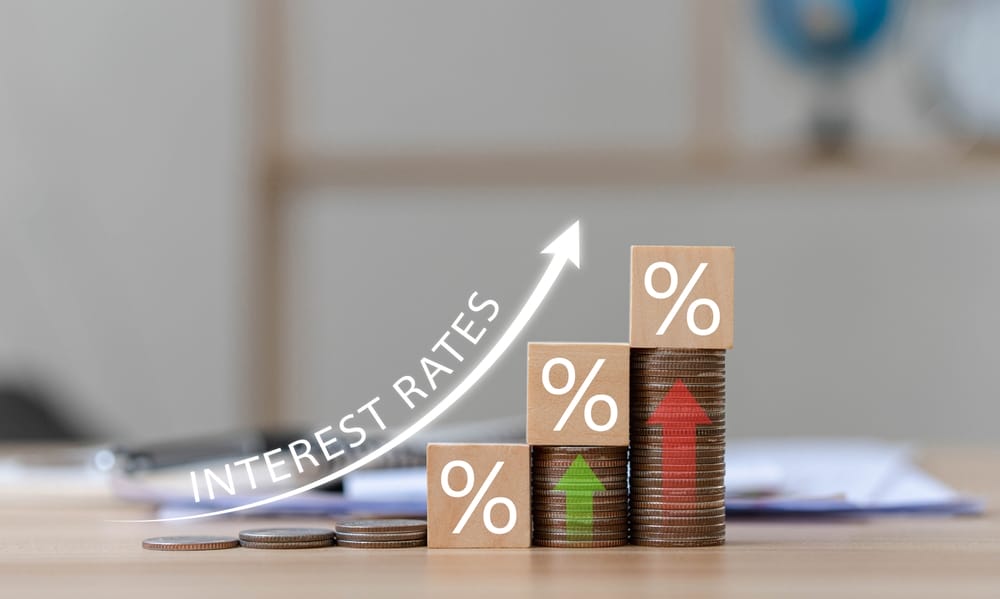
Could Ignoring Rising Interest Rates Destroy Your Budget


Brandon Marcus
Brandon Marcus

Brandon Marcus is a writer who has been sharing the written word since a very young age. His interests include sports, history, pop culture, and so much more. When he isn’t writing, he spends his time jogging, drinking coffee, or attempting to read a long book he may never complete.

Filed Under: Lifestyle Tagged With: bonds, bull market, dividend, Inflation, interest rate, interest rate hikes, interest rates, Life, Lifestyle, portfolio, portfolio analysis, portfolio management, portfolio mistakes, portfolio risk, portfolio strategy, rate hikes

Could Your Advisor Be Overlooking The Biggest Risk Hiding In Your Portfolio This Winter?

December 12, 2025 by Brandon Marcus Leave a Comment

Your Advisor Be Overlooking The Biggest Risk Hiding In Your Portfolio This Winter

Image Source: Shutterstock.com

Winter isn’t just the season of cozy sweaters, hot cocoa, and endless holiday playlists—it’s also the season when portfolios can quietly wobble under the radar. Investors often focus on the obvious risks: stock market volatility, interest rate swings, or geopolitical events making headlines.

But what about the sneaky, hidden hazards that rarely show up in quarterly reports? The kind of risks that can quietly erode gains while everyone is distracted by year-end celebrations and financial checklists? If you’ve ever felt like your portfolio is “fine” but something doesn’t quite add up, it’s time to dig deeper.

1. Concentration Risk Is Often Underestimated

Many investors think they’re diversified because they have a few mutual funds or a mix of stocks and bonds. The catch? Those funds can still be heavily concentrated in the same sectors, industries, or even single companies. Advisors may assume diversification exists without digging into the underlying holdings. A portfolio that seems spread out could be vulnerable if one industry tanks, and you might not see it coming until it’s too late. Understanding concentration risk means looking beyond the labels and truly assessing the weight of each exposure in your portfolio.

2. Interest Rate Sensitivity Can Blindside Even Seasoned Investors

Winter often brings reflection on past financial performance, but few consider how rising or falling interest rates quietly shape their returns. Bonds, dividend stocks, and even certain ETFs can react unpredictably when rates shift. Advisors may model past behavior and assume history will repeat itself, overlooking the impact of sudden rate changes. Investors often discover too late that small movements in rates can significantly erode income or total returns. Being aware of interest rate sensitivity allows you to adjust allocations proactively rather than reacting to losses after the fact.

3. Inflation Risk Hides In Plain Sight

Everyone talks about inflation when it spikes, but few portfolios are stress-tested for subtle, creeping price increases over time. Advisors might focus on short-term performance and miss the long-term erosion of purchasing power. Even modest inflation can quietly eat into fixed-income investments, cash holdings, and conservative portfolios. Ignoring inflation risk may leave your portfolio looking stable while your real wealth slowly diminishes. Winter is a perfect time to assess whether your allocations can actually keep up with the rising cost of living.

Your Advisor Be Overlooking The Biggest Risk Hiding In Your Portfolio This Winter

Image Source: Shutterstock.com

4. Liquidity Issues Can Leave You Stranded

It’s easy to assume that all investments can be sold quickly if needed, but liquidity risk is a hidden pitfall many investors overlook. Some assets, like certain ETFs, bonds, or niche funds, can experience delays or steep discounts when sold in a rush. Advisors may not highlight this risk if they assume clients won’t need immediate access to cash. Yet, unexpected expenses, tax obligations, or market swings can suddenly demand liquidity. Reviewing liquidity and planning for emergency access ensures you’re not stuck selling at the worst possible time.

5. Behavioral Bias Risk Is Often Ignored

Financial risk isn’t always about numbers—it’s about human behavior. Even the most seasoned investors can fall prey to emotional decision-making, panic selling, or chasing trends. Advisors may overlook this because it’s hard to quantify and doesn’t appear on any statement. Yet behavioral biases can quietly sabotage returns, leading to missed opportunities or losses. Recognizing how emotions impact decisions—and having a strategy to counteract them—can protect your portfolio when markets turn choppy.

6. Hidden Correlations Can Amplify Volatility

Diversification isn’t just about having different asset types—it’s about how those assets move in relation to each other. Hidden correlations occur when supposedly unconnected investments actually rise and fall together. Advisors may assume risk is reduced simply by mixing assets without checking how they behave under stress. In winter, when markets react to seasonal patterns, economic reports, or geopolitical headlines, these hidden correlations can amplify swings. Analyzing correlations gives a clearer picture of true portfolio risk beyond what a surface-level allocation chart might show.

7. Tax Inefficiency Can Quietly Reduce Gains

Even well-constructed portfolios can be silently eating away at returns through poor tax management. Advisors might focus on investment performance without addressing the timing of capital gains, dividend distributions, or tax-loss harvesting. Over time, this can make a significant difference in after-tax returns. Winter is the perfect time to review tax strategies before the new year begins. Ensuring your portfolio is tax-efficient means more of your money actually stays in your account instead of slipping away to unexpected liabilities.

Don’t Let Hidden Risks Freeze Your Progress

The biggest risks are often the ones you can’t see at first glance. Winter is the perfect season to pause, reassess, and ask tough questions about your portfolio. Whether it’s concentration, liquidity, behavioral biases, or hidden correlations, understanding these silent threats can make the difference between steady growth and surprise losses.

Have you ever noticed a hidden risk quietly affecting your portfolio? Give us your experiences, insights, or strategies in the comments section below.

You May Also Like…

11 Cryptocurrencies Your Advisor Doesn’t Want You Researching Alone

Does Your Advisor Only Get Paid When You Buy Something New From Them?

8 Creative Methods to Hold Your Advisor Fully Accountable

8 Unusual Financial Fears Advisors Say Are Actually Smart

6 Vital Signs Your Advisor Isn’t Putting Your Interests First


Brandon Marcus
Brandon Marcus

Brandon Marcus is a writer who has been sharing the written word since a very young age. His interests include sports, history, pop culture, and so much more. When he isn’t writing, he spends his time jogging, drinking coffee, or attempting to read a long book he may never complete.

Filed Under: Financial Advisor Tagged With: debt risks, finance, finances, financial advisor, financial risk, general finance, Inflation, interest rates, liquidity, portfolio, seasonal, seasons, tax inefficiency, volatility, winter

10 Shocking Facts About Index Funds Versus Actively Managed Portfolios

December 4, 2025 by Brandon Marcus Leave a Comment

Here Are Some Shocking Facts About Index Funds Versus Actively Managed Portfolios

Image Source: Shutterstock.com

Investing might sound like a dry topic best left for spreadsheets and finance podcasts, but trust me—it’s way juicier than you think. The battle between index funds and actively managed portfolios is full of surprising twists, eyebrow-raising numbers, and a few hard truths that even seasoned investors sometimes ignore. Whether you’re a rookie with a Robinhood account or a seasoned trader who thinks they’ve seen it all, these shocking facts will make you rethink what you thought you knew about investing.

From performance myths to cost traps, this isn’t your typical “investing 101” lecture. Get ready, because your brain about money is about to get a workout.

1. Index Funds Often Outperform Active Managers

Many investors assume that paying a pro to pick stocks will guarantee better returns than a simple index fund, but reality begs to differ. Studies consistently show that over the long term, most actively managed funds fail to beat their benchmark indexes. Index funds track entire markets, capturing growth trends without the emotional missteps human managers sometimes make. That means you might get better results by literally doing less. It’s shocking, but sometimes the lazy approach actually wins the race.

2. Fees Can Eat Your Profits Alive

Actively managed funds usually charge higher fees than index funds, and those percentages might seem small—until you see how they compound over decades. A 1% annual fee might not sound like much, but over 30 years, it can shave tens of thousands of dollars off your returns. Index funds, by contrast, usually have fees of just a fraction of a percent, leaving more of your money working for you. The fee difference alone can make the difference between retiring comfortably and retiring stressed. It’s a hidden shocker many new investors underestimate.

3. Active Managers Rarely Beat The Market

Despite promises and glossy brochures, most professional fund managers fail to consistently outperform the market. Studies by S&P and Morningstar repeatedly confirm that only a small fraction of actively managed funds manage to beat their benchmark indexes over 10 years or more. That doesn’t mean they’re useless, but it does mean that paying for “stock picking genius” often doesn’t deliver. In contrast, index funds give you exposure to the entire market, meaning you’re almost guaranteed to capture the average market growth. It’s a humbling truth for anyone who thought paying more guaranteed success.

Here Are Some Shocking Facts About Index Funds Versus Actively Managed Portfolios

Image Source: Shutterstock.com

4. Index Funds Are Shockingly Simple

While active portfolios can feel like a labyrinth of strategies, charts, and insider tips, index funds are straightforward. They buy a slice of every stock in a market index, no guessing, no predictions. You don’t have to monitor each company or make nerve-racking timing decisions. That simplicity is part of the appeal: you get market-level performance without headaches. For many investors, less really is more.

5. Active Managers Can Be Emotionally Biased

Even the most experienced fund managers are human, which means they’re prone to emotional decision-making. Fear, greed, and overconfidence can cause them to sell too soon, buy too late, or chase fads. Index funds, being passive, eliminate that emotional rollercoaster entirely. They stick to their strategy regardless of market mood swings. This surprising advantage means your money isn’t subject to panic-induced mistakes.

6. Diversification Comes Naturally With Index Funds

Actively managed portfolios often concentrate on a handful of stocks or sectors, leaving investors vulnerable to market shocks. Index funds automatically diversify because they track hundreds—or even thousands—of companies across industries. That means a single company’s poor performance won’t tank your portfolio. Passive investing spreads risk in a way most active managers can’t match consistently. It’s shocking how much safety you can get just by letting the market do its thing.

7. Tax Efficiency Is Often Higher With Index Funds

Actively managed funds tend to generate more taxable events because managers buy and sell frequently. Those capital gains distributions can create surprise tax bills for investors. Index funds trade far less, so investors often owe significantly less in taxes. That difference might not seem massive year-to-year, but over decades it adds up. The result? You keep more of your gains without even trying.

8. Market Timing Is Harder Than You Think

Active managers often promise to time the market to maximize gains, but research proves it’s nearly impossible consistently. Missing just a few of the best-performing days in the market can dramatically reduce long-term returns. Index funds, being always invested, automatically capture those days without stress. It’s shocking how many active investors unknowingly hurt their performance by trying to “outsmart” the market. Sometimes staying put is the secret weapon.

9. Active Funds Can Have Hidden Risks

Because actively managed portfolios often rely on fewer investments, they carry concentration risk. If a manager bets heavily on one sector or stock that fails, the portfolio can suffer significantly. Index funds, in contrast, spread that risk across the entire index. You’re less likely to get blindsided by a single company’s downturn. The passive approach, in this case, can feel shockingly safer.

10. Passive Investing Encourages Discipline

Finally, the biggest shock of all: using index funds can improve your investment habits. Because you don’t have to obsess over every daily market move, you can stay consistent with contributions and avoid emotional trading. This long-term discipline can dramatically enhance growth over decades. Actively managed funds often tempt investors to make frequent changes based on fear or hype. By keeping things passive, you’re actually training yourself to be a smarter, calmer investor.

Rethinking How You Invest

The debate between index funds and actively managed portfolios is full of surprises, and it turns out many assumptions about “professional management” are misleading. While active managers have their place, the evidence shows that index funds deliver simplicity, consistency, and surprisingly strong long-term results. By understanding these shocking facts, you can make more informed choices and feel confident about your investment strategy.

Have you had experiences with index funds or active portfolios that surprised you? Let us hear about them below.

You May Also Like…

7 Bizarre Investment Scenarios That Clients Have Really Asked About

8 Essential Items Boomers Should Invest In If They’ll Be Living Alone

Confront Your Fears of Investing With Our Step-by-Step Training Guide.

6 Honest Discussions About The Role of Gold in Modern Portfolios

5 Smart Strategies for Managing Your Portfolio Without Them


Brandon Marcus
Brandon Marcus

Brandon Marcus is a writer who has been sharing the written word since a very young age. His interests include sports, history, pop culture, and so much more. When he isn’t writing, he spends his time jogging, drinking coffee, or attempting to read a long book he may never complete.

Filed Under: Investing Tagged With: active investing, Index Funds, invest, investing, Investing Tips, investing trends, portfolio, portfolio diversification, portfolio management, portfolio mistakes

8 Bold Strategies for Investing During Periods of High Inflation

October 30, 2025 by Travis Campbell Leave a Comment

investing

Image source: shutterstock.com

Periods of high inflation can turn even the most seasoned investor’s strategy upside down. The current market conditions show rising prices alongside declining cash value and investment returns that do not keep pace with inflation. People are confused about their financial decisions because prices for everything seem to keep rising. The right strategy enables you to defend your investment portfolio while identifying new business prospects. This article explores eight bold strategies for investing during high inflation to help you make informed decisions and stay ahead of the curve.

1. Embrace Inflation-Resistant Assets

When high inflation hits, assets that naturally rise in value alongside prices become especially attractive. Real estate, commodities like gold, and Treasury Inflation-Protected Securities (TIPS) are all examples. These investments often maintain or increase their purchasing power when inflation is high. For example, real estate can generate rental income that adjusts with inflation and appreciates over time. TIPS, on the other hand, are government bonds specifically designed to keep pace with inflation, making them a straightforward defensive move.

2. Diversify Into Global Markets

Inflation doesn’t hit every country at the same time or to the same degree. By spreading your investments across international markets, you can reduce the risk that comes from being too concentrated in one economy. Emerging markets, in particular, may offer growth opportunities that are less correlated with domestic inflation rates. Consider international stocks or funds as part of your investing plan during a high-inflation period to help smooth volatility and capture growth beyond your home borders.

3. Focus on Quality Dividend Stocks

Companies that pay reliable and growing dividends are often better positioned to weather inflationary storms. Look for businesses with strong balance sheets, pricing power, and a history of consistent dividend increases. These firms can often pass higher costs onto their customers, maintaining profitability and rewarding shareholders. Utilities, consumer staples, and healthcare are sectors where quality dividend stocks tend to shine during high inflation.

4. Invest in Commodities

Commodities such as oil, natural gas, agricultural products, and metals typically rise in price when inflation accelerates. Investing directly in commodities or through exchange-traded funds (ETFs) can provide a hedge against the declining value of cash. However, understand that commodities are volatile and can swing in price due to factors beyond inflation, such as supply disruptions or geopolitical events. Make commodities a part of a diversified portfolio rather than your only inflation defense.

5. Reevaluate Bond Holdings

Traditional bonds can lose value quickly during periods of high inflation because their fixed interest payments are worth less as prices rise. Consider shortening the duration of your bond holdings or focusing on inflation-protected securities. Short-term bonds are less sensitive to interest rate changes, while TIPS adjust their principal value in line with inflation.

6. Explore Alternative Investments

Alternative investments, such as private equity, hedge funds, or real assets like infrastructure, can be less affected by inflation than traditional stocks and bonds. These options often have unique risk and return profiles, providing another layer of diversification. While alternatives may require higher minimum investments or have less liquidity, they can help buffer your portfolio when inflation runs hot. Always research these investments thoroughly to understand their risks and potential rewards.

7. Prioritize Companies with Pricing Power

Some businesses can pass rising costs onto their customers without sacrificing demand. These are often found in sectors with few substitutes or strong brand loyalty. Think of companies in technology, branded consumer products, or essential services. Investing during high inflation means looking for companies that can adjust prices and maintain margins, even as their own costs increase. This approach can help you stay ahead of inflation and benefit from ongoing growth.

8. Keep Cash Flexible—but Don’t Let It Sit Idle

While it’s important to have some cash on hand for emergencies or opportunities, cash loses value quickly in a high-inflation environment. Consider putting excess cash into high-yield savings accounts, money market funds, or short-term certificates of deposit (CDs). These vehicles don’t completely offset inflation but can help slow the erosion of purchasing power.

Building a Resilient Portfolio for the Long Haul

High inflation requires investors to shift their focus from basic survival needs to developing strategies that promote financial expansion. Your investment portfolio will become more resilient to economic downturns through strategies that focus on inflation-proof assets and worldwide market distribution, and businesses that can maintain their pricing power. You should review your strategy at least once to account for rapidly changing inflation rates, which can affect investments through unexpected market movements.

Remember, there’s no one-size-fits-all solution. Your investment choices need to match your ability to manage market risks and your financial objectives and time horizon for investing. What investment approaches have proven successful for you when dealing with high inflation rates? Share your thoughts in the comments below!

What to Read Next…

  • 6 Ways Inflation Is Secretly Eating At Your Annuity Payouts
  • How Financial Planners Are Recommending Riskier Portfolios In 2025
  • 7 Areas Of Your Portfolio Exposed To Sudden Market Shocks
  • Identifying Underpriced Stocks Using The Graham Formula
  • 10 Guaranteed Return Investments That Usually Disappoint
Travis Campbell
Travis Campbell

Travis Campbell is a digital marketer/developer with over 10 years of experience and a writer for over 6 years. He holds a degree in E-commerce and likes to share life advice he’s learned over the years. Travis loves spending time on the golf course or at the gym when he’s not working.

Filed Under: Investing Tagged With: bonds, commodities, diversification, dividend stocks, Inflation, investing, portfolio

  • 1
  • 2
  • Next Page »

FOLLOW US

Search this site:

Recent Posts

  • Can My Savings Account Affect My Financial Aid? by Tamila McDonald
  • 12 Ways Gen X’s Views Clash with Millennials… by Tamila McDonald
  • What Advantages and Disadvantages Are There To… by Jacob Sensiba
  • Call 911: Go To the Emergency Room Immediately If… by Stephen Kanaval
  • 10 Tactics for Building an Emergency Fund from Scratch by Vanessa Bermudez
  • 7 Weird Things You Can Sell Online by Tamila McDonald
  • 10 Scary Facts About DriveTime by Tamila McDonald

Copyright © 2026 · News Pro Theme on Genesis Framework