• Home
  • About Us
  • Toolkit
  • Getting Finances Done
    • Hiring Advisors
    • Debt Management
    • Spending Plan
  • Insurance
    • Life Insurance
    • Health Insurance
    • Disability Insurance
    • Homeowners/Renters Insurance
  • Contact Us
  • Privacy Policy
  • Risk Tolerance Quiz

The Free Financial Advisor

You are here: Home / Archives for real estate investing

Priced Out? 5 Zip Codes Where Starter Homes are Still Under $200k

March 15, 2026 by Brandon Marcus Leave a Comment

Priced Out? 5 Zip Codes Where Starter Homes are Still Under $200k

Image Source: Shutterstock.com

Sticker shock dominates the housing market right now. Scroll through listings in many cities and the price tags look like someone accidentally added an extra zero. Yet pockets of opportunity still exist, hiding in plain sight across the country. Plenty of communities continue to offer starter homes under $200,000, which sounds almost mythical in an era where the national median home price sits far higher.

That affordability does not happen by accident. Many of these areas combine historic housing stock, revitalizing neighborhoods, and strong local pride. Buyers willing to look beyond the most obvious hotspots often discover real value, plus the chance to own a home without signing up for a lifetime of stress. A handful of ZIP codes stand out for keeping entry-level housing within reach while still offering community, character, and room for growth.

48227 – Detroit, Michigan: Where Comebacks Meet Bargain Prices

Detroit refuses to sit quietly on the sidelines of the American housing conversation. The city’s reputation still leans heavily on old headlines, yet large swaths of Detroit now pulse with renovation energy, new small businesses, and neighborhood pride. ZIP code 48227 sits on the city’s west side and continues to offer an impressive supply of starter homes well below $200,000.

Detroit ranks among the U.S. cities with the most listings under $200,000, with the city’s median list price around $90,000 in many areas. That number alone explains why first-time buyers and investors keep scanning Detroit listings with serious interest. Buyers frequently find classic brick homes with solid bones, wide porches, and large yards—features that feel almost luxurious compared to the micro-homes popping up in expensive markets.

Neighborhood momentum adds another appealing layer. Local organizations continue to invest in block-by-block improvements, community gardens, and housing rehabilitation projects. That grassroots activity creates the kind of neighborhood stability that many buyers crave. Starter homes here often require cosmetic upgrades, but that trade-off gives new homeowners the chance to build sweat equity instead of simply paying a premium upfront.

Savvy buyers often focus on homes that already show basic structural stability: updated roofs, functioning plumbing, and newer furnaces. Those elements reduce renovation headaches and keep budgets under control. Buyers who pair a modest purchase price with smart upgrades often transform these houses into comfortable long-term homes while keeping monthly costs surprisingly manageable.

44310 – Akron, Ohio: The Quiet Overachiever of Affordable Living

Akron rarely dominates flashy real estate headlines, yet the city consistently delivers one thing many markets cannot: affordability that still makes sense for everyday living. ZIP code 44310 in particular offers a blend of historic homes, established neighborhoods, and steady local demand.

Akron ranks among the cities with the highest number of homes listed under $200,000. That price point keeps starter homes firmly within reach for buyers who might feel completely shut out of markets in larger metropolitan areas. Many properties in this ZIP code feature traditional two-story layouts, finished basements, and generous lots.

Affordability alone does not define Akron’s appeal. The city maintains strong ties to regional employers, healthcare systems, and universities, which helps stabilize the housing market. Buyers often discover neighborhoods filled with mature trees, walkable streets, and long-term homeowners who take pride in their properties.

Smart shoppers in this ZIP code often prioritize homes that offer cosmetic potential rather than major structural repairs. A house with dated flooring and older paint colors might look uninspiring during the first tour, yet those cosmetic details often create negotiation leverage. Fresh paint, updated lighting, and simple landscaping upgrades can quickly transform these homes into comfortable starter properties without blowing the renovation budget.

38127 – Memphis, Tennessee: Southern Charm Without the Million-Dollar Price Tag

Memphis delivers culture, music history, and food that deserves its own fan club. Yet many neighborhoods still offer starter homes at prices that feel refreshingly grounded. ZIP code 38127, located in the northern section of the city, continues to attract attention from budget-conscious buyers.

The housing stock in this area includes classic ranch homes, brick cottages, and mid-century properties that offer solid layouts and manageable maintenance costs. Many houses feature spacious yards and detached garages, which feel like luxuries compared to the tight footprints common in expensive markets.

Buyers exploring Memphis often benefit from taking time to study neighborhood dynamics carefully. Some blocks show clear signs of revitalization, while others remain in earlier stages of recovery. Buyers who focus on streets with visible upkeep, owner-occupied homes, and community involvement often land in the sweet spot between affordability and stability. Pairing a budget-friendly purchase with strategic upgrades can dramatically boost property value. Kitchen updates, energy-efficient windows, and simple curb appeal improvements frequently deliver strong returns in markets like Memphis where buyers continue to search for reasonably priced homes.

14215 – Buffalo, New York: Historic Homes with Real Personality

Buffalo rewards buyers who appreciate character. The city’s architecture reads like a living museum of American home styles, and ZIP code 14215 offers many of those homes at prices that remain surprisingly accessible. Local pride fuels Buffalo’s housing resurgence. Community revitalization efforts, new restaurants, and small business growth continue to reshape many neighborhoods. Buyers who once overlooked Buffalo now recognize its combination of affordability and quality of life.

Starter homes in this ZIP code often benefit from Buffalo’s tradition of sturdy construction. Many properties built decades ago feature solid foundations and durable materials that hold up well over time. Buyers who invest in insulation upgrades, modern heating systems, and modest interior updates often create comfortable homes that retain historic charm while offering modern convenience.

Patience pays off here. Monitoring listings over several weeks allows buyers to spot homes that enter the market at realistic prices rather than inflated expectations. Buffalo’s market rewards thoughtful shoppers who move quickly once a strong opportunity appears.

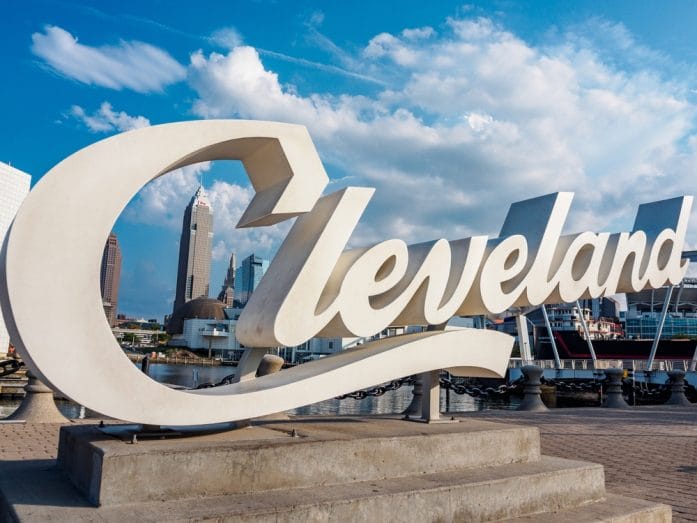
44105 – Cleveland, Ohio: Big City Potential on a Starter Budget

Cleveland combines big-city amenities with a housing market that still leaves room for first-time buyers. ZIP code 44105 offers a particularly strong entry point for people determined to break into homeownership without taking on overwhelming debt. The housing landscape in this ZIP code features traditional single-family homes, brick colonials, and compact starter properties that work well for first-time buyers. Many homes also include basements and detached garages, which add flexibility for storage or future improvements.

Cleveland’s ongoing revitalization continues to reshape perceptions of the city. New entertainment districts, improved public spaces, and expanding healthcare employment contribute to steady demand for housing. Buyers who secure affordable homes today often position themselves for future appreciation as neighborhoods continue evolving.

Successful buyers here often approach the search with a renovation mindset. Properties that look slightly dated often deliver the strongest value because cosmetic updates dramatically improve livability without requiring structural overhauls.

Priced Out? 5 Zip Codes Where Starter Homes are Still Under $200k

Image Source: Shutterstock.com

The Real Secret to Finding Affordable Homes

Affordable starter homes still exist, but they rarely appear in the most obvious places. Buyers who expand their search beyond trendy neighborhoods often uncover housing markets that reward patience and curiosity. Cities like Detroit, Akron, Memphis, Buffalo, and Cleveland continue to prove that homeownership does not require a seven-figure bank account.

These ZIP codes highlight an important strategy: focus on solid fundamentals rather than flashy listings. A structurally sound home in a stable neighborhood often delivers far greater long-term value than a trendy property carrying a sky-high price tag. Smart buyers also keep renovation budgets realistic and prioritize upgrades that improve safety, efficiency, and livability first.

Housing markets constantly evolve, which means today’s overlooked ZIP code may become tomorrow’s hot neighborhood. Buyers who step into these affordable markets early often enjoy the dual benefits of manageable mortgage payments and rising property value over time.

Which affordable housing markets deserve more attention right now, and what strategies help uncover hidden real estate bargains? Share thoughts, insights, or homebuying experiences in the comments.

You May Also Like…

The $124 Trillion Hand-Off: How the Great Wealth Transfer is Quietly Saving the Real Estate Market

Why Wealthy Families Are Moving Cash Out of Traditional Banks Before Jan 31st

13 Eye-Opening Truths About Real Estate Crowdfunding Ventures

A Beginner’s Guide to Selling on the Real Estate Market

Why Home Insurance Claims Can Raise Premiums Without Payouts

Brandon Marcus
Brandon Marcus

Brandon Marcus is a writer who has been sharing the written word since a very young age. His interests include sports, history, pop culture, and so much more. When he isn’t writing, he spends his time jogging, drinking coffee, or attempting to read a long book he may never complete.

Filed Under: Real Estate Tagged With: affordable cities, affordable housing, budget homes, cheap homes USA, first-time homebuyers, home buying tips, housing affordability, Housing Market, property market, real estate investing, real estate trends, starter homes

6 States Where Homeownership Is Getting More Expensive in 2026 — Here’s Why

February 5, 2026 by Brandon Marcus Leave a Comment

These Are 6 States Where Homeownership Is Getting More Expensive in 2026 — Here’s Why

Image source: shutterstock.com

Buying a home in 2026 isn’t just about finding the right kitchen island or a backyard big enough for a grill and a dog — it’s about navigating a maze of rising costs that go way beyond the mortgage payment.

Between higher insurance premiums, climbing property taxes, infrastructure growth, population surges, and ongoing housing shortages, homeownership is becoming more expensive in places that used to feel like financial safe havens.

Many of these states are still incredibly desirable, which means demand isn’t slowing down. In fact, it’s accelerating. If you’re planning to buy, relocate, or invest, understanding where costs are rising (and why) can help you avoid financial shock later.

1. Florida — Paradise Comes With a Price Tag

Florida continues to attract new residents thanks to warm weather, no state income tax, and lifestyle appeal, but those same perks are fueling higher housing demand and ownership costs. Insurance premiums have been rising sharply due to hurricane risk, flooding exposure, and increasing rebuilding costs, which directly impacts homeowners’ monthly budgets.

Property taxes are also trending upward in fast-growing counties as infrastructure expands to support population growth. Add in increased maintenance costs tied to climate wear-and-tear, and Florida ownership becomes far more expensive than the listing price suggests. For buyers, budgeting for long-term ownership costs is now just as important as securing a good mortgage rate.

2. Texas — Growth Isn’t Cheap Anymore

Texas still markets itself as affordable, but that reputation is rapidly changing. Major metros like Austin, Dallas, Houston, and San Antonio continue to see population growth, corporate relocations, and housing demand that puts pressure on inventory. Property taxes in Texas are among the highest in the country, and as home values rise, those taxes follow.

Insurance premiums are also climbing due to storm risks, heat-related damage, and construction costs. Even new developments, once seen as affordable alternatives, are seeing rising HOA fees and infrastructure costs that quietly raise the true cost of ownership.

3. Arizona — Desert Demand Drives Prices Up

Arizona’s housing market has been fueled by remote work, retiree migration, and population growth, especially in cities like Phoenix, Scottsdale, and Tucson. Rising demand has pushed home values higher, but the hidden costs are just as impactful. Water infrastructure investments, insurance increases, and property tax adjustments are adding to the cost of staying in a home long-term.

Utility costs also rise with climate extremes, making ownership more expensive beyond the mortgage payment. The result is a state that still attracts buyers — but at a growing premium.

4. Tennessee — The Boom State Effect

Tennessee has seen explosive growth in cities like Nashville, Knoxville, and Chattanooga, driven by business expansion, job growth, and quality-of-life appeal. As demand rises, so do home prices, property taxes, and development-related fees. Infrastructure expansion, road projects, and public services all get funded through local taxes that impact homeowners directly.

Insurance costs are also increasing due to severe weather risks and construction inflation. What once felt like an affordable Southern market is quickly transforming into a competitive, high-demand housing environment with rising ownership expenses.

5. Colorado — Lifestyle Demand Meets Limited Supply

Colorado’s combination of outdoor lifestyle, strong job markets, and limited housing supply continues to push prices higher. Cities like Denver, Boulder, and Colorado Springs face zoning limitations, land scarcity, and development restrictions that limit new housing supply.

As a result, home values rise — and so do taxes, insurance premiums, and maintenance costs. Wildfire risk has also driven insurance price increases in many areas. Homeownership in Colorado increasingly reflects premium living, not budget-friendly opportunity.

These Are 6 States Where Homeownership Is Getting More Expensive in 2026 — Here’s Why

Image source: shutterstock.com

6. North Carolina — Growth Corridors Get Costly

North Carolina’s major metros — including Charlotte, Raleigh, and Durham — are seeing sustained population growth driven by tech jobs, universities, and business relocation. Housing demand is outpacing supply in many areas, leading to rising home prices and development pressure.

Property taxes increase as communities expand infrastructure, schools, and public services. Insurance costs are also trending upward due to storm exposure and rebuilding costs. The state still offers value compared to some coastal markets, but the cost of ownership is steadily climbing.

What Buyers Need to Hear in 2026

Homeownership in 2026 isn’t just about affordability at purchase — it’s about sustainability over time. Insurance, taxes, utilities, maintenance, infrastructure fees, and community development costs are becoming just as important as mortgage rates when evaluating a home. The smartest buyers are looking beyond sticker price and asking deeper questions about long-term ownership expenses, climate risk, tax structures, and growth patterns.

Are rising homeownership costs changing how you think about where you want to live or invest? Share your thoughts in the comments, because we’d love to hear how you’re navigating the 2026 housing market.

You May Also Like…

The Drone Inspection Finding That’s Triggering Homeowner Policy Cancellations

California’s Insurance Cancellation Crisis: 3.18% of Homeowners Lost Coverage in 2024

The Credit Score That Adds $2,000/Year to Florida Homeowner’s Insurance Premiums

13 Eye-Opening Truths About Real Estate Crowdfunding Ventures

The $140,000 Oversight: The Missing Texas Tax Paperwork That Is Costing Homeowners Thousands This Week


Brandon Marcus
Brandon Marcus

Brandon Marcus is a writer who has been sharing the written word since a very young age. His interests include sports, history, pop culture, and so much more. When he isn’t writing, he spends his time jogging, drinking coffee, or attempting to read a long book he may never complete.

Filed Under: Lifestyle Tagged With: 2026 housing, buying a home, Cost of living, Home, homeowners, homeownership, Housing Market, housing trends, mortgage rates, property taxes, Real estate, real estate investing, relocation trends

Asset Optimize: 4 Investments That Look Safe but Might Be Overvalued

January 5, 2026 by Brandon Marcus Leave a Comment

Asset Optimize: 4 Investments That Look Safe but Might Be Overvalued

Image Source: Shutterstock.com

Markets love a good comfort blanket, and investors are no different. We gravitate toward assets that feel sturdy, familiar, and reassuring, especially when headlines scream uncertainty. The twist is that safety can become a crowd favorite, and crowd favorites often get expensive fast. When everyone piles into the same “can’t-miss” investment, prices can quietly drift far beyond what fundamentals justify.

This is where confidence turns into complacency, and where smart investors pause to look twice. Today, we’re diving into four investments that wear the costume of safety while potentially hiding some serious valuation risk underneath.

1. Long-Dated Government Bonds

Long-dated government bonds often feel like the financial equivalent of a seatbelt, promising stability when markets wobble. Years of ultra-low interest rates pushed prices of these bonds sky-high, leaving little room for error. When inflation ticks up or rates rise, bond prices can fall sharply, surprising investors who expected smooth sailing. In recent history, even modest rate increases have erased years of income in a matter of months. What looks safe on the surface can quietly be priced for perfection.

2. Blue-Chip Dividend Stocks

Blue-chip dividend stocks wear a comforting badge of maturity, reliability, and steady payouts. Because so many investors chase that dependability, valuations can stretch far beyond historical norms. A high-quality company is still a risky investment if its stock price assumes endless growth and flawless execution. When earnings merely meet expectations instead of crushing them, overvalued dividend stocks can stall or slide. Safety in reputation does not always translate to safety in price.

3. Prime Real Estate In Superstar Cities

Prime real estate in superstar cities is often treated like a financial trophy that never loses its shine. Low borrowing costs and global demand have driven prices to levels that outpace local incomes and rents. When yields compress too far, investors are betting more on future appreciation than on cash flow. Shifts toward remote work and changing migration patterns add uncertainty to once-predictable markets. Even the best locations can disappoint when expectations are stretched too thin.

Asset Optimize: 4 Investments That Look Safe but Might Be Overvalued

Image Source: Shutterstock.com

4. Gold And Gold ETFs

Gold has a legendary reputation as a protector against chaos, inflation, and market panic. That reputation can fuel heavy buying during uncertain times, pushing prices well above long-term averages. Unlike productive assets, gold does not generate income, making valuation heavily dependent on sentiment. When fear cools or real interest rates rise, gold prices can stagnate or retreat. A timeless hedge can still become overpriced in the heat of the moment.

Rethinking “Safe” Before It Gets Costly

Investing isn’t just about choosing solid assets, it’s about paying sensible prices for them. Assets that feel safe often attract waves of money, and those waves can lift prices far beyond what logic alone would support. That doesn’t mean these investments are bad, but it does mean they deserve extra scrutiny when enthusiasm runs high. A thoughtful portfolio balances quality, valuation, and realism about future returns.

If you’ve encountered an investment that looked rock-solid but surprised you later, drop your thoughts or experiences in the comments section below and join the conversation.

You May Also Like…

Asset Exposure: 6 Categories of Investments That Might Be Over-Represented

5 Clues That It’s Time To Pull Your Investment

Why Investing Apps Will Remain Popular in 2026

8 Bold Strategies for Investing During Periods of High Inflation

What Young People Need To Know About Investing Volatility


Brandon Marcus
Brandon Marcus

Brandon Marcus is a writer who has been sharing the written word since a very young age. His interests include sports, history, pop culture, and so much more. When he isn’t writing, he spends his time jogging, drinking coffee, or attempting to read a long book he may never complete.
Filed Under: Investing Tagged With: active investing, dividend stocks, etfs, government bonds, invest, investing, investments, Real estate, real estate investing, stock market, stocks

Asset Exposure: 6 Categories of Investments That Might Be Over-Represented

December 28, 2025 by Brandon Marcus Leave a Comment

Asset Exposure: 6 Categories of Investments That Might Be Over-Represented

Image Source: Shutterstock.com

Money has a funny way of sneaking into familiar corners. One day you’re making a few “smart” financial choices, and the next thing you know, half your portfolio is marching in the same direction like a herd that never learned how to turn left. Asset exposure isn’t just about what you own — it’s about how much of your financial future is riding on a single theme, trend, or assumption.

The real danger often isn’t risk itself, but invisible concentration that feels diversified until it suddenly isn’t. Buckle up, because we’re diving into six common investment categories that tend to quietly grow too large for comfort.

1. Domestic Equities

Home-country stocks often feel safe, familiar, and easy to understand, which is exactly why investors overload on them. Many portfolios lean heavily toward domestic companies simply because they’re the ones people read about, recognize, and emotionally trust. While local markets can be strong, overexposure means your financial fate becomes tightly linked to one economy, one political system, and one regulatory environment. When that system sneezes, your entire portfolio may catch a cold. Global diversification isn’t about chasing exotic returns — it’s about building shock absorbers.

2. Technology Stocks

Technology investments have a magnetic pull, fueled by innovation, headlines, and jaw-dropping growth stories. Over time, investors often accumulate more tech exposure than they realize through individual stocks, ETFs, retirement funds, and index allocations.

The danger lies in correlation: when tech sneezes, tech all sneezes together. Regulatory pressure, rising interest rates, or shifts in consumer behavior can hit the entire sector at once. Loving innovation is great, but letting it dominate your portfolio can quietly raise your risk level.

Asset Exposure: 6 Categories of Investments That Might Be Over-Represented

Image Source: Shutterstock.com

3. Real Estate And Property-Linked Assets

Real estate feels tangible, dependable, and historically reliable, which is why it often becomes a comfort investment. Between primary residences, rental properties, REITs, and property-focused funds, exposure can stack up fast. The issue is that real estate tends to move in cycles influenced by interest rates, credit availability, and regional economics. When liquidity dries up, real estate doesn’t pivot quickly. An overconcentration can lock capital into assets that are slow to adjust when conditions change.

4. Employer-Related Investments

Holding company stock or retirement plans tied to your employer can quietly double your risk without you realizing it. If your income and investments depend on the same organization, your financial stability becomes dangerously concentrated. Layoffs, scandals, or industry downturns can suddenly affect both your paycheck and your portfolio at the same time. Many people underestimate this exposure because it feels loyal or convenient. True diversification means your employer should not also be your primary investment engine.

5. High-Yield Or Income-Focused Assets

Dividend stocks, high-yield bonds, and income-focused funds can look irresistible, especially when they promise steady cash flow. The problem is that yield often comes with hidden risk, such as leverage, credit exposure, or sensitivity to interest rate changes. When markets tighten, these assets can lose value faster than expected while income streams shrink.

Chasing yield without understanding the underlying structure can turn stability into stress. Income is valuable, but concentration in it can quietly magnify volatility.

6. Trend-Driven Or Thematic Investments

From clean energy to artificial intelligence to crypto-adjacent assets, thematic investing captures excitement and imagination. The danger lies in how quickly enthusiasm can outpace fundamentals. When narratives cool or technology evolves faster than expected, these investments can deflate rapidly. Many investors accumulate multiple funds or stocks tied to the same theme, unknowingly multiplying exposure. Trends can be powerful, but they work best as seasoning — not the main course.

Balance Is The Quiet Superpower

Overexposure rarely announces itself with flashing warning signs. It builds slowly, wrapped in comfort, familiarity, and optimism, until one unexpected shift reveals just how narrow the foundation really was. The goal isn’t to eliminate risk, but to distribute it wisely across ideas, industries, and geographies. Thoughtful diversification gives your portfolio flexibility, resilience, and room to breathe.

If you’ve noticed patterns in your own investments or learned lessons the hard way, feel free to drop your thoughts or experiences in the comments section below, because your perspective might help someone else avoid a costly blind spot.

You May Also Like…

13 Eye-Opening Truths About Real Estate Crowdfunding Ventures

How To Start Your 2026 Investing Journey With A Bang

Risk Exposure: 9 Stress Tests Every Soon-to-Retire Investor Should Run

9 Critical Differences Between Value and Growth Investing Approaches

Why Do Some Investors Obsess Over Real Estate Alone


Brandon Marcus
Brandon Marcus

Brandon Marcus is a writer who has been sharing the written word since a very young age. His interests include sports, history, pop culture, and so much more. When he isn’t writing, he spends his time jogging, drinking coffee, or attempting to read a long book he may never complete.

Filed Under: Investing Tagged With: domestic equities, invest, investing, Investment, investments, Real estate, real estate investing, technology stocks

Could Your Real-Estate Holdings Lose Value Faster Than Your Advisor Expects?

December 18, 2025 by Brandon Marcus Leave a Comment

Could Your Real-Estate Holdings Lose Value Faster Than Your Advisor Expects?

Image Source: Shutterstock.com

The housing market has long been the financial equivalent of a slow-moving freight train—predictable, steady, and seemingly unstoppable. But what if that train suddenly hits turbo mode in reverse? Investors who once thought their properties were as solid as granite are now staring at numbers that drop faster than your favorite smartphone’s resale value.

Even seasoned advisors, armed with spreadsheets and conservative forecasts, can underestimate how quickly market dynamics shift.

Rapid Interest Rate Surges Can Hurt More Than Expected

When interest rates spike, it’s like someone suddenly turned the volume up on your mortgage payments. Buyers hesitate, bidding wars vanish, and suddenly, your property isn’t the hot commodity it once was. Advisors often assume rate changes will trickle down slowly, giving portfolios time to adjust.

But the reality is, markets respond almost instantly to new borrowing costs, sometimes crashing values in weeks instead of months. That means properties in high-debt markets can lose value faster than a financial forecast predicts.

Local Economic Shifts Are Harder To Track Than You Think

Even if national statistics look solid, local economies can crumble quietly, unnoticed by distant analysts. A major employer moves, a new zoning law hits, or a local business closes, and property values can plummet overnight. Advisors often rely on macroeconomic indicators that smooth out these micro-disasters, missing the early warning signs. Savvy investors know that digging into city council agendas and local job reports can reveal cracks in the market before they widen. Ignoring these shifts is like ignoring a tiny leak in a dam—it can become catastrophic if left unchecked.

Overbuilding Can Turn A Seller’s Market Into A Buyer’s Paradise

Developers love a boom, but too many new units flood the market quickly, leaving older properties struggling to compete. Advisors sometimes assume supply issues are gradual and predictable, but construction can be surprisingly fast, especially in hot neighborhoods.

An overbuilt area can see rent prices stagnate and sales slow, dropping property values faster than you can say “open house.” Investors who ignore pipeline reports may be caught holding properties nobody wants. Recognizing trends in permits, development plans, and neighborhood expansion is crucial to staying ahead.

Shifts In Demographics Change Property Demand Rapidly

What’s hot today might be obsolete tomorrow, especially as demographics shift faster than most planners expect. Millennials, Gen Z, and even retiring Baby Boomers have distinct housing preferences that can suddenly tilt a market. Advisors who rely on historic patterns might not anticipate a neighborhood losing its allure overnight. Rental markets can tank, and luxury units may see demand vanish if trends shift too quickly. Staying ahead requires understanding lifestyle shifts, commuting patterns, and even cultural trends in your investment areas.

Natural Disasters And Climate Risks Aren’t Just Insurance Problems

Floods, fires, and hurricanes are no longer rare, headline-grabbing events—they’re market-moving forces that can slash property values faster than any economic downturn. Advisors often treat these risks as long-term or unlikely, relying on insurance to protect assets. But insurance doesn’t stabilize market perception or buyer interest after a disaster strikes. Properties in high-risk zones may see values collapse even if structurally sound. Incorporating climate risk into investment strategies is no longer optional—it’s a critical survival tactic.

Could Your Real-Estate Holdings Lose Value Faster Than Your Advisor Expects?

Image Source: Shutterstock.com

Regulatory Changes Can Blindside Property Portfolios

A single city council vote or state law change can instantly alter the financial landscape for investors. Rent control, zoning amendments, or new taxes can take a property from profitable to a money pit in months. Advisors often underestimate the speed at which political decisions affect market sentiment. Investors who stay informed about local governance can react faster than those who rely solely on annual financial reviews. Ignoring regulatory signals is like driving with your eyes closed—you might get somewhere eventually, but probably not safely.

Is Your Portfolio Ready For The Unexpected?

The truth is, real estate can lose value faster than even the smartest advisor anticipates, and the pace is accelerating. Understanding the invisible forces—interest rates, local economies, overbuilding, demographics, climate, and regulations—is essential to safeguarding your investments. Vigilance, research, and flexibility are the keys to staying ahead of sudden downturns. Investors who assume stability risk unpleasant surprises, while those who anticipate change can act decisively when markets shift.

Let us know your thoughts or stories about navigating unexpected property swings in the comments section below.

You May Also Like…

13 Eye-Opening Truths About Real Estate Crowdfunding Ventures

10 Amazing Opportunities in Global Real Estate Markets Now

Why Do Some Investors Obsess Over Real Estate Alone

A Beginner’s Guide to Selling on the Real Estate Market

6 Real Estate Investments That Hide Disaster Liability


Brandon Marcus
Brandon Marcus

Brandon Marcus is a writer who has been sharing the written word since a very young age. His interests include sports, history, pop culture, and so much more. When he isn’t writing, he spends his time jogging, drinking coffee, or attempting to read a long book he may never complete.

Filed Under: Real Estate Tagged With: interest rates, investing, investing journey, Investment, investment choices, investments, Real estate, real estate advice, real estate investing, Real Estate Investments

Could Owning Too Many Properties Destroy Wealth

September 23, 2025 by Catherine Reed Leave a Comment

Could Owning Too Many Properties Destroy Wealth

Image source: 123rf.com

Real estate is often hailed as one of the best paths to financial freedom, but what happens when the strategy goes too far? While property ownership can generate income and long-term appreciation, there’s a hidden risk that rarely gets enough attention. Owning too many properties can actually destroy wealth if the costs, risks, and responsibilities outweigh the rewards. For investors who believe more is always better, this assumption can lead to financial strain rather than success. Here are several ways overextending in real estate can backfire.

1. Maintenance Costs Multiply Quickly

One of the first problems with owning too many properties is the sheer cost of upkeep. Every property needs regular maintenance, from plumbing repairs to roof replacements. With multiple homes or units, these costs don’t just add up—they multiply. Even small issues like leaky faucets or broken appliances can drain cash flow when spread across several properties. Without careful planning, maintenance becomes a constant money pit.

2. Vacancy Risks Can Hurt Cash Flow

Owning too many properties means relying heavily on steady tenants, but vacancies are inevitable. Even a single empty unit reduces your income, and with multiple properties, the risk of several vacancies at once grows. This puts pressure on your finances, especially if mortgages still need to be paid. Investors often underestimate how long it takes to find reliable renters. Too many vacancies at once can destroy wealth faster than expected.

3. Debt Levels Become Unsustainable

Many investors finance purchases through loans, but too much leverage can be dangerous. When you’re owning too many properties, carrying multiple mortgages increases exposure to market downturns. If interest rates rise or rental income dips, debt payments can quickly become overwhelming. High leverage magnifies both gains and losses, leaving little room for error. Wealth can vanish quickly when debt outweighs cash flow.

4. Market Shifts Hit Harder

Real estate markets are cyclical, and downturns can devastate portfolios overloaded with property. Owning too many properties in one area makes you vulnerable to local declines in value or rental demand. Investors with diversified assets can weather these storms, but property-heavy portfolios feel every hit. A neighborhood downturn can wipe out equity across multiple homes at once. What feels like growth can turn into a liability in shifting markets.

5. Hidden Costs Eat Away at Profits

Property taxes, insurance, and legal fees are often underestimated when people accumulate too many properties. Each property brings its own set of bills, and those small expenses chip away at profits. For investors, these hidden costs become even heavier when combined across several units. The result is reduced returns compared to what was originally expected. Without precise budgeting, wealth gets eroded slowly but steadily.

6. Property Management Becomes Overwhelming

Managing one or two rentals is doable, but owning too many properties becomes a full-time job. Screening tenants, handling repairs, and dealing with disputes all demand time and energy. While hiring a property manager helps, it adds another expense that cuts into profits. Many investors find themselves stuck between burnout and smaller returns. Wealth should provide freedom, but too many properties can feel like a trap.

7. Liquidity Problems Limit Flexibility

Real estate is not a liquid asset, meaning it can’t easily be sold for quick cash. When you’re owning too many properties, your money is tied up in bricks and mortar. This lack of liquidity becomes a serious issue if emergencies arise or investment opportunities appear elsewhere. Selling properties takes time and often comes with transaction costs. Without flexibility, investors risk missing better wealth-building options.

8. Diversification Gets Ignored

Perhaps the most overlooked danger is that investing too heavily in property often means neglecting other assets. Owning too many properties concentrates risk in one sector of the economy. Wealthy investors spread their money across stocks, bonds, and businesses, ensuring balance in good and bad times. Real estate is powerful, but it shouldn’t dominate your portfolio entirely. Without diversification, financial growth becomes fragile.

Wealth Isn’t Built by Quantity Alone

While real estate is a proven wealth builder, owning too many properties can turn an opportunity into a burden. Maintenance costs, vacancies, debt, and hidden expenses add stress that can destroy wealth rather than create it. The key is balance—owning enough property to generate returns without letting it consume your entire financial strategy. True wealth comes from smart decisions, not simply accumulating more.

Do you think owning too many properties is a smart strategy or a dangerous trap? Share your thoughts in the comments below.

What to Read Next…

9 Lesser-Known Costs of Owning Investment Property

How To Get Into Real Estate Investing As A Beginner

Could Being House Poor Leave You Broke in Retirement

10 Chaotic Results of Parents Dying Without a Plan

Could Ignoring HOA Rules Destroy the Value of Your Home

Catherine Reed
Catherine Reed

Catherine is a tech-savvy writer who has focused on the personal finance space for more than eight years. She has a Bachelor’s in Information Technology and enjoys showcasing how tech can simplify everyday personal finance tasks like budgeting, spending tracking, and planning for the future. Additionally, she’s explored the ins and outs of the world of side hustles and loves to share what she’s learned along the way. When she’s not working, you can find her relaxing at home in the Pacific Northwest with her two cats or enjoying a cup of coffee at her neighborhood cafe.

Filed Under: Real Estate Tagged With: diversification, financial risks, owning too many properties, property management, real estate investing, rental income, Wealth Building

9 Lesser-Known Costs of Owning Investment Property

September 18, 2025 by Catherine Reed Leave a Comment

9 Lesser-Known Costs of Owning Investment Property

Image source: 123rf.com

Owning an investment property is often seen as a smart way to build wealth, but the reality isn’t always as simple as collecting rent each month. Many new landlords underestimate the hidden costs that can eat into profits and make real estate more challenging than expected. From unexpected repairs to legal requirements, owning property comes with financial responsibilities that go far beyond the mortgage. Understanding these lesser-known expenses helps investors avoid surprises and manage their properties wisely.

1. Property Management Fees

Hiring a property manager can save time, but it comes at a price. Most management companies charge a percentage of monthly rent, often between 8% and 12%. While this might seem small, it adds up quickly, especially if rental income is already tight. Property managers may also charge extra for filling vacancies or handling major repairs. Investors who rely on professional help must factor these ongoing fees into their budget.

2. Vacancy Costs Between Tenants

One of the overlooked expenses of owning an investment property is the cost of vacancies. Even a few weeks without a tenant means lost rental income, but the mortgage, taxes, and utilities still need to be paid. Cleaning, repairs, and advertising costs during turnover add to the burden. Frequent vacancies can significantly reduce overall profitability. Planning for downtime helps landlords avoid financial strain.

3. Higher Insurance Premiums

Insurance for an investment property is often more expensive than a primary residence. Landlord policies cover risks such as tenant damage, liability claims, and lost rental income. Premiums can be hundreds of dollars higher each year compared to standard homeowner insurance. Failing to carry the right coverage leaves landlords vulnerable to lawsuits and losses. Many investors are surprised by how much these premiums eat into profits.

4. Legal and Compliance Expenses

Every investment property must comply with local housing regulations, which can involve unexpected legal costs. Landlords may need to hire attorneys to draft lease agreements, handle evictions, or address disputes. Compliance with safety codes, fair housing laws, and city inspections can also create additional expenses. Fines for noncompliance can be steep and quickly erode profits. Staying informed and proactive reduces the risk of legal troubles.

5. Routine Maintenance and Repairs

Tenants expect a safe and functional home, which means landlords must cover routine maintenance. Costs like fixing leaky faucets, replacing broken appliances, or maintaining heating systems are unavoidable. While each repair may not be huge, the combined expenses over time can be significant. Ignoring maintenance often leads to bigger, more expensive problems later. Smart landlords set aside a portion of rental income specifically for upkeep.

6. Capital Improvements

Beyond small repairs, investment property owners must eventually pay for major upgrades. Roof replacements, HVAC systems, and plumbing overhauls are costly but necessary. These capital improvements can cost thousands and often come at inconvenient times. While they increase long-term property value, they can put immediate strain on cash flow. Budgeting for big-ticket items ensures landlords aren’t caught off guard.

7. Property Taxes and Assessment Increases

Property taxes are a recurring cost that can rise unexpectedly. Local governments may reassess property values, increasing tax bills significantly. For landlords with tight margins, these increases can make the difference between profit and loss. Taxes must be paid regardless of whether a tenant is occupying the property. Staying aware of local tax policies helps investors anticipate changes.

8. Utility and Service Bills

Depending on lease agreements, landlords may be responsible for some or all utilities. Water, trash, lawn care, or pest control can add substantial recurring costs. Even when tenants cover utilities, landlords must often pay during vacancy periods. These service bills are easy to underestimate but add up quickly over time. Clear agreements with tenants help reduce misunderstandings about who pays what.

9. Marketing and Tenant Screening Costs

Finding reliable tenants isn’t free. Landlords often spend money on advertising rental listings and conducting background or credit checks. These costs may seem small, but they become significant with frequent turnover. Poor tenant screening can also lead to unpaid rent and property damage, creating even higher expenses. Investing in quality screening helps protect profits in the long run.

Preparing for the True Costs of Real Estate Investing

Owning an investment property can be rewarding, but the hidden costs can quickly drain profits if you’re unprepared. From management fees and vacancies to taxes and capital improvements, the financial obligations extend far beyond the mortgage. Savvy investors plan for these expenses, setting aside funds to handle surprises and ensure consistent returns. Real estate can still be a valuable wealth-building tool, but only for those who understand the full financial picture.

Have you experienced any unexpected costs with an investment property? Share your story and insights in the comments below.

What to Read Next…

A Beginners Guide to Selling on the Real Estate Market

8 Smart Investing Rules the Wealthy Actually Follow

7 Weird Investments People Regret Buying

10 Shocking Truths About How Wealth Is Really Built

What Financial Advisors Are Quietly Warning About in 2025

Catherine Reed
Catherine Reed

Catherine is a tech-savvy writer who has focused on the personal finance space for more than eight years. She has a Bachelor’s in Information Technology and enjoys showcasing how tech can simplify everyday personal finance tasks like budgeting, spending tracking, and planning for the future. Additionally, she’s explored the ins and outs of the world of side hustles and loves to share what she’s learned along the way. When she’s not working, you can find her relaxing at home in the Pacific Northwest with her two cats or enjoying a cup of coffee at her neighborhood cafe.

Filed Under: Investing Tagged With: hidden costs, investment property, landlord tips, maintenance expenses, property management, property taxes, real estate investing, rental income

6 Weird Costs of Owning Vacation Rentals

September 18, 2025 by Travis Campbell Leave a Comment

vacation home

Image source: pexels.com

Owning vacation rentals sounds like the dream. You picture passive income, personal getaways, and maybe even some property appreciation. But before you dive in, it’s important to recognize that these properties can come with some truly weird costs. Beyond the obvious expenses like mortgage payments and cleaning fees, there are less predictable charges that can catch new owners off guard. Understanding these hidden costs of owning vacation rentals can help you budget better and avoid nasty surprises. Let’s walk through six strange but very real expenses you might not expect when you become a vacation rental owner.

1. Constant Decor Replacement

Guests want your vacation rental to feel fresh and inviting. Unfortunately, that means your throw pillows, wall art, and even furniture will wear out much faster than in your primary home. Spills, sun fading, and the simple wear from frequent use mean you’ll need to replace or refresh décor more often than you’d think. Sometimes, a single bad guest can ruin a rug or stain a sofa beyond saving.

Owners often underestimate how much they’ll spend on keeping things stylish. If you want to keep up with trends and maintain good reviews, plan for regular upgrades. Over time, these costs add up and become a quirky but real part of the hidden costs of owning vacation rentals.

2. Unusual Utility Spikes

Vacationers are not always careful with utilities. They may run the air conditioner with the windows open or leave lights blazing all night. In homes with hot tubs or pools, energy and water bills can skyrocket during peak seasons. Sometimes, guests will crank up the heat or AC far beyond what you’d ever use yourself, simply because they aren’t footing the bill.

Beyond the basic costs, you might also get hit with unexpected charges for extra trash pickup or water overages. These spikes can be hard to predict and make budgeting for utilities a real challenge for vacation rental owners.

3. Permits, Inspections, and Strange Local Fees

Municipalities across the country are cracking down on short-term rentals. Many cities require special permits, regular inspections, or business licenses—each with its own fees. Some places even require annual safety inspections for things like smoke alarms or pool fences. If you don’t comply, you could face fines or even have your rental shut down temporarily.

These hidden costs of owning vacation rentals can sneak up on you, especially if local laws change. Staying compliant means keeping up with new regulations and setting aside cash for various fees and paperwork.

4. Pest Control Surprises

With so many guests coming and going, vacation rentals are more prone to pest issues than a typical home. Bed bugs, ants, and even squirrels in the attic can become a recurring headache. Some areas have seasonal problems, like wasps in the summer or mice in the winter.

You’ll need regular pest control visits, and sometimes emergency treatments if a guest reports an infestation. Not only is this an extra cost, but it can also lead to canceled bookings and bad reviews if not handled quickly. The unpredictable nature of pest problems makes this a weird but important expense to consider.

5. Replacing Lost or Broken Items

It’s not just décor that gets damaged. Guests often lose or break things—remote controls, kitchen gadgets, towels, or even artwork. Sometimes, it’s accidental. Other times, things simply vanish. Keeping your vacation rental stocked and guest-ready means replacing these items regularly.

This isn’t just about the cost of the objects themselves. There’s also the time spent tracking replacements and the possible rush shipping fees if you have back-to-back bookings. Some owners even set aside a “lost and broken” fund just for these recurring issues, a testament to how common they are in the hidden costs of owning vacation rentals.

6. Premium Insurance for Short-Term Rentals

Your standard homeowner’s policy probably won’t cover short-term guests. Specialized vacation rental insurance is more expensive, but it’s essential. These policies protect you from liability if a guest is injured, and they cover property damage that a regular policy might exclude.

In some areas, additional riders are required to cover amenities like pools, hot tubs, or even bicycles. These costs can be substantial, especially if your property is in a high-risk area or you rent it out frequently.

Planning for the Real Costs of Vacation Rentals

Owning vacation rentals can be rewarding, but the weird and hidden costs add up quickly. From ever-changing décor to surprise inspections and premium insurance policies, these expenses can eat into your profits if you’re not prepared. Being realistic about the hidden costs of owning vacation rentals helps you budget more accurately and avoid frustration down the line.

If you’re considering this investment, talk with other owners and research local rules. What hidden costs have you encountered as a vacation rental owner? Share your stories or questions in the comments below!

What to Read Next…

  • How A Rental Property In The Wrong State Can Wreck Your Tax Bracket
  • 8 Real Estate Mistakes That Erode Wealth Before Retirement Ever Starts
  • Why Buying A Second Property Could Jeopardize Your Heirs Inheritance
  • How Homeowners Associations Are Targeting Retirees With Fines
  • Can You Really Lose Your House Over One Missed HOA Payment
Travis Campbell
Travis Campbell

Travis Campbell is a digital marketer/developer with over 10 years of experience and a writer for over 6 years. He holds a degree in E-commerce and likes to share life advice he’s learned over the years. Travis loves spending time on the golf course or at the gym when he’s not working.

Filed Under: Real Estate Tagged With: hidden costs, property management, real estate investing, short-term rentals, vacation rentals

Could Owning Too Many Properties Be More Risk Than Reward

August 31, 2025 by Travis Campbell Leave a Comment

owning property

Image source: pexels.com

Real estate investing has a reputation for building wealth, but is there a point where owning too many properties becomes a liability? Many investors dream of growing a large portfolio, but with each new property comes added complexity and exposure to risk. The idea of passive income is appealing, but the reality isn’t always so simple. If you’re considering scaling up, it’s important to weigh both the rewards and the risks. Let’s break down the challenges that can come with owning too many properties, so you can make smarter decisions for your financial future.

1. Financial Strain and Cash Flow Issues

The primary SEO keyword for this article is owning too many properties. When your portfolio grows, so does your financial responsibility. Even if each property is producing rental income, vacancies, unexpected repairs, or missed rent payments can quickly drain your cash reserves. Covering multiple mortgages, property taxes, insurance, and maintenance costs at once can stretch your budget thin.

It’s easy to underestimate the cumulative effect of small expenses across several properties. One leaky roof or HVAC replacement might not break the bank, but multiply these issues across ten or more homes, and your emergency fund can disappear fast. Sudden market downturns or rising interest rates can make debt service even tougher. If your cash flow turns negative, you could be forced to sell properties at a loss or dip into personal savings just to stay afloat.

2. Management Overload

With every new property, your workload increases. Handling tenant screening, lease agreements, rent collection, maintenance requests, and legal compliance for a handful of rentals may be feasible. But as your portfolio grows, these tasks multiply—and so does your stress level. Even if you hire a property manager, you’ll need to oversee their work and make key decisions.

Managing multiple properties can become a full-time job. If you’re not prepared, important details can slip through the cracks. Missed inspections or delayed responses to tenant issues can lead to costly mistakes, damaged relationships, and even legal trouble. Some investors reach a point where the hassle outweighs the benefits, especially if they value their time or have other commitments.

3. Market and Location Risks

Diversification is a smart investing principle, but many people who end up owning too many properties concentrate their holdings in a single city or region. If that local market takes a hit—due to job losses, economic downturns, or natural disasters—you could see vacancies spike and property values drop across your entire portfolio.

Managing properties in different states or cities can help spread risk, but it also adds new challenges. You’ll need to understand local laws, tax codes, and market conditions for each area. Travel costs and the need for reliable local contacts can eat into your profits. In some cases, trying to manage too many properties in far-flung locations leads to mistakes that a more focused investor could avoid.

4. Debt Exposure and Leverage Risks

To grow quickly, many investors rely on leverage—using borrowed money to buy more properties. While this can amplify returns during good times, it also increases risk if things turn sour. If you own too many properties and the market softens, you might struggle to cover mortgage payments, especially if rents fall or homes sit vacant.

Overleveraging can quickly lead to a domino effect. Miss a few payments, and you could face foreclosure or be forced to sell at a loss. Lenders may also tighten requirements, making it harder to refinance or access equity when you need it most. The more debt you carry, the less flexibility you have to weather unexpected setbacks.

5. Legal and Compliance Challenges

The more properties you own, the greater your exposure to legal and regulatory headaches. Landlord-tenant laws vary by state and city, and failing to comply can result in fines, lawsuits, or forced property sales. You’ll need to stay on top of changing rules about security deposits, eviction processes, fair housing, and safety codes.

One overlooked detail—like a missing smoke detector or late filing—can become a major issue. If you’re not organized or you rely too heavily on third parties without proper oversight, you could find yourself in legal hot water. For investors who already feel stretched thin, this risk only increases as the portfolio grows.

6. Emotional Toll and Burnout

While financial calculations might look great on paper, owning too many properties can take a real emotional toll. Juggling multiple tenants, repairs, and financial obligations can cause stress, anxiety, and even burnout. Your personal relationships and health may suffer if you’re constantly on call or worried about the next crisis.

For some, the dream of passive income turns into a source of daily frustration. If you find yourself dreading phone calls from tenants or losing sleep over unpaid bills, it may be time to reassess your investment strategy.

Finding the Right Balance as a Real Estate Investor

Owning too many properties can certainly boost your income, but it also brings significant risks that shouldn’t be ignored. The key is to find a balance that fits your financial goals, risk tolerance, and lifestyle. Some investors thrive with a large portfolio, especially if they have strong systems and support in place. Others prefer a smaller, more manageable selection of properties that allow for steady income without overwhelming stress.

If you’re considering expanding your real estate holdings, take time to review your finances, management capacity, and local market trends. Ultimately, owning too many properties isn’t a one-size-fits-all issue—so keep your eyes open to the risks as well as the rewards.

How do you decide when enough is enough with your real estate investments? Share your thoughts and experiences in the comments below!

What to Read Next…

  • Why Buying a Second Property Could Jeopardize Your Heirs Inheritance
  • 6 Reasons Real Estate Wealth Disappears Within One Generation
  • 8 Real Estate Mistakes That Erode Wealth Before Retirement Ever Starts
  • How a Rental Property in the Wrong State Can Wreck Your Tax Bracket
  • 7 Real Estate Transfers That Trigger Capital Gains Overnight
Travis Campbell
Travis Campbell

Travis Campbell is a digital marketer/developer with over 10 years of experience and a writer for over 6 years. He holds a degree in E-commerce and likes to share life advice he’s learned over the years. Travis loves spending time on the golf course or at the gym when he’s not working.

Filed Under: Real Estate Tagged With: Cash flow, Debt, financial risk, landlord tips, portfolio management, property management, real estate investing

Could Your Advisor Be Steering You Away From Real Estate for a Hidden Reason

August 26, 2025 by Catherine Reed Leave a Comment

thefreefinancialadvisor.com

Image source: 123rf.com

Real estate has long been viewed as one of the most reliable ways to build wealth, yet not all advisors recommend it. Some clients notice their financial professionals pushing them toward stocks, bonds, or other managed assets while quietly dismissing property investment. This raises a question worth asking: could there be a hidden reason behind that advice? Understanding why some advisors steer clients away from real estate can help families make more informed financial decisions. Let’s explore the possible motives and what they might mean for your long-term strategy.

1. Advisors Often Earn Commissions From Managed Assets

Financial advisors frequently earn their income through fees or commissions tied to investments they directly manage. Stocks, bonds, and mutual funds often fall into this category, making them more profitable for the advisor. Real estate, on the other hand, exists outside of their management structure, which means they don’t benefit financially if you choose it. This creates a hidden reason some advisors avoid encouraging property ownership. Clients should always ask how their advisor is compensated to spot potential conflicts of interest.

2. Real Estate Is More Difficult to Control

Unlike stocks or bonds, real estate requires active involvement from the investor. Property management, tenant issues, and upkeep are far more complicated than holding a fund in a portfolio. Advisors know that these complexities may overwhelm clients who want a hands-off approach. Because they cannot directly control real estate investments for you, advisors may hesitate to recommend them. The hidden reason here is convenience—managing financial products is simpler than guiding clients through property ownership.

3. Risk Perception Differs Between Assets

Advisors often highlight the risks of real estate while downplaying the risks of traditional investments. They might point to market fluctuations, costly repairs, or liquidity concerns as reasons to avoid property ownership. While these risks are real, they are not inherently worse than the risks tied to volatile stock markets. The hidden reason is that advisors are trained to frame certain risks in a way that aligns with the products they manage. This can unintentionally discourage clients from exploring real estate opportunities.

4. Real Estate May Reduce Asset Management Balances

When clients choose to invest heavily in real estate, they often reduce the money they keep in managed accounts. For advisors whose income depends on those account balances, this presents a clear conflict. Recommending property purchases could mean less money under their supervision and, therefore, lower fees. The hidden reason behind their hesitation may simply be protecting their revenue stream. Transparency about compensation helps clients understand whether advice is fully unbiased.

5. Training and Comfort Levels Shape Recommendations

Many advisors receive extensive training in traditional financial markets but less education about real estate. As a result, they may lack the confidence to guide clients toward property investments. Instead of admitting this gap, some advisors dismiss real estate as too risky or impractical. The hidden reason in this case is a lack of expertise, not necessarily bad intent. Clients who want real estate guidance should consider supplementing their team with professionals who specialize in property investment.

6. Long-Term Strategy Can Skew Toward Simplicity

Advisors like strategies that are easy to explain and track over decades. Stocks and bonds provide clear growth models and easy rebalancing, which makes them appealing in retirement plans. Real estate, however, doesn’t always fit neatly into these models due to its unique tax advantages and unpredictable cash flow. The hidden reason for steering clients away may be the desire to keep planning simple and manageable. Unfortunately, this approach can leave families missing out on diversification opportunities.

Seeing Beyond the Surface Advice

When it comes to real estate, the most important step is recognizing that advice isn’t always one-size-fits-all. Advisors may have a hidden reason for discouraging property ownership, but that doesn’t mean real estate is the wrong choice. By asking direct questions about compensation, expertise, and strategy, families can uncover whether the guidance they’re getting is truly in their best interest. Real estate can play a powerful role in building wealth if approached carefully and with the right support. Your financial journey deserves both transparency and balance, no matter which path you choose.

Do you think advisors should be more upfront about their hidden reason for discouraging real estate? Share your thoughts in the comments!

What to Read Next…

7 Questions That Reveal if Your Financial Advisor Really Puts You First

10 Things That Your Financial Advisor Can Leave You Vulnerable To

7 Hidden Ways Advisors Make Money Beyond What You See

Catherine Reed
Catherine Reed

Catherine is a tech-savvy writer who has focused on the personal finance space for more than eight years. She has a Bachelor’s in Information Technology and enjoys showcasing how tech can simplify everyday personal finance tasks like budgeting, spending tracking, and planning for the future. Additionally, she’s explored the ins and outs of the world of side hustles and loves to share what she’s learned along the way. When she’s not working, you can find her relaxing at home in the Pacific Northwest with her two cats or enjoying a cup of coffee at her neighborhood cafe.

Filed Under: Financial Advisor Tagged With: financial advisors, hidden reason, money management, Personal Finance, Planning, real estate investing, Wealth Building

  • 1
  • 2
  • Next Page »

FOLLOW US

Search this site:

Recent Posts

  • Can My Savings Account Affect My Financial Aid? by Tamila McDonald
  • 12 Ways Gen X’s Views Clash with Millennials… by Tamila McDonald
  • What Advantages and Disadvantages Are There To… by Jacob Sensiba
  • 10 Tactics for Building an Emergency Fund from Scratch by Vanessa Bermudez
  • Call 911: Go To the Emergency Room Immediately If… by Stephen Kanaval
  • 7 Weird Things You Can Sell Online by Tamila McDonald
  • 10 Scary Facts About DriveTime by Tamila McDonald

Copyright © 2026 · News Pro Theme on Genesis Framework