• Home
  • About Us
  • Toolkit
  • Getting Finances Done
    • Hiring Advisors
    • Debt Management
    • Spending Plan
  • Insurance
    • Life Insurance
    • Health Insurance
    • Disability Insurance
    • Homeowners/Renters Insurance
  • Contact Us
  • Risk Tolerance Quiz
  • Our Editorial Commitment

The Free Financial Advisor

You are here: Home / Archives for Debt

Feeling Broke? Here Are 10 Smart Moves You Should Make Before You Freak Out

May 12, 2025 by Travis Campbell Leave a Comment

On a brown background lies a calculator and dollars on a clip with an inscription on paper - Why am i broke
Image Source: 123rf.com

We’ve all been there: you check your bank account, and your stomach drops. Maybe an unexpected bill hit, or your paycheck didn’t stretch as far as you hoped. Feeling broke can be overwhelming, but it doesn’t have to send you into a panic. In fact, this is the perfect moment to pause, breathe, and take some smart, practical steps to regain control. Financial stress is real, but you’re not powerless. You can turn things around with the right moves and even come out stronger. Here are ten actionable strategies to help you navigate those “I’m broke” moments before you freak out.

1. Pause and Assess Your Situation

Before you do anything else, take a deep breath. It’s easy to spiral when feeling broke, but reacting impulsively can worsen things. Start by looking at your current financial picture. Check your bank balances, review your recent transactions, and make a quick list of your upcoming bills. This honest assessment is the first step toward regaining control. Remember, knowledge is power—even if the numbers aren’t what you want to see.

2. Prioritize Your Essential Expenses

When money is tight, it’s crucial to focus on the basics. List your non-negotiable expenses: rent or mortgage, utilities, groceries, and transportation. These are the bills that keep your life running. If you’re worried about missing a payment, contact your service providers—many offer hardship programs or payment plans. Communicating early can help avoid late fees and service interruptions.

3. Cut Out Non-Essential Spending

Now’s the time to get ruthless with your budget. Scan your recent transactions for subscriptions, takeout meals, or impulse buys that you can pause or cancel. Even minor cuts add up quickly. Consider using a budgeting app to track your spending and spot areas where you can save. Remember, this isn’t forever—it’s about giving yourself breathing room until you’re back on your feet.

4. Find Quick Ways to Boost Your Cash Flow

If you’re feeling broke, a little extra cash can go a long way. Look around your home for items you no longer need—clothes, electronics, or furniture—and sell them online. You can also pick up a side gig, like pet sitting, food delivery, or freelancing. According to TransUnion, nearly 60% of U.S. adults have tried gig work, which can be a flexible way to earn extra money quickly.

5. Avoid High-Interest Debt Traps

Payday loans or cash advances might seem tempting when you’re strapped for cash. But these options often come with sky-high interest rates and fees that can trap you in a cycle of debt. Instead, consider safer alternatives like borrowing from a trusted friend or family member, or asking your bank about a small personal loan. If you already have credit card debt, try to make at least the minimum payment to avoid penalties.

6. Tap Into Community Resources

You’re not alone, and there’s no shame in seeking help. Many communities offer resources like food banks, utility assistance, or free financial counseling. Check local government websites or organizations like 211.org to find support in your area. These services exist to help people through tough times, and using them can free up cash for other essentials.

7. Negotiate Your Bills

Don’t assume your bills are set in stone. Call your service providers—cell phone, internet, insurance, or even medical offices—and ask if they can lower your rate or offer a payment plan. Many companies are willing to work with you, especially if you’ve been a loyal customer. Even a slight reduction can make a big difference when you’re feeling broke.

8. Revisit Your Budget and Set New Goals

Once you’ve stabilized your immediate situation, take a closer look at your budget. Are there categories where you consistently overspend? Can you set a realistic savings goal, even if it’s just a few dollars a week? Adjusting your budget to reflect your current reality is key to avoiding future stress. Use this moment as a reset, not a setback.

9. Focus on Your Mental Health

Financial stress can take a toll on your well-being. Make time for self-care, whether that’s going for a walk, talking to a friend, or practicing mindfulness. If anxiety about money is overwhelming, consider reaching out to a counselor or therapist. Your mental health matters just as much as your bank balance, and taking care of yourself will help you make better decisions.

10. Make a Plan for the Future

Once the immediate crisis has passed, think about how you can prevent this situation from happening again. Start building an emergency fund, even if it’s just a few dollars at a time. Look for ways to increase your income or reduce fixed expenses. Consider setting up automatic transfers to savings when you get paid. The goal is to create a buffer so that you’re better prepared the next time you’re feeling broke.

Turning Panic Into Progress

Feeling broke is tough, but it doesn’t have to define you. By taking these ten smart steps, you’re not just surviving but setting yourself up for a stronger financial future. Remember, everyone faces money challenges at some point. What matters is how you respond. With a clear head and a solid plan, you can turn financial stress into an opportunity for growth and resilience.

Have you ever felt broke? What smart moves helped you get back on track? Share your tips and stories in the comments below!

Read More

Increase Your Savings Without Feeling Broke

Resisting Temptation: 5 Smart Ways to Use Your Tax Refund

Travis Campbell
Travis Campbell

Travis Campbell is a digital marketer/developer with over 10 years of experience and a writer for over 6 years. He holds a degree in E-commerce and likes to share life advice he’s learned over the years. Travis loves spending time on the golf course or at the gym when he’s not working.


Filed Under: budget tips Tagged With: budgeting, Debt, emergency fund, financial stress, money management, Personal Finance, saving tips, side hustle

Financial Stress Is Breaking Up Couples Faster Than Ever—Here’s Why

May 12, 2025 by Travis Campbell Leave a Comment

Young couple holding halves of broken heart on sofa at home. Relationship problems
Image Source: 123rf.com

Money is often called the root of all evil, but for many couples, it’s simply the root of endless arguments, sleepless nights, and, increasingly, breakups. Financial stress is now one of the leading causes of relationship breakdowns, and it’s happening faster than ever before. If you’ve ever felt your heart race at the sight of a credit card bill or found yourself snapping at your partner over spending habits, you’re not alone. The pressure to make ends meet, keep up with rising costs, and plan for the future can test even the strongest relationships. Understanding why financial stress is breaking up couples at record speed—and what you can do about it—could be the key to saving your relationship and sanity.

Let’s dive into the top reasons why financial stress drives couples apart and what you can do to protect your partnership.

1. Money Talks Turn Into Money Fights

It’s no secret that money is a touchy subject. What starts as a simple conversation about budgeting or bills can quickly spiral into a heated argument. According to a 2023 survey by the American Psychological Association, 65% of adults say money is a significant source of stress in their lives. These discussions can become battlegrounds when couples don’t see eye-to-eye on spending, saving, or debt. Over time, repeated money fights erode trust and intimacy, making it harder to communicate about anything, let alone finances. The key is to approach money talks as a team, not adversaries. Set aside regular, judgment-free time to discuss your financial goals and challenges, and remember: it’s you and your partner versus the problem, not each other.

2. Different Money Mindsets Create Hidden Tension

Everyone brings their own financial baggage into a relationship. Maybe you grew up in a household where money was tight, while your partner never had to worry about bills. These early experiences shape your attitudes toward spending, saving, and risk. Misunderstandings are almost inevitable when two people with different money mindsets try to build a life together. One partner might see a big purchase as a reward for hard work, while the other sees it as reckless. These differences can simmer under the surface, leading to resentment and, eventually, blowups. The solution? Get curious about your partner’s money story. Ask questions, listen without judgment, and look for common ground. Understanding where your partner is coming from can help you find compromises that work for both of you.

3. Debt Becomes a Third Wheel

Debt is more than just a number on a statement—it’s an emotional burden that can weigh heavily on a relationship. Whether it’s student loans, credit card balances, or medical bills, debt can make couples feel trapped and hopeless. According to CNBC, nearly half of couples with debt say it negatively impacts their relationship. The stress of making payments, worrying about interest rates, and feeling like you’re falling behind can create a constant undercurrent of anxiety. If debt is straining your relationship, tackle it together. Make a plan, set realistic goals, and celebrate small victories along the way. Remember, you’re stronger as a team.

4. The Pressure to “Keep Up” Is Real

Social media has made it easier than ever to compare your life to others—and feel like you’re coming up short. Seeing friends and influencers take lavish vacations, buy new homes, or drive fancy cars can spark feelings of inadequacy and jealousy. This “keeping up with the Joneses” mentality can push couples to spend beyond their means, leading to even more financial stress. The cycle is vicious: overspending leads to debt, which leads to arguments, which leads to more stress. Break the cycle by focusing on your own values and goals. What matters most to you and your partner? Create a budget that reflects your priorities, not someone else’s highlight reel.

5. Lack of Financial Transparency Breeds Distrust

Secrets and surprises might be fun in some areas of a relationship, but not when it comes to money. Hiding purchases, stashing away credit cards, or lying about debt are all forms of financial infidelity—and they’re more common than you might think. A 2024 study by Bankrate found that 39% of adults in relationships have committed some form of financial infidelity. When trust is broken, it’s hard to rebuild. The antidote is radical transparency. Be honest about your financial situation, even if it’s uncomfortable. Share your goals, fears, and mistakes. Building trust takes time, but it’s essential for a healthy financial partnership.

6. Economic Uncertainty Amplifies Everyday Stress

Inflation, job insecurity, and rising living costs make it harder for couples to feel financially stable. Even if you’re doing everything “right,” external factors can throw your plans off course. The uncertainty of not knowing the future can make minor disagreements feel like major crises. It’s easy to express your frustration on your partner, even when they’re not to blame. Combat this by focusing on what you can control: building an emergency fund, updating your budget, and supporting each other emotionally. Remember, you’re in this together.

7. Couples Wait Too Long to Ask for Help

Many couples struggle silently, hoping their financial problems will magically resolve themselves. The damage is often done when they seek help from a financial advisor, therapist, or trusted friend. Don’t wait until you’re at a breaking point. If money is causing stress in your relationship, reach out for support early. There’s no shame in asking for help, which could save your relationship.

Building a Stronger Relationship Through Financial Teamwork

Financial stress doesn’t have to be the end of your relationship. In fact, facing money challenges together can make your partnership even stronger. The key is open communication, empathy, and a willingness to work as a team. By understanding each other’s money mindsets, setting shared goals, and supporting one another through tough times, you can turn financial stress into an opportunity for growth. Remember, it’s not about having a perfect bank account—it’s about building a life together, one step at a time.

How has financial stress affected your relationship? Share your story or tips in the comments below!

Read More

5 Ways to Prepare Your Finances for Divorce Proceedings

Financial Stability and Marriage

Travis Campbell
Travis Campbell

Travis Campbell is a digital marketer/developer with over 10 years of experience and a writer for over 6 years. He holds a degree in E-commerce and likes to share life advice he’s learned over the years. Travis loves spending time on the golf course or at the gym when he’s not working.

Filed Under: Relationships & Money Tagged With: budgeting, Communication, couples, Debt, financial advice, financial stress, money management, relationships

10 Signs You’re Actually Having A Harder Time Than Most Americans

February 20, 2025 by Latrice Perez Leave a Comment

Having Hard
Image Source: 123rf.com

In today’s economy, many people experience financial difficulties, job instability, and rising costs of living. However, if you find yourself constantly struggling with basic needs, mounting debt, or deteriorating mental health, you may be facing more significant challenges than most Americans. Recognizing these warning signs can help you take proactive steps toward finding solutions. Here are 10 indicators that suggest you’re having a harder time than the average person.

1. Your Paycheck Is Gone Before the Month Ends

Earning a paycheck should provide financial stability, but if your money disappears before the month is over, you may be struggling more than the average American. Living paycheck to paycheck is common, but when you’re constantly choosing between paying rent, utilities, or groceries, it’s a sign of deeper financial distress.

A 2024 report revealed that nearly 60% of Americans live paycheck to paycheck, yet many still manage to save or cover emergencies. If you have no buffer and every dollar is spent the moment it comes in, it’s time to assess your spending, explore ways to boost income, or seek financial assistance programs that can help you break the cycle.

2. Escalating Debt Levels with No End in Sight

Debt is a common issue, but if your balances keep growing while your payments barely make a dent, you’re in a financially dangerous cycle. In 2024, Americans collectively held over $1.2 trillion in credit card debt, with interest rates at record highs.

If you find yourself using credit cards to cover everyday expenses because your paycheck doesn’t stretch far enough, it’s a sign that your financial struggles are more severe. Without intervention, mounting debt can lead to collection calls, wage garnishments, and long-term financial damage. Seeking debt consolidation options or financial counseling can help you regain control.

3. Inability to Cover Unexpected Expenses

If an unexpected expense would force you to take out a loan, max out your credit card, or borrow from family, you’re financially overextended. Recent reports indicate that nearly 23% of Americans have past-due medical bills because they simply couldn’t afford the costs upfront.

The inability to absorb even small financial shocks is a sign that you’re struggling more than the average American. Finding ways to build even a small emergency fund—by automating savings or cutting small luxuries—can help you feel more secure.

4. Declining Mental Health Due to Financial Stress

When money troubles dominate your thoughts, leading to sleepless nights, anxiety, or depression, it’s more than just a rough patch—it’s a serious concern. A 2024 survey revealed that 43% of U.S. adults reported higher anxiety levels compared to the previous year, with financial worries being a top stressor.

Chronic stress over bills, debt, or job insecurity can impact physical health, relationships, and overall well-being. If financial stress is taking a toll on your mental health, seeking support from a therapist or financial advisor can help you develop coping strategies and solutions.

5. Struggling to Maintain Stable Employment

Job Loss
Image Source: 123rf.com

Job insecurity or chronic underemployment can be a significant indicator that you’re struggling more than most Americans. While the U.S. economy grew in 2024, many individuals still face layoffs, reduced hours, or jobs that don’t pay a livable wage.

If you’ve been stuck in a cycle of unstable jobs with little career growth, it may be time to explore new opportunities, skill-building programs, or alternative income streams. Long-term unemployment or stagnant wages can make it nearly impossible to get ahead financially.

6. Housing Instability and the Fear of Eviction

Housing costs have skyrocketed, leaving many Americans struggling to keep a roof over their heads. If you’re behind on rent, facing eviction, or living with family because you can’t afford your own place, you’re in a more precarious position than most. The number of unhoused individuals in the U.S. has increased significantly, with rising rental prices being a major factor. Affordable housing programs, rent assistance, or budgeting for a lower-cost living arrangement could help stabilize your situation.

7. Avoiding Medical Care Due to High Costs

Skipping doctor visits, ignoring prescriptions, or delaying medical care because you can’t afford it is a major sign of financial hardship. Despite healthcare reform, millions of Americans remain uninsured or underinsured. In 2024, 12% of adolescents and nearly 5% of adults reported serious mental health concerns but didn’t seek treatment due to costs. If you find yourself neglecting your health because of financial barriers, researching low-cost clinics, government programs, or employer health benefits may help.

8. Social Isolation Due to Financial Struggles

When money problems make you withdraw from friends and family, it’s a sign that financial stress is impacting more than just your bank account. Social isolation can lead to worsening mental health, depression, and anxiety. Studies show that those facing financial difficulties are more likely to feel disconnected and ashamed, making it harder to ask for help. Finding free or low-cost ways to engage with loved ones can help you maintain social connections while working through financial hardships.

9. Relying on Credit Cards for Everyday Essentials

Using credit cards as a lifeline for groceries, utilities, and rent is a sign that your expenses are outpacing your income. In late 2024, credit card debt surged as Americans struggled with inflation and rising living costs. While credit can be a useful tool when managed properly, relying on it to cover necessities often leads to financial disaster. If you’re only making minimum payments while your balance grows, it’s time to explore debt repayment plans or additional income sources.

10. Feeling Hopeless About Your Financial Future

One of the most significant signs that you’re struggling more than most Americans is the overwhelming belief that things will never improve. If you’ve lost motivation, stopped looking for financial solutions, or feel trapped in your circumstances, it’s crucial to seek help. Financial counseling, community assistance programs, and mental health resources can provide guidance and support. Recognizing the problem is the first step toward reclaiming control and making a plan for a more stable future.

Support Can Make A Difference

Seeking support and exploring financial resources can make a significant difference. If you identify with multiple signs on this list, taking proactive steps—whether through budgeting, side gigs, or professional counseling—can help you move toward stability and relief.

Do you feel like you’re constantly struggling in life, while others are doing well? Have you searched for help? We’d love to hear your story in the comments below.

Read More:

Friendship Debt: 8 Personal Reasons Your Friends Aren’t Paying You Back

Why Did He Do That? 10 Reasons He Dumped You (Yes, One is Financial)!

Latrice Perez

Latrice is a dedicated professional with a rich background in social work, complemented by an Associate Degree in the field. Her journey has been uniquely shaped by the rewarding experience of being a stay-at-home mom to her two children, aged 13 and 5. This role has not only been a testament to her commitment to family but has also provided her with invaluable life lessons and insights.

As a mother, Latrice has embraced the opportunity to educate her children on essential life skills, with a special focus on financial literacy, the nuances of life, and the importance of inner peace.

Filed Under: Mental Health Tagged With: Debt, economic hardship, financial struggles, healthcare access, housing instability, mental health, unemployment

6 Ways Your Inferiority Complex Is Keeping You In Debt

February 18, 2025 by Tamila McDonald Leave a Comment

Inferiority Complex
Image Source: 123rf.com

Debt isn’t always about making too little money or unexpected emergencies. It can also be deeply tied to psychology and self-worth. If you constantly feel like you’re not good enough, you may try to compensate by overspending and making financial decisions based on appearances rather than long-term security. An inferiority complex can quietly sabotage your finances, trapping you in a cycle of debt you don’t even realize you’re fueling. Here are six ways your self-doubt and low self-esteem may be keeping you in financial trouble.

1. You Spend to Impress Others

If you feel like you’re not as successful, attractive, or accomplished as those around you, you might turn to spending as a way to impress others. Whether it’s designer clothes, luxury cars, or expensive vacations, people with an inferiority complex often spend beyond their means to project an image of success. The problem is that this type of spending is fueled by insecurity, not necessity. Instead of building wealth, you end up financing a lifestyle you can’t actually afford. The result? More debt, more stress, and no real sense of financial stability.

2. You Avoid Talking About Money

People with an inferiority complex often struggle with asking for help or admitting they don’t know something—especially when it comes to money. If you avoid budgeting, negotiating salaries, or discussing financial concerns with a partner, you’re likely making financial mistakes that could be avoided. Ignoring debt or avoiding hard financial conversations doesn’t make the problem go away—it makes it worse. Facing your finances head-on, even if it’s uncomfortable, is the first step to breaking free from financial struggles.

3. You Rely on Debt to Feel Secure

If deep down you don’t feel capable or worthy of financial success, you might unknowingly sabotage your ability to save. Many people with an inferiority complex rely on credit cards, personal loans, or payday advances as a safety net, rather than building real savings. Instead of working toward financial independence, they create a false sense of security with borrowed money. The longer this continues, the harder it becomes to break the cycle, leading to chronic debt and financial anxiety.

4. You’re Afraid to Say No

Can't Say No
Image Source: 123rf.com

Many people who struggle with self-worth hate disappointing others, which often leads to overspending on friends and family. Whether it’s covering group dinners, buying expensive gifts, or saying yes to things they can’t afford, their desire to please others comes at a financial cost. This fear of rejection or disapproval leads to unnecessary financial strain, making it harder to pay off debt or save money. Learning to set boundaries is crucial—saying no to overspending is saying yes to your financial future.

5. You Stay in Low-Paying Jobs

If you believe you don’t deserve better opportunities, you might stay in underpaid jobs or refuse to negotiate your salary. People with an inferiority complex often undervalue their skills and accept less than they’re worth, leading to years of financial struggle. The fear of rejection, failure, or being exposed as not good enough stops them from seeking promotions, switching careers, or asking for raises. Over time, this keeps them financially stuck, making it nearly impossible to get ahead.

6. You Use Shopping as an Emotional Escape

Retail therapy is real, and for people with low self-esteem, spending money can temporarily relieve feelings of worthlessness. Buying something expensive or trendy can create a brief moment of confidence—but that feeling quickly fades, leaving behind more debt and more insecurity. The cycle repeats itself, and over time, shopping becomes a way to numb deeper emotional struggles. Recognizing why you spend is the first step toward breaking the habit and building a healthier relationship with money.

Break the Cycle and Take Control of Your Finances

Your financial situation is deeply connected to how you see yourself, and an inferiority complex can quietly keep you trapped in debt without you realizing it. The good news? Self-awareness is the first step to change. Start setting boundaries, valuing your worth, and making decisions based on long-term financial health rather than insecurity. Money is a tool, not a way to measure self-worth.

Has your inferiority complex caused you to make bad financial decisions? What are you doing differently now? Let us know in the comments below.

Read More:

6 Subtle Financial Manipulation Tactics Narcissists Use in Relationships

13 Signs You’re Harboring A Victim Mentality That’s Keeping You Down

Tamila McDonald
Tamila McDonald

Tamila McDonald is a U.S. Army veteran with 20 years of service, including five years as a military financial advisor. After retiring from the Army, she spent eight years as an AFCPE-certified personal financial advisor for wounded warriors and their families. Now she writes about personal finance and benefits programs for numerous financial websites.

Filed Under: Mental Health Tagged With: Debt, Emotional Spending, financial habits, financial insecurity, financial mindset, low self-esteem and money, money mistakes, money struggles, overspending, psychology of money

9 Ways to Manage Car Loan Debt

June 11, 2024 by Teri Monroe Leave a Comment

car loan

Managing car loan debt can be a daunting task, but with the right strategies, you can keep your finances under control and reduce stress. Here are nine effective ways to manage your car loan debt and ensure you’re on the path to financial stability.

1. Create a Budget

budget

Creating a budget is the first step towards managing any debt, including car loans. List all your sources of income and categorize your expenses. This will help you see where your money is going and where you can cut back. Prioritize your car loan payments in your budget to ensure they are paid on time each month.

2. Make Extra Payments on Your Car Loan

make extra payments

Making extra payments on your car loan can significantly reduce the amount of interest you pay over the life of the loan. Even small additional amounts each month can add up. Consider applying any windfalls, like tax refunds or bonuses, to your car loan. This strategy can help you pay off your loan faster and save money in the long run.

3. Refinance Your Car Loan

refinancing car loan

Refinancing your car loan can lower your interest rate and monthly payment, making it easier to manage. Shop around for the best rates and terms before deciding to refinance. Keep in mind that refinancing might extend the term of your loan, so weigh the pros and cons carefully. Always read the fine print to understand any fees or penalties associated with refinancing.

4. Negotiate with Your Lender

negotiate with your lender

If you’re struggling to make your payments, don’t hesitate to negotiate with your lender. Lenders may be willing to offer temporary relief, such as a lower interest rate or a deferred payment plan. Be honest about your financial situation and provide any necessary documentation. Early communication with your lender can prevent your situation from worsening.

5. Trade Down Your Vehicle

new car

If your payments are unmanageable, consider trading down to a less expensive vehicle. Selling your current car and buying a cheaper one can reduce your loan amount and monthly payments. Be sure to account for any negative equity before making this decision. This can be a tough choice, but it may provide immediate financial relief.

6. Use Automatic Payments

automatic payments

Setting up automatic payments can ensure you never miss a due date, helping you avoid late fees and potential credit damage. Most lenders offer a discount for enrolling in automatic payments, which can save you money over time. Automating your payments also simplifies your financial management. Just make sure you always have enough funds in your account to cover the payments.

7. Consider a Side Hustle to Help Pay Off Car Loan Debt

side hustle

If your current income isn’t enough to cover your car loan payments comfortably, consider taking on a side hustle. Additional income from part-time work or freelance gigs can help you stay on top of your debt. Allocate the extra earnings directly towards your car loan to pay it off faster. This can also provide a buffer for other financial obligations.

8. Consolidate Your Debts

consolidate debt

Debt consolidation can be an effective way to manage multiple debts. By consolidating, you combine several debts into one payment with a lower interest rate. This can simplify your finances and potentially reduce your overall debt burden. However, ensure that the terms of the consolidated loan are favorable and will save you money in the long term.

9. Seek Professional Advice for Your Car Loan Debt

financial advisor

If you’re feeling overwhelmed by your debt, seeking professional financial advice can be a wise move. Financial advisors can help you create a personalized plan to manage your debt. They can provide insights into strategies like debt consolidation, refinancing, and budgeting. Professional guidance can give you peace of mind and a clear path forward.

Manage Car Loan Debt Efficiently

car loan

Managing car loan debt requires a proactive approach and careful planning. By creating a budget, making extra payments, and considering options like refinancing or professional advice, you can take control of your finances. Remember, the key is to stay informed and take action early to prevent your debt from becoming unmanageable. With these strategies, you can reduce stress and work towards financial stability.

Photograph of Teri Monroe
Teri Monroe
Teri Monroe started her career in communications working for local government and nonprofits. Today, she is a freelance finance and lifestyle writer and small business owner. Teri holds a B.A. From Elon University.  In her spare time, she loves golfing with her husband, taking her dog Milo on long walks, and playing pickleball with friends.

Filed Under: Personal Finance Tagged With: buying a car, Debt, Loan, loan options

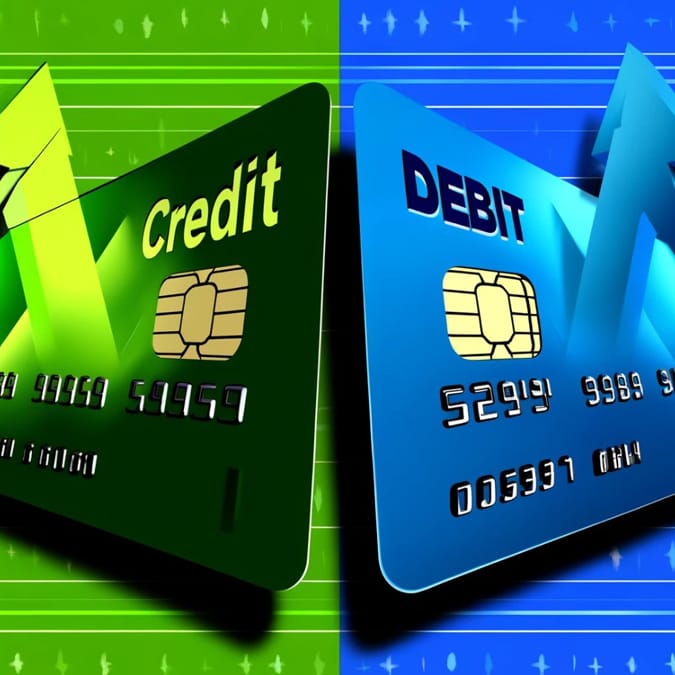
12 Times When It’s Better To Use Credit Instead of Debit

May 2, 2024 by Vanessa Bermudez Leave a Comment

credit vs debit
DALL-E

In today’s fast-paced financial landscape, navigating the choice between credit and debit cards can be more than just a transactional decision—it can be a strategic one. 

Each swipe, chip insertion, or online checkout carries potential impacts on your financial health, security, and even your lifestyle perks. While debit cards draw directly from your bank account, offering a straightforward reflection of your spending, credit cards open the door to a myriad of benefits often overlooked in daily finance management. 

Here are 12 scenarios where opting for credit over debit might be your best move.

1. Building Your Credit Score

credit score
123rf

Using a credit card responsibly is one of the most effective ways to build your credit score. Unlike debit cards, credit cards can help you establish a credit history, demonstrating to lenders that you can manage debt effectively. Regular purchases with prompt payments can significantly enhance your creditworthiness.

2. Shopping Online

credit card for online shopping
123rf

Credit cards offer superior fraud protection compared to debit cards, which is especially important when shopping online. Usually, online merchants have credit card processing systems in place which protects credit card transactions even in industries such as firearms. If fraudulent charges appear, credit cards provide more robust dispute rights that can keep your actual funds safely in your bank account, not tied up during a fraud investigation.

3. Large Purchases

credit card purchase warranty
123rf

Credit cards often come with benefits such as extended warranties, purchase protection, and return guarantees. When buying high-value items like electronics or appliances, using a credit card can provide additional assurances that aren’t typically available with debit cards.

4. Traveling Abroad

credit card for travelling
123rf

For international travelers, credit cards are indispensable. They not only reduce the need to carry large amounts of cash but also offer better exchange rates and travel-specific perks such as luggage insurance, trip cancellation insurance, and emergency assistance, which debit cards seldom provide.

5. Renting Cars or Booking Hotels

credit card and house keys
123rf

Many car rental companies and hotels prefer credit cards over debit cards for holds and deposits. Using a credit card can avoid the immediate financial pinch of a hefty deposit, as these funds won’t be directly withdrawn from your checking account.

6. Dining Out

dine in using credit card
123rf

When you dine out, using a credit card can be a smarter choice due to the potential for fraud. Restaurants are one of the places where your card is taken out of sight to process payment, and you would want fraud protection that doesn’t immediately impact your bank account balance.

7. Monthly Subscriptions

credit card for monthly subscriptions
123rf

Credit cards offer a way to track spending easily and efficiently for recurring payments like subscriptions or membership fees. Also, should you decide to cancel, credit cards provide a more straightforward dispute process if the merchant continues charging you.

8. During a Financial Pinch

wallet with credit cards
123rf

If you’re facing a temporary financial shortfall, using a credit card can provide a short-term solution without the risk of overdrawing your bank account. This should be managed carefully, however, to avoid high-interest debt.

9. Maximizing Rewards and Cashback

credit card rewards
123rf

Many credit cards offer rewards, points, or cashback on purchases, which debit cards do not. If you pay off your balance each month, using a credit card for everyday purchases can actually earn you money or other benefits.

10. When You Need a Cash Advance

credit card and cash
123rf

Although cash advances on credit cards come with fees and higher interest rates, they can still be a better alternative during emergencies compared to the potential overdraft fees on a debit card.

11. Paying Taxes

tax form
123rf

Some might choose to pay taxes with a credit card to earn rewards or to manage cash flow better. The fees associated with credit card payments can often be offset by the benefits of rewards earned or the convenience of delayed payment.

12. Investing in Security

security lock on credit card
123rf

Given the superior fraud protection features of credit cards, using them can be a form of investing in your financial security. The layers of security provided can shield you from the direct financial repercussions of fraud.

Credit vs. Debit: Which is the Wise Choice?

credit cards
123rf

By understanding and leveraging the strategic benefits of credit cards in these scenarios, you can not only manage your finances more effectively but also take advantage of numerous protections and rewards not offered by debit cards. 

Knowing when to use credit instead of debit can significantly enhance your financial strategy, whether for security, convenience, or financial optimization.

Read More

Freedom Debt Relief- How to Negotiate Debt with Your Credit Card Company

Debit or Credit: What Works For You?

Vanessa Bermudez
Vanessa Bermudez
Vanessa Bermudez is a content writer with over eight years of experience crafting compelling content across a diverse range of niches. Throughout her career, she has tackled an array of subjects, from technology and finance to entertainment and lifestyle. In her spare time, she enjoys spending time with her husband and two kids. She’s also a proud fur mom to four gentle giant dogs.

Filed Under: money management Tagged With: credit, credit card, debit, Debit card, Debt

Escape the Debt Trap: 10 Genius Ways to Pay Off Loans Faster

January 4, 2024 by Tamila McDonald Leave a Comment

escaping the debt trap

Are you struggling with debt and feeling overwhelmed by your monthly payments? Do you want to get out of debt faster and save money on interest? If so, you’re not alone. Millions of people are in the same situation, but there is a way out. In this article, we’ll share 10 genius ways to pay off your loans faster and escape the debt trap for good. Whether you have student loans, credit cards, car loans, or any other type of debt, these tips can help you achieve financial freedom sooner than you think.

1. Make a budget and track your spending

The first step to paying off your loans faster is to know where your money is going and how much you can afford to pay each month. A budget is a plan that helps you allocate your income to your expenses, savings, and debt payments. By tracking your spending, you can identify areas where you can cut costs and free up more money for your loans. Many apps and tools can help you create and stick to a budget, such as Mint, YNAB, or EveryDollar.

2. Use the debt avalanche method

The debt avalanche method is a strategy that involves paying off your loans in order of interest rate, from highest to lowest. This way, you can save money on interest and pay off your loans faster. To use this method, you need to make the minimum payments on all your loans, and then put any extra money toward the loan with the highest interest rate. Once that loan is paid off, you move on to the next highest interest rate loan, and so on until you’re debt-free.

3. Use the debt snowball method

snow ball method

The debt snowball method is another strategy that involves paying off your loans in order of balance, from smallest to largest. This way, you can build momentum and motivation as you see your loans disappear one by one. To use this method, you need to make the minimum payments on all your loans, and then put any extra money toward the loan with the smallest balance. Once that loan is paid off, you move on to the next smallest balance loan, and so on until you’re debt-free.

4. Refinance your loans

Refinancing your loans means replacing your existing loans with a new one that has a lower interest rate or a shorter term. This can help you save money on interest and pay off your loans faster. However, refinancing may not be for everyone, as it may come with fees or penalties, or affect your credit score. You also need to have a good credit score and income to qualify for a lower rate. Therefore, before refinancing, you should compare different offers and weigh the pros and cons carefully.

5. Consolidate your loans

Consolidating your loans means combining multiple loans into one with a single monthly payment and interest rate. This can help you simplify your finances and reduce the risk of missing or late payments. However, consolidating may not always save you money or help you pay off your loans faster, as it may extend your repayment term or increase your interest rate. Therefore, before consolidating, you should do the math and make sure it makes sense for your situation.

6. Make biweekly payments instead of monthly payments

Making biweekly payments means paying half of your monthly payment every two weeks instead of once a month. This can help you pay off your loans faster and save money on interest, as you’ll end up making 13 full payments per year instead of 12. However, not all lenders allow biweekly payments or may charge a fee for doing so. Therefore, before switching to biweekly payments, you should check with your lender and make sure it’s beneficial for you.

7. Make extra payments whenever possible

Making extra payments means paying more than the minimum amount due on your loans each month or making additional payments whenever you have extra money. This can help you pay off your loans faster and save money on interest, as you’ll reduce your principal balance and shorten your repayment term. However, some lenders may charge a prepayment penalty or apply your extra payments to future interest instead of principal. Therefore, before making extra payments, you should check with your lender and specify how you want them applied.

8. Use windfalls and side hustles to pay off your loans faster

Windfalls are unexpected or irregular sources of income, such as tax refunds, bonuses, inheritance, or gifts. Side hustles are ways to earn extra money outside of your regular job, such as freelancing, tutoring, babysitting, or selling stuff online. You can use windfalls and side hustles to pay off your loans faster by putting them toward your debt instead of spending them on other things. This can help you accelerate your debt payoff and achieve financial freedom sooner.

9. Negotiate with your lenders for lower interest rates or better terms

Negotiating with your lenders means asking them to lower your interest rates or modify your repayment terms to make them more favorable for you. This can help you save money on interest and pay off your loans faster. However, negotiating may not be easy or successful, as it depends on your lender’s policies and your financial situation. Therefore, before negotiating, you should prepare a convincing case and have a backup plan in case they say no.

10. Seek professional help if you’re overwhelmed by debt

Seeking professional help means getting advice or assistance from a reputable debt relief company or a certified credit counselor. They can help you evaluate your options and find the best solution for your debt problem, such as debt management, debt settlement, or bankruptcy. However, seeking professional help may not be cheap or risk-free, as it may come with fees or consequences for your credit score. Therefore, before seeking professional help, you should do your research and compare different providers and programs.

Paying off your loans faster can help you escape the debt trap and achieve financial freedom sooner. By following these 10 genius ways, you can reduce your debt burden and save money on interest. However, remember that there is no one-size-fits-all solution for debt payoff, and what works for someone else may not work for you. Therefore, you should choose the methods that suit your goals, budget, and personality, and stick to them until you’re debt-free.

Read More:

California’s Debt Relief Programs and their Impact on Individuals

What Steps Should I Take to Avoid Indebtedness?

Tamila McDonald
Tamila McDonald

Tamila McDonald is a U.S. Army veteran with 20 years of service, including five years as a military financial advisor. After retiring from the Army, she spent eight years as an AFCPE-certified personal financial advisor for wounded warriors and their families. Now she writes about personal finance and benefits programs for numerous financial websites.

Filed Under: Debt Management Tagged With: Debt, Escape the Debt Trap: 10 Genius Ways to Pay Off Loans Faster, loans

Finance Lessons Learned from the Pandemic

February 23, 2022 by Jacob Sensiba Leave a Comment

The Covid-19 pandemic changed life for two years and there are definitely still elements of what life was in the world today. No doubt there were some terrible things that happened. People lost their lives and their jobs. But there were also positives that came out of it. We’re going to highlight the lesson we can learn from this pandemic, particularly some personal finance lessons we can learn.

Working from home

This new type of work does not apply to everyone and I don’t like leaving people out, but this needs to be talked about. Working from home and articles about it took over during the pandemic and continue to be discussed.

Working from home, at least from some of those articles and studies, appears to be a net positive for employees and employers. Let time commuting, less overhead costs, more productivity thanks to no commute, increased job satisfaction, and improved work-life balance.

Thanks to the work-from-home setup, people who were able to do that moved out of the city or rented an Airbnb for an extended amount of time. In either case, those people were, likely, able to reduce their housing costs by moving to the suburbs or giving themself a little vacation/change of scenery.

Savings rate

A lot of people saved money during the pandemic thanks to stimulus payments. In April of 2020, the personal savings rate for Americans was 33%. In March of 2021, the personal savings rate for Americans was 26.6%.

The savings rate has fallen since then but is still above 12% which is higher than it was before the pandemic (less than 10%).

Stimulus payments

According to the National Bureau of Economic Research (NBER), most Americans either saved or paid down debt with the majority of their stimulus payments. 40% of the stimulus payment was spent, 30% was saved and another 30% was used to pay down debt.

Personal finance lessons

I think there were a lot of personal finance lessons that can be learned from the pandemic. Here’s a list of them below:

People saved more money

The future was very uncertain so people were more conservative with their spending and less conservative with their savings. That mindset shouldn’t change. The future, in principle, is uncertain. We do not know what tomorrow holds, so saving for a rainy day/goals/retirement is very important.

You don’t need to spend money to have fun

At the very beginning of the pandemic, you couldn’t go anywhere. Quarantine and lockdown orders came in right away. Instead of getting together in person, people utilized Facetime, phone calls, and Zoom. I, personally, had group Zooms with family members where we played and had conversations like we would if we were in person.

Diversification is important

Early in the pandemic, the market tanked. We lost over 30% in six weeks. Granted, it came right back up not long after, but that might not always be the case. If you don’t have time to ride out the ebbs and flows of the market, it’s important you get your asset allocation right. Talk with your adviser to make sure your investment matches your time horizon and risk tolerance.

Get rid of debt

You never know when your job and your ability to earn can be taken from you. Some people lost their jobs, some people were furloughed, and some people just weren’t able to go to work. If you don’t have an income, the only other part of the balance sheet you can affect is your expenses. Get rid of your debt. That’ll help you reduce your expenses in case that happens (you can also save more).

Protect your loved ones

Get life insurance. A lot of people passed away during the pandemic. If you contribute income to your household, you need to make sure you financially protect the people that rely on your income.

Related reading:

5 Personal Finance Tips from the Pandemic

How to Regain Control of Your Finances Amid the Pandemic

How to Save Money on Your Post Pandemic Vacation

Disclaimer:

**Securities offered through Securities America, Inc., Member FINRA/SIPC. Advisory services offered through Securities America Advisors, Inc. Securities America and its representatives do not provide tax or legal advice; therefore, it is important to coordinate with your tax or legal advisor regarding your specific situation. Please see the website for full disclosures: www.crgfinancialservices.com

Jacob Sensiba
Jacob Sensiba

Jacob Sensible is a financial advisor with decades of experience in the financial planning industry.  His journey into finance began out of necessity, stepping up to support his grandfather during a health crisis. This period not only grounded him in the essentials of stock analysis, investment strategies, and the critical roles of insurance and trusts in asset preservation but also instilled a comprehensive understanding of financial markets and wealth management.  Jacob can be reached at: jake.sensiba@mygfpartner.com.

mygfpartner.com/jacob-sensiba-wisconsin-financial-advisor/

Filed Under: budget tips, Debt Management, Insurance, Investing, money management, Personal Finance, Planning, Retirement, risk management Tagged With: Asset Allocation, covid-19, Debt, finance, finances, investing, pandemic, retirement savings, saving money, savings

How to Increase Your Net Worth

February 2, 2022 by Jacob Sensiba Leave a Comment

increase-your-net-worth

Your net worth is a benchmark for your financial success. Notice that I said financial success and not just success. That was intentional because money doesn’t define your success. Money can afford you freedom, but I believe real success doesn’t involve money. That was free of charge, now let’s talk about how to increase your net worth.

What is net worth?

Net worth is assets minus liabilities. How much wealth do you have after you subtract what you owe versus what you have? It’s typically used to gauge your progress in your financial life. If you have debt, then when you pay it down, your net worth goes up. The same happens when you increase your savings.

How to increase your assets

Honestly, the only way to increase your assets is to save money. At least, that’s where it all starts. The more you save, the more you have to work with.

How do you save money? Decrease your expenses and/or make more money. That’s what it comes down to. Figure out what’s important – in terms of your budget and spending. Everything else that doesn’t fit on that list needs to either be removed or reduced.

Once you have money saved, then you can put it to work. Invest it in securities or assets that have a chance to increase in value. What kinds of things have a chance to increase in value? Stocks, bonds, mutual funds, ETFs, precious metals, real estate, certificates of deposit (CDs), and cryptocurrency/NFTs (though I would tread carefully here).

Growing your assets will help you increase your net worth.

How to decrease your liabilities

Pay down your debts. That’s it. Obviously, it’s more challenging than that. Ideally, what you’d want to do is pay down your debts before you focus on the saving aspect of it. If you have debts with high-interest rates, like credit cards, those should be your first priority.

We’ve gone into detail about the repayment methods before so we’ll only touch on them briefly, but what’s important is decreasing your expenses so you can make larger, more regular payments towards your debts.

The next step is developing a repayment strategy. The two we’ve talked about before are the debt avalanche and the debt snowball. The debt avalanche – you pay the debt with the highest interest rate off first before moving to the next one. The debt snowball – you pay the debt with the smallest balance off before moving on to the next one.

Paying down your debts will really help you increase your net worth.

Is there a net worth number you should hit?

At the end of the day, your net worth number is really a reflection of what you’ve saved for retirement. Ideally, you will not have any debts, including your mortgage. So there’s no math that needs to be done. What are your assets? Primary home, any rental properties, and then your retirement savings, with primary home and retirement savings being the two most common for everyone.

So the question becomes, how much should you save for retirement? Thankfully, we’ve created a guide for you to help answer that question (see below).

Related reading:

How much do I need to save for retirement?

Diving Deep Into Debt

3 ways to responsibly save money

Gig economy financial security

Johnny Depp Net Worth

Disclaimer:

**Securities offered through Securities America, Inc., Member FINRA/SIPC. Advisory services offered through Securities America Advisors, Inc. Securities America and its representatives do not provide tax or legal advice; therefore, it is important to coordinate with your tax or legal advisor regarding your specific situation. Please see the website for full disclosures: www.crgfinancialservices.com

Jacob Sensiba
Jacob Sensiba

Jacob Sensible is a financial advisor with decades of experience in the financial planning industry.  His journey into finance began out of necessity, stepping up to support his grandfather during a health crisis. This period not only grounded him in the essentials of stock analysis, investment strategies, and the critical roles of insurance and trusts in asset preservation but also instilled a comprehensive understanding of financial markets and wealth management.  Jacob can be reached at: jake.sensiba@mygfpartner.com.

mygfpartner.com/jacob-sensiba-wisconsin-financial-advisor/

Filed Under: budget tips, Debt Management, Investing, investment types, money management, Personal Finance, Retirement Tagged With: assets, Budget, Debt, finance, invest, investing, liabilities, Net worth, Personal Finance, savings

Applying for a Mortgage

January 12, 2022 by Jacob Sensiba Leave a Comment

applying-for-a-mortgage

There’s always talk about home-buying and mortgages, but with interest rates being at all-time lows over the past few years, I feel like the talk about those things have picked up. Not only that, interest rates are likely going up this year so people are trying to get in before it’s too late. In this post, I want to talk about mortgages, how they work, and what happens when applying for a mortgage.

What’s a mortgage?

A mortgage is a loan you get from the bank or another lender to buy a house. When you submit an offer to buy a house, you’ll apply for a mortgage, and it’s a very involved process. More on that later.

In a mortgage, you’ll have options for what your term is. Your typical options are 15-year, 20-year, and 30-year.

You’ll also have to make a down payment. Current trends show that a lower down payment is pretty common. Depending on the type of loan, you can put down 3+%. And how much you put down matters. If you put down less than 20%, you’ll have to pay Primary Mortgage Insurance (PMI).

Here are the pieces of your typical mortgage payment – principal, interest, taxes and insurance, and PMI (if applicable). Taxes and insurance are commonly put in an escrow account and paid when they’re due by the lender.

Mortgage application process

From application to closing, it’s about 45-60 days. During that period, you’ll go through underwriting. In underwriting, they’ll have you submit documentation to confirm your credit report, annual income, current assets and liabilities, employment information, prior tax returns, among other things.

After you’ve cleared underwriting and they’ve confirmed everything, you’ll head to closing. At closing, you’ll sign a lot of papers. You’ll likely need to bring your checkbook with you as well.

There are closing costs associated with your mortgage. Some of these can be added to your total mortgage and some of them need to be paid. Closing costs are normally 3%-6% of the total mortgage and can include real estate commissions, taxes, insurance premiums, title fees, and record filing fees.

And if you’re buying, you’ll also need to write a check for the down payment.

Who gets a mortgage?

There is a slough of factors you need to meet when applying for a mortgage. Credit score matters. Usually, you’ll need at least a 620 credit score (all else being equal) to get a mortgage. Though the better the credit score, the better interest rate you’ll get.

The debt to income ratio needs to be under 50%. The lower the debt to income ratio (all else being equal) the more you can afford. If you have a 45% debt to income ratio and can afford a $250,000 mortgage, you’d probably be able to afford a $300,000 if your debt to income ratio is 25% (this is just an example, I didn’t do the math on this).

Condition of the home. With an FHA mortgage, they are a little pickier on the condition of your home. Usually, it’s just the outside of the home they’re picky with. Chipped paint is a typical thing they take issue with, so just be aware of that.

Applying for a mortgage is necessary for most people so it’s important you understand how they work.

Related reading:

Understanding 15-Year vs. 30-Year Mortgages in the USA

What to do when you’re one month behind on your mortgage

Why Financial Literacy is Important

Disclaimer:

**Securities offered through Securities America, Inc., Member FINRA/SIPC. Advisory services offered through Securities America Advisors, Inc. Securities America and its representatives do not provide tax or legal advice; therefore, it is important to coordinate with your tax or legal advisor regarding your specific situation. Please see the website for full disclosures: www.crgfinancialservices.com

Jacob Sensiba
Jacob Sensiba

Jacob Sensible is a financial advisor with decades of experience in the financial planning industry.  His journey into finance began out of necessity, stepping up to support his grandfather during a health crisis. This period not only grounded him in the essentials of stock analysis, investment strategies, and the critical roles of insurance and trusts in asset preservation but also instilled a comprehensive understanding of financial markets and wealth management.  Jacob can be reached at: jake.sensiba@mygfpartner.com.

mygfpartner.com/jacob-sensiba-wisconsin-financial-advisor/

Filed Under: credit score, Debt Management, Insurance, money management, Personal Finance, Real Estate Tagged With: credit, credit score, Debt, fees, interest rate, mortgage, Mortgage loan, mortgage payments, mortgages

  • « Previous Page
  • 1
  • …
  • 15
  • 16
  • 17
  • 18
  • 19
  • Next Page »

FOLLOW US

Search this site:

Recent Posts

  • Can My Savings Account Affect My Financial Aid? by Tamila McDonald
  • 12 Ways Gen X’s Views Clash with Millennials… by Tamila McDonald
  • What Advantages and Disadvantages Are There To… by Jacob Sensiba
  • 10 Tactics for Building an Emergency Fund from Scratch by Vanessa Bermudez
  • Call 911: Go To the Emergency Room Immediately If… by Stephen Kanaval
  • 7 Weird Things You Can Sell Online by Tamila McDonald
  • 10 Scary Facts About DriveTime by Tamila McDonald

Copyright © 2026 · News Pro Theme on Genesis Framework