
• Home
  • About Us
  • Toolkit
  • Getting Finances Done
    • Hiring Advisors
    • Debt Management
    • Spending Plan
  • Insurance
    • Life Insurance
    • Health Insurance
    • Disability Insurance
    • Homeowners/Renters Insurance
  • Contact Us
  • Risk Tolerance Quiz
  • Our Editorial Commitment

The Free Financial Advisor

You are here: Home / Archives for financial struggles

9 Ways People Can Immediately Tell That You’re Broke

March 13, 2025 by Latrice Perez Leave a Comment

Man with empty pockets
Image Source: 123rf.com

Struggling financially is nothing to be ashamed of, but whether we like it or not, people can often spot when someone is broke. It’s not always about the car you drive or the clothes you wear—there are small behaviors, habits, and subtle social cues that reveal financial struggles almost instantly. Even if you try to mask it, people pick up on the signs that money is tight. If you recognize yourself in any of these, it may be time to rethink your financial habits and work toward a more stable future.

1. You Always Have an Excuse to Avoid Going Out

When money is tight, social events start feeling like financial landmines. You might find yourself constantly making excuses to avoid going out—whether it’s dinner, drinks, or even casual hangouts that might involve spending. Instead of saying, “I can’t afford it,” you might claim you’re too busy, too tired, or just not in the mood.

People catch on when you consistently dodge outings, especially when you never suggest budget-friendly alternatives. If you’re always the one bailing on plans, people assume money is the issue.

2. Your Card Gets Declined in Public

Few things scream “I’m broke” louder than a declined card at a checkout line or restaurant. Whether it’s due to insufficient funds, a maxed-out credit limit, or an overdraft block, it’s an awkward and telling moment. Even if you try to play it off by pretending it’s a mistake, the embarrassment sticks.

People notice when this happens repeatedly, especially if you scramble to use another card or ask a friend to cover for you. Financial mishaps happen to everyone occasionally, but frequent declines suggest deeper money problems.

3. You Constantly Complain About Money

Talking about finances is normal, but if every conversation revolves around how expensive things are, how unfair bills feel, or how you’re always broke, people take notice. Complaining about money all the time signals to others that you are struggling, even if you never outright say it.

Friends and coworkers may sympathize at first, but over time, constant money talk makes it obvious that your financial situation isn’t great. People who are financially stable don’t usually dwell on these things in every conversation.

4. Your Clothes and Shoes Are Worn Out

You don’t need to wear designer brands to look put together, but if your clothes are consistently faded, stretched out, or falling apart, people notice. Worn-out shoes, frayed collars, and outdated outfits can make it clear that replacing them isn’t in your budget.

Dressing well doesn’t require a lot of money, but when you’re broke, replacing even basic wardrobe items can feel like an unnecessary expense. If your appearance looks consistently neglected, people assume finances are the reason.

5. You Avoid Talking About Travel or Big Purchases

When people talk about vacations, new gadgets, or recent shopping trips, those who are broke often go silent or quickly change the subject. If you never mention upcoming trips, home upgrades, or even small splurges, people can tell that extra spending isn’t an option for you.

Even if no one expects you to take extravagant vacations, avoiding conversations about any kind of spending can make it clear that money is tight. People who are financially comfortable usually have at least one recent purchase or experience to talk about.

6. You Frequently Borrow Small Amounts of Money

Asking to borrow money from friends, coworkers, or even family—especially small amounts—raises red flags. Whether it’s asking for five bucks for coffee, needing a ride because you can’t afford gas, or delaying your share of a group payment, people take note.

Frequent borrowing, even in small amounts, signals that you are living paycheck to paycheck. Over time, people become reluctant to lend or start to avoid situations where they might have to cover for you.

7. You Struggle with Unexpected Expenses

When an emergency expense pops up—like a car repair, medical bill, or a last-minute fee—and you panic or scramble for cash, it’s a clear sign that you have no financial cushion. People who are financially stable usually have some savings or access to emergency funds.

If you always have to borrow money, ask for extensions, or desperately search for a solution every time something unexpected happens, it becomes obvious that money is a major issue. Others might not say anything, but they take mental notes when they see you in constant financial distress.

8. You Never Offer to Pay or Split the Bill

People Dining Out
Image Source: 123rf.com

When dining out, grabbing coffee, or even sharing rides, people notice if you never offer to pay your share. If someone always has to cover for you, it becomes clear that you can’t afford the extra expense. Even if you try to subtly let others take the lead, repeated avoidance makes it obvious.

Being broke doesn’t mean you have to pay for everyone, but not contributing at all—especially in group settings—stands out. People eventually assume that you’re financially struggling or just taking advantage of others’ generosity.

9. You Seem Stressed Every Time Money is Mentioned

People can sense financial stress even when it’s not explicitly stated. If you get tense, frustrated, or overly defensive whenever money is brought up, it’s a sign that things aren’t going well financially.

This can show up in conversations about salaries, budgeting, or even casual talks about spending habits. If you always react negatively or shut down discussions about money, it’s a clear indicator that finances are a major source of stress in your life.

The Signs Are Hard to Hide, But Change is Possible

Most people don’t set out to make it obvious that they’re broke, but financial struggles have a way of showing up in daily habits and interactions. The good news is that recognizing these signs can be the first step toward improving your situation. Cutting unnecessary expenses, creating a budget, and looking for ways to increase income can make a huge difference.

Have you ever noticed these signs in yourself or others? What steps have you taken to improve your financial situation? Share your thoughts in the comments below.

Read More:

12 Private Clubs Only the Wealthy Can Afford

12 Ways Your “Poverty Mentality” Is Hurting Your Financial Future

Latrice Perez

Latrice is a dedicated professional with a rich background in social work, complemented by an Associate Degree in the field. Her journey has been uniquely shaped by the rewarding experience of being a stay-at-home mom to her two children, aged 13 and 5. This role has not only been a testament to her commitment to family but has also provided her with invaluable life lessons and insights.

As a mother, Latrice has embraced the opportunity to educate her children on essential life skills, with a special focus on financial literacy, the nuances of life, and the importance of inner peace.

Filed Under: Personal Finance Tagged With: broke signs, budgeting, debt problems, financial struggles, Financial Wellness, low income life, money habits, money management, Personal Finance, saving money

Dating While Broke: Is It Even Possible in Today’s Economy?

February 26, 2025 by Latrice Perez Leave a Comment

Dating While Broke
Image Source: 123rf.com

Dating can be expensive, from fancy dinners to weekend getaways, but does being broke mean you can’t date at all? In today’s economy, where inflation is high and wages often lag behind, many people struggle financially. The question is whether you can still build a meaningful relationship while being broke. The answer isn’t a simple yes or no, but rather a matter of adjusting expectations, getting creative, and finding someone who values connection over material things.

How Money Shapes Dating Expectations

Many people associate dating with financial stability because traditional dating often involves expensive outings, gifts, and travel. However, a successful relationship isn’t about how much you can spend—it’s about how you connect with the other person. While financial stability is important in the long run, plenty of people are willing to build a life together rather than expect financial perfection from the start. Some of the best dates don’t cost anything at all, such as long walks, homemade meals, or exploring local events. The key is focusing on shared experiences rather than how much you can afford to spend.

The Importance of Financial Honesty in Dating

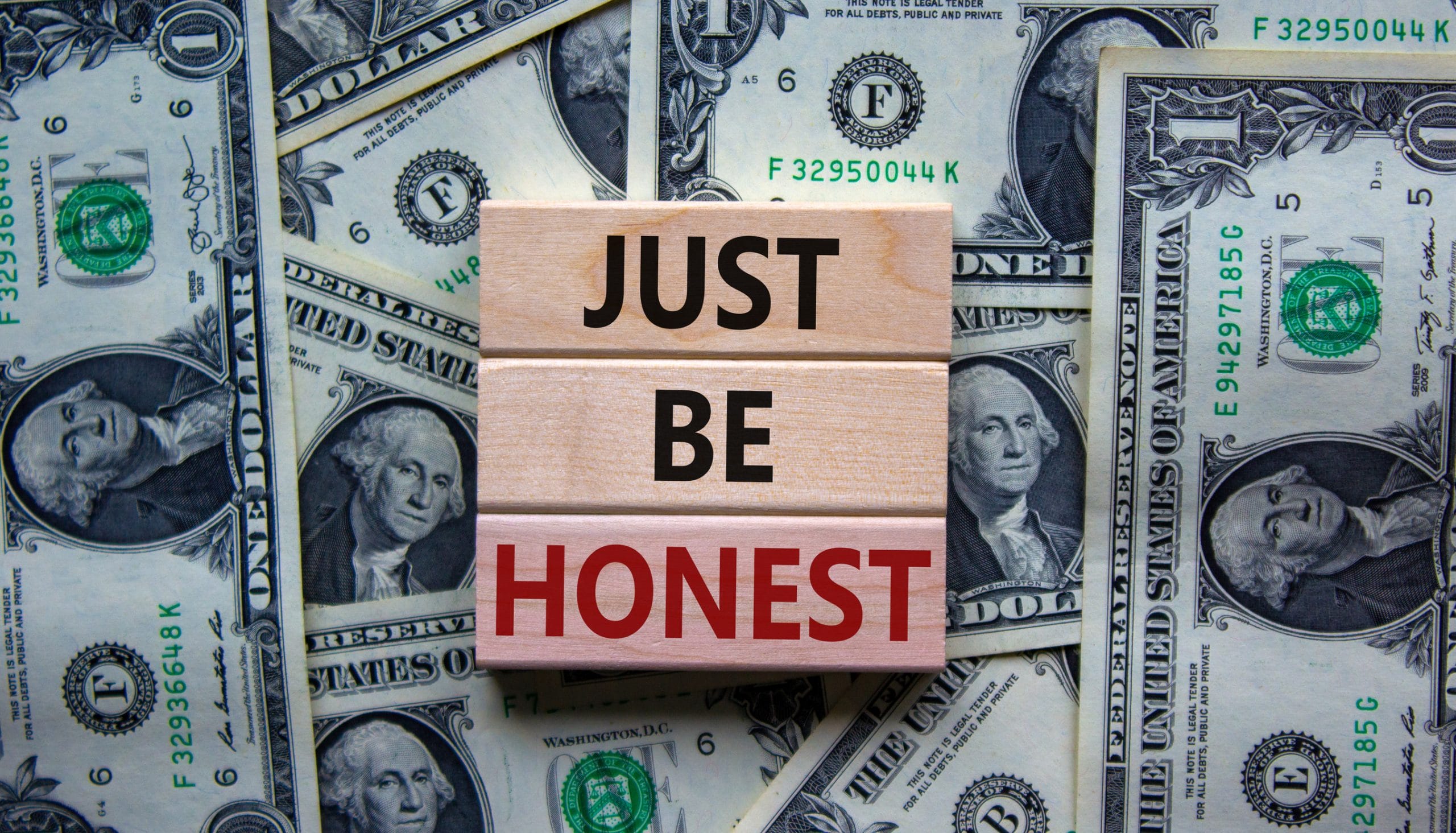
Financial Honesty
Image Source: 123rf.com

Honesty is critical when dating while broke. Some people try to hide their financial struggles, pretending they have more than they do, but this can lead to problems later on. It’s better to be upfront about your financial situation while also showing that you are responsible and working toward better stability. Being honest about money does not mean dumping financial stress on a new partner, but it does mean setting realistic expectations about what dating will look like. If someone values wealth more than character, they may not be the right person anyway.

Creativity Can Make Dating Affordable

Creativity goes a long way when money is tight. Instead of expensive dinners, couples can opt for coffee dates, picnics, or cooking meals together. Museums, art galleries, and local community events often have free or low-cost admission. Exploring nature, watching movies at home, or playing board games together can create just as much connection as high-end activities. The way someone handles financial limitations says a lot about their character. If someone can make dating fun on a budget, it’s a good sign that they will be resourceful and adaptable in a long-term relationship.

Overcoming Social Pressure Around Finances

The biggest challenge in dating while broke is handling societal pressure. Many people assume that financial success equals attractiveness, making it harder for those struggling financially to feel confident. Social media makes it even worse by promoting luxury lifestyles as the standard. However, financial struggles are common, and a strong relationship is built on emotional support and shared goals rather than material wealth. The right partner will focus on the person, not their bank account.

Love Is Not Measured by Wealth

Dating while broke is possible, but it requires the right mindset and partner. It’s about being honest, creative, and focusing on meaningful experiences rather than expensive ones. True relationships aren’t built on flashy dates but on connection, communication, and the willingness to grow together. While financial stability is important, being broke doesn’t mean love is out of reach—it just means finding someone who values the person over the paycheck.

Do you have very little money, but still want to date? What has been your experience so far? Let us know in the comments below.

Read More:

Your Husband Just Quit His Job With No Notice: 8 Steps You Should Take

Not Really Goodbye: 11 Reasons Exes Stay in Each Other’s Lives

Latrice Perez

Latrice is a dedicated professional with a rich background in social work, complemented by an Associate Degree in the field. Her journey has been uniquely shaped by the rewarding experience of being a stay-at-home mom to her two children, aged 13 and 5. This role has not only been a testament to her commitment to family but has also provided her with invaluable life lessons and insights.

As a mother, Latrice has embraced the opportunity to educate her children on essential life skills, with a special focus on financial literacy, the nuances of life, and the importance of inner peace.

Filed Under: Relationships & Money Tagged With: affordable dating, dating and finances, financial struggles, modern dating challenges, money and love, relationships on a budget

10 Signs You’re Actually Having A Harder Time Than Most Americans

February 20, 2025 by Latrice Perez Leave a Comment

Having Hard
Image Source: 123rf.com

In today’s economy, many people experience financial difficulties, job instability, and rising costs of living. However, if you find yourself constantly struggling with basic needs, mounting debt, or deteriorating mental health, you may be facing more significant challenges than most Americans. Recognizing these warning signs can help you take proactive steps toward finding solutions. Here are 10 indicators that suggest you’re having a harder time than the average person.

1. Your Paycheck Is Gone Before the Month Ends

Earning a paycheck should provide financial stability, but if your money disappears before the month is over, you may be struggling more than the average American. Living paycheck to paycheck is common, but when you’re constantly choosing between paying rent, utilities, or groceries, it’s a sign of deeper financial distress.

A 2024 report revealed that nearly 60% of Americans live paycheck to paycheck, yet many still manage to save or cover emergencies. If you have no buffer and every dollar is spent the moment it comes in, it’s time to assess your spending, explore ways to boost income, or seek financial assistance programs that can help you break the cycle.

2. Escalating Debt Levels with No End in Sight

Debt is a common issue, but if your balances keep growing while your payments barely make a dent, you’re in a financially dangerous cycle. In 2024, Americans collectively held over $1.2 trillion in credit card debt, with interest rates at record highs.

If you find yourself using credit cards to cover everyday expenses because your paycheck doesn’t stretch far enough, it’s a sign that your financial struggles are more severe. Without intervention, mounting debt can lead to collection calls, wage garnishments, and long-term financial damage. Seeking debt consolidation options or financial counseling can help you regain control.

3. Inability to Cover Unexpected Expenses

If an unexpected expense would force you to take out a loan, max out your credit card, or borrow from family, you’re financially overextended. Recent reports indicate that nearly 23% of Americans have past-due medical bills because they simply couldn’t afford the costs upfront.

The inability to absorb even small financial shocks is a sign that you’re struggling more than the average American. Finding ways to build even a small emergency fund—by automating savings or cutting small luxuries—can help you feel more secure.

4. Declining Mental Health Due to Financial Stress

When money troubles dominate your thoughts, leading to sleepless nights, anxiety, or depression, it’s more than just a rough patch—it’s a serious concern. A 2024 survey revealed that 43% of U.S. adults reported higher anxiety levels compared to the previous year, with financial worries being a top stressor.

Chronic stress over bills, debt, or job insecurity can impact physical health, relationships, and overall well-being. If financial stress is taking a toll on your mental health, seeking support from a therapist or financial advisor can help you develop coping strategies and solutions.

5. Struggling to Maintain Stable Employment

Job Loss
Image Source: 123rf.com

Job insecurity or chronic underemployment can be a significant indicator that you’re struggling more than most Americans. While the U.S. economy grew in 2024, many individuals still face layoffs, reduced hours, or jobs that don’t pay a livable wage.

If you’ve been stuck in a cycle of unstable jobs with little career growth, it may be time to explore new opportunities, skill-building programs, or alternative income streams. Long-term unemployment or stagnant wages can make it nearly impossible to get ahead financially.

6. Housing Instability and the Fear of Eviction

Housing costs have skyrocketed, leaving many Americans struggling to keep a roof over their heads. If you’re behind on rent, facing eviction, or living with family because you can’t afford your own place, you’re in a more precarious position than most. The number of unhoused individuals in the U.S. has increased significantly, with rising rental prices being a major factor. Affordable housing programs, rent assistance, or budgeting for a lower-cost living arrangement could help stabilize your situation.

7. Avoiding Medical Care Due to High Costs

Skipping doctor visits, ignoring prescriptions, or delaying medical care because you can’t afford it is a major sign of financial hardship. Despite healthcare reform, millions of Americans remain uninsured or underinsured. In 2024, 12% of adolescents and nearly 5% of adults reported serious mental health concerns but didn’t seek treatment due to costs. If you find yourself neglecting your health because of financial barriers, researching low-cost clinics, government programs, or employer health benefits may help.

8. Social Isolation Due to Financial Struggles

When money problems make you withdraw from friends and family, it’s a sign that financial stress is impacting more than just your bank account. Social isolation can lead to worsening mental health, depression, and anxiety. Studies show that those facing financial difficulties are more likely to feel disconnected and ashamed, making it harder to ask for help. Finding free or low-cost ways to engage with loved ones can help you maintain social connections while working through financial hardships.

9. Relying on Credit Cards for Everyday Essentials

Using credit cards as a lifeline for groceries, utilities, and rent is a sign that your expenses are outpacing your income. In late 2024, credit card debt surged as Americans struggled with inflation and rising living costs. While credit can be a useful tool when managed properly, relying on it to cover necessities often leads to financial disaster. If you’re only making minimum payments while your balance grows, it’s time to explore debt repayment plans or additional income sources.

10. Feeling Hopeless About Your Financial Future

One of the most significant signs that you’re struggling more than most Americans is the overwhelming belief that things will never improve. If you’ve lost motivation, stopped looking for financial solutions, or feel trapped in your circumstances, it’s crucial to seek help. Financial counseling, community assistance programs, and mental health resources can provide guidance and support. Recognizing the problem is the first step toward reclaiming control and making a plan for a more stable future.

Support Can Make A Difference

Seeking support and exploring financial resources can make a significant difference. If you identify with multiple signs on this list, taking proactive steps—whether through budgeting, side gigs, or professional counseling—can help you move toward stability and relief.

Do you feel like you’re constantly struggling in life, while others are doing well? Have you searched for help? We’d love to hear your story in the comments below.

Read More:

Friendship Debt: 8 Personal Reasons Your Friends Aren’t Paying You Back

Why Did He Do That? 10 Reasons He Dumped You (Yes, One is Financial)!

Latrice Perez

Latrice is a dedicated professional with a rich background in social work, complemented by an Associate Degree in the field. Her journey has been uniquely shaped by the rewarding experience of being a stay-at-home mom to her two children, aged 13 and 5. This role has not only been a testament to her commitment to family but has also provided her with invaluable life lessons and insights.

As a mother, Latrice has embraced the opportunity to educate her children on essential life skills, with a special focus on financial literacy, the nuances of life, and the importance of inner peace.

Filed Under: Mental Health Tagged With: Debt, economic hardship, financial struggles, healthcare access, housing instability, mental health, unemployment

FOLLOW US

Search this site:

Recent Posts

  • Can My Savings Account Affect My Financial Aid? by Tamila McDonald
  • 12 Ways Gen X’s Views Clash with Millennials… by Tamila McDonald
  • What Advantages and Disadvantages Are There To… by Jacob Sensiba
  • 10 Tactics for Building an Emergency Fund from Scratch by Vanessa Bermudez
  • Call 911: Go To the Emergency Room Immediately If… by Stephen Kanaval
  • 7 Weird Things You Can Sell Online by Tamila McDonald
  • 10 Scary Facts About DriveTime by Tamila McDonald

Copyright © 2026 · News Pro Theme on Genesis Framework