• Home
  • About Us
  • Toolkit
  • Getting Finances Done
    • Hiring Advisors
    • Debt Management
    • Spending Plan
  • Insurance
    • Life Insurance
    • Health Insurance
    • Disability Insurance
    • Homeowners/Renters Insurance
  • Contact Us
  • Privacy Policy
  • Risk Tolerance Quiz

The Free Financial Advisor

You are here: Home / Archives for inflation 2026

2.4% Inflation Rate and Its Quiet Impact on Everyday Costs

March 21, 2026 by Brandon Marcus Leave a Comment

2.4% Inflation Rate and Its Quiet Impact on Everyday Costs

Image Source: Shutterstock.com

Inflation creeps into bills, groceries, and fuel costs quietly, like a guest who overstays their welcome but doesn’t make much noise. At 2.4%, the current rate seems tame on paper, almost reassuring. Yet that small percentage masks a slow, persistent pressure that nudges everyday expenses upward in ways people often overlook. Suddenly, a latte costs a few cents more, delivery fees inch higher, and that weekly grocery run starts to feel less like a routine and more like a subtle drain on the wallet.

The curious thing about inflation is how it reshapes choices without shouting. It influences where people shop, what they buy, and even how they save. A 2.4% shift might not spark panic, but over months, it can quietly shape household budgets. Understanding this invisible force isn’t just about tracking numbers—it’s about spotting the ripple effects in daily life and adjusting smartly. From groceries to utilities, every cent matters when inflation lingers in the background.

1. Grocery Bills That Slowly Stretch the Budget

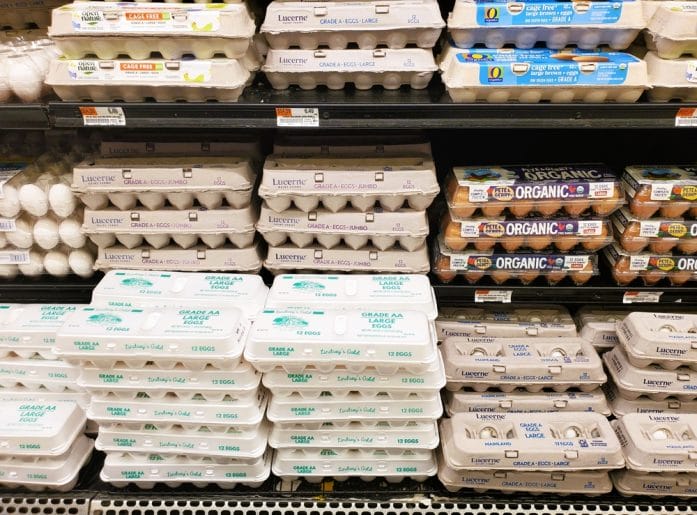
Groceries are the frontline in the quiet war against inflation. Even a 2.4% increase transforms routine shopping trips into moments of subtle sticker shock. A gallon of milk, a loaf of bread, and a bag of apples may not break the bank individually, but collectively, small increases accumulate quickly. Families and individuals notice this more sharply in recurring purchases because these costs hit constantly and predictably, leaving little room to ignore changes.

Beyond prices on the shelves, inflation influences consumer behavior at grocery stores. People shift toward generic brands, alter meal plans, or cut back on occasional treats. Retailers respond in kind by adjusting promotions or offering new package sizes, which can feel like more choice but often hides incremental cost increases. Being aware of these shifts allows shoppers to plan smarter, comparing unit prices, stockpiling essentials when possible, and taking advantage of loyalty programs. Even minor tweaks in shopping habits can offset the gradual squeeze that inflation creates.

Groceries aren’t the only area affected. Small items, such as snacks, condiments, and staples, gradually rise in price. Over the span of a year, that 2.4% inflation rate can translate into hundreds of extra dollars spent across multiple households. Tracking these changes and anticipating the effect on monthly budgets allows families to maintain spending balance while still enjoying the foods and essentials they value most.

2. Gas and Energy Costs That Whisper Increase

Fuel and energy often behave like stealth inflation agents. While prices fluctuate daily, a 2.4% rise subtly increases monthly expenditures for commuting, deliveries, and home energy usage. This isn’t the kind of surge that causes immediate alarm, but its ongoing effect slowly reshapes financial priorities. People might notice slightly higher gas bills, small increases in electricity or heating costs, and an invisible pull on disposable income over time.

Transportation habits adjust subtly under this pressure. Some may choose carpooling or public transit more frequently, while others reconsider road trips or non-essential driving. Energy efficiency suddenly becomes more attractive: LED lighting, programmable thermostats, and energy-conscious appliances offer tangible ways to soften the gradual bite of inflation. These adaptations are often overlooked until cumulative costs create noticeable pressure on budgets, highlighting the importance of monitoring usage and staying proactive.

Small increases in monthly energy bills ripple across the household. Even at just a couple of percentage points, the effect grows over time, especially for larger families or homes with high energy consumption. Being proactive with budgeting and exploring energy-saving options can prevent the quiet but persistent impact of inflation from compounding into significant strain over the course of the year.

3. Services and Subscriptions: Tiny Changes, Big Perception

Inflation affects not only tangible goods but also recurring services and subscriptions. Streaming platforms, cloud storage, fitness memberships, and phone plans often increase prices annually, sometimes aligning subtly with inflation rates like the current 2.4%. These incremental rises rarely feel dramatic in isolation, but over multiple subscriptions, the effect becomes noticeable. The habit of automatic renewal can mask inflation’s impact, quietly increasing monthly expenses without triggering conscious decision-making.

Smart management of services helps combat these quiet increases. Periodic review of subscriptions, canceling unused features, or negotiating better rates can offset the slow creep of inflation. Bundling services, exploring alternative providers, or leveraging promotional offers can reclaim a surprising amount of money over time. Even small actions applied consistently create meaningful financial breathing room and preserve overall household budgets.

Perception also matters: slight increases feel larger when individuals compare them against stagnant income or fixed budgets. Awareness paired with strategic adjustments ensures that subtle price hikes don’t sneak past unnoticed. Tracking subscription costs closely, anticipating renewals, and taking preemptive steps to control expenses keeps inflation from quietly eroding financial comfort.

4. Eating Out and Daily Spending: Tiny Adjustments Add Up

Dining out, coffee runs, and other daily discretionary expenses respond to inflation in quiet, cumulative ways. A 2.4% increase on menu items, tips, or service fees may seem negligible, but over weeks and months, these small amounts accumulate. This inflation-driven nudge subtly changes behavior, pushing individuals to reconsider frequency, portion sizes, or the choice of venue. The impact on weekly spending can become significant before anyone fully realizes it.

People often underestimate the ripple effects of minor cost increases in discretionary spending. A few cents more per latte multiplied across multiple visits translates into tangible differences in monthly budgets. Strategic adjustments, such as brewing coffee at home, preparing meals in advance, or enjoying occasional treats rather than daily indulgences, provide practical solutions. Each choice adds up, offsetting inflation’s quiet influence while still maintaining lifestyle enjoyment.

Beyond individual expenses, inflation subtly alters community spending patterns. Restaurants, delivery services, and local vendors may respond with promotions or adjusted menu items, creating both opportunities and challenges for consumers. Awareness, combined with smart decision-making, allows households to navigate these minor cost shifts without letting them silently accumulate into larger financial pressure.

2.4% Inflation Rate and Its Quiet Impact on Everyday Costs

Image Source: Shutterstock.com

Inflation as a Gentle but Persistent Force

The 2.4% inflation rate illustrates how slow, persistent changes in the economy affect everyday life. It doesn’t hit suddenly or violently, but it reshapes daily choices, spending habits, and long-term planning. Grocery bills, fuel costs, subscriptions, and dining decisions all reflect this quiet influence, showing that even modest inflation impacts real households in noticeable ways.

Being proactive provides the best defense. Tracking expenses, adjusting spending habits, exploring alternatives, and negotiating rates wherever possible transforms a subtle economic pressure into a manageable component of household finance. Understanding inflation as a gentle but consistent force allows individuals to make informed choices and maintain financial balance even as prices creep upward steadily.

Which areas of spending feel the most affected by this quiet inflation, and what strategies seem most effective to counteract it? Share insights, tips, or experiences in the comments.

You May Also Like…

6 Alternative Assets to Hedge Against Inflation

The Hidden Cost of Keeping Money in Savings at 2.4% Inflation

9 Everyday Costs Rising Faster Than Seniors’ Income

7 Steps to Run a Financial Autopsy on Your 2025 Spending

Why Do People Feel Guilty Spending Money Even on Necessitiesd

Brandon Marcus
Brandon Marcus

Brandon Marcus is a writer who has been sharing the written word since a very young age. His interests include sports, history, pop culture, and so much more. When he isn’t writing, he spends his time jogging, drinking coffee, or attempting to read a long book he may never complete.


Filed Under: Lifestyle Tagged With: budget tips, consumer tips, Cost of living, economic trends, everyday costs, gas prices, grocery prices, household expenses, inflation 2026, money management, Personal Finance, Planning

Stop Using the 50/30/20 Rule — Here’s What’s Not Working in 2026

March 3, 2026 by Brandon Marcus Leave a Comment

Stop Using the 50/30/20 Rule — Here’s What’s Not Working in 2026

Image Source: Pexels.com

The 50/30/20 rule had a good run. It felt clean, organized, and reassuring in a world that seemed manageable on a spreadsheet. Split income into needs, wants, and savings. Stay disciplined. Build wealth. Easy. But 2026 laughs at tidy pie charts.

Housing costs swallow paychecks in many cities. Grocery bills jump without warning. Insurance premiums creep up. Student loan payments restart and shift. Healthcare expenses stretch budgets thin. The neat little formula that once felt empowering now leaves too many people feeling like they failed at math instead of recognizing that the math changed.

The 50/30/20 rule, popularized by Elizabeth Warren and her daughter in the book All Your Worth, helped millions rethink spending priorities. It pushed people to cap essentials at 50 percent, enjoy 30 percent, and save 20 percent. The structure brought clarity. The simplicity made it sticky.

When “Needs” Blow Past 50 Percent

The biggest flaw in 2026 comes down to one word: housing. In many metropolitan areas across the United States, rent alone consumes 35 to 50 percent of take-home pay. Add utilities, transportation, insurance, and groceries, and that 50 percent cap on “needs” collapses before the month even starts. No one overspent on lattes. No one splurged on concert tickets. The budget just never stood a chance.

Inflation over the past several years reshaped everyday expenses. Even though inflation rates cooled compared to their peak in 2022, prices for essentials like food, rent, and auto insurance remain elevated relative to pre-2020 levels. Wages increased in some sectors, but they did not rise evenly or fast enough to match cost-of-living spikes everywhere.

When needs hit 60 or 65 percent of income, the 50/30/20 rule labels that situation as failure. That framing hurts more than it helps. A budgeting system should reflect reality, not shame it.

Instead of forcing needs into an outdated box, track fixed and variable essentials separately. Break down housing, transportation, food, and insurance line by line. Then look for strategic adjustments. Consider refinancing insurance policies. Explore roommate options. Evaluate relocation if job flexibility allows. The key involves analyzing specifics, not clinging to an arbitrary ceiling.

The 20 Percent Savings Target Feels Unrealistic for Many

Saving 20 percent of income sounds admirable. Financial planners still recommend aggressive saving rates for retirement and emergencies. The math behind compound growth supports that advice. But here’s the problem: many households cannot consistently hit 20 percent without sacrificing stability.

Emergency savings alone require three to six months of essential expenses. In high-cost areas, that fund could equal tens of thousands of dollars. Add retirement contributions, health savings accounts, and debt repayment, and the 20 percent slice often falls short of what financial security truly demands—or feels impossibly high for those juggling debt and rising expenses.

The 50/30/20 rule treats savings as one tidy bucket. Real life divides savings into layers. Emergency funds serve one purpose. Retirement investments serve another. Short-term goals like a down payment or relocation require separate strategies.

Instead of locking into 20 percent, adopt a priority ladder. First, build a starter emergency fund of at least $1,000 to cover unexpected shocks. Next, capture any employer 401(k) match, since that match delivers immediate returns. Then attack high-interest debt, especially credit cards with rates above 20 percent. After stabilizing those areas, increase retirement contributions gradually toward 15 percent or more over time. Flexibility wins.

The 30 Percent “Wants” Category Creates False Guilt

The “wants” category causes more confusion than clarity in 2026. Streaming subscriptions, gym memberships, dining out, vacations, hobbies, and tech upgrades all land here. But some expenses blur the line between need and want. Reliable internet supports remote work. A decent smartphone enables banking, job searches, and two-factor authentication. Mental health activities protect productivity and stability.

Rigidly labeling 30 percent for wants can push people into guilt spirals. Spend 32 percent on lifestyle choices, and the formula signals irresponsibility. But financial health depends on sustainability. Budgets that squeeze out all enjoyment tend to collapse.

Rather than fixating on a percentage, measure lifestyle spending against personal values and long-term goals. Track discretionary spending for three months. Identify which purchases delivered real satisfaction and which faded quickly. Then cut the low-impact expenses without apology. Keep the meaningful ones.

Stop Using the 50/30/20 Rule — Here’s What’s Not Working in 2026

Image Source: Pexels.com

Income Volatility Breaks the Formula

The 50/30/20 rule assumes stable income. That assumption no longer fits a workforce shaped by freelancing, gig platforms, contract roles, and variable bonuses. Many households manage fluctuating paychecks month to month. In those situations, percentage-based budgets tied to each paycheck feel chaotic. A high-earning month creates false confidence. A low-earning month triggers panic.

Instead, build a baseline budget around the lowest reliable monthly income. Cover fixed essentials with that number. During higher-income months, direct surplus funds toward savings buffers, debt reduction, and future tax obligations.

Freelancers and gig workers benefit from maintaining a separate tax savings account and calculating estimated quarterly taxes carefully. Irregular income demands proactive planning, not static ratios.

The Rule Ignores Debt Reality in 2026

Credit card balances remain elevated nationwide, and average interest rates exceed 20 percent in many cases. Student loan repayment structures shifted again after pandemic pauses ended. Auto loans stretch longer than ever, often reaching six or seven years.

The 50/30/20 rule does not prioritize debt strategy. It lumps debt repayment into “needs” or “savings” depending on interpretation. That ambiguity weakens its usefulness.

High-interest debt acts like a financial emergency. Paying minimums while allocating 30 percent to lifestyle spending rarely makes sense when interest compounds aggressively. A more effective framework emphasizes debt hierarchy. Pay minimums on all debts. Direct extra cash toward the highest-interest balance first. After eliminating toxic debt, reallocate those payments toward savings and investments.

Retirement Math Changed

Longer life expectancy and rising healthcare costs demand stronger retirement planning. Social Security replaces only a portion of pre-retirement income for most workers. Market volatility reminds investors that growth never moves in a straight line.

A flat 20 percent savings rule does not account for age, starting point, or goals. Someone beginning retirement savings at 22 faces a different path than someone starting at 42.

Modern financial planning requires customized projections. Use reputable retirement calculators from major brokerage firms or nonprofit financial education organizations. Factor in expected Social Security benefits based on current estimates. Adjust contributions annually.

A Better Approach for 2026: Adaptive Budgeting

So what works now? Start with a zero-based mindset. Assign every dollar a job before the month begins. Cover essentials first. Fund emergency savings. Contribute to retirement at least up to any employer match. Tackle high-interest debt aggressively. Allocate lifestyle spending intentionally, not automatically.

Review spending monthly. Adjust categories based on real data, not aspirations. Increase savings percentages gradually as income grows. During raises or bonuses, direct at least half of the increase toward financial goals before upgrading lifestyle.

Build flexibility into the system. Economic conditions shift. Personal priorities evolve. Income changes. A good budget bends without breaking.

Rewrite the Rulebook, Don’t Worship It

The 50/30/20 rule introduced millions to intentional money management, and that achievement deserves credit. But 2026 demands more nuance, more personalization, and more realism.

Rigid formulas ignore rising housing costs, volatile income streams, complex debt burdens, and evolving retirement needs. Financial stability grows from adaptability, awareness, and consistent adjustments.

What changes would make a budgeting system finally feel realistic instead of restrictive to you? Let’s talk about it in our comments below.

You May Also Like…

6 Reasons Middle-Class Budgets Are Breaking Under “Slow Inflation”

7 Budget Foods Americans Rely On That Doctors Say Create Bigger Problems Later

The Retirement Budget Trap: Why Expenses Spike Between Ages 62 and 70

10 Budget Mistakes That Create Long-Term Pressure

Why Are Everyday Essentials Taking Up More of the Budget

Brandon Marcus
Brandon Marcus

Brandon Marcus is a writer who has been sharing the written word since a very young age. His interests include sports, history, pop culture, and so much more. When he isn’t writing, he spends his time jogging, drinking coffee, or attempting to read a long book he may never complete.

Filed Under: Personal Finance Tagged With: 50/30/20 rule, Budgeting Tips, Cost of living, debt payoff, financial independence, inflation 2026, investing basics, money management, Personal Finance, Planning, saving strategies, Smart Spending

FOLLOW US

Search this site:

Recent Posts

  • Can My Savings Account Affect My Financial Aid? by Tamila McDonald
  • 12 Ways Gen X’s Views Clash with Millennials… by Tamila McDonald
  • What Advantages and Disadvantages Are There To… by Jacob Sensiba
  • 10 Tactics for Building an Emergency Fund from Scratch by Vanessa Bermudez
  • Call 911: Go To the Emergency Room Immediately If… by Stephen Kanaval
  • 7 Weird Things You Can Sell Online by Tamila McDonald
  • 10 Scary Facts About DriveTime by Tamila McDonald

Copyright © 2026 · News Pro Theme on Genesis Framework