
• Home
  • About Us
  • Toolkit
  • Getting Finances Done
    • Hiring Advisors
    • Debt Management
    • Spending Plan
  • Insurance
    • Life Insurance
    • Health Insurance
    • Disability Insurance
    • Homeowners/Renters Insurance
  • Contact Us
  • Privacy Policy
  • Risk Tolerance Quiz

The Free Financial Advisor

You are here: Home / Archives for credit card tips

Why Paying Only the Minimum Creates $4,200 in Interest on a $5,000 Balance

February 6, 2026 by Brandon Marcus Leave a Comment

Why Paying Only the Minimum Creates $4,200 in Interest on a $5,000 Balance

Image source: shutterstock.com

There’s a moment many people experience: you open your credit card statement, see the minimum payment, and think it’s not so bad. It feels like a tiny financial victory—like the bank is giving you a break.

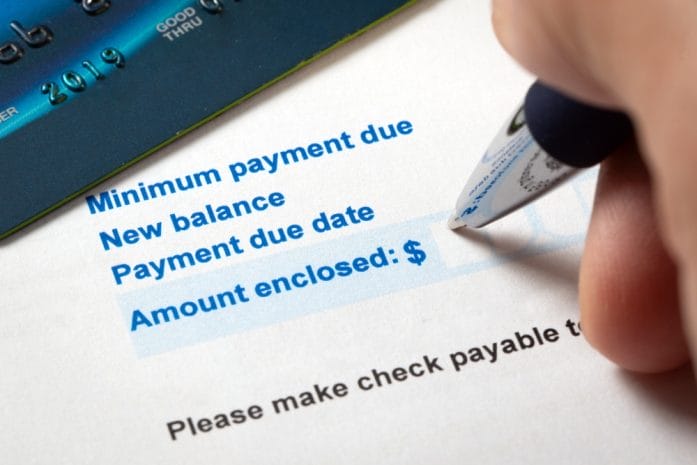
But behind that deceptively small number is a trap that quietly drains your wallet month after month. Paying only the minimum on a $5,000 balance can lead to over $4,200 in interest, turning a manageable debt into a long‑term financial burden.

Most people don’t realize how this happens until they’ve already paid far more than they borrowed. Let’s break down why minimum payments are so sneaky, how interest piles up, and what you can do to escape the cycle.

Minimum Payments Are Designed to Keep You in Debt Longer

Credit card minimum payments are usually calculated as a small percentage of your total balance—often around 1% to 3% plus interest. That means the payment barely dents the principal. When you pay only the minimum, most of your money goes toward interest, not the actual debt. This is why balances shrink painfully slowly.

Credit card companies aren’t being generous by offering low minimums; they’re ensuring the debt sticks around long enough to generate significant interest. This structure turns a $5,000 balance into a long‑term commitment, even if you never make another purchase. The math works quietly in the background, and unless you’re watching closely, it’s easy to underestimate how much interest is accumulating.

How Interest Snowballs Even When You’re Paying Every Month

Credit card interest is typically calculated using a daily rate based on the card’s annual percentage rate (APR). If your APR is, for example, 20%, that interest compounds every single day. When you only pay the minimum, the principal barely moves, so the next month’s interest is calculated on almost the same balance. This creates a snowball effect where interest keeps building on top of interest.

Even though you’re making payments, the balance doesn’t fall quickly enough to reduce the interest meaningfully. This is how a $5,000 balance can generate more than $4,200 in interest over time. It’s not because you’re doing anything wrong—it’s because the system is designed to stretch out repayment as long as possible.

Why a $5,000 Balance Can Take Years to Pay Off

If you stick to minimum payments, it can take many years to pay off a $5,000 balance. The exact timeline depends on your APR and the minimum payment formula, but it’s common for repayment to stretch well beyond a decade. During that time, interest keeps accumulating, and the total amount you pay ends up being far higher than the original balance.

This is why credit card statements now include a “minimum payment warning” showing how long repayment will take if you only pay the minimum. It’s meant to help consumers understand the long‑term cost of carrying a balance. The numbers can be shocking, but they’re accurate—and they highlight how expensive minimum payments can be.
Why Paying Only the Minimum Creates $4,200 in Interest on a $5,000 Balance

Image source: shutterstock.com

The $4,200 Interest Example: What’s Actually Happening

When a $5,000 balance generates more than $4,200 in interest, it’s because the minimum payment barely reduces the principal each month. For example, if your minimum payment is around $100, a large portion of that goes toward interest. Only a small amount—sometimes just a few dollars—reduces the actual balance.

As a result, the principal decreases slowly, and interest continues to accumulate on a high balance for a long time. Over the full repayment period, the total interest paid can exceed 80% of the original balance. This isn’t a rare scenario; it’s a common outcome for anyone who relies on minimum payments as their primary repayment strategy.

Why Minimum Payments Feel Manageable—But Cost More in the Long Run

Minimum payments are intentionally low to make debt feel manageable. They’re designed to fit easily into a monthly budget, which is why so many people rely on them. But the trade‑off is that low payments extend the life of the debt and increase the total interest paid. It’s a psychological trap: the payment feels small, so the debt feels small, even though the long‑term cost is huge.

This is why financial educators emphasize paying more than the minimum whenever possible. Even small increases—like an extra $20 or $30 a month—can significantly reduce interest and shorten repayment time.

Simple Strategies to Reduce Interest Without Overhauling Your Budget

You don’t need a massive financial overhaul to avoid paying thousands in interest. Small, consistent changes can make a big difference. One strategy is to round up your payment—if the minimum is $100, pay $150 or $200 instead. Another option is to set up automatic payments that exceed the minimum, ensuring you stay on track.

You can also target one card at a time using a focused repayment method, such as paying extra toward the highest‑interest balance. These strategies reduce the principal faster, which lowers the amount of interest charged each month. Over time, the savings add up significantly.

The Power of Paying a Little More Each Month

Paying more than the minimum doesn’t just reduce interest—it gives you control over your financial future. When you chip away at the principal, you shorten the repayment timeline and reduce the total cost of the debt. Even modest increases can save hundreds or thousands of dollars in interest.

It’s not about paying off the entire balance at once; it’s about making steady progress. The key is consistency. Once you get into the habit of paying more than the minimum, the balance starts to fall faster, and the interest becomes less overwhelming. It’s a small shift that leads to big results.

Breaking Free From the Minimum Payment Cycle

Minimum payments may seem convenient, but they come with a hidden price tag. By understanding how interest accumulates and why minimum payments keep you in debt longer, you can make smarter choices that save money over time.

What’s the biggest challenge you’ve faced when trying to pay down credit card debt? Share your experience and story in the comments.

You May Also Like…

Retail Store Credit Cards Now Charging 30% APR on Average

5 Invisible Service Charges Eating Into Your Bank Balance

The Hidden Costs of Balance Transfers You Should Know

Why “Work-Life Balance” Is a Lie for Most People

The Single Late Payment That Raises APR to 29.99% Permanently at Discover

Brandon Marcus
Brandon Marcus

Brandon Marcus is a writer who has been sharing the written word since a very young age. His interests include sports, history, pop culture, and so much more. When he isn’t writing, he spends his time jogging, drinking coffee, or attempting to read a long book he may never complete.

Filed Under: credit cards Tagged With: budgeting, consumer finance, credit card tips, credit cards, debt payoff, financial literacy, interest charges, minimum payments, money mistakes, Personal Finance, saving money

7 Outrageous Fees That Sneak Onto Credit Card Bills

September 20, 2025 by Catherine Reed Leave a Comment

7 Outrageous Fees That Sneak Onto Credit Card Bills

Image source: 123rf.com

Credit cards are convenient, but they often come with hidden costs that catch people off guard. Many consumers think paying their balance or avoiding interest is enough to stay safe, but that’s rarely the full picture. Lurking in the fine print are fees that can quietly inflate monthly statements. These extra charges may seem small at first but can snowball into hundreds of dollars over time. Here are seven outrageous fees that sneak onto credit card bills and drain your wallet if you’re not careful.

1. Late Payment Fees

One of the most common culprits on credit card bills is the late payment fee. Even if you’re just a day late, issuers can tack on a hefty charge, often around $30 to $40. Repeated offenses may cause the fee to climb even higher. These charges hit especially hard if your balance is small, making the penalty feel disproportionate. Staying on top of due dates is the only way to avoid this frustrating expense.

2. Over-the-Limit Fees

While many credit card companies have phased these out, some still charge over-the-limit fees if you spend past your credit limit. These fees can run $25 to $35 per occurrence. What makes them tricky is that the purchase itself may still go through, leaving cardholders unaware until they see the bill. It’s essentially a penalty for borrowing more than you should. Monitoring balances closely helps keep this fee from sneaking onto your credit card bills.

3. Foreign Transaction Fees

Travelers often get hit with foreign transaction fees without realizing it. These charges, usually around 3% of each purchase, apply whenever you buy something in a foreign currency or through an international vendor. Over the course of a trip, these small percentages add up quickly. Even online purchases from international retailers can trigger them. Using a travel-friendly card without these charges is the best defense.

4. Cash Advance Fees

Withdrawing cash from an ATM using your credit card may feel convenient, but it comes at a steep price. Cash advance fees are typically 3% to 5% of the amount withdrawn, with added interest rates that start immediately. Unlike normal purchases, there’s no grace period for repayment. This means you’re paying more in both fees and interest from day one. Cash advances are one of the costliest traps hidden in credit card bills.

5. Balance Transfer Fees

Many cards lure consumers with low or zero-interest balance transfer offers. However, the fine print often includes a transfer fee of 3% to 5% of the amount moved. On large balances, this fee can equal hundreds of dollars upfront. While the transfer may still save money compared to high interest, it’s not as free as it appears. Always factor in this fee before using balance transfers as a debt solution.

6. Returned Payment Fees

If your payment bounces because of insufficient funds, your credit card company may charge a returned payment fee. These can be as high as $40, punishing you for an already stressful mistake. On top of that, your bank may also charge a separate overdraft fee. This double hit makes returned payments one of the most painful charges to see on credit card bills. Keeping a close eye on your bank balance helps prevent this situation.

7. Inactivity Fees

It may sound strange, but some issuers penalize cardholders for not using their accounts. Inactivity fees are charged when your card goes unused for a certain period. While less common today, they still exist and can quietly show up after months of nonuse. Essentially, you’re being charged for doing nothing. Reviewing your account terms ensures you won’t be blindsided by this unnecessary charge.

Knowledge Is Your Best Defense

The truth is, credit card companies count on consumers overlooking the fine print. Each of these fees may seem minor alone, but together they can make credit card bills far more expensive than expected. By reading terms carefully, setting reminders for payments, and choosing cards with fewer hidden costs, you can avoid these pitfalls. Protecting your wallet starts with awareness. The more you know about these outrageous charges, the better prepared you’ll be to fight them.

Have you ever spotted an unexpected fee on your credit card bills that caught you by surprise? Share your experience in the comments below.

What to Read Next…

  • 5 Silent Costs of Ignoring Credit Monitoring
  • Could Owning Too Many Credit Cards Destroy Your Score
  • Why Do Some People Refuse to Use Credit Cards but Still Pay More
  • 5 Sneaky Financial Costs of Cosigning a Loan
  • Why Do People Get Trapped by “Buy Now Pay Later” Schemes
Catherine Reed
Catherine Reed

Catherine is a tech-savvy writer who has focused on the personal finance space for more than eight years. She has a Bachelor’s in Information Technology and enjoys showcasing how tech can simplify everyday personal finance tasks like budgeting, spending tracking, and planning for the future. Additionally, she’s explored the ins and outs of the world of side hustles and loves to share what she’s learned along the way. When she’s not working, you can find her relaxing at home in the Pacific Northwest with her two cats or enjoying a cup of coffee at her neighborhood cafe.

Filed Under: credit cards Tagged With: credit card bills, credit card tips, Debt Management, financial literacy, Hidden Fees, money management, Personal Finance

Credit Score Killers: 7 Mistakes You’re Probably Guilty Of

February 14, 2025 by Latrice Perez Leave a Comment

Hand holding credit card

Image Source: 123rf.com

Your credit score plays a crucial role in your financial health, but small missteps can cause major damage. Many people unknowingly make credit mistakes that lower their scores and make it harder to get loans, mortgages, or even a good interest rate. The good news? Once you recognize these common pitfalls, you can take steps to correct them and boost your score. Here are seven credit mistakes you might be making—and how to fix them before they hurt your financial future.

Missing Payments

Even one missed payment can significantly impact your credit score. Payment history makes up about 35% of your score, making it the most important factor. Late payments stay on your credit report for up to seven years, making lenders view you as a risky borrower. Setting up automatic payments or reminders can help you avoid this common mistake. The key is to always pay at least the minimum amount due on time to protect your score.

Maxing Out Your Credit Cards

Woman paying with contactless credit card in cafe

Image Source: 123rf.com

Using too much of your available credit can make you look financially overextended. Your credit utilization ratio—how much of your credit limit you use—should ideally stay below 30%. Maxing out your credit cards not only lowers your score but also increases the risk of accumulating high-interest debt. Paying down balances regularly and keeping your spending in check will help maintain a healthy credit score. If possible, spread your purchases across multiple cards to keep utilization low.

Closing Old Credit Accounts

It might seem like a good idea to close old credit cards you no longer use, but doing so can actually hurt your score. Length of credit history accounts for about 15% of your credit score, so older accounts add to your financial stability. When you close an account, it reduces your total available credit, increasing your utilization ratio. Instead of closing old accounts, consider keeping them open and using them occasionally to keep them active. Maintaining a long credit history shows lenders you’re a responsible borrower.

Applying for Too Many Loans at Once

Every time you apply for a new credit card or loan, the lender performs a hard inquiry on your credit report. Too many hard inquiries in a short period can signal financial distress and lower your score. While one or two inquiries won’t hurt much, multiple applications in a short time can be a red flag to creditors. To minimize the impact, only apply for new credit when necessary and research your options before submitting applications. Responsible credit use means spacing out inquiries and choosing the right financial products.

Ignoring Your Credit Report

Many people don’t check their credit reports regularly, leaving mistakes and fraud undetected. Errors such as incorrect account balances or unauthorized accounts can drag down your score. Federal law allows you to check your credit report for free once a year from each major credit bureau. Reviewing your report helps you spot inaccuracies and dispute them before they cause lasting damage. Staying proactive about your credit history can prevent unnecessary drops in your score.

Only Paying the Minimum Balance

Paying only the minimum amount due may keep your account in good standing, but it can still hurt your credit. High-interest charges accumulate, making it harder to pay off your balance in full. A high balance increases your credit utilization ratio, which can lower your score over time. Aim to pay more than the minimum whenever possible, focusing on reducing high-interest debt first. Keeping balances low and making larger payments will improve your financial standing.

Co-Signing Without Understanding the Risks

Co-signing a loan means you’re equally responsible for the debt, even if you’re not the one using the funds. If the primary borrower misses payments or defaults, your credit score takes a hit. Many people co-sign without fully considering the financial risks, leading to unexpected credit damage. Before agreeing to co-sign, make sure you trust the borrower and understand the long-term consequences. If possible, have a repayment plan in place to avoid credit issues.

Take Control of Your Credit Today!

Avoiding these common credit mistakes can protect your financial future and keep your score in good shape. Review your credit habits, make adjustments where needed, and stay proactive about maintaining good credit. The stronger your credit score, the easier it will be to achieve financial goals like buying a home or securing low-interest loans.

Which of these mistakes have you been guilty of? Share this article to help others improve their credit too!

Read More:

Think You’re Safe? 8 Risks of Being Added as an Authorized User on a Credit Card Without Your Knowledge

What Should I Do If I Receive a Summons for Credit Card Debt?


Latrice Perez

Latrice is a dedicated professional with a rich background in social work, complemented by an Associate Degree in the field. Her journey has been uniquely shaped by the rewarding experience of being a stay-at-home mom to her two children, aged 13 and 5. This role has not only been a testament to her commitment to family but has also provided her with invaluable life lessons and insights.

As a mother, Latrice has embraced the opportunity to educate her children on essential life skills, with a special focus on financial literacy, the nuances of life, and the importance of inner peace.

Filed Under: credit cards Tagged With: bad credit, credit card tips, credit mistakes, credit repair, credit report, credit score, Debt Management, Financial Health, money management, Personal Finance

FOLLOW US

Search this site:

Recent Posts

  • Can My Savings Account Affect My Financial Aid? by Tamila McDonald
  • 12 Ways Gen X’s Views Clash with Millennials… by Tamila McDonald
  • What Advantages and Disadvantages Are There To… by Jacob Sensiba
  • 10 Tactics for Building an Emergency Fund from Scratch by Vanessa Bermudez
  • Call 911: Go To the Emergency Room Immediately If… by Stephen Kanaval
  • 7 Weird Things You Can Sell Online by Tamila McDonald
  • 10 Scary Facts About DriveTime by Tamila McDonald

Copyright © 2026 · News Pro Theme on Genesis Framework