• Home
  • About Us
  • Getting Finances Done
    • Hiring Advisors
    • Debt Management
    • Spending Plan
  • Insurance
    • Life Insurance
    • Health Insurance
    • Disability Insurance
    • Homeowners/Renters Insurance
  • Contact Us
  • Our Editorial Commitment

The Free Financial Advisor

You are here: Home / Archives for interest charges

Why Paying Only the Minimum Creates $4,200 in Interest on a $5,000 Balance

February 6, 2026 by Brandon Marcus Leave a Comment

Why Paying Only the Minimum Creates $4,200 in Interest on a $5,000 Balance
Image source: shutterstock.com

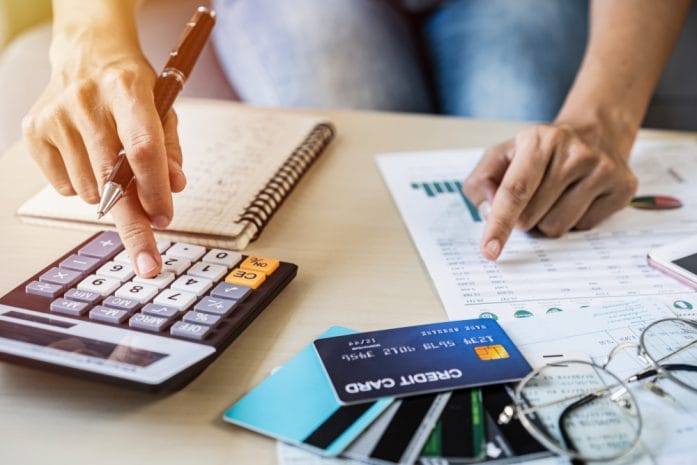
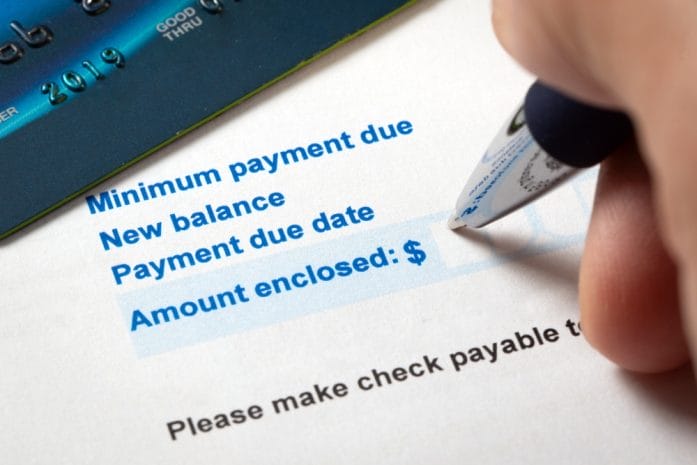
There’s a moment many people experience: you open your credit card statement, see the minimum payment, and think it’s not so bad. It feels like a tiny financial victory—like the bank is giving you a break.

But behind that deceptively small number is a trap that quietly drains your wallet month after month. Paying only the minimum on a $5,000 balance can lead to over $4,200 in interest, turning a manageable debt into a long‑term financial burden.

Most people don’t realize how this happens until they’ve already paid far more than they borrowed. Let’s break down why minimum payments are so sneaky, how interest piles up, and what you can do to escape the cycle.

Minimum Payments Are Designed to Keep You in Debt Longer

Credit card minimum payments are usually calculated as a small percentage of your total balance—often around 1% to 3% plus interest. That means the payment barely dents the principal. When you pay only the minimum, most of your money goes toward interest, not the actual debt. This is why balances shrink painfully slowly.

Credit card companies aren’t being generous by offering low minimums; they’re ensuring the debt sticks around long enough to generate significant interest. This structure turns a $5,000 balance into a long‑term commitment, even if you never make another purchase. The math works quietly in the background, and unless you’re watching closely, it’s easy to underestimate how much interest is accumulating.

How Interest Snowballs Even When You’re Paying Every Month

Credit card interest is typically calculated using a daily rate based on the card’s annual percentage rate (APR). If your APR is, for example, 20%, that interest compounds every single day. When you only pay the minimum, the principal barely moves, so the next month’s interest is calculated on almost the same balance. This creates a snowball effect where interest keeps building on top of interest.

Even though you’re making payments, the balance doesn’t fall quickly enough to reduce the interest meaningfully. This is how a $5,000 balance can generate more than $4,200 in interest over time. It’s not because you’re doing anything wrong—it’s because the system is designed to stretch out repayment as long as possible.

Why a $5,000 Balance Can Take Years to Pay Off

If you stick to minimum payments, it can take many years to pay off a $5,000 balance. The exact timeline depends on your APR and the minimum payment formula, but it’s common for repayment to stretch well beyond a decade. During that time, interest keeps accumulating, and the total amount you pay ends up being far higher than the original balance.

This is why credit card statements now include a “minimum payment warning” showing how long repayment will take if you only pay the minimum. It’s meant to help consumers understand the long‑term cost of carrying a balance. The numbers can be shocking, but they’re accurate—and they highlight how expensive minimum payments can be.

Why Paying Only the Minimum Creates $4,200 in Interest on a $5,000 Balance
Image source: shutterstock.com

The $4,200 Interest Example: What’s Actually Happening

When a $5,000 balance generates more than $4,200 in interest, it’s because the minimum payment barely reduces the principal each month. For example, if your minimum payment is around $100, a large portion of that goes toward interest. Only a small amount—sometimes just a few dollars—reduces the actual balance.

As a result, the principal decreases slowly, and interest continues to accumulate on a high balance for a long time. Over the full repayment period, the total interest paid can exceed 80% of the original balance. This isn’t a rare scenario; it’s a common outcome for anyone who relies on minimum payments as their primary repayment strategy.

Why Minimum Payments Feel Manageable—But Cost More in the Long Run

Minimum payments are intentionally low to make debt feel manageable. They’re designed to fit easily into a monthly budget, which is why so many people rely on them. But the trade‑off is that low payments extend the life of the debt and increase the total interest paid. It’s a psychological trap: the payment feels small, so the debt feels small, even though the long‑term cost is huge.

This is why financial educators emphasize paying more than the minimum whenever possible. Even small increases—like an extra $20 or $30 a month—can significantly reduce interest and shorten repayment time.

Simple Strategies to Reduce Interest Without Overhauling Your Budget

You don’t need a massive financial overhaul to avoid paying thousands in interest. Small, consistent changes can make a big difference. One strategy is to round up your payment—if the minimum is $100, pay $150 or $200 instead. Another option is to set up automatic payments that exceed the minimum, ensuring you stay on track.

You can also target one card at a time using a focused repayment method, such as paying extra toward the highest‑interest balance. These strategies reduce the principal faster, which lowers the amount of interest charged each month. Over time, the savings add up significantly.

The Power of Paying a Little More Each Month

Paying more than the minimum doesn’t just reduce interest—it gives you control over your financial future. When you chip away at the principal, you shorten the repayment timeline and reduce the total cost of the debt. Even modest increases can save hundreds or thousands of dollars in interest.

It’s not about paying off the entire balance at once; it’s about making steady progress. The key is consistency. Once you get into the habit of paying more than the minimum, the balance starts to fall faster, and the interest becomes less overwhelming. It’s a small shift that leads to big results.

Breaking Free From the Minimum Payment Cycle

Minimum payments may seem convenient, but they come with a hidden price tag. By understanding how interest accumulates and why minimum payments keep you in debt longer, you can make smarter choices that save money over time.

What’s the biggest challenge you’ve faced when trying to pay down credit card debt? Share your experience and story in the comments.

You May Also Like…

Retail Store Credit Cards Now Charging 30% APR on Average

5 Invisible Service Charges Eating Into Your Bank Balance

The Hidden Costs of Balance Transfers You Should Know

Why “Work-Life Balance” Is a Lie for Most People

The Single Late Payment That Raises APR to 29.99% Permanently at Discover

Brandon Marcus
Brandon Marcus

Brandon Marcus is a writer who has been sharing the written word since a very young age. His interests include sports, history, pop culture, and so much more. When he isn’t writing, he spends his time jogging, drinking coffee, or attempting to read a long book he may never complete.
Filed Under: credit cards Tagged With: budgeting, consumer finance, credit card tips, credit cards, debt payoff, financial literacy, interest charges, minimum payments, money mistakes, Personal Finance, saving money

10 Purchases That Secretly Cost Double When You Swipe Instead of Pay Cash

August 19, 2025 by Travis Campbell Leave a Comment

swipe card
Image source: pexels.com

Paying with a credit or debit card is fast and convenient, but it can quietly drain your wallet. When you swipe instead of paying cash, you may not notice the true price of your purchase. Hidden fees, interest charges, and less awareness of spending often mean you actually pay much more. For many people, these extra costs add up over time, especially if you’re not tracking your spending closely. In this article, we’ll look at 10 purchases that secretly cost double when you swipe instead of paying cash. Avoiding these common pitfalls can help you keep more money in your pocket.

1. Takeout and Food Delivery

Ordering takeout with your card feels effortless, but it often leads to spending more than you would with cash. Delivery apps add service fees, small order fees, and tips—all charged to your card. If you don’t pay off your balance each month, interest from your credit card can make your $20 dinner cost $40 or more. Paying cash forces you to see what you’re spending, and helps you avoid those sneaky charges that double the cost of convenience meals.

2. Coffee Shop Visits

It’s easy to swipe for a $5 coffee every morning, but those small charges add up quickly. Swiping your card can also mean you’re less likely to notice just how often you indulge. If you carry a balance on your credit card, that daily latte could cost you double in the long run. With cash, you’ll think twice about making it a habit, helping you cut back on these frequent, low-value purchases.

3. Streaming Subscriptions

Monthly streaming services are a perfect example of purchases that secretly cost double when you swipe instead of paying cash. Since these charges are automatic, you may forget about them altogether, letting them rack up for months or even years. Paying with cash would require more intention and regular review, so you’re less likely to pay for services you don’t use. Swiping removes that friction, making it easy for these recurring costs to quietly balloon over time.

4. Gas Station Purchases

Many gas stations charge more per gallon if you pay with a card instead of cash. That small difference—often 5 to 10 cents per gallon—adds up fast, especially for frequent drivers. In addition, some stations place holds on your card for more than you actually spend, tying up your available funds. When you pay cash, you get the lowest advertised price and avoid unexpected charges that can double the real cost of filling up.

5. Groceries

Swiping your card at the grocery store makes it easy to overspend. Without the physical limit of cash, it’s tempting to toss extra items into your cart. If you don’t pay your credit card bill in full, you’ll pay interest on those groceries—sometimes doubling the actual cost. Using cash encourages you to stick to your budget and avoid buying things you don’t really need.

6. Clothing and Accessories

When you use a card to buy clothes, you’re more likely to overspend or buy on impulse. You may not feel the impact until your bill arrives, and if you carry a balance, interest can quickly double the price of that new shirt or pair of shoes. Paying cash helps you stay accountable and can even make you reconsider whether you really want that extra item.

7. Event Tickets

Buying tickets online nearly always requires a card, but convenience comes with extra fees. Service charges, processing fees, and delivery fees all sneak onto your bill. If you use a credit card and don’t pay it off right away, interest can double your total cost. Paying cash at the venue or box office, when possible, can help you avoid many of these hidden expenses.

8. Electronics and Gadgets

Big-ticket items like phones or laptops are tempting to buy on credit. But if you can’t pay off your card right away, the interest charges can double the cost over time. Plus, some stores offer discounts for cash payments or charge extra for credit transactions. When you pay cash, you’re less likely to make impulse upgrades and more likely to shop around for the best deal.

9. Travel and Vacations

Booking flights, hotels, and rental cars with a card is convenient, but it can also lead to overspending. Travel websites often tack on extra fees for card payments. If you finance your trip with a credit card and don’t pay it off quickly, interest will inflate your getaway’s price tag. Using cash or a debit card tied to a travel fund helps you stick to your budget and avoid doubling your travel costs.

10. Home Improvement Projects

It’s easy to swipe your card for supplies or contractor fees, especially on big projects. But interest charges can quickly pile up if you don’t pay off the balance. That $1,000 kitchen upgrade can turn into $2,000 if you’re not careful. Paying cash helps you plan ahead, prioritize your spending, and avoid the hidden costs that come with swiping.

How to Avoid Paying Double When You Swipe Instead of Paying Cash

Being aware of purchases that secretly cost double when you swipe instead of paying cash is the first step to smarter spending. Try using cash for everyday purchases. Set a budget and track your expenses—apps and envelopes both work. If you must use a card, pay off your balance in full each month to avoid interest charges. Small changes in your payment habits can add up to big savings over time.

Have you noticed your spending habits change when you swipe instead of paying cash? Share your experience in the comments below!

Read More

7 Tactics Grocery Stores Use to Keep You from Thinking About Price

7 Credit Card Features Disappearing Without Any Notice

Travis Campbell
Travis Campbell

Travis Campbell is a digital marketer/developer with over 10 years of experience and a writer for over 6 years. He holds a degree in E-commerce and likes to share life advice he’s learned over the years. Travis loves spending time on the golf course or at the gym when he’s not working.

Filed Under: Smart Spending Tagged With: cash vs card, credit cards, hidden costs, interest charges, Personal Finance, saving money

Follow Us

Search this site:

Recent Posts

  • Can My Savings Account Affect My Financial Aid? by Tamila McDonald
  • 12 Ways Gen X’s Views Clash with Millennials… by Tamila McDonald
  • What Advantages and Disadvantages Are There To… by Jacob Sensiba
  • 10 Tactics for Building an Emergency Fund from Scratch by Vanessa Bermudez
  • Call 911: Go To the Emergency Room Immediately If… by Stephen Kanaval
  • 7 Weird Things You Can Sell Online by Tamila McDonald
  • 10 Scary Facts About DriveTime by Tamila McDonald

Copyright © 2026 · News Pro Theme on Genesis Framework