
• Home
  • About Us
  • Toolkit
  • Getting Finances Done
    • Hiring Advisors
    • Debt Management
    • Spending Plan
  • Insurance
    • Life Insurance
    • Health Insurance
    • Disability Insurance
    • Homeowners/Renters Insurance
  • Contact Us
  • Privacy Policy
  • Risk Tolerance Quiz

The Free Financial Advisor

You are here: Home / Archives for cryptocurrencies

6 Alternative Assets to Hedge Against Inflation

March 18, 2026 by Brandon Marcus Leave a Comment

6 Alternative Assets to Hedge Against Inflation

Image Source: Shutterstock.com

Inflation can sneak into your finances like an uninvited guest, quietly shrinking purchasing power while your savings struggle to keep up. The usual bank accounts and bonds often feel like shields against nothing when prices climb, leaving people scrambling for smarter ways to protect wealth. Alternative assets offer a compelling solution because they operate outside traditional markets, providing both potential growth and a buffer against rising costs. These unconventional options aren’t just for Wall Street pros—they can become valuable tools in anyone’s financial toolkit.

Exploring alternative assets requires more than just curiosity; it demands strategy, research, and a willingness to consider options that might seem unusual at first. While stocks and bonds dominate most portfolios, diversifying with tangible and non-traditional assets creates resilience when inflation spikes. Each type of asset carries its own advantages, risks, and liquidity considerations, making understanding the landscape crucial.

1. Glittering Gold and Precious Metals

Gold has earned its reputation as the ultimate inflation hedge for centuries, and that status isn’t just historical mythology. When the value of paper money declines, tangible precious metals like gold, silver, and platinum often retain or even grow in value. These metals are universally recognized, highly liquid, and portable, which makes them incredibly versatile for hedging purposes. Collecting coins or bars adds a tactile element to investing, turning a financial strategy into a physical asset that can be stored safely or even gifted.

Silver, while often overshadowed by gold, provides another interesting layer of diversification. Unlike gold, silver tends to have industrial demand, linking it to economic cycles in ways that balance portfolio risk differently. Platinum and palladium, rarer than gold, can add extra upside for investors willing to handle volatility. Investing in metals doesn’t require a full vault at home—ETFs and precious metal funds offer exposure without the storage challenges. Whether acquired physically or digitally, metals remain a steadfast shield against inflation, grounding portfolios when markets wobble.

2. Real Estate That Stands the Test of Time

Property continues to offer an effective hedge against rising prices, but it’s not just about buying a home. Real estate investment trusts (REITs), rental properties, and even vacation homes can generate income while appreciating in value. Inflation often drives up both rent and property prices, meaning owning real estate can counteract the eroding effect of rising costs. Physical property also provides a tangible sense of security that paper assets cannot replicate.

Beyond traditional residential spaces, commercial real estate offers compelling alternatives, from storage units to office spaces repurposed for co-working. Investors benefit from rental income that often escalates alongside inflation, creating a natural buffer. Location matters more than ever—growing markets with strong demand typically deliver both income and appreciation, while stagnant areas carry risk. Real estate remains a long-term play, requiring patience and management, but its dual ability to produce cash flow and hedge against inflation makes it a central alternative asset.

3. Collectibles: From Art to Action Figures

High-quality collectibles have skyrocketed in value over the past decades, turning rare items into a surprisingly reliable inflation shield. Classic paintings, limited-edition sneakers, vintage toys, and rare comic books all represent markets that often move independently of stock and bond fluctuations. Scarcity drives value, and in many cases, demand continues to grow even during economic downturns. Collectibles combine enjoyment and investment, allowing for personal passion to meet financial strategy.

The key to success in this area lies in expertise and authenticity. Provenance, condition, and rarity can make or break an item’s investment potential. Unlike traditional assets, collectibles require active research and careful curation, but the payoff can be impressive. Modern platforms also facilitate buying, selling, and verifying collectibles, reducing some of the friction in these markets. While not every collectible will explode in value, a well-chosen piece can preserve purchasing power while adding a layer of fun to a portfolio.

4. Cryptocurrencies: Digital Gold?

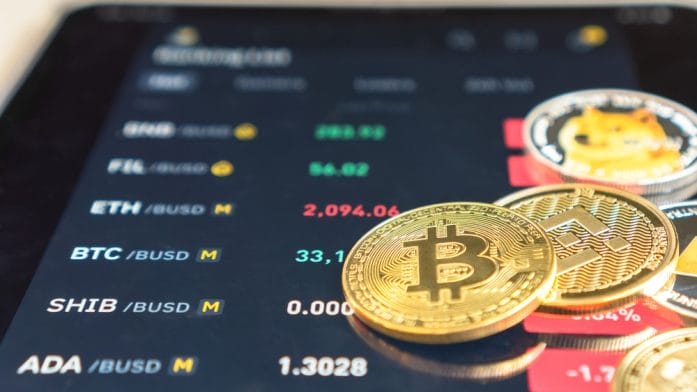
Digital currencies have become a heated topic in wealth protection discussions, offering high volatility but strong inflation hedging potential. Bitcoin and other major cryptocurrencies are often framed as digital gold due to their limited supply and independence from government-controlled currencies. This makes them attractive during periods when fiat money loses value. Cryptocurrency also provides global accessibility, with the ability to transfer and store value digitally across borders.

That said, crypto carries risk unlike traditional assets. Extreme price swings demand careful strategy, diversification, and risk tolerance. Many investors use small allocations to gain exposure without jeopardizing stability. Other blockchain-based assets, such as Ethereum or stablecoins pegged to tangible value, diversify the digital component of a portfolio. While adoption and regulation evolve, cryptocurrencies remain a modern, exciting alternative for those looking to hedge against inflation while exploring the frontier of finance.
6 Alternative Assets to Hedge Against Inflation

Image Source: Shutterstock.com

5. Farmland and Agriculture

Owning farmland might feel old-school, but it’s one of the most direct ways to hedge against inflation because land and food production inherently retain value. Crops, livestock, and timber generate income that often rises with commodity prices, creating both cash flow and long-term appreciation. Farmland has historically delivered steady returns and resilience, especially during periods of economic uncertainty.

Investing doesn’t always require boots in the dirt. Farmland investment platforms and REITs focused on agricultural land allow participation without daily hands-on management. Beyond direct returns, farmland provides tangible security—people need food regardless of inflation rates, and owning productive land creates a natural hedge. Strategic selection, soil quality, and crop types matter for maximizing returns, but agriculture remains a surprisingly powerful alternative asset for forward-thinking investors.

6. Hedge Funds and Private Equity

While traditional portfolios rely on public stocks and bonds, hedge funds and private equity offer access to alternative strategies that aren’t tied to inflation in the same ways. Hedge funds use tactics like short selling, derivatives, and global diversification to generate returns even in uncertain markets. Private equity invests directly in private companies, capturing growth opportunities inaccessible through public trading. Both can act as insulation from inflationary pressures, although they require higher entry thresholds and professional guidance.

These vehicles excel at creating tailored risk-return profiles, with managers adjusting strategies to respond to market fluctuations. Investors benefit from expertise and active management that anticipate inflationary trends before they hit mainstream markets. Diversification across sectors and geographies reduces dependency on any single economy, adding a layer of protection. While access may be limited, incorporating hedge funds or private equity into a portfolio can significantly enhance resilience against inflation.

Inflation Defense Starts Before Prices Spike

Alternative assets aren’t just about novelty—they form a strategic shield for wealth that stretches beyond traditional investments. Combining metals, real estate, collectibles, cryptocurrencies, farmland, and specialized investment vehicles creates a portfolio that can withstand inflation while offering growth opportunities. Timing and research remain essential, but the payoff lies in protection, flexibility, and long-term resilience. A diversified approach ensures that rising costs don’t automatically erode financial security, making wealth preservation both practical and exciting.

Which alternative assets do you think hold the strongest potential to beat inflation, and have you tried any unconventional investments yourself? Share strategies, experiences, or surprising success stories in the comments and start a conversation about creative ways to protect wealth.

You May Also Like…

The Hidden Cost of Keeping Money in Savings at 2.4% Inflation

6 Reasons Middle-Class Budgets Are Breaking Under “Slow Inflation”

Insurance Premium Increases Continue Outpacing Inflation

6 Financial Dangers of Ignoring Inflation

8 Bold Strategies for Investing During Periods of High Inflation

Brandon Marcus
Brandon Marcus

Brandon Marcus is a writer who has been sharing the written word since a very young age. His interests include sports, history, pop culture, and so much more. When he isn’t writing, he spends his time jogging, drinking coffee, or attempting to read a long book he may never complete.
Filed Under: Investing Tagged With: Alternative Assets, collectibles, cryptocurrencies, diversification, gold, hedge funds, Inflation, investing, Personal Finance, Planning, Real estate, wealth protection

11 Cryptocurrencies Your Advisor Doesn’t Want You Researching Alone

December 5, 2025 by Brandon Marcus Leave a Comment

There Are Certain Cryptocurrencies Your Advisor Doesn't Want You Researching Alone

Image Source: Shutterstock.com

There’s no doubt that it’s thrilling to scroll through the world of cryptocurrencies—like you’ve stumbled into a digital Wild West filled with glittering promises, confusing jargon, and enough volatility to give even the bravest investor heart palpitations. Advisors often prefer you stick to the “safe and simple stuff,” but let’s be honest: the lesser-known corners of crypto are where the real intrigue lives. Some coins come with bold missions, wild communities, or technology that feels like it was smuggled out of the future. Other coins? Well, they’re the financial equivalent of petting a tiger because it “looks friendly.”

Whether you’re exploring out of curiosity or hunting for the next big story to tell at brunch, these are the cryptos you’ll want to handle with both fascination and caution.

1. Bitcoin Cash

Bitcoin Cash often sparks debates that sound more like family drama than finance because it was born from a major ideological split in the original Bitcoin community. Supporters swear it’s the truer version of what Bitcoin was meant to be, thanks to its faster transaction speeds. Critics argue it’s living perpetually in Bitcoin’s shadow, struggling to form its own identity. That tension alone makes it a fascinating coin to dig into, but it also means you need to understand the history behind the split to make sense of it. Advisors know this rabbit hole is deep, emotional, and fiercely opinionated.

There Are Certain Cryptocurrencies Your Advisor Doesn't Want You Researching Alone

Image Source: Shutterstock.com

2. Cardano

Cardano has a loyal fanbase that treats its roadmap like it belongs in a museum display, complete with phases named after famous poets and computer scientists. This coin prides itself on academic rigor, meaning upgrades take time, research, and more peer review than most college dissertations. Investors are drawn to its slow-and-steady vibe, which contrasts sharply with the “move fast and break things” energy of other cryptos. But that careful pace can frustrate newcomers who want flashier action or quicker news cycles. Your advisor probably knows you’ll lose a weekend watching Cardano explainer videos without coming up for air.

3. Solana

Solana is fast—so fast that people joke it’s trying to win a race no one else signed up for. Its ability to process an enormous number of transactions quickly made it a darling in the crypto world almost overnight. But its history also includes a handful of network outages that critics love to bring up at every opportunity. Fans argue that these hiccups are expected when building something this futuristic, while skeptics insist reliability trumps speed. One deep dive into its community arguments, and you’ll understand why your advisor stays neutral.

4. Polkadot

Polkadot isn’t just a cryptocurrency—it’s an entire concept about connecting blockchains into one big harmonious universe. The vision is ambitious enough to make even veteran developers squint with both admiration and caution. Its “parachain” system is complex, brilliant, and occasionally overwhelming to newcomers who simply wanted to know what the logo meant. But learning how Polkadot works is like learning how your favorite gadgets communicate behind the scenes—it’s mesmerizing if you’re patient. Advisors know the complexity can lead curious minds down a vortex of endless reading.

5. Avalanche

Avalanche bursts onto conversations whenever people talk about speed, scalability, or creative blockchain applications. It’s a chain that prides itself on doing everything efficiently, from running decentralized apps to enabling custom blockchains. Some enthusiasts view it as the infrastructure of the future, while others wonder if it’s trying to do too much at once. That blend of innovation and uncertainty attracts the boldest explorers. Your advisor knows it’s tempting to believe Avalanche is the future—and equally easy to get overwhelmed by its possibilities.

6. Chainlink

Chainlink isn’t flashy, but it is essential—it’s the quiet genius enabling blockchains to talk to the outside world through what’s known as oracles. Some people call it the plumbing of the crypto industry, but not in a boring way; it’s the kind of plumbing that makes skyscrapers possible. Because it solves such a specific problem, Chainlink has become a favorite among developers and early adopters. However, its usefulness is hard to grasp until you understand what smart contracts can’t do alone. Advisors know this coin inspires late-night Googling sessions that lead to more questions than answers.

7. VeChain

VeChain’s mission is all about supply chains, authenticity, and getting companies to track items in ways that prevent fraud. Heartwarming? Yes. Simple? Not even a little. The moment you dive into how it partners with businesses, tracks goods, and manages data, you realize it’s a lot bigger than it seems. Its long-term potential is interesting, but its real-world applications make the research surprisingly dense. Advisors know that once you start looking at VeChain use cases, you might start checking the legitimacy of your groceries for fun.

8. Algorand

Algorand’s entire identity revolves around elegant, eco-friendly solutions and fast, reliable transactions. It has a founder with serious academic credibility, which automatically raises the stakes for what the coin promises. The technology is genuinely impressive, and its commitment to efficiency has earned it a reputation as a “next-gen” blockchain. But because it tries to solve so many issues at once, understanding it requires more than casual curiosity. Advisors know that people researching Algorand often emerge more excited—but also mildly overwhelmed.

9. Tezos

Tezos is that coin with a cult following and a brainy spirit, built around the idea of self-upgrading technology. It’s designed to evolve without causing massive disruptions, which is a brilliant concept—but also a complicated one to grasp fully. Its governance model fascinates people who love the idea of community-driven innovation. But diving into its voting systems, upgrades, and proposals can feel like getting a backstage pass to blockchain politics. Advisors know that Tezos research tends to escalate quickly into passionate debates.

10. Stellar

Stellar’s focus on fast, inexpensive global transactions sounds simple on the surface, but the ecosystem is surprisingly layered. It aims to connect financial institutions, individuals, and cross-border partners in ways that feel almost futuristic. Some people see it as the bridge between old-school finance and blockchain tech. Others view it as a competitor to traditional remittance services. Advisors know you might go looking for basic info and end up researching international banking systems at midnight.

11. Filecoin

Filecoin’s mission sounds like science fiction: decentralized data storage where anyone can rent out space on their computer. It challenges the way we think about cloud services and digital information security. Because it’s built on incentives and a massive network, the technology behind it is both thrilling and complex. It’s the kind of crypto that sparks curiosity, especially among tech enthusiasts. Advisors know Filecoin inspires big ideas—but those ideas can turn into deep dives that last far longer than planned.

Research Carefully, Explore Boldly

Each of these cryptocurrencies carries its own mix of innovation, hype, complexity, and potential—but also risks that deserve careful attention. Your advisor may prefer you stick to familiar names, but curiosity is part of what makes crypto fascinating. The key is to explore with a clear head, plenty of patience, and a willingness to learn more than you planned.

If you’ve researched any of these or have stories, thoughts, or warnings from your crypto adventures, drop them in the comments below and share your journey. You never know who your insights might help.

You May Also Like…

Why Do Some Advisors Refuse to Talk About Cryptocurrency

7 Crypto ATM Tactics That Leave Seniors Vulnerable

Is a Crypto Crash Coming in 2025?

What Are the Top Cryptocurrencies in 2024, And Why

9 Money Questions People Are Embarrassed to Ask (But Should)


Brandon Marcus
Brandon Marcus

Brandon Marcus is a writer who has been sharing the written word since a very young age. His interests include sports, history, pop culture, and so much more. When he isn’t writing, he spends his time jogging, drinking coffee, or attempting to read a long book he may never complete.

Filed Under: Investing Tagged With: Algorand, Avalance, bad investments, bitcoin, Cardano, Chainlink, crypto, cryptocurrencies, cryptocurrency, cryptocurrency research, financial advice, financial advisor, investing, investing choices, Polkadot, Solana, Tezos, VeChain

FOLLOW US

Search this site:

Recent Posts

  • Can My Savings Account Affect My Financial Aid? by Tamila McDonald
  • 12 Ways Gen X’s Views Clash with Millennials… by Tamila McDonald
  • What Advantages and Disadvantages Are There To… by Jacob Sensiba
  • 10 Tactics for Building an Emergency Fund from Scratch by Vanessa Bermudez
  • Call 911: Go To the Emergency Room Immediately If… by Stephen Kanaval
  • 7 Weird Things You Can Sell Online by Tamila McDonald
  • 10 Scary Facts About DriveTime by Tamila McDonald

Copyright © 2026 · News Pro Theme on Genesis Framework