• Home
  • About Us
  • Toolkit
  • Getting Finances Done
    • Hiring Advisors
    • Debt Management
    • Spending Plan
  • Insurance
    • Life Insurance
    • Health Insurance
    • Disability Insurance
    • Homeowners/Renters Insurance
  • Contact Us
  • Risk Tolerance Quiz
  • Our Editorial Commitment

The Free Financial Advisor

You are here: Home / Archives for bad investments

What Are The Worst Choices You Can Make As A New Investor?

December 30, 2025 by Brandon Marcus Leave a Comment

What Are The Worst Choices You Can Make As A New Investor?
Image Source: Shutterstock.com

Investing can feel like stepping onto a roller coaster with no seatbelt, thrilling, unpredictable, and occasionally stomach-churning. For new investors, every decision feels monumental—buy, sell, wait, panic—like a game where the rules change every day. One wrong move, and suddenly your “nest egg” feels more like a “nest feather.”

The truth is, investing isn’t about luck; it’s about strategy, patience, and understanding how to avoid the classic pitfalls that swallow beginners whole.

Chasing Hot Stocks Without Research

One of the biggest traps for beginners is buying a stock because everyone online says it’s “the next big thing.” Social media hype, flashy headlines, or a friend’s tip may feel like a shortcut to easy money, but it’s a high-speed highway to disappointment. Without research, you don’t know the company’s financial health, competitive landscape, or long-term potential. Blindly following trends often leads to buying at the peak and selling at the bottom. A smart investor always digs into numbers, management quality, and market position before pulling the trigger.

Ignoring Diversification Completely

Putting all your money into one stock or sector might feel exciting, like betting everything on a single horse that seems unbeatable. Unfortunately, the market is unpredictable, and concentrated bets can wipe out your portfolio overnight. Diversification spreads risk across different industries, geographies, and asset classes. Even if one investment tanks, others may stay steady or grow, cushioning the blow. Ignoring this principle is like walking a tightrope without a safety net—thrilling until gravity intervenes.

Letting Emotions Drive Decisions

Fear and greed are the secret enemies of new investors. Selling everything in a panic during a market dip or splurging on the “next big trend” during a boom usually leads to regret. Emotions can make you abandon sound strategies, chasing short-term highs instead of long-term growth. Successful investing is rooted in discipline, patience, and sticking to a plan even when the market is volatile. Think of your emotions as a mischievous toddler trying to press the buttons on a very expensive control panel.

What Are The Worst Choices You Can Make As A New Investor?
Image Source: Shutterstock.com

Ignoring Fees And Costs

Trading fees, fund management costs, and hidden charges may seem small, but over time, they can erode a significant portion of your returns. Many new investors focus solely on potential gains and forget about the financial drain caused by costs. Choosing high-fee funds when low-cost alternatives exist is like leaving money on the table for someone else to pick up. Always read the fine print and understand how fees impact long-term performance. Every dollar saved in fees is a dollar that stays invested and working for you.

Failing To Have A Clear Plan

Investing without a plan is like setting sail with no map, compass, or destination in mind. Goals give your investments purpose—whether it’s buying a home, funding retirement, or building wealth. Without a strategy, you may make random buys, chase trends, or sell in panic moments. A plan also helps you track progress, make informed adjustments, and measure risk tolerance. New investors who ignore planning are often blindsided by market swings and personal financial needs.

Trying To Time The Market Perfectly

New investors often believe they can buy at the absolute bottom and sell at the exact top. The reality is that timing the market is nearly impossible, even for professionals with decades of experience. Attempting this strategy usually leads to missed opportunities, constant stress, and bad trades. Consistent, disciplined investing with a long-term perspective outperforms frantic attempts to “beat the clock.” Remember, slow and steady growth often wins the race.

Overlooking Education And Research

Investing without understanding what you’re buying is like entering a maze blindfolded. Market knowledge, financial literacy, and research skills are your GPS and flashlight. Ignoring these tools leaves you vulnerable to mistakes, scams, or ill-advised decisions. Even basic education on stocks, bonds, ETFs, and portfolio strategies can make a massive difference. Learning doesn’t have to be boring—it can be fun, interactive, and immediately useful for your financial journey.

Falling For “Get Rich Quick” Schemes

The allure of instant wealth is powerful, but nearly every promise of overnight success in investing is a trap. High-risk schemes, pump-and-dump stocks, and speculative ventures can destroy your savings in a blink. Slow, steady wealth building is far safer and more reliable than chasing fantasy returns. New investors must recognize that patience and consistency are far more effective than gambling. Scammers love beginners who are impatient—they see desperation as an opportunity.

Neglecting Risk Management

Every investment carries risk, but ignoring it is like walking through a battlefield blindfolded. Assessing and managing risk protects your portfolio from catastrophic losses. This includes setting stop-loss orders, understanding market volatility, and avoiding over-leveraging. Risk management ensures that a single bad trade won’t wipe out years of progress. New investors who neglect this principle often pay a high price for the thrill of unchecked exposure.

Learn From Mistakes Before They Happen

Investing is a thrilling adventure, but the wrong choices can quickly turn excitement into regret. Avoid chasing trends without research, overconcentration, emotional decision-making, high fees, and neglecting education. Develop a clear plan, practice patience, and always consider risk and diversification. By understanding these common pitfalls, new investors can build a strategy that’s resilient, informed, and profitable.

Readers, we’d love to hear your thoughts, experiences, or lessons learned in your investment journey in the comments section below.

You May Also Like…

What Young People Need To Know About Investing Volatility

How To Start Your 2026 Investing Journey With A Bang

The 13 Best Things People Do at the Beginning of Retirement

Begin Learning the Secrets of Tax-Efficient Investing Today

Is My Fear of Market Crashes Preventing Me From Investing At All?


Brandon Marcus
Brandon Marcus

Brandon Marcus is a writer who has been sharing the written word since a very young age. His interests include sports, history, pop culture, and so much more. When he isn’t writing, he spends his time jogging, drinking coffee, or attempting to read a long book he may never complete.


Filed Under: Investing Tagged With: bad investment choices, bad investments, beginning investing, beginning investors, costs, diversification, diversify, emotional decisions, fees, financial choices, Hidden Fees, investing, Investor, investors, new investors, Risk management, stock market, stocks

5 Clues That It’s Time To Pull Your Investment

December 24, 2025 by Brandon Marcus Leave a Comment

5 Clues That It's Time To Pull Your Investment
Image Source: Shutterstock.com

Investing is thrilling, like riding a rollercoaster built from numbers, charts, and endless possibilities. One minute your portfolio is soaring, and the next, a single market swing can make your stomach drop. But unlike amusement parks, there’s no safety bar holding you in when it’s time to exit.

Knowing when to cash out can be the difference between locking in life-changing gains and holding on for a ride that crashes. Here are five unmistakable clues that it might be time to pull your investment before it pulls you under.

Your Investment No Longer Matches Your Goals

Investing isn’t a static game; your goals evolve, and so should your strategy. If you bought a stock or fund to fund a home purchase and five years later it’s still volatile or stagnant, it may no longer be serving its purpose. Retirement-focused investments demand a different risk profile than short-term gains, and misalignment can quietly erode your potential. Regularly reviewing your portfolio against your life goals can highlight these mismatches. Ignoring this clue is like trying to fit a square peg into a round hole—you might force it, but it won’t work efficiently.

Consistent Poor Performance Signals Trouble

Every investment has ups and downs, but when the downs are consistently outweighing the ups, red flags start waving. A single bad quarter doesn’t necessarily indicate doom, but repeated poor performance often signals deeper issues. This could be due to mismanagement, industry decline, or outdated business models. Ignoring ongoing underperformance can slowly turn what looked like a winning move into a loss you wish you avoided. Tracking trends over time is essential; your portfolio’s history can whisper warnings before they scream.

Market Conditions Are Shifting Rapidly

Markets are dynamic, and sometimes macroeconomic conditions or industry disruptions make once-promising investments riskier. Interest rate hikes, regulatory changes, or global crises can affect sectors overnight. If your investment is particularly sensitive to these shifts, clinging to it could be dangerous. Staying informed about market trends isn’t optional—it’s a survival tool. Acting early when conditions turn can preserve gains that would otherwise evaporate.

Your Emotional Reaction Becomes Too Intense

Investing isn’t just numbers—it’s psychology. If you find yourself obsessing over stock prices, losing sleep, or feeling constant anxiety about your portfolio, it’s a serious sign. Emotions can cloud judgment, leading to poor decisions like panic selling or doubling down at the wrong time. An investment that consistently triggers stress is costing more than money; it’s draining mental energy you could invest elsewhere. Recognizing emotional strain and acting on it shows both wisdom and self-care.

5 Clues That It's Time To Pull Your Investment
Image Source: Shutterstock.com

Fundamental Changes Undermine Confidence

Even the most rock-solid investments can falter when the fundamentals shift. If a company you invested in experiences leadership turmoil, dwindling revenue, or rising debt, the risk profile changes drastically. Similarly, changes in industry technology, consumer behavior, or competitive landscapes can transform a once-stable investment into a gamble. Ignoring these signals is like ignoring the cracks in a dam—it might hold a little longer, but the failure can be catastrophic. Always monitor the core factors that initially made the investment attractive, and don’t be afraid to pivot.

Listening To The Clues Can Save Your Portfolio

Recognizing when it’s time to pull your investment isn’t about fear—it’s about strategy, awareness, and protecting your financial future. Each clue, from goal misalignment to emotional strain, is a signal to evaluate your position carefully. Successful investing often involves knowing when to step aside rather than stubbornly clinging to hope. Take the time to analyze your portfolio with honesty and discipline.

Readers, if you’ve encountered situations where pulling an investment made a big difference, let us know your experiences in the comments section below.

You May Also Like…

4 Indispensable Tools for Backtesting Investment Theories Swiftly

7 Bizarre Investment Scenarios That Clients Have Really Asked About

8 Bold Strategies for Investing During Periods of High Inflation

8 Clues You Shouldn’t Be Investing In The Stock Market Right Now

Investing in Collectibles: Passion or Profit?


Brandon Marcus
Brandon Marcus

Brandon Marcus is a writer who has been sharing the written word since a very young age. His interests include sports, history, pop culture, and so much more. When he isn’t writing, he spends his time jogging, drinking coffee, or attempting to read a long book he may never complete.

Filed Under: Investing Tagged With: bad investments, increasing investment, invest, investing, Investing Tips, investment tips, investments, market conditions, pulling your investment, stock market, stocks

9 Simple Formulas to Calculate True Risk Tolerance Accurately

December 5, 2025 by Brandon Marcus Leave a Comment

There Are Simple Formulas To Calculate True Risk Tolerance Accurately
Image Source: Shutterstock.com

Some people think they’re brave investors—ready to ride market waves like seasoned surfers—until their portfolio dips by 2% and suddenly they’re Googling “Can stress cause instant hair loss?” Others insist they’re cautious, only to discover they secretly enjoy the thrill of bold financial moves.

The truth is, most of us have no idea what our real risk tolerance is until we’re already knee-deep in decisions that make our hearts beat faster than a caffeine-loaded hummingbird.

That’s why having simple, clear formulas can help turn emotional guesswork into grounded insight. These nine formulas make understanding your true risk tolerance not just easy, but surprisingly fun.

1. The Comfort-Zone Percentage Formula

This formula helps you measure how much financial discomfort you can realistically handle. Take the largest loss you’ve ever experienced without panicking, divide it by your total investable assets at the time, and convert it into a percentage. This number reveals your emotional threshold more accurately than any quiz. If that percentage is low, you lean conservative; if it’s high, you can stomach a bit more turbulence. It’s a straight line into your psychological reality, and it’s shockingly honest.

2. The Sleep Test Ratio

This formula revolves around one simple question: how well do you sleep when markets swing? Assign a score from 1 to 10 for how your sleep quality changes during volatility, then divide it by 10 to get your ratio. Higher ratios mean volatility barely dents your peace of mind, while lower ratios show that uncertainty hits hard. This ratio may sound casual, but it’s one of the most accurate indicators of risk comfort. If you can’t sleep, your portfolio shouldn’t keep running wild.

3. The Liquid-Cash Cushion Formula

Your liquid cash cushion drastically impacts your risk tolerance, even if you don’t consciously realize it. Divide the amount of emergency cash you have by your monthly expenses to find how many months of cushion you truly possess. More months equals more confidence—and more willingness to take risks. Fewer months means your nerves should probably stay away from high-volatility investments. This formula not only reveals risk tolerance but also encourages smarter cash planning.

4. The Loss-Reaction Time Test

This test measures how long it takes you to react emotionally to market dips. Estimate how many minutes, hours, or days it takes before you feel compelled to check your accounts when markets drop. Convert that into a numerical score and compare it to your average emotional recovery time after stress. The shorter the gap, the more sensitive you are to loss. This formula helps people understand whether they react rationally—or impulsively—under pressure.

5. The Future-Self Stability Formula

Risk tolerance isn’t just about who you are now, but who you’ll become. Estimate your expected financial stability in five years and assign it a score from 1 to 10. Divide that score by your current stability score on the same scale. A number higher than 1 suggests your future self can handle more risk. A number lower than 1 means the wiser path might be steady and predictable.

There Are Simple Formulas To Calculate True Risk Tolerance Accurately
Image Source: Shutterstock.com

6. The Goal-Urgency Multiplier

This formula considers how urgently you want or need to reach your financial goals. Assign urgency a value between 1 and 10, then multiply it by your willingness to accept setbacks on a scale of 1 to 10. Divide the total by 10 to get your multiplier. Higher scores mean you can accept volatility to reach ambitious goals. Lower scores inform you that smooth progress matters more than speed.

7. The Age-To-Aspiration Ratio

Risk tolerance is influenced by your age, but also by your outlook on life. Take your age and divide it by the number of years you feel you realistically have left to pursue financial goals. Lower ratios reflect more freedom to take bold financial steps, while higher ratios lean toward preservation. This formula blends practicality with personal vision. It’s a reality check wrapped in self-reflection.

8. The Stress-Conversion Equation

Stress tolerance and risk tolerance are cousins—they don’t always match, but they’re related. To calculate this, rate your general stress tolerance from 1 to 10, then subtract your volatility sensitivity score (also from 1 to 10). Multiply the result by 0.5 and you’ll get a number that represents your emotional flexibility under financial uncertainty. Positive numbers signal strength under pressure, while negative numbers tell you to keep your investments calmer. It’s an emotional diagnostic tool with surprising accuracy.

9. The Regret-Minimize Score

The ultimate risk tolerance formula centers on regret. Rate how strongly you regret missed opportunities on a scale of 1 to 10, then rate how strongly you regret losses. Subtract the regret-for-loss score from the regret-for-missed-opportunities score.

A positive number means you hate missing out more than risking losses, so you can handle a bit more risk. A negative number means loss pain hits harder than opportunity excitement, pulling you toward safer, steadier choices.

Calculating Your True Risk Tolerance Unlocks Financial Clarity

Risk tolerance isn’t just a personality trait—it’s a blend of math, emotion, goals, and self-awareness. These formulas help you look beyond surface-level guesses and dig into the deeper patterns that shape your financial comfort. The more clarity you have, the more confidently you can build a strategy that fits your actual temperament instead of the one you think you have.

Have you tried calculating your risk tolerance before, or discovered surprising insights about yourself? Give us your stories, thoughts, or personal experiences in the comments section below.

You May Also Like…

7 Bizarre Investment Scenarios That Clients Have Really Asked About

8 Investments That Were Great In the 90s But Suck Now

8 Financial Risks Hidden in Pet Ownership

7 Actionable Steps to Teach Kids About Smart Investing Early

Is It Possible to Get Truly Rich By Only Investing in Safe, Boring Funds?


Brandon Marcus
Brandon Marcus

Brandon Marcus is a writer who has been sharing the written word since a very young age. His interests include sports, history, pop culture, and so much more. When he isn’t writing, he spends his time jogging, drinking coffee, or attempting to read a long book he may never complete.

Filed Under: Investing Tagged With: active investing, bad investments, beginning investing, defensive investing, invest, investing, investment formulas, investment goals, investment ricks, loss-reaction, risk tolerance, stock market

11 Cryptocurrencies Your Advisor Doesn’t Want You Researching Alone

December 5, 2025 by Brandon Marcus Leave a Comment

There Are Certain Cryptocurrencies Your Advisor Doesn't Want You Researching Alone
Image Source: Shutterstock.com

There’s no doubt that it’s thrilling to scroll through the world of cryptocurrencies—like you’ve stumbled into a digital Wild West filled with glittering promises, confusing jargon, and enough volatility to give even the bravest investor heart palpitations. Advisors often prefer you stick to the “safe and simple stuff,” but let’s be honest: the lesser-known corners of crypto are where the real intrigue lives. Some coins come with bold missions, wild communities, or technology that feels like it was smuggled out of the future. Other coins? Well, they’re the financial equivalent of petting a tiger because it “looks friendly.”

Whether you’re exploring out of curiosity or hunting for the next big story to tell at brunch, these are the cryptos you’ll want to handle with both fascination and caution.

1. Bitcoin Cash

Bitcoin Cash often sparks debates that sound more like family drama than finance because it was born from a major ideological split in the original Bitcoin community. Supporters swear it’s the truer version of what Bitcoin was meant to be, thanks to its faster transaction speeds. Critics argue it’s living perpetually in Bitcoin’s shadow, struggling to form its own identity. That tension alone makes it a fascinating coin to dig into, but it also means you need to understand the history behind the split to make sense of it. Advisors know this rabbit hole is deep, emotional, and fiercely opinionated.

There Are Certain Cryptocurrencies Your Advisor Doesn't Want You Researching Alone
Image Source: Shutterstock.com

2. Cardano

Cardano has a loyal fanbase that treats its roadmap like it belongs in a museum display, complete with phases named after famous poets and computer scientists. This coin prides itself on academic rigor, meaning upgrades take time, research, and more peer review than most college dissertations. Investors are drawn to its slow-and-steady vibe, which contrasts sharply with the “move fast and break things” energy of other cryptos. But that careful pace can frustrate newcomers who want flashier action or quicker news cycles. Your advisor probably knows you’ll lose a weekend watching Cardano explainer videos without coming up for air.

3. Solana

Solana is fast—so fast that people joke it’s trying to win a race no one else signed up for. Its ability to process an enormous number of transactions quickly made it a darling in the crypto world almost overnight. But its history also includes a handful of network outages that critics love to bring up at every opportunity. Fans argue that these hiccups are expected when building something this futuristic, while skeptics insist reliability trumps speed. One deep dive into its community arguments, and you’ll understand why your advisor stays neutral.

4. Polkadot

Polkadot isn’t just a cryptocurrency—it’s an entire concept about connecting blockchains into one big harmonious universe. The vision is ambitious enough to make even veteran developers squint with both admiration and caution. Its “parachain” system is complex, brilliant, and occasionally overwhelming to newcomers who simply wanted to know what the logo meant. But learning how Polkadot works is like learning how your favorite gadgets communicate behind the scenes—it’s mesmerizing if you’re patient. Advisors know the complexity can lead curious minds down a vortex of endless reading.

5. Avalanche

Avalanche bursts onto conversations whenever people talk about speed, scalability, or creative blockchain applications. It’s a chain that prides itself on doing everything efficiently, from running decentralized apps to enabling custom blockchains. Some enthusiasts view it as the infrastructure of the future, while others wonder if it’s trying to do too much at once. That blend of innovation and uncertainty attracts the boldest explorers. Your advisor knows it’s tempting to believe Avalanche is the future—and equally easy to get overwhelmed by its possibilities.

6. Chainlink

Chainlink isn’t flashy, but it is essential—it’s the quiet genius enabling blockchains to talk to the outside world through what’s known as oracles. Some people call it the plumbing of the crypto industry, but not in a boring way; it’s the kind of plumbing that makes skyscrapers possible. Because it solves such a specific problem, Chainlink has become a favorite among developers and early adopters. However, its usefulness is hard to grasp until you understand what smart contracts can’t do alone. Advisors know this coin inspires late-night Googling sessions that lead to more questions than answers.

7. VeChain

VeChain’s mission is all about supply chains, authenticity, and getting companies to track items in ways that prevent fraud. Heartwarming? Yes. Simple? Not even a little. The moment you dive into how it partners with businesses, tracks goods, and manages data, you realize it’s a lot bigger than it seems. Its long-term potential is interesting, but its real-world applications make the research surprisingly dense. Advisors know that once you start looking at VeChain use cases, you might start checking the legitimacy of your groceries for fun.

8. Algorand

Algorand’s entire identity revolves around elegant, eco-friendly solutions and fast, reliable transactions. It has a founder with serious academic credibility, which automatically raises the stakes for what the coin promises. The technology is genuinely impressive, and its commitment to efficiency has earned it a reputation as a “next-gen” blockchain. But because it tries to solve so many issues at once, understanding it requires more than casual curiosity. Advisors know that people researching Algorand often emerge more excited—but also mildly overwhelmed.

9. Tezos

Tezos is that coin with a cult following and a brainy spirit, built around the idea of self-upgrading technology. It’s designed to evolve without causing massive disruptions, which is a brilliant concept—but also a complicated one to grasp fully. Its governance model fascinates people who love the idea of community-driven innovation. But diving into its voting systems, upgrades, and proposals can feel like getting a backstage pass to blockchain politics. Advisors know that Tezos research tends to escalate quickly into passionate debates.

10. Stellar

Stellar’s focus on fast, inexpensive global transactions sounds simple on the surface, but the ecosystem is surprisingly layered. It aims to connect financial institutions, individuals, and cross-border partners in ways that feel almost futuristic. Some people see it as the bridge between old-school finance and blockchain tech. Others view it as a competitor to traditional remittance services. Advisors know you might go looking for basic info and end up researching international banking systems at midnight.

11. Filecoin

Filecoin’s mission sounds like science fiction: decentralized data storage where anyone can rent out space on their computer. It challenges the way we think about cloud services and digital information security. Because it’s built on incentives and a massive network, the technology behind it is both thrilling and complex. It’s the kind of crypto that sparks curiosity, especially among tech enthusiasts. Advisors know Filecoin inspires big ideas—but those ideas can turn into deep dives that last far longer than planned.

Research Carefully, Explore Boldly

Each of these cryptocurrencies carries its own mix of innovation, hype, complexity, and potential—but also risks that deserve careful attention. Your advisor may prefer you stick to familiar names, but curiosity is part of what makes crypto fascinating. The key is to explore with a clear head, plenty of patience, and a willingness to learn more than you planned.

If you’ve researched any of these or have stories, thoughts, or warnings from your crypto adventures, drop them in the comments below and share your journey. You never know who your insights might help.

You May Also Like…

Why Do Some Advisors Refuse to Talk About Cryptocurrency

7 Crypto ATM Tactics That Leave Seniors Vulnerable

Is a Crypto Crash Coming in 2025?

What Are the Top Cryptocurrencies in 2024, And Why

9 Money Questions People Are Embarrassed to Ask (But Should)


Brandon Marcus
Brandon Marcus

Brandon Marcus is a writer who has been sharing the written word since a very young age. His interests include sports, history, pop culture, and so much more. When he isn’t writing, he spends his time jogging, drinking coffee, or attempting to read a long book he may never complete.

Filed Under: Investing Tagged With: Algorand, Avalance, bad investments, bitcoin, Cardano, Chainlink, crypto, cryptocurrencies, cryptocurrency, cryptocurrency research, financial advice, financial advisor, investing, investing choices, Polkadot, Solana, Tezos, VeChain

8 Strange Investments That Rarely Pay Off

September 30, 2025 by Catherine Reed Leave a Comment

8 Strange Investments That Rarely Pay Off
Image source: 123rf.com

When people think of investing, they usually picture stocks, real estate, or retirement accounts. But in the search for quick profits or unique opportunities, some individuals pour money into unconventional ideas that promise big returns. While these might sound exciting at first, most of them drain wallets rather than build wealth. Chasing unusual opportunities often distracts from proven strategies that actually grow financial security. Here are eight strange investments that rarely pay off and why they’re riskier than they appear.

1. Collectible Beanie Babies

In the 1990s, many believed Beanie Babies were a ticket to fortune. Some stuffed animals briefly sold for thousands, fueling the idea that prices would only rise. The market eventually collapsed, leaving people with closets full of plush toys worth only a few dollars each. Scarcity and hype drove early profits, but demand never lasted. Beanie Babies are one of the most famous strange investments that rarely pay off.

2. Timeshares in Vacation Resorts

Buying into a timeshare often feels like owning a piece of paradise. Salespeople promise affordability, flexibility, and long-term value. In reality, owners face annual maintenance fees, limited scheduling, and poor resale value. Many people struggle to even give away their timeshares later. Timeshares are one of the classic strange investments that rarely pay off for families.

3. Rare Coins and Stamps Without Expertise

Coins and stamps can hold historical and monetary value, but only if purchased with expert knowledge. Many casual buyers overpay for items with little long-term demand. The market is niche and highly unpredictable, making it easy for novices to lose money. Without proper certification and appraisal, collections often fetch far less than expected. For most people, this is one of the strange investments that rarely pay off.

4. Celebrity Memorabilia

Autographs, costumes, or props tied to celebrities often lure collectors hoping to cash in later. While certain items gain value, most memorabilia fades in popularity. Market demand shifts quickly, and what seems priceless today may be forgotten tomorrow. Sellers also face authenticity issues that reduce resale potential. Celebrity memorabilia stands out as one of the strange investments that rarely pay off consistently.

5. Penny Stocks Promising Quick Riches

Penny stocks attract investors with dreams of overnight success. Shares are cheap, making it seem easy to strike gold. Unfortunately, most of these companies lack stability or long-term prospects. Prices are highly volatile, often manipulated, and rarely lead to real profits. Penny stocks remain one of the strange investments that rarely pay off for inexperienced investors.

6. Wine and Whiskey Collections

Fine wines and rare whiskeys can appreciate in value, but only under specific conditions. Proper storage, authentication, and market timing are essential for success. Many buyers lack the facilities or expertise to preserve bottles long enough to profit. Counterfeits and changing tastes add even more risk. For most people, alcohol collections are among the strange investments that rarely pay off.

7. Startup Schemes from Friends or Family

Supporting a loved one’s business idea feels noble, but it rarely delivers returns. Most small startups fail within the first few years, wiping out initial investments. Emotional ties make it harder to walk away when the business struggles. Investors may lose both money and relationships in the process. Personal startup funding is one of the most emotionally charged strange investments that rarely pay off.

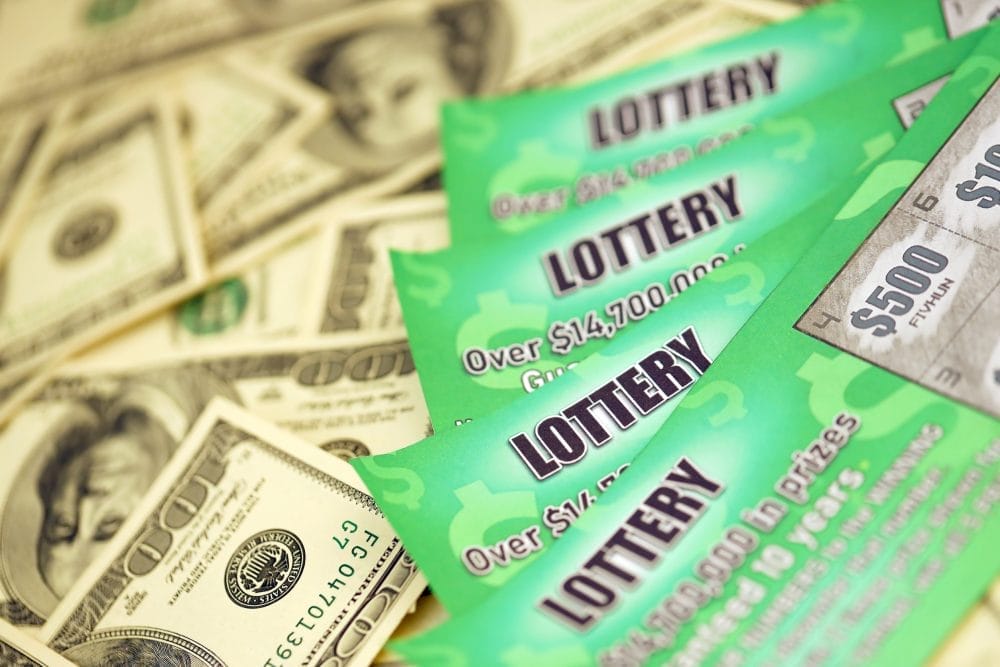
8. Lottery Tickets as “Investments”

Many people buy lottery tickets weekly, convincing themselves it’s a form of investment. The odds of winning big are astronomically low, and most winnings barely cover the cost of play. Over time, consistent spending on tickets drains household budgets. The lottery offers entertainment but should never be viewed as financial strategy. It’s the ultimate example of strange investments that rarely pay off.

Why Proven Investments Still Win

While unconventional ideas may seem exciting, they usually bring disappointment instead of profit. Strange investments that rarely pay off often rely on hype, speculation, or unrealistic promises. In contrast, proven strategies like diversified portfolios, real estate, and retirement accounts steadily build wealth. The key to long-term success is consistency, not chasing shortcuts. By avoiding distractions, families can focus on financial security that lasts.

Have you ever fallen into one of these strange investments that rarely pay off? Share your story and lessons learned in the comments below.

What to Read Next…

10 Investments That Are Rarely Talked About That Could Make You Rich

7 Weird Investments People Regret Buying

9 Lesser-Known Costs of Owning Investment Property

7 Retirement Accounts With Fees So High They Cancel Out the Growth

6 Weird Costs of Collecting Antiques

Catherine Reed
Catherine Reed

Catherine is a tech-savvy writer who has focused on the personal finance space for more than eight years. She has a Bachelor’s in Information Technology and enjoys showcasing how tech can simplify everyday personal finance tasks like budgeting, spending tracking, and planning for the future. Additionally, she’s explored the ins and outs of the world of side hustles and loves to share what she’s learned along the way. When she’s not working, you can find her relaxing at home in the Pacific Northwest with her two cats or enjoying a cup of coffee at her neighborhood cafe.

Filed Under: Investing Tagged With: bad investments, financial mistakes, money tips, Personal Finance, Risky Investments, strange investments that rarely pay off, Wealth Building

7 Weird Investments People Regret Buying

September 10, 2025 by Catherine Reed Leave a Comment

7 Weird Investments People Regret Buying
Image source: 123rf.com

When it comes to investing, most people aim for stable growth, smart diversification, and long-term returns. Yet, not every choice made in the name of “opportunity” pans out. History is full of strange financial decisions that left investors scratching their heads and emptying their wallets. From collectibles that lost their shine to schemes that promised the world, these are the weird investments people regret buying. Understanding these mistakes can help you avoid falling for similar traps.

1. Beanie Babies Mania

In the 1990s, Beanie Babies were more than toys—they were treated like financial assets. Many people poured thousands of dollars into them, expecting the value to skyrocket. Instead, supply eventually overwhelmed demand, and the resale market collapsed. Today, only a handful of rare Beanie Babies sell for significant money, leaving most investors with bins of stuffed animals worth little more than sentimental value. This serves as a classic example of how hype can cloud financial judgment.

2. Pet Rocks

Few weird investments people regret buying are as iconic as the Pet Rock craze of the 1970s. What started as a novelty gag became a booming business, with people paying good money for literal rocks in cardboard boxes. While the creator made millions, investors who stockpiled them for resale quickly learned the fad had no staying power. Once the joke wore off, demand disappeared almost overnight. It highlights the risk of betting on short-lived trends.

3. Timeshares with Hidden Costs

On the surface, timeshares seem like a way to secure vacation fun while saving money. Unfortunately, many investors regret buying them due to high maintenance fees and difficulty reselling. Once purchased, owners often discover the value plummets the moment the contract is signed. Many end up stuck paying for something they rarely use. This makes timeshares one of the more common weird investments people regret buying, even if they seemed practical at first.

4. Ostrich Farming

In the 1980s and 1990s, ostrich farming was pitched as a goldmine. Promoters claimed ostrich meat, feathers, and hides would dominate luxury markets. Investors bought into the idea, spending heavily on breeding pairs. However, the market never matured, leaving most farmers with expensive birds they couldn’t sell for a profit. It’s a reminder that not every “next big thing” in agriculture actually takes off.

5. Collectible Plates and Figurines

Limited-edition collectible plates and figurines were heavily marketed as “surefire investments” for decades. Buyers were promised that these items would increase in value as they became rarer. In reality, the resale market never developed, and most pieces are worth less than their original purchase price. Many basements and attics still hold boxes of these dust-covered items. They remain a textbook example of how marketing can turn everyday products into bad investments.

6. Penny Stocks and Pump-and-Dump Schemes

Another set of weird investments people regret buying comes from penny stocks. These ultra-cheap shares are often promoted with promises of explosive growth. Unfortunately, they’re highly vulnerable to pump-and-dump schemes, where promoters inflate the price before dumping their shares, leaving others with worthless stock. Many investors who chased quick profits ended up losing everything. It’s a high-risk game that rarely ends well for average buyers.

7. Virtual Land in Failed Online Worlds

Long before today’s discussions about the metaverse, investors were buying virtual land in online worlds like Second Life. While some early adopters made money, most people who invested in virtual properties ended up with worthless pixels when interest faded. The markets for these spaces never lived up to their hype. Unlike real land, virtual property has no tangible value outside its platform. It remains one of the strangest financial experiments of the digital age.

Learning From Other People’s Regrets

The history of weird investments people regrets buying offers valuable lessons for today’s investors. Whether it’s toys, birds, or digital real estate, the common thread is hype and unrealistic expectations. Successful investing usually comes from patience, research, and sticking with proven strategies instead of chasing fads. By recognizing the red flags in past mistakes, you can protect your money and focus on building real wealth. Remember, not every “hot opportunity” is worth the risk.

Have you ever fallen for a financial fad that didn’t pay off? Share your story in the comments—we’d love to hear your experience!

What to Read Next…

10 Strange Investments That Wealthy People Keep Secret

8 Smart Investing Rules the Wealthy Actually Follow

10 Shocking Ways Wealth Disappears During a Market Crash

Why Do High Earners End Up With Less Cash on Hand Than Expected

7 Strange Things That End Up in High-Net-Worth Portfolios

Catherine Reed
Catherine Reed

Catherine is a tech-savvy writer who has focused on the personal finance space for more than eight years. She has a Bachelor’s in Information Technology and enjoys showcasing how tech can simplify everyday personal finance tasks like budgeting, spending tracking, and planning for the future. Additionally, she’s explored the ins and outs of the world of side hustles and loves to share what she’s learned along the way. When she’s not working, you can find her relaxing at home in the Pacific Northwest with her two cats or enjoying a cup of coffee at her neighborhood cafe.

Filed Under: Investing Tagged With: bad investments, collectibles, financial mistakes, investing, money management, regrets, weird investments

FOLLOW US

Search this site:

Recent Posts

  • Can My Savings Account Affect My Financial Aid? by Tamila McDonald
  • 12 Ways Gen X’s Views Clash with Millennials… by Tamila McDonald
  • What Advantages and Disadvantages Are There To… by Jacob Sensiba
  • 10 Tactics for Building an Emergency Fund from Scratch by Vanessa Bermudez
  • Call 911: Go To the Emergency Room Immediately If… by Stephen Kanaval
  • 7 Weird Things You Can Sell Online by Tamila McDonald
  • 10 Scary Facts About DriveTime by Tamila McDonald

Copyright © 2026 · News Pro Theme on Genesis Framework