• Home
  • About Us
  • Toolkit
  • Getting Finances Done
    • Hiring Advisors
    • Debt Management
    • Spending Plan
  • Insurance
    • Life Insurance
    • Health Insurance
    • Disability Insurance
    • Homeowners/Renters Insurance
  • Contact Us
  • Privacy Policy
  • Risk Tolerance Quiz

The Free Financial Advisor

You are here: Home / Archives for senior scams

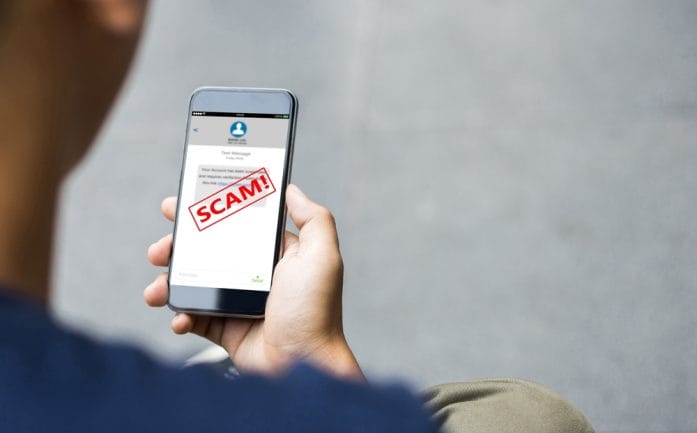
How Low Financial Knowledge Can Make Seniors 2.5x More Scam-Prone

August 14, 2025 by Catherine Reed Leave a Comment

How Low Financial Knowledge Can Make Seniors 2.5x More Scam-Prone

Image source: 123rf.com

Financial scams targeting seniors are on the rise, costing older Americans billions every year. While anyone can fall victim to fraud, research shows that seniors with low financial literacy are at significantly higher risk — up to 2.5 times more likely to be scammed. This increased vulnerability stems from gaps in understanding complex financial products, recognizing red flags, and keeping up with evolving digital threats. As scammers become more sophisticated, the need for awareness and education has never been greater. Understanding how low financial knowledge can make seniors 2.5x more scam-prone is the first step toward protection.

1. Difficulty Spotting Scam Tactics

Many scams use urgent language, emotional manipulation, or fake authority to pressure victims into quick decisions. Seniors with limited financial knowledge may not recognize these warning signs. Without familiarity with common fraud methods, they might believe a scammer posing as a bank representative or government official. Even something as simple as a “too good to be true” investment can seem plausible without the knowledge to assess it. This gap in awareness shows exactly how low financial knowledge can make seniors 2.5x more scam-prone.

2. Limited Understanding of Investment Risks

Scammers often target seniors with fake investment opportunities promising guaranteed returns. Those who lack a solid grasp of how investments work may overlook obvious red flags, like unrealistic profit claims or lack of proper licensing. They may also struggle to differentiate between legitimate high-yield opportunities and fraudulent schemes. This vulnerability is especially dangerous for retirees relying on savings to last their lifetime. It’s another example of how low financial knowledge can make seniors 2.5x more scam-prone.

3. Struggles with Digital Banking and Security

As more banking and financial transactions move online, seniors with limited digital literacy face new challenges. Phishing emails, fake websites, and fraudulent text messages are designed to look legitimate, making them hard to detect without training. Seniors who don’t understand how to verify online security features, such as HTTPS or multi-factor authentication, are more likely to click harmful links or share personal data. Once scammers gain access to sensitive accounts, recovery can be difficult and costly. This risk illustrates how low financial knowledge can make seniors 2.5x more scam-prone in the digital age.

4. Overreliance on Trust in Familiar Brands

Scammers often impersonate well-known companies, charities, or financial institutions to appear credible. Seniors who have long-standing trust in certain organizations may not question unexpected calls or emails claiming to be from them. Without financial education on verification practices, they may hand over personal or payment information without hesitation. This misplaced trust is frequently exploited in donation scams, fake tech support calls, and fraudulent account alerts. It’s a prime reason how low financial knowledge can make seniors 2.5x more scam-prone.

5. Lack of Awareness About Current Scam Trends

Fraudsters constantly adapt, creating new schemes that target current events, tax seasons, or disaster relief efforts. Seniors with limited access to timely scam alerts may be unaware of the latest tactics. Without regular updates on fraud prevention, they can be caught off guard by new angles, such as cryptocurrency scams or fake government relief programs. Education programs, community resources, and trusted news outlets can help fill this gap. Staying informed is key to reducing how low financial knowledge can make seniors 2.5x more scam-prone.

6. Inexperience with Contract and Fine Print Details

Scammers often hide critical terms in small print or use vague legal language to commit fraud. Seniors unfamiliar with reading contracts or spotting misleading clauses may sign documents without fully understanding them. This is common in predatory loan agreements, fake timeshare sales, or misleading subscription services. Without the habit of asking questions or seeking legal advice, they may commit to harmful agreements. Such scenarios clearly demonstrate how low financial knowledge can make seniors 2.5x more scam-prone.

7. Difficulty Recognizing High-Pressure Sales Tactics

Fraudsters frequently rely on high-pressure sales techniques to force quick decisions. Seniors with limited financial education may not realize that legitimate businesses rarely require immediate action without time to review details. When pressured, they may agree to purchases, investments, or donations without due diligence. Awareness of these psychological tactics is a key defense against scams. It’s yet another example of how low financial knowledge can make seniors 2.5x more scam-prone.

Building Financial Awareness for Protection

While the statistics can be alarming, the good news is that education and proactive habits can greatly reduce scam risk. Seniors can benefit from attending community workshops, reading trusted financial resources, and involving family or advisors in major financial decisions. Regularly reviewing accounts, verifying requests, and staying informed about evolving scam tactics can create a stronger shield against fraud. The more financial knowledge seniors build, the less likely they are to be part of the 2.5x higher risk group. Awareness isn’t just power — it’s protection.

What do you think is the most effective way to help seniors protect themselves from scams? Share your thoughts in the comments below!

Read More:

10 Phishing Scheme Red Flags That Fool Even Savvy Account Holders

8 “Grandparent Rescue” Scams That Use Voice Cloning to Trick You

Catherine Reed
Catherine Reed

Catherine is a tech-savvy writer who has focused on the personal finance space for more than eight years. She has a Bachelor’s in Information Technology and enjoys showcasing how tech can simplify everyday personal finance tasks like budgeting, spending tracking, and planning for the future. Additionally, she’s explored the ins and outs of the world of side hustles and loves to share what she’s learned along the way. When she’s not working, you can find her relaxing at home in the Pacific Northwest with her two cats or enjoying a cup of coffee at her neighborhood cafe.

Filed Under: Online Safety Tagged With: elder financial abuse, financial literacy, fraud prevention, how low financial knowledge can make seniors 2.5x more scam-prone, retirement planning, senior scams

7 Crypto ATM Tactics That Leave Seniors Vulnerable

August 10, 2025 by Travis Campbell Leave a Comment

crypto

Image source: pexels.com

Crypto ATMs are popping up everywhere. You see them in gas stations, grocery stores, and even small shops. They promise quick access to digital money, but there’s a dark side. Seniors, in particular, are being targeted by scammers who use these machines to steal money. If you or someone you care about is a senior, it’s important to know how these scams work. Understanding the risks can help you avoid losing your savings to a crypto ATM scam.

1. Fake Tech Support Calls

Scammers often call seniors pretending to be from a trusted company, like Microsoft or Apple. They say there’s a problem with your computer or account. The caller sounds urgent and convincing. They might even know your name or some personal details. Then, they tell you to pay a “fix” fee using a crypto ATM. They give step-by-step instructions, making it sound like the only way to solve the problem. But there’s no real problem. Once you send the money, it’s gone. Crypto ATM transactions are almost impossible to reverse. If anyone asks you to pay for tech support with cryptocurrency, it’s a scam. Hang up and call the real company using a number from their official website.

2. Grandparent Scams

This one is personal. Scammers call or text, pretending to be your grandchild or another family member. They say they’re in trouble—maybe arrested, in an accident, or stranded somewhere. The story is urgent and emotional. They beg you not to tell anyone. Then, they ask you to send money through a crypto ATM. The scammer might even have details from social media to make the story sound real. If you get a call like this, pause. Call your family member directly using a number you know. Don’t send money through a crypto ATM for emergencies. Real family members won’t ask for help this way.

3. Romance Scams

Online dating can be risky, especially for seniors. Scammers create fake profiles and build trust over weeks or months. They share stories, photos, and even talk on the phone. Then, they ask for money. The reason might be a medical emergency, travel costs, or a business deal. They insist on using a crypto ATM, saying it’s fast and private. Once you send the money, the scammer disappears. If someone you’ve never met in person asks for money through a crypto ATM, it’s a red flag. Talk to a friend or family member before sending any money.

4. Government Impersonation

Scammers pretend to be from the IRS, Social Security, or another government agency. They say you owe money or there’s a problem with your benefits. The caller threatens arrest, fines, or loss of benefits if you don’t pay right away. They tell you to use a crypto ATM to send the payment. Real government agencies never ask for payment in cryptocurrency. If you get a call like this, hang up. Contact the agency directly using a number from their official website.

5. Investment Scams

Crypto ATMs are often used in fake investment schemes. Scammers promise high returns with little risk. They might say they have a “secret” way to make money with cryptocurrency. They pressure you to act fast, saying the opportunity won’t last. Then, they tell you to deposit money using a crypto ATM. Once you send the money, you never hear from them again. There are no real investments—just empty promises. Always research any investment and talk to a trusted advisor.

6. Utility Bill Threats

Some scammers claim to be from your utility company. They say your electricity, water, or gas will be shut off unless you pay immediately. The caller sounds official and may even know your account number. They demand payment through a crypto ATM, saying it’s the fastest way to avoid disconnection. Real utility companies don’t accept cryptocurrency for bill payments. If you get a call like this, hang up and call your utility company using the number on your bill. Don’t let fear push you into using a crypto ATM.

7. QR Code Tricks

Crypto ATMs often use QR codes to make transactions easier. Scammers take advantage of this. They send you a QR code by email, text, or even in person. They say scanning the code will help you pay a bill, claim a prize, or fix an account issue. But the QR code sends your money straight to the scammer’s wallet. Never scan a QR code from someone you don’t trust. If you’re unsure, ask a family member or friend for help before using a crypto ATM.

Staying Safe in a Digital World

Crypto ATMs are not all bad, but they come with risks—especially for seniors. Scammers use fear, urgency, and personal stories to trick people into sending money. The best defense is to slow down and ask questions. If someone pressures you to use a crypto ATM, it’s probably a scam. Talk to someone you trust before making any transaction. Protecting yourself and your loved ones starts with knowing how these scams work and staying alert.

Have you or someone you know been targeted by a crypto ATM scam? Share your story or tips in the comments below.

Read More

Is a Crypto Crash Coming in 2025?

How to Convert Cryptocurrency Today?

Travis Campbell
Travis Campbell

Travis Campbell is a digital marketer/developer with over 10 years of experience and a writer for over 6 years. He holds a degree in E-commerce and likes to share life advice he’s learned over the years. Travis loves spending time on the golf course or at the gym when he’s not working.

Filed Under: Finance Tagged With: crypto ATM, cryptocurrency, elder fraud, financial safety, Personal Finance, scam prevention, senior scams

What Scams Are Targeting Retirees While You Still Trust Your Phone

August 8, 2025 by Catherine Reed Leave a Comment

What Scams Are Targeting Retirees While You Still Trust Your Phone

Image source: 123rf.com

If you’re still picking up phone calls without hesitation, you might be exactly who scammers are hoping to reach. Phone-based fraud continues to rise, and unfortunately, older adults are often the top targets. Whether it’s because retirees tend to be more polite, have savings built up, or trust unknown numbers more than younger generations, the risks are real. Knowing what scams are targeting retirees while you still trust your phone could protect you—or your loved ones—from devastating financial loss. Here are the most common phone scams retirees need to watch out for right now.

1. Medicare and Health Insurance Scams

Scammers posing as Medicare representatives will often call seniors under the pretense of updating personal information or sending a new card. These calls can sound highly official, with convincing scripts and fake caller ID numbers. Once the victim gives out their Medicare number or Social Security information, it can be used to file false claims or steal benefits. In some cases, scammers offer “free” medical supplies that never arrive, but result in billing fraud. One of the most frequent scams targeting retirees, this scheme preys on health-related trust and confusion.

2. “Grandparent in Trouble” Calls

This emotional scam involves a caller pretending to be a grandchild—or someone calling on their behalf—who’s in urgent trouble. The story might involve a car accident, jail time, or travel mishap and always ends with a request for money, usually through a wire transfer or prepaid gift card. Because the situation feels urgent and personal, many retirees act quickly without verifying the story. Scammers may even use information from social media to make the story more convincing. These calls are a painful reminder of how scams are targeting retirees through emotional manipulation.

3. Fake Tech Support Calls

If you receive a call from someone claiming your computer has a virus, it’s almost certainly a scam. Fraudsters pretend to be from Microsoft, Apple, or another recognizable tech company and convince victims to give remote access to their computers. Once inside, they can install malware, steal personal files, or charge hefty fees for “repairs” that were never needed. Some even subscribe victims to recurring services they never authorized. Retirees are often targeted because scammers assume they’re less tech-savvy, making this one of the more successful schemes.

4. IRS or Tax Collection Impersonators

This scam never seems to go out of style. A caller claims you owe back taxes and threatens arrest, property seizure, or license suspension if payment isn’t made immediately. The scammer often demands payment via wire, gift card, or cryptocurrency—none of which the real IRS would ever request. These calls can be aggressive and frightening, making them effective on unsuspecting seniors. Understanding how these scams are targeting retirees is crucial, especially around tax season.

5. Lottery or Sweepstakes Scams

“Congratulations, you’ve won!” might sound exciting—but it should be a red flag. In this scam, retirees are told they’ve won a lottery or prize but must first pay taxes or fees to claim it. The scammer may ask for bank information, personal details, or a prepaid debit card to cover the “processing.” No legitimate prize organization asks for money upfront. These scams play into hope and excitement, making them emotionally and financially devastating.

6. Charity Donation Scams

Scammers often take advantage of natural disasters, major news events, or holiday seasons to solicit fake donations. They call claiming to represent real or made-up charities, complete with official-sounding names and websites. Retirees, who often have a strong sense of community and empathy, are prime targets for this trick. Once money is given, it disappears into untraceable accounts, and the scammer vanishes. Always research the charity before giving and never provide payment information over the phone.

7. Government Benefit Renewal Scams

Some fraudsters pose as Social Security Administration or other government officials, claiming a retiree’s benefits are in jeopardy unless immediate action is taken. The call may involve verifying personal details, updating information, or submitting payment to “unlock” an account. These scammers use fear of losing income to pressure victims into acting quickly. The government does not make threatening phone calls or demand payment by phone, but many don’t know that. These scams are targeting retirees who depend on steady benefits to survive.

8. Fake Bank or Credit Card Alerts

A call may come in warning of “suspicious activity” on your bank or credit card account. The scammer pretends to be from your financial institution and asks for login credentials, full card numbers, or verification codes. Because the scam feels urgent and financial, retirees often comply without thinking twice. Once that information is handed over, real money starts disappearing fast. Always hang up and call your bank directly using the number on your card or official website.

9. Romance Scams That Start by Phone

While many romance scams begin online, they often move to phone calls quickly to build trust. Scammers might pose as a widowed veteran, a retiree traveling abroad, or a lonely soul looking for companionship. Over time, they create a bond and eventually ask for money—usually for an emergency or travel funds to come visit. Retirees who are lonely or isolated are especially vulnerable to this emotionally manipulative scam. Knowing how scams are targeting retirees emotionally can be just as important as watching out for financial angles.

10. Jury Duty or Legal Threat Scams

This scam involves a caller claiming you missed jury duty and now face fines or arrest unless you take immediate action. Victims are often caught off guard and frightened into paying to “resolve” the issue. Scammers might use fake badge numbers, caller ID spoofing, or even threats of jail time to seem more believable. No court will ever demand payment over the phone, but retirees unfamiliar with legal processes might panic. Education is the best defense.

Stay Alert, Not Afraid

Being cautious doesn’t mean living in fear—it means staying informed. Knowing what scams are targeting retirees while you still trust your phone gives you the power to protect yourself and your loved ones. Hang up on suspicious calls, verify everything directly, and don’t let anyone pressure you into making snap decisions. Scammers succeed when you act fast, so slow down and stay smart. A little awareness goes a long way toward keeping your money and peace of mind safe.

Have you or a loved one ever received a suspicious call? What tipped you off—and how did you handle it? Share your story in the comments below!

Read More:

6 Financial Traps Retirees Walk Into Without Questioning

Everyday Mistakes That Make You Vulnerable to Criminals

Catherine Reed
Catherine Reed

Catherine is a tech-savvy writer who has focused on the personal finance space for more than eight years. She has a Bachelor’s in Information Technology and enjoys showcasing how tech can simplify everyday personal finance tasks like budgeting, spending tracking, and planning for the future. Additionally, she’s explored the ins and outs of the world of side hustles and loves to share what she’s learned along the way. When she’s not working, you can find her relaxing at home in the Pacific Northwest with her two cats or enjoying a cup of coffee at her neighborhood cafe.

Filed Under: safety Tagged With: elder fraud, family finance, financial scams, identity theft, phone fraud, phone security tips, retiree safety, retirement planning, scam prevention, senior scams

8 Everyday Scams Seniors Are Falling For Right Now

August 2, 2025 by Travis Campbell Leave a Comment

seniors

Image source: unsplash.com

Staying safe from scams is harder than ever. Seniors are often targeted because scammers think they’re more trusting or less tech-savvy. These scams can cost real money, cause stress, and even damage relationships. The problem is growing, and the tricks are getting more convincing. If you or someone you care about is a senior, it’s important to know what to watch for. Here are eight everyday scams seniors are falling for right now, plus tips to avoid them.

1. Fake Tech Support Calls

Scammers call pretending to be from Microsoft, Apple, or another big tech company. They say your computer has a virus or security problem. They ask you to give them remote access or pay for a “fix.” This is a scam. Real companies don’t call out of the blue to offer tech support. If you let them in, they can steal your information or install malware. If you get a call like this, hang up. If you’re worried about your computer, call a trusted local repair shop or ask a family member for help.

2. Medicare and Health Insurance Scams

Medicare scams are everywhere. Someone calls or emails, claiming to be from Medicare or an insurance company. They ask for your Medicare number or personal details. Sometimes they offer fake “free” medical equipment or services. If you give out your information, they can bill Medicare for things you never got or steal your identity. Medicare will never call and ask for your number. If you get a call like this, don’t share any information.

3. Grandparent Scams

This one is personal. Someone calls, pretending to be your grandchild or another family member. They claim to be in trouble—possibly arrested or involved in an accident—and need money quickly. They beg you not to tell anyone. The scammer may know your grandchild’s name or other details from social media. If you get a call like this, don’t send money. Hang up and call your family member directly. Never wire money or buy gift cards for someone who calls you out of the blue.

4. Sweepstakes and Lottery Scams

You get a call, letter, or email saying you’ve won a big prize. But there’s a catch: you have to pay taxes, fees, or shipping to claim it. This is a classic scam. Real sweepstakes don’t ask for money up front. If you pay, you’ll lose your money and never get a prize. If it sounds too good to be true, it probably is. Don’t give out your bank details or send money to claim a prize. If you want to check if a contest is real, look up the company’s official website and contact them directly.

5. Romance Scams

Romance scams are on the rise, especially for seniors using dating sites or social media. Someone builds a relationship with you online, then asks for money. They might say they need help with travel, medical bills, or a family emergency. They often avoid meeting in person. These scammers are skilled at building trust. If someone you’ve never met asks for money, it’s almost always a scam. Don’t send money or share financial details with someone you only know online.

6. Fake Charities

After a disaster or during the holidays, scammers set up fake charities. They call or email, asking for donations. They may use names that sound like real charities. If you donate, your money goes to the scammer, not to people in need. Before giving, check the charity’s name online. Use sites like Charity Navigator or GuideStar to see if it’s real. Don’t give out your credit card number to someone who calls you. If you want to help, go directly to the charity’s official website.

7. Phishing Emails and Texts

Phishing scams use fake emails or texts to trick you into giving up personal information. The message might look like it’s from your bank, a government agency, or a company you trust. It may say there’s a problem with your account and ask you to click a link or enter your password. These links often lead to fake websites that steal your information. Don’t click on links or download attachments from unknown senders. If you’re not sure, call the company using a number you trust—not the one in the message.

8. Home Repair Scams

Someone knocks on your door and offers to fix your roof, driveway, or do yard work. They may claim to be working in the neighborhood or have leftover materials. They ask for payment upfront, then disappear or do shoddy work. Always be cautious with unsolicited offers. Get written estimates from several companies. Check reviews and ask for references. Never pay the full amount before the work is done.

Staying Safe in a Connected World

Scams targeting seniors are not going away. They’re getting more creative. The best defense is to stay informed and cautious. Don’t rush into decisions, especially when money or personal information is involved. Talk to friends or family if something feels off. Trust your instincts. If you think you’ve been scammed, report it to your local police or the FTC. Staying alert can help you protect yourself and your loved ones from these everyday scams.

Have you or someone you know been targeted by one of these scams? Share your story or tips in the comments below.

Read More

Why Are More Seniors Ditching Their Credit Cards Completely?

7 Times Generosity Has Legal Consequences for Seniors

Travis Campbell
Travis Campbell

Travis Campbell is a digital marketer/developer with over 10 years of experience and a writer for over 6 years. He holds a degree in E-commerce and likes to share life advice he’s learned over the years. Travis loves spending time on the golf course or at the gym when he’s not working.

Filed Under: safety Tagged With: elder fraud, financial safety, Online Safety, Personal Finance, scam prevention, senior citizens, senior scams

9 Ways Old People Are Getting Scammed in Plain Sight

June 12, 2025 by Travis Campbell Leave a Comment

old person scammed

Image Source: pexels.com

Older adults are increasingly targeted by scammers who use clever tricks and emotional manipulation to steal money, personal information, and even peace of mind. These scams are often hiding in plain sight, making them especially dangerous for seniors who may not be aware of the latest tactics. The risks are real and growing, whether it’s a phone call, an email, or even a friendly face at the door. Protecting yourself or your loved ones from these scams isn’t just about being cautious—it’s about staying informed and prepared. Here are nine common ways old people are getting scammed in plain sight, along with practical advice to help you avoid falling victim.

1. Fake IRS or Government Calls

Scammers often pose as IRS agents or government officials, claiming the victim owes back taxes or has legal trouble. These calls can be terrifying, especially when the caller threatens arrest or demands immediate payment. The truth is, the IRS and most government agencies will never call to demand payment or threaten you over the phone. If you receive such a call, hang up and contact the agency directly using a verified number. Never give out personal information or payment details to unsolicited callers.

2. Medicare and Health Insurance Scams

Medicare scams are rampant, with fraudsters calling seniors to “verify” information or offer fake services. They may ask for your Medicare number or other personal details, which they use to commit identity theft or bill for services never provided. Always be skeptical of unsolicited calls about your health insurance. If in doubt, call your provider directly. Remember, Medicare will never call you to ask for personal information or offer free equipment out of the blue.

3. Tech Support Scams

Tech support scams often start with a pop-up warning or a phone call claiming your computer is infected. The scammer offers to “fix” the problem for a fee or asks for remote access to your device. This can lead to stolen data, malware, or drained bank accounts. Never allow remote access to your computer unless you initiated the contact with a trusted company. If you’re unsure, ask a family member or a trusted friend for help before taking any action.

4. Romance and Friendship Scams

Loneliness can make seniors vulnerable to romance scams, where someone pretends to be interested in a relationship to gain trust and eventually ask for money. These scams often start on social media or dating sites, but can also happen through email or even phone calls. Be wary of anyone who professes love quickly or asks for financial help, especially if you’ve never met in person.

5. Grandparent Scams

In this scam, someone calls pretending to be a grandchild in trouble, urgently needing money for bail, medical bills, or travel. The caller may know personal details, making the story seem believable. Always verify the caller’s identity by asking questions only your real grandchild would know, or call their parents directly. Never send money or gift cards based on a phone call alone.

6. Lottery and Sweepstakes Scams

You get a call, email, or letter saying you’ve won a big prize—but to claim it, you need to pay taxes or fees upfront. This is a classic scam. Legitimate lotteries never ask winners to pay fees in advance. If it sounds too good to be true, it probably is. Don’t share your bank details or send money to claim a prize you didn’t enter to win.

7. Charity Scams

Scammers often exploit generosity, especially after natural disasters or during the holidays. They may pose as representatives of fake charities, asking for donations. Before giving, research the charity using sites like Charity Navigator or the Better Business Bureau’s Wise Giving Alliance. Never feel pressured to donate on the spot and avoid giving cash or wiring money.

8. Home Repair and Contractor Scams

Unsolicited offers for home repairs, especially after storms or disasters, are often scams. The scammer may ask for payment up front and then disappear or do shoddy work. Always check credentials, get written estimates, and never pay the full amount before the work is completed. Ask neighbors or friends for recommendations and avoid door-to-door offers.

9. Phishing Emails and Texts

Phishing scams use emails or texts that look official, often mimicking banks, delivery services, or even friends. These messages try to trick you into clicking links or sharing personal information. Always double-check the sender’s address and never click on suspicious links. If you’re unsure, contact the company directly using a verified phone number or website.

Staying One Step Ahead of Scammers

Scams targeting old people are constantly evolving, but awareness is your best defense. Talk openly with family and friends about the latest scams, and don’t be embarrassed to ask for help if something feels off. Keep your personal information private, and remember that legitimate organizations will never pressure you for money or sensitive details. By staying alert and informed, you can protect yourself and your loved ones from falling victim to these scams in plain sight.

Have you or someone you know encountered a scam like these? Share your story or tips in the comments below to help others stay safe.

Read More

The Definition of Irony (or Why You Should Know What You’re Doing)

Find the Right Amount of Life Insurance in 10 Minutes

Travis Campbell
Travis Campbell

Travis Campbell is a digital marketer/developer with over 10 years of experience and a writer for over 6 years. He holds a degree in E-commerce and likes to share life advice he’s learned over the years. Travis loves spending time on the golf course or at the gym when he’s not working.

Filed Under: Crime & Safety Tagged With: elder fraud, financial safety, identity theft, Personal Finance, scam prevention, senior safety, senior scams

FOLLOW US

Search this site:

Recent Posts

  • Can My Savings Account Affect My Financial Aid? by Tamila McDonald
  • 12 Ways Gen X’s Views Clash with Millennials… by Tamila McDonald
  • What Advantages and Disadvantages Are There To… by Jacob Sensiba
  • 10 Tactics for Building an Emergency Fund from Scratch by Vanessa Bermudez
  • Call 911: Go To the Emergency Room Immediately If… by Stephen Kanaval
  • 7 Weird Things You Can Sell Online by Tamila McDonald
  • 10 Scary Facts About DriveTime by Tamila McDonald

Copyright © 2026 · News Pro Theme on Genesis Framework