• Home
  • About Us
  • Toolkit
  • Getting Finances Done
    • Hiring Advisors
    • Debt Management
    • Spending Plan
  • Insurance
    • Life Insurance
    • Health Insurance
    • Disability Insurance
    • Homeowners/Renters Insurance
  • Contact Us
  • Privacy Policy
  • Risk Tolerance Quiz

The Free Financial Advisor

You are here: Home / Archives for Travis Campbell

7 Financial Red Flags That Scream “SCAM ALERT!”

June 21, 2025 by Travis Campbell Leave a Comment

scam

Image Source: pexels.com

When it comes to your hard-earned money, vigilance is your best defense. Financial scams are everywhere, and even the savviest investors can fall victim if they’re not careful. With scammers getting more sophisticated every year, it’s crucial to recognize the warning signs before you hand over your cash or personal information. Whether you’re considering a new investment, responding to an email, or just browsing online, knowing what to look for can save you from a world of regret. Here are seven financial red flags that scream “SCAM ALERT!”—and how you can protect yourself from falling into a trap.

1. Promises of Guaranteed High Returns

If someone promises you sky-high returns with zero risk, it’s time to walk away. No legitimate investment can guarantee huge profits without any chance of loss. Financial scams often lure victims by dangling the prospect of easy money, but the reality is that all investments carry some risk. If it sounds too good to be true, it probably is. Always research the investment and the person or company offering it. The U.S. Securities and Exchange Commission (SEC) warns that guaranteed returns are a classic sign of fraud.

2. Pressure to Act Immediately

Scammers thrive on urgency. If you’re told you must “act now” or risk missing out, take a step back. High-pressure tactics are designed to prevent you from thinking things through or doing your own research. Legitimate financial opportunities will give you time to consider your options and consult with trusted advisors. Don’t let anyone rush you into making a decision about your money. Remember, financial scams often rely on panic and haste to succeed.

3. Requests for Personal or Financial Information

Be wary of anyone who asks for sensitive information up front, especially if you didn’t initiate the contact. Scammers may pose as banks, government agencies, or investment firms to trick you into revealing your Social Security number, bank account details, or passwords. Never share personal or financial information unless you’re certain of the recipient’s identity and legitimacy. The Federal Trade Commission (FTC) provides guidance on how to spot and avoid phishing scams.

4. Unregistered or Unlicensed Sellers

Before investing, always check if the person or company is registered with the appropriate regulatory body. Financial scams often involve unregistered individuals or firms who operate outside the law. You can verify registration through the SEC’s Investment Adviser Public Disclosure website or your state’s securities regulator. If you can’t find any record of the seller, that’s a major red flag. Don’t be afraid to ask for credentials and do your homework.

5. Vague or Complicated Explanations

If you can’t understand how an investment works or the explanation is full of jargon and confusion, proceed with caution. Scammers often use complexity to hide the truth and discourage questions. A legitimate investment should be clear and straightforward. If you feel lost or pressured to “just trust them,” it’s time to walk away. Financial scams thrive in the shadows of confusion and ambiguity.

6. Unsolicited Offers

Receiving an unexpected call, email, or message about a “can’t-miss” financial opportunity is a classic setup for financial scams. Scammers often use cold calls, social media, or even text messages to reach potential victims. If you didn’t seek out the opportunity, be extra cautious. Verify the sender’s identity and never click on suspicious links or attachments. Unsolicited offers are rarely legitimate and often lead to trouble.

7. Stories of Secret or Insider Information

Be skeptical of anyone who claims to have exclusive access to secret deals or insider information. Financial scams often involve promises of special knowledge that will give you an edge over other investors. Not only is trading on insider information illegal, but it’s also a common tactic used to lure victims into fraudulent schemes. If someone claims they have a “sure thing” that nobody else knows about, it’s almost certainly a scam.

Stay Sharp: Protecting Yourself from Financial Scams

Spotting financial scams isn’t always easy, but staying alert to these red flags can make all the difference. Trust your instincts—if something feels off, it probably is. Take your time, do your research, and never let anyone pressure you into making financial decisions on the spot. Remember, your financial security is worth more than any promise of quick riches. By staying informed and cautious, you can keep your money safe and avoid becoming another victim of financial scams.

Have you ever encountered a financial scam or a suspicious offer? Share your story or tips in the comments below!

Read More

The Definition of Irony (or Why You Should Know What You’re Doing)

Stop Reading About Last Year’s Top Ten Mutual Funds

Travis Campbell
Travis Campbell

Travis Campbell is a digital marketer/developer with over 10 years of experience and a writer for over 6 years. He holds a degree in E-commerce and likes to share life advice he’s learned over the years. Travis loves spending time on the golf course or at the gym when he’s not working.

Filed Under: Finance Tagged With: financial safety, financial scams, fraud prevention, money tips, Personal Finance, red flags, scam alert

Are Those “Collectible” Beanie Babies From Your Childhood Worth Anything Now?

June 21, 2025 by Travis Campbell Leave a Comment

benie baby

Image Source: pexels.com

Remember the days when Beanie Babies were the hottest craze, and everyone seemed convinced they’d pay for college someday? If you grew up in the 1990s or early 2000s, chances are you have a box of these plush toys tucked away in your attic or closet. With stories of rare Beanie Babies selling for thousands of dollars, it’s natural to wonder: Is your collection a goldmine or just a pile of nostalgia? Understanding the real Beanie Babies value today can help you decide whether to cash in, hold on, or simply reminisce. Let’s break down what’s going on in Beanie Babies and how you can make the most of your collection.

1. The Beanie Babies Craze: What Happened?

Beanie Babies exploded onto the scene in the mid-1990s, quickly becoming a pop culture phenomenon. People lined up outside stores, hoping to snag the latest release, and rumors of skyrocketing Beanie Babies value fueled a buying frenzy. Many believed these plush toys would become valuable collectibles, leading to hoarding and even heated bidding wars. However, the market eventually crashed as supply outpaced demand and collectors realized not every Beanie Baby was rare. The landscape is very different today, and understanding this history is key to managing your expectations.

2. Rarity Is Everything: What Makes a Beanie Baby Valuable?

Not all Beanie Babies are created equal. The Beanie Babies value depends heavily on rarity, condition, and specific production errors. Limited editions, retired models, and those with unique tag errors tend to fetch higher prices. For example, the “Peanut the Royal Blue Elephant” and “Princess the Bear” with certain tags have sold for hundreds or even thousands of dollars, but these are exceptions, not the rule. Most Beanie Babies were mass-produced, making them common and less valuable. If you’re hoping to cash in, start by researching your specific Beanie Babies to see if they fall into the rare category.

3. Condition Matters: How to Assess Your Collection

Even if you have a rare Beanie Baby, its value drops significantly if it’s not in mint condition. Collectors look for toys with intact tags, no stains, and no signs of wear. Original packaging and tag protectors can also boost Beanie Babies’ value. Before listing your collection for sale, carefully inspect each toy. If you find damage or missing tags, be realistic about the price you can expect. Taking clear, well-lit photos and providing honest descriptions will help you attract serious buyers and avoid disappointment.

4. Where to Sell: Finding the Right Marketplace

If you’ve determined your Beanie Babies have potential value, the next step is choosing where to sell them. Online marketplaces like eBay remain popular, but prices can vary widely. Some sellers list Beanie Babies for thousands of dollars, but actual sales often close for much less. It’s smart to check completed listings to see what buyers are really paying. Specialty collectible sites and local toy shows can also be good options, especially for rare items. Be wary of scams and always use secure payment methods.

5. The Harsh Truth: Most Beanie Babies Aren’t Worth Much

It’s easy to get swept up in stories of six-figure sales, but the reality is that most Beanie Babies’ value is low. The vast majority sell for just a few dollars, if they sell at all. The market is saturated, and only a handful of truly rare items command high prices. If your collection consists of common models, keeping them for sentimental reasons or donating them to a good cause might be better. That said, it’s always worth double-checking for hidden gems before making any decisions.

6. Tips for Maximizing Your Beanie Babies Value

A few strategies can help you get the best possible price if you’re determined to sell. First, group common Beanie Babies into lots to attract buyers looking for bulk deals. Second, highlight unique features in your listings, such as tag errors or limited editions. Third, be patient—rare items may take time to find the right buyer. Finally, stay informed about current trends, as nostalgia can sometimes spark renewed interest in certain models. Remember, the Beanie Babies value can fluctuate, so timing your sale can make a difference.

Nostalgia or Nest Egg? Making the Most of Your Beanie Babies

At the end of the day, the true value of your Beanie Babies might be more emotional than financial. While a few rare pieces can fetch impressive sums, most collections are worth far less than the legends suggest. Still, these plush toys can bring back fond memories and even spark joy for a new generation. Whether you decide to sell, donate, or simply display your Beanie Babies, understanding their real worth puts you in control. Take the time to research, assess, and make the choice that feels right for you.

Have you checked the value of your Beanie Babies lately? Share your stories or surprises in the comments below!

Read More

The Definition of Irony (or Why You Should Know What You’re Doing)

2011 Money Lessons

Travis Campbell
Travis Campbell

Travis Campbell is a digital marketer/developer with over 10 years of experience and a writer for over 6 years. He holds a degree in E-commerce and likes to share life advice he’s learned over the years. Travis loves spending time on the golf course or at the gym when he’s not working.
Filed Under: Investing Tagged With: Beanie Babies, childhood toys, collectibles, investing, money tips, nostalgia, Personal Finance, resale, value

Emergency Funds: How Much Do You Actually Need? (It’s More Than You Think)

June 20, 2025 by Travis Campbell Leave a Comment

money

Image Source: pexels.com

Life has a way of throwing curveballs when you least expect it. One day, everything’s running smoothly, and the next, your car breaks down, your job is on the line, or a medical bill lands in your mailbox. That’s where an emergency fund steps in—a financial safety net that can keep you afloat when the unexpected happens. But how much should you really have set aside? Many people underestimate the true amount needed, leaving themselves vulnerable when life takes a turn. Building a robust emergency fund isn’t just smart; it’s essential for financial peace of mind. Let’s break down exactly how much you need—and why it’s probably more than you think.

1. Start With the Basics: Three to Six Months of Expenses

The classic rule of thumb for an emergency fund is to save enough to cover three to six months of living expenses. This isn’t just rent or mortgage payments—it includes groceries, utilities, insurance, transportation, and any other recurring bills. The idea is simple: if you lose your job or face a major setback, you’ll have a cushion to keep you going while you get back on your feet. For most people, this means calculating their total monthly expenses and multiplying by three or six. If your monthly expenses are $3,000, you’re looking at $9,000 to $18,000. This range isn’t arbitrary; it’s based on how long it typically takes to find new employment or recover from a financial shock.

2. Factor in Your Job Stability

Not all jobs are created equal when it comes to security. You’ll want a larger emergency fund if you work in a volatile industry, are self-employed, or rely on freelance gigs. Unpredictable income means you could go longer between paychecks, so a six-month cushion might not be enough. On the other hand, if you have a stable government job or work in a high-demand field, you might feel comfortable with a smaller fund. Still, erring on the side of caution is wise. Job markets can shift quickly, and layoffs can happen even in “safe” industries. Assess your own risk and adjust your emergency fund target accordingly.

3. Don’t Forget About Health and Family Needs

Medical emergencies are one of the top reasons people dip into their emergency funds. Even with insurance, deductibles and out-of-pocket costs can add up fast. Your emergency fund should reflect those extra responsibilities if you have dependents—kids, aging parents, or anyone else relying on your income. Think about potential medical expenses, childcare, or even the cost of taking unpaid leave to care for a loved one. The more people who depend on you, the more you’ll need to set aside.

4. Consider Your Debt Obligations

Debt doesn’t take a break just because you’re facing an emergency. Credit card payments, student loans, and car loans all keep coming, no matter what. If you have significant debt, your emergency fund should be large enough to cover those minimum payments for several months. This prevents you from falling behind, damaging your credit score, or racking up late fees. When calculating your emergency fund, add up all your monthly debt payments and include them in your total. This way, you’re truly protected from financial fallout.

5. Plan for the “Hidden” Emergencies

Not all emergencies are dramatic or obvious. Sometimes, it’s the small, unexpected expenses that catch you off guard—a broken appliance, a surprise vet bill, or a sudden move. These “hidden” emergencies can drain your savings if you’re not prepared. Building a little extra into your emergency fund for these smaller, less predictable costs can save you from dipping into your regular savings or going into debt. Think of it as a buffer on top of your main emergency fund target.

6. Adjust for Inflation and Life Changes

Your emergency fund isn’t a set-it-and-forget-it account. As your life changes—new job, new home, growing family—your expenses will shift. Inflation also means that what was enough a few years ago might not cut it today. Review your emergency fund at least once a year and adjust the amount as needed. If your expenses go up, so should your savings goal. Staying proactive ensures your emergency fund keeps pace with your real-life needs.

7. Where to Keep Your Emergency Fund

Accessibility is key when it comes to emergency funds. You want your money somewhere safe, but also easy to access in a pinch. High-yield savings accounts or money market accounts are popular choices because they offer better interest rates than traditional savings accounts while keeping your funds liquid. Avoid tying up your emergency fund in investments that could lose value or take time to access, like stocks or retirement accounts. The goal is to have cash ready when you need it, not to chase higher returns.

Rethink What “Enough” Really Means

Building an emergency fund is about more than just hitting a number—it’s about creating real financial security for yourself and your loved ones. The right amount is different for everyone, but it’s almost always more than you initially think. By considering your unique situation—job stability, family needs, debt, and the unexpected—you can set a target that truly protects you. Don’t settle for the bare minimum. Give yourself the peace of mind that comes from knowing you’re ready for whatever life throws your way.

How much do you keep in your emergency fund, and has it ever saved you from a financial crisis? Share your story in the comments!

Read More

Find the Right Amount of Life Insurance in 10 Minutes

5 Biggest Refinance Concerns

Travis Campbell
Travis Campbell

Travis Campbell is a digital marketer/developer with over 10 years of experience and a writer for over 6 years. He holds a degree in E-commerce and likes to share life advice he’s learned over the years. Travis loves spending time on the golf course or at the gym when he’s not working.

Filed Under: Cash Reserve Tagged With: budgeting, emergency fund, money management, Personal Finance, Planning, savings

How to Spot a Phishing Email Before It Steals Your Bank Info

June 20, 2025 by Travis Campbell Leave a Comment

email

Image Source: pexels.com

You’re not alone if you’ve ever felt a jolt of panic after clicking a suspicious email. Phishing emails are more sophisticated than ever, designed to trick even the most careful among us. With online banking and digital payments now a part of daily life, protecting your bank info from cybercriminals is crucial. Falling for a phishing scam can mean losing your hard-earned money, compromising your identity, and facing a long road to recovery. The good news? You can outsmart these scams by learning to spot the warning signs before it’s too late. Here’s how to spot a phishing email before it steals your bank info—and keep your finances safe.

1. The Sender’s Email Address Looks Off

A suspicious sender address is one of the first clues that an email might be a phishing attempt. Cybercriminals often create email addresses that look almost identical to those of legitimate companies, but with subtle differences. For example, you might see “support@yourb4nk.com” instead of “support@yourbank.com.” Always double-check the sender’s address, especially if the message claims to be from your bank. If something seems off, don’t click any links or download attachments. Instead, contact your bank directly using a phone number from their official website.

2. Urgent or Threatening Language

Phishing emails often try to create a sense of urgency or fear. You might see subject lines like “Immediate Action Required: Account Suspended” or “Your Bank Account Will Be Closed.” These messages are designed to make you panic and act quickly without thinking. Legitimate banks rarely use threatening language or demand immediate action via email. If you receive a message that pressures you to act fast, pause and verify its authenticity. Take a deep breath and remember that urgency is a classic phishing tactic.

3. Unusual Requests for Personal Information

Your bank will never ask you to provide sensitive information via email, like your password, PIN, or full Social Security number. If an email asks for this kind of information, it’s almost certainly a phishing attempt. Some scammers may even ask you to “confirm” your account details by clicking a link. Never share personal or financial information through email. When in doubt, log in to your bank’s website directly (not through the email link) or call customer service to check if the request is legitimate.

4. Suspicious Links and Attachments

Phishing emails often contain links or attachments that can compromise your security. Hover your mouse over any link (without clicking) to see the actual URL. If the link address looks strange, doesn’t match the bank’s official website, or contains odd characters, it’s a red flag. Attachments can also be dangerous, as they may contain malware to steal your bank information. Don’t open it if you weren’t expecting an attachment or if the file type seems unusual.

5. Poor Grammar and Spelling Mistakes

While not all phishing emails are riddled with errors, many contain awkward phrasing, misspelled words, or odd formatting. Professional organizations, especially banks, take care to communicate clearly and correctly. Be cautious if you notice multiple grammar mistakes or sentences that don’t make sense. These errors often indicate that the email was created quickly or translated poorly by scammers. Trust your instincts—if the message doesn’t sound like your bank, it probably isn’t.

6. Generic Greetings Instead of Your Name

Legitimate banks usually address you by your full name, not with vague greetings like “Dear Customer” or “Valued Account Holder.” Phishing emails often use generic salutations because they’re sent to thousands of people at once. If an email from your bank doesn’t use your name, being skeptical is a good idea. Always look for personalized details that confirm the sender knows who you are. If the greeting feels impersonal, treat the email with caution.

7. Inconsistent Branding and Design

Banks invest heavily in their branding, so their emails typically have a consistent look and feel. Phishing emails may have low-quality logos, mismatched colors, or formatting that looks “off.” Compare the suspicious email to previous legitimate messages from your bank. If the design, logo, or layout seems inconsistent, it could be a phishing attempt. When in doubt, visit your bank’s official website or app to check for any important messages.

8. Requests to Bypass Security Protocols

Some phishing emails may ask you to disable security features, such as two-factor authentication, or to install unfamiliar software. These requests are major red flags. Your bank will never ask you to lower your security settings or install third-party apps to access your account. If you receive such a request, delete the email immediately and report it to your bank.

9. Unusual Timing or Context

Be cautious if you receive an email about a transaction you didn’t make or a security alert at an odd hour. Phishing emails often arrive at strange times or reference activities that don’t match your recent banking history. Always check your account directly (not through email) to verify any claims. If something doesn’t add up, it’s better to be safe and investigate further.

Stay One Step Ahead of Phishing Scams

Spotting a phishing email before it steals your bank info is all about staying alert and trusting your instincts. You can protect your bank info and avoid scams by paying attention to details like the sender’s address, the language used, and the requests made. Remember, your bank will never pressure you to act fast, ask for sensitive information via email, or send poorly written messages. When in doubt, always verify through official channels. Staying informed and cautious is your best defense against phishing attacks.

Have you ever received a suspicious email trying to steal your bank information? Share your story or tips in the comments below!

Read More

How to Date Your Bank

The Definition of Irony (or Why You Should Know What You’re Doing)

Travis Campbell
Travis Campbell

Travis Campbell is a digital marketer/developer with over 10 years of experience and a writer for over 6 years. He holds a degree in E-commerce and likes to share life advice he’s learned over the years. Travis loves spending time on the golf course or at the gym when he’s not working.

Filed Under: Online Safety Tagged With: bank info, cybersecurity, email scams, financial safety, fraud prevention, Online banking, phishing

10 Tiny Financial Habits That Show You’re Actually on Top of Your Game

June 19, 2025 by Travis Campbell Leave a Comment

Financial Habits

Image Source: pexels.com

Managing money well isn’t about grand gestures or sudden windfalls—it’s about the small, consistent actions you take every day. If you’ve ever wondered whether you control your finances, the answer might be hiding in your daily routines. These tiny financial habits may seem insignificant on their own, but together, they reveal a person who’s genuinely on top of their game. Whether you’re just starting your financial journey or looking to level up, these habits can help you build lasting wealth and peace of mind. Let’s explore the subtle signs that you’re quietly winning with your money.

1. You Check Your Accounts Regularly

Staying on top of your game starts with awareness. Financially savvy people regularly check their bank and credit card accounts at least once a week. This simple act helps them spot unauthorized charges, track their spending, and avoid overdraft fees. It’s not about obsessing over every penny but knowing where their money stands. Regular check-ins also make catching mistakes early easier and adjusting budgets as needed.

2. You Automate Your Savings

If you’ve set up automatic transfers to your savings account, you’re already ahead of the curve. Automating savings ensures you pay yourself first, even before you have a chance to spend that money elsewhere. This habit helps you build an emergency fund, save for big goals, and reduce the temptation to dip into your savings.

3. You Review Your Subscriptions

Subscription creep is real. From streaming services to monthly apps, losing track of recurring charges is easy. People who are on top of their financial game regularly review their subscriptions and cancel those they no longer use. This habit not only saves money but also keeps your budget lean and focused on what truly adds value to your life.

4. You Set Calendar Reminders for Bills

Missing a bill payment can lead to late fees and a ding on your credit score. Setting calendar reminders or using bill pay apps ensures you never miss a due date. This tiny habit protects your credit and keeps your financial life running smoothly. It’s a simple way to avoid unnecessary stress and maintain a positive payment history.

5. You Track Your Spending

Tracking your spending doesn’t have to mean logging every coffee purchase, but having a general sense of where your money goes each month is crucial. Whether you use an app, a spreadsheet, or a notebook, this habit helps you identify patterns, spot leaks, and make informed decisions. People tracking their spending are likelier to stick to their budgets and reach their financial goals.

6. You Shop with a List

Impulse purchases can quickly derail your budget. Shopping with a list—whether for groceries, clothes, or household items—keeps you focused and helps you avoid unnecessary spending. This habit is a hallmark of someone who’s intentional with their money and values mindful consumption.

7. You Compare Prices Before Buying

Before making a purchase, do you take a moment to compare prices online or check for coupons? This small step can lead to significant savings over time. Financially savvy individuals know that a little research goes a long way. Using price comparison tools or browser extensions can make this habit even easier and more effective.

8. You Contribute to Retirement Regularly

Thanks to the power of compound interest, even small, consistent contributions to your retirement account can add up over time. If you’re making regular deposits—no matter how modest—you’re setting yourself up for long-term financial security. The U.S. Department of Labor highlights that starting early and contributing regularly is key to building a solid retirement fund.

9. You Read the Fine Print

Whether it’s a new credit card, a loan, or a service agreement, reading the fine print is a habit that sets financially responsible people apart. Understanding the terms, fees, and conditions helps you avoid costly surprises and make informed choices. This attention to detail shows you’re proactive and not easily caught off guard.

10. You Celebrate Small Wins

Staying on top of your game isn’t just about discipline—it’s also about motivation. People who acknowledge and celebrate their financial milestones, no matter how small, are more likely to stay engaged and positive about their progress. Whether it’s paying off a credit card or reaching a savings goal, taking a moment to recognize your achievements keeps you motivated for the long haul.

Small Habits, Big Impact: Why Consistency Wins

The truth is, being on top of your financial game isn’t about perfection or big, dramatic changes. It’s about the small, consistent habits that add up over time. Each of these tiny financial habits is a building block for a more secure, confident future. By making these actions part of your routine, you’re not just managing your money—you’re mastering it. Remember, it’s the little things done consistently that make the biggest difference in the long run.

What tiny financial habit has made the biggest impact on your life? Share your thoughts in the comments below!

Read More

Find the Right Amount of Life Insurance in 10 Minutes

Stop Reading About Last Year’s Top Ten Mutual Funds

Travis Campbell
Travis Campbell

Travis Campbell is a digital marketer/developer with over 10 years of experience and a writer for over 6 years. He holds a degree in E-commerce and likes to share life advice he’s learned over the years. Travis loves spending time on the golf course or at the gym when he’s not working.

Filed Under: Personal Finance Tagged With: budgeting, financial habits, Financial Wellness, money management, Personal Finance, Planning, saving tips

6 Financial Advisors Who Stole More Than They Helped You Earn

June 19, 2025 by Travis Campbell Leave a Comment

financial advisor

Image Source: pexels.com

When you hire a financial advisor, you expect them to help you grow your wealth, not drain it. Yet, history is full of stories where trusted professionals turned out to be anything but trustworthy. These financial advisors didn’t just make bad investments—they actively stole from their clients, sometimes leaving entire families and communities devastated. Understanding these cautionary tales is crucial for anyone who wants to protect their hard-earned money. By learning from the past, you can spot red flags and make smarter choices when choosing a financial advisor. Let’s dive into six infamous cases where financial advisors stole more than they helped their clients earn, and see what practical lessons you can take away.

1. Bernie Madoff: The King of Ponzi Schemes

Bernie Madoff’s name is practically synonymous with financial fraud. As a once-respected financial advisor and former chairman of NASDAQ, Madoff orchestrated the largest Ponzi scheme in history, stealing an estimated$65 billion from thousands of investors. He promised steady, high returns but was using new investors’ money to pay off earlier clients. The fallout was catastrophic, wiping out life savings and charitable foundations. The key lesson here is to be wary of any financial advisor who guarantees unusually high or consistent returns.

2. Allen Stanford: The Billion-Dollar Bank Fraud

Once a knighted billionaire, Allen Stanford ran a massive Ponzi scheme through his company, Stanford Financial Group. He convinced clients to invest in fraudulent certificates of deposit, promising safety and high returns. In reality, Stanford was using client funds to finance his lavish lifestyle and pay off earlier investors. When the scheme collapsed, investors lost over $7 billion. This case highlights the importance of understanding where your money is going and how it’s being invested. Don’t just take your financial advisor’s word for it—request documentation and research investment products.

3. Dawn Bennett: The Radio Host Who Bilked Millions

Dawn Bennett was a well-known financial advisor and radio personality who used her platform to lure clients into a fraudulent investment scheme. She promised high returns through her luxury retail business, but instead, she used client funds to pay for personal expenses, including astrological rituals. Bennett was eventually sentenced to 20 years in prison for her crimes. Her story is a reminder that charisma and public presence don’t guarantee trustworthiness. Always check for regulatory actions or complaints against your financial advisor, and be cautious if they pressure you to invest in their own business ventures.

4. Kenneth Starr: Celebrity Advisor Turned Thief

Kenneth Starr managed the finances of celebrities and high-net-worth individuals, but he abused that trust by stealing more than $30 million from his clients. Starr used his clients’ money to fund his own extravagant lifestyle, including luxury apartments and expensive art. His downfall came when clients noticed missing funds and unauthorized transactions. This case underscores the importance of regularly reviewing your account statements and monitoring for any unusual activity. Don’t let a financial advisor have unchecked control over your assets—maintain oversight and ask for regular, detailed reports.

5. Richard Cody: The Fake Advisor Who Preyed on Retirees

Richard Cody posed as a legitimate financial advisor, targeting retirees and those close to retirement. He lied about the performance of their investments, sent fake account statements, and even continued to solicit funds after being barred from the industry. Many of his victims lost their retirement savings. Cody’s actions show why verifying your advisor’s credentials and regulatory status is vital.

6. James Putman: The Trusted Local Who Betrayed His Community

James Putman was a respected financial advisor in Wisconsin, managing millions for local investors. He and a colleague accepted undisclosed kickbacks in exchange for steering clients into risky, unsuitable investments. When the investments soured, clients suffered significant losses. Putman’s case warns that even local, well-known advisors can act unethically. Always ask about potential conflicts of interest and how your advisor is compensated. Fee-only advisors, who don’t earn commissions on products they recommend, may offer more transparency.

Protecting Yourself from Financial Advisor Fraud

The stories of these financial advisors who stole more than they helped you earn are sobering, but they also offer practical lessons. First, always verify your financial advisor’s credentials and regulatory history. Don’t be swayed by promises of high returns or a charismatic personality. Insist on transparency, ask questions, and never feel pressured to invest in something you don’t fully understand. Regularly review your account statements and keep an eye out for any red flags, such as missing funds or unauthorized transactions. By staying vigilant and informed, you can protect yourself from becoming the next victim of financial advisor fraud.

Have you ever had a bad experience with a financial advisor, or do you have tips for spotting red flags? Share your thoughts in the comments below!

Read More

The Definition of Irony (or Why You Should Know What You’re Doing)

Im Not An Expert On Everything

Travis Campbell
Travis Campbell

Travis Campbell is a digital marketer/developer with over 10 years of experience and a writer for over 6 years. He holds a degree in E-commerce and likes to share life advice he’s learned over the years. Travis loves spending time on the golf course or at the gym when he’s not working.

Filed Under: Financial Advisor Tagged With: financial advisor fraud, financial safety, investment scams, investor protection, money management, Personal Finance, Ponzi scheme

12 Tax Deductions You’re Probably Missing (And Leaving Money on the Table)

June 18, 2025 by Travis Campbell Leave a Comment

tax tips

Image Source: pexels.com

Tax season can feel overwhelming, but it’s also a golden opportunity to keep more of your hard-earned money. Every year, millions of Americans miss out on valuable tax deductions simply because they don’t know they exist or assume they don’t qualify. These overlooked tax deductions can add up to hundreds or even thousands of dollars left on the table. It pays to dig a little deeper if you’re looking to maximize your refund or reduce your tax bill. Understanding which tax deductions apply to your situation can make a real difference in your financial health. Let’s break down 12 tax deductions you might be missing—and how to claim them.

1. State Sales Tax Deduction

If you live in a state without income tax, or if your sales tax payments exceed your state income tax, you can deduct state and local sales taxes instead. This deduction is especially valuable for big-ticket purchases like cars or home renovations. The IRS even provides a calculator to help you estimate your deduction. Don’t forget to keep your receipts for major purchases to maximize this tax deduction.

2. Student Loan Interest

Even if you’re not the one making payments, you may be able to deduct up to $2,500 in student loan interest each year. Parents who co-signed loans and are making payments can also qualify. This tax deduction is available even if you don’t itemize, making it one of the most accessible ways to reduce your taxable income.

3. Out-of-Pocket Charitable Contributions

Most people remember to deduct large charitable donations, but small out-of-pocket expenses for charity work often go unclaimed. Did you buy supplies for a school fundraiser or drive your car for a nonprofit? You can deduct mileage and unreimbursed expenses. Just be sure to keep detailed records and receipts for every contribution.

4. Medical Miles

You can deduct 21 cents per mile (for 2024) driven for medical purposes, such as trips to the doctor, pharmacy, or hospital. This tax deduction is often overlooked, but it can add up quickly if you or your family have frequent medical appointments. Track your mileage throughout the year to make claiming this deduction easy.

5. Job Search Expenses

Certain job search expenses may be deductible if you’re looking for a new job in your current field. This includes resume printing, interview travel, and even employment agency fees. While the Tax Cuts and Jobs Act suspended some miscellaneous deductions, it’s worth checking if you qualify, especially if you’re self-employed.

6. Educator Expenses

Teachers and eligible educators can deduct up to $300 for classroom supplies they purchase out of pocket. This tax deduction is available even if you don’t itemize. If both spouses are educators and file jointly, the deduction doubles. Save your receipts for everything from books to art supplies.

7. Home Office Deduction

You may qualify for the home office deduction if you’re self-employed or run a side hustle from home. The space must be used regularly and exclusively for business. You can choose between the simplified method (a flat rate per square foot) or actual expenses. This deduction can cover a portion of your rent, utilities, and even internet costs.

8. Retirement Savings Contributions Credit

Also known as the Saver’s Credit, this tax deduction rewards low- and moderate-income taxpayers for contributing to retirement accounts like IRAs or 401(k)s. Depending on your income, you could get a credit worth up to $1,000 or $2,000 for married couples. This directly reduces your tax bill, not just your taxable income.

9. Self-Employed Health Insurance Premiums

If you’re self-employed, you can deduct 100% of your health insurance premiums for yourself, your spouse, and dependents. This tax deduction applies even if you don’t itemize and can significantly lower your taxable income. Don’t forget to include dental and long-term care premiums if you qualify.

10. Mortgage Points

You may have paid points to lower your mortgage interest rate if you bought a home or refinanced. These points are deductible, either all at once or over the life of the loan, depending on your situation. Many homeowners overlook this tax deduction, so review your closing documents carefully.

11. State Income Tax Paid Last Year

Did you owe state income tax when you filed last year’s return? You can deduct that payment on this year’s federal return. This is a commonly missed tax deduction, especially for those who make estimated payments or pay late.

12. Energy-Efficient Home Improvements

Upgrading your home with energy-efficient windows, doors, or appliances can qualify you for valuable tax credits and deductions. The IRS offers credits for certain improvements, which can directly reduce your tax bill.

Make Every Tax Deduction Count

Missing out on tax deductions means giving away money you could keep or invest. By staying informed and organized, you can take advantage of every tax deduction you’re entitled to. Review your expenses, keep good records, and don’t hesitate to consult a tax professional if you’re unsure. Every dollar you save on taxes is a dollar you can use to build your financial future.

Have you ever found a tax deduction you didn’t know about? Share your story or tips in the comments below!

Read More

Tax Season is Here

Stop Reading About Last Year’s Top Ten Mutual Funds

Travis Campbell
Travis Campbell

Travis Campbell is a digital marketer/developer with over 10 years of experience and a writer for over 6 years. He holds a degree in E-commerce and likes to share life advice he’s learned over the years. Travis loves spending time on the golf course or at the gym when he’s not working.

Filed Under: tax tips Tagged With: IRS, money-saving, Personal Finance, Planning, Tax Deductions, tax refund, tax season, tax tips

5 Expensive Emergencies That Happen Right After You Cancel Insurance

June 18, 2025 by Travis Campbell Leave a Comment

emergency

Image Source: pexels.com

Canceling insurance might seem like a quick way to save money, especially when budgets are tight or you feel like you’re paying for something you never use. But the moment you cancel insurance, you expose yourself to risks that can cost far more than any premium. Emergencies have a knack for showing up at the worst possible time—often right after you let your guard down. Whether it’s your health, your car, your home, or even your pet, the financial fallout from being uninsured can be devastating. Here are five expensive emergencies that tend to happen right after you cancel insurance, and what you can do to avoid turning a short-term saving into a long-term regret.

1. Medical Emergencies That Drain Your Savings

Health insurance is one of those things you hope you never need, but when you do, it’s often for something big. Cancel insurance, and you’re suddenly on the hook for every doctor’s visit, prescription, and—worst of all—emergency room trip. Medical emergencies don’t wait for a convenient time. A broken bone, sudden illness, or unexpected surgery can cost thousands, if not tens of thousands, of dollars out of pocket.

According to the Kaiser Family Foundation, a three-day hospital stays in the U.S. costs around $30,000. Without insurance, even a minor accident can wipe out your savings or leave you with crushing debt. If you’re considering canceling your health insurance, think about how you’d handle a sudden medical bill and whether the risk is truly worth it.

2. Car Accidents That Leave You Financially Stuck

Auto insurance is legally required in most states for a reason. The moment you cancel insurance on your car, you’re exposed to the full financial consequences of an accident, whether it’s your fault or not. Even a minor fender bender can cost thousands in repairs, and if you’re found liable for injuries or property damage, the costs can skyrocket. Worse, you could be left with no recourse if an uninsured driver hits you. The Insurance Information Institute reports that about one in eight drivers in the U.S. is uninsured, making the risk even higher. Canceling your auto insurance might save you a monthly payment, but it could cost you your car, your savings, and even your ability to drive legally.

3. Home Disasters That Destroy Your Biggest Asset

Homeowners’ and renters’ insurance protects you from the unexpected—fires, storms, theft, and more. Cancel insurance on your home, and you’re gambling with your largest investment. Imagine a kitchen fire, a burst pipe, or a break-in. Without insurance, you’re responsible for every repair, replacement, and temporary living expense.

Even renters can face huge losses if their belongings are damaged or stolen. The cost to replace furniture, electronics, and clothing can add up fast. Home disasters don’t just threaten your comfort—they can threaten your financial stability for years to come. Before you cancel insurance on your home or apartment, consider the true cost of starting over from scratch.

4. Travel Mishaps That Turn Vacations Into Nightmares

Travel insurance often feels optional—until your dream trip turns into a logistical and financial nightmare. Cancel insurance before a big trip, and you’re left exposed to canceled flights, lost luggage, medical emergencies abroad, or even trip interruptions due to illness or political unrest.

Medical care in another country can be shockingly expensive, and some hospitals require payment upfront if you don’t have coverage. If you have to cancel your trip last minute, you could lose thousands in nonrefundable expenses. Travel mishaps are unpredictable, and without insurance, you’re left to navigate the chaos—and the bills—on your own.

5. Pet Emergencies That Break the Bank

Pet insurance is easy to overlook, but vet bills can be just as shocking as human medical expenses. Cancel insurance for your furry friend, and you might find yourself facing a heartbreaking choice if your pet gets sick or injured.

Emergency surgeries, treatments for chronic conditions, or even routine care can cost hundreds or thousands of dollars. Many pet owners end up putting expenses on credit cards or, worse, having to make difficult decisions about their pet’s care. If you love your pet like family, think twice before canceling their insurance. The peace of mind is often worth the monthly cost.

Why Canceling Insurance Is a Gamble You Can’t Afford

Emergencies don’t wait for a convenient time, and they certainly don’t care if you just decided to cancel insurance. The financial risks are real, and the costs can be life changing.

While it’s tempting to cut insurance when you’re looking to save money, the short-term relief rarely outweighs the long-term consequences. Instead of canceling, consider adjusting your coverage, raising your deductible, or shopping around for better rates. Protecting yourself from expensive emergencies is one of the smartest financial moves you can make.

Have you ever faced an emergency right after canceling insurance? Share your story or thoughts in the comments below!

Read More

Find the Right Amount of Life Insurance in 10 Minutes

Is Disability Insurance Optional? I Think Not – Our Boner of the Week

Travis Campbell
Travis Campbell

Travis Campbell is a digital marketer/developer with over 10 years of experience and a writer for over 6 years. He holds a degree in E-commerce and likes to share life advice he’s learned over the years. Travis loves spending time on the golf course or at the gym when he’s not working.

Filed Under: safety Tagged With: auto, Emergencies, health, Home, Insurance, Personal Finance, pet insurance, Planning, Risk management, travel

7 Overlooked Ways Your Phone Is Draining Your Wallet

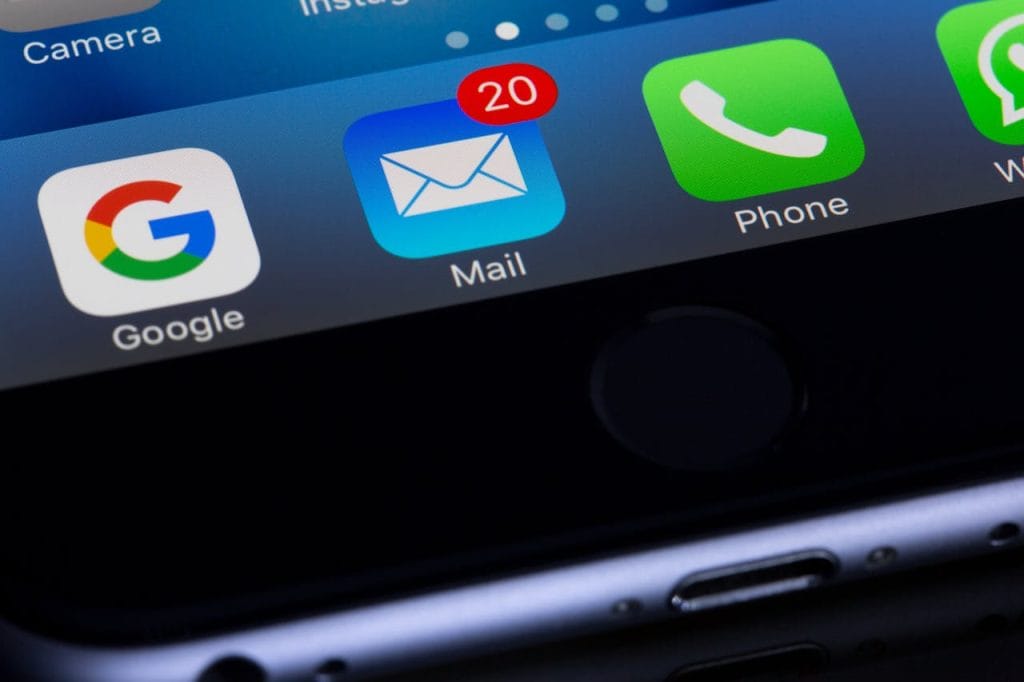
June 17, 2025 by Travis Campbell Leave a Comment

phone

Image Source: pexels.com

Smartphones have become an essential part of our daily lives, but have you ever stopped to consider how much your phone is quietly costing you? Beyond the obvious monthly bill, your device can chip away at your finances in sneaky ways. Many people focus on the upfront price of a new phone or their data plan, but the real financial impact often hides in plain sight. If you’re looking to tighten your budget or simply become more mindful of your spending, it’s time to take a closer look at how your phone habits might be draining your wallet. Understanding these overlooked costs can help you make smarter choices and save more money.

1. In-App Purchases and Microtransactions

It’s easy to lose track of small purchases made within apps, especially games and productivity tools. Many apps are designed to encourage frequent spending, whether it’s for extra lives, premium features, or cosmetic upgrades. These microtransactions can add up quickly, sometimes costing users hundreds of dollars a year without them realizing it. To avoid this, regularly review your app spending and consider setting up purchase restrictions or notifications.

2. Automatic Subscription Renewals

Subscription services are everywhere, from streaming platforms to fitness apps. Many of these services offer free trials that automatically convert into paid subscriptions if you forget to cancel. It’s easy to lose track of what you’ve signed up for, especially if the charges are small and spread out. Take time each month to review your bank statements and app store subscriptions. Cancel anything you’re not actively using. This simple habit can save you a surprising amount of money over time.

3. Excessive Data Usage Fees

Streaming videos, playing online games, and using GPS navigation can quickly eat through your data allowance. You might face hefty overage charges if you exceed your plan’s limit. Even unlimited plans can throttle your speeds or tack on extra fees for certain types of usage. To keep your phone from draining your wallet through data fees, monitor your usage in your phone’s settings and connect to Wi-Fi whenever possible. Some carriers also offer data usage alerts to help you stay on track.

4. Mobile Payment Apps and Impulse Spending

Mobile payment apps like Apple Pay, Google Pay, and Venmo make spending money with just a tap straightforward. While convenient, this frictionless spending can lead to more frequent online and in-store impulse purchases. The ease of mobile payments can make it harder to track your spending and stick to a budget. Set spending limits within your payment apps and regularly review your transaction history to counteract this.

5. Costly Phone Insurance and Extended Warranties

Phone retailers and carriers often push insurance plans and extended warranties, promising peace of mind in case of loss or damage. However, these plans can be expensive and may not offer as much value as you think. Many people pay monthly premiums for years without ever making a claim, and deductibles can be high if you do need to use the coverage. Before signing up, compare the cost of insurance to the price of a potential repair or replacement. Setting aside a small emergency fund for electronics sometimes makes more financial sense.

6. Frequent Upgrades and Trade-Ins

The pressure to always have the latest phone can be a major drain on your wallet. Carriers and manufacturers market frequent upgrades and trade-in deals, but these often come with hidden costs, such as higher monthly payments or early termination fees. Holding onto your current phone for an extra year or two can save you hundreds of dollars. If you do decide to upgrade, research the true value of your trade-in and consider selling your old device independently for a better return.

7. Background Apps and Battery Drain

Many apps run in the background, using data and draining your battery faster than you realize. This can lead to more frequent charging, which over time reduces your battery’s lifespan and may force you to pay for a replacement sooner than expected. Some background apps also use location services, which can increase data usage and costs. To prevent unnecessary expenses, regularly close unused apps, disable background activity for non-essential apps, and adjust your location settings.

Take Control of Your Phone’s Hidden Costs

Your phone is a powerful tool, but shouldn’t quietly sabotage your financial goals. By becoming aware of these overlooked ways your phone is draining your wallet, you can take practical steps to minimize unnecessary spending. Review your app purchases, monitor subscriptions, and consider how convenience features like mobile payments and automatic renewals can add up. Small changes in your phone habits can lead to significant savings over time, helping you keep more of your hard-earned money where it belongs.

Have you noticed any sneaky ways your phone has cost you money? Share your experiences or tips in the comments below!

Read More

How to Date Your Bank

5 Biggest Refinance Concerns

Travis Campbell
Travis Campbell

Travis Campbell is a digital marketer/developer with over 10 years of experience and a writer for over 6 years. He holds a degree in E-commerce and likes to share life advice he’s learned over the years. Travis loves spending time on the golf course or at the gym when he’s not working.

Filed Under: Finance Tagged With: budgeting, digital habits, mobile apps, Personal Finance, saving money, smartphone spending, subscriptions

12 Money-Saving Hacks for Pet Owners

June 17, 2025 by Travis Campbell Leave a Comment

dog pet

Image Source: pexels.com

If you’re a pet owner, you know that the love and companionship your furry (or scaly, or feathery) friend brings is priceless. But let’s be honest—caring for pets can put a real dent in your wallet. The costs add up fast, from food and vet bills to toys and grooming. That’s why finding smart, practical ways to save money as a pet owner isn’t just helpful—it’s essential. Whether you’re a new pet parent or a seasoned pro, these money-saving hacks for pet owners will help you keep your budget in check without sacrificing your pet’s happiness or health. Ready to make your dollars stretch further? Let’s dive in.

1. Buy Pet Food in Bulk

One of the easiest money-saving hacks for pet owners is buying pet food in bulk. Larger bags or cases often cost less per serving than smaller packages. Look for deals at warehouse clubs or online retailers, and always check expiration dates to ensure freshness. Storing dry food in airtight containers keeps it fresh longer and prevents waste. Over time, this simple switch can save you a significant amount on your pet’s most essential need.

2. Make Your Own Pet Treats

Store-bought treats can be expensive and sometimes filled with questionable ingredients. Making your own pet treats at home is cost-effective and lets you control what goes into your pet’s snacks. There are countless easy recipes online for both dogs and cats, using simple ingredients like peanut butter, pumpkin, or chicken. Homemade treats can be healthier and much cheaper than their store-bought counterparts.

3. Schedule Regular Preventive Vet Visits

It might seem counterintuitive, but spending a little on regular checkups can save you a lot in the long run. Preventive care helps catch health issues early, often before they become expensive emergencies. Vaccinations, dental cleanings, and annual exams are all part of keeping your pet healthy and avoiding costly treatments down the road. The American Veterinary Medical Association recommends regular preventive care for all pets.

4. Shop Around for Medications

Pet medications, including flea, tick, and heartworm preventives, can be pricey. Don’t just accept the first price you see. Compare costs at your vet’s office, local pharmacies, and reputable online retailers. Sometimes, your vet can write a prescription that you can fill elsewhere for less. Always ensure you’re buying from a trusted source to keep your pet safe.

5. Groom Your Pet at Home

Professional grooming adds up quickly, especially for breeds that need frequent trims. Learning basic grooming skills—like brushing, bathing, and nail trimming—can save you hundreds each year. There are plenty of tutorials online to help you get started. Invest in a good set of grooming tools, and your pet will look great without the salon price tag.

6. DIY Pet Toys and Enrichment

Pets need stimulation, but you don’t have to spend a fortune on toys. Many household items can be repurposed into fun, safe toys. For example, cardboard boxes, old t-shirts, or tennis balls can become hours of entertainment. Rotating toys and introducing new DIY options keep your pet engaged and prevent boredom, all while saving money.

7. Use Pet Insurance Wisely

Pet insurance can be a lifesaver when unexpected health issues arise, but not all plans are created equal. Shop around, read the fine print, and choose a plan that fits your pet’s needs and your budget. Some plans cover only accidents, while others include wellness visits. Weigh the monthly premium against potential savings on big vet bills.

8. Take Advantage of Loyalty Programs

Many pet stores and online retailers offer loyalty programs that reward you for repeat purchases. These programs can provide discounts, free products, or points toward future purchases. Signing up is usually free and can lead to significant savings over time, especially on items you buy regularly, like food and litter.

9. Spay or Neuter Your Pet

Spaying or neutering your pet isn’t just responsible—it can also save you money. Unplanned litters mean more mouths to feed and additional vet bills. Plus, spayed or neutered pets are less likely to develop certain health problems, which can mean fewer costly medical issues in the future.

10. Share Pet-Sitting with Friends

Boarding your pet or hiring a sitter can be expensive. Instead, consider swapping pet-sitting duties with friends or neighbors. This arrangement saves money and gives you peace of mind knowing your pet is in good hands. It’s also a great way to build community with fellow pet owners.

11. Keep Up with Preventive Dental Care

Dental problems are common in pets and can lead to expensive treatments if ignored. Brushing your pet’s teeth regularly and providing dental chews or toys can help prevent issues. Regular dental care at home is a simple, effective way to avoid big vet bills later.

12. Adopt, Don’t Shop

Adopting a pet from a shelter is often much less expensive than buying from a breeder or pet store. Adoption fees usually include vaccinations, microchipping, and spay/neuter surgery, which can save you hundreds right from the start. Plus, you’re giving a loving animal a second chance at a happy life.

Smart Pet Ownership Means Smart Spending

Being a pet owner is a joyful, rewarding experience, but it doesn’t have to break the bank. By using these money-saving hacks for pet owners, you can provide the best care for your furry friend while keeping your finances healthy. Small changes in your routine can add up to big savings over time, letting you focus on what matters most: enjoying life with your pet.

What’s your favorite money-saving hack for pet owners? Share your tips and stories in the comments below!

Read More

Vacation Without Breaking the Bank

5 Biggest Refinance Concerns

Travis Campbell
Travis Campbell

Travis Campbell is a digital marketer/developer with over 10 years of experience and a writer for over 6 years. He holds a degree in E-commerce and likes to share life advice he’s learned over the years. Travis loves spending time on the golf course or at the gym when he’s not working.

Filed Under: Pets Tagged With: budgeting, DIY pet care, frugal living, Money Saving tips, Pet Care, pet hacks, pet insurance, pet owners

  • « Previous Page
  • 1
  • …
  • 129
  • 130
  • 131
  • 132
  • 133
  • …
  • 198
  • Next Page »

FOLLOW US

Search this site:

Recent Posts

  • Can My Savings Account Affect My Financial Aid? by Tamila McDonald
  • 12 Ways Gen X’s Views Clash with Millennials… by Tamila McDonald
  • What Advantages and Disadvantages Are There To… by Jacob Sensiba
  • Call 911: Go To the Emergency Room Immediately If… by Stephen Kanaval
  • 10 Tactics for Building an Emergency Fund from Scratch by Vanessa Bermudez
  • 7 Weird Things You Can Sell Online by Tamila McDonald
  • 10 Scary Facts About DriveTime by Tamila McDonald

Copyright © 2026 · News Pro Theme on Genesis Framework