• Home
  • About Us
  • Toolkit
  • Getting Finances Done
    • Hiring Advisors
    • Debt Management
    • Spending Plan
  • Insurance
    • Life Insurance
    • Health Insurance
    • Disability Insurance
    • Homeowners/Renters Insurance
  • Contact Us
  • Privacy Policy
  • Risk Tolerance Quiz

The Free Financial Advisor

You are here: Home / Archives for money-saving

7 Store “Deals” Warehouse Shoppers Always Regret

November 9, 2025 by Travis Campbell Leave a Comment

warehouse

Image source: BalkansCat / Shutterstock.com

Millions of customers shop at warehouse clubs because they provide the lowest prices and bulk discount options. But not every item stacked high on those concrete floors is a real win. The initial impression of a smart purchase can sometimes turn out to be more expensive due to waste generation and storage needs, as well as buyer’s remorse. The common error warehouse shoppers make involves thinking that bigger product sizes automatically lead to better value. The following list shows seven store promotions at warehouses that customers often regret purchasing because they waste money on unnecessary items.

1. Giant Produce Packs

Fresh fruits and vegetables seem like safe bets, but bulk produce often spoils before you can finish it. Unless you’re feeding a large family or hosting a party, that 10-pound bag of avocados or massive tub of spinach will likely end up in the trash. Food waste cancels out any savings, especially when you factor in the cost per usable portion. Warehouse shoppers often regret these “deals” once they realize how much produce they toss each week.

To make bulk produce work, plan meals carefully or split purchases with a friend. Otherwise, stick to smaller quantities at your local grocery store, where freshness and flexibility matter more than a few cents saved per pound.

2. Oversized Condiments and Sauces

That gallon of ketchup or industrial-size mayonnaise might look like a smart buy, but condiments have shelf lives, too. Once opened, they lose flavor or separate long before you finish them. Even unopened, they take up precious fridge and pantry space. The math rarely works out when half the container expires before you use it up.

Warehouse shoppers chasing the lowest unit price often overlook the fact that value is lost if the product goes bad. Smaller bottles from regular stores may cost slightly more per ounce, but ensure you’re actually getting what you pay for.

3. Bulk Snacks and Sweets

Warehouse stores are famous for giant bags of chips, cookies, and candy. These seem like an easy way to stock up for less, but they often lead to overeating or staleness. Once the bag is open, freshness fades quickly. Even when sealed, snacks can lose their crunch or flavor if stored for too long. The temptation to eat more just because it’s there also makes these “deals” a health and budget setback.

Many warehouse shoppers regret buying bulk treats when they realize their snack budget vanishes faster than expected. If you want variety, consider buying smaller packs that allow you to rotate flavors and minimize waste.

4. Clothing and Footwear “Deals”

Warehouse stores often feature tables piled high with discounted clothing. The prices look great, but sizing inconsistencies, limited dressing rooms, and questionable quality can make these deals disappointing. Many shoppers grab items impulsively, only to find that they are poor fits or have fabrics that shrink after just one wash.

Even name-brand apparel can be manufactured specifically for warehouse sale channels, meaning it’s not the same quality as what you’d find in a department store. These store “deals” often end up as clutter or donation pile fodder. Before buying, check stitching, try items on if possible, and remember that a low price doesn’t always mean high value.

5. Electronics Bundles

Warehouse shoppers love the idea of getting extra cords, accessories, or software “free” with a new gadget. But electronics bundles can hide inflated prices or outdated components. That printer with a “bonus” ink pack may actually cost more than buying each part separately elsewhere. TVs and laptops might also be older models packaged to move inventory quickly.

Compare specs and prices online before assuming the warehouse price is unbeatable. Use sites like CamelCamelCamel to track historical pricing and confirm whether you’re truly saving money. Often, the warehouse deal isn’t as exclusive as it looks.

6. Cleaning Supplies in Excess

Buying cleaning products in bulk may seem practical, but storage and expiration issues can arise. Liquid cleaners, bleach, and detergents lose effectiveness over time. Giant jugs can also leak or harden before you finish them. Unless you run a cleaning business or have a large household, these mega containers often create more hassle than savings.

For most families, mid-size bottles from regular stores make more sense. They’re easier to handle, store, and replace when needed. Warehouse shoppers frequently regret these store “deals” once they realize how long it takes to use up a gallon of anything.

7. Books and Gift Sets

Stacks of glossy cookbooks, boxed gift sets, and seasonal bundles look tempting, especially around holidays. But they often cost more than similar items online. Many end up collecting dust because the novelty wears off quickly. The packaging adds perceived value, not real savings.

Before you buy, check pricing on a site like BookFinder. You may find that the same title or gift set costs less elsewhere. Warehouse shoppers often regret these impulse store “deals” once they realize they paid extra for presentation.

Smarter Shopping in the Aisles

You can save money at warehouse clubs by following certain shopping strategies. Choose items that you use frequently and store them properly, and have enough time to use them before their expiration dates. The most common store “deals” warehouse shoppers always regret involve perishables, oversized goods, or flashy bundles that sound better than they are.

Observe the real usage patterns of your home. A good deal only matters if it fits your lifestyle and your storage space. What was the worst warehouse purchase you have ever made?

What to Read Next…

  • 7 Tactics Grocery Stores Use to Keep You from Thinking About Price
  • Are These 8 Money Saving Tricks Actually Keeping You Broke
  • 10 Smart Purchases That Are Slowly Making You Broke
  • 7 Hidden Fees That Aren’t Labeled as Fees at All
  • Are Automatic Renewals Draining More Than You Realize
Travis Campbell
Travis Campbell

Travis Campbell is a digital marketer/developer with over 10 years of experience and a writer for over 6 years. He holds a degree in E-commerce and likes to share life advice he’s learned over the years. Travis loves spending time on the golf course or at the gym when he’s not working.

Filed Under: Smart Shopping Tagged With: budget tips, consumer advice, money-saving, store deals, warehouse shopping

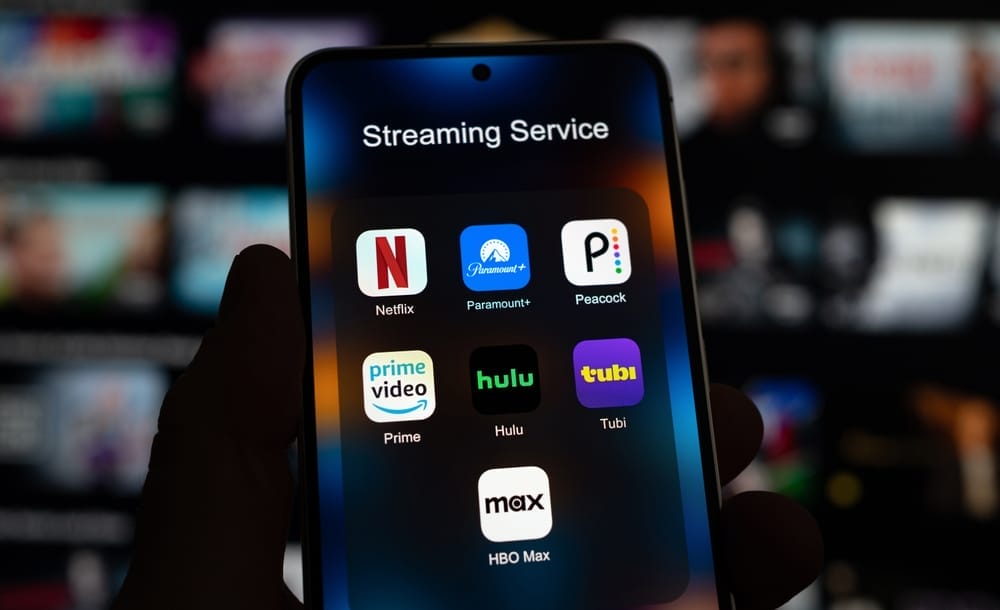
7 Simple Hacks to Stop Wasting Money on Subscription Services

October 9, 2025 by Travis Campbell Leave a Comment

streaming service

Image source: shutterstock.com

Subscription services are everywhere. From streaming platforms to meal kits and fitness apps, it’s easy to sign up and forget about them. These small monthly charges may not seem significant, but they add up quickly. Many people pay for subscriptions they rarely use or have even forgotten exist. Managing your subscription services can help you reclaim a surprising amount of money each month. If you’re ready to stop wasting money on subscription services, these practical hacks will help you take back control of your finances.

1. Make a List of All Your Subscriptions

The first step to stop wasting money on subscription services is to identify what you’re paying for. Go through your bank and credit card statements for the past three months. Write down every recurring charge you see. Don’t rely on memory—many subscriptions fly under the radar because they’re set to auto-renew. This list will show you exactly where your money is going and help you spot services you no longer use.

2. Cancel What You Don’t Use

Now that you have a complete list, it’s time to cancel any subscription services you’re not using. Be honest with yourself. If you haven’t logged into that streaming service in months or you’re not using the meal kit deliveries, it’s probably time to let them go. Many companies make it easy to cancel online, but some may require a phone call or email. Set aside an hour to take care of cancellations all at once. You’ll immediately stop wasting money on subscription services you don’t need.

3. Set Reminders for Free Trials

Free trials can be tempting, but they often turn into paid subscriptions if you forget to cancel. To avoid this trap, set a calendar reminder for a few days before the trial ends. Use your phone, email, or a paper planner—whatever works best for you. This simple habit ensures you have time to decide if the service is worth keeping or if you should cancel before being charged. It’s a quick way to stop wasting money on subscription services you never intended to keep.

4. Use Subscription Tracking Apps

Managing multiple subscriptions can get overwhelming. Fortunately, there are apps designed to help you track and manage recurring expenses. Apps like Rocket Money and Truebill allow you to see all your subscription services in one place. Some even offer cancellation features with a single tap. Using a tracking app can help you spot forgotten subscriptions, compare prices, and make smarter decisions about what to keep. This is a powerful tool for anyone looking to stop wasting money on subscription services.

5. Share or Split Subscriptions

Many subscription services, especially streaming platforms, allow account sharing within households. If you have family or roommates, consider splitting the cost of these services with them. Some plans even allow for multiple streams or profiles. Not only does this make each subscription more affordable, but it also ensures you’re getting the most value from what you pay for. Just make sure to check the service’s sharing policies to stay within the rules.

6. Pay Annually Instead of Monthly

If you decide a subscription service is truly worth it, see if there’s a discount for paying annually. Many companies offer one or two months free if you commit to a year upfront. This approach not only saves money but also forces you to think carefully about whether you’ll use the service long-term. If you’re unsure, set a reminder to review the subscription before it renews. This way, you avoid surprise charges and further stop wasting money on subscription services you might not need in the future.

7. Reevaluate Regularly

Your needs change over time, so it’s important to review your subscriptions every few months. Schedule a quarterly “subscription audit” and go through your list. Ask yourself if you’re still using each service and if it’s worth the cost. Don’t be afraid to cancel and resubscribe later if your interests change. Regular reviews help you catch any new charges and keep your spending in check. This habit is crucial if you want to stop wasting money on subscription services for good.

Take Charge of Your Subscriptions Today

Paying attention to your subscription services can make a big difference in your monthly budget. By tracking what you pay for, canceling what you don’t use, and reviewing your needs regularly, you can stop wasting money on subscription services and put those savings toward more important goals. Small changes add up over time and even cutting a few unused subscriptions can free up cash for things that truly matter.

How do you keep track of your subscription services? Have you found any clever ways to stop wasting money? Share your tips in the comments below!

What to Read Next…

  • 8 Everyday Services That Are Slowly Becoming Subscription Only
  • Are Automatic Renewals Draining More Than You Realize?
  • 8 Subscription Models That Quietly Strip Funds Monthly
  • 6 Monthly Bills You Should Cancel Immediately Even If You Can Afford Them
  • Is Your Internet Provider Charging You For Services You Don’t Use?
Travis Campbell
Travis Campbell

Travis Campbell is a digital marketer/developer with over 10 years of experience and a writer for over 6 years. He holds a degree in E-commerce and likes to share life advice he’s learned over the years. Travis loves spending time on the golf course or at the gym when he’s not working.

Filed Under: Frugal Living Tagged With: budgeting, money-saving, Personal Finance, recurring expenses, subscriptions

7 Outrageous Costs Hidden in Everyday Bills

September 19, 2025 by Travis Campbell Leave a Comment

credit cards

Image source: pexels.com

Ever feel like your wallet is leaking money, but you can’t pinpoint where it’s going? You’re not alone. Everyday bills often hide outrageous costs that add up fast, draining your budget before you realize it. These sneaky charges can be buried in the fine print or disguised as “convenience” fees. Understanding what’s really on your monthly statements is the first step to taking control. Let’s pull back the curtain on the hidden costs in everyday bills and help you keep more of your hard-earned cash.

1. Sneaky Service Fees on Utility Bills

Utility bills are infamous for hiding extra charges. Beyond your actual energy or water usage, you might spot “service fees,” “delivery charges,” or “maintenance fees.” These costs can add $5–$25 or more to your bill each month. Often, they’re not explained with any real detail. Sometimes, you’re paying for infrastructure improvements or administrative costs that don’t directly benefit you.

It pays to review your utility bills line by line. If you see a fee you don’t understand, call your provider and ask for clarification. Sometimes, you can negotiate or switch to a different rate plan to minimize these hidden costs in everyday bills.

2. Automatic Renewals and Subscription Creep

Subscriptions are everywhere—streaming, software, fitness, even meal kits. The real kicker? Automatic renewals. Many companies bank on you forgetting to cancel before the renewal date. You might also face a price hike after the “introductory” period ends, which can double your costs overnight.

To avoid these outrageous costs hidden in everyday bills, set calendar alerts for renewal dates. Review your bank statements every month for recurring charges. Cancel anything you’re not using. A few forgotten subscriptions can add up to hundreds of dollars a year.

3. Credit Card Payment Processing Fees

Some companies tack on extra fees if you pay your bill with a credit card. While this used to be rare, it’s increasingly common with utilities, rent payments, and even some government services. These fees often range from 2–4% of your total payment. Over time, this can mean a significant portion of your budget is spent on nothing more than the privilege of paying with plastic.

Check the payment options for each bill. If you’re being charged a processing fee, consider paying by bank transfer or check instead. You’ll avoid one of the most unnecessary hidden costs in everyday bills.

4. Data Overage and “Convenience” Fees on Cell Phone Bills

Cell phone providers love to advertise low base rates, but the real costs are often buried. Data overage charges can be steep if you exceed your plan’s limits. Add-on “convenience” fees—like one-time payment charges or paper statement fees—can sneak onto your bill as well.

Review your usage habits and adjust your plan if you’re consistently going over. Sign up for autopay and paperless billing, which can sometimes waive certain fees. Always read your statement carefully to catch new or increased charges.

5. Insurance Policy Add-Ons and Surcharges

Insurance bills—whether for auto, home, or health—are loaded with add-ons. Roadside assistance, rental car coverage, and “accident forgiveness” sound nice, but do you really need them? Many policies also include surcharges for things like paying in installments or not enrolling in autopay.

Ask your agent for a breakdown of all charges. Remove anything you don’t use or need. By streamlining your coverage, you’ll reduce the hidden costs in everyday bills and keep your insurance affordable.

6. Bank Account Maintenance Fees

Checking and savings accounts can come with monthly maintenance fees, ATM usage charges, or penalties for dipping below a minimum balance. These charges can quickly eat into your savings if you’re not careful. Some banks even charge for paper statements or excess withdrawals.

Look for no-fee accounts or meet the requirements to have fees waived. Many online banks offer free checking and savings options.

7. Cable and Internet Equipment Rental Fees

If you’re still renting your modem or cable box from your provider, you’re paying a monthly fee—sometimes as much as $15 per device. Over a few years, these fees can cost more than just buying the equipment outright. Providers rarely advertise this option, preferring to collect steady rental income from unsuspecting customers.

Consider purchasing your own modem or router. It’s usually a one-time cost and can pay for itself in less than a year. Review your bill for equipment charges and call your provider to ask about alternatives.

How to Fight Back Against Hidden Costs in Everyday Bills

Spotting outrageous costs hidden in everyday bills takes a bit of effort, but the payoff is worth it. Start by reading every bill closely and questioning unfamiliar charges. Sometimes, a quick phone call can lead to a waived fee or a better rate. Automate reminders to review subscriptions and look for ways to bundle or negotiate services.

There are also tools that help you track down sneaky fees and negotiate bills on your behalf. Services like Rocket Money can help identify recurring charges and even cancel unwanted subscriptions for you. The key is to stay vigilant and proactive. The more you know about the hidden costs in everyday bills, the better you can protect your budget and financial goals.

What hidden costs have you found lurking in your bills? Share your experiences or tips in the comments below!

What to Read Next…

  • 7 Hidden Fees That Aren’t Labeled As Fees At All
  • Are These 7 Little Expenses Quietly Costing You Thousands A Year?
  • 6 Monthly Bills You Should Cancel Immediately Even If You Can Afford Them
  • 8 Everyday Services That Are Slowly Becoming Subscription Only
  • Is Your Internet Provider Charging You For Services You Don’t Use?
Travis Campbell
Travis Campbell

Travis Campbell is a digital marketer/developer with over 10 years of experience and a writer for over 6 years. He holds a degree in E-commerce and likes to share life advice he’s learned over the years. Travis loves spending time on the golf course or at the gym when he’s not working.

Filed Under: Spending Habits Tagged With: budgeting, hidden costs, money-saving, monthly bills, Personal Finance

Are These 8 Money-Saving Tricks Actually Keeping You Broke?

July 28, 2025 by Travis Campbell Leave a Comment

broke

Image Source: pexels.com

Saving money is a good thing. But not every money-saving trick works the way you think. Some habits that look smart on the surface can actually keep you stuck in a cycle of being broke. You might feel like you’re doing everything right, but your bank account tells a different story. Why does this happen? It’s because some money-saving tricks are more about feeling good in the moment than building real financial security. If you want to stop spinning your wheels, it’s time to look at which habits might be holding you back. Here are eight money-saving tricks that could be keeping you broke—and what to do instead.

1. Chasing Every Sale

Sales can be tempting. You see a big discount and think you’re saving money. But if you buy things, you don’t need just because they’re on sale, you’re not saving—you’re spending. This habit can drain your wallet fast. Instead, make a list before you shop and stick to it. Ask yourself if you’d buy the item at full price. If not, skip it. Remember, a deal isn’t a deal if you didn’t need it in the first place.

2. Buying Cheap Instead of Buying Quality

It’s easy to grab the cheapest option to save a few bucks. But cheap items often break or wear out quickly. You end up replacing them more frequently, which ultimately costs more. For items you use frequently—such as shoes, kitchen tools, or electronics—paying a bit more for quality can save you money over time. Think about cost per use, not just the price tag.

3. Skipping Preventive Care

Some people skip doctor or dentist visits to save money. But ignoring health can lead to bigger, more expensive problems later. The same goes for car maintenance or home repairs. Small issues grow into big bills if you don’t handle them early. Regular checkups and maintenance might cost a little now, but they help you avoid huge expenses down the road.

4. Extreme Couponing

Clipping coupons can help, but it’s easy to go overboard. If you spend hours hunting for deals on things you don’t need, you’re wasting time and money. Some people even buy extra stuff just to use a coupon. Focus on coupons for things you already buy. Don’t let the hunt for savings take over your life. Your time is valuable, too.

5. Avoiding All Fun

Cutting out every treat or fun activity might seem like a good way to save. But it can backfire. If you never allow yourself small pleasures, you might end up splurging later out of frustration. Balance is key. Set aside a little money for things you enjoy. This helps you stick to your budget without feeling deprived.

6. DIY Everything

Doing things yourself can save money, but not always. If you don’t have the skills or tools, you might make mistakes that cost more to fix. Sometimes, hiring a pro is cheaper in the long run. For example, a botched plumbing job can lead to expensive water damage. Know your limits. Save DIY for tasks you can handle safely and well.

7. Only Focusing on Small Expenses

Cutting out lattes and snacks can help, but it won’t fix bigger money problems. If you ignore big expenses—like rent, insurance, or car payments—you’re missing the real savings. Look at your largest bills first. Can you refinance, negotiate, or downsize? Big changes make a bigger impact.

8. Hoarding Instead of Using

Some people stock up on supplies to save money, but then never use them. Food goes bad, products expire, and money is wasted. If you buy in bulk, make sure you actually use what you buy. Track what you have and plan meals or projects around it. Don’t let your pantry or closet turn into a money graveyard.

Rethink Your Money-Saving Tricks for Real Results

Money-saving tricks are everywhere, but not all of them help you get ahead. Some habits feel smart but actually keep you broke. The key is to be honest about what works and what doesn’t. Focus on quality over quantity, balance fun with savings, and pay attention to the big picture. Real financial progress comes from making thoughtful choices, not just following every tip you see online. If you want to stop feeling broke, start by questioning the money-saving tricks you use every day.

Have you tried any of these money-saving tricks? Did they help or hurt your finances? Share your story in the comments.

Read More

8 Unexpected Joys of Downsizing Your Home (Besides Saving Cash)

12 Money-Saving Hacks for Pet Owners

Travis Campbell
Travis Campbell

Travis Campbell is a digital marketer/developer with over 10 years of experience and a writer for over 6 years. He holds a degree in E-commerce and likes to share life advice he’s learned over the years. Travis loves spending time on the golf course or at the gym when he’s not working.

Filed Under: Budgeting Tagged With: broke, budgeting, financial advice, financial habits, frugality, money-saving, Personal Finance, saving money, spending

Tiny Kitchen Items That Add Hundreds to Your Electric Bill

July 11, 2025 by Travis Campbell Leave a Comment

kitchen

Image Source: pexels.com

Small kitchen gadgets make life easier. But some of these tiny helpers can quietly drive up your electric bill. You might not notice the impact at first. Over time, though, the costs add up. Many people focus on big appliances like fridges or ovens. But it’s the little things—used every day—that can really hurt your wallet. Here’s why you should pay attention to the small stuff in your kitchen.

1. Toaster Ovens

Toaster ovens seem harmless. They’re small, quick, and easy to use. But they use a lot of electricity for their size. Running a toaster oven for 15 minutes a day can add up to over 100 kilowatt-hours a year. That’s about $15 to $20, depending on your rates. If you use it more often, the cost climbs. Many people leave them plugged in all the time, which means they draw “phantom” power even when off. Unplugging when not in use helps. If you’re reheating leftovers, try the microwave instead. It’s usually more efficient for small portions.

2. Coffee Makers

Coffee makers are a morning staple. But they use more power than you think. Single-serve machines, in particular, heat water quickly and keep it hot. That means they’re always drawing power, even when you’re not brewing. Traditional drip machines with hot plates also use energy to keep coffee warm. If you leave the machine on for hours, you’re wasting electricity. Consider brewing only what you need. Turn off the hot plate or warming feature. If you want to save even more, use a French press or pour-over method. These don’t use any electricity at all.

3. Electric Kettles

Electric kettles are fast and convenient. But they can be energy hogs, especially if you boil more water than you need. Heating water takes a lot of power. If you fill the kettle to the top every time, you’re wasting energy. Only boil what you plan to use. Some kettles have a “keep warm” feature. This keeps water hot for hours, using even more electricity. Turn off this feature and unplug the kettle when you’re done. Over a year, these small changes can save you real money.

4. Plug-In Slow Cookers

Slow cookers are known for saving time and effort. But they use steady power for hours at a time. A typical slow cooker uses about 200 watts per hour. If you run it for eight hours, that’s 1.6 kilowatt-hours per meal. Do that a few times a week, and the cost adds up. Some people leave slow cookers plugged in all the time, which can draw standby power. Unplug when not in use. If you’re cooking small meals, consider using a pressure cooker or stovetop instead. These can be more efficient for quick cooking.

5. Countertop Ice Makers

Countertop ice makers are a luxury for some, a necessity for others. But they use a surprising amount of electricity. These machines run almost constantly to keep ice frozen and ready. Over a year, a countertop ice maker can use up to 350 kilowatt-hours. That’s about $50 or more, depending on your rates. If you don’t need ice all the time, turn the machine off when not in use. Use ice trays in your freezer for occasional needs.

6. Mini Fridges

Mini fridges are common in dorms, offices, and even kitchens. They seem efficient because they’re small. But many models are less efficient than full-size fridges. Older or cheaper mini fridges can use as much energy as a regular refrigerator. If you have more than one fridge running, your electric bill will reflect it. Consider whether you really need a mini fridge. If you do, look for an Energy Star model. Clean the coils and keep them full for best efficiency.

7. Electric Griddles

Electric griddles are great for pancakes and grilled cheese. But they use a lot of power, up to 1,500 watts when running. If you use one several times a week, the cost adds up. Many people leave them plugged in, which can draw standby power. Unplug after use. For small meals, use a stovetop pan instead. It’s often more efficient, especially if you have a gas stove.

8. Standby Chargers and Power Strips

Many kitchen gadgets use chargers or plug into power strips. Even when not in use, these can draw “phantom” or standby power. This is called “vampire energy.” Over a year, it can add up to $100 or more to your bill, depending on how many devices you have plugged in. Use smart power strips that cut off power when devices aren’t in use. Unplug chargers when you’re done.

9. Blenders and Food Processors

Blenders and food processors don’t run for long, but they use a lot of power when they do. High-powered models can draw up to 1,200 watts. If you use them daily, the energy use adds up. Clean and maintain your appliances so they run efficiently. Only blend what you need. If you’re making a smoothie, try using a smaller, personal blender.

10. Rice Cookers

Rice cookers are handy, but many have a “keep warm” feature that runs for hours. This uses more electricity than you might expect. If you leave rice warming all day, you’re paying for it. Turn off the cooker when your rice is done. Unplug it to avoid standby power use. For small portions, consider cooking rice on the stove.

Small Changes, Big Savings

Tiny kitchen items can have a big impact on your electric bill. It’s easy to overlook them, but the costs add up over time. Unplug devices when not in use. Use only what you need. Look for energy-efficient models when buying new gadgets. These small steps can save you hundreds each year. Paying attention to the little things in your kitchen can make a real difference in your budget.

What small kitchen gadgets have surprised you with their energy use? Share your stories or tips in the comments.

Read More

Stop Reading About Last Year’s Top Ten Mutual Funds

5 Biggest Refinance Concerns

Travis Campbell
Travis Campbell

Travis Campbell is a digital marketer/developer with over 10 years of experience and a writer for over 6 years. He holds a degree in E-commerce and likes to share life advice he’s learned over the years. Travis loves spending time on the golf course or at the gym when he’s not working.

Filed Under: Home Improvement Tagged With: electric bill, energy savings, home efficiency, household costs, kitchen appliances, kitchen tips, money-saving

12 Tax Deductions You’re Probably Missing (And Leaving Money on the Table)

June 18, 2025 by Travis Campbell Leave a Comment

tax tips

Image Source: pexels.com

Tax season can feel overwhelming, but it’s also a golden opportunity to keep more of your hard-earned money. Every year, millions of Americans miss out on valuable tax deductions simply because they don’t know they exist or assume they don’t qualify. These overlooked tax deductions can add up to hundreds or even thousands of dollars left on the table. It pays to dig a little deeper if you’re looking to maximize your refund or reduce your tax bill. Understanding which tax deductions apply to your situation can make a real difference in your financial health. Let’s break down 12 tax deductions you might be missing—and how to claim them.

1. State Sales Tax Deduction

If you live in a state without income tax, or if your sales tax payments exceed your state income tax, you can deduct state and local sales taxes instead. This deduction is especially valuable for big-ticket purchases like cars or home renovations. The IRS even provides a calculator to help you estimate your deduction. Don’t forget to keep your receipts for major purchases to maximize this tax deduction.

2. Student Loan Interest

Even if you’re not the one making payments, you may be able to deduct up to $2,500 in student loan interest each year. Parents who co-signed loans and are making payments can also qualify. This tax deduction is available even if you don’t itemize, making it one of the most accessible ways to reduce your taxable income.

3. Out-of-Pocket Charitable Contributions

Most people remember to deduct large charitable donations, but small out-of-pocket expenses for charity work often go unclaimed. Did you buy supplies for a school fundraiser or drive your car for a nonprofit? You can deduct mileage and unreimbursed expenses. Just be sure to keep detailed records and receipts for every contribution.

4. Medical Miles

You can deduct 21 cents per mile (for 2024) driven for medical purposes, such as trips to the doctor, pharmacy, or hospital. This tax deduction is often overlooked, but it can add up quickly if you or your family have frequent medical appointments. Track your mileage throughout the year to make claiming this deduction easy.

5. Job Search Expenses

Certain job search expenses may be deductible if you’re looking for a new job in your current field. This includes resume printing, interview travel, and even employment agency fees. While the Tax Cuts and Jobs Act suspended some miscellaneous deductions, it’s worth checking if you qualify, especially if you’re self-employed.

6. Educator Expenses

Teachers and eligible educators can deduct up to $300 for classroom supplies they purchase out of pocket. This tax deduction is available even if you don’t itemize. If both spouses are educators and file jointly, the deduction doubles. Save your receipts for everything from books to art supplies.

7. Home Office Deduction

You may qualify for the home office deduction if you’re self-employed or run a side hustle from home. The space must be used regularly and exclusively for business. You can choose between the simplified method (a flat rate per square foot) or actual expenses. This deduction can cover a portion of your rent, utilities, and even internet costs.

8. Retirement Savings Contributions Credit

Also known as the Saver’s Credit, this tax deduction rewards low- and moderate-income taxpayers for contributing to retirement accounts like IRAs or 401(k)s. Depending on your income, you could get a credit worth up to $1,000 or $2,000 for married couples. This directly reduces your tax bill, not just your taxable income.

9. Self-Employed Health Insurance Premiums

If you’re self-employed, you can deduct 100% of your health insurance premiums for yourself, your spouse, and dependents. This tax deduction applies even if you don’t itemize and can significantly lower your taxable income. Don’t forget to include dental and long-term care premiums if you qualify.

10. Mortgage Points

You may have paid points to lower your mortgage interest rate if you bought a home or refinanced. These points are deductible, either all at once or over the life of the loan, depending on your situation. Many homeowners overlook this tax deduction, so review your closing documents carefully.

11. State Income Tax Paid Last Year

Did you owe state income tax when you filed last year’s return? You can deduct that payment on this year’s federal return. This is a commonly missed tax deduction, especially for those who make estimated payments or pay late.

12. Energy-Efficient Home Improvements

Upgrading your home with energy-efficient windows, doors, or appliances can qualify you for valuable tax credits and deductions. The IRS offers credits for certain improvements, which can directly reduce your tax bill.

Make Every Tax Deduction Count

Missing out on tax deductions means giving away money you could keep or invest. By staying informed and organized, you can take advantage of every tax deduction you’re entitled to. Review your expenses, keep good records, and don’t hesitate to consult a tax professional if you’re unsure. Every dollar you save on taxes is a dollar you can use to build your financial future.

Have you ever found a tax deduction you didn’t know about? Share your story or tips in the comments below!

Read More

Tax Season is Here

Stop Reading About Last Year’s Top Ten Mutual Funds

Travis Campbell
Travis Campbell

Travis Campbell is a digital marketer/developer with over 10 years of experience and a writer for over 6 years. He holds a degree in E-commerce and likes to share life advice he’s learned over the years. Travis loves spending time on the golf course or at the gym when he’s not working.

Filed Under: tax tips Tagged With: IRS, money-saving, Personal Finance, Planning, Tax Deductions, tax refund, tax season, tax tips

10 Refund Hacks Retailers Don’t Want You to Know

May 14, 2025 by Travis Campbell Leave a Comment

Woman standing with new pair of high heels, shopping bags

Image Source: 123rf.com

Have you ever left a store feeling like you didn’t get the refund you deserved? You’re not alone. Retailers have a knack for confusing the refund process, hoping you’ll give up before getting your money back. But what if you could turn the tables and make the system work for you? Knowing the right refund hacks can save you hundreds of dollars a year, whether you’re shopping online or in-store. In this article, we’ll reveal ten refund hacks retailers don’t want you to know—so you can shop smarter, keep more cash in your pocket, and never feel powerless at the returns counter again.

If you’ve ever wondered how some shoppers seem to get their money back easily, you’re about to join their ranks. These refund hacks are practical, legal, and surprisingly simple to use. Ready to become a refund pro? Let’s dive in!

1. Know Your Rights—And Use Them

Most shoppers don’t realize that consumer protection laws often work in their favor. In the U.S., the Federal Trade Commission (FTC) requires retailers to honor their stated return policies, and some states have even stricter rules. For example, California mandates that stores post their return policy clearly, or else they must accept returns within 30 days. Before you shop, check the store’s policy and your state’s laws. If a retailer tries to deny your refund, politely mention your rights and reference the FTC’s guidelines.

2. Keep Your Receipts—Digitally

Paper receipts are easy to lose, but digital copies are forever. Snap a photo of your receipt or use apps like Expensify or Evernote to store them. Many stores will accept a clear photo as proof of purchase, especially if the original fades or gets lost. This simple habit can make the refund process much smoother and faster.

3. Leverage Credit Card Protections

Did you know your credit card might have your back if a retailer refuses a refund? Many cards offer purchase protection or chargeback options. If you can’t resolve a dispute with the store, contact your card issuer and ask about filing a chargeback. This can be especially helpful for online purchases or if you receive damaged goods. Check your card’s benefits guide or visit NerdWallet’s guide to credit card protections for more details.

4. Use Price Adjustment Policies

Some retailers will refund the difference if an item you bought goes on sale shortly after your purchase. This is called a price adjustment, and it’s one of the best refund hacks out there. Keep an eye on prices for a week or two after you buy, and if you spot a lower price, ask for a refund of the difference. Stores like Target and Nordstrom are known for generous price adjustment policies.

5. Don’t Open It—If You’re Unsure

Retailers are much more likely to give a full refund for unopened items. If you’re on the fence about a purchase, keep it sealed until you’re sure. This applies to electronics, beauty products, and even clothing. Unopened packages are easier for stores to resell, so they’re less likely to give you a hard time.

6. Be Polite, But Persistent

Kindness goes a long way, but so does persistence. If your first refund request is denied, don’t give up. Ask to speak with a manager or try contacting customer service online. Document your interactions and stay calm. A polite but firm approach will often get you the refund you deserve.

7. Use Social Media as Leverage

Retailers care about their public image. A polite tweet or Facebook post can work wonders if you’re getting nowhere with customer service. Companies often have dedicated teams monitoring social media and may resolve your issue quickly to avoid bad publicity. Just be sure to keep your message factual and respectful.

8. Take Advantage of Extended Holiday Return Windows

Many retailers extend their return windows during the holidays, sometimes up to 90 days. Check if the store offers an extended return period if you’re buying gifts or making big purchases. This gives you more time to decide if you want to keep the item or get a refund.

9. Don’t Forget About Online Returns

Online shopping comes with its own set of refund hacks. Many retailers offer free return shipping or allow you to return online purchases in-store. Always read the online return policy before buying, and save all packaging until you’re sure you’ll keep the item. Some stores even offer instant refunds once your return is scanned at a drop-off location.

10. Ask for Store Credit If Cash Isn’t an Option

If a retailer won’t give you a cash refund, ask for store credit or a gift card. This is especially useful for items without a receipt or for final sale merchandise. While it’s not as good as cash, store credit is better than being stuck with something you don’t want.

Mastering the Refund Game: Your Secret Weapon

Getting a refund doesn’t have to be a battle. By using these refund hacks, you can turn the refund process into a tool that works for you, not against you. Remember, knowledge is power. The more you know about your rights, store policies, and credit card protections, the more confident you’ll feel when it’s time to return an item. Next time you’re at the returns counter, you’ll be armed with strategies retailers hope you never discover.

Have you ever used a refund hack to get your money back? Share your story or tips in the comments below!

Read More

7 Stores That Are Charging You for Things That Used to Be Free

5 Gas Station Scams That Could Cost You More Than Just a Full Tank

Travis Campbell
Travis Campbell

Travis Campbell is a digital marketer/developer with over 10 years of experience and a writer for over 6 years. He holds a degree in E-commerce and likes to share life advice he’s learned over the years. Travis loves spending time on the golf course or at the gym when he’s not working.

Filed Under: Smart Spending Tagged With: consumer rights, credit card protection, money-saving, Online shopping, price adjustment, refund hacks, retail tips, returns, shopping advice, store credit

FOLLOW US

Search this site:

Recent Posts

  • Can My Savings Account Affect My Financial Aid? by Tamila McDonald
  • 12 Ways Gen X’s Views Clash with Millennials… by Tamila McDonald
  • What Advantages and Disadvantages Are There To… by Jacob Sensiba
  • Call 911: Go To the Emergency Room Immediately If… by Stephen Kanaval
  • 10 Tactics for Building an Emergency Fund from Scratch by Vanessa Bermudez
  • 7 Weird Things You Can Sell Online by Tamila McDonald
  • 10 Scary Facts About DriveTime by Tamila McDonald

Copyright © 2026 · News Pro Theme on Genesis Framework