• Home
  • About Us
  • Toolkit
  • Getting Finances Done
    • Hiring Advisors
    • Debt Management
    • Spending Plan
  • Insurance
    • Life Insurance
    • Health Insurance
    • Disability Insurance
    • Homeowners/Renters Insurance
  • Contact Us
  • Privacy Policy
  • Risk Tolerance Quiz

The Free Financial Advisor

You are here: Home / Archives for pet insurance

8 Financial Risks Hidden in Pet Ownership

October 1, 2025 by Travis Campbell Leave a Comment

dogs

Image source: pexels.com

Pet ownership can bring joy, companionship, and a sense of purpose to our lives. Yet, many new pet owners don’t realize the financial risks that come with those wagging tails and playful purrs. While the emotional benefits are real, it’s important to look at the hidden costs before welcoming a furry friend into your home. Understanding these financial risks can help you make better decisions and avoid unexpected bills that strain your budget. If you’re thinking of adopting or buying a pet, or even if you already have one, knowing what to expect can save you stress and money down the road. Let’s take a closer look at the financial risks hidden in pet ownership so you can plan ahead and protect your wallet.

1. Unexpected Veterinary Bills

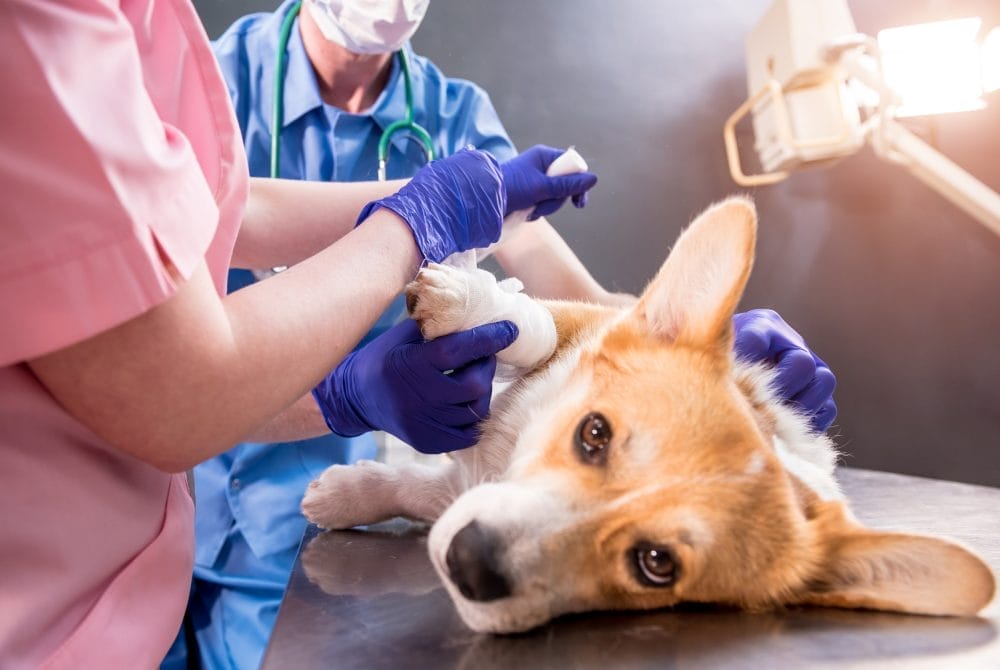
One of the biggest financial risks hidden in pet ownership is the cost of veterinary care. Even if your pet is healthy, accidents and illnesses can happen at any time. A single emergency vet visit can cost hundreds or even thousands of dollars. Routine care like vaccinations, check-ups, and dental cleanings adds up over time as well. Some pet owners are surprised by how quickly these expenses mount, especially if their pet develops a chronic condition that requires ongoing treatment.

Pet insurance can help offset some of these costs, but policies vary in coverage and may not include everything. It’s wise to set aside an emergency fund specifically for your pet’s medical needs to avoid dipping into your savings or going into debt.

2. Pet Insurance Limitations

While pet insurance can provide peace of mind, it’s not a cure-all for financial risks hidden in pet ownership. Many policies have exclusions for pre-existing conditions, breed-specific issues, or certain types of treatments. You may also face annual or lifetime coverage caps. Premiums can increase as your pet ages, and you’ll usually need to pay out of pocket before being reimbursed.

Before buying a policy, read the fine print carefully. Make sure you understand what is—and isn’t—covered so you aren’t caught off guard by denied claims or unexpected expenses.

3. Damage to Property

Puppies chew. Kittens scratch. Even well-trained pets can damage furniture, floors, carpets, or personal belongings. These repairs or replacements aren’t cheap. Landlords may require a pet deposit or charge higher rent, and some may withhold deposits if your pet causes damage.

Pet-proofing your home can minimize risk, but it’s impossible to prevent every accident. Factor in the potential for property damage when considering the true cost of pet ownership.

4. Travel and Boarding Costs

Having a pet can complicate your travel plans. Boarding facilities, pet sitters, or doggy daycares can be expensive, especially during holidays or peak seasons. Some pets require special care, which can drive costs even higher.

If you plan to travel with your pet, airlines and hotels often charge extra fees. You’ll also need to budget for carriers, health certificates, and any travel-related supplies. These expenses can sneak up on you if you travel frequently or need last-minute arrangements.

5. Specialized Diets and Medications

Not all pets thrive on standard food. Some need prescription diets or specialty foods, which can be significantly more expensive. Pets with allergies or chronic conditions may require ongoing medications or supplements. These recurring costs can add hundreds of dollars to your annual pet budget.

Even if your pet is healthy now, their needs may change as they age. Be prepared for the possibility of higher costs down the line.

6. Grooming and Maintenance

Some pets need regular grooming to stay healthy and comfortable. Professional grooming for dogs or cats with long coats, or certain breeds, can cost $50 to $100 per session or more. Nail trims, ear cleaning, and flea treatments add to the bill.

While you can do some grooming at home, you may still need to invest in tools and supplies. Skipping grooming isn’t an option for many pets, as it can lead to health problems and even higher vet bills.

7. Pet-Related Liability

Pet ownership comes with legal and financial risks, especially if your pet causes injury to another person or animal. Dog bites, for example, can result in lawsuits, medical bills, or higher homeowner’s insurance premiums. Certain breeds may not be covered by your policy at all, or you may be required to carry additional liability coverage.

It’s essential to consult with your insurance provider and familiarize yourself with your local laws regarding pet liability. Taking steps to train and socialize your pet properly can reduce risk, but not eliminate it entirely.

8. End-of-Life Expenses

Saying goodbye to a beloved pet is never easy, and the financial risks hidden in pet ownership don’t end there. Euthanasia, cremation, or burial services can cost several hundred dollars. Many owners also choose to memorialize their pets with urns, keepsakes, or commemorative services, which add to the expense.

Planning ahead for these costs can ease the burden during an emotional time. Consider including end-of-life care in your pet emergency fund.

Smart Strategies for Managing Pet Ownership Costs

Understanding the financial risks hidden in pet ownership is the first step toward responsible pet parenting. By planning ahead and being realistic about potential expenses, you can protect both your pet’s well-being and your financial health. Build a dedicated pet emergency fund, research insurance options thoroughly, and consult with your veterinarian about lower-cost care or preventive strategies.

What hidden costs or financial surprises have you experienced as a pet owner? Share your story in the comments below!

What to Read Next…

  • 5 Emergency Repairs That Could Force You Into Debt Overnight
  • 7 Ways Your Neighbor Could Be Spying On You Without Breaking The Law
  • 8 Things You’re Doing That Make Criminals Think You’re An Easy Target
  • 10 Items That Could Void Your Homeowners Insurance Instantly
  • What Are Banks Really Doing With Your Personal Spending Data?
Travis Campbell
Travis Campbell

Travis Campbell is a digital marketer/developer with over 10 years of experience and a writer for over 6 years. He holds a degree in E-commerce and likes to share life advice he’s learned over the years. Travis loves spending time on the golf course or at the gym when he’s not working.
Filed Under: Pets Tagged With: budgeting, family finance, Personal Finance, pet insurance, pet ownership, veterinary costs

Could A Pet’s Surgery Push You Into Debt

September 26, 2025 by Catherine Reed Leave a Comment

Could A Pet’s Surgery Push You Into Debt

Image source: 123rf.com

For many families, pets are more than companions—they’re part of the family. But when a pet’s surgery becomes necessary, the emotional stress often collides with a painful financial reality. Veterinary procedures can cost thousands of dollars, sometimes due upfront, and pet owners may feel cornered between debt and their animal’s health. This dilemma raises an important question: how can you protect your finances without compromising your pet’s well-being? Let’s explore the hidden costs, practical steps, and strategies to prevent a pet’s surgery from wrecking your financial stability.

1. Why Veterinary Bills Can Skyrocket

The cost of a pet’s surgery isn’t just about the operation itself. Expenses often include pre-op bloodwork, anesthesia, hospitalization, follow-up visits, and medications. When combined, these elements can quickly climb into the thousands, especially if specialized care or emergency services are required. Unlike human healthcare, most pet procedures don’t have insurance subsidies or employer-backed plans to soften the blow. Understanding these factors helps you anticipate the true scope of what you might face if your pet requires surgery.

2. Emergency Timing Makes It Worse

One of the hardest parts of a pet’s surgery is that it usually comes without warning. Emergency care carries a higher price tag because of urgent staffing, specialized equipment, and around-the-clock monitoring. These circumstances often force pet owners into snap financial decisions, sometimes leading to high-interest credit card use or personal loans. Even if you have a savings cushion, emergencies can drain it faster than you expect. Being aware of the emergency premium helps you plan for the unplanned.

3. Financing Options Aren’t Always Friendly

When faced with the immediate cost of a pet’s surgery, many owners turn to financing plans offered by veterinary clinics. While these can provide instant relief, they often come with high interest rates or deferred interest penalties if balances aren’t paid off on time. Pet-specific credit cards and payment programs can seem appealing but may lock you into unfavorable terms. Exploring all financing details before committing is crucial to avoid compounding the financial strain. A quick decision in a stressful moment can turn into long-term debt.

4. Pet Insurance Can Make a Difference

One way to buffer the financial impact of a pet’s surgery is pet insurance. Policies vary widely, but many cover accident-related procedures, some chronic illnesses, and even certain surgeries. The catch is that you need to sign up before a crisis occurs, as pre-existing conditions are usually excluded. Monthly premiums may feel like an added expense, but in the long run, they can significantly reduce the blow of an unexpected procedure. Insurance is worth exploring if you want a layer of protection between your wallet and surprise vet bills.

5. Savings Specifically for Pets

Another smart move is creating an emergency savings fund just for pet care. Setting aside even a small monthly amount ensures you have resources earmarked for your animal’s health. This strategy avoids dipping into broader household savings or retirement accounts during a crisis. A pet’s surgery may still be costly, but having a dedicated fund provides peace of mind. Treating it like any other financial goal helps you stay prepared without adding to your debt load.

6. Hidden Costs After Surgery

Even when you manage to pay for a pet’s surgery, the expenses don’t stop at the operating table. Post-operative care can involve specialized diets, ongoing medications, physical therapy, or additional checkups. These recurring costs add up over time, often catching families off guard. If you only plan for the initial procedure, you may underestimate the long-term financial impact. Preparing for recovery-related costs is just as important as paying for the surgery itself.

7. Asking About Alternatives

Sometimes the best way to manage the financial burden of a pet’s surgery is to ask your vet about alternatives. In certain cases, less invasive treatments or phased approaches may provide comparable outcomes at lower costs. Veterinarians may also know about nonprofit programs, charitable funds, or teaching hospitals offering reduced rates. Being proactive about discussing your options can open doors you didn’t realize existed. It can make the difference between sinking into debt or finding an affordable solution.

The Takeaway: Balancing Love and Finances

A pet’s surgery can be a heart-wrenching experience, not only emotionally but financially. While no one likes to think about the possibility of their furry friend needing a costly procedure, preparing in advance helps you stay out of unnecessary debt. Whether it’s through pet insurance, savings, or exploring alternative treatments, having a plan reduces stress when emergencies strike. At the end of the day, it’s about finding the balance between protecting your finances and giving your pet the care they deserve. Thoughtful preparation can ensure you don’t have to choose between the two.

Have you ever faced a big vet bill for your pet? How did you handle the cost of a pet’s surgery without jeopardizing your finances? Share your story in the comments.

What to Read Next…

6 Financial Risks Nobody Tells You About Pet Ownership

10 Little-Known Costs That Appear With Aging Parents

Pets Over People: 6 Financial Reasons People Are Choosing Dogs Over Children

7 Strange Truths About Middle-Class Spending Habits

The Financial Advice That Works—But Almost No One Follows

Catherine Reed
Catherine Reed

Catherine is a tech-savvy writer who has focused on the personal finance space for more than eight years. She has a Bachelor’s in Information Technology and enjoys showcasing how tech can simplify everyday personal finance tasks like budgeting, spending tracking, and planning for the future. Additionally, she’s explored the ins and outs of the world of side hustles and loves to share what she’s learned along the way. When she’s not working, you can find her relaxing at home in the Pacific Northwest with her two cats or enjoying a cup of coffee at her neighborhood cafe.

Filed Under: Pets Tagged With: emergency savings, financial planning for pets, pet debt, pet insurance, pet’s surgery, veterinary bills

Could A Pet’s Health Issues Bankrupt a Family

September 20, 2025 by Catherine Reed Leave a Comment

Could A Pet’s Health Issues Bankrupt a Family

Image source: 123rf.com

For many households, pets are beloved family members, not just animals. But when a furry friend faces a serious illness or injury, the emotional stress is compounded by the staggering costs of veterinary care. From unexpected surgeries to long-term medications, expenses can quickly add up to thousands of dollars. For families living paycheck to paycheck, a single crisis can create debt that lingers for years. Understanding the true risks of a pet’s health issues is essential to protect both your wallet and your peace of mind.

1. Emergency Vet Visits Add Up Fast

The first financial shock usually comes with emergency vet visits. After-hours care can easily cost two or three times what you’d pay at a regular appointment. Something as simple as a broken bone or sudden illness can turn into a bill of several thousand dollars. Families without savings may end up relying on credit cards or loans to cover the cost. Emergency care is one of the most common financial burdens linked to a pet’s health issues.

2. Specialized Surgeries Can Reach Five Figures

If a pet requires surgery, the expenses can be overwhelming. Procedures like ACL repairs, tumor removals, or spinal surgeries often cost several thousand to over ten thousand dollars. Even with the best intentions, many families struggle to cover these unexpected bills. Unlike human healthcare, there are no subsidies or insurance mandates to soften the blow. Specialized procedures are among the most financially devastating aspects of a pet’s health issues.

3. Ongoing Medication and Treatments Drain Budgets

Some pets require daily medication or long-term treatment for chronic conditions like diabetes, heart disease, or arthritis. These ongoing costs can quietly drain household budgets over time. Monthly prescriptions, special diets, and frequent checkups add up faster than many families expect. Skipping treatments isn’t an option for those who see pets as family members. Long-term care is one way a pet’s health issues can quietly chip away at financial stability.

4. Diagnostic Testing Is Surprisingly Expensive

Before treatment even begins, vets often order tests like X-rays, ultrasounds, or MRIs. Each diagnostic step can range from a few hundred to several thousand dollars. Families often find themselves paying large sums just to identify the problem. Without insurance or savings, these costs can feel like an impossible barrier. Diagnostic expenses are a hidden financial danger of a pet’s health issues.

5. Limited Options Without Pet Insurance

Pet insurance can help, but many families skip it, assuming they’ll never need it. Unfortunately, when a crisis occurs, the absence of coverage leaves them fully exposed to high costs. Even when insurance is available, it usually doesn’t cover preexisting conditions. This creates tough choices between paying out-of-pocket or considering less aggressive care. The lack of insurance support makes a pet’s health issues more financially risky than most families realize.

6. Credit Card Debt and Loans Become Common

When savings fall short, many households turn to debt to cover pet expenses. High-interest credit cards or personal loans can leave families paying far more than the original bill. What begins as a temporary solution often snowballs into long-term financial stress. Families may even find themselves choosing between paying pet debt and covering other essential bills. Debt reliance is a dangerous consequence of a pet’s health issues.

7. Emotional Pressure Leads to Costly Choices

Pets hold a deep emotional bond, making it difficult to say no to expensive treatments. Families may agree to procedures they cannot afford simply because they don’t want to give up hope. The guilt of denying care often drives people to take on debt they can’t manage. While understandable, these emotional decisions can have serious financial consequences. The emotional weight of a pet’s health issues often fuels financial strain.

8. Loss of Income Adds to the Burden

Caring for a sick pet sometimes requires time off work. Whether it’s repeated vet visits, recovery supervision, or emergency trips, the lost wages add up. For hourly workers or those without flexible schedules, this can compound financial stress. It’s not just about paying bills—it’s about balancing care with maintaining income. Lost work time is another overlooked consequence of a pet’s health issues.

9. Difficult End-of-Life Decisions Still Cost Money

When treatment isn’t enough, end-of-life care creates its own expenses. Euthanasia, cremation, or burial services often cost hundreds to thousands of dollars. Families dealing with grief may not think about these costs until the bill arrives. While not as large as surgery, these expenses still strain tight budgets. Even the final stage of a pet’s health issues comes with financial challenges.

Planning Ahead Protects Both Pets and Finances

The financial risks of a pet’s health issues are real, but preparation can make a huge difference. Setting aside a pet emergency fund, exploring insurance options, and budgeting for routine care all reduce the shock when problems arise. Families who prepare are better able to focus on caring for their pets instead of stressing over bills. While no one wants to imagine their pet getting sick, planning ahead ensures love doesn’t lead to financial ruin. Protecting both your heart and your wallet is the smartest way to prepare for the unexpected.

Have you ever faced overwhelming costs due to a pet’s health issues? How did your family manage the financial challenge? Share your experience in the comments below.

What to Read Next…

  • Could the Cost of Raising Pets Outpace Inflation Itself
  • 6 Financial Risks Nobody Tells You About Pet Ownership
  • Could Pet Ownership Now Be More Expensive Than Raising Kids
  • 5 Overlooked Costs of Caring for Aging Pets
  • Here Are The Top 10 Worst “GoFundMe” Requests
Catherine Reed
Catherine Reed

Catherine is a tech-savvy writer who has focused on the personal finance space for more than eight years. She has a Bachelor’s in Information Technology and enjoys showcasing how tech can simplify everyday personal finance tasks like budgeting, spending tracking, and planning for the future. Additionally, she’s explored the ins and outs of the world of side hustles and loves to share what she’s learned along the way. When she’s not working, you can find her relaxing at home in the Pacific Northwest with her two cats or enjoying a cup of coffee at her neighborhood cafe.

Filed Under: Pets Tagged With: emergency expenses, family finances, pet care costs, pet insurance, pet’s health issues, Planning, veterinary costs

Could the Cost of Raising Pets Outpace Inflation Itself

September 2, 2025 by Catherine Reed Leave a Comment

Could the Cost of Raising Pets Outpace Inflation Itself

Image source: 123rf.com

For many families, pets are more than animals—they’re part of the household. Yet as prices rise across the board, the cost of raising pets has begun climbing at an alarming pace. From food and vet visits to grooming and insurance, the financial responsibilities of pet ownership often rival those of raising a child. While inflation already strains budgets, pet-related expenses are increasing even faster in certain areas. This raises the question: could the cost of raising pets actually outpace inflation itself, leaving owners with tough financial choices?

1. Rising Veterinary Bills

One of the most dramatic increases in the cost of raising pets is found at the veterinarian’s office. Routine visits, vaccinations, and emergency care have all become more expensive in recent years. Advanced treatments, such as MRIs or surgeries, can run into the thousands, putting families in difficult situations. With fewer vets entering the workforce in some regions, demand often pushes prices even higher. For many owners, healthcare for pets now mirrors the rising costs of human medical care.

2. Premium Food Prices

Pet food manufacturers have leaned heavily into “premium” options, with grain-free, organic, and breed-specific formulas dominating shelves. While these foods may offer health benefits, they also come at a steep price compared to standard brands. Inflation in global supply chains, particularly for meat and grains, has made even basic options more expensive. A family with multiple pets can spend hundreds more annually just to keep up with rising food costs. For many households, the cost of raising pets through their diet alone becomes a growing financial challenge.

3. Grooming and Maintenance Costs

Regular grooming is essential for many breeds, but prices for these services have been steadily climbing. What used to be a $40 trip to the groomer can now cost $85 or more, depending on the pet’s size and needs. Add in nail trims, flea treatments, and other upkeep, and the yearly expenses become significant. As labor costs rise, grooming services often increase prices faster than general inflation. Over time, maintenance becomes one of the less visible but steadily growing costs of raising pets.

4. Pet Insurance and Financial Protection

Many families turn to pet insurance as a way to manage unexpected costs. However, premiums themselves have risen in response to higher veterinary bills. Insurance that once seemed affordable may no longer fit comfortably into a monthly budget. Deductibles and exclusions also leave owners with more out-of-pocket expenses than anticipated. While insurance can provide peace of mind, it’s another factor pushing the overall cost of raising pets upward.

5. Housing Restrictions and Fees

Pet ownership can also affect housing expenses. Many rental properties now charge pet deposits, monthly fees, or even higher rent to allow animals. These costs add up quickly, especially for families with multiple pets. Homeowners may face added expenses too, such as fencing, flooring replacements, or homeowners’ insurance adjustments. Housing-related costs tied to animals are another way the cost of raising pets grows beyond simple day-to-day needs.

6. Supply and Demand for Specialty Products

The pet industry has grown into a multibillion-dollar market, with constant innovations in toys, accessories, and specialized products. From smart feeders to orthopedic beds, owners are offered endless ways to “improve” their pets’ lives. While many of these products are optional, the pressure to provide the best often leads families to spend more than they intended. Supply shortages and marketing trends push prices higher as demand rises. This consumer-driven cycle adds to the question of whether the cost of raising pets could surpass traditional inflation.

7. Emergency Preparedness and Unexpected Expenses

No matter how carefully families budget, unexpected events can blow financial plans apart. Emergency surgeries, chronic illnesses, or behavioral training often cost thousands of dollars. Since these costs are unpredictable, they create some of the greatest financial stress for pet owners. Inflation only compounds the issue, as everything from medications to boarding rates rise at the same time. Without savings or insurance, these emergencies highlight the steep and often hidden cost of raising pets.

8. Long Lifespans and Lifetime Costs

As veterinary medicine improves, pets are living longer than ever before. While this is a wonderful development, it also means owners face years of additional expenses. Senior pets often require more frequent care, special diets, and medications. These long-term costs add up quickly and often outpace general inflation. Families must prepare for the reality that the cost of raising pets extends for more than a decade, with prices likely to climb along the way.

A Reality Check for Pet Ownership Costs

Loving a pet is priceless, but the financial reality can’t be ignored. The cost of raising pets is rising at a rate that sometimes outpaces inflation itself, leaving families caught between their budgets and their devotion. Planning ahead, shopping smart, and considering insurance or savings strategies can make these expenses more manageable. Owning a pet remains rewarding, but it’s also a financial responsibility that requires ongoing attention. By preparing for the rising costs, families can focus on the joy of pet ownership rather than the stress of unexpected bills.

Do you think the cost of raising pets will continue to outpace inflation, or will the industry stabilize? Share your thoughts in the comments.

What to Read Next…

What Happens When Inflation Creeps Into Everyday Purchases

Are Retirement Income Calculators Overestimating Inflation Impact?

7 Things That Quietly Bankrupt the Middle Class

Could Too Much Cash in the Bank Actually Hurt Your Financial Future

10 Tactics for Building an Emergency Fund from Scratch

Catherine Reed
Catherine Reed

Catherine is a tech-savvy writer who has focused on the personal finance space for more than eight years. She has a Bachelor’s in Information Technology and enjoys showcasing how tech can simplify everyday personal finance tasks like budgeting, spending tracking, and planning for the future. Additionally, she’s explored the ins and outs of the world of side hustles and loves to share what she’s learned along the way. When she’s not working, you can find her relaxing at home in the Pacific Northwest with her two cats or enjoying a cup of coffee at her neighborhood cafe.

Filed Under: Pets Tagged With: cost of raising pets, family finances, grooming costs, pet expenses, pet food costs, pet insurance, pet ownership, veterinary bills

5 Expensive Emergencies That Happen Right After You Cancel Insurance

June 18, 2025 by Travis Campbell Leave a Comment

emergency

Image Source: pexels.com

Canceling insurance might seem like a quick way to save money, especially when budgets are tight or you feel like you’re paying for something you never use. But the moment you cancel insurance, you expose yourself to risks that can cost far more than any premium. Emergencies have a knack for showing up at the worst possible time—often right after you let your guard down. Whether it’s your health, your car, your home, or even your pet, the financial fallout from being uninsured can be devastating. Here are five expensive emergencies that tend to happen right after you cancel insurance, and what you can do to avoid turning a short-term saving into a long-term regret.

1. Medical Emergencies That Drain Your Savings

Health insurance is one of those things you hope you never need, but when you do, it’s often for something big. Cancel insurance, and you’re suddenly on the hook for every doctor’s visit, prescription, and—worst of all—emergency room trip. Medical emergencies don’t wait for a convenient time. A broken bone, sudden illness, or unexpected surgery can cost thousands, if not tens of thousands, of dollars out of pocket.

According to the Kaiser Family Foundation, a three-day hospital stays in the U.S. costs around $30,000. Without insurance, even a minor accident can wipe out your savings or leave you with crushing debt. If you’re considering canceling your health insurance, think about how you’d handle a sudden medical bill and whether the risk is truly worth it.

2. Car Accidents That Leave You Financially Stuck

Auto insurance is legally required in most states for a reason. The moment you cancel insurance on your car, you’re exposed to the full financial consequences of an accident, whether it’s your fault or not. Even a minor fender bender can cost thousands in repairs, and if you’re found liable for injuries or property damage, the costs can skyrocket. Worse, you could be left with no recourse if an uninsured driver hits you. The Insurance Information Institute reports that about one in eight drivers in the U.S. is uninsured, making the risk even higher. Canceling your auto insurance might save you a monthly payment, but it could cost you your car, your savings, and even your ability to drive legally.

3. Home Disasters That Destroy Your Biggest Asset

Homeowners’ and renters’ insurance protects you from the unexpected—fires, storms, theft, and more. Cancel insurance on your home, and you’re gambling with your largest investment. Imagine a kitchen fire, a burst pipe, or a break-in. Without insurance, you’re responsible for every repair, replacement, and temporary living expense.

Even renters can face huge losses if their belongings are damaged or stolen. The cost to replace furniture, electronics, and clothing can add up fast. Home disasters don’t just threaten your comfort—they can threaten your financial stability for years to come. Before you cancel insurance on your home or apartment, consider the true cost of starting over from scratch.

4. Travel Mishaps That Turn Vacations Into Nightmares

Travel insurance often feels optional—until your dream trip turns into a logistical and financial nightmare. Cancel insurance before a big trip, and you’re left exposed to canceled flights, lost luggage, medical emergencies abroad, or even trip interruptions due to illness or political unrest.

Medical care in another country can be shockingly expensive, and some hospitals require payment upfront if you don’t have coverage. If you have to cancel your trip last minute, you could lose thousands in nonrefundable expenses. Travel mishaps are unpredictable, and without insurance, you’re left to navigate the chaos—and the bills—on your own.

5. Pet Emergencies That Break the Bank

Pet insurance is easy to overlook, but vet bills can be just as shocking as human medical expenses. Cancel insurance for your furry friend, and you might find yourself facing a heartbreaking choice if your pet gets sick or injured.

Emergency surgeries, treatments for chronic conditions, or even routine care can cost hundreds or thousands of dollars. Many pet owners end up putting expenses on credit cards or, worse, having to make difficult decisions about their pet’s care. If you love your pet like family, think twice before canceling their insurance. The peace of mind is often worth the monthly cost.

Why Canceling Insurance Is a Gamble You Can’t Afford

Emergencies don’t wait for a convenient time, and they certainly don’t care if you just decided to cancel insurance. The financial risks are real, and the costs can be life changing.

While it’s tempting to cut insurance when you’re looking to save money, the short-term relief rarely outweighs the long-term consequences. Instead of canceling, consider adjusting your coverage, raising your deductible, or shopping around for better rates. Protecting yourself from expensive emergencies is one of the smartest financial moves you can make.

Have you ever faced an emergency right after canceling insurance? Share your story or thoughts in the comments below!

Read More

Find the Right Amount of Life Insurance in 10 Minutes

Is Disability Insurance Optional? I Think Not – Our Boner of the Week

Travis Campbell
Travis Campbell

Travis Campbell is a digital marketer/developer with over 10 years of experience and a writer for over 6 years. He holds a degree in E-commerce and likes to share life advice he’s learned over the years. Travis loves spending time on the golf course or at the gym when he’s not working.

Filed Under: safety Tagged With: auto, Emergencies, health, Home, Insurance, Personal Finance, pet insurance, Planning, Risk management, travel

12 Money-Saving Hacks for Pet Owners

June 17, 2025 by Travis Campbell Leave a Comment

dog pet

Image Source: pexels.com

If you’re a pet owner, you know that the love and companionship your furry (or scaly, or feathery) friend brings is priceless. But let’s be honest—caring for pets can put a real dent in your wallet. The costs add up fast, from food and vet bills to toys and grooming. That’s why finding smart, practical ways to save money as a pet owner isn’t just helpful—it’s essential. Whether you’re a new pet parent or a seasoned pro, these money-saving hacks for pet owners will help you keep your budget in check without sacrificing your pet’s happiness or health. Ready to make your dollars stretch further? Let’s dive in.

1. Buy Pet Food in Bulk

One of the easiest money-saving hacks for pet owners is buying pet food in bulk. Larger bags or cases often cost less per serving than smaller packages. Look for deals at warehouse clubs or online retailers, and always check expiration dates to ensure freshness. Storing dry food in airtight containers keeps it fresh longer and prevents waste. Over time, this simple switch can save you a significant amount on your pet’s most essential need.

2. Make Your Own Pet Treats

Store-bought treats can be expensive and sometimes filled with questionable ingredients. Making your own pet treats at home is cost-effective and lets you control what goes into your pet’s snacks. There are countless easy recipes online for both dogs and cats, using simple ingredients like peanut butter, pumpkin, or chicken. Homemade treats can be healthier and much cheaper than their store-bought counterparts.

3. Schedule Regular Preventive Vet Visits

It might seem counterintuitive, but spending a little on regular checkups can save you a lot in the long run. Preventive care helps catch health issues early, often before they become expensive emergencies. Vaccinations, dental cleanings, and annual exams are all part of keeping your pet healthy and avoiding costly treatments down the road. The American Veterinary Medical Association recommends regular preventive care for all pets.

4. Shop Around for Medications

Pet medications, including flea, tick, and heartworm preventives, can be pricey. Don’t just accept the first price you see. Compare costs at your vet’s office, local pharmacies, and reputable online retailers. Sometimes, your vet can write a prescription that you can fill elsewhere for less. Always ensure you’re buying from a trusted source to keep your pet safe.

5. Groom Your Pet at Home

Professional grooming adds up quickly, especially for breeds that need frequent trims. Learning basic grooming skills—like brushing, bathing, and nail trimming—can save you hundreds each year. There are plenty of tutorials online to help you get started. Invest in a good set of grooming tools, and your pet will look great without the salon price tag.

6. DIY Pet Toys and Enrichment

Pets need stimulation, but you don’t have to spend a fortune on toys. Many household items can be repurposed into fun, safe toys. For example, cardboard boxes, old t-shirts, or tennis balls can become hours of entertainment. Rotating toys and introducing new DIY options keep your pet engaged and prevent boredom, all while saving money.

7. Use Pet Insurance Wisely

Pet insurance can be a lifesaver when unexpected health issues arise, but not all plans are created equal. Shop around, read the fine print, and choose a plan that fits your pet’s needs and your budget. Some plans cover only accidents, while others include wellness visits. Weigh the monthly premium against potential savings on big vet bills.

8. Take Advantage of Loyalty Programs

Many pet stores and online retailers offer loyalty programs that reward you for repeat purchases. These programs can provide discounts, free products, or points toward future purchases. Signing up is usually free and can lead to significant savings over time, especially on items you buy regularly, like food and litter.

9. Spay or Neuter Your Pet

Spaying or neutering your pet isn’t just responsible—it can also save you money. Unplanned litters mean more mouths to feed and additional vet bills. Plus, spayed or neutered pets are less likely to develop certain health problems, which can mean fewer costly medical issues in the future.

10. Share Pet-Sitting with Friends

Boarding your pet or hiring a sitter can be expensive. Instead, consider swapping pet-sitting duties with friends or neighbors. This arrangement saves money and gives you peace of mind knowing your pet is in good hands. It’s also a great way to build community with fellow pet owners.

11. Keep Up with Preventive Dental Care

Dental problems are common in pets and can lead to expensive treatments if ignored. Brushing your pet’s teeth regularly and providing dental chews or toys can help prevent issues. Regular dental care at home is a simple, effective way to avoid big vet bills later.

12. Adopt, Don’t Shop

Adopting a pet from a shelter is often much less expensive than buying from a breeder or pet store. Adoption fees usually include vaccinations, microchipping, and spay/neuter surgery, which can save you hundreds right from the start. Plus, you’re giving a loving animal a second chance at a happy life.

Smart Pet Ownership Means Smart Spending

Being a pet owner is a joyful, rewarding experience, but it doesn’t have to break the bank. By using these money-saving hacks for pet owners, you can provide the best care for your furry friend while keeping your finances healthy. Small changes in your routine can add up to big savings over time, letting you focus on what matters most: enjoying life with your pet.

What’s your favorite money-saving hack for pet owners? Share your tips and stories in the comments below!

Read More

Vacation Without Breaking the Bank

5 Biggest Refinance Concerns

Travis Campbell
Travis Campbell

Travis Campbell is a digital marketer/developer with over 10 years of experience and a writer for over 6 years. He holds a degree in E-commerce and likes to share life advice he’s learned over the years. Travis loves spending time on the golf course or at the gym when he’s not working.
Filed Under: Pets Tagged With: budgeting, DIY pet care, frugal living, Money Saving tips, Pet Care, pet hacks, pet insurance, pet owners

FOLLOW US

Search this site:

Recent Posts

  • Can My Savings Account Affect My Financial Aid? by Tamila McDonald
  • 12 Ways Gen X’s Views Clash with Millennials… by Tamila McDonald
  • What Advantages and Disadvantages Are There To… by Jacob Sensiba
  • 10 Tactics for Building an Emergency Fund from Scratch by Vanessa Bermudez
  • Call 911: Go To the Emergency Room Immediately If… by Stephen Kanaval
  • 7 Weird Things You Can Sell Online by Tamila McDonald
  • 10 Scary Facts About DriveTime by Tamila McDonald

Copyright © 2026 · News Pro Theme on Genesis Framework