• Home
  • About Us
  • Toolkit
  • Getting Finances Done
    • Hiring Advisors
    • Debt Management
    • Spending Plan
  • Insurance
    • Life Insurance
    • Health Insurance
    • Disability Insurance
    • Homeowners/Renters Insurance
  • Contact Us
  • Privacy Policy
  • Risk Tolerance Quiz

The Free Financial Advisor

You are here: Home / Archives for Pet Care

The Psychology Behind Spending More on Pets Than Children

September 12, 2025 by Travis Campbell Leave a Comment

pets

Image source: pexels.com

Have you ever looked at your monthly expenses and wondered why you’re spending more on your pets than your own kids? You’re not alone. In recent years, many families have noticed that their pet budgets rival or even outpace what they spend on their children. The psychology behind this trend is fascinating and tells us a lot about modern families and our emotional priorities. Understanding why we spend so much on pets can help us make smarter choices—both emotionally and financially. Let’s unpack why this shift is happening and what it means for your household’s financial health.

1. Unconditional Love and Emotional Comfort

The primary reason people spend more on pets than children is the unique emotional bond they share with their furry companions. Pets offer unconditional love and a sense of loyalty that can be hard to find elsewhere. When you walk through the door, your dog or cat greets you with excitement, no matter how your day went. This instant mood boost is hard to put a price on.

Children, on the other hand, go through phases of independence, rebellion, and emotional distance as they grow. Pets, by contrast, never outgrow their dependence on you. Many people find themselves compensating for stressful lives or empty nests by showering their pets with gifts, premium food, and even spa treatments. This deep psychological need for comfort often drives higher spending, especially when compared to the more practical spending on children.

2. The Rise of the “Pet Parent” Identity

Another key factor in why people spend more on pets than children is identity. In today’s world, being a “pet parent” is a badge of honor. Social media is filled with posts about pets’ birthdays, matching outfits, and gourmet treats. There’s even a growing industry around pet influencers and pet-friendly travel.

This cultural shift means people are more willing to splurge on their pets, sometimes even more than on their children. Pet-focused brands and services tap into this identity, encouraging owners to express love through spending. The emotional payoff can feel greater when your part of a community that celebrates this kind of devotion.

3. Lower Barriers to Spending

Spending on pets often feels less complicated than spending on children. When you buy something for your child, you might worry about spoiling them or setting unrealistic expectations. With pets, those concerns fade away. You’re not thinking about college funds or long-term impacts. Instead, you’re focused on immediate happiness—yours and your pet’s.

This ease can make it simple to justify another toy, treat, or even an expensive vet procedure. The psychology of spending more on pets than children often comes down to the lack of guilt or second-guessing. For many, the joy of seeing their pet happy outweighs any budgetary concerns, at least in the moment.

4. Marketing and the Luxury Pet Economy

Companies have noticed that people are willing to spend more on pets than children, and they’re capitalizing on it. The pet industry is booming, with specialty foods, subscription boxes, and even pet wellness plans. Marketers use language that frames pets as family members, making it easier to justify premium spending.

Parents may hesitate before spending $50 on a trendy toy for their child but won’t blink at the same price for an orthopedic dog bed. This is partly due to how pet products are marketed—often as essential for the pet’s happiness and health. The psychology here is powerful: when something is framed as a need rather than a want, we’re more likely to open our wallets.

5. Guilt, Grief, and Companionship

Many people spend more on pets than on children because of feelings of guilt or grief. If a pet has been rescued or adopted after trauma, owners may feel a sense of responsibility to “make up for” their difficult past. Others find that pets fill an emotional void, especially after losing a loved one or during life transitions.

This emotional dynamic can lead to increased spending. The desire to provide the best possible life for a loyal companion often trumps practical considerations. For some, pets are not just animals—they’re best friends or even surrogate children. This deep level of companionship is at the heart of the psychology behind spending more on pets than children.

Making Sense of Our Spending Priorities

The reality is, spending more on pets than children is a growing trend rooted in our emotional needs, changing identities, and the influence of clever marketing. While there’s nothing wrong with wanting the best for your pets, it’s wise to check in with your budget and make sure your spending aligns with your family’s true priorities. Balancing emotional fulfillment with financial responsibility is key for any household.

If you’re looking to make better choices about your spending, consider reviewing your budget with a professional.

Have you noticed yourself spending more on pets than on children? What drives your spending choices? Share your thoughts in the comments below!

What to Read Next…

  • Why Even Wealthy Families Are Now Fighting Over Heirlooms
  • Why Do Adult Children Fight More Over Jewelry Than Homes
  • 10 Services Adult Children Regret Paying For Their Parents
  • Why Your Adult Children Might Fight Over The Family Car
  • 7 Inheritance Mistakes That Financial Advisors Warn Against
Travis Campbell
Travis Campbell

Travis Campbell is a digital marketer/developer with over 10 years of experience and a writer for over 6 years. He holds a degree in E-commerce and likes to share life advice he’s learned over the years. Travis loves spending time on the golf course or at the gym when he’s not working.

Filed Under: Psychology Tagged With: consumer psychology, Emotional Spending, family budgeting, parenting, Personal Finance, Pet Care, pet spending

12 Money-Saving Hacks for Pet Owners

June 17, 2025 by Travis Campbell Leave a Comment

dog pet

Image Source: pexels.com

If you’re a pet owner, you know that the love and companionship your furry (or scaly, or feathery) friend brings is priceless. But let’s be honest—caring for pets can put a real dent in your wallet. The costs add up fast, from food and vet bills to toys and grooming. That’s why finding smart, practical ways to save money as a pet owner isn’t just helpful—it’s essential. Whether you’re a new pet parent or a seasoned pro, these money-saving hacks for pet owners will help you keep your budget in check without sacrificing your pet’s happiness or health. Ready to make your dollars stretch further? Let’s dive in.

1. Buy Pet Food in Bulk

One of the easiest money-saving hacks for pet owners is buying pet food in bulk. Larger bags or cases often cost less per serving than smaller packages. Look for deals at warehouse clubs or online retailers, and always check expiration dates to ensure freshness. Storing dry food in airtight containers keeps it fresh longer and prevents waste. Over time, this simple switch can save you a significant amount on your pet’s most essential need.

2. Make Your Own Pet Treats

Store-bought treats can be expensive and sometimes filled with questionable ingredients. Making your own pet treats at home is cost-effective and lets you control what goes into your pet’s snacks. There are countless easy recipes online for both dogs and cats, using simple ingredients like peanut butter, pumpkin, or chicken. Homemade treats can be healthier and much cheaper than their store-bought counterparts.

3. Schedule Regular Preventive Vet Visits

It might seem counterintuitive, but spending a little on regular checkups can save you a lot in the long run. Preventive care helps catch health issues early, often before they become expensive emergencies. Vaccinations, dental cleanings, and annual exams are all part of keeping your pet healthy and avoiding costly treatments down the road. The American Veterinary Medical Association recommends regular preventive care for all pets.

4. Shop Around for Medications

Pet medications, including flea, tick, and heartworm preventives, can be pricey. Don’t just accept the first price you see. Compare costs at your vet’s office, local pharmacies, and reputable online retailers. Sometimes, your vet can write a prescription that you can fill elsewhere for less. Always ensure you’re buying from a trusted source to keep your pet safe.

5. Groom Your Pet at Home

Professional grooming adds up quickly, especially for breeds that need frequent trims. Learning basic grooming skills—like brushing, bathing, and nail trimming—can save you hundreds each year. There are plenty of tutorials online to help you get started. Invest in a good set of grooming tools, and your pet will look great without the salon price tag.

6. DIY Pet Toys and Enrichment

Pets need stimulation, but you don’t have to spend a fortune on toys. Many household items can be repurposed into fun, safe toys. For example, cardboard boxes, old t-shirts, or tennis balls can become hours of entertainment. Rotating toys and introducing new DIY options keep your pet engaged and prevent boredom, all while saving money.

7. Use Pet Insurance Wisely

Pet insurance can be a lifesaver when unexpected health issues arise, but not all plans are created equal. Shop around, read the fine print, and choose a plan that fits your pet’s needs and your budget. Some plans cover only accidents, while others include wellness visits. Weigh the monthly premium against potential savings on big vet bills.

8. Take Advantage of Loyalty Programs

Many pet stores and online retailers offer loyalty programs that reward you for repeat purchases. These programs can provide discounts, free products, or points toward future purchases. Signing up is usually free and can lead to significant savings over time, especially on items you buy regularly, like food and litter.

9. Spay or Neuter Your Pet

Spaying or neutering your pet isn’t just responsible—it can also save you money. Unplanned litters mean more mouths to feed and additional vet bills. Plus, spayed or neutered pets are less likely to develop certain health problems, which can mean fewer costly medical issues in the future.

10. Share Pet-Sitting with Friends

Boarding your pet or hiring a sitter can be expensive. Instead, consider swapping pet-sitting duties with friends or neighbors. This arrangement saves money and gives you peace of mind knowing your pet is in good hands. It’s also a great way to build community with fellow pet owners.

11. Keep Up with Preventive Dental Care

Dental problems are common in pets and can lead to expensive treatments if ignored. Brushing your pet’s teeth regularly and providing dental chews or toys can help prevent issues. Regular dental care at home is a simple, effective way to avoid big vet bills later.

12. Adopt, Don’t Shop

Adopting a pet from a shelter is often much less expensive than buying from a breeder or pet store. Adoption fees usually include vaccinations, microchipping, and spay/neuter surgery, which can save you hundreds right from the start. Plus, you’re giving a loving animal a second chance at a happy life.

Smart Pet Ownership Means Smart Spending

Being a pet owner is a joyful, rewarding experience, but it doesn’t have to break the bank. By using these money-saving hacks for pet owners, you can provide the best care for your furry friend while keeping your finances healthy. Small changes in your routine can add up to big savings over time, letting you focus on what matters most: enjoying life with your pet.

What’s your favorite money-saving hack for pet owners? Share your tips and stories in the comments below!

Read More

Vacation Without Breaking the Bank

5 Biggest Refinance Concerns

Travis Campbell
Travis Campbell

Travis Campbell is a digital marketer/developer with over 10 years of experience and a writer for over 6 years. He holds a degree in E-commerce and likes to share life advice he’s learned over the years. Travis loves spending time on the golf course or at the gym when he’s not working.

Filed Under: Pets Tagged With: budgeting, DIY pet care, frugal living, Money Saving tips, Pet Care, pet hacks, pet insurance, pet owners

5 Reasons People Are Starting Trust Funds for Their Pets

April 28, 2025 by Travis Campbell Leave a Comment

dog with sunglasses

Image Source: pexels.com

In an era where pets are increasingly considered family members, ensuring their care extends beyond our lifetime has become a priority for many pet owners. Pet trust funds, once viewed as eccentric luxuries for the wealthy, are now mainstream financial planning tools. The growing trend reflects our evolving relationship with companion animals and recognition of our responsibility to provide for their entire lives. Whether you have a pampered poodle or a cherished cat, understanding how pet trusts work could be essential for your peace of mind and your pet’s future security.

1. Ensuring Continuous Care When You’re No Longer There

The primary motivation behind pet trust funds is straightforward: guaranteeing your beloved animal companion receives proper care after you’re gone. Unlike human beneficiaries, pets cannot inherit money directly or manage their own affairs. A pet trust creates a legal framework where designated funds are specifically allocated for your pet’s needs and administered by a trustee you select.

This arrangement provides detailed instructions for your pet’s care, including veterinary preferences, dietary requirements, exercise routines, and even behavioral quirks that caregivers should know. The trust can specify who will physically care for your pet and how the trustee will distribute funds to support this care.

According to the American Pet Products Association, Americans spend over $100 billion annually on their pets, demonstrating the significant financial commitment pet ownership entails. A trust ensures this level of care continues uninterrupted, regardless of what happens to you.

2. Protecting Pets from Uncertain Futures

Without specific legal provisions, pets face uncertain futures when their owners die or become incapacitated. Family members might be unwilling or unable to take on pet care responsibilities, leading to pets being surrendered to shelters or worse.

A pet trust eliminates this uncertainty by legally designating both caregivers and financial resources. The trust can name multiple potential caregivers in succession, ensuring alternatives if your first choice becomes unavailable. It can also include provisions for regular check-ins by the trustee to verify your pet is receiving proper care.

The structure provides accountability that informal arrangements lack. While a verbal agreement with family members might seem sufficient, without legal backing and financial support, these promises can fall through when circumstances change.

3. Accommodating Special Needs and Expensive Care

Modern veterinary medicine offers treatments comparable to human healthcare, including cancer therapies, organ transplants, and long-term medication regimens. These advanced treatments come with substantial costs that can strain finances.

For pets with chronic conditions or special needs, a trust fund ensures resources are available for specialized care throughout their lives. The trust can earmark funds specifically for medical expenses, ensuring decisions about treatment are based on what’s best for the pet rather than financial constraints.

Complex veterinary procedures can cost thousands of dollars, with some treatments exceeding $10,000. A properly funded pet trust removes the burden of these financial decisions from caregivers, ensuring your pet receives the level of care you would have provided.

4. Providing Legal Recognition of Pets’ Importance

Creating a pet trust fund makes a powerful statement about your pet’s significance in your life. It acknowledges their status as more than property and recognizes their emotional value and right to continued care.

This legal recognition helps ensure your wishes regarding your pet are taken seriously by family members, courts, and other interested parties. Without such formal arrangements, pets may be treated as mere possessions to be distributed along with furniture and household items.

The trust can include specific provisions about your pet’s lifestyle, from maintaining their routine to ensuring they stay in familiar surroundings. These details reflect your intimate knowledge of what makes your pet happy and comfortable, preserving their quality of life.

5. Offering Flexibility for Changing Circumstances

Pet trust funds provide adaptability that other arrangements lack. They can be structured to address various scenarios, including your temporary incapacity, multiple pets with different needs, or pets with unusually long lifespans.

The trust can include provisions for how remaining funds should be distributed after your pet passes away, often directing them to animal welfare organizations. This ensures your commitment to animal wellbeing extends beyond your own pet.

Trusts can also be modified during your lifetime as circumstances change—perhaps you adopt additional pets or your financial situation evolves. This flexibility makes them superior to simple will provisions, which take effect only after death and cannot adapt to changing needs.

Securing Peace of Mind for the Pet-Human Bond

Perhaps the most valuable aspect of pet trust funds is the peace of mind they provide. Knowing you’ve made comprehensive arrangements for your pet’s future allows you to enjoy your relationship without worrying about what might happen if you’re suddenly unable to provide care.

This security benefits not just pets but their human companions as well. During illness or aging, pet owners can focus on their own needs without the additional stress of concern for their animals’ welfare. The trust becomes an expression of the deep bond between pets and their people—a recognition that responsibility to those we love extends beyond our own lifetimes.

For many, pets provide emotional support, companionship, and unconditional love that enriches life immeasurably. A pet trust fund acknowledges this contribution and ensures it’s reciprocated with lifelong care and protection.

Have you considered creating a trust fund for your pet, or do you have other arrangements in place to ensure their care if something happens to you? Share your thoughts or experiences in the comments below.

Read More

Who Will Take Care of the Kids When You’re Gone?

5 Reasons You Need to Solve Your Credit Issues Now

Travis Campbell
Travis Campbell

Travis Campbell is a digital marketer/developer with over 10 years of experience and a writer for over 6 years. He holds a degree in E-commerce and likes to share life advice he’s learned over the years. Travis loves spending time on the golf course or at the gym when he’s not working.

Filed Under: Pets Tagged With: financial planning for pets, Pet Care, pet estate planning, pet inheritance, pet trust funds

10 Simple Things That Will Make Your Dog’s Tail Wag with Joy

April 19, 2025 by Travis Campbell Leave a Comment

dog with ball

Image Source: pixabay.com

Every dog owner knows that magical moment when their furry friend’s tail starts wagging with pure happiness. As devoted pet parents, we constantly seek ways to bring joy to our canine companions. Beyond basic care, simple yet powerful actions can significantly enhance your dog’s happiness and strengthen your bond. Understanding these joy triggers isn’t just about spoiling your pet—it’s about creating a fulfilling life for a family member who offers unconditional love.

1. Daily Adventure Walks

Dogs thrive on exploration. Transform routine potty breaks into adventure walks by varying your routes and allowing your dog to sniff freely. According to a study by the University of Helsinki, dogs who regularly experience new environments show fewer anxiety behaviors and increased happiness markers.

Let your dog set the pace occasionally, following their nose rather than rushing them along. These sensory-rich experiences provide mental stimulation that’s as important as physical exercise. Even just 10 minutes of dedicated sniffing time can significantly improve your dog’s day.

2. Food Puzzle Toys

Engage your dog’s natural foraging instincts with food puzzle toys. These interactive feeders transform mealtime from a 30-second gulp fest into an engaging activity that stimulates problem-solving skills.

Start with simpler puzzles and gradually increase the difficulty as your dog masters each level. This mental workout prevents boredom, reduces destructive behaviors, and gives your dog the satisfaction of “working” for its food—something deeply satisfying to its ancestral instincts.

3. Personalized Training Sessions

Short, positive training sessions create tremendous joy for dogs. Focus on teaching new tricks or reinforcing commands using reward-based methods. The mental stimulation combined with your undivided attention and treats creates a happiness trifecta.

Keep sessions under 10 minutes to maintain enthusiasm, and always end on a successful note. Remember that training isn’t just about obedience—quality time builds communication and trust between you and your dog.

4. Dedicated Cuddle Time

Physical touch releases oxytocin—the “love hormone”—in both humans and dogs. Schedule dedicated cuddle sessions where you’re fully present (no phone scrolling). Learn your dog’s preferred petting spots, such as chest scratches, ear rubs, or gentle back massages.

Some dogs prefer sitting beside you rather than being hugged, so respect their personal space preferences. The key is making this time entirely about connection, which deepens your bond and provides emotional security.

5. Canine Playdates

Dogs are social creatures who benefit tremendously from positive interactions with other dogs. Regular playdates with compatible canine friends provide exercise, socialization, and pure joy.

Observe your dog’s play style and match them with compatible playmates. Some prefer chase games, while others enjoy wrestling or parallel play. These interactions fulfill social needs that humans simply cannot, allowing your dog to communicate in their native “language.”

6. Rotating Toy Collection

Implement a rotation system to prevent toy boredom. Store most toys away and cycle through different ones into play every few days. This simple strategy makes old toys feel new again, instantly rekindling your dog’s interest.

Include various toy types—plush squeakers, balls, tug toys, and chewables—to engage different play drives. This approach saves money and extends the excitement value of your existing toy collection.

7. Scent Games

Dogs’ sense of smell is their primary way of experiencing the world. Hide treats or toys around your home and encourage your dog to find them. Start easy and gradually increase difficulty as your dog’s skills improve.

These games tap into natural hunting instincts while providing mental stimulation. Your dog will be satisfied by the combination of using its nose, solving puzzles, and earning rewards.

8. Massage and Gentle Grooming

Many dogs melt with joy during gentle massage sessions. Learn basic canine massage techniques focusing on shoulders, neck, and hips—areas that commonly hold tension.

Pair this with gentle grooming using appropriate tools for your dog’s coat type. Beyond the physical benefits, this ritual builds trust and helps you spot potential health issues early. The key is keeping these sessions relaxed and positive.

9. Car Rides to Fun Destinations

For dogs who enjoy car travel, surprise trips to dog-friendly destinations create immense excitement. Whether it’s a pet store where they can select a new toy, a dog-friendly café, or a new hiking trail, the adventure itself becomes a highlight.

Secure your dog properly during travel and gradually build positive associations if your dog is hesitant about car rides. The anticipation and novelty of these outings create lasting happiness.

10. Create a Cozy Den Space

Dogs need personal sanctuaries where they can retreat and relax. Create a dedicated, comfortable space with their bed, favorite blanket, and a few cherished toys.

Position this den in a quiet area with moderate family activity nearby. This balance gives your dog the security of having their own territory while still feeling connected to the family. Respect this space as your dog’s personal retreat.

The Joy Multiplier Effect: Consistency Creates Canine Bliss

The true secret to a consistently wagging tail isn’t grand gestures but rather the reliable presence of these joy-inducing activities in your dog’s daily life. By incorporating several of these simple practices into your routine, you create a happiness foundation that supports your dog’s emotional well-being. Remember that dogs live in the present moment—each day offers new opportunities to create joy through these thoughtful actions.

Have you discovered any unique activities that make your dog especially happy? Share your special joy triggers in the comments below!

Read More

10 Pets That You’ll Learn Are Exceptionally Loyal

12 Everyday Foods You Should Never Share with Your Dog

Travis Campbell
Travis Campbell

Travis Campbell is a digital marketer/developer with over 10 years of experience and a writer for over 6 years. He holds a degree in E-commerce and likes to share life advice he’s learned over the years. Travis loves spending time on the golf course or at the gym when he’s not working.

Filed Under: Pets Tagged With: canine enrichment, dog happiness, dog joy, dog mental stimulation, pet bonding, Pet Care

12 Everyday Foods You Should Never Share with Your Dog

April 2, 2025 by Latrice Perez Leave a Comment

A group of dogs in a pool of water. Generative AI.

Image Source: 123rf.com

Our dogs are family, and it’s tempting to share our meals with them as a sign of love. However, many everyday foods that are harmless or even healthy for humans can be dangerous—even deadly—for dogs. Knowing what to keep out of your pup’s reach is essential for their health and safety. Here are 12 common foods you should never share with your furry friend.

1. Chocolate

A classic no-no, chocolate contains theobromine and caffeine, both of which are toxic to dogs. Dark chocolate and baking chocolate are particularly dangerous due to their high concentration of theobromine. Even small amounts can cause vomiting, diarrhea, rapid heart rate, and in severe cases, seizures or death.

2. Grapes and Raisins

While a handful of grapes or raisins might seem harmless, these fruits can cause acute kidney failure in dogs. The exact compound responsible is unknown, but even small amounts can lead to vomiting, lethargy, and loss of appetite. It’s best to keep them entirely off your dog’s menu.

3. Onions and Garlic

Both onions and garlic, whether raw, cooked, or powdered, are toxic to dogs. They contain compounds that can damage red blood cells, leading to anemia. Symptoms include weakness, pale gums, and reduced activity. Even small amounts can pose a risk over time, so it’s better to avoid them completely.

4. Avocados

making sandwiches with avocado healthy organic food.

Image Source: 123rf.com

While avocados are a superfood for humans, they’re not safe for dogs. The fruit, pit, and leaves contain persin, a toxin that can cause vomiting, diarrhea, and gastrointestinal distress in dogs. The large pit also poses a choking hazard if swallowed.

5. Xylitol (Artificial Sweetener)

Xylitol is a sugar substitute found in gum, candy, baked goods, and even some peanut butter brands. For dogs, even tiny amounts can cause a dangerous drop in blood sugar levels, leading to seizures, liver failure, or even death. Always check labels before offering treats.

6. Alcohol

Alcohol is highly toxic to dogs and should never be given, even in small amounts. It can cause vomiting, diarrhea, difficulty breathing, and damage to the central nervous system. In severe cases, alcohol consumption can lead to coma or death.

7. Caffeine

The barista pours coffee from the coffee maker into a coffee cup. A hand holding a classic coffee pot pours coffee

Image Source: 123rf.com

Caffeinated drinks like coffee, tea, energy drinks, and soda can cause rapid heart rate, restlessness, and tremors in dogs. Caffeine toxicity can escalate quickly, so keep beverages and caffeinated snacks out of reach.

8. Macadamia Nuts

Macadamia nuts are highly toxic to dogs, though the exact reason isn’t well understood. Ingesting even a few nuts can cause weakness, vomiting, tremors, and an elevated body temperature. Be cautious with baked goods containing these nuts.

9. Fat Trimmings and Bones

While it’s tempting to toss your dog leftover fat or bones, these can lead to health issues. Fat trimmings can cause pancreatitis, a painful and potentially life-threatening condition. Cooked bones may splinter and cause choking or internal injuries.

10. Dairy Products

Many dogs are lactose intolerant, meaning their digestive systems struggle to break down dairy. Milk, cheese, and ice cream can cause bloating, diarrhea, and upset stomachs. If you must give dairy, limit it to lactose-free options in small quantities.

11. Raw Dough with Yeast

Raw bread dough that contains yeast can expand in a dog’s stomach, causing bloating and discomfort. Yeast fermentation also produces alcohol, which can lead to alcohol poisoning. Keep uncooked dough far away from curious pups.

12. Salty Snacks

Salty Snacks

Image Source: 123rf.com

Foods like chips, pretzels, or popcorn seasoned with salt can cause excessive thirst, urination, and even sodium ion poisoning in dogs. Symptoms include vomiting, diarrhea, tremors, and in severe cases, seizures. Opt for dog-safe, low-sodium treats instead.

Protecting Your Pup’s Plate

Sharing food with your dog might feel like an act of love, but it’s important to prioritize their health by avoiding these everyday foods. When in doubt, stick to treats specifically designed for dogs, and always consult your veterinarian if you’re unsure about certain foods. Your furry friend’s well-being depends on it!

Have you ever accidentally fed your dog something on this list? What are your go-to dog-friendly treats? Share your stories and tips in the comments below.

Read More:

7 Dog Breeds That Cost Over $1k

The 5 Most Expensive Pets to Own (And Why They Cause Instant Regret)

Latrice Perez

Latrice is a dedicated professional with a rich background in social work, complemented by an Associate Degree in the field. Her journey has been uniquely shaped by the rewarding experience of being a stay-at-home mom to her two children, aged 13 and 5. This role has not only been a testament to her commitment to family but has also provided her with invaluable life lessons and insights.

As a mother, Latrice has embraced the opportunity to educate her children on essential life skills, with a special focus on financial literacy, the nuances of life, and the importance of inner peace.

Filed Under: animals Tagged With: dog nutrition advice, dog safety tips, dog-friendly diet, harmful foods for dogs, Pet Care, pet health, toxic foods for dogs

7 Dog Breeds That Cost Over $1k

March 26, 2025 by Latrice Perez Leave a Comment

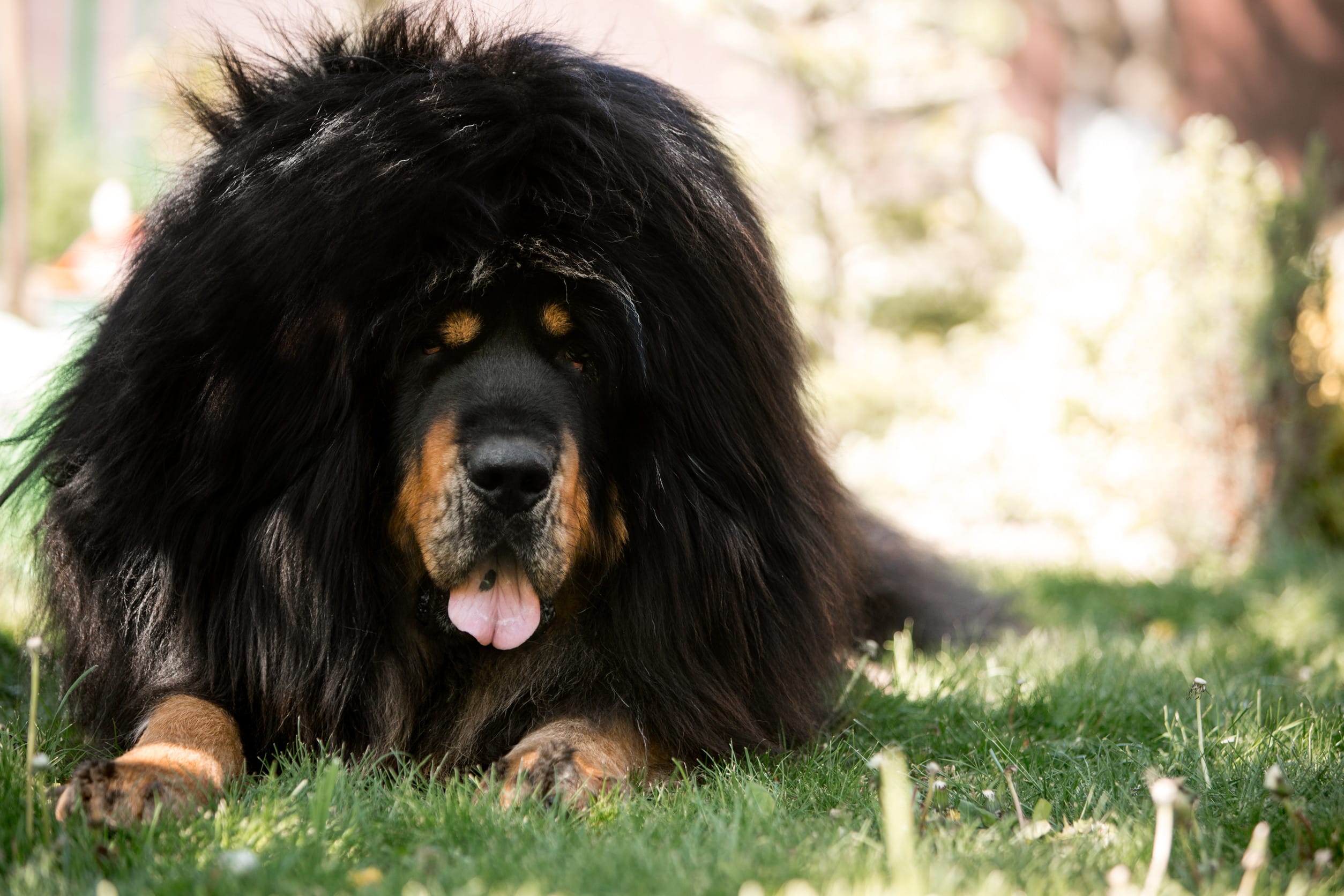
amaizing Tibetan mastiff dog lay in the sunny green park in grass

Image Source: 123rf.com

Adopting a dog is exciting, but it can also be shockingly expensive—especially if you’ve got your heart set on a high-end breed. Some dogs cost more than a used car, and that’s just the beginning. Between initial purchase prices and ongoing care, certain breeds quickly turn into luxury expenses. Whether it’s for pedigree, rarity, or show-quality lineage, some breeds demand serious cash up front. Here are seven dog breeds that’ll set you back more than $1,000—and why they come with such a hefty price tag.

1. Tibetan Mastiff

This majestic breed is known for its lion-like appearance and massive size. Originally bred to guard livestock in the Himalayas, Tibetan Mastiffs are highly protective and independent. Prices for these dogs often start around $2,000, but purebred pups from champion lines have sold for over $10,000. Their rarity and mythical reputation drive up demand—and cost. With thick coats, specialized training needs, and big appetites, the costs don’t stop at the purchase price.

2. French Bulldog

French Bulldogs have exploded in popularity thanks to their compact size, playful personalities, and celebrity appeal. But their cute faces come with a hefty price tag, usually between $2,000 and $5,000. Because of their narrow hips and breathing issues, breeding them requires expensive artificial insemination and C-sections. That makes these pups pricey before they even take their first steps. And their medical needs often mean high vet bills throughout their lives.

3. Samoyed

With their dazzling white coats and permanent smile, Samoyeds are one of the most eye-catching breeds around. But that beauty comes at a price—usually upwards of $1,500 and sometimes over $3,000. Originally bred in Siberia to herd reindeer, they’re strong, smart, and affectionate. Their thick double coats require constant grooming, and they’re known for being high-energy. If you’re not ready to commit both time and money, this breed can quickly become overwhelming.

4. Chow Chow

Chow Chows stand out for their deep-set eyes, lion-like manes, and aloof demeanor. Prices often range from $1,200 to $2,000 depending on pedigree and coat color. They’re fiercely loyal but not the most social, so they need confident, experienced owners. Their thick fur needs daily brushing, and their health can be a concern—especially their hips and eyes. If you want a dog that doubles as a regal status symbol, the Chow Chow is it.

5. Akita

Akitas are large, powerful dogs originally from Japan, admired for their loyalty and stoic personalities. Buying one from a reputable breeder often starts at $1,200 but can go much higher. They’re clean dogs with cat-like habits, but they also require firm training and strong socialization. Their independent nature makes them a challenge for new dog owners. The cost reflects their dignified appearance, strong bloodlines, and serious responsibilities.

6. Pharaoh Hound

Pharaoh hound dog

Image Source: 123rf.com

Sleek and athletic, Pharaoh Hounds are one of the oldest known dog breeds. Prices typically range from $1,500 to $2,500 due to their rarity and history. With their elegant posture and striking amber eyes, they look like living artwork. But they also need room to run and lots of mental stimulation. For those who can afford them, Pharaoh Hounds offer both beauty and brains.

7. Lowchen

Nicknamed “The Little Lion Dog,” Lowchens are playful, rare, and absurdly expensive. You’ll likely spend between $4,000 and $8,000 for one of these tiny companions. They were once popular with European nobility and are still considered a luxury pet. Their long, flowing coats require meticulous grooming to maintain their lion cut. They’re not just a dog—they’re a statement piece.

Is a Pricey Pup Worth It?

Spending over $1,000 on a dog isn’t just about owning a pet—it’s often about prestige, pedigree, or very specific qualities. But with high price tags come high responsibilities. These breeds require specialized care, frequent vet visits, and often, a more intense lifestyle commitment. Before you invest, ask yourself if you’re ready for everything that comes with these elite canines. Because while the dog may be designer, the love still needs to be real.

Would you spend over $1,000 on a dog—or do you think it’s just not worth it? Share your thoughts in the comments!

Read More:

12 Pets That You’ll Discover Are Oddly Intelligent

10 Cheap but High-Quality Dog Food Brands Your Pup Will Love

Latrice Perez

Latrice is a dedicated professional with a rich background in social work, complemented by an Associate Degree in the field. Her journey has been uniquely shaped by the rewarding experience of being a stay-at-home mom to her two children, aged 13 and 5. This role has not only been a testament to her commitment to family but has also provided her with invaluable life lessons and insights.

As a mother, Latrice has embraced the opportunity to educate her children on essential life skills, with a special focus on financial literacy, the nuances of life, and the importance of inner peace.

Filed Under: Pets Tagged With: dog breeds, dog ownership, expensive dogs, French Bulldog, luxury pets, Pet Care, pet costs, rare dog breeds, Tibetan Mastiff

No Backyard? No Problem! 10 Ideal Pets for Tiny Homes and Apartments

February 19, 2025 by Latrice Perez Leave a Comment

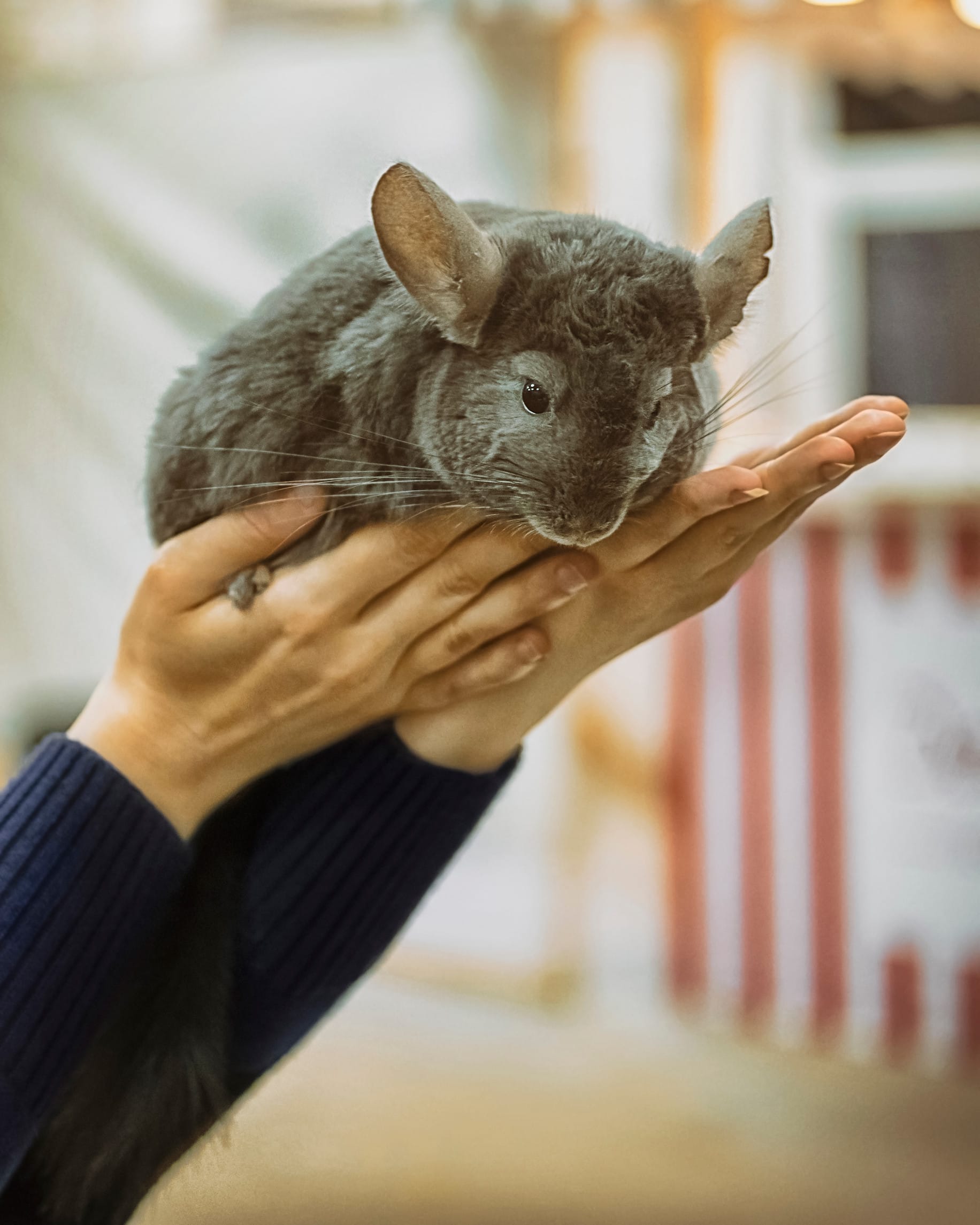
Chinchilla

Image Source: 123rf.com

There are so many pet Living in a compact space doesn’t mean you have to forgo the joy of pet companionship. Many unique and exotic animals thrive in smaller environments and can bring immense joy without requiring a backyard. Here are ten ideal pets perfectly suited for tiny homes and apartments.

1. Chinchillas

Chinchillas are small rodents known for their soft fur and playful personalities. They are clean, relatively odor-free, and primarily nocturnal, making them suitable for individuals who are away during the day. A single chinchilla requires a cage of at least 2 feet by 2 feet, providing ample space for exercise and exploration. With gentle handling from a young age, they can form strong bonds with their owners. It’s essential to provide them with a dust bath regularly to maintain their fur’s health and cleanliness.

2. Sugar Gliders

Sugar gliders are small, nocturnal marsupials with a gliding membrane that allows them to glide between trees in the wild. They are social animals that thrive in pairs or small groups, so it’s advisable to keep more than one. A tall cage with plenty of vertical space and climbing opportunities is ideal for them. Their diet includes fresh fruits, vegetables, and specialized pellets. With proper socialization, sugar gliders can be affectionate and enjoy interacting with their human companions.

3. Hedgehogs

Hedgehogs are small, nocturnal mammals known for their spiky exterior. They require a spacious cage with hiding spots and a wheel for exercise. Hedgehogs are solitary animals and prefer a quiet environment. Their diet consists of high-quality hedgehog food supplemented with insects and fruits. Regular, gentle handling can help them become accustomed to human interaction, making them delightful companions for apartment dwellers.

4. Leopard Geckos

Leopard geckos are small, nocturnal lizards known for their friendly nature and distinctive spotted patterns. They require a 10 to 20-gallon tank with a secure lid, appropriate substrate, and hiding spots. Leopard geckos are insectivores, feeding on crickets, mealworms, and other insects. They are relatively low-maintenance and can be handled gently, making them suitable for beginners and apartment living.

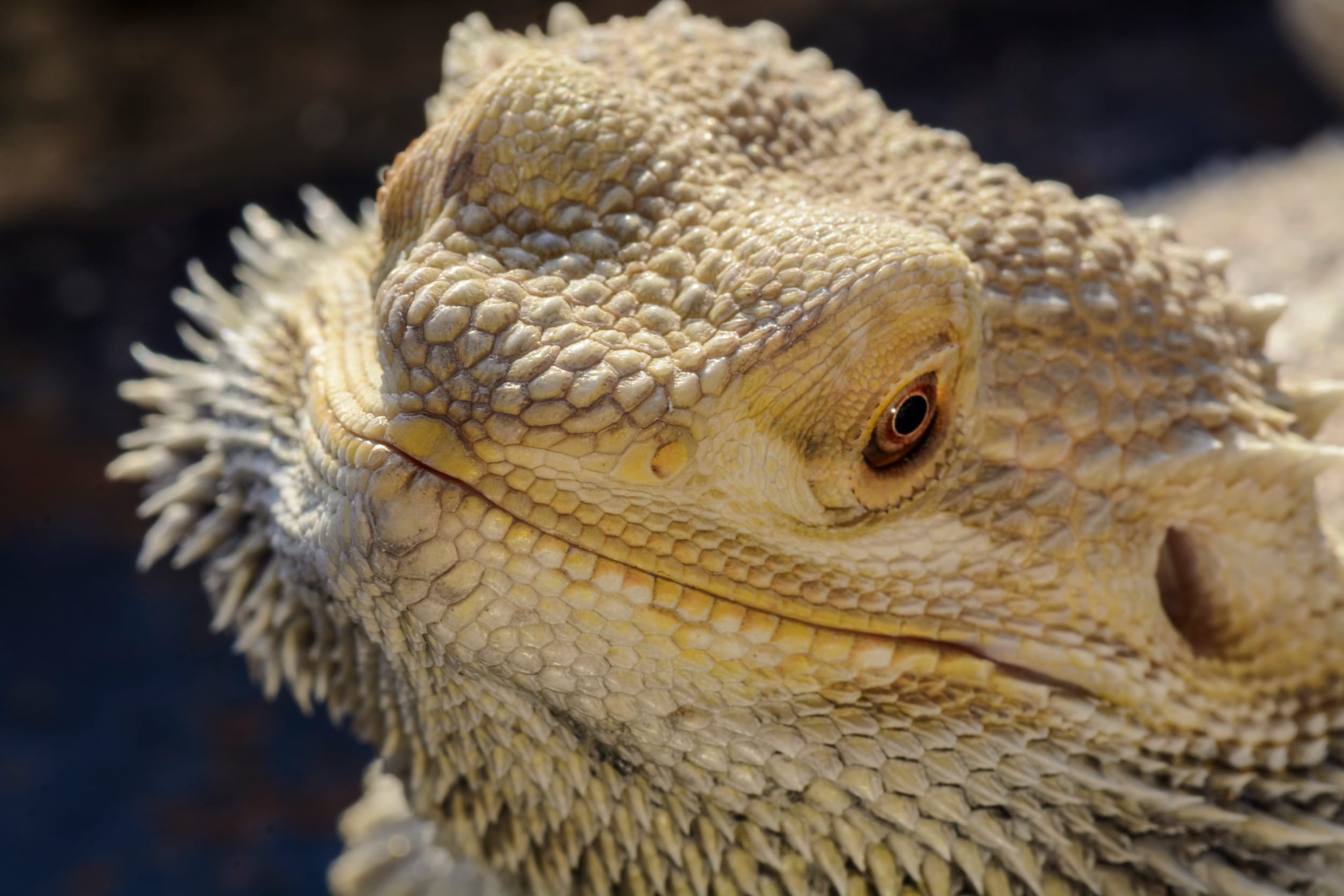
5. Bearded Dragons

Bearded Dragons

Image Source: 123rf.com

Bearded dragons are docile reptiles that can adapt well to apartment life. They require a tank of at least 40 gallons, equipped with proper lighting and heating to mimic their natural environment. Their diet includes a mix of vegetables, fruits, and insects. Bearded dragons are known for their friendly disposition and can form bonds with their owners, enjoying regular handling and interaction.

6. Rats

Rats are intelligent, social, and quiet animals that can make excellent pets for small living spaces. They require a cage of about 2 cubic feet per rat, equipped with tunnels, hiding spots, and exercise wheels. Rats enjoy human interaction and can be trained to perform simple tricks. They are most active at night but will adjust to their owner’s schedule, making them adaptable companions.

7. Tarantulas

For those interested in arachnids, tarantulas can be fascinating pets. They require a small tank, typically 10 to 20 gallons, with appropriate substrate and hiding spots. Tarantulas are low-maintenance, needing feeding only every few days. While they are not pets to handle frequently, observing their behavior can be rewarding. It’s important to research specific species to understand their care requirements fully.

8. Fennec Foxes

Fennec foxes are small, nocturnal canids with large ears and playful personalities. They require a spacious enclosure with opportunities for digging and climbing. Their diet includes a mix of high-quality dog food, fruits, and insects. Fennec foxes are energetic and require regular interaction and playtime. Potential owners should ensure they have the time and resources to meet the needs of these exotic pets.

9. Kinkajous

Kinkajous, also known as “honey bears,” are small, nocturnal mammals native to Central and South America. They require a large, secure enclosure with vertical space for climbing. Their diet consists mainly of fruits, nectar, and small insects. Kinkajous are social animals that can form strong bonds with their owners but require significant time and commitment. It’s essential to check local regulations, as they are considered exotic pets and may have specific ownership laws.

10. Hermit Crabs

Hermit crabs are low-maintenance pets that require minimal space. A small tank with sand, shells, and fresh water provides a suitable habitat. They are fascinating to watch and can be a unique addition to your apartment. Hermit crabs are social creatures, so keeping more than one is advisable. Regular maintenance of their habitat and providing a variety of shells for them to grow into are essential for their well-being.

Creating a Pet-Friendly Apartment

Regardless of the pet you choose, it’s essential to create an environment that caters to their specific needs. Ensure you have the necessary supplies, designate specific areas for their activities, and maintain a clean living space. Regular interaction and proper care will ensure your pet thrives in your compact home.

Do you have a pet that’s perfect for your small home? What made you decide on your pet? Let us know in the comments below.

Read More:

10 Cheap but High-Quality Dog Food Brands Your Pup Will Love

Furry Best Friend: 10 Most Loyal Dog Breeds For Lonely Retirees

Latrice Perez

Latrice is a dedicated professional with a rich background in social work, complemented by an Associate Degree in the field. Her journey has been uniquely shaped by the rewarding experience of being a stay-at-home mom to her two children, aged 13 and 5. This role has not only been a testament to her commitment to family but has also provided her with invaluable life lessons and insights.

As a mother, Latrice has embraced the opportunity to educate her children on essential life skills, with a special focus on financial literacy, the nuances of life, and the importance of inner peace.

Filed Under: animals Tagged With: exotic apartment pets, indoor exotic pets, low-maintenance pets, Pet Care, small space living

The 5 Most Expensive Pets to Own (And Why They Cause Instant Regret)

February 12, 2025 by Latrice Perez Leave a Comment

Expensive Pets

Image Source: 123rf.com

Owning a pet is a rewarding experience that brings joy, love, and companionship into your life. But some pets come with hefty price tags that go far beyond the initial adoption fee. If you’re considering getting a pet, it’s essential to understand the long-term costs involved—because some pets can quickly cause a lot of regret once the bills start piling up. Whether it’s through their care, food, or the constant need for medical attention, these pets will likely drain your wallet in ways you never imagined. Here are the five most expensive pets to own—and why they could leave you with instant regret.

1. Macaw Parrots

Macaw parrots are incredibly beautiful, intelligent, and social, making them a popular choice for bird enthusiasts. However, their high cost of ownership can quickly become overwhelming. The initial cost of a macaw parrot can range anywhere from $1,500 to $25,000, depending on the species and age. But that’s just the beginning.

These birds require an expansive cage, special diet, and constant stimulation, making their ongoing care expensive. They are also prone to health issues such as feather-plucking and respiratory problems, which can lead to high veterinary bills. Macaws can live up to 50 years or more, meaning you’re committing to a long-term financial responsibility. If you’re not prepared for the costs of their care, you may find yourself regretting your decision.

2. Horses

Horses are majestic creatures, but their upkeep is not for the faint of heart—or the faint of wallet. While purchasing a horse might cost anywhere from $2,000 to $10,000 (or more), the ongoing costs of owning one can be astronomical. Boarding, feed, medical care, farrier services, and grooming expenses can easily run into the thousands each year.

Horses also require plenty of space, and if you don’t have your own land, renting stables can add another layer of expense. Beyond basic care, if your horse requires specialized training, therapy, or suffers from any health issues, you’ll need to dig even deeper into your pockets. Owning a horse can be an incredibly rewarding experience, but the financial burden often leads to regret for those who aren’t fully prepared for the costs involved.

3. Savannah Cats

Savannah cats, a cross between domestic cats and the wild African serval, are one of the most expensive exotic pets you can own. These cats are known for their wild appearance, sleek coat, and striking size. While they’re highly sought after, the initial cost of a Savannah cat can range from $2,000 to $20,000, depending on the generation and breeder.

But the price doesn’t stop there. Savannah cats require a special diet (often raw food or high-protein meals), large living spaces, and a lot of mental stimulation. Due to their wild nature, they can also be more aggressive and difficult to train than regular domestic cats, which might lead to extra costs in behavior training or property damage. If you’re not prepared for the high upkeep, a Savannah cat could quickly become a financial and emotional burden.

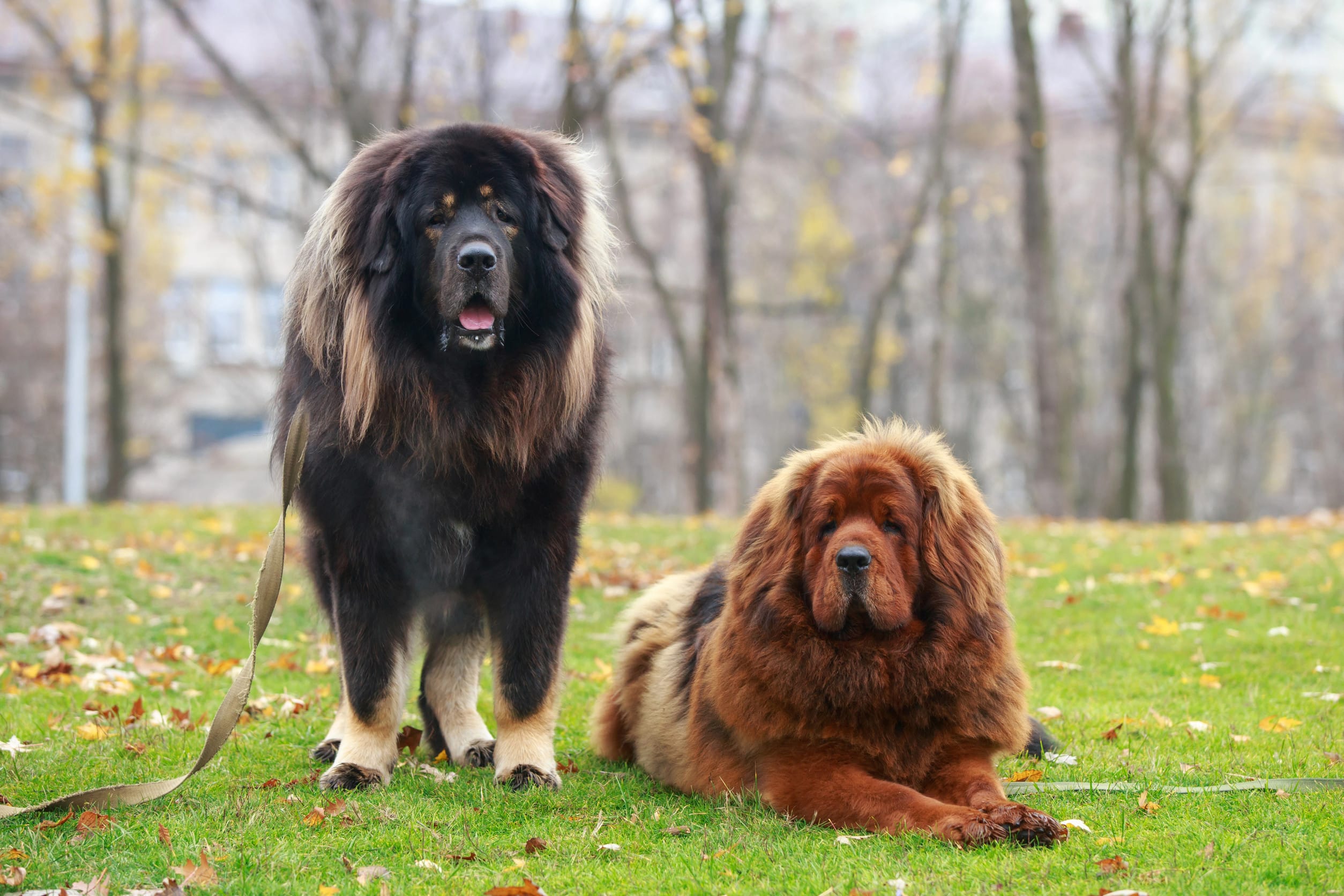
4. Tibetan Mastiffs

Tibetan Mastiffs

Image Source: 123rf.com

The Tibetan Mastiff is one of the most expensive dog breeds in the world, with some puppies selling for as much as $1 million, especially in China. While the price may vary, a well-bred Tibetan Mastiff typically costs anywhere between $2,500 and $10,000.

Their large size and thick coat require significant upkeep, including premium food, regular grooming, and veterinary care. They are also prone to health issues such as hip dysplasia and heart problems, which can result in even higher vet bills. Despite their majestic and protective nature, these dogs often demand more attention and resources than many owners are prepared to give, leading to regret when the bills start stacking up.

5. Koi Fish

Koi fish are often seen as peaceful and beautiful additions to garden ponds, but they come with a hefty price tag, especially the higher-quality ones. A single koi fish can cost anywhere from $50 to $5,000 or more, depending on its breed, age, and quality.

Owning koi involves more than just purchasing the fish. You’ll need a large pond with proper filtration and regular water maintenance, as well as special food and medications to keep the fish healthy. Koi can live for decades, so you’re looking at a long-term investment. Additionally, koi fish are susceptible to diseases that can be expensive to treat, and the costs of maintaining a pond can easily exceed what you anticipated. If you’re not prepared for the financial commitment, owning koi can quickly lead to buyer’s remorse.

Consider The Costs

While owning a pet can be one of life’s greatest joys, it’s important to consider the long-term costs and responsibilities that come with certain breeds. The five pets listed here are stunning, unique, and captivating, but they are not for the casual pet owner. They come with a hefty price tag and ongoing expenses that can cause significant financial strain if you’re not fully prepared.

Before deciding on a pet, it’s crucial to do your research, calculate the costs involved, and determine whether you can provide the care and attention these animals require. Make sure you’re ready for the responsibility—not just emotionally, but financially—so you don’t end up regretting your decision down the line.

What’s the most expensive pet you’ve ever owned? Which costs to take care of the pet stretched your budget the most? Let’s talk about it in the comments below.

Read More:

The 10 Best Animals for Apartment and Tiny House Living

10 Pets That You’ll Learn Are Exceptionally Loyal

Latrice Perez

Latrice is a dedicated professional with a rich background in social work, complemented by an Associate Degree in the field. Her journey has been uniquely shaped by the rewarding experience of being a stay-at-home mom to her two children, aged 13 and 5. This role has not only been a testament to her commitment to family but has also provided her with invaluable life lessons and insights.

As a mother, Latrice has embraced the opportunity to educate her children on essential life skills, with a special focus on financial literacy, the nuances of life, and the importance of inner peace.

Filed Under: animals Tagged With: budgeting for pets, exotic pets, expensive animals, expensive pets, luxury pets, Pet Care, pet costs, pet ownership, pet regret, Planning

10 Pets That You’ll Learn Are Exceptionally Loyal

June 3, 2024 by Vanessa Bermudez Leave a Comment

Horses Majestic and Faithful

Canva

Have you ever come home to a wagging tail or a purring friend who seems genuinely thrilled to see you? That’s loyalty in its purest form, and not just dogs and cats are capable of such love. From the fluffiest buddies to some unexpected surprises, here are ten pets renowned for their steadfast devotion.

1. Dogs: The Classic Companions

Dogs The Classic Companions

Canva

When it comes to loyalty, dogs are the gold standard. They’re not called “man’s best friend” for nothing! These furry pals go beyond just following commands; they tune into their owner’s emotions, providing comfort during tough times.

Whether it’s a tiny Chihuahua or a large Labrador, their dedication doesn’t waver. Many stories highlight dogs who have waited years for their owners or helped them through crises, truly epitomizing the loyal companion.

2. Cats: Independent but Affectionate

Cats Independent but Affectionate

Canva

Cats sometimes get a rap for being aloof, but cat owners can vouch for their feline’s loyalty. Unlike dogs, cats choose when and how they show their affection, which can make their displays of loyalty even more meaningful.

A cat that curls up on your lap during a storm or head-butts you affectionately is showing deep trust and loyalty. They might not come when called, but they’re observant creatures who will stick closely to their family.

3. Parrots: The Feathered Echoes

Parrots The Feathered Echoes

Canva

Parrots are not just vibrant and chatty; they’re also incredibly loyal to their owners. These birds are known for their ability to form strong bonds and can become quite attached to their human families.

A parrot might call out your name, mimic your voice, or just cheerfully chatter away in your presence, making them delightful, loyal companions. Their longevity means they can be a part of your family for decades.

4. Horses: Majestic and Faithful

Horses Majestic and Faithful

Canva

The bond between a horse and its rider can be profoundly deep. Horses are incredibly intuitive and can pick up on their handler’s feelings and behaviors, responding to them with great sensitivity.

They require consistent care and interaction, which fosters a strong, symbiotic relationship of mutual respect and loyalty. Riding aside, just everyday grooming and feeding can strengthen this bond significantly.

5. Pigs: Intelligent and Loyal

Pigs Intelligent and Loyal

Canva

Yes, pigs! Don’t underestimate these intelligent creatures; pigs are known to be among the smartest of all domestic animals. They are capable of forming close bonds with humans, showing affection and loyalty in ways similar to dogs.

Pigs can learn their names, and perform tricks, and some even enjoy cuddles. Their loyalty and intelligence make them unique and loving pets.

6. Rabbits: Gentle and Devoted

Rabbits Gentle and Devoted

Canva

Rabbits are social animals that thrive on companionship, both with other rabbits and humans. They might be a bit shy at first, but once a rabbit feels safe with you, it will show its affection through gentle nuzzles and quiet companionship.

They often follow their owners from room to room and can be quite protective of their family. Understanding their subtle ways of communication can deepen the bond you share.

7. Ferrets: Playful Protectors

Ferrets Playful Protectors

Canva

Ferrets are curious and highly interactive pets that form strong attachments to their owners. They love to play and often engage in mischievous antics that can brighten your day.

Ferrets can also be protective of their home and will alert you to any unusual happenings with their unique chattering. While they require plenty of playtime and engagement, their loyalty makes them wonderful companions.

8. Guinea Pigs: Affectionate Little Friends

Guinea Pigs Affectionate Little Friends

Canva

These small pets are known for their gentle and affectionate nature. Guinea pigs are sociable creatures that develop strong bonds with their owners, often communicating their affection through soft chirps and purrs when they’re happy and content. Regular handling and gentle strokes can enhance this bond, turning them into loyal, loving pets who enjoy your company as much as you enjoy theirs.

9. Goats: Surprisingly Sentimental

Goats Surprisingly Sentimental

Canva

Goats might not be the first animal you think of when you consider pets, but they are known for their loyal nature. They are incredibly social and form close bonds with both their goat friends and their human caretakers.

Goats are known to follow their owners around and engage in playful behavior. They also show affection through nibbling and head-butting, which is a lot gentler than it sounds!

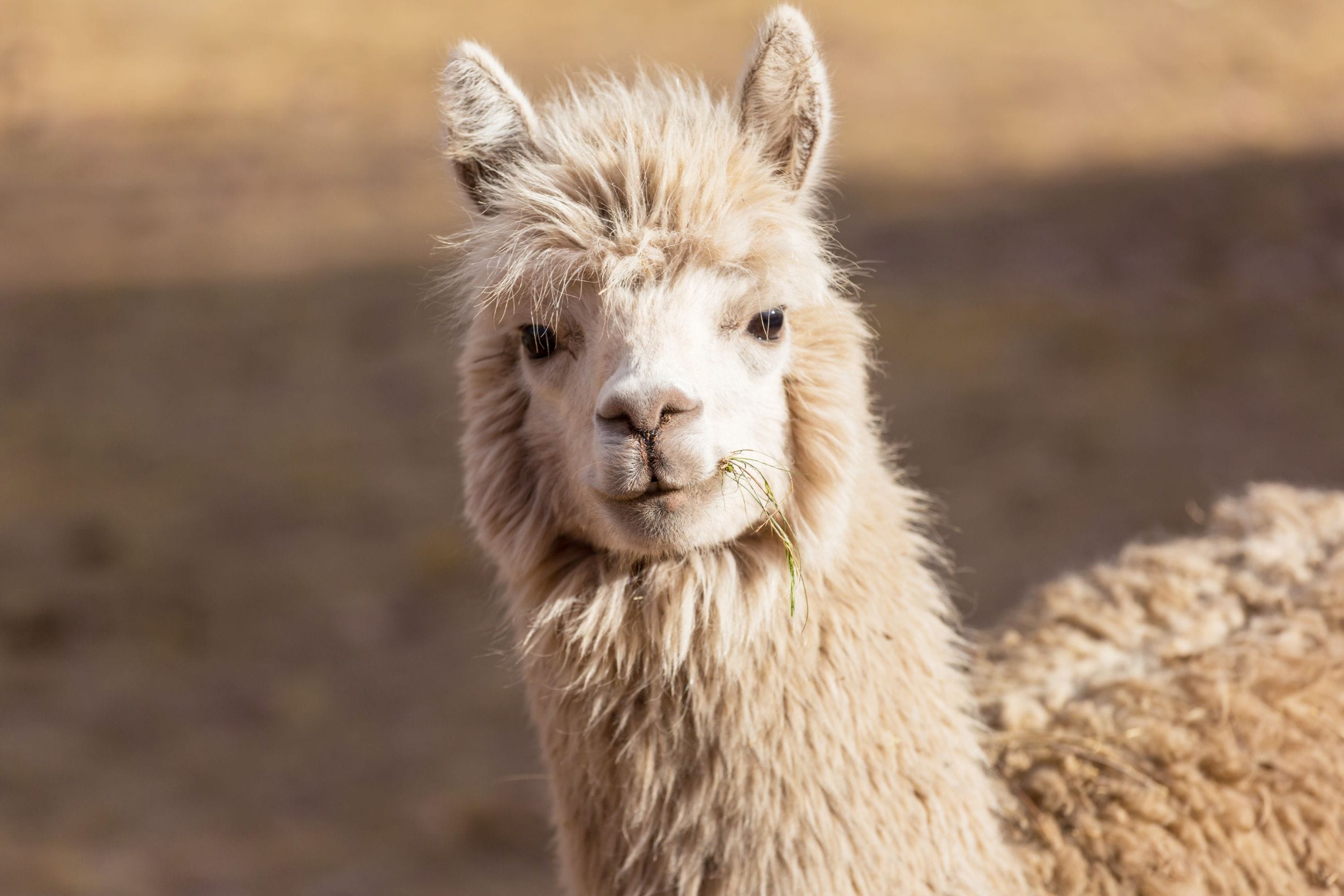
10. Llamas: Protective and Personable

Llamas Protective and Personable

Canva

Llamas are not only unusual and striking pets but also fiercely loyal to their family. They can be used as guard animals, protecting livestock and even their human families from intruders.

Llamas bond with their owners over time, showing their loyalty through proximity and a calm demeanor around familiar faces. They are particularly protective of younger members of the herd, showing that their loyalty extends to the whole family.

The Heartwarming World of Pet Loyalty

The Heartwarming World of Pet Loyalty

Canva

No matter which pet you choose, the potential for a deep, loyal bond is there. These animals provide more than just companionship; they offer unconditional love, joy, and countless funny moments.

Remember, loyalty is a two-way street; the more love and care you give, the more you will receive. So, consider what you can offer your future loyal companion, and you’ll likely find a friend for life.

Vanessa Bermudez
Vanessa Bermudez
Vanessa Bermudez is a content writer with over eight years of experience crafting compelling content across a diverse range of niches. Throughout her career, she has tackled an array of subjects, from technology and finance to entertainment and lifestyle. In her spare time, she enjoys spending time with her husband and two kids. She’s also a proud fur mom to four gentle giant dogs.

Filed Under: animals Tagged With: Animal Bonding, Companion Animals, Loyal Pets, Pet Care, Unique Pets

FOLLOW US

Search this site:

Recent Posts

  • Can My Savings Account Affect My Financial Aid? by Tamila McDonald
  • 12 Ways Gen X’s Views Clash with Millennials… by Tamila McDonald
  • What Advantages and Disadvantages Are There To… by Jacob Sensiba
  • 10 Tactics for Building an Emergency Fund from Scratch by Vanessa Bermudez
  • Call 911: Go To the Emergency Room Immediately If… by Stephen Kanaval
  • 7 Weird Things You Can Sell Online by Tamila McDonald
  • 10 Scary Facts About DriveTime by Tamila McDonald

Copyright © 2026 · News Pro Theme on Genesis Framework