• Home
  • About Us
  • Toolkit
  • Getting Finances Done
    • Hiring Advisors
    • Debt Management
    • Spending Plan
  • Insurance
    • Life Insurance
    • Health Insurance
    • Disability Insurance
    • Homeowners/Renters Insurance
  • Contact Us
  • Privacy Policy
  • Risk Tolerance Quiz

The Free Financial Advisor

You are here: Home / Archives for Cash Reserve

9 Ways People Screw Up Emergency Funds — Even When They Have Good Intentions

November 1, 2025 by Travis Campbell Leave a Comment

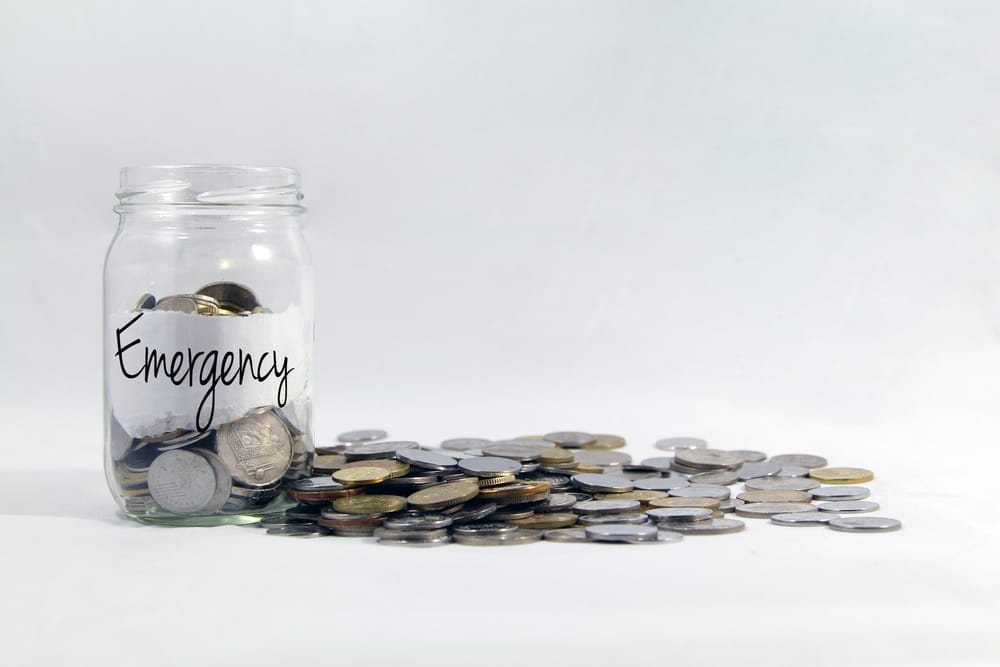
emergencies

Image source: shutterstock.com

Emergency funds are a financial safety net. People need to save money because they may face unexpected expenses, such as job loss, medical bills, and car repairs. But just having an emergency fund isn’t enough. People create mistakes that damage their safety net even though they have positive intentions. The errors in these situations will transform a security initiative with good intentions into an unsuccessful attempt at actual security protection. Creating an emergency fund requires more than just saving money, as it also requires proper management to succeed. The goal is to select appropriate methods that will activate your backup system in the event of an emergency.

1. Underestimating True Needs

Many people choose a round number for their emergency fund, such as $1,000 or one month’s expenses, without actually calculating what they’d need to weather a real storm. The result? Their emergency fund falls short when it counts. To avoid this, add up your actual monthly expenses—think rent, groceries, insurance, and minimum debt payments. Multiply by three to six months. That’s a more realistic target for your emergency fund, and it’s the foundation of a strong financial plan.

2. Keeping Emergency Funds Too Accessible

It’s tempting to leave your emergency fund in your regular checking account for easy access. But that convenience can backfire. When your emergency fund sits next to your spending money, it’s easier to dip into it for non-emergencies—a sale, a vacation, or an impulse buy. Instead, keep your emergency fund in a separate high-yield savings account. This keeps temptation at bay while still letting you access the money quickly if you really need it.

3. Investing Emergency Money in the Market

Some people want their emergency fund to “work harder,” so they put it in stocks, mutual funds, or other risky investments. But the market can drop just when you need cash the most. The point of an emergency fund is safety, not growth. Keep your emergency fund in a stable, liquid account like a savings or money market account. If you want to invest, do it with money you don’t need for emergencies.

4. Using Credit Cards as a Backup

It’s easy to think of credit cards as a substitute for an emergency fund. After all, they’re always available, right? But relying on credit means you’re adding debt at the worst possible time—when you’re already facing a crisis. Interest charges can pile up quickly, making your financial situation even tougher. For true peace of mind, a real emergency fund beats a credit card safety net every time.

5. Forgetting to Replenish After Use

Emergency funds are intended for use when needed. But after a big expense, many people forget to rebuild the fund. If you spend $1,500 on a car repair, make a plan to replace those funds as soon as possible. Set up automatic transfers or budget for larger contributions until your emergency fund is back to its target size. This keeps you prepared for whatever comes next.

6. Not Adjusting for Life Changes

Life is always changing—new jobs, kids, homes, or even a pandemic. But many people set and forget their emergency fund amount. If your expenses go up, your emergency fund should grow too. Check in at least once a year, or after major life events, to make sure your emergency fund still fits your needs. Adjust as necessary so you’re not caught off guard.

7. Using Emergency Funds for Non-Emergencies

It’s easy to rationalize dipping into your emergency fund for things that aren’t true emergencies. A last-minute getaway, a big holiday gift, or a new gadget might feel urgent, but they don’t count. Reserve your emergency fund for real, unavoidable expenses—like job loss, medical bills, or urgent repairs. For everything else, plan ahead and save separately.

8. Ignoring Inflation and Rising Costs

Over time, the cost of living goes up. If your emergency fund stays the same size for years, its buying power shrinks. Review your fund regularly and increase it as needed to keep pace with inflation. Consider using a high-yield savings account to help your emergency fund grow a bit faster and offset rising costs. This small step can make a big difference when you need it most.

9. Not Communicating With Family or Partners

If you share finances, everyone involved should know the plan for your emergency fund. Too often, one person assumes the other knows what constitutes an emergency or where to find the necessary funds. Establish clear rules regarding when and how to utilize the emergency fund, and ensure that everyone has access to it if needed. This avoids confusion and ensures your financial safety net is truly ready.

Building a Smarter Emergency Fund

Emergency funds serve as essential financial tools, but their effectiveness depends on correct management strategies that avoid typical errors. The establishment of proper targets combined with money access control will help you create an effective emergency fund that supports financial stability and requires periodic plan assessments during life transitions. Take the time to perfect your approach because it will bring you genuine peace of mind.

What stands as your most difficult experience when managing your emergency fund? Share your story in the comments!

What to Read Next…

  • What Happens When A Medical Emergency Outpaces Your Emergency Fund
  • 5 Emergency Repairs That Could Force You Into Debt Overnight
  • Why Some People Feel Rich But Can’t Afford A $400 Emergency
  • Are These 6 Helpful Budget Tips Actually Ruining Your Finances
  • 6 Money Habits That Backfire After You Turn 60
Travis Campbell
Travis Campbell

Travis Campbell is a digital marketer/developer with over 10 years of experience and a writer for over 6 years. He holds a degree in E-commerce and likes to share life advice he’s learned over the years. Travis loves spending time on the golf course or at the gym when he’s not working.

Filed Under: Cash Reserve Tagged With: emergency fund, money mistakes, Personal Finance, Planning, savings

7 Hidden Dangers of Stashing Cash at Home—And What to Do Instead

September 12, 2025 by Travis Campbell Leave a Comment

cash

Image source: pexels.com

Many people like the idea of keeping emergency money close by. Stashing cash at home feels simple and gives you quick access if something goes wrong. But while this approach seems safe, it carries real risks that many overlook. The hidden dangers of stashing cash at home can have long-term impacts on your finances and peace of mind. Understanding these risks is key to protecting your money and your future. Let’s look at the seven biggest dangers—and what you should do instead.

1. Burglary Risks

Keeping large amounts of cash hidden in your home makes you a target for theft. Criminals know that people often keep money in obvious places like under mattresses or inside drawers. If someone breaks in, your hard-earned savings could vanish in seconds. Even safes aren’t foolproof—thieves can take them or force you to open them.

The loss isn’t just financial. Dealing with a burglary can also bring stress and a sense of violation that’s hard to shake. Relying on home cash storage for security is a gamble most people can’t afford to take.

2. Fire and Natural Disasters

Fire, floods, and other disasters can destroy your home—and any cash inside it. Unlike digital money, cash lost to disaster is gone forever. Insurance policies rarely cover lost cash, leaving you with no way to recover your emergency fund or savings. Even if you use a fireproof safe, no container is completely immune to nature’s extremes.

Stashing cash at home exposes your money to unpredictable risks. One accident could wipe out years of careful saving in an instant.

3. Lack of Interest and Growth

One of the most overlooked dangers of stashing cash at home is missed opportunity. Money hidden in your house isn’t earning interest. Over time, this means your savings lose value compared to money kept in a high-yield savings account or similar option. Even a modest interest rate can add up over the years.

By keeping your money out of the financial system, you miss out on the power of compound growth. It’s not just about safety—it’s about making your money work for you.

4. Inflation Eats Away at Value

Inflation is another silent threat to cash stored at home. Each year, the cost of goods and services goes up. If your cash isn’t growing, its buying power shrinks. What feels like a healthy emergency fund today may not cover the same expenses a few years from now.

While stashing cash at home may seem like a way to protect yourself, it leaves your money vulnerable to the slow drain of inflation. Over time, this can have a big effect on your financial security.

5. No Protection Against Loss or Forgetfulness

It’s easy to misplace or forget about hidden cash, especially over time. People have found stacks of money tucked away in old books, boxes, or other hiding spots—sometimes long after the original owner has passed away. If you move or declutter, you might accidentally throw away your savings.

Unlike funds in a bank account, there’s no recovery process for lost or forgotten home cash. Once it’s gone, it’s gone for good. This is one of the most practical dangers of stashing cash at home.

6. Legal and Tax Complications

Large sums of cash at home can raise eyebrows if you ever need to prove your income or assets. For example, if you want to buy a home, apply for a loan, or deal with legal matters, you may be asked where your money came from. Banks and government agencies may view large, unexplained cash deposits as suspicious.

Documenting your finances is much easier when your money is in a regulated account. Keeping cash at home can complicate your financial life and even put you under unwanted scrutiny.

7. Temptation to Spend

When cash is close at hand, it’s easier to dip into your stash for non-emergencies. Maybe you’re tempted by a big sale or an impulse purchase. Over time, these small withdrawals add up, leaving you with less in your emergency fund when you truly need it.

Out of sight, out of mind works both ways. Keeping your money in a secure account helps you resist the urge to spend it on things that aren’t truly necessary.

Smarter Alternatives to Stashing Cash at Home

Instead of facing the dangers of stashing cash at home, consider safer and smarter alternatives. A high-yield savings account offers security, earns interest, and is protected by the FDIC up to $250,000. This means your money is safe from theft, fire, or loss—and it grows over time.

For extra peace of mind, you can also explore a money market account or a certificate of deposit. These options keep your emergency fund accessible but protected. If you’re worried about digital banking, choose a local credit union or reputable bank with strong customer service. If you need quick access to small amounts, keep a modest sum at home for true emergencies, but put the rest somewhere safer.

The dangers of stashing cash at home simply outweigh the perceived benefits. By using secure, interest-bearing accounts, you protect your money and set yourself up for long-term success.

Have you ever kept cash at home? What’s your strategy for keeping your emergency fund safe? Share your thoughts in the comments below!

What to Read Next…

  • 8 Things You’re Doing That Make Criminals Think You’re An Easy Target
  • 7 Places Criminals Watch Before Picking A Home To Rob
  • 7 ATM Withdrawal Behaviors That Raise Government Surveillance Flags
  • Could A Bank Freeze Your Account Without Telling You?
  • 7 Legal Loopholes That Let Authorities Freeze Assets Without Warning
Travis Campbell
Travis Campbell

Travis Campbell is a digital marketer/developer with over 10 years of experience and a writer for over 6 years. He holds a degree in E-commerce and likes to share life advice he’s learned over the years. Travis loves spending time on the golf course or at the gym when he’s not working.

Filed Under: Cash Reserve Tagged With: cash safety, emergency fund, home security, Personal Finance, Planning, savings tips

Emergency Funds: How Much Do You Actually Need? (It’s More Than You Think)

June 20, 2025 by Travis Campbell Leave a Comment

money

Image Source: pexels.com

Life has a way of throwing curveballs when you least expect it. One day, everything’s running smoothly, and the next, your car breaks down, your job is on the line, or a medical bill lands in your mailbox. That’s where an emergency fund steps in—a financial safety net that can keep you afloat when the unexpected happens. But how much should you really have set aside? Many people underestimate the true amount needed, leaving themselves vulnerable when life takes a turn. Building a robust emergency fund isn’t just smart; it’s essential for financial peace of mind. Let’s break down exactly how much you need—and why it’s probably more than you think.

1. Start With the Basics: Three to Six Months of Expenses

The classic rule of thumb for an emergency fund is to save enough to cover three to six months of living expenses. This isn’t just rent or mortgage payments—it includes groceries, utilities, insurance, transportation, and any other recurring bills. The idea is simple: if you lose your job or face a major setback, you’ll have a cushion to keep you going while you get back on your feet. For most people, this means calculating their total monthly expenses and multiplying by three or six. If your monthly expenses are $3,000, you’re looking at $9,000 to $18,000. This range isn’t arbitrary; it’s based on how long it typically takes to find new employment or recover from a financial shock.

2. Factor in Your Job Stability

Not all jobs are created equal when it comes to security. You’ll want a larger emergency fund if you work in a volatile industry, are self-employed, or rely on freelance gigs. Unpredictable income means you could go longer between paychecks, so a six-month cushion might not be enough. On the other hand, if you have a stable government job or work in a high-demand field, you might feel comfortable with a smaller fund. Still, erring on the side of caution is wise. Job markets can shift quickly, and layoffs can happen even in “safe” industries. Assess your own risk and adjust your emergency fund target accordingly.

3. Don’t Forget About Health and Family Needs

Medical emergencies are one of the top reasons people dip into their emergency funds. Even with insurance, deductibles and out-of-pocket costs can add up fast. Your emergency fund should reflect those extra responsibilities if you have dependents—kids, aging parents, or anyone else relying on your income. Think about potential medical expenses, childcare, or even the cost of taking unpaid leave to care for a loved one. The more people who depend on you, the more you’ll need to set aside.

4. Consider Your Debt Obligations

Debt doesn’t take a break just because you’re facing an emergency. Credit card payments, student loans, and car loans all keep coming, no matter what. If you have significant debt, your emergency fund should be large enough to cover those minimum payments for several months. This prevents you from falling behind, damaging your credit score, or racking up late fees. When calculating your emergency fund, add up all your monthly debt payments and include them in your total. This way, you’re truly protected from financial fallout.

5. Plan for the “Hidden” Emergencies

Not all emergencies are dramatic or obvious. Sometimes, it’s the small, unexpected expenses that catch you off guard—a broken appliance, a surprise vet bill, or a sudden move. These “hidden” emergencies can drain your savings if you’re not prepared. Building a little extra into your emergency fund for these smaller, less predictable costs can save you from dipping into your regular savings or going into debt. Think of it as a buffer on top of your main emergency fund target.

6. Adjust for Inflation and Life Changes

Your emergency fund isn’t a set-it-and-forget-it account. As your life changes—new job, new home, growing family—your expenses will shift. Inflation also means that what was enough a few years ago might not cut it today. Review your emergency fund at least once a year and adjust the amount as needed. If your expenses go up, so should your savings goal. Staying proactive ensures your emergency fund keeps pace with your real-life needs.

7. Where to Keep Your Emergency Fund

Accessibility is key when it comes to emergency funds. You want your money somewhere safe, but also easy to access in a pinch. High-yield savings accounts or money market accounts are popular choices because they offer better interest rates than traditional savings accounts while keeping your funds liquid. Avoid tying up your emergency fund in investments that could lose value or take time to access, like stocks or retirement accounts. The goal is to have cash ready when you need it, not to chase higher returns.

Rethink What “Enough” Really Means

Building an emergency fund is about more than just hitting a number—it’s about creating real financial security for yourself and your loved ones. The right amount is different for everyone, but it’s almost always more than you initially think. By considering your unique situation—job stability, family needs, debt, and the unexpected—you can set a target that truly protects you. Don’t settle for the bare minimum. Give yourself the peace of mind that comes from knowing you’re ready for whatever life throws your way.

How much do you keep in your emergency fund, and has it ever saved you from a financial crisis? Share your story in the comments!

Read More

Find the Right Amount of Life Insurance in 10 Minutes

5 Biggest Refinance Concerns

Travis Campbell
Travis Campbell

Travis Campbell is a digital marketer/developer with over 10 years of experience and a writer for over 6 years. He holds a degree in E-commerce and likes to share life advice he’s learned over the years. Travis loves spending time on the golf course or at the gym when he’s not working.

Filed Under: Cash Reserve Tagged With: budgeting, emergency fund, money management, Personal Finance, Planning, savings

What If Your “Emergency Fund” Is the Reason You’re Still in Debt?

April 23, 2025 by Travis Campbell Leave a Comment

woman looking at piggy bank

Image Source: pixabay.com

Are you diligently saving for emergencies while carrying high-interest debt? This common financial strategy might actually be costing you thousands. Many financial experts recommend building an emergency fund before tackling debt, but this one-size-fits-all approach doesn’t work for everyone. When interest charges are draining your resources faster than you can save, your emergency fund might keep you financially underwater. Let’s explore why rethinking this conventional wisdom could be the key to breaking your debt cycle.

1. The Hidden Cost of Simultaneous Saving and Borrowing

When you hold cash in a savings account earning 1-2% while carrying credit card debt at 18-25%, you’re essentially losing money every month. This financial disconnect creates a mathematical impossibility: you cannot build wealth while the interest gap widens.

For example, a $5,000 emergency fund earning 1.5% annually generates about $75 in interest. Meanwhile, $5,000 in credit card debt at 20% APR costs you $1,000 yearly. That’s a net loss of $925 annually – money that could have reduced your principal debt and accelerated your path to financial freedom.

According to a Federal Reserve study, nearly 40% of Americans maintain emergency savings while simultaneously carrying high-interest debt, creating this counterproductive financial situation.

2. The Psychological Safety Net That’s Actually a Trap

Having money set aside feels secure – it’s human nature to want protection against uncertainty. However, this psychological comfort often comes with a steep financial price tag.

The emergency fund paradox creates a false sense of financial stability while interest compounds against you. Many people feel accomplished watching their savings grow to $1,000 or even $5,000, not realizing their debt is growing faster in the background.

This mindset trap keeps many stuck in a perpetual cycle: save a little, pay a little toward debt, watch interest accumulate, repeat. Breaking this cycle requires challenging conventional wisdom and recognizing when standard advice doesn’t serve your specific situation.

3. A Smarter Emergency Fund Strategy for Debt Holders

Rather than abandoning emergency savings entirely, consider a modified approach that balances protection against emergencies with aggressive debt reduction.

Start with a minimal emergency fund—perhaps $500-$1,000—enough to handle minor unexpected expenses. Then, direct all additional financial resources toward your highest-interest debt. This “debt avalanche” method mathematically optimizes your financial progress.

Once high-interest debts are eliminated, you can rapidly build your emergency fund to the traditional 3-6 months of expenses without the counterproductive interest drag. This sequenced approach accelerates your journey to financial stability.

In his book I Will Teach You To Be Rich, financial advisor Ramit Sethi suggests that people should “focus on the big wins” – and eliminating high-interest debt before building substantial cash reserves is precisely such a win.

4. Using Credit Strategically During Your Debt Payoff Phase

While building only a minimal cash emergency fund during debt repayment, you can strategically maintain access to credit for true emergencies. This approach requires discipline but can accelerate debt payoff significantly.

Consider keeping one credit card with a zero balance and high limit exclusively for genuine emergencies. As you pay down other debts, your credit score typically improves, potentially qualifying you for better terms or balance transfer opportunities.

Some financial experts recommend maintaining access to a home equity line of credit (HELOC) as an emergency backstop during aggressive debt repayment. While this strategy carries risks, it allows you to direct more cash toward high-interest debt elimination while maintaining emergency access to funds.

5. When Traditional Emergency Fund Advice Actually Makes Sense

The standard emergency fund advice isn’t wrong – it’s just not universally applicable. For certain situations, prioritizing savings before debt repayment remains the prudent approach.

If your debt carries low interest rates (below 5-6%), the mathematical advantage of debt repayment diminishes. Similarly, if your income is highly variable or your job security is questionable, a larger cash buffer provides essential protection against financial catastrophe.

Those with dependents or without safety nets (like family support) may also benefit from more substantial emergency savings, even while carrying some debt. The key is recognizing your specific circumstances rather than blindly following general financial advice.

Breaking the Chains: Your Path to True Financial Freedom

Escaping debt requires challenging conventional wisdom and making decisions based on mathematical reality rather than emotional comfort. By minimizing your emergency fund temporarily while eliminating high-interest debt, you create a faster path to genuine financial security.

Once free from the burden of high-interest debt, you can rapidly build substantial emergency savings, invest for the future, and create lasting wealth. The temporary discomfort of a smaller safety net paves the way for permanent financial stability.

Remember that personal finance is personal – your optimal strategy depends on your unique circumstances, risk tolerance, and financial goals. The emergency fund that keeps others safe might be the very thing keeping you trapped in debt.

Have you ever considered that your emergency fund might slow down your debt payoff journey? Share your experience with balancing savings and debt repayment in the comments below.

Read More

How to Get Out of Debt

Simple Solutions for Repaying Student Loan Debt

Travis Campbell
Travis Campbell

Travis Campbell is a digital marketer/developer with over 10 years of experience and a writer for over 6 years. He holds a degree in E-commerce and likes to share life advice he’s learned over the years. Travis loves spending time on the golf course or at the gym when he’s not working.

Filed Under: Cash Reserve Tagged With: debt payoff, debt strategy, emergency fund, financial freedom, interest rates, Personal Finance, savings plan

Job Loss: What to do

May 13, 2020 by Jacob Sensiba Leave a Comment

Losing your job is like a big punch to the gut. At first, it’s hard to process, but then your head starts spinning. What will I do for work? How will I pay my bills and put food on the table? What will my family do?

Taking a deep breath is a good first step. After that, it’s time to put a plan into action. Many of you could be experiencing this right now, given what the world looks like today.

In this article, I’m going to lay out how to financially prepare before and in the midst of a job loss.

First thing

As I said, this will be a big shock to absorb. Give yourself some time to realize what has happened. More than likely, you’ll go through the 5 stages of grief.

Unemployment

One of the first things you should do is apply for unemployment. There might be some hoops that you have to jump through, but one imperative item you need to confirm with your old employer is that you were let go and without cause. Resigning or being fired for cause disqualifies you from collecting unemployment.

Set money aside for taxes. Unemployment does not withhold FICA taxes or state income tax (if applicable). If you normally receive a refund, you might get a reduced refund or none at all. Plan accordingly.

Severance

The next step has to do with severance. If you were let go or fired without cause, your company will, most likely, offer it to you. It isn’t required by law, but most companies do it. Take severance home and review it closely. Don’t sign right away. Once you’ve reviewed it, take it back and negotiate.

Job Search

Starting looking for a new job right away. It does not pay to wait. All jobs are first come first served, set get searching as soon as possible.

Be picky, but pick up a job of some sort that will provide you with some cash flow.

Is now the time for a career change? Have you been dissatisfied with your industry or line of work? Do you have the skills and/or qualifications to make such a change? These could be questions to consider.

Finances

With regard to any debts that you have outstanding, call your creditors and see if they will let you defer payments, or at least make reduced payments, for a while. Also, make the minimum on your debt payments. Having cash available for other necessary items is more important.

Relentlessly cut expenses and review your budget with fine-toothed comb. Again, cash flow is your friend in your new situation so the more liquidity you have the better.

Pad your emergency fund. Obviously, this is something that needs to be done before you lose your job, so it’s imperative that you listen. Common advice is to save 3-6 months’ worth of expenses. If you’re self-employed and are responsible for payroll and other business expenses, it’s prudent to have 6-12 months worth saved.

HELOC? That stands for Home Equity Line of Credit. Is that something you are able to do? Is that something that you want to do? A HELOC turns the equity you’ve accumulated on your home into a loan.

Insurance

Life and disability insurance are very important coverages to have, but a just loss and loss of income could derail those coverages. There is a rider that can be added (waiver of premium) at the time of application so your policy stays in force while you are unable to make payments. *Be advised: this has to be done when you sign up, not after the fact.*

Healthcare is another important item to take care of. First off, if you have any appointments you were waiting to schedule, do it now before your coverage changes. The next step is to find a suitable replacement for your current coverage. This could be taking your spouse’s insurance, finding new coverage on the marketplace, or signing up for COBRA.

Retirement

Avoid dipping into retirement savings – this should be your last resort. Retirement savings accrues most effectively when you leave it alone. That’s when compounding works the best. Not only that, withdrawing funds prematurely will subject you to income taxes and an early withdrawal penalty.

Do you have 401(k) loans? If the answer is yes, you’ll be required to pay that loan back in its entirety in the next 60 days, otherwise, it’ll be considered a withdrawal. Again, taxes and a penalty.

Make a decision on what to do with the old retirement plan – Do you roll it to your new employer, roll it to an IRA, or leave it with the current institution. If you have a lower account balance, your HR department could require you to transfer it or cash out. Each company is different.

Related reading:

Employer/Employee Negotiations

Why Financial Literacy is Important

Your Go-To Budget Guide

Jacob Sensiba
Jacob Sensiba

Jacob Sensible is a financial advisor with decades of experience in the financial planning industry.  His journey into finance began out of necessity, stepping up to support his grandfather during a health crisis. This period not only grounded him in the essentials of stock analysis, investment strategies, and the critical roles of insurance and trusts in asset preservation but also instilled a comprehensive understanding of financial markets and wealth management.  Jacob can be reached at: jake.sensiba@mygfpartner.com.

mygfpartner.com/jacob-sensiba-wisconsin-financial-advisor/

Filed Under: budget tips, Cash Reserve, Debt Management, Personal Finance, Retirement, tax tips Tagged With: Debt, emergency fund, finance, job, job loss, job search, severance, unemployment

5 Reasons Your Cash Reserve Isn’t Working

May 14, 2013 by Joe Saul-Sehy 28 Comments

All of us know that we’re supposed to have a cash reserve right? There are always going to be emergencies that come along that we didn’t expect, and that’s when our cash reserve is the most important. So, why is it that many of us struggle to even have a comma in our cash reserve? We’ve gone through our whole lives attempting to save, but we don’t even have a thousand bucks in cash. Here are five reasons why your cash reserve might not be working.


1) It’s Too Accessible – Many of us are just trying to beef up our checking account and keeping our emergency money in with the funds we use to pay bills. When you do this, it’s just way too easy to dip into your cash reserve. Instead, you need a completely separate account that you can’t spend with a debit card. If you really need to use the money, you’ll have to make a transfer either online or at the bank. This small barrier will help keep your reserve safe.


2) Not Enough Flexibility in Your Cash Flow – One of the biggest reasons we dip into our cash reserves is because we don’t have enough cash flow from month to month. Money is so tight that the slightest unexpected expense leads us into our reserve. To ensure that your cash fund doesn’t go anywhere, you need to reduce your monthly expenses.


3) Too Much Instant Gratification – We live in a world where everyone expects to get what they want right now! I urge you not to be that person. Most of the time, what we want and what we need are two totally separate things. If you don’t need that special something and you’re going to have to dip into your reserve to get it, just don’t buy it! I know it can be tough to walk away, but there are always deals to be had elsewhere.


4) You’re Feeling Rich, Time to Spend – Everyone has their number where they start to feel wealthy. For some, this is $1,000. For others, it’s $10,000. When their cash reserve reaches “their number”, they suddenly feel like they are rich and can afford to spend some money, rather than just leave it in their account for a rainy day. My friends recently did this when looking for a car. Initially, they were only going to spend $6,000, but when their cash reserve kept growing and growing, so did their “need” to have an expensive car! All of the sudden, they spent $13k on a car rather than their initial plan of $6k. Now they’re feeling tight with money. Go figure.


5) No Incentive to Keep It There – Saving money is honestly pretty boring. When you put that money into a savings account, it probably earns 0.05% interest, which equates to a few bucks a year. Your savings don’t have to earn such a low amount though. There are some banks out there that will pay more than 1.0% for your savings, and if you have the will-power to have your reserves in your checking account, you could earn more than 3% at some credit unions. Getting $20 or more per month is way more fun than a dollar or two.

Photo of Joe Saul-Sehy
Joe Saul-Sehy

Joe is a former financial advisor and media representative for American Express and Ameriprise. He was the “Money Man” at Detroit television WXYZ-TV, appearing twice weekly. He’s also appeared in Bride, Best Life, and Child magazines, the Los Angeles Times, Chicago Sun-Times, Detroit News and Baltimore Sun newspapers and numerous other media outlets.  Joe holds B.A Degrees from The Citadel and Michigan State University.

joesaulsehy.com/

Filed Under: Cash Reserve, Planning

5 Simple Steps to Kick 2013 Into High Gear

January 2, 2013 by Joe Saul-Sehy 44 Comments

Happy 2013, everyone!

It’s time to take yourself a little more seriously and step up your game. My cousin, a year younger than me, had major heart surgery a couple weeks ago and nearly lost his life on the operating table. Not to be all melodramatic, but it was another close-to-home reminder that time is a finite beast. If you’re going to leave your mark on the world (or just on your little private Idaho), 2013 is the time to make changes.

Here’s the gameplan we’d use when practicing financial planning with clients back in “the day” and it’s also what I’m using this year to shift up a gear:

1)   Write out clear, actionable goals. I like Maria at The Money Principle’s post about themes. Start with an idea generally of what you want to do, then drill down toward specific tasks.

My 2013 theme is about tying up loose ends and focusing harder on core tasks. I haven’t yet crystalized completely the theme (it should be more succinct than what I have so far), but that’s not bad news. I’ve been thinking about it constantly, and this action gets the right thoughts in my little noggin’.

My main goals are simple: I have the first draft of a book written, and I’ve let it sit for about 9 months. Why? I have no idea. Other priorities. But now’s the time to finish that project. I’ve run marathons now for two years. I’d like to run one faster than ever. I’d also like to try an ultramarathon. I need to focus on cooking healthier food at home and have a more regimented plan. On the website side, we’ve talked about creating some products. These need to be launched in 2013.

2)   Direct deposit to your savings account. Everyone direct deposits money into their checking account…and immediately drains it. Reconfigure your system so that you direct deposit to savings. Manually move money to live on over to your checking account.

While this seems like a little step, it’s a huge change. Now you’re saving automatically and having to think every time you spend money. You’re a conscious consumer, rather than an auto-spender.

3)   Protect your downside. I know this for a fact: bad stuff that you don’t expect will happen in 2013. I don’t know where it’ll come from, so the best course of action is to look for Achilles Heels and apply duct tape. Do you have an emergency fund? Is your insurance up-to-par? Is the budget tight?

I need to adjust Cheryl’s life insurance (adjusted mine in 2012). Our will is now six months from being out-of-date (my children will be 18 years old…how the hell can that be? They were just babies yesterday….). I also have to begin “landing the plane” with my kid’s investment funds, so they’re ready when and if I need them for college expenses.

It’s also time for me to get home and auto quotes again. For some, checking out Insure 4 a Day may be a good idea. They offer a variety of cheap short term car insurance options dependent on your requirements.

4)   Focus on energy, not time. I agree with Jim Loehr and Tony Schwartz in their book The Power of Full Engagement on this one: the key to optimum performance is to manage your ability to crank stuff out. As workers, we’re like tennis players: we compete year-round. It stands to reason that we can’t be great every moment of every day. We should gear up for those times when there are “big tournaments” in our life and focus on those days.

I’m working on a model day that better uses my energy and shelters that time I need for key tasks. I generally experience great creativity in the morning and low energy around 3 pm, so I’m reconfiguring my day to take advantage of that morning time and guard against the afternoon letdown. I’m also focusing more on my diet to avoid those crashes (just as soon as I finish these chocolates….).

5)   Create surround sound. The best way to stay motivated is to surround yourself with people, books and podcasts that keep your mind on those activities that’ll help you achieve your dreams. Schedule meetings with your planning partners, spouse, and close mentors. Don’t just say “I’ll talk to people more often about my plans.” That doesn’t happen, does it? Set a time in your calendar and stick to it.

We created the podcast for this reason. I enjoy casual talk about subjects I’m interested in, not hard core discussions. I couldn’t find many chatty money podcasts (Planet Money is probably the closest I’ve found), so we created one. If you’ve listened to our show you know: it’s more about equating money with fun and less about deep drilling.

Biographies work well for me, too, to create surround sound. I don’t know why, but I particularly love books about chefs. Maybe it’s because they have to be in-the-moment so much. I loved Kitchen Confidential by Anthony Bordain (don’t read this book if you don’t like foul language and discussions about illegal activities). Currently I’m polishing off Restaurant Man by Joe Bastianich. Both of these are great looks into the world of business, written passionately by someone who knows their craft inside-out.

This list could be 100 points long, but if you practice those five above as you walk into 2013, you’re going to move faster, with more energy, and with fewer distractions.

ON that note, how about $100 Amazon money or cash to start your year off right! That’ll buy a bunch of groceries, books or mp3 players…..

Photo: TheBusyBrain


a Rafflecopter giveaway

Photo of Joe Saul-Sehy
Joe Saul-Sehy

Joe is a former financial advisor and media representative for American Express and Ameriprise. He was the “Money Man” at Detroit television WXYZ-TV, appearing twice weekly. He’s also appeared in Bride, Best Life, and Child magazines, the Los Angeles Times, Chicago Sun-Times, Detroit News and Baltimore Sun newspapers and numerous other media outlets.  Joe holds B.A Degrees from The Citadel and Michigan State University.

joesaulsehy.com/

Filed Under: budget tips, Cash Reserve, money management, Planning

Budget Nightmares: What Are You Doing At 2 A.M.?

December 17, 2012 by Joe Saul-Sehy 40 Comments

When I left The Citadel (go Bulldogs!) to attend Michigan State (go Spartans!), I said goodbye to a lucrative track and cross country scholarship. I felt bad, but the writing was on the proverbial wall. My coach had given me “one more year” to run better at the end of year one, and I promptly pulled a quadricep muscle early into the fall campaign. I’d been a guy they thought was a (quoting the coach), “Diamond in the rough” anyway. Turns out I was pretty much just rough.

Immediately, I had money problems. My parents couldn’t afford to pay for MSU. I had this general notion that financial aid would cover everything. Imagine my bitterness  when I found out that my dad made too much money to qualify for any need-based aid.  My loan package quickly swelled as my first course of action was to get through school quickly. When I realized what a mess these loans would be, I made the tough decision to become a part time student working three jobs.

Here’s how I made that decision:

During one of my money woes, I tuned in to my favorite late night money talk show hosts on the radio: a guy named Bruce Williams. He sounded like that knowledgeable grandfather who’d give you either an arm around your shoulder or a swift kick in the butt. Maybe listening to him was the idea behind our podcast….I don’t know.

One night, drowning in my own debt and hopeless money situation, I heard a woman call in to the show. She and her husband both worked hard, but they weren’t making ends meet. Bills continually piled up and their reserves dwindled.

“What are you doing at 2 a.m.?” Bruce asked.

The woman stuttered. “What do you mean? We’re sleeping!”

“Why are you sleeping at 2 a.m. when your bills are getting further and further behind?”

The woman quickly answered, “We need all the sleep we can get so we work well at our job in the morning.”

Bruce sighed. “So you’re saying you need your job worse than your house and car? Then why don’t you sell your house or car?”

“I can’t sell my house or my car. Then I wouldn’t have any place to live!”

“My point exactly,” he said. “So, if you like your house and your car, what are you doing at 2 a.m.?”

“What are you getting at? I can’t do more than I’m doing.”

The radio host laughed. He had this chuckle that always sounded a little sad. “What I’m getting at is that you have serious money problems, but you don’t want to change anything. If you’re serious about solving your money problems, you’ll get a night job too, or you’ll find ways to make more money at your day job.”

The woman quickly interjected, “We’re both at the top of our pay scale. That’s why we need to hold on to these jobs.”

“You aren’t listening,” Bruce said. It was one of the few times I’ve ever heard him turning angry on the show. “You can’t work like you do, eat like you do and sleep like you do AND expect something to change.”

Unbelievably, she ranted at him. “I can’t believe this. I call you for serious advice and all you do is blame my job, blame my house, and blame me. We’re doing everything we can do and it isn’t getting any better.”

…and she hung up on him!

Maybe she wasn’t listening, but I sure was. I became a substitute paper boy and redoubled my efforts to advertise my disc jockey service better. I went around to fraternity houses and spoke directly with the social chairmen. I made mixed tapes with some cassettes I had laying around and brought them with me (that dates me, huh? I’m glad I didn’t say reel-to-reel tapes….). Later, I found out that my tapes were a hit around the school. More than that, extra money started to trickle into my hands, and my view of my financial situation changed.


Here’s what I learned:

  1. I’m in charge of my financial destiny.
  2. Sleep is overrated when you’re in over your head.
  3. Financial planning is easy. It’s either an income problem or an expense problem. If you can’t fix one, you have to fix the other by default or the plan won’t work.

If you’re reading this because you’re in broke week (a term coined by my friend Michelle over at See Debt Run), you can either fix it once today and have to fix it again next month, or you can change your money earning skills or spending habits. For short term needs, you could borrow cash, but remember that this isn’t the final solution: it’s duct tape until you’re able to get on your feet.

While we’re talking about duct tape on your financial situation, how about a cool $100 cash or Amazon money? Would that help you avoid your long term plan for a few more days? Ha! Maybe you can use it to buy a radio that’ll change your life, too….

Enter our gigantic giveaway below:

a Rafflecopter giveaway

Enhanced by Zemanta
Photo of Joe Saul-Sehy
Joe Saul-Sehy

Joe is a former financial advisor and media representative for American Express and Ameriprise. He was the “Money Man” at Detroit television WXYZ-TV, appearing twice weekly. He’s also appeared in Bride, Best Life, and Child magazines, the Los Angeles Times, Chicago Sun-Times, Detroit News and Baltimore Sun newspapers and numerous other media outlets.  Joe holds B.A Degrees from The Citadel and Michigan State University.

joesaulsehy.com/

Filed Under: budget tips, Cash Reserve, Debt Management Tagged With: Bruce Williams, Budget, Home, Money, money management, Personal Finance, radio talk show

Old Savings Bonds Might Be Your Most Valuable Investment

September 20, 2012 by The Other Guy 14 Comments

It’s Thursday. I’m grabbin’ some coffee while OG takes the driver’s seat….

Recently, a client emailed me a peculiar list of dollar amounts and dates. Each was followed by a one or two letter symbol.

What the heck?

Finally the lightbulb went off – this was a list of US Savings Bonds we’d discussed months earlier that she’d “found” in her safety deposit box. Her question: What to do with all those bonds?  Cash them in?  Keep them?


The Savings Bond Conundrum


Clients raise this question at least once every couple months – and I’ll bet as more and more baby-boomers head into retirement the frequency is only going to increase.  For some reason, people seem to think analyzing savings bond interest is a complicated financial problem that only the best advisors can solve.  Nothing could be further from the truth – let me show you exactly how I determine whether to keep or cash in each bond.

Small Numbers of Bonds

If you own only a few bonds, I’d recommend using the US Treasury’s savings bond calculator. This tool helps you  quickly estimate the value, interest accumulated, yield, next interest payment date, and final payment date.  All you’ll need is the issue type (E, EE, or I), face amount, and the month and year.  All of that information is found on the face of the bond.

Lots of Bonds?

If you’re the Donald Trump of savings bonds, or if you want to track the bond’s value over longer periods, you should download the government’s Savings Bond Wizard tool found at http://www.treasurydirect.gov/indiv/tools/tools_savingsbondwizard.htm.  The Savings Bond Wizard allows you to save the file and refresh it each month with the most updated values. Here you can store information about each of your bonds and easily compare interest rates and the total value of your savings bond empire.

Is Your Bond Still Making Money?

Here’s a tip: don’t hold on to bonds that no longer pay interest.

After thirty years, US Savings Bonds mature and the government shuts you off like a disinherited trust fund baby.  Most bonds reach their face value somewhere between 12 and 15 years after issue and continue to pay interest until year 30.

It’s foolish to keep a bond past 30 years.  Don’t do it.

One client brought in a savings bond that stopped paying interest before Kennedy was president! Imagine how much money that’s cost him.


The Moment of Truth

After you’ve used all of your fingers and toes (AND one and a half neighbors’ fingers and toes) to determined whether or not it’s still paying interest (let’s assume it is), now it’s judgment time:

Can you invest the proceeds at a better rate of return than you’re receiving from the government?  

The yield on your savings bond is risk free.  Those two words are hard to beat.  I’ve seen bonds from the 80’s paying 6%. Can’t beat that. I’d keep those.

Final Step

Set a reminder to review your bonds again a few years down the line.  If you have a bond or two that you’d like to redeem, schedule it in advance.  Don’t forfeit interest because you procrastinated.  Keep an updated bond inventory and review it periodically just as you would any other part of your portfolio.

Savings bonds are one of the best ways to lock in guaranteed interest – especially if you have some from ten or twenty years ago.  Many clients are surprised when I tell them to keep their bonds; sometimes it’s in their best interest to do so!  Many times people think savings bonds are a waste of time and money. My take:  In today’s low interest rate environment yesterday’s bonds may just be a gold mine.

Filed Under: Banking, Cash Reserve, investment types, successful investing Tagged With: bond evaluation tools, cash in old bonds, evaluate old bonds, savings bond, savings bond interest rate, savings bond yield

Don’t Be the Emperor With No Emergency Fund

August 7, 2012 by Joe Saul-Sehy 43 Comments

Before we start, minions: Today’s post features a word beginning with “S” AND a reference to horses and pornography. If that bothers you, it might be a good day to check out this website instead.

We all know the old story: emperor surrounds himself with yes men. His posse tells him he’s awesome. Some dude comes along to rip him off and tells him that he’s designing clothes only super brilliant people can see. Emperor is shocked he can’t see the new threads, so he pretends like he can. His homies, not wanting to look stupid, all say “great clothes, dude!” while their favorite ruler runs around buck-naked.

Don’t be that guy.

Two blogs I respect ran pieces about how emergency funds are overrated. While I can see portions of their point, you should think closely before following any advice to ditch your emergency fund.

Sure, interest rates are low and you can garner higher returns elsewhere. Big deal. My life isn’t about squeezing another $10 out of my $5k emergency fund. I’m not staying up at night thinking about how those $%#!ing nickels in my piggy bank are earning 0% when they could be cashing in on October hog futures. (that’s not an endorsement of October hog futures)

No, my life is about avoiding the worry around what the hell I’m gonna do when I’m dragging my muffler behind the car.

I know what I’m gonna do. I’ll attack my fund. I also might just float it on a credit card because it isn’t a big deal.

Then I worry about, “what if I lose my job?”

Hmm…..

What an emergency fund accomplishes is nothing short of amazing. A few thousand dollars in the bank can:

– ensure you don’t have to worry when shit hits the fan (and it will…you KNOW it will!).

– allow you to pay off your credit card without stopping the plan (the reserve covers all your emergencies along the way).

– lets you take that hog futures flier with your investment portfolio without having to take your money out before you reach the right time to pull the trigger and giggle all the way to the bank.

The first two points won’t stop the snoring sound from non-believers. Only the last point: investing without having to take the money out, commands the attention of emergency-fund naysayers.


And now, minions, Uncle Joe’s Story Time


Let’s say Sally decides that the #5 horse in race three is the perfect investment for her money. Screw the emergency fund. Sally wants the big cash payout, not a few Abe Lincolns. Those are for suckers. The race starts and JUST THEN she gets a call from her boss.

“Hey, Sally? We found that porn on your computer. You’re fired.”

The #5 horse is in the middle of the pack. It might win or it might lose. But Sally doesn’t have time to care. She has a mortgage, utility bills, groceries to buy, and it’s all now riding on the #5 horse. She needs that money out of the race NOW!

Oh boy. Sally’s got a problem, and not just with horses and porn…she’s got severe money issues.

Now, if Sally had an emergency reserve, she could have bet the farm on the #5 horse and watched the race in harmony. Sure, she still has some social problems and maybe a gambling habit, but her reserve will carry the day.

Now, you aren’t Sally, you don’t have those issues, and your #5 horse is called a Roth IRA. I hope you understand my parable: where are you going to go for money if you lose your job?

Probably breaking the Roth.

An emergency fund isn’t about the little bit of money in the fund. It’s about the HUGE gains you can make on the money outside the fund if you DON’T HAVE TO TAKE IT OUT AT THE WRONG TIME. Do you want to be a great investor? IF so, here’s your ticket to greatness: Don’t need your money early.


Why “No Emergency Fund” Won’t Fly


Sometimes things sound like a great idea. Clothing that only smart people can see. However, in practice, when you meet hundreds of families, you begin to see all the outliers that might happen out there.

“Oh, Joe, that’ll never happen to me!”

Maybe not. But that’s why people paid me good money…and thanked me when life happened to their goals. People did lose their jobs. Because they had an emergency fund they were able to:

– Eat

– Sleep

– Start a new business

– Build contacts by going to lunch and networking events

– Keep a car to go to interviews

Call me crazy, but when bad stuff happens, I don’t want to have to touch my investments AND I want to be able to do those things.

Worse yet, on one of the two sites (of course, the uber-popular one), the author points to having good credit as a way of avoiding the need for a large emergency fund.

Huh? Let’s think this through:

Let’s say I lost my job. How much does good credit help me? How am I going to make the payments on my debt while I look for another job?

I’ve written before about having nearly no income for twelve months. My good credit at the beginning was shot. If I’d had a six month reserve, I might have been able to squeeze through….I’m not buying the “good credit” argument.


I’m Not Ripping Other Bloggers


This isn’t meant to rip the two bloggers who wrote on the other side of this topic. Both of those guys know that I have huge respect for their blogs and love their work. I’ll keep reading their advice, because they’re real people with knowledgeable and well researched opinions. If you know who I’m referring to in this post, you should keep reading their blogs, too.

On this issue, though, I think that my public needs to hear my point of view on this subject, and it definitely is on the other side of the fence.

Really, its just that I don’t want you running around naked.

Not for you….for me. Thank you ahead of time.


Photos: Horse Race: You As a Machine, Starving Piggy Bank: Nieve44/Luz

Photo of Joe Saul-Sehy
Joe Saul-Sehy

Joe is a former financial advisor and media representative for American Express and Ameriprise. He was the “Money Man” at Detroit television WXYZ-TV, appearing twice weekly. He’s also appeared in Bride, Best Life, and Child magazines, the Los Angeles Times, Chicago Sun-Times, Detroit News and Baltimore Sun newspapers and numerous other media outlets.  Joe holds B.A Degrees from The Citadel and Michigan State University.

joesaulsehy.com/

Filed Under: Cash Reserve, smack down!

  • 1
  • 2
  • Next Page »

FOLLOW US

Search this site:

Recent Posts

  • Can My Savings Account Affect My Financial Aid? by Tamila McDonald
  • 12 Ways Gen X’s Views Clash with Millennials… by Tamila McDonald
  • What Advantages and Disadvantages Are There To… by Jacob Sensiba
  • 10 Tactics for Building an Emergency Fund from Scratch by Vanessa Bermudez
  • Call 911: Go To the Emergency Room Immediately If… by Stephen Kanaval
  • 7 Weird Things You Can Sell Online by Tamila McDonald
  • 10 Scary Facts About DriveTime by Tamila McDonald

Copyright © 2026 · News Pro Theme on Genesis Framework