Pet ownership can bring joy, companionship, and a sense of purpose to our lives. Yet, many new pet owners don’t realize the financial risks that come with those wagging tails and playful purrs. While the emotional benefits are real, it’s important to look at the hidden costs before welcoming a furry friend into your home. Understanding these financial risks can help you make better decisions and avoid unexpected bills that strain your budget. If you’re thinking of adopting or buying a pet, or even if you already have one, knowing what to expect can save you stress and money down the road. Let’s take a closer look at the financial risks hidden in pet ownership so you can plan ahead and protect your wallet.
1. Unexpected Veterinary Bills
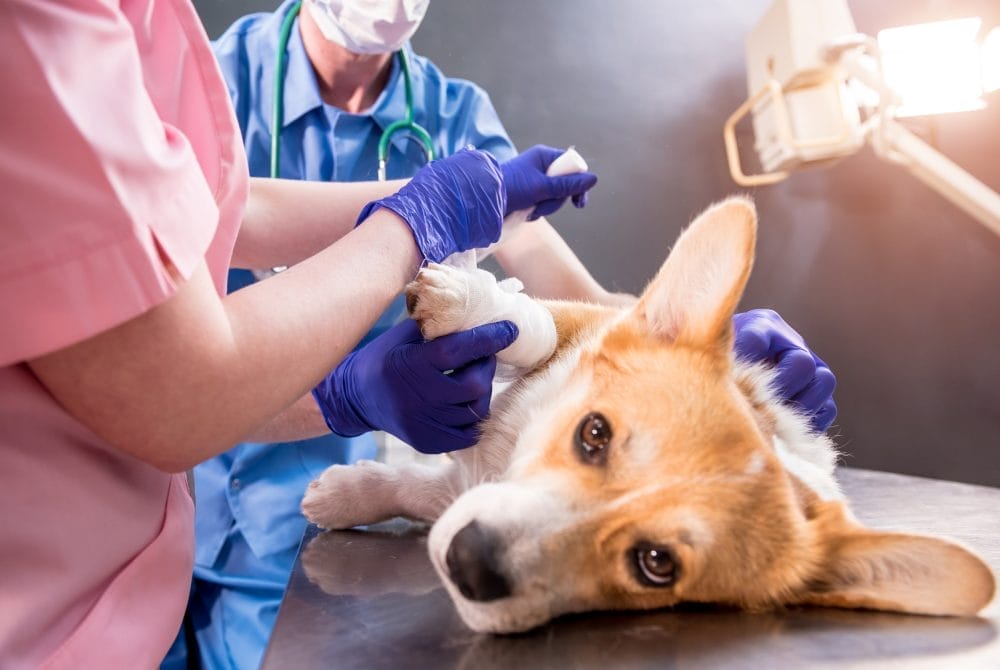
One of the biggest financial risks hidden in pet ownership is the cost of veterinary care. Even if your pet is healthy, accidents and illnesses can happen at any time. A single emergency vet visit can cost hundreds or even thousands of dollars. Routine care like vaccinations, check-ups, and dental cleanings adds up over time as well. Some pet owners are surprised by how quickly these expenses mount, especially if their pet develops a chronic condition that requires ongoing treatment.
Pet insurance can help offset some of these costs, but policies vary in coverage and may not include everything. It’s wise to set aside an emergency fund specifically for your pet’s medical needs to avoid dipping into your savings or going into debt.
2. Pet Insurance Limitations
While pet insurance can provide peace of mind, it’s not a cure-all for financial risks hidden in pet ownership. Many policies have exclusions for pre-existing conditions, breed-specific issues, or certain types of treatments. You may also face annual or lifetime coverage caps. Premiums can increase as your pet ages, and you’ll usually need to pay out of pocket before being reimbursed.
Before buying a policy, read the fine print carefully. Make sure you understand what is—and isn’t—covered so you aren’t caught off guard by denied claims or unexpected expenses.
3. Damage to Property
Puppies chew. Kittens scratch. Even well-trained pets can damage furniture, floors, carpets, or personal belongings. These repairs or replacements aren’t cheap. Landlords may require a pet deposit or charge higher rent, and some may withhold deposits if your pet causes damage.
Pet-proofing your home can minimize risk, but it’s impossible to prevent every accident. Factor in the potential for property damage when considering the true cost of pet ownership.
4. Travel and Boarding Costs
Having a pet can complicate your travel plans. Boarding facilities, pet sitters, or doggy daycares can be expensive, especially during holidays or peak seasons. Some pets require special care, which can drive costs even higher.
If you plan to travel with your pet, airlines and hotels often charge extra fees. You’ll also need to budget for carriers, health certificates, and any travel-related supplies. These expenses can sneak up on you if you travel frequently or need last-minute arrangements.
5. Specialized Diets and Medications
Not all pets thrive on standard food. Some need prescription diets or specialty foods, which can be significantly more expensive. Pets with allergies or chronic conditions may require ongoing medications or supplements. These recurring costs can add hundreds of dollars to your annual pet budget.
Even if your pet is healthy now, their needs may change as they age. Be prepared for the possibility of higher costs down the line.
6. Grooming and Maintenance
Some pets need regular grooming to stay healthy and comfortable. Professional grooming for dogs or cats with long coats, or certain breeds, can cost $50 to $100 per session or more. Nail trims, ear cleaning, and flea treatments add to the bill.
While you can do some grooming at home, you may still need to invest in tools and supplies. Skipping grooming isn’t an option for many pets, as it can lead to health problems and even higher vet bills.
7. Pet-Related Liability
Pet ownership comes with legal and financial risks, especially if your pet causes injury to another person or animal. Dog bites, for example, can result in lawsuits, medical bills, or higher homeowner’s insurance premiums. Certain breeds may not be covered by your policy at all, or you may be required to carry additional liability coverage.
It’s essential to consult with your insurance provider and familiarize yourself with your local laws regarding pet liability. Taking steps to train and socialize your pet properly can reduce risk, but not eliminate it entirely.
8. End-of-Life Expenses
Saying goodbye to a beloved pet is never easy, and the financial risks hidden in pet ownership don’t end there. Euthanasia, cremation, or burial services can cost several hundred dollars. Many owners also choose to memorialize their pets with urns, keepsakes, or commemorative services, which add to the expense.
Planning ahead for these costs can ease the burden during an emotional time. Consider including end-of-life care in your pet emergency fund.
Smart Strategies for Managing Pet Ownership Costs
Understanding the financial risks hidden in pet ownership is the first step toward responsible pet parenting. By planning ahead and being realistic about potential expenses, you can protect both your pet’s well-being and your financial health. Build a dedicated pet emergency fund, research insurance options thoroughly, and consult with your veterinarian about lower-cost care or preventive strategies.
What hidden costs or financial surprises have you experienced as a pet owner? Share your story in the comments below!
What to Read Next…
- 5 Emergency Repairs That Could Force You Into Debt Overnight
- 7 Ways Your Neighbor Could Be Spying On You Without Breaking The Law
- 8 Things You’re Doing That Make Criminals Think You’re An Easy Target
- 10 Items That Could Void Your Homeowners Insurance Instantly
- What Are Banks Really Doing With Your Personal Spending Data?

Travis Campbell is a digital marketer/developer with over 10 years of experience and a writer for over 6 years. He holds a degree in E-commerce and likes to share life advice he’s learned over the years. Travis loves spending time on the golf course or at the gym when he’s not working.