• Home
  • About Us
  • Toolkit
  • Getting Finances Done
    • Hiring Advisors
    • Debt Management
    • Spending Plan
  • Insurance
    • Life Insurance
    • Health Insurance
    • Disability Insurance
    • Homeowners/Renters Insurance
  • Contact Us
  • Privacy Policy
  • Risk Tolerance Quiz

The Free Financial Advisor

You are here: Home / Archives for collectibles

6 Alternative Assets to Hedge Against Inflation

March 18, 2026 by Brandon Marcus Leave a Comment

6 Alternative Assets to Hedge Against Inflation

Image Source: Shutterstock.com

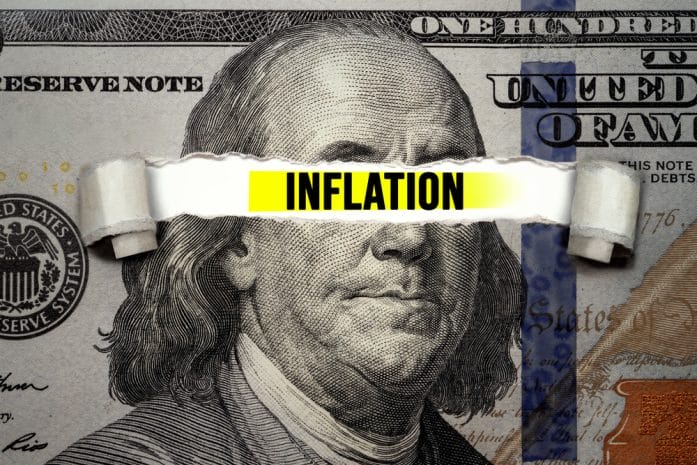
Inflation can sneak into your finances like an uninvited guest, quietly shrinking purchasing power while your savings struggle to keep up. The usual bank accounts and bonds often feel like shields against nothing when prices climb, leaving people scrambling for smarter ways to protect wealth. Alternative assets offer a compelling solution because they operate outside traditional markets, providing both potential growth and a buffer against rising costs. These unconventional options aren’t just for Wall Street pros—they can become valuable tools in anyone’s financial toolkit.

Exploring alternative assets requires more than just curiosity; it demands strategy, research, and a willingness to consider options that might seem unusual at first. While stocks and bonds dominate most portfolios, diversifying with tangible and non-traditional assets creates resilience when inflation spikes. Each type of asset carries its own advantages, risks, and liquidity considerations, making understanding the landscape crucial.

1. Glittering Gold and Precious Metals

Gold has earned its reputation as the ultimate inflation hedge for centuries, and that status isn’t just historical mythology. When the value of paper money declines, tangible precious metals like gold, silver, and platinum often retain or even grow in value. These metals are universally recognized, highly liquid, and portable, which makes them incredibly versatile for hedging purposes. Collecting coins or bars adds a tactile element to investing, turning a financial strategy into a physical asset that can be stored safely or even gifted.

Silver, while often overshadowed by gold, provides another interesting layer of diversification. Unlike gold, silver tends to have industrial demand, linking it to economic cycles in ways that balance portfolio risk differently. Platinum and palladium, rarer than gold, can add extra upside for investors willing to handle volatility. Investing in metals doesn’t require a full vault at home—ETFs and precious metal funds offer exposure without the storage challenges. Whether acquired physically or digitally, metals remain a steadfast shield against inflation, grounding portfolios when markets wobble.

2. Real Estate That Stands the Test of Time

Property continues to offer an effective hedge against rising prices, but it’s not just about buying a home. Real estate investment trusts (REITs), rental properties, and even vacation homes can generate income while appreciating in value. Inflation often drives up both rent and property prices, meaning owning real estate can counteract the eroding effect of rising costs. Physical property also provides a tangible sense of security that paper assets cannot replicate.

Beyond traditional residential spaces, commercial real estate offers compelling alternatives, from storage units to office spaces repurposed for co-working. Investors benefit from rental income that often escalates alongside inflation, creating a natural buffer. Location matters more than ever—growing markets with strong demand typically deliver both income and appreciation, while stagnant areas carry risk. Real estate remains a long-term play, requiring patience and management, but its dual ability to produce cash flow and hedge against inflation makes it a central alternative asset.

3. Collectibles: From Art to Action Figures

High-quality collectibles have skyrocketed in value over the past decades, turning rare items into a surprisingly reliable inflation shield. Classic paintings, limited-edition sneakers, vintage toys, and rare comic books all represent markets that often move independently of stock and bond fluctuations. Scarcity drives value, and in many cases, demand continues to grow even during economic downturns. Collectibles combine enjoyment and investment, allowing for personal passion to meet financial strategy.

The key to success in this area lies in expertise and authenticity. Provenance, condition, and rarity can make or break an item’s investment potential. Unlike traditional assets, collectibles require active research and careful curation, but the payoff can be impressive. Modern platforms also facilitate buying, selling, and verifying collectibles, reducing some of the friction in these markets. While not every collectible will explode in value, a well-chosen piece can preserve purchasing power while adding a layer of fun to a portfolio.

4. Cryptocurrencies: Digital Gold?

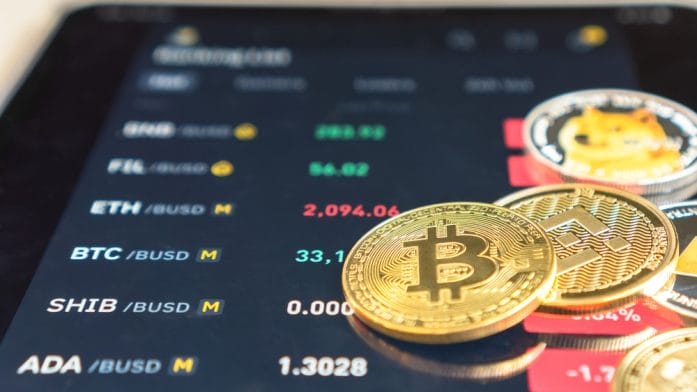
Digital currencies have become a heated topic in wealth protection discussions, offering high volatility but strong inflation hedging potential. Bitcoin and other major cryptocurrencies are often framed as digital gold due to their limited supply and independence from government-controlled currencies. This makes them attractive during periods when fiat money loses value. Cryptocurrency also provides global accessibility, with the ability to transfer and store value digitally across borders.

That said, crypto carries risk unlike traditional assets. Extreme price swings demand careful strategy, diversification, and risk tolerance. Many investors use small allocations to gain exposure without jeopardizing stability. Other blockchain-based assets, such as Ethereum or stablecoins pegged to tangible value, diversify the digital component of a portfolio. While adoption and regulation evolve, cryptocurrencies remain a modern, exciting alternative for those looking to hedge against inflation while exploring the frontier of finance.

6 Alternative Assets to Hedge Against Inflation

Image Source: Shutterstock.com

5. Farmland and Agriculture

Owning farmland might feel old-school, but it’s one of the most direct ways to hedge against inflation because land and food production inherently retain value. Crops, livestock, and timber generate income that often rises with commodity prices, creating both cash flow and long-term appreciation. Farmland has historically delivered steady returns and resilience, especially during periods of economic uncertainty.

Investing doesn’t always require boots in the dirt. Farmland investment platforms and REITs focused on agricultural land allow participation without daily hands-on management. Beyond direct returns, farmland provides tangible security—people need food regardless of inflation rates, and owning productive land creates a natural hedge. Strategic selection, soil quality, and crop types matter for maximizing returns, but agriculture remains a surprisingly powerful alternative asset for forward-thinking investors.

6. Hedge Funds and Private Equity

While traditional portfolios rely on public stocks and bonds, hedge funds and private equity offer access to alternative strategies that aren’t tied to inflation in the same ways. Hedge funds use tactics like short selling, derivatives, and global diversification to generate returns even in uncertain markets. Private equity invests directly in private companies, capturing growth opportunities inaccessible through public trading. Both can act as insulation from inflationary pressures, although they require higher entry thresholds and professional guidance.

These vehicles excel at creating tailored risk-return profiles, with managers adjusting strategies to respond to market fluctuations. Investors benefit from expertise and active management that anticipate inflationary trends before they hit mainstream markets. Diversification across sectors and geographies reduces dependency on any single economy, adding a layer of protection. While access may be limited, incorporating hedge funds or private equity into a portfolio can significantly enhance resilience against inflation.

Inflation Defense Starts Before Prices Spike

Alternative assets aren’t just about novelty—they form a strategic shield for wealth that stretches beyond traditional investments. Combining metals, real estate, collectibles, cryptocurrencies, farmland, and specialized investment vehicles creates a portfolio that can withstand inflation while offering growth opportunities. Timing and research remain essential, but the payoff lies in protection, flexibility, and long-term resilience. A diversified approach ensures that rising costs don’t automatically erode financial security, making wealth preservation both practical and exciting.

Which alternative assets do you think hold the strongest potential to beat inflation, and have you tried any unconventional investments yourself? Share strategies, experiences, or surprising success stories in the comments and start a conversation about creative ways to protect wealth.

You May Also Like…

The Hidden Cost of Keeping Money in Savings at 2.4% Inflation

6 Reasons Middle-Class Budgets Are Breaking Under “Slow Inflation”

Insurance Premium Increases Continue Outpacing Inflation

6 Financial Dangers of Ignoring Inflation

8 Bold Strategies for Investing During Periods of High Inflation

Brandon Marcus
Brandon Marcus

Brandon Marcus is a writer who has been sharing the written word since a very young age. His interests include sports, history, pop culture, and so much more. When he isn’t writing, he spends his time jogging, drinking coffee, or attempting to read a long book he may never complete.

Filed Under: Investing Tagged With: Alternative Assets, collectibles, cryptocurrencies, diversification, gold, hedge funds, Inflation, investing, Personal Finance, Planning, Real estate, wealth protection

6 Weird Collectibles From the ’90s Worth Real Money Now

November 28, 2025 by Travis Campbell Leave a Comment

collectables

Image source: Wirestock Creators / Shutterstock.com

In the 1990s, people followed numerous bizarre trends, using plastic toys and short-lived experimental items they threw away without considering their future value. People stored these items in their closets and plastic totes for multiple years until they discovered their increasing worth. The market now recognizes these items as genuine assets because they belong to the expanding 90s collectibles category. The combination of nostalgia and limited supply has driven prices up so that junk items from the past now sell for hundreds, and sometimes thousands, of dollars. People who never expected their childhood items to gain value were surprised when they unexpectedly became valuable. Yet the market keeps growing, and some pieces stand out.

1. Tamagotchi (First-Generation Models)

The tiny digital pets that beeped endlessly in school hallways now sit at the center of serious collector interest. Early Japanese releases and boxed first-generation Tamagotchis bring strong prices because many didn’t survive their own gimmick. Kids carried them everywhere, dropped them, lost them, or wore out buttons. Clean examples with original packaging command even more. In the world of 90s collectibles, these handheld eggs show how nostalgia rewrites value.

Demand spiked as adults searched for specific colors or regional variants. Some models hit triple-digit prices, especially rare translucent shells. It’s a reminder that mass production doesn’t guarantee long-term supply when most units get broken or tossed.

2. Original Furby (1998 Launch Editions)

Launched with huge hype, the first-generation Furby line followed a predictable path: everyone wanted one, then the fad collapsed. That collapse left early editions scattered and poorly stored. Years later, boxed units that still speak clearly and move without glitching attract buyers willing to pay far more than retail. Certain colorways, produced in short runs, bring particularly strong prices.

The design, eerie to some and charming to others, influenced its staying power. Collectors look for untouched packaging or limited-edition patterns. A working 1998 Furby signals rarity, not just novelty.

3. Polly Pocket Compacts

Small enough to lose under a couch but detailed enough to feel complete, Polly Pocket sets from the early and mid-’90s now carry significant value. Many disappeared into vacuum bags or toy bins, making intact compacts harder to find. The most valuable ones contain all the tiny figurines, which often vanish first.

Production shifted in the late ’90s, making earlier sets distinct. Bright colors, hinge designs, and micro-scale accessories give collectors a sense of completeness that few modern toys match. That scarcity pushes prices higher each year.

4. Beanie Babies With Manufacturing Errors

Most Beanie Babies lack value, despite years of rumors. But a small subset with clear manufacturing errors actually earns meaningful money. Wrong tags, mismatched fabrics, misspelled names, and production defects create genuine scarcity.

The tricky part: knowing which ones matter. Collectors want documented variations and visible mistakes. Clean condition helps, but the defect itself drives price. It’s an example of how the 90s collectibles market rewards unusual production quirks rather than mass appeal.

5. Nintendo 64 Cartridges in Limited Releases

The Nintendo 64 era produced some of the most competitive games of the decade. But hidden among the bestsellers are cartridges produced in short runs or with regional limitations. Titles like niche sports releases, rental-only games, or cartridges tied to special events carry value far beyond nostalgia.

Cartridges with intact labels and original boxes sell for more, sometimes dramatically more. As supply drops and collectors focus on complete sets, the pricing gap between common and rare titles widens. Original packaging, once tossed aside immediately after opening, has become surprisingly influential.

6. McDonald’s Halloween Pails and Tie-In Toys

The fast-food chain ran a long list of promotions throughout the ’90s, and many feel like fragments of childhood. Some were produced briefly or in limited regions. Halloween pails, special-run figurines, and tie-ins linked to movies or television shows can bring unexpected resale value when kept in good condition.

These items blur the line between toy and memorabilia. They carry a cultural imprint that resonates with buyers looking not just for the object but for a forgotten atmosphere. Prices vary widely, but rare sets move quickly on collector platforms.

Nostalgia, Rarity, and the Pull of Memory

People collect items for personal reasons, yet today’s market for ’90s collectibles focuses on owning actual objects that symbolize a lost era of straightforwardness. The objects maintain the authentic feel of childhood activities because they are rare, which makes them more valuable. The market value increases when customers can experience physical products with limited availability.

The market will transform, but physical items that survive through storage bins, attic heat, and broken hinges will maintain their appeal to collectors. People in today’s world need storage solutions for items that were unimportant during previous times. Do you have any 1990s collectibles that could increase in value if sold in today’s market?

What to Read Next…

  • Why Even Wealthy Families Are Now Fighting Over Heirlooms
  • 9 Common Products That May Be Illegal to Resell Online
  • 10 Ways You’re Wasting Money Just Trying to Keep Up Appearances
  • 7 Tactics Grocery Stores Use to Keep You from Thinking About Price
  • 6 Trends That Suggest the Middle Class Is Dying in Suburbia
Travis Campbell
Travis Campbell

Travis Campbell is a digital marketer/developer with over 10 years of experience and a writer for over 6 years. He holds a degree in E-commerce and likes to share life advice he’s learned over the years. Travis loves spending time on the golf course or at the gym when he’s not working.

Filed Under: Entertainment Tagged With: 90s, antiques, collectibles, resale, toys

9 Strange Assets That Rarely Pay Off (Unless You’re Extremely Lucky)

September 23, 2025 by Travis Campbell Leave a Comment

investments

Image source: pexels.com

People are always searching for the next big thing, hoping to strike it rich with unusual investments. The idea of turning a quirky collection or rare find into a fortune is tempting. But the reality is, most strange assets rarely pay off—unless you’re extremely lucky. For every story of a hidden gem turning into a windfall, there are countless tales of disappointment. If you’re considering investing in unusual items, it’s worth understanding the associated risks. Let’s look at nine of the strangest assets that usually don’t deliver the big returns people hope for.

1. Collectible Beanie Babies

Beanie Babies were once the poster child for speculative collecting. In the 1990s, people bought these stuffed animals by the bagful, convinced they’d fund college or retirement. Fast forward to today, and most Beanie Babies are worth only a fraction of their original price—if that. Only a handful of rare editions fetch significant sums. The vast majority sit unsold at garage sales or in online listings. As a strange asset, Beanie Babies rarely pay off unless you happen to own one of the ultra-rare versions with perfect tags and provenance.

2. Vintage Comic Books (Non-Key Issues)

Some comic books sell for thousands, but most don’t. Unless you own a first appearance of Spider-Man or Superman, your old comics are probably worth only a few dollars each. The market is flooded with non-key issues, and condition matters a lot. Grading, storage, and demand all play a role. For every lucky owner of a valuable comic, there are thousands whose collections gather dust. This strange asset is more sentimental than profitable for most.

3. First Edition Self-Published Novels

Self-publishing has exploded, with millions of books available online. Some investors scoop up first editions, hoping for a breakout author. But unless you pick the next J.K. Rowling or Andy Weir, these books are unlikely to appreciate. Most self-published novels never reach mainstream popularity, and their first editions remain obscure. If you’re extremely lucky, you might stumble on a treasure, but the odds are long.

4. Autographed Sports Memorabilia (Mass Produced)

Sports memorabilia is a huge industry, but most autographed items—especially those that are mass-produced—don’t hold much value. Teams and athletes sign thousands of balls, jerseys, and photos every year. Unless you have a rare, authenticated autograph from a legendary player, your collection may not pay off. Certificates of authenticity can help, but even then, supply often outpaces demand. This is a strange asset where luck and timing are everything.

5. Rare Coins from Recent Years

Coin collecting is a classic hobby, but not all coins are created equal. Rare coins from recent years, especially those produced in large quantities, rarely appreciate. Unless a minting error or unique history makes a coin stand out, it’s unlikely to become valuable. Many people buy these coins hoping for future gains, but most see little or no return. As a strange asset, modern coins are a gamble at best.

6. Celebrity-Owned Items (Minor Celebrities)

People love owning something that once belonged to a celebrity. But unless the star is truly iconic, these items usually don’t fetch high prices. Memorabilia from minor celebrities or reality TV personalities may have fleeting appeal, but their value rarely lasts. Even authenticated items can underperform if the celebrity’s fame fades. This strange asset is only profitable if you’re extremely lucky with your choice of star.

7. Vintage Video Games (Common Titles)

The vintage video game market has seen some eye-popping sales, but most of the value is in rare, unopened, or limited-run titles. Common games, even if old, are rarely worth much. Unless you have a sealed first edition or a highly sought-after cartridge, your collection is probably more nostalgic than lucrative. This strange asset is a classic example of high hopes meeting harsh reality.

8. Limited Edition Sneakers (Unpopular Releases)

Sneaker flipping became a trend as collectors hunted for limited releases to resell at a premium. But not every limited edition is a winner. Unpopular colorways or collaborations often fail to gain traction, and prices can drop quickly after release. Unless you have an eye for what will be truly in demand, this strange asset is risky. You might get lucky, but most people end up with shoes they can’t sell for a profit.

9. Unusual Artworks by Unknown Artists

Everyone dreams of finding the next Picasso at a flea market, but it’s rare. Art by unknown or emerging artists can be fun to collect, but it’s usually not a reliable investment. The art market is fickle and driven by trends, reputation, and sometimes pure luck. Unless the artist gains significant fame, these strange assets rarely pay off in the long run.

When Strange Assets Make Sense

Strange assets can be fun to collect and might even pay off if you’re extremely lucky, but they shouldn’t form the backbone of your investment strategy. The odds are stacked against big returns, and most people end up holding items that never increase in value. If you enjoy collecting, treat it as a hobby rather than a serious investment.

Remember, luck plays a huge role in making money from strange assets, so be realistic about your chances.

Have you ever invested in a strange asset that paid off—or didn’t? Share your experience in the comments below!

What to Read Next…

  • 10 Guaranteed Return Investments That Usually Disappoint
  • 8 Things Rich People Never Finance And You Shouldn’t Either
  • 5 Home Investment Plans That Legal Experts Say To Avoid
  • 9 Products Still Being Sold That Were Banned In Other Countries
  • 7 Investment Loopholes That Can Be Closed Without Warning
Travis Campbell
Travis Campbell

Travis Campbell is a digital marketer/developer with over 10 years of experience and a writer for over 6 years. He holds a degree in E-commerce and likes to share life advice he’s learned over the years. Travis loves spending time on the golf course or at the gym when he’s not working.

Filed Under: Investing Tagged With: alternative investments, collectibles, investment risks, Personal Finance, strange assets

7 Strange Investments That Almost Always Lose Value

September 17, 2025 by Travis Campbell Leave a Comment

investments

Image source: pexels.com

Everyone wants to find the next big thing in investing. Some people chase oddball assets, hoping for quick profits or a unique story. But not all investments are created equal. In fact, many strange investments almost always lose value, costing people money and time. Understanding which unusual assets tend to disappoint can help you steer clear of financial pitfalls. Let’s break down seven of the weirdest investments that rarely pay off, so you can spend your hard-earned cash more wisely.

1. Beanie Babies

In the 1990s, Beanie Babies were everywhere. People thought these stuffed animals would become rare collectibles worth a fortune. Some paid hundreds or even thousands of dollars for limited editions. But today, most Beanie Babies are worth little more than the original retail price. The market was driven by hype, not actual scarcity or lasting demand. As a result, Beanie Babies are a classic example of strange investments that almost always lose value. Unless you have one of a handful of ultra-rare versions, you’re unlikely to recoup your money.

2. Timeshares

Timeshares sound appealing: you get a vacation property for a fraction of the cost. But the reality is less rosy. The resale market for timeshares is notoriously weak. Owners often find themselves unable to sell, even at steep discounts. Annual maintenance fees can rise, eating into any potential value. The inflexible schedules and hidden costs make timeshares one of those strange investments that almost always lose value. There are better ways to plan vacations that won’t drain your wallet over time.

3. Celebrity-Endorsed Memorabilia

Autographed items and memorabilia tied to celebrities can seem like a fun investment. Unfortunately, the majority of these collectibles don’t hold their value. For every rare signed baseball or iconic movie prop, there are thousands of mass-produced items. The authenticity of signatures is also a big concern. Plus, trends in pop culture change fast. What’s hot today may be forgotten tomorrow. If you’re looking to put your money somewhere safe, celebrity memorabilia is one of the strange investments that almost always lose value.

4. Rare Comic Books (Non-First Editions)

Comic books can fetch big bucks—if you own a first edition or a particularly rare issue. Most comics, however, fall into the “common” category. Non-first edition comics, even from popular series, don’t command high prices. The market is saturated, and condition matters a lot. Unless you’re a true expert, investing in random comic books is risky. This is one of the strange investments that almost always lose value, especially if you’re buying for profit instead of personal enjoyment.

5. Collectible Plates

Those decorative plates you see advertised as limited editions? They’re often mass-produced and marketed as investments. Unfortunately, demand is low, and secondary market prices are even lower. Most collectible plates end up gathering dust instead of appreciating in value. Buyers learn too late that these strange investments almost always lose value. If you love the artwork, buy a plate for your wall, not your portfolio.

6. Prepaid Funeral Plans

Prepaid funeral plans are sold as a way to lock in today’s prices for future services. In reality, these plans can come with hidden fees, restrictions, and even the risk of the provider going out of business. Many people lose money when they try to transfer or cancel their plan. The value rarely keeps up with inflation or changing family needs. As a result, prepaid funeral plans are among the strange investments that almost always lose value. Consider other ways to plan for end-of-life expenses.

7. Modern “Limited Edition” Coins

Modern collectible coins, especially those sold on TV or online as “limited editions,” are rarely good investments. These coins are often sold at a hefty premium over their actual metal value. The resale market is thin, and few buyers are interested once the initial hype fades. Unless the coin is rare and has historical significance, it’s likely to lose value over time. If you want to buy coins, focus on bullion or truly rare historical pieces. Otherwise, modern limited editions are just another example of strange investments that almost always lose value.

What to Remember About Strange Investments

It’s easy to be tempted by unusual opportunities that promise big returns or a piece of history. However, most strange investments that almost always lose value share the same problem: limited resale demand and inflated purchase prices. If you’re considering putting money into something unconventional, ask yourself if there’s a real market for it. Do a little research, and don’t let hype cloud your judgment.

Instead of chasing the next fad, focus on time-tested strategies. Building a diversified portfolio of stocks, bonds, or real estate is usually safer. Have you ever tried one of these strange investments? Share your experience in the comments below!

What to Read Next…

  • 10 Guaranteed Return Investments That Usually Disappoint
  • 5 Home Investment Plans That Legal Experts Say To Avoid
  • 7 Investment Loopholes That Can Be Closed Without Warning
  • Why So Many Investors Are Losing Assets In Plain Sight
  • 8 Subtle Illusions Used By Scammers In Investment Offers
Travis Campbell
Travis Campbell

Travis Campbell is a digital marketer/developer with over 10 years of experience and a writer for over 6 years. He holds a degree in E-commerce and likes to share life advice he’s learned over the years. Travis loves spending time on the golf course or at the gym when he’s not working.

Filed Under: Investing Tagged With: alternative investments, collectibles, investing, investment tips, money mistakes, Personal Finance

8 Weird Costs Linked to Owning Collectibles

September 13, 2025 by Travis Campbell Leave a Comment

collectables

Image source: pexels.com

Collectibles are more than just fun to own—they can be investments, conversation starters, or even family heirlooms. But behind every rare coin, vintage comic, or signed jersey, there are expenses that go far beyond the initial purchase price. Many collectors overlook these weird costs until they start piling up. If you’re thinking about diving into the world of collectibles, it’s important to know what you’re really signing up for. This article breaks down eight unusual costs linked to owning collectibles, so you can make informed choices and keep your hobby from draining your wallet.

1. Specialized Insurance Premiums

Standard homeowners or renters insurance often won’t fully cover high-value collectibles. You might need a separate policy or rider for things like rare stamps, comics, or sports memorabilia. These specialized insurance premiums can be surprisingly high. Insurers may require appraisals and detailed documentation, which adds to the expense. If your collection grows or changes, you’ll need to update your policy, sometimes at a higher rate. For serious collectors, ignoring this cost could mean risking a total loss.

2. Climate-Controlled Storage

Many collectibles are sensitive to heat, humidity, and light. Items like vintage vinyl, original artwork, or trading cards can degrade quickly in the wrong environment. That’s why climate-controlled storage is a must for some collectors. Renting a climate-controlled unit or upgrading your home’s HVAC system isn’t cheap. Even storing items in specialized display cases with UV protection racks up costs over time. Protecting your collectibles from environmental damage is essential, but it comes at a price that surprises many new hobbyists.

3. Professional Appraisals

To get insurance or sell a collectible, you’ll often need a professional appraisal. Appraisers charge fees based on their expertise and the type of item. For rare collectibles, these fees can range from $50 to several hundred dollars per piece. If you have a large or diverse collection, the cost of appraisals adds up quickly. Plus, values change over time, so you may need to pay for periodic reassessments to stay current. This is one of those weird costs that feels optional—until you need an accurate value for a claim or sale.

4. Restoration and Conservation

Restoring or conserving collectibles is a double-edged sword. On one hand, restoration can increase the value of an item or keep it from deteriorating. On the other hand, it often costs a lot and must be done by experts. For example, restoring a vintage toy or repairing a rare book requires specialized skills and materials. Sometimes, even minor conservation work—like cleaning coins or flattening old posters—comes with hefty price tags. And if restoration is done poorly, it can actually decrease your collectible’s value.

5. Auction and Broker Fees

When it’s time to sell, you’ll likely use an auction house or a broker, especially for high-value collectibles. These professionals charge fees that often range from 10% to 25% of the final sale price. Some even tack on “processing” or “listing” fees before your item sells. If you sell through online platforms, there might be additional fees for payment processing or shipping. These expenses eat into your profits, so it’s something every collector should factor in from the start.

6. Authentication Services

With forgeries and replicas everywhere, authentication is a must for many collectibles. Whether it’s a signature, a rare coin, or a vintage trading card, you’ll need to prove it’s genuine. Professional authentication services don’t come cheap. Fees vary by item type and value, but expect to pay at least $20 to $100 per item—and sometimes much more. If you plan to sell or insure your collectibles, authentication is often required, making it one of the unavoidable weird costs of owning collectibles.

7. Security Upgrades

High-value collectibles can make you a target for theft. Many collectors end up investing in home security systems, reinforced doors, or even safes. These upgrades aren’t just one-time costs—security systems often have monthly monitoring fees, and safes may require installation or annual maintenance. If your collection is particularly valuable, you might need to consult with a security expert. All these expenses add up, and they’re easy to overlook when you’re focused on the thrill of acquiring new pieces.

8. Transportation and Handling

Moving collectibles is riskier than it sounds. Whether you’re taking items to a show, a buyer, or just moving house, you’ll need specialized packing materials and sometimes professional movers. For fragile or oversized items, shipping can be very expensive, especially if you want insurance or climate-controlled transport. Mishandling during transit can lead to damage and loss of value. These costs might seem minor at first, but they can quickly escalate, especially for larger or more valuable collections.

Thinking Beyond the Price Tag

Owning collectibles is a rewarding pursuit, but it’s not just about buying and displaying rare items. The weird costs of owning collectibles—like specialized insurance, storage, and authentication—can catch even experienced collectors off guard. Planning for these expenses helps you protect your investment and enjoy your hobby with fewer surprises.

If you’re considering starting or expanding your collection, think through these costs before making your next purchase.

What’s the weirdest cost you’ve run into while collecting? Share your stories in the comments!

What to Read Next…

  • Why Even Wealthy Families Are Now Fighting Over Heirlooms
  • Why Do Adult Children Fight More Over Jewelry Than Homes
  • 8 Everyday Services That Are Slowly Becoming Subscription Only
  • 7 Hidden Fees That Aren’t Labeled As Fees At All
  • 7 Costs Retirees Refuse To Pay In 2025 And How You Can Follow Their Lead
Travis Campbell
Travis Campbell

Travis Campbell is a digital marketer/developer with over 10 years of experience and a writer for over 6 years. He holds a degree in E-commerce and likes to share life advice he’s learned over the years. Travis loves spending time on the golf course or at the gym when he’s not working.

Filed Under: Finance Tagged With: appraisals, authentication, collectibles, hidden costs, hobby, Insurance, storage

7 Strange Investments That Rarely Pay Off

September 13, 2025 by Travis Campbell Leave a Comment

investments

Image source: pexels.com

Everyone wants to find the next big thing when it comes to investments. The idea of investing in unconventional opportunities and seeing them skyrocket in value is appealing. But strange investments that rarely pay off can be more trouble than they’re worth. Chasing after oddball assets might seem exciting, but most people end up with disappointment instead of profit. Understanding the risks of these unusual choices is essential if you want to protect your hard-earned money. Let’s look at seven strange investments that rarely pay off, so you can steer clear of costly mistakes.

1. Collectible Beanie Babies

In the 1990s, Beanie Babies were all the rage. People believed these stuffed animals would become valuable collector’s items. Some even bought them by the box, hoping to fund college with their future sales. Fast forward to today, and most Beanie Babies are worth little more than their original price, if that. The market became oversaturated, and the hype fizzled out.

This is a classic example of a strange investments that rarely pay off. Rarity is only valuable if there’s genuine, lasting demand. In the case of Beanie Babies, the collector bubble burst, leaving many people with boxes of plush toys collecting dust.

2. Timeshares

Timeshares promise a slice of paradise for a fraction of the cost. The reality? They’re notoriously hard to resell and come with ongoing fees that can quickly add up. Many buyers find themselves stuck paying maintenance costs long after the excitement of vacationing in the same spot wears off.

Timeshares are one of those strange investments that rarely pay off because there’s rarely a true secondary market. When it’s time to sell, most owners struggle to find buyers, often walking away at a loss or giving them away for free just to escape the fees.

3. Autographed Sports Memorabilia

It’s tempting to think that a signed baseball or jersey will one day be worth a fortune. But the world of autographed memorabilia is full of pitfalls. Forgeries are common, and even authentic items can lose value if the athlete falls out of favor or the market becomes saturated.

Unless you have deep knowledge of the industry and can verify authenticity, this investment is risky. Most pieces end up being worth far less than what collectors originally paid.

4. Rare Coins and Stamps

Collecting rare coins and stamps is a hobby for many, but it’s a tough way to make money. Prices can fluctuate wildly, and the market is full of fakes. Grading and authentication add extra costs, and it’s difficult to predict what will be in demand years down the road.

While a handful of rare items have fetched high prices at auction, most collectors never see a significant return. For the majority, these strange investments that rarely pay off are better enjoyed as hobbies than as financial strategies.

5. Celebrity-Endorsed Products

From branded perfumes to limited-edition sneakers, celebrity-endorsed products lure fans in with the promise of exclusivity. But the value of these items is often tied to fleeting trends. Once the celebrity moves on or the hype dies down, prices usually drop.

Very few celebrity-backed products hold their value over time. Unless you’re buying for personal enjoyment, these investments tend to leave buyers disappointed and out of pocket.

6. Exotic Pets

Some investors have tried to turn a profit by breeding or selling exotic pets, like reptiles or rare birds. This market is unpredictable and fraught with legal and ethical issues. Many exotic pets require special care, and owners may face restrictions or bans as laws change.

The costs of caring for these animals can quickly outweigh any potential profit. It’s another example of strange investments that rarely pay off and can even land you in trouble if you’re not careful.

7. Wine and Whiskey Futures

Investing in wine or whiskey before it’s bottled might sound glamorous, but it’s a gamble. Not every vintage ages well, and factors like storage and provenance can affect value. The market is also highly specialized, so it’s easy for inexperienced investors to overpay.

While some rare bottles fetch high prices, the majority of investors don’t see the returns they hoped for. If you’re not a connoisseur with deep industry connections, this strange investment can quickly turn sour.

How to Protect Yourself from Bad Investments

Chasing strange investments that rarely pay off can be tempting, especially when you hear stories of people striking it rich. But the reality is that most unconventional assets come with high risks and low chances of reward. Before putting your money into anything unusual, do your homework. Ask yourself if there’s a real, sustainable market for the asset. Be wary of hype, and avoid investments that rely on trends or celebrity endorsements to maintain value.

If you’re looking for more reliable ways to grow your wealth, consider learning about diversification strategies or reading up on simple portfolio approaches that have stood the test of time. Remember, patience and discipline usually beat speculation in the long run.

Have you ever tried one of these strange investments that rarely pay off? Share your experience or questions in the comments below!

What to Read Next…

  • 10 Guaranteed Return Investments That Usually Disappoint
  • 5 Home Investment Plans That Legal Experts Say To Avoid
  • 7 Investment Loopholes That Can Be Closed Without Warning
  • 8 Subtle Illusions Used By Scammers In Investment Offers
  • Why So Many Investors Are Losing Assets In Plain Sight
Travis Campbell
Travis Campbell

Travis Campbell is a digital marketer/developer with over 10 years of experience and a writer for over 6 years. He holds a degree in E-commerce and likes to share life advice he’s learned over the years. Travis loves spending time on the golf course or at the gym when he’s not working.

Filed Under: Investing Tagged With: alternative investments, collectibles, investment mistakes, money management, Personal Finance, risky assets

7 Weird Investments People Regret Buying

September 10, 2025 by Catherine Reed Leave a Comment

7 Weird Investments People Regret Buying

Image source: 123rf.com

When it comes to investing, most people aim for stable growth, smart diversification, and long-term returns. Yet, not every choice made in the name of “opportunity” pans out. History is full of strange financial decisions that left investors scratching their heads and emptying their wallets. From collectibles that lost their shine to schemes that promised the world, these are the weird investments people regret buying. Understanding these mistakes can help you avoid falling for similar traps.

1. Beanie Babies Mania

In the 1990s, Beanie Babies were more than toys—they were treated like financial assets. Many people poured thousands of dollars into them, expecting the value to skyrocket. Instead, supply eventually overwhelmed demand, and the resale market collapsed. Today, only a handful of rare Beanie Babies sell for significant money, leaving most investors with bins of stuffed animals worth little more than sentimental value. This serves as a classic example of how hype can cloud financial judgment.

2. Pet Rocks

Few weird investments people regret buying are as iconic as the Pet Rock craze of the 1970s. What started as a novelty gag became a booming business, with people paying good money for literal rocks in cardboard boxes. While the creator made millions, investors who stockpiled them for resale quickly learned the fad had no staying power. Once the joke wore off, demand disappeared almost overnight. It highlights the risk of betting on short-lived trends.

3. Timeshares with Hidden Costs

On the surface, timeshares seem like a way to secure vacation fun while saving money. Unfortunately, many investors regret buying them due to high maintenance fees and difficulty reselling. Once purchased, owners often discover the value plummets the moment the contract is signed. Many end up stuck paying for something they rarely use. This makes timeshares one of the more common weird investments people regret buying, even if they seemed practical at first.

4. Ostrich Farming

In the 1980s and 1990s, ostrich farming was pitched as a goldmine. Promoters claimed ostrich meat, feathers, and hides would dominate luxury markets. Investors bought into the idea, spending heavily on breeding pairs. However, the market never matured, leaving most farmers with expensive birds they couldn’t sell for a profit. It’s a reminder that not every “next big thing” in agriculture actually takes off.

5. Collectible Plates and Figurines

Limited-edition collectible plates and figurines were heavily marketed as “surefire investments” for decades. Buyers were promised that these items would increase in value as they became rarer. In reality, the resale market never developed, and most pieces are worth less than their original purchase price. Many basements and attics still hold boxes of these dust-covered items. They remain a textbook example of how marketing can turn everyday products into bad investments.

6. Penny Stocks and Pump-and-Dump Schemes

Another set of weird investments people regret buying comes from penny stocks. These ultra-cheap shares are often promoted with promises of explosive growth. Unfortunately, they’re highly vulnerable to pump-and-dump schemes, where promoters inflate the price before dumping their shares, leaving others with worthless stock. Many investors who chased quick profits ended up losing everything. It’s a high-risk game that rarely ends well for average buyers.

7. Virtual Land in Failed Online Worlds

Long before today’s discussions about the metaverse, investors were buying virtual land in online worlds like Second Life. While some early adopters made money, most people who invested in virtual properties ended up with worthless pixels when interest faded. The markets for these spaces never lived up to their hype. Unlike real land, virtual property has no tangible value outside its platform. It remains one of the strangest financial experiments of the digital age.

Learning From Other People’s Regrets

The history of weird investments people regrets buying offers valuable lessons for today’s investors. Whether it’s toys, birds, or digital real estate, the common thread is hype and unrealistic expectations. Successful investing usually comes from patience, research, and sticking with proven strategies instead of chasing fads. By recognizing the red flags in past mistakes, you can protect your money and focus on building real wealth. Remember, not every “hot opportunity” is worth the risk.

Have you ever fallen for a financial fad that didn’t pay off? Share your story in the comments—we’d love to hear your experience!

What to Read Next…

10 Strange Investments That Wealthy People Keep Secret

8 Smart Investing Rules the Wealthy Actually Follow

10 Shocking Ways Wealth Disappears During a Market Crash

Why Do High Earners End Up With Less Cash on Hand Than Expected

7 Strange Things That End Up in High-Net-Worth Portfolios

Catherine Reed
Catherine Reed

Catherine is a tech-savvy writer who has focused on the personal finance space for more than eight years. She has a Bachelor’s in Information Technology and enjoys showcasing how tech can simplify everyday personal finance tasks like budgeting, spending tracking, and planning for the future. Additionally, she’s explored the ins and outs of the world of side hustles and loves to share what she’s learned along the way. When she’s not working, you can find her relaxing at home in the Pacific Northwest with her two cats or enjoying a cup of coffee at her neighborhood cafe.

Filed Under: Investing Tagged With: bad investments, collectibles, financial mistakes, investing, money management, regrets, weird investments

5 Things People Forget to Insure Until It’s Too Late

September 4, 2025 by Catherine Reed Leave a Comment

5 Things People Forget to Insure Until It’s Too Late

Image source: 123rf.com

Insurance is designed to protect us from life’s unexpected setbacks, yet many people don’t realize there are critical gaps in their coverage. While homes, cars, and health plans are standard, other valuable items and situations often go overlooked. Unfortunately, those oversights only become clear when disaster strikes and it’s too late to fix them. By understanding the most common things people forget to insure until it’s too late, you can protect your finances and avoid painful surprises.

1. Valuable Jewelry and Family Heirlooms

Many homeowners assume their standard policy automatically covers all personal items. While basic coverage may apply, it often falls short when it comes to expensive jewelry or family heirlooms. For example, engagement rings, vintage watches, or inherited pieces may exceed policy limits. Without specific riders or additional coverage, replacement costs can land squarely on the owner’s shoulders. Jewelry is one of the top things people forget to insure until it’s too late, leaving families with both financial and sentimental loss.

2. Home-Based Businesses

More people are working from home or running small businesses from their living rooms. Yet standard homeowners’ insurance typically excludes business equipment, inventory, or liability tied to commercial activity. If a fire, theft, or customer accident occurs, you could face significant out-of-pocket costs. Business insurance or an added policy rider is often necessary to stay protected. Home-based businesses are frequently overlooked, making them one of the things people forget to insure until it’s too late.

3. Collectibles and Hobby Equipment

From rare comic books to high-end photography gear, collectibles and hobby items often carry significant value. Standard insurance may not fully account for these unique possessions, especially if their worth is tied to rarity rather than purchase price. A sudden flood, fire, or theft can wipe out years of collecting and thousands of dollars. Specialized coverage ensures items are properly appraised and protected. Collectibles rank high on the list of things people forget to insure until it’s too late.

4. Long-Term Disability

Most people plan for life insurance but overlook disability coverage, even though the odds of needing it are higher. If you become unable to work due to illness or injury, long-term disability insurance can replace a portion of your income. Without it, families often burn through savings or take on debt to stay afloat. Employer-provided benefits may not be enough, and personal policies offer broader protection. Disability coverage is one of the critical things people forget to insure until it’s too late, often with devastating results.

5. Travel Plans and Vacation Rentals

Trips are usually booked with excitement, not caution, but travel insurance can save thousands if things go wrong. Flight cancellations, lost luggage, or medical emergencies abroad can quickly derail a vacation. Vacation rentals also pose risks, especially if accidents occur while hosting guests. Without proper coverage, unexpected events can turn a dream trip into a financial nightmare. Travel-related protections are among the most common things people forget to insure until it’s too late.

Protecting More Than Just the Basics

Insurance isn’t just about checking boxes on required policies—it’s about anticipating risks and filling the gaps others miss. Jewelry, businesses, hobbies, income, and travel all represent areas where people underestimate potential losses. Recognizing these vulnerabilities ensures you’re not left exposed when the unexpected happens. By taking proactive steps, you can safeguard both financial stability and peace of mind. The smartest approach is to review coverage regularly, so you never face the regret of discovering things people forget to insure until it’s too late.

Have you ever experienced a loss that insurance didn’t cover? Share your story and advice in the comments below.

What to Read Next…

Could Skipping Insurance Be the Biggest Money Mistake of All

Why Do Some People Think Life Insurance Is a Scam Until It’s Too Late

10 Big Purchases That Quietly Wreck Retirement Plans

Is $8,000 a Year a Sound “Peace of Mind” Investment for Retirement

The Hidden Clause That Could Let Your State Reclaim Medicaid Funds

Catherine Reed
Catherine Reed

Catherine is a tech-savvy writer who has focused on the personal finance space for more than eight years. She has a Bachelor’s in Information Technology and enjoys showcasing how tech can simplify everyday personal finance tasks like budgeting, spending tracking, and planning for the future. Additionally, she’s explored the ins and outs of the world of side hustles and loves to share what she’s learned along the way. When she’s not working, you can find her relaxing at home in the Pacific Northwest with her two cats or enjoying a cup of coffee at her neighborhood cafe.

Filed Under: Insurance Tagged With: business insurance, collectibles, disability coverage, Insurance, jewelry coverage, Personal Finance, Planning, travel insurance

5 Forgotten Assets That Turn Out to Be Worthless in Retirement

August 31, 2025 by Travis Campbell Leave a Comment

retirement

Image source: pexels.com

Many people enter retirement counting on a mix of savings, investments, and possessions to support their lifestyle. But not every asset you remember from your working years holds real value when you need it most. Some things you thought would help fund your golden years end up being more trouble than they’re worth—if they’re worth anything at all. Understanding which forgotten assets are likely to be worthless in retirement can help you focus on what really matters. This knowledge is crucial for anyone hoping to build a solid plan and avoid nasty surprises. If you’re hoping to maximize your financial security, it’s important to know which assets can disappoint you down the road.

1. Old Life Insurance Policies

Many retirees hold on to life insurance policies they bought decades ago, assuming these will provide a safety net or a windfall for heirs. But as you age, some policies—especially old term life insurance—expire or lose their value entirely. Even permanent policies can get eaten up by fees or underperforming investments, leaving little to cash out.

If you’re paying premiums on a policy you no longer need, it might be draining your retirement savings instead of helping it grow. Before counting on these policies as a backup, review them carefully. You may find that what you thought was an asset is actually a liability in your retirement planning.

2. Collectible Items

It’s common to assume that valuable collectibles—like coins, stamps, baseball cards, or vintage toys—will provide a cushion in retirement. Unfortunately, the market for collectibles is unpredictable and often illiquid. What seemed valuable years ago might now be out of fashion, or the buyer pool may have shrunk dramatically.

Many retirees are disappointed to learn their prized collections fetch far less than expected, or worse, there’s no buyer at all. If your retirement plan involves selling collectibles, get them appraised and research recent sales. You might discover that, as forgotten assets, they’re nearly worthless when you need them most.

3. Timeshares

For decades, timeshares were marketed as an affordable way to enjoy vacations and build lasting memories. But when retirement arrives, the reality often sets in. Timeshares can be nearly impossible to sell, and ongoing fees continue whether you use them or not. In many cases, the resale market is flooded, driving prices down to zero or even negative value—owners sometimes pay just to get rid of them.

If you were banking on your timeshare as a tradable or saleable asset in retirement, you may be disappointed. It’s wise to factor these into your retirement planning as an expense, not a source of value.

4. Old Technology and Electronics

That old computer, first-generation smartphone, or box of VHS tapes in your attic may seem like treasures from a bygone era. But when it comes to retirement, these forgotten assets are almost always worthless. Electronics depreciate quickly, and technology moves on. Even items that once cost a small fortune can’t find buyers, or only sell for pennies on the dollar.

Some people hope to cash in on “retro” tech, but unless you have a rare model in pristine condition, you’re unlikely to see any meaningful return. Don’t count on old gadgets to pad your retirement nest egg—they’re more likely to end up as e-waste.

5. Unused Gift Cards and Loyalty Points

It’s easy to lose track of gift cards or let loyalty points pile up over the years, thinking you’ll use them later. But many cards expire, lose value, or come with restrictions that make them difficult to use in retirement. Retailers may go out of business or change their terms, rendering these “assets” worthless.

If you’re planning to stretch your retirement dollars with old gift cards or points, check the fine print and use them sooner rather than later. These forgotten assets are notorious for vanishing when you need them most.

What to Focus On Instead of Forgotten Assets

Relying on forgotten assets during retirement can lead to disappointment and financial shortfalls. Instead, put your energy into assets with real, measurable value—like diversified investments, stable income streams, and a solid emergency fund. Regularly review your portfolio and update your retirement planning to reflect current realities, not outdated assumptions.

For more tips on building a strong retirement plan, check out this guide on retirement planning basics or explore how to avoid common pitfalls with these retirement mistakes. By focusing on assets that hold their value, you’ll be better equipped to enjoy your retirement years with confidence.

Have you ever counted on an asset that turned out to be worthless in retirement? Share your story or questions in the comments below!

What to Read Next…

  • The Most Common Asset People Forget To Include In Their Estate Plans
  • Why Even Wealthy Families Are Now Fighting Over Heirlooms
  • Why Buying A Second Property Could Jeopardize Your Heirs Inheritance
  • 8 Real Estate Mistakes That Erode Wealth Before Retirement Ever Starts
  • 10 Assets That Can Haunt Your Spouse Financially After You’re Gone
Travis Campbell
Travis Campbell

Travis Campbell is a digital marketer/developer with over 10 years of experience and a writer for over 6 years. He holds a degree in E-commerce and likes to share life advice he’s learned over the years. Travis loves spending time on the golf course or at the gym when he’s not working.

Filed Under: Retirement Tagged With: collectibles, financial advice, life insurance, Personal Finance, retirement mistakes, retirement planning, worthless assets

7 Strange Things That End Up in High-Net-Worth Portfolios

August 30, 2025 by Travis Campbell Leave a Comment

investment

Image source: pexels.com

When people imagine high-net-worth portfolios, they usually think of blue-chip stocks, real estate, or maybe some private equity. But the reality is far more interesting. Wealthy investors often look beyond traditional assets to find value, hedge risk, or simply express their personality and interests. This can lead to some unusual choices that most people wouldn’t expect to see in a portfolio. Understanding these “strange” investments sheds light on how the ultra-wealthy approach diversification—and why their strategies sometimes outperform the mainstream. If you’ve ever wondered what really goes into a high-net-worth portfolio, you might be surprised at just how creative and unconventional these holdings can get.

1. Fine Art and Rare Collectibles

Art isn’t just for museums or living room walls. High-net-worth portfolios often include paintings, sculptures, and even rare collectibles like vintage cars or comic books. These assets can appreciate significantly over time and aren’t always correlated with the stock market. For investors looking to diversify, art offers both a hedge and a conversation starter. It also brings a level of personal enjoyment that’s hard to match with a mutual fund statement.

Managing this kind of investment does require expertise. Authentication, storage, and insurance all add to the complexity. Still, many wealthy individuals find that the unique combination of potential returns and personal satisfaction makes fine art a natural fit for a high-net-worth portfolio.

2. Wine and Whiskey Collections

Some high-net-worth portfolios include cellars full of rare wines or barrels of collectible whiskey. These alternative assets have grown in popularity as investors search for returns outside traditional markets. Wine and whiskey can appreciate in value as bottles become rarer or gain critical acclaim. In some cases, entire funds are dedicated to investing in these beverages, pooling resources to acquire and store the best vintages.

Of course, this strategy isn’t for everyone. Proper storage and authentication are essential, and liquidity can be a challenge. Still, for those with a taste for the finer things, adding wine or whiskey to a high-net-worth portfolio can be both profitable and enjoyable.

3. Farmland and Timberland

It might sound old-fashioned, but owning a slice of productive land is a staple in many high-net-worth portfolios. Farmland and timberland generate income through crops, grazing, or harvesting trees, all while typically appreciating in value. These assets also offer a hedge against inflation and can be less volatile than stocks or bonds.

Investing in land takes patience and expertise, but it’s a strategy that has stood the test of time. Some wealthy investors even use farmland to support sustainable agriculture or conservation efforts, combining financial returns with personal values.

4. Sports Team Ownership Stakes

For some, being a fan isn’t enough. Partial ownership in a sports franchise is one of the flashiest—and strangest—entries in a high-net-worth portfolio. These investments can be lucrative, especially if the team’s value rises or it secures a championship. They’re also a way to gain access to exclusive events, network with other wealthy individuals, and enjoy the thrill of competition from the owner’s box.

However, sports teams can be a risky investment. Revenues depend on performance, attendance, and media rights. Still, for those who can afford it, owning a piece of a beloved team is the ultimate trophy asset.

5. Intellectual Property Rights

High-net-worth portfolios sometimes include rights to music, books, patents, or even movie scripts. These intellectual property assets can generate steady royalties, providing a passive income stream. For example, owning the rights to a hit song or a popular book series can be surprisingly lucrative over time.

Managing intellectual property requires legal know-how and careful contract negotiation. But for investors willing to do their homework, it’s a way to participate in industries like entertainment and technology without having to start a business from scratch.

6. Cryptocurrencies and NFTs

In recent years, digital assets have become a strange but increasingly common part of the high-net-worth portfolio. Cryptocurrencies like Bitcoin and Ethereum offer both high risk and high reward, attracting investors who want exposure to emerging technology. Non-fungible tokens (NFTs) add another layer, allowing ownership of unique digital art, collectibles, or even virtual real estate.

This area is still evolving, with regulatory uncertainty and volatility posing real risks. But for those comfortable with technology and risk, digital assets offer diversification and the chance to be on the cutting edge.

7. Private Islands and Exotic Real Estate

Nothing says “unique” like owning your own island. Private islands and unusual real estate, such as castles or historic estates, show up in more high-net-worth portfolios than you might think. These assets can appreciate, generate rental income, or simply serve as a private retreat. In some cases, they’re also used for conservation purposes or exclusive events.

However, these investments come with significant carrying costs, including maintenance, security, and sometimes political risk. They’re not for everyone, but for the select few, private islands represent the ultimate diversification play.

What These Strange Assets Teach Us

Looking at the oddities inside a high-net-worth portfolio reveals an important lesson: true diversification goes beyond stocks and bonds. The wealthy aren’t just chasing returns—they’re also seeking assets that reflect their interests, hedge against unique risks, and sometimes even shape their legacy. By exploring art, land, collectibles, and digital assets, they expand the definition of what a portfolio can be.

While not every strange asset is right for everyone, thinking creatively about what goes into a high-net-worth portfolio can inspire smarter, more personalized investing. What’s the most unusual investment you’ve come across—or would consider adding to your own portfolio?

What to Read Next…

  • Why So Many Investors Are Losing Assets in Plain Sight
  • 7 Areas of Your Portfolio Exposed to Sudden Market Shocks
  • 7 Investment Loopholes That Can Be Closed Without Warning
  • 8 Things Rich People Never Finance and You Shouldn’t Either
  • 10 Hidden Profit Sharing Clauses in Investment Products
Travis Campbell
Travis Campbell

Travis Campbell is a digital marketer/developer with over 10 years of experience and a writer for over 6 years. He holds a degree in E-commerce and likes to share life advice he’s learned over the years. Travis loves spending time on the golf course or at the gym when he’s not working.

Filed Under: Finance Tagged With: alternative investments, collectibles, high-net-worth portfolio, portfolio diversification, Real estate, unusual assets, Wealth management

  • 1
  • 2
  • Next Page »

FOLLOW US

Search this site:

Recent Posts

  • Can My Savings Account Affect My Financial Aid? by Tamila McDonald
  • 12 Ways Gen X’s Views Clash with Millennials… by Tamila McDonald
  • What Advantages and Disadvantages Are There To… by Jacob Sensiba
  • Call 911: Go To the Emergency Room Immediately If… by Stephen Kanaval
  • 10 Tactics for Building an Emergency Fund from Scratch by Vanessa Bermudez
  • 7 Weird Things You Can Sell Online by Tamila McDonald
  • 10 Scary Facts About DriveTime by Tamila McDonald

Copyright © 2026 · News Pro Theme on Genesis Framework