• Home
  • About Us
  • Toolkit
  • Getting Finances Done
    • Hiring Advisors
    • Debt Management
    • Spending Plan
  • Insurance
    • Life Insurance
    • Health Insurance
    • Disability Insurance
    • Homeowners/Renters Insurance
  • Contact Us
  • Privacy Policy
  • Risk Tolerance Quiz

The Free Financial Advisor

You are here: Home / Archives for safety

5 Reasons Your Valuables Might Not Be Fully Protected in a Safe Deposit Box

April 28, 2026 by Brandon Marcus Leave a Comment

5 Reasons Your Valuables Might Not Be Fully Protected in a Safe Deposit Box

Image Source: Shutterstock.com

A safe deposit box carries a certain mystique. Thick steel doors, tight security, and the reassuring presence of a bank create the impression that nothing inside could ever go wrong. People stash everything from family heirlooms to legal documents in these boxes, trusting they’ve made the smartest possible move. That confidence feels justified—until small details start to chip away at the illusion. The reality looks a little more complicated than the polished image most people picture.

Smart financial planning doesn’t rely on assumptions, especially when valuable assets sit on the line. A safe deposit box offers strong protection, but it also comes with limitations that rarely get discussed. Overlooking those gaps can leave important items vulnerable in ways that catch people off guard.

1. Limited Access Can Backfire at the Worst Possible Time

A safe deposit box sounds like the ultimate fortress, but limited access creates real-world headaches that many people overlook. Banks operate on strict hours, and emergencies rarely wait for business days or convenient time slots. A sudden need for critical documents, family heirlooms, or backup cash can turn into a frustrating scramble if the vault doors remain locked. Natural disasters, unexpected travel, or urgent financial needs can all highlight this inconvenient reality. The promise of security loses its shine when access becomes a barrier instead of a benefit.

Picture a scenario where a passport sits inside a safe deposit box right before an urgent international trip. The bank closes for a holiday weekend, and suddenly, that “secure” item becomes completely unreachable. Even worse, certain events like regional shutdowns or civil emergencies can temporarily block access altogether. Financial institutions also enforce identity verification rules that can slow things down further. Convenience matters just as much as protection when it comes to safeguarding valuables. Smart planning includes balancing security with accessibility so nothing critical stays locked away when it matters most.

2. Insurance Coverage Often Falls Short

Many people assume that a safe deposit box comes with built-in insurance protection, but that assumption can lead to costly surprises. Banks typically do not insure the contents of these boxes, which means valuables sit unprotected unless separate coverage exists. Homeowners or renters insurance policies may offer limited coverage, but those caps often fall far below the value of high-end jewelry, rare collectibles, or important documents. That gap leaves owners exposed to financial loss without realizing it. A secure location does not automatically equal financial protection.

Imagine storing a $20,000 heirloom necklace in a safe deposit box, only to discover later that an insurance policy covers just a fraction of that value. Filing a claim becomes a frustrating process filled with fine print and limitations. Specialized insurance policies can close that gap, but many people never take that extra step. Without proper documentation and appraisals, even insured items can face claim challenges. Real protection requires a clear understanding of what coverage exists and what gaps still need attention. Taking time to review policies ensures valuables stay protected both physically and financially.

3. Banks Can Restrict or Freeze Access

Safe deposit boxes exist within a banking system, and that system follows legal and regulatory rules that can override personal access. In certain situations, banks can restrict or freeze access to a box due to legal disputes, unpaid fees, or government actions. Estate issues often create complications when account holders pass away, leaving heirs unable to retrieve contents quickly. Court orders or investigations can also temporarily lock down access without warning. These situations may sound rare, but they happen more often than expected.

Consider a family trying to access a loved one’s safe deposit box after their passing. Without proper authorization or documentation, the process can stretch into weeks or even months. During that time, critical documents like wills or property deeds may remain out of reach. Legal procedures add layers of complexity that many families do not anticipate. Even small oversights, like failing to name a co-owner, can create major obstacles. Preparing for these scenarios in advance can prevent unnecessary stress and delays during already difficult times.

5 Reasons Your Valuables Might Not Be Fully Protected in a Safe Deposit Box

Image Source: Unsplash.com

4. Environmental Risks Still Exist

A bank vault may look indestructible, but environmental risks still pose a threat to the contents inside. Floods, fires, and even structural damage can impact safe deposit boxes despite strong security measures. While banks design vaults to withstand extreme conditions, no system guarantees complete protection against every disaster. Water damage, in particular, can ruin documents, photographs, and certain valuables beyond repair. Temperature fluctuations and humidity can also affect sensitive items over time.

Think about important papers like birth certificates or legal agreements stored without waterproof protection. A flood or sprinkler system malfunction could leave those documents damaged or unreadable. Jewelry and metals may survive, but paper-based items face significant risk. Using protective containers, such as waterproof and fire-resistant pouches, adds an extra layer of defense. Regularly checking the condition of stored items also helps catch potential issues early. A safe deposit box offers strong security, but it still requires smart packing and preparation to truly protect what matters.

5. Privacy Isn’t Absolute

Safe deposit boxes provide a sense of privacy, but that privacy does not exist in absolute terms. Banks maintain records of box ownership and access activities, which can become part of legal or governmental inquiries if needed. In certain cases, authorities can gain access through proper legal channels, which may surprise those who expect complete confidentiality. Even bank employees follow strict procedures, but oversight and documentation remain part of the system. That structure ensures accountability but limits total privacy.

Some individuals store sensitive documents or assets assuming no one else will ever know about them. However, legal processes can bring those contents into the spotlight under specific circumstances. Estate disputes, tax investigations, or court orders can all trigger access reviews. Keeping clear records and maintaining transparency with trusted family members can prevent complications later.

Privacy still exists, but it operates within a framework that balances security with legal responsibility. Knowing those boundaries helps set realistic expectations and encourages smarter decisions about what belongs in a safe deposit box.

Protecting What Matters Most

A safe deposit box remains a valuable tool, but it should never serve as the only line of defense for important assets. True protection comes from a layered approach that combines secure storage, proper insurance, and thoughtful planning. Keeping copies of critical documents in separate locations, maintaining updated insurance coverage, and ensuring trusted access can make a huge difference. Every valuable item carries a different level of risk, and each one deserves a strategy that matches its importance. Relying on a single solution often creates blind spots that only show up when problems arise.

What steps feel worth taking right now to make sure those valuables stay truly protected? Let’s chat about it below in our comments section.

You May Also Like…

Why Banks Are Quietly Reducing Cash Withdrawal Limits in California, New York, Texas, Florida, and Illinois

Why Direct Deposit Fails: Banking Errors That Cost You Benefits

Banks Are Holding Cash Transfers Over $2,000 for Verification—What Seniors Need to Know

6 Ways Criminals Are Using AI to Impersonate Banks and Government Agencies

7 Everyday Bank Transactions That Can Trigger a Federal Suspicious Activity Report

Brandon Marcus
Brandon Marcus

Brandon Marcus is a writer who has been sharing the written word since a very young age. His interests include sports, history, pop culture, and so much more. When he isn’t writing, he spends his time jogging, drinking coffee, or attempting to read a long book he may never complete.

Filed Under: safety Tagged With: asset protection, bank safety, banking tips, emergency planning, Financial Security, home safes, insurance gaps, Personal Finance, protecting valuables, safe deposit box risks, valuables storage

California Alert: Why Random Amazon Packages Are a Red Flag for Identity Theft in Santa Clara County

April 10, 2026 by Brandon Marcus Leave a Comment

California Alert: Why Random Amazon Packages Are a Red Flag for Identity Theft in Santa Clara County

Image Source: Unsplash.com

A mystery package shows up at the door with no warning, no receipt, and no explanation. That moment sparks curiosity at first, but it should also trigger concern. Free stuff sounds fun, yet it rarely arrives without a reason, especially in a place like Santa Clara County where tech and data collide every single day. Something as simple as a box on the doorstep can point to a much bigger issue hiding behind the scenes. That issue often involves personal data floating around where it absolutely should not be.

This situation has nothing to do with luck and everything to do with access. Someone, somewhere, used a name and address to send that package, and that action carries intent. It might look harmless, but it connects directly to growing concerns around identity theft and online fraud. The rise in unexpected deliveries has caught attention across California, and it ties into a pattern that continues to spread.

The Strange Case of the “Free” Package That Isn’t Free at All

Random packages rarely arrive without a purpose, even when they seem harmless or oddly generous. In many cases, these deliveries link to something called a brushing scam, a tactic where sellers send items to real addresses using stolen or publicly available personal information. The goal has nothing to do with the item itself and everything to do with boosting fake reviews and online rankings. When a package gets marked as “delivered,” it allows sellers to pose as verified buyers and flood product pages with glowing feedback. That fake credibility drives real sales, and it keeps the cycle moving.

That might sound like a weird marketing trick, but it opens the door to something much more serious. The name and address used in that shipment did not come out of thin air. Someone accessed that information through a data breach, a public database, or even social media. That connection turns a random delivery into a signal that personal data may already circulate in the wrong hands. The package itself becomes a clue, not a gift.

In places like Santa Clara County, where digital infrastructure runs deep and data flows constantly, these incidents carry extra weight. The region sits at the heart of innovation, but it also attracts cyber activity that targets personal information. A brushing scam might start small, yet it can point to broader exposure. That reality makes it important to treat every unexpected package as a piece of a larger puzzle instead of brushing it off as a harmless mistake.

How Identity Theft Slips In Through the Front Door

Identity theft rarely kicks off with something dramatic. It often begins with small pieces of information collected over time, and those pieces eventually form a full picture. A name, an address, and a phone number can already go a long way. Add an email address or leaked password, and the risk increases quickly. That process doesn’t always feel urgent, but it builds quietly in the background until it reaches a tipping point.

Unexpected packages can signal that someone already gathered at least part of that information. Even if the scammer doesn’t immediately open accounts or make purchases, they now know that the address works and that deliveries reach it successfully. That validation matters, because it helps refine future attempts. Identity theft thrives on confirmation, and each verified detail strengthens the next move.

This situation connects directly to larger data breaches that have hit companies over the years. When those breaches occur, personal details often end up for sale or circulation online. Criminals don’t always act right away; they store that information and use it strategically over time. A random package might represent the first visible sign of that activity, which makes it worth paying attention to before anything escalates.

Why Santa Clara County Keeps Showing Up in These Alerts

Santa Clara County stands out for a reason, and it has everything to do with its digital footprint. The area houses major tech companies, startups, and a population that relies heavily on online services. That combination creates a rich environment for both innovation and exploitation. Where data moves fast, bad actors look for ways to tap into it just as quickly.

The high volume of online shopping in the region adds another layer to the issue. People order everything from groceries to gadgets, which makes deliveries a normal part of daily life. That normalcy allows suspicious packages to blend in without raising immediate alarms. A random box doesn’t always stand out when packages arrive regularly, and that creates an opportunity for scams to slip through unnoticed.

Local authorities and consumer protection groups have started flagging these patterns because they see the connection between unexpected deliveries and broader fraud risks. They encourage residents to stay alert, not alarmed, and to treat these incidents as early warnings. That approach helps prevent bigger problems down the line. Awareness becomes the first line of defense, especially in a region that sits at the center of the digital economy.

California Alert: Why Random Amazon Packages Are a Red Flag for Identity Theft in Santa Clara County

Image Source: Unsplash.com

What to Do the Moment That Mystery Box Lands

A surprise package doesn’t need panic, but it does demand attention. The first step involves checking order history on accounts like Amazon to confirm whether the item connects to any legitimate purchase. If nothing shows up, that package likely came from an external source. That discovery should shift the focus from curiosity to caution right away.

Next, take a close look at financial accounts and credit reports. Identity theft often leaves traces, even in its early stages. Unfamiliar charges, new accounts, or unexpected credit inquiries deserve immediate action. Reporting those issues quickly can limit damage and stop further misuse. Credit monitoring services or free annual reports can help keep track of any unusual activity.

Changing passwords and enabling two-factor authentication adds another layer of protection. These steps might feel routine, but they create real barriers against unauthorized access. It also helps to remove any saved payment methods that don’t need to stay on file. Small adjustments can make a big difference when it comes to protecting personal information.

Finally, reporting the incident to the Federal Trade Commission helps document the issue and contributes to broader tracking of scams. That report won’t stop the package itself, but it helps build awareness and supports efforts to combat identity theft on a larger scale. Taking action transforms a confusing moment into a proactive move.

This Isn’t Just About One Package

That single box on the doorstep represents something much larger than it appears. It connects to a system where personal data moves, gets shared, and sometimes gets exploited without clear warning. The rise in these incidents highlights how easily information can slip into the wrong channels. That reality doesn’t mean panic, but it does call for awareness and action.

Protecting personal data requires ongoing attention, not just a one-time fix. Regularly updating passwords, reviewing account activity, and staying informed about common scams all play a role. These habits don’t take much time, but they create a strong defense against potential threats. Ignoring the signs allows small issues to grow into bigger ones.

Santa Clara County’s situation reflects a broader trend that continues to expand as digital life evolves. Technology brings convenience, speed, and access, but it also introduces new risks that demand attention. Staying informed and proactive keeps those risks in check. That approach turns a concerning situation into an opportunity to strengthen personal security.

The Fact That Should Stick With You

A random Amazon package should never feel like a harmless surprise. It should raise a flag, spark a quick check, and push for smarter habits around personal security. That small moment can reveal a lot about where personal information travels and how it gets used. Ignoring it hands control to someone else, while addressing it puts that control right back where it belongs.

What steps feel worth taking today to lock things down and stay ahead of the next surprise delivery, and what strategies have already worked well that others should know about? Drop those thoughts, ideas, or even close calls in the comments and get the conversation going.

You May Also Like…

8 Scam Messages That Look Official — But Aren’t

7 New Scam Tactics That Look Real — And Are Still Fooling Americans

8 Job-Scam Red Flags Everyone Needs to Know in 2025

Why Amazon Packages Are Now Being Stolen by Bots

The Growing Scam That Starts With a Fake Package Delivery Notice

Brandon Marcus
Brandon Marcus

Brandon Marcus is a writer who has been sharing the written word since a very young age. His interests include sports, history, pop culture, and so much more. When he isn’t writing, he spends his time jogging, drinking coffee, or attempting to read a long book he may never complete.

Filed Under: safety Tagged With: Amazon packages, brushing scam, California news, Consumer Protection, cybercrime, data breaches, financial safety, fraud prevention, identity theft, online shopping scams, personal security, Santa Clara County

7 Signs Your Identity Has Been Stolen and What to Do Immediately

December 4, 2025 by Brandon Marcus Leave a Comment

Here Are Some Signs Your Identity Has Been Stolen And What To Do Immediately

Image Source: Shutterstock.com

Identity theft is one of those things that feels like it only happens in movies or to “other people”—until suddenly, your bank account looks like a crime scene. One moment you’re casually scrolling through your emails, the next you’re staring at a credit report that looks like someone went on a shopping spree with your name on it. It’s stressful, confusing, and honestly a little terrifying.

The good news is that there are warning signs that can alert you before the situation gets completely out of control. Recognizing them fast—and knowing what to do—can save you a lot of time, money, and headaches.

1. Unexplained Charges On Your Accounts

One of the most obvious signs of identity theft is charges on your credit or debit accounts that you didn’t make. It could be a $15 subscription you never signed up for, a luxury item from a store you’ve never visited, or even a cash withdrawal you didn’t authorize. These little transactions often escalate if ignored, allowing thieves to rack up significant amounts before you notice. Always check your statements regularly, not just for big purchases but for small, suspicious ones too. If you spot anything unusual, report it immediately to your bank or credit card provider.

2. Receiving Bills For Accounts You Didn’t Open

Another red flag is receiving bills or collection notices for accounts you never applied for. Maybe it’s a new credit card, a loan, or even a utility account in your name, and suddenly your mailbox feels like a plot twist you didn’t sign up for.

These accounts are often opened by criminals using stolen personal information, and ignoring them can hurt your credit score. Contact the company immediately to report fraud and ask for the account to be closed. You should also check your credit report to ensure no other unfamiliar accounts have popped up.

3. Being Denied Credit Unexpectedly

If your credit application is suddenly rejected despite having a solid financial history, it could be a sign someone else has damaged your credit. Fraudulent accounts, missed payments, or unexpected inquiries can tank your score without you realizing it. This can make things like renting an apartment, getting a loan, or even signing up for utilities a real nightmare. Pulling your credit report from all three major bureaus can help you spot discrepancies. If you find any suspicious activity, contact the creditors immediately and consider placing a fraud alert on your report.

4. Receiving Strange Notifications Or Emails

Alerts and emails about accounts you didn’t set up or password changes you didn’t request are clear warning signs. Hackers often try to gain control of your digital life by sending messages that look like legitimate alerts from banks, credit cards, or online platforms. Clicking links in these emails can make matters worse, so always go directly to the official website or contact the company directly.

Set up two-factor authentication for extra protection and change your passwords immediately. Awareness and caution are key, because a single careless click can open the door to further theft.

5. Friends Or Family Mention Suspicious Activity

Sometimes other people notice signs of theft before you do. They might receive messages, requests, or even bills in your name that seem unusual. While it can be embarrassing to admit that your identity is being misused, their alerts can be your first line of defense. Take every report seriously, even if it seems minor. Investigate thoroughly and take immediate action to prevent the situation from escalating.

6. Missing Mail Or Important Documents

Identity thieves often intercept mail to access sensitive information like bank statements, tax documents, or credit card offers. If bills, statements, or packages start disappearing or you notice that official letters never arrive, treat it as a serious warning sign. Missing mail can allow criminals to open new accounts, make unauthorized charges, or steal your personal data. Notify your local post office and consider adding extra security measures, like a locked mailbox or mail hold when you’re away. Monitoring mail is a surprisingly effective and low-tech way to catch identity theft early.

7. Unfamiliar Accounts Showing Up Online

In today’s digital age, identity theft often happens online first. New accounts, social media profiles, or online purchases that you never initiated could be created using your information. Hackers can exploit your personal data in creative ways that aren’t immediately visible on your credit report. Regularly search your name online and set up alerts to monitor suspicious activity. If you notice any unfamiliar accounts, report them immediately to the platform and take steps to secure your digital presence.

Here Are Some Signs Your Identity Has Been Stolen And What To Do Immediately

Image Source: Shutterstock.com

Stay Alert And Act Fast

Identity theft is scary, but recognizing the warning signs early can give you the upper hand. From unexplained charges to unfamiliar accounts and missing mail, the clues are often right in front of you if you pay attention. Acting quickly is essential: contact banks, credit bureaus, and relevant companies, change passwords, and monitor your accounts closely. Your goal is to stop the thief in their tracks before they can do more damage.

Have you ever experienced identity theft, or noticed something suspicious that turned out to be a red flag? Share your stories, tips, or questions in the comments section below.

You May Also Like…

7 Ways to Prevent Your Bank Information From Being Stolen by People You Know

8 Silent Costs of Ignoring Identity Theft

7 Ways Identity Scammers Copy Your Signature Remotely

8 Beauty Scams That Fooled Everyone — And Still Do

The “Love Bombing” Tactic Scammers Use to Gain Financial Control in a New Relationship


Brandon Marcus
Brandon Marcus

Brandon Marcus is a writer who has been sharing the written word since a very young age. His interests include sports, history, pop culture, and so much more. When he isn’t writing, he spends his time jogging, drinking coffee, or attempting to read a long book he may never complete.

Filed Under: safety Tagged With: bills, credit, credit repair, credit score, identity, identity theft, identity thieves, stealing identity, stolen identity, unexplained charges

5 Clues You’ve Wandered Into a Dangerous Neighborhood

November 14, 2025 by Travis Campbell Leave a Comment

dangerous neighborhood

Image source: shutterstock.com

Most of us like to think we can tell when we’ve stepped into a questionable area, but the signs aren’t always obvious. Whether you’re driving through an unfamiliar part of town or considering moving to a new city, recognizing the signs of a dangerous neighborhood can protect your safety and your wallet. A location that creates an unpleasant atmosphere contains more than just lighting problems and outdated construction elements. Small clues in your environment can guide your decisions about residential areas, parking spots, and investment opportunities. The following steps will help you identify warning signs that can lead to major problems.

1. Boarded Windows and Neglected Buildings

One of the clearest signs you’ve entered a dangerous neighborhood is visible neglect. When buildings sit boarded up or half-collapsed, it usually means property owners have either given up or moved out. This kind of decay doesn’t happen overnight—it reflects years of disinvestment, which often goes hand in hand with rising crime and lower community engagement.

Peeling paint, broken fences, and abandoned lots tell a story. They signal that money isn’t flowing into the area and that residents may not feel empowered to maintain their surroundings. While one or two neglected houses might not mean much, entire blocks of them should get your attention. These conditions can also affect your financial safety—property values tend to drop fast in a dangerous neighborhood, and that can hurt anyone hoping to buy or sell nearby.

2. Sparse Street Lighting and Empty Streets

Light is safety. When the sun sets and you notice streetlights flickering—or worse, missing entirely—it’s a red flag. Criminal activity thrives in darkness. Poorly lit streets make it easier for theft, vandalism, and violence to go unnoticed. If you ever find yourself walking or driving through an area where visibility is low and the roads seem deserted, take it seriously.

Empty streets can also suggest that locals don’t feel safe being outside after dark. Neighborhoods with active evening life—people walking dogs, chatting on porches, or stopping at corner stores—tend to be safer. When the sidewalks are empty, it often means residents have learned to stay inside. That’s not the kind of environment you want to linger in.

3. Heavy Police Presence and Frequent Sirens

Seeing one patrol car isn’t unusual, but constant flashing lights and sirens can mean trouble. A strong police presence may initially appear reassuring, but it can also signal deeper issues. In some cases, officers are responding to ongoing issues like gang activity, drug trade, or repeated property crimes. If you notice marked cars parked on every corner, it’s a clue that something serious is happening behind the scenes.

It’s also worth noting how residents interact with the police. If people seem wary, or if you notice groups dispersing quickly when officers arrive, tension may be high. This kind of atmosphere can make everyday life stressful. For those considering relocation, it’s wise to review local crime data using tools like NeighborhoodScout’s crime maps. Data can confirm what your instincts already suspect.

4. Graffiti and Signs of Gang Territory

Graffiti can be art, but in a dangerous neighborhood, it often carries a different message. Symbols, numbers, and tags painted on walls or sidewalks can mark gang boundaries or signal warnings to rivals. When you see layers of graffiti being painted over again and again, it’s a sign that the conflict is ongoing.

Not every spray-painted wall signals danger, but patterns do. If the same marks appear repeatedly across multiple blocks, it’s likely organized activity. This can affect everything from property values to public safety. Local governments usually remove gang-related graffiti quickly, but when that doesn’t happen, it means resources are stretched thin or the problem is too widespread to manage easily.

Before renting or buying in an unfamiliar place, search for local safety reports or community boards online. Sites like City-Data’s neighborhood statistics can reveal crime trends that might not be visible during a quick drive-through. A little research can save you from settling in an area with ongoing turf issues or frequent vandalism.

5. Few Businesses or Constantly Changing Shops

Healthy neighborhoods usually have stable businesses—corner stores, barbershops, small restaurants—that stick around for years. When storefronts are empty or constantly changing, it’s a warning sign. Business owners don’t invest in places where they can’t count on steady customers or safety. A string of closed or shuttered shops often signals that the local economy is struggling and that crime might be one reason why.

Even national chains sometimes pull out of areas with repeated theft or vandalism. When that happens, residents lose access to jobs and essential goods, which can make conditions worse. A dangerous neighborhood often ends up in this cycle: fewer businesses mean fewer eyes on the street, which leads to more isolation and more risk. If you’re scouting a new area, take a moment to notice which stores are thriving and which ones aren’t.

Trusting Your Instincts and Staying Aware

A street’s appearance does not always indicate its safety, and a street that appears clean does not necessarily mean it is safe. But patterns matter. Multiple warning signs, including deserted buildings, dimly lit streets, a police presence, and vacant stores, should prompt you to trust your gut feeling. The process of identifying dangerous neighborhoods should focus on personal safety rather than social judgment, as it enables you to defend yourself while selecting safer areas.

Our environment influences the way we interact with the world, conduct our daily activities, and experience emotions. The identification of these small indicators enables you to detect potential dangers while locating communities that present a secure and friendly environment. What warning signs have you observed that caused you to reconsider moving to a particular neighborhood?

What to Read Next…

  • 7 Places Criminals Watch Before Picking a Home to Rob
  • 8 Things You’re Doing That Make Criminals Think You’re an Easy Target
  • What Do Police Say About These Safe Neighborhood Assumptions?
  • Why Some Fire Departments Are No Longer Responding to Burglar Alarms
  • 9 Cities Where Car Theft Is Becoming a Daily Occurrence
Travis Campbell
Travis Campbell

Travis Campbell is a digital marketer/developer with over 10 years of experience and a writer for over 6 years. He holds a degree in E-commerce and likes to share life advice he’s learned over the years. Travis loves spending time on the golf course or at the gym when he’s not working.

Filed Under: safety Tagged With: crime awareness, neighborhood tips, personal safety, Real estate, urban living

7 Ways to Prevent Your Bank Information From Being Stolen by People You Know

October 20, 2025 by Catherine Reed Leave a Comment

7 Ways to Prevent Your Bank Information From Being Stolen by People You Know

Image source: shutterstock.com

When most people think of financial theft, they picture hackers or strangers online. But sometimes, the biggest threats are much closer to home. Sadly, friends, roommates, partners, or even family members can access your finances when trust and access overlap. That makes it even more important to understand how to prevent your bank information from being stolen by people you know. Protecting your financial security doesn’t mean living in fear—it means creating healthy, respectful boundaries around money and privacy.

1. Keep Account Access Strictly Personal

One of the simplest ways to prevent your bank information from being stolen is by never sharing your login credentials. Even if you trust someone completely, access to your accounts opens the door to temptation or misuse. Instead, handle transactions yourself and use official bank apps rather than handing over cards or passwords. If someone insists they “just need to check something,” it’s okay to say no politely but firmly. Boundaries are a sign of responsibility, not distrust.

2. Enable Two-Factor Authentication on All Accounts

Most banks now offer two-factor authentication (2FA), which provides an extra layer of protection beyond your password. When you enable it, logging in requires a verification code sent to your phone or email, making it much harder for others to access your account even if they know your credentials. This is one of the most effective tools to prevent your bank information from being stolen by people you know who might try to snoop. It ensures that only you can authorize access to your account. Think of it as locking the door and keeping the key in your pocket.

3. Be Cautious with Shared Devices and Wi-Fi

If you live with roommates or family members, avoid logging into your bank accounts on shared devices. Even if someone isn’t intentionally trying to steal your information, saved passwords or browser autofill features can give them easy access. Shared or public Wi-Fi connections can also expose your banking data if not secured properly. To prevent your bank information from being stolen in these situations, use personal devices and private networks whenever possible. Logging out and clearing browser history after every session adds an extra layer of security.

4. Limit Who Knows About Your Financial Accounts

It’s common for close friends or relatives to know which bank you use, especially if you’ve discussed money or shared payments before. But that familiarity can sometimes make it easier for them to impersonate you or reset account access. Keeping details about your banking habits private is one of the most overlooked ways to prevent your bank information from being stolen. Avoid discussing account numbers, balances, or passwords in casual conversation. The less people know, the safer your finances remain.

5. Monitor Your Accounts Regularly

Checking your bank activity often is one of the easiest ways to catch suspicious behavior early. Set up alerts for withdrawals, transfers, or logins so you can react quickly if something looks off. Even small, unexplained transactions can signal a bigger problem. Regular monitoring doesn’t just help prevent your bank information from being stolen—it also ensures you can report unauthorized activity before it spirals. Staying aware keeps control firmly in your hands.

6. Keep Physical Documents Secure

Your bank statements, checks, and debit cards contain sensitive information that can be misused if left lying around. People you trust may come across them accidentally—or intentionally—if they’re not properly stored. Always keep important financial documents in a locked drawer or safe. If you need to dispose of papers, shred them first rather than tossing them into the trash. This simple habit can prevent your bank information from being stolen through physical access instead of digital theft.

7. Know the Signs of Financial Manipulation

Sometimes, theft doesn’t start with a stolen password—it begins with emotional pressure. Someone you know might guilt you into sharing account access, using your card, or lending money with promises to pay it back. These situations can blur boundaries and lead to deeper problems. Learning to recognize and say no to manipulation is a powerful way to prevent your bank information from being stolen under the guise of trust. True respect for your relationship means respecting financial boundaries too.

Protecting Finances Without Damaging Relationships

It’s possible to set firm boundaries and still maintain healthy relationships. Taking steps to prevent your bank information from being stolen by people you know isn’t a sign of paranoia—it’s an act of self-respect. You’re protecting not only your money but also your peace of mind. By using secure technology, practicing discretion, and maintaining awareness, you can create a financial safety net that keeps both your accounts and relationships intact. Trust may be earned, but access should always be limited.

Have you ever had someone close to you misuse your financial information? What boundaries or tools do you use to protect your accounts? Share your insights in the comments.

What to Read Next…

5 Simple Methods to Protect Your Identity From Cyber Theft

The AI Voice Scam That Tricks You Into Thinking a Loved One Is in Jail

6 Situations Where Cash Is Safer Than Digital Payments

10 Questions That Expose Whether a Household Is Financially Secure

The “Dirty Dozen”: The 12 Tax Scams the IRS Is Warning All Americans About

Catherine Reed
Catherine Reed

Catherine is a tech-savvy writer who has focused on the personal finance space for more than eight years. She has a Bachelor’s in Information Technology and enjoys showcasing how tech can simplify everyday personal finance tasks like budgeting, spending tracking, and planning for the future. Additionally, she’s explored the ins and outs of the world of side hustles and loves to share what she’s learned along the way. When she’s not working, you can find her relaxing at home in the Pacific Northwest with her two cats or enjoying a cup of coffee at her neighborhood cafe.

Filed Under: safety Tagged With: financial boundaries, Financial Security, fraud prevention, identity theft, money management, online banking safety, Personal Finance, privacy protection

The “Love Bombing” Tactic Scammers Use to Gain Financial Control in a New Relationship

October 18, 2025 by Catherine Reed Leave a Comment

The "Love Bombing" Tactic Scammers Use to Gain Financial Control in a New Relationship

Image source: shutterstock.com

It starts like a fairytale: constant affection, grand gestures, and declarations of love that feel too good to be true. But when the affection turns into subtle manipulation and financial requests, the story takes a darker turn. Many modern scams now rely on the love bombing tactic—a psychological ploy where scammers overwhelm victims with affection to build trust and dependency. Recognizing this pattern early can protect your wallet and your emotional wellbeing before the illusion of love turns into financial control.

1. What the Love Bombing Tactic Really Means

The love bombing tactic isn’t just about flattery—it’s about control. Scammers use intense attention and affection to create a false sense of intimacy, making their target feel uniquely cherished. Within days or weeks, they may call you their soulmate, send lavish gifts, or flood your inbox with romantic messages. This constant reinforcement is designed to lower your defenses and make you more emotionally dependent. Once that dependency is in place, the scammer can begin guiding conversations toward money, trust, and shared financial decisions.

2. The Early Warning Signs Are Often Dismissed

At first, the love bombing tactic feels flattering. It’s easy to mistake over-the-top affection for genuine care, especially if someone appears charming and attentive. They may seem to know exactly what you want to hear, making it hard to notice inconsistencies or too-fast intimacy. But the pace itself is often the red flag—real relationships take time to build. When someone you just met is already professing lifelong devotion or pressuring you to share personal details, that’s when to step back and reassess.

3. How Scammers Turn Emotional Intimacy Into Financial Leverage

Once trust is established, scammers gradually shift the focus from romance to financial vulnerability. They may claim to be facing a crisis—medical bills, travel issues, or a temporary banking problem—and ask for “help.” The love bombing tactic makes you feel obligated to step in because the emotional connection feels real. Others take a slower approach, gaining access to bank accounts, investment discussions, or shared property ideas under the guise of planning a future together. Over time, these manipulations can drain savings, ruin credit, and leave victims emotionally devastated.

4. Digital Platforms Make Love Bombing Easier Than Ever

Online dating apps and social media have given scammers new tools to deploy the love bombing tactic efficiently. Fake profiles use attractive photos and emotionally charged messaging to establish instant credibility. Algorithms that promote frequent interaction only amplify the effect, making the scammer seem omnipresent and invested. Once a connection moves off-platform—onto private messaging or video calls—the manipulation deepens. Scammers often play the long game, maintaining affection for months before revealing their financial motives.

5. Why Victims Often Don’t Realize It’s Happening

Many victims of the love bombing tactic blame themselves later, but these scams work precisely because they exploit human nature. Everyone wants to feel valued, seen, and loved. Scammers study their targets’ online behavior, tailoring their affection to match interests and insecurities. By the time red flags appear—like jealousy, possessiveness, or sudden financial requests—the emotional bond feels too strong to question. Victims often ignore their instincts out of fear of losing what seems like a perfect connection.

6. Ways to Protect Yourself from Manipulative Financial Relationships

The best defense against the love bombing tactic is awareness and boundaries. Healthy relationships grow steadily and respect personal space and financial independence. Be cautious of anyone who wants to move too fast emotionally or financially. Verify identities, avoid sharing sensitive information, and keep your finances separate until long-term trust is genuinely earned. Talking openly with trusted friends or family about new relationships can also offer an outside perspective that’s harder for scammers to manipulate.

7. What to Do If You’ve Been Targeted by a Love Bomber

If you suspect someone has used the love bombing tactic on you, act quickly to protect your finances and emotional health. Cut off communication immediately and document all exchanges in case authorities need them. Contact your bank or credit card provider if you’ve sent money or shared personal details. Reporting the incident to the Federal Trade Commission (FTC) or local law enforcement can help prevent others from falling into the same trap. Most importantly, remember that recovery—both emotional and financial—is possible with support and time.

Taking Back Control and Rebuilding Trust

Falling for a scam that uses the love bombing tactic doesn’t mean you were foolish—it means you trusted someone who deliberately manipulated that trust. The key is to learn from the experience and rebuild confidence in your judgment. By understanding the signs, setting firm boundaries, and taking proactive steps with your finances, you can ensure future relationships are built on authenticity, not deceit. Love should never come with conditions or hidden motives, especially when money is involved.

Have you or someone you know encountered the love bombing tactic in a new relationship? What warning signs stood out? Share your thoughts in the comments below!

What to Read Next…

  • The AI Voice Scam That Tricks You Into Thinking a Loved One Is in Jail
  • 6 Credit Card Reward Scams That Cost You More Than You Earn
  • Why Do Some People Think Life Insurance Is a Scam Until It’s Too Late
  • 10 Scenario-Based Scams That Target Retirees Every Holiday
  • 7 Ways Identity Scammers Copy Your Signature Remotely
Catherine Reed
Catherine Reed

Catherine is a tech-savvy writer who has focused on the personal finance space for more than eight years. She has a Bachelor’s in Information Technology and enjoys showcasing how tech can simplify everyday personal finance tasks like budgeting, spending tracking, and planning for the future. Additionally, she’s explored the ins and outs of the world of side hustles and loves to share what she’s learned along the way. When she’s not working, you can find her relaxing at home in the Pacific Northwest with her two cats or enjoying a cup of coffee at her neighborhood cafe.

Filed Under: safety Tagged With: emotional manipulation, financial awareness, financial scams, love bombing, online dating, personal finance safety, relationship fraud

That Public QR Code You Scanned Could Be Giving Criminals Access to Your Phone

October 16, 2025 by Catherine Reed Leave a Comment

That Public QR Code You Scanned Could Be Giving Criminals Access to Your Phone

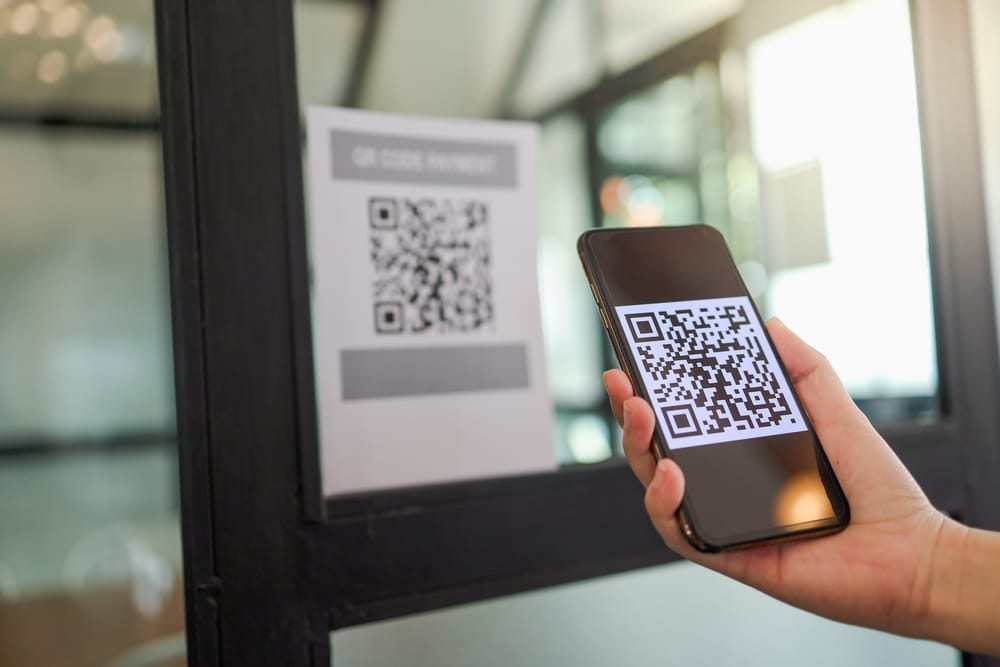
Image source: shutterstock.com

QR codes have become part of everyday life, from restaurant menus to parking meters and concert tickets. But while these black-and-white squares make life more convenient, they also open the door to serious security risks. A growing number of scams are now using a public QR code to trick people into giving away sensitive data or granting hackers direct access to their phones. What looks like a harmless scan could lead to stolen passwords, financial theft, or malware installation. Here’s how criminals exploit this new tactic and what you can do to protect yourself.

1. The Rise of QR Code Scams

Scammers have discovered that using a public QR code is one of the easiest ways to lure victims because it requires minimal effort and looks completely legitimate. You might find these codes posted on flyers, stickers, or parking meters, appearing as part of official signage. Once scanned, they can redirect users to fake websites designed to capture credit card details or install tracking software. The problem is that people rarely question QR codes—they trust that anything in a public space must be safe. This blind trust is exactly what cybercriminals rely on to spread their schemes quickly.

2. How QR Codes Can Hijack Your Phone

When you scan a public QR code, your phone’s camera reads a string of data that usually directs you to a URL or downloads a file. Malicious codes can reroute that process to install harmful software or open fake login pages that capture your credentials. Some even exploit vulnerabilities in your operating system to gain control of permissions, allowing access to contacts, photos, and stored passwords. Once inside, hackers can monitor your activity or use your device to target others. What makes this particularly dangerous is that everything happens silently in the background, often without the user noticing.

3. Real-World Examples of QR Code Exploitation

Law enforcement agencies have reported a surge in cases involving fraudulent QR codes placed in public areas. One common example is parking meter scams, where thieves cover legitimate payment stickers with counterfeit ones that redirect to fake payment portals. In another case, QR codes posted at ATMs or gas stations led victims to phishing pages designed to steal banking credentials. Even restaurant menus have been targeted, with criminals swapping out QR codes on tables for lookalike versions that prompt customers to enter personal details. Each of these incidents shows how easy it is to weaponize a simple piece of printed code.

4. Why Public QR Codes Are So Risky

The danger of scanning a public QR code lies in its invisibility—there’s no way to tell by looking whether it’s legitimate or malicious. Scammers can replace real codes with fake ones in seconds using stickers or printed overlays. Because the code looks official, people assume it’s safe and don’t verify where it leads before scanning. Unlike phishing emails or spam texts, QR scams bypass skepticism by disguising themselves as trusted public tools. The result is a perfect storm of accessibility, anonymity, and misplaced trust that makes these scams so effective.

5. Simple Ways to Stay Safe Before You Scan

You don’t have to give up using QR codes altogether—just approach them with the same caution you’d use when opening links from strangers. Always inspect the area around a public QR code to see if it looks tampered with or newly placed. Before scanning, make sure the code belongs to a legitimate business, and verify it through their official website or posted contact number. Use your phone’s built-in security features to preview URLs before opening them and avoid scanning codes from social media posts or random flyers. Installing antivirus or mobile security software can also help detect suspicious links.

6. How to Check If You’ve Been Compromised

If you recently scanned a questionable public QR code, there are steps you can take to protect yourself immediately. Start by checking your recent browser history for any strange websites or downloads. Run a malware or antivirus scan on your device to identify hidden threats. You should also change any passwords entered after scanning the code and enable two-factor authentication on your accounts. If you notice unfamiliar charges or login attempts, contact your bank or mobile provider right away. Acting quickly can minimize the damage and prevent future attacks.

Taking Back Control of Your Digital Safety

While technology constantly evolves, so do the tricks criminals use to exploit it. Understanding the risks behind a seemingly harmless public QR code is the first step toward safer digital habits. Treat every code you encounter like a potential doorway—because that’s exactly what it is, either to convenience or to crime. By verifying sources and practicing caution, you can enjoy the benefits of modern tech without sacrificing your privacy or security. Remember, one second of skepticism could save you hours of cleanup later.

Have you ever come across a suspicious public QR code or nearly fallen for a tech scam? Share your story and tips for staying safe in the comments below!

What to Read Next…

6 Situations Where Cash Is Safer Than Digital Payments

10 Digital Password Errors That Prevent Heirs From Accessing Funds

Are You Paying for Digital Tools You Don’t Use Anymore?

The Silent Rise of “Digital Squatters” Taking Over Abandoned Domains

What Are the Hidden Dangers of Digital-Only Banking?

Catherine Reed
Catherine Reed

Catherine is a tech-savvy writer who has focused on the personal finance space for more than eight years. She has a Bachelor’s in Information Technology and enjoys showcasing how tech can simplify everyday personal finance tasks like budgeting, spending tracking, and planning for the future. Additionally, she’s explored the ins and outs of the world of side hustles and loves to share what she’s learned along the way. When she’s not working, you can find her relaxing at home in the Pacific Northwest with her two cats or enjoying a cup of coffee at her neighborhood cafe.

Filed Under: safety Tagged With: cybersecurity, digital privacy, identity theft, Online Safety, phone security, QR code scams, tech awareness

7 Surprising Risks of Keeping Too Much Cash at Home

September 22, 2025 by Travis Campbell Leave a Comment

cash

Image source: pexels.com

It’s tempting to keep a stash of bills tucked away at home, just in case. Emergencies happen, and cash can come in handy if the power goes out or your debit card stops working. But while a little liquidity is wise, keeping too much cash at home can actually put your finances—and your peace of mind—at risk. Most people are unaware of the hidden dangers associated with storing large amounts of money in a drawer, safe, or even under the mattress. It’s not just about theft. Other surprising risks can affect your financial security and future goals. If you’re considering holding on to extra cash at home, here are seven reasons to think twice.

1. Theft: A Prime Target for Burglars

Keeping too much cash at home makes your house a more attractive target for thieves. Unlike jewelry or electronics, cash can’t be traced or returned if it’s stolen. Even if you have a safe, determined burglars may still find a way. Insurance policies often have strict limits on how much cash they’ll reimburse—usually just a few hundred dollars. If you lose a significant amount, it’s unlikely you’ll recover it. This risk of loss is one of the biggest reasons to reconsider storing large sums at home instead of in a bank account.

2. Fire and Natural Disasters: Cash Can Go Up in Smoke

Fires, floods, and other disasters can quickly destroy cash. Unlike digital records or bank balances, physical money has no backup. You won’t get compensation from most insurance companies for cash lost in a fire or flood. Even a well-hidden stash isn’t safe from water or smoke damage. If you live in an area prone to natural disasters, keeping too much cash at home puts your emergency fund at real risk.

3. Lack of Interest: Missing Out on Growth

One of the biggest financial risks of keeping too much cash at home is missing out on potential interest or investment gains. Money sitting in a safe or drawer isn’t earning anything. Over time, your purchasing power erodes due to inflation. By keeping your cash in a high-yield savings account or other secure financial products, you can let your money work for you. For example, high-yield savings accounts offer better returns than keeping cash at home, even in today’s low-rate environment.

4. Temptation to Overspend

Easy access to cash can make it harder to stick to your budget. Having large sums within reach may tempt you or family members to dip into your savings for non-essential purchases. Without the small barriers that banks provide, you may find your cash reserve shrinking faster than you expect. When money is out of sight in a bank account, it’s easier to keep your savings goals intact.

5. Limited Protection from Fraud and Loss

While keeping too much cash at home might feel safe from cybercrime, it actually leaves you exposed to other kinds of losses. Banks offer protections like FDIC insurance for deposits up to $250,000. If your cash is stolen or destroyed at home, there’s little recourse. Modern financial institutions also provide fraud monitoring and can reimburse you for unauthorized transactions, adding a layer of protection you just can’t get with a pile of bills under your mattress.

6. Complicating Your Estate and Taxes

If something happens to you, your family may not know about the cash you’ve hidden. This can create confusion and even legal issues during estate settlement. Unreported cash can also create problems with taxes, mainly if large amounts are found after your death. Being open about your assets and keeping them in traceable accounts makes things much simpler for your loved ones.

7. Security Risks: Trust Issues and Stress

Storing large amounts of money at home can create stress. You may find yourself worrying about who knows or feeling uneasy about sharing the information with anyone. This can lead to trust issues within your household or with visitors. The constant need to check on your cash, or anxiety about losing it, can take a toll on your mental well-being. Over time, this stress outweighs any comfort you get from having quick access to cash.

Balancing Safety and Access to Emergency Funds

Keeping too much cash at home may seem like a safe bet, but the risks often outweigh the benefits. A small emergency fund—maybe enough for a few days’ expenses—makes sense in case of power outages or short-term disruptions. For larger amounts, banks and credit unions provide far better protection, accessibility, and growth potential. Remember, your financial security depends on more than just having cash nearby. It’s about ensuring your money is safe, growing, and easily accessible when you or your family truly needs it.

Do you keep cash at home, or do you prefer digital security? Share your thoughts and experiences in the comments below.

What to Read Next…

  • 5 Invisible Service Charges Eating Into Your Bank Balance
  • Could a Bank Freeze Your Account Without Telling You?
  • What Are Banks Really Doing With Your Personal Spending Data?
  • 7 Bank Terms That Let Institutions Freeze Funds Without Warning
  • 7 Legal Loopholes That Let Authorities Freeze Assets Without Warning
Travis Campbell
Travis Campbell

Travis Campbell is a digital marketer/developer with over 10 years of experience and a writer for over 6 years. He holds a degree in E-commerce and likes to share life advice he’s learned over the years. Travis loves spending time on the golf course or at the gym when he’s not working.

Filed Under: safety Tagged With: cash safety, emergency funds, Estate planning, home security, Inflation, Personal Finance, Risk management

8 Silent Costs of Ignoring Identity Theft

September 22, 2025 by Catherine Reed Leave a Comment

8 Silent Costs of Ignoring Identity Theft

Image source: 123rf.com

Identity theft is one of those problems people often think will never happen to them—until it does. Once a criminal gets hold of your personal information, they can wreak havoc on your finances, credit, and peace of mind. What makes it worse is that ignoring identity theft doesn’t make it go away; it actually multiplies the damage over time. Many victims underestimate just how many areas of life are affected, only realizing the depth of the problem years later. Here are eight silent costs that come with ignoring identity theft and why you can’t afford to turn a blind eye.

1. Draining Your Bank Account

The most immediate consequence of ignoring identity theft is unauthorized withdrawals. Fraudsters can empty checking or savings accounts before you even notice something is wrong. The longer you delay taking action, the harder it becomes to recover lost funds. Banks may not reimburse you if they believe you were negligent in reporting the issue. Quick reporting is the only way to stop further losses and increase your chances of getting money back.

2. Credit Score Damage

When criminals use your identity to open accounts, the unpaid balances end up on your credit report. Over time, this drags down your score, sometimes by hundreds of points. Ignoring identity theft allows those false accounts to remain active, making it harder to qualify for loans, mortgages, or even rental applications. Rebuilding credit after years of fraudulent activity is a long and difficult process. Protecting your score means acting as soon as suspicious activity appears.

3. Higher Interest Rates in the Future

Even if you eventually clear up fraudulent charges, the temporary damage can have lasting effects. With a lower credit score, lenders may only offer you loans with high interest rates. This silent cost of ignoring identity theft means you’ll pay thousands more over the life of a mortgage or car loan. Insurance companies may also charge higher premiums if they use credit-based risk assessments. Every percentage point lost in your creditworthiness has a real financial impact.

4. Legal Trouble and Debt Collectors

One of the most overlooked costs of ignoring identity theft is dealing with debt collectors. If someone uses your name to rack up debts, collection agencies may come after you aggressively. In some cases, victims even face legal judgments for accounts they never opened. Untangling these disputes becomes harder the longer you wait. What could have been resolved quickly turns into years of frustrating battles with creditors.

5. Missed Financial Opportunities

Ignoring identity theft can cost you major opportunities, like buying a home, starting a business, or refinancing debt. Lenders won’t approve applications when fraudulent accounts make your finances look unstable. Even if you manage to get approved, the terms will likely be far worse than they should be. These missed chances can delay life milestones by years. Acting early ensures your financial path stays on track.

6. Employment and Housing Setbacks

Many employers and landlords run credit checks before offering jobs or rental agreements. A compromised credit report due to ignored identity theft can make you appear unreliable or financially unstable. This could mean losing out on a dream job or being denied a place to live. The silent cost here isn’t just money—it’s missed opportunities for growth and stability. Cleaning up identity theft sooner rather than later keeps your record clear for future applications.

7. Emotional Stress and Anxiety

The financial fallout is only part of the picture. Ignoring identity theft takes a toll on mental health as well. Victims often feel violated, anxious, and overwhelmed by the complexity of resolving fraudulent activity. This stress can spill into relationships, work, and overall well-being. The emotional strain becomes more severe the longer the problem is left unaddressed.

8. Long-Term Financial Insecurity

Perhaps the biggest silent cost of ignoring identity theft is the long-term instability it creates. Once thieves have your information, they may continue using it for years, even selling it to other criminals. This leaves you in a cycle of constantly dealing with new fraudulent accounts and charges. The result is ongoing financial insecurity that prevents you from planning for the future with confidence. Taking proactive measures today saves years of unnecessary stress and uncertainty.

Protecting Yourself from Invisible Damage

The hidden costs of ignoring identity theft are far greater than many realize. From drained accounts and damaged credit to lost opportunities and emotional turmoil, the fallout touches nearly every part of life. Fortunately, staying alert, monitoring your credit, and acting quickly at the first sign of trouble can prevent long-lasting damage. Protecting your identity isn’t just about money—it’s about preserving your stability and peace of mind.

Have you ever dealt with the fallout from ignoring identity theft? Share your experiences and lessons in the comments below.

What to Read Next…

5 Silent Costs of Ignoring Credit Monitoring

6 Silent Money Leaks in the Average Household

Why Do Some People Refuse to Budget Until It’s Too Late

What Happens When Small Business Owners Skip Taxes

9 Financial Mistakes People Make in Their 30s That Haunt Them in Their 60s

Catherine Reed
Catherine Reed

Catherine is a tech-savvy writer who has focused on the personal finance space for more than eight years. She has a Bachelor’s in Information Technology and enjoys showcasing how tech can simplify everyday personal finance tasks like budgeting, spending tracking, and planning for the future. Additionally, she’s explored the ins and outs of the world of side hustles and loves to share what she’s learned along the way. When she’s not working, you can find her relaxing at home in the Pacific Northwest with her two cats or enjoying a cup of coffee at her neighborhood cafe.

Filed Under: safety Tagged With: credit score, Debt Collectors, Financial Health, Financial Security, fraud protection, ignoring identity theft, Personal Finance

6 Phone App Permissions That Spy on Your Financial Life

August 12, 2025 by Travis Campbell Leave a Comment

apps

Image source: pexels.com

We all use phone apps every day. They help us check our bank accounts, pay bills, shop, and even invest. But have you ever stopped to think about what these apps know about your financial life? Many apps ask for permissions that seem harmless. But some of these permissions can give them a front-row seat to your money habits. If you care about your privacy and your wallet, you need to know which app permissions are quietly watching your financial moves. Here’s what you should look out for and why it matters.

1. Location Access

When an app asks for your location, it’s not always about giving you directions. Some apps track where you go, how often you visit certain stores, and even how long you stay there. This information can reveal a lot about your spending habits. For example, if you visit a coffee shop every morning, an app can guess how much you spend on coffee each month. Some companies use this data to target you with ads or offers. Others might sell your location data to third parties. If you use banking or budgeting apps, location access can also expose where you shop and bank. To protect your financial privacy, only allow location access when it’s absolutely necessary. You can usually change these settings in your phone’s privacy menu.

2. Contacts Permission

Some apps want access to your contacts. They say it’s to help you find friends or send money easily. But giving an app access to your contacts can open the door to more than just convenience. With this permission, an app can see who you know, how often you interact, and sometimes even your contacts’ email addresses and phone numbers. This can be used to build a profile of your social and financial network. For example, if you often send money to a certain contact, the app knows about your financial relationship. Some apps may even use your contacts to market financial products or services to you and your friends. If you don’t want your financial connections mapped out, think twice before granting this permission.

3. SMS and Call Log Access

Some apps, especially payment and finance apps, ask for access to your SMS messages or call logs. They claim it’s for security or to auto-fill verification codes. But with this access, an app can read your text messages, see who you call, and when. This can reveal sensitive financial information, like bank alerts, payment confirmations, or even two-factor authentication codes. In the wrong hands, this data can be used for fraud or identity theft. Even if the app is trustworthy, your data could be at risk if the company is hacked. Always check if an app really needs this permission. If not, deny it. You can usually enter verification codes manually.

4. Storage and File Access

Many apps ask for permission to access your phone’s storage. This lets them read, modify, or delete files on your device. For finance apps, this can include bank statements, receipts, or tax documents you’ve saved. Some apps use this access to scan for files that might help them “improve your experience.” But it also means they can see sensitive financial documents. If an app is compromised, hackers could get access to these files. To stay safe, only allow storage access for apps you trust completely. And avoid saving sensitive financial documents on your phone if you can.

5. Microphone and Camera Access

It might seem odd for a finance app to ask for your microphone or camera. But some do, especially if they offer features like mobile check deposit or voice commands. The problem is, once an app has this access, it can technically record audio or video at any time. This could capture private conversations about money, or even record your PIN as you say it out loud. There have been cases where apps have abused these permissions to collect data without users knowing. If you don’t use features that need the camera or microphone, turn off these permissions. You can always enable them temporarily if needed.

6. App Usage and Activity Tracking

Some apps want to track which other apps you use and how often. This is called “usage access.” With this permission, an app can see if you use other banking apps, shopping apps, or investment tools. This helps them build a detailed profile of your financial life. For example, if you use multiple credit card apps, they might guess you have several cards and target you with loan offers. Some apps even track your screen time on financial apps to see how often you check your accounts. This data can be shared with advertisers or data brokers. To limit this, check your phone’s settings and restrict usage access for apps that don’t need it.

Protecting Your Financial Privacy Starts with App Permissions

Your phone is a window into your financial life. Every permission you grant is a potential way for apps to watch, record, and share your money habits. The best way to protect yourself is to stay alert. Review app permissions regularly. Only give access when it’s truly needed. And remember, you can always change your mind and revoke permissions later. Your financial privacy is worth the extra effort.

Have you ever found an app asking for a permission that made you uncomfortable? Share your story or tips in the comments.

Read More

What Should You Do If Your Financial Advisor Stops Returning Your Calls?

7 Email Threads That Should Never Be Sent to Your Financial Power of Attorney

Travis Campbell
Travis Campbell

Travis Campbell is a digital marketer/developer with over 10 years of experience and a writer for over 6 years. He holds a degree in E-commerce and likes to share life advice he’s learned over the years. Travis loves spending time on the golf course or at the gym when he’s not working.

Filed Under: safety Tagged With: app permissions, data protection, financial privacy, mobile apps, Personal Finance, phone security, privacy tips

  • 1
  • 2
  • 3
  • …
  • 7
  • Next Page »

FOLLOW US

Search this site:

Recent Posts

  • Can My Savings Account Affect My Financial Aid? by Tamila McDonald
  • 12 Ways Gen X’s Views Clash with Millennials… by Tamila McDonald
  • What Advantages and Disadvantages Are There To… by Jacob Sensiba
  • 10 Tactics for Building an Emergency Fund from Scratch by Vanessa Bermudez
  • Call 911: Go To the Emergency Room Immediately If… by Stephen Kanaval
  • 7 Weird Things You Can Sell Online by Tamila McDonald
  • 10 Scary Facts About DriveTime by Tamila McDonald

Copyright © 2026 · News Pro Theme on Genesis Framework