
• Home
  • About Us
  • Getting Finances Done
    • Hiring Advisors
    • Debt Management
    • Spending Plan
  • Insurance
    • Life Insurance
    • Health Insurance
    • Disability Insurance
    • Homeowners/Renters Insurance
  • Contact Us
  • Our Editorial Commitment

The Free Financial Advisor

You are here: Home / Archives for Brandon Marcus

Why Do So Many People Say Money Stress Is Constant

January 22, 2026 by Brandon Marcus Leave a Comment

Why Do So Many People Say Money Stress Is Constant
Image source: shutterstock.com

Money stress doesn’t knock politely and wait for an invitation. It crashes the mental party, grabs a chair, and refuses to leave. One minute you’re enjoying a quiet coffee, and the next your brain is running numbers you didn’t ask for.

Bills, savings, emergencies, future plans, and that one expense you forgot about all start talking at once. It’s loud, distracting, and weirdly exhausting, even when nothing is technically “wrong.” So why do so many people describe money stress as constant instead of occasional?

The Feeling Of Never Quite Catching Up

A huge reason money stress feels nonstop is the sense that you’re always a step behind. Paychecks arrive, then disappear into rent, groceries, utilities, and other basics before you can blink. Even people who budget carefully often feel like progress moves at a crawl. When necessities take priority, goals like saving or investing get pushed further down the list.

That gap between what people earn and what life costs creates a steady background hum of worry. Over time, that hum starts to feel normal, which is unsettling in its own way. The stress isn’t always about crisis; it’s about endurance.

Why Modern Life Makes Money Feel Louder

Money concerns didn’t suddenly appear in recent decades, but modern life amplifies them. Prices for housing, healthcare, childcare, and education have climbed faster than many wages. Meanwhile, people are constantly exposed to images of other lifestyles through social media and advertising.

That exposure can quietly reset expectations about what “normal” looks like. When your reality doesn’t match those images, stress fills the gap. Add in subscription services, automatic payments, and financial apps pinging your phone, and money becomes a daily presence. It’s hard to relax when reminders are built into your pocket.

Why Do So Many People Say Money Stress Is Constant
Image source: shutterstock.com

Debt Turns Time Into A Bill

Debt is one of the most powerful reasons money stress sticks around. Unlike a one-time expense, debt stretches into the future and follows people for years. Each payment is a reminder of past choices, emergencies, or structural realities like student loans. Interest adds pressure by making balances feel stubbornly resistant to progress.

Even manageable debt can weigh heavily because it limits flexibility and options. Many people don’t just worry about paying today’s bills; they worry about how long those bills will exist. That long horizon makes stress feel permanent instead of temporary.

Uncertainty Keeps The Nervous System On Alert

Another reason money stress feels constant is uncertainty. Jobs change, industries shift, and unexpected expenses show up without warning. Even people with stable incomes know that one medical bill or major repair could disrupt everything.

The human brain is wired to scan for threats, and financial uncertainty fits that category perfectly. When the future feels unpredictable, the body stays slightly tense, even during calm moments. This low-level vigilance can be draining over time. It’s not panic; it’s preparedness that never fully switches off.

Talking About Money Is Still Awkward

Money stress is also intensified by how rarely people talk honestly about it. Many cultures treat money as private or even taboo, which leaves people feeling isolated. Without open conversations, it’s easy to assume everyone else has it figured out.

That assumption fuels shame and self-blame, even when struggles are common. Silence makes stress heavier because it removes perspective. When people don’t hear others admit similar worries, they internalize the pressure. The result is a quiet, persistent tension that feels personal but is actually widespread.

Why The Stress Feels Constant

Money stress is rarely about one bill or one bad month. It’s about systems, expectations, uncertainty, and the mental load of planning for a future that never feels fully secure. When costs rise, debt lingers, and conversations stay quiet, stress becomes a steady companion instead of a passing visitor. Understanding why it feels constant can help people feel less alone in it.

If this topic resonates with you, feel free to leave your thoughts or personal experiences in the comments section below. Your perspective might help someone else feel seen.

You May Also Like…

What Does Financial Stress Do To Your Body?

9 Financial Habits That Look Responsible but Feel Stressful

7 Common Money Habits That Increase Stress Instead of Reducing It

Why Does Money Anxiety Increase With Age Instead of Decrease

Why Do People Feel Guilty Spending Money Even on Necessitiesd

Brandon Marcus
Brandon Marcus

Brandon Marcus is a writer who has been sharing the written word since a very young age. His interests include sports, history, pop culture, and so much more. When he isn’t writing, he spends his time jogging, drinking coffee, or attempting to read a long book he may never complete.


Filed Under: Finance Tagged With: anxiety, bills, conversations about money, Debt, eliminating debt, Emotional Spending, emotions, financial anxiety, financial stress, impulse spending, Life, Lifestyle, modern life, Money, money issues, money stress, monthly bills, Pay Off Debt, stress

10 Personal Finance Lessons People Learn the Hard Way

January 22, 2026 by Brandon Marcus Leave a Comment

These Are 10 Personal Finance Lessons People Learn the Hard Way
Image source: shutterstock.com

Money lessons rarely arrive politely. They crash into life during overdraft alerts, awkward conversations, or that sinking feeling after opening a credit card statement. Most of us don’t learn personal finance from calm instruction; we learn it from experience, stress, and a few “well, that didn’t work” moments.

The upside is that these lessons stick. They change habits, sharpen judgment, and turn past mistakes into future wisdom. Here are ten personal finance lessons people commonly learn the hard way, usually after their wallet has already taken a hit.

1. Spending More Than You Earn Always Catches Up

Living beyond your income feels manageable at first, especially when credit fills the gaps. Bills get paid, life looks normal, and the problem seems distant. Over time, though, the math becomes unavoidable. Interest compounds, balances grow, and flexibility disappears.

Many people only grasp this lesson after losing sleep over money or juggling due dates. Once learned, it often leads to tracking expenses, setting limits, and respecting the simple truth that income sets the ceiling.

2. An Emergency Fund Is Not Optional

Emergencies are rude, unpredictable, and expensive. Cars break down, jobs vanish, and medical bills appear without warning. Without savings, even small surprises can spiral into debt.

People usually learn this after relying on credit cards for emergencies and struggling to recover. A basic emergency fund provides breathing room and better choices. It turns crises into inconveniences instead of financial disasters.

3. Credit Cards Are Tools, Not Extra Income

Credit cards make spending feel painless, which is exactly the danger. Swiping now and worrying later often leads to balances that linger for years. Interest rates quietly punish unpaid balances month after month.

Many people realize this only after paying far more in interest than the original purchase cost. Used carefully, credit cards can build credit and offer protections. Used carelessly, they become very expensive loans.

4. Lifestyle Inflation Can Sabotage Raises

Earning more money feels like progress, and it is. The trap appears when spending rises just as fast. Bigger paychecks often bring bigger apartments, nicer cars, and more subscriptions.

At some point, people notice they feel just as broke as before, despite earning more. This lesson usually arrives with frustration and confusion. Keeping lifestyle inflation in check allows raises to actually improve financial security.

5. Ignoring Retirement Early Is Costly

Retirement feels far away, especially in your twenties and thirties. It’s easy to delay saving while focusing on current needs. Years later, people realize how powerful time and compound growth could have been. Catching up requires much larger contributions and sacrifices.

This lesson hits hardest when projections reveal uncomfortable gaps. Starting early, even with small amounts, dramatically reduces future stress.

6. Insurance Matters More Than It Seems

Insurance feels boring until the moment it’s desperately needed. Skipping coverage can save money short term, but the risk is enormous. Accidents, illnesses, and disasters can erase years of savings instantly.

Many people learn this lesson after paying out of pocket for something insurance would have covered. Proper coverage protects not just money, but stability and peace of mind. It’s about risk management, not optimism.

7. Not All Debt Is Created Equal

Debt often gets treated as a single category, but its impact varies widely. High-interest consumer debt drains finances quickly, while lower-interest debt can sometimes be strategic.

People often learn this after struggling to escape credit card balances while managing other obligations. Understanding interest rates and repayment terms changes priorities. It encourages attacking the most expensive debt first. This clarity can speed up financial recovery dramatically.

8. Small Purchases Add Up Faster Than Expected

Daily habits quietly shape financial outcomes. Coffee runs, delivery fees, and impulse buys seem harmless in isolation. Over months, they can consume hundreds or thousands of dollars.

Many people only notice after reviewing statements and feeling shocked by the totals. This lesson isn’t about deprivation. It’s about awareness and choosing what truly adds value.

9. Money Stress Affects Relationships

Financial problems rarely stay contained to spreadsheets. They spill into conversations, decisions, and emotional well-being. Couples and families often clash over spending, saving, and priorities.

People usually recognize this lesson after tension builds or trust erodes. Open communication and shared goals reduce conflict. Managing money together requires honesty, compromise, and patience.

These Are 10 Personal Finance Lessons People Learn the Hard Way
Image source: shutterstock.com

10. No One Cares More About Your Money Than You Do

Advice comes from everywhere, but responsibility rests with the individual. Employers, banks, and even well-meaning friends have their own interests.

Many people learn this after blindly following guidance that didn’t fit their situation. Taking ownership means learning basics, asking questions, and paying attention. Confidence grows with knowledge. Ultimately, financial control starts with personal accountability.

Turning Hard Lessons Into Lasting Wins

Personal finance mistakes can sting, but they also teach clarity and resilience. Each hard-earned lesson strengthens future decisions and builds confidence over time. Money management isn’t about perfection; it’s about progress and awareness.

Everyone’s journey includes missteps, and those stories matter. Feel free to give your thoughts or add your own experiences in the comments section below.

You May Also Like…

Risk Proaction: 5 Steps to Stress-Test Your Finances for Worst-Case Scenarios

5 Lessons Young People Should Know About Investing

7 Old-School Life Lessons Only Today’s 50-Somethings Still Remember

5 Valuable Lessons Learned From Market Crashes Historically

7 Personality Clues That Predict Divorce Before It Happens

Brandon Marcus
Brandon Marcus

Brandon Marcus is a writer who has been sharing the written word since a very young age. His interests include sports, history, pop culture, and so much more. When he isn’t writing, he spends his time jogging, drinking coffee, or attempting to read a long book he may never complete.

Filed Under: Finance Tagged With: Debt, debt payoff, eliminating debt, emergency fund, emergency funds, finance, finance lessons, financial goals, financial lessons, lessons, Life, Lifestyle, Lifestyle Inflation, Money, money anxiety, money issues, money plans, money stress, overspending, Personal Finance, purchases, Retirement, retirement accounts, retirement plan, retirement planning, retirement savings, small purchases, Smart Spending, spending

Why Does Financial Planning Feel Overwhelming Right Now

January 22, 2026 by Brandon Marcus Leave a Comment

Why Does Financial Planning Feel Overwhelming Right Now
Image source: shutterstock.com

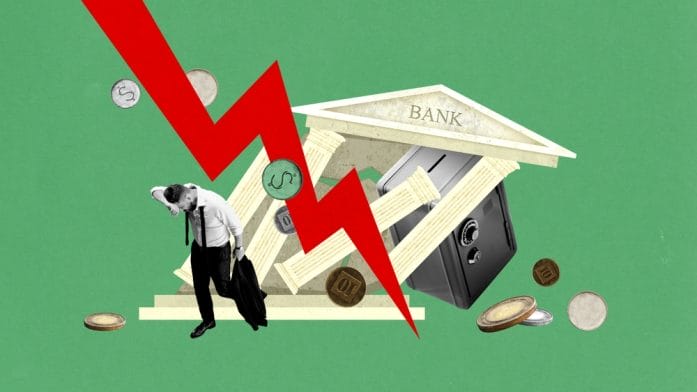
Your phone buzzes with a market alert. A podcast host warns about retirement gaps. A headline announces yet another economic plot twist. Meanwhile, rent is due, groceries cost more than they used to, and your future self is staring at you like, “So… what’s the plan?” Financial planning used to feel like a calm sit-down with a calculator and a cup of coffee.

Lately, it feels more like trying to assemble furniture while riding a roller coaster. Let’s talk about why this stress feels so intense right now—and why you’re not imagining it.

The Economy Feels Unpredictable And Personal

Economic news used to live at a distance, tucked into the business section. Now it barges straight into daily life. Inflation affects grocery bills in real time, interest rate changes show up in mortgage payments, and job market shifts feel alarmingly close to home.

When the broader economy feels unstable, financial planning stops feeling theoretical and starts feeling urgent. That urgency can make every decision feel loaded, as if one wrong move might echo for years. Add constant media coverage and expert opinions that don’t always agree, and it’s easy to feel frozen. Planning becomes harder when the ground beneath your assumptions keeps moving.

Why Does Financial Planning Feel Overwhelming Right Now
Image source: shutterstock.com

Too Many Choices Create Decision Fatigue

There has never been a time with more financial options. Multiple savings accounts, countless investment funds, side hustles, apps, cryptocurrencies, budgeting systems, and retirement vehicles compete for attention.

Choice is great in theory, but in practice it can overwhelm the brain. When every option claims to be the smartest move, making any move feels risky.

Decision fatigue sets in, leading many people to procrastinate or second-guess themselves endlessly. Instead of clarity, abundance creates noise. Financial planning becomes less about strategy and more about sorting through a crowded room of opinions.

Money Is Tied To Identity And Self-Worth

Money isn’t just math; it’s emotional. Financial choices often feel like reflections of responsibility, intelligence, and even morality. When planning feels difficult, people may internalize that struggle as personal failure rather than a response to complex conditions.

Social comparisons don’t help, especially when curated success stories float through social media feeds. Seeing peers buy homes, travel, or retire early can quietly turn planning into a referendum on self-worth.

That emotional weight makes financial decisions feel heavier than they need to be. Stress increases when money stops being a tool and starts feeling like a judgment.

The Rules Keep Changing Mid-Game

Many people grew up with clear financial milestones: steady job, affordable housing, predictable retirement paths. Those rules don’t apply as neatly anymore.

Careers are less linear, pensions are rare, housing markets fluctuate wildly, and longevity has increased planning horizons. Advice from previous generations may no longer fit current realities, which can create confusion and frustration.

When the old playbook doesn’t work and the new one feels unfinished, planning becomes guesswork. It’s tough to feel confident when the goalposts keep shifting. Uncertainty thrives when there’s no clear roadmap.

Information Is Everywhere But Clarity Is Rare

Access to financial information has exploded, yet clarity hasn’t kept pace. Articles, videos, influencers, and experts flood the internet with tips, warnings, and predictions. Some advice is thoughtful and grounded; some is oversimplified or driven by trends.

Sorting credible guidance from noise takes time and energy many people don’t have. Conflicting messages can cancel each other out, leaving readers more confused than before. When learning feels like wading through chaos, planning stalls. Knowledge overload can paradoxically lead to inaction.

Life Feels More Expensive And More Fragile

Rising living costs leave less margin for error, which raises the emotional stakes of every decision. At the same time, recent global events have highlighted how quickly circumstances can change. Health issues, job disruptions, and unexpected expenses feel more plausible than ever.

That awareness pushes people to plan for more contingencies, which complicates already tight budgets. Planning starts to feel like trying to predict every possible curveball. When security feels fragile, perfectionism creeps in—and perfectionism is exhausting.

Let’s Talk About The Pressure Out Loud

Financial planning feels overwhelming right now because it’s happening at the intersection of uncertainty, emotion, and constant input. That doesn’t mean you’re behind, broken, or bad with money.

It means you’re navigating a complex moment with real consequences and limited clarity. Sometimes the most helpful step isn’t finding the perfect strategy, but acknowledging the pressure itself.

If our article sparked recognition or raised questions, drop your thoughts or personal experiences in the comments below. Honest conversations can make the process feel a little less lonely—and a lot more human.

You May Also Like…

The Florida Premium Spike: Why Your “Affordable” Health Plan Just Quadrupled in Cost Overnight

Could Your Financial Plan Withstand A Surprise Recession Beginning In December?

How Can Family Dynamics Ruin Even the Best Financial Plans

Why Do Medical Bills Feel So Hard to Plan Around

How a Solid Estate Plan Can Protect Your Finances

Brandon Marcus
Brandon Marcus

Brandon Marcus is a writer who has been sharing the written word since a very young age. His interests include sports, history, pop culture, and so much more. When he isn’t writing, he spends his time jogging, drinking coffee, or attempting to read a long book he may never complete.
Filed Under: Finance Tagged With: economic challenges, economy, finance, finances, financial plans, general finance, Money, money issues, Planning

How To Make Plans During Such Economic Uncertainty

January 22, 2026 by Brandon Marcus Leave a Comment

How To Make Plans During Such Economic Uncertainty
Image source: shutterstock.com

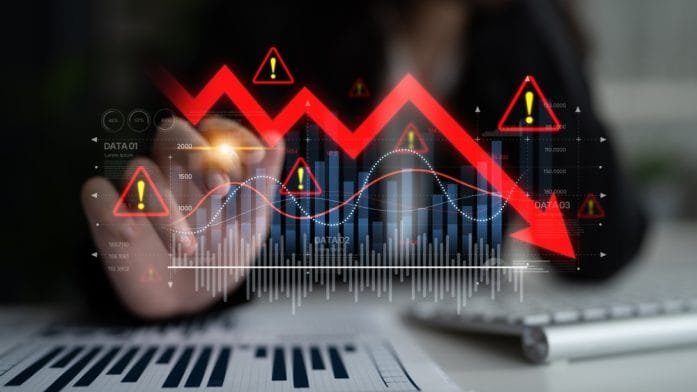
The world feels a little wobbly right now, and it’s not just your imagination. Prices jump, headlines shout, and even the calmest planners find themselves double-checking every decision. Yet uncertainty doesn’t have to freeze you in place. In fact, moments like these are where creativity, flexibility, and level-headed planning shine brightest.

Making plans during economic uncertainty isn’t about predicting the future perfectly; it’s about learning how to move forward without losing sleep, joy, or your sense of humor.

Understand What Uncertainty Really Means

Economic uncertainty sounds ominous, but it’s often misunderstood. It doesn’t mean everything is falling apart or that every plan is doomed to fail. It simply means conditions are changing in ways that are harder to predict than usual. Markets fluctuate, policies shift, and consumer behavior adjusts, sometimes quickly.

Recognizing this helps you avoid panic-driven decisions and focus on what you can actually control. When you accept uncertainty as a normal phase rather than a personal threat, planning becomes less emotional and more strategic. That mindset alone can dramatically improve the quality of your choices.

Focus On What You Can Control

When uncertainty rises, attention tends to drift toward worst-case scenarios. Instead, redirect your energy toward factors within your influence. Your spending habits, savings rate, skills, and time management are powerful levers.

Tightening a budget, even slightly, can create breathing room and confidence. Investing in learning new skills or improving existing ones increases flexibility if job conditions change. Control doesn’t mean perfection; it means clarity. By anchoring plans in areas you can manage, you build stability even when the broader picture feels shaky.

Build Flexible Goals Instead Of Rigid Ones

Rigid plans crack under pressure, but flexible goals bend and adapt. Rather than committing to one narrow outcome, define goals with room to adjust. For example, aim to grow income through multiple paths instead of relying on a single promotion or opportunity. Create timelines with buffers rather than exact deadlines carved in stone.

Flexibility allows you to respond thoughtfully instead of reacting impulsively. It also reduces stress, because adjustments feel like part of the plan rather than a failure. In uncertain times, adaptability is a form of intelligence.

How To Make Plans During Such Economic Uncertainty
Image source: shutterstock.com

Keep Short-Term And Long-Term Plans Separate

One common mistake is letting short-term anxiety hijack long-term vision. While it’s wise to be cautious right now, abandoning future goals entirely can be counterproductive. Separate your planning into near-term actions and long-term aspirations.

Short-term plans might focus on cash flow, emergency savings, or reducing unnecessary expenses. Long-term plans can still include career growth, home ownership, or personal projects, just with flexible pacing. This separation keeps fear from shrinking your dreams while still respecting present realities. Balance is the real win here.

Use Information Without Letting It Overwhelm You

Information is helpful until it becomes noise. During economic uncertainty, updates arrive constantly, and not all of them deserve equal attention. Choose a few reliable sources and limit how often you check them.

Overconsumption of news can distort perception and fuel anxiety-driven decisions. Instead, look for patterns rather than daily fluctuations. Ask how trends affect your specific situation rather than reacting to every headline. Thoughtful planning thrives on clarity, not constant alerts buzzing in your pocket.

Leave Room For Enjoyment And Humanity

Planning during uncertain times doesn’t mean stripping life down to bare essentials only. Joy, rest, and connection are not luxuries; they’re stabilizers. Allow space in your plans for small pleasures and meaningful experiences. This might mean choosing cost-conscious enjoyment rather than eliminating it altogether.

When life feels balanced, decision-making improves and burnout becomes less likely. Humans plan better when they feel grounded and hopeful. A plan that ignores emotional well-being is rarely sustainable, no matter how logical it looks on paper.

Revisit And Revise Plans Regularly

Plans are living things, not contracts etched into marble. Schedule regular check-ins with yourself to see what’s working and what isn’t. Economic conditions evolve, and your plans should evolve with them.

Revising a plan isn’t a sign of weakness or indecision; it’s evidence of engagement and awareness. These moments of reflection also build confidence, because you’re actively steering instead of drifting. Over time, this habit turns uncertainty into something manageable rather than intimidating.

Planning With Confidence, Not Fear

Economic uncertainty challenges everyone, but it also reveals resilience, creativity, and perspective. Making plans during these times is less about predicting outcomes and more about building systems that support you no matter what happens. With flexibility, clarity, and a bit of patience, planning becomes empowering rather than stressful.

Everyone has their own experiences navigating uncertain moments, and those stories matter. Drop your thoughts or personal experiences in the comments section below and keep the conversation going.

You May Also Like…

9 Money Assumptions That No Longer Work in Today’s Economy

Could Your Social Security Plans Collapse If The Economy Shifts Again This Winter?

8 Surprising Financial Traps in the Gig Economy

5 Silent Money Traps in the Gig Economy

8 Signs Your Portfolio Strategy May Be Outdated in This Economy

Brandon Marcus
Brandon Marcus

Brandon Marcus is a writer who has been sharing the written word since a very young age. His interests include sports, history, pop culture, and so much more. When he isn’t writing, he spends his time jogging, drinking coffee, or attempting to read a long book he may never complete.
Filed Under: Lifestyle Tagged With: American economy, behavioral economics, economic challenges, economic changes, economic crisis, financial goals, Life, Lifestyle, market uncertainty, Planning, political uncertainty

Why Do Fixed Expenses Feel Anything But Fixed

January 21, 2026 by Brandon Marcus Leave a Comment

Why Do Fixed Expenses Feel Anything But Fixed
Image source: shutterstock.com

You open your wallet, confident that you’ve got your monthly budget down to a science. Rent? Check. Utilities? Check. Car payment? Check. And yet somehow, by the end of the month, your “predictable” expenses have transformed into a moving target, teasing you like a magician’s disappearing coin.

How can something that’s supposed to be constant feel like it’s plotting against your financial stability? That’s the mystery we’re tackling today, and trust me—it’s more interesting than it sounds.

The Illusion Of Predictability In Fixed Expenses

Fixed expenses are meant to be stable, right? Rent, mortgage, and loan payments are supposed to arrive like clockwork, a comforting hum in the background of your financial life. Yet, somehow, that sense of predictability evaporates the moment you factor in real life. Property taxes rise, insurance premiums adjust, and sometimes utility bills fluctuate with nothing but the weather as an excuse.

Even subscriptions—those seemingly straightforward streaming or software services—have a habit of changing terms or sneaking in annual increases that don’t quite make it into your mental spreadsheet. The human brain craves stability, and when it doesn’t get it, fixed expenses feel like they’re on a trampoline, bouncing higher and lower without warning.

Hidden Costs Lurking Behind “Fixed” Payments

One of the reasons fixed expenses feel anything but fixed is that most of them are riddled with hidden costs. That mortgage payment you consider your rock-solid monthly commitment? It may include insurance, property taxes, and occasionally, fees you didn’t anticipate. Utilities? Your usage might stay consistent, but seasonal spikes, service fees, and regulatory changes can turn your predictable $100 water bill into a $145 headache overnight.

Even digital subscriptions are guilty of this trickery: add-ons, premium features, and processing fees pile up quietly. Essentially, what you thought was a single number is actually a bundle of moving parts, each capable of making your “fixed” budget dance to its own rhythm.

Inflation And The Slow Creep Of Rising Expenses

Inflation is like that quiet friend who always shows up uninvited to the party and eats all the snacks. Over time, the money you thought would cover your fixed expenses stretches thinner and thinner. Even if your nominal payments stay the same, the cost of living around them doesn’t. Grocery bills, gasoline, or home maintenance costs can make your once-comfortable fixed payments feel like they are consuming more of your income than ever before. This subtle erosion of purchasing power is especially sneaky because it doesn’t hit you in one dramatic wave; it tiptoes in, month by month, until your carefully balanced budget feels like it’s balancing on a tightrope above a pit of unseen costs.

The Psychology Of Perceived Instability

There’s a psychological twist here too. Humans perceive risk and unpredictability far more acutely than stability. A small fluctuation in your electricity bill or a slightly higher interest rate triggers far more emotional stress than the reality of the dollar amount might justify. When bills shift even slightly, our brains interpret it as instability. Fixed expenses feel like they are moving, not because they are wildly unpredictable, but because we are wired to notice and react to any deviation from our expectations. This means that a seemingly minor change can feel like a budget earthquake, even when, mathematically, it’s a ripple.

How Life Changes Impact Fixed Expenses

Life is messy, and fixed expenses are rarely immune to its twists and turns. A new child, a job change, or a relocation can instantly transform “fixed” commitments into flexible nightmares. Even small lifestyle changes—upgrading a phone plan, switching insurance providers, or enrolling in a new subscription service—add layers of complexity to what once felt simple. Each tweak requires recalculating, reassessing, and mentally absorbing the change, making fixed expenses feel fluid and unpredictable. In reality, the world is constantly nudging these expenses, turning our mental map of stability into a constantly evolving puzzle.

Why Do Fixed Expenses Feel Anything But Fixed
Image source: shutterstock.com

Strategies To Regain Control Over Fixed Expenses

The first step to taming your “unfixed” fixed expenses is awareness. Track every bill and subscription, and note seasonal or annual fluctuations. Next, anticipate change: know that insurance, taxes, and utilities will rarely remain static, and plan for buffer amounts in your budget. Automate payments wherever possible to reduce the stress of human error or missed due dates. Consider negotiating rates on recurring bills—sometimes a simple call to your provider can lower a payment that seemed unchangeable. Finally, create a mental distinction between genuinely fixed expenses, like a car loan, and semi-fixed or fluctuating ones, like utilities. Recognizing which bills are likely to move helps reduce the surprise factor, turning unpredictable frustration into manageable planning.

The Unexpected Freedom In Understanding Fixed Expenses

Here’s the twist: embracing the “unfixed” nature of fixed expenses can actually be liberating. Once you understand that stability is more a goal than a guarantee, you can plan with intention and flexibility. You stop beating yourself up for minor fluctuations and start building budgets that adapt instead of constrain. You learn to enjoy the predictability when it exists but aren’t crushed when reality intervenes. Fixed expenses may never feel truly fixed, but with awareness and planning, they can become less like a trap and more like a guide—sometimes strict, sometimes surprising, but always manageable.

Thoughts On Navigating The Fixed Expense Maze

Fixed expenses might be anything but fixed, but that doesn’t mean we’re helpless. By understanding the hidden costs, the effects of inflation, and the psychological quirks that make minor fluctuations feel catastrophic, we can approach budgeting with clarity and calm.

Have you ever had a “fixed expense surprise” that completely threw off your month? Or a strategy that turned unpredictable bills into something manageable? Let’s swap experiences and insights to help make these tricky payments feel just a little less wild.

You May Also Like…

Why Are Fixed Expenses Difficult to Reduce?

7 Costs That Sneak Up on Fixed-Income Households

Income Stability: 6 Retirement Income Moves That Aren’t as Safe as They Seem

Income Threshold: 4 Hidden Taxes That Hit Once You Cross Certain Limits

5 Ways To Easily Boost Your Income In 2026

Brandon Marcus
Brandon Marcus

Brandon Marcus is a writer who has been sharing the written word since a very young age. His interests include sports, history, pop culture, and so much more. When he isn’t writing, he spends his time jogging, drinking coffee, or attempting to read a long book he may never complete.

Filed Under: Spending Habits Tagged With: expenses, financial instability, fixed expenses, fixed income, Life, life changes, Lifestyle, loan payments, mortgage, overspending, Payments, Rent, rent payments, Smart Spending, spending, subscriptions

7 Financial Tradeoffs People Make to Stay Comfortable

January 21, 2026 by Brandon Marcus Leave a Comment

These Are 7 Financial Tradeoffs People Make to Stay Comfortable
Image source: shutterstock.com

Comfort has a price tag, and most of us swipe the card without even blinking. From the thermostat wars to mattress upgrades that feel life-changing, modern comfort is a mix of deliberate choices and quiet compromises. We don’t always talk about these decisions out loud, but they shape budgets, priorities, and even daily moods.

Some tradeoffs feel worth every penny, while others slowly drain cash in the background. Let’s pull back the curtain and look at seven common financial tradeoffs people make to stay comfortable—and why they’re so tempting.

1. Paying More For Housing That Reduces Daily Stress

A shorter commute, a safer neighborhood, or simply more space can dramatically improve day-to-day life. Many people choose higher rent or a bigger mortgage to avoid long drives, noisy surroundings, or cramped layouts. This decision often trades future savings for present calm, especially when time and energy feel more valuable than money. Financially, housing costs tend to be the largest monthly expense, so even small upgrades add up fast. Still, fewer hours commuting can mean better sleep, stronger relationships, and lower burnout. For many households, that emotional return justifies the higher bill.

2. Convenience Spending To Save Time And Mental Energy

Food delivery, ride-hailing, grocery apps, and same-day shipping exist for one reason: effort costs something. Paying extra for convenience can turn chaotic days into manageable ones, especially for people juggling work, family, and health. The tradeoff is that convenience pricing often hides in fees, tips, and inflated product costs. Over time, those small charges can quietly rival a utility bill. Yet the mental relief of offloading errands can be real and measurable. Comfort here comes from preserved energy, not luxury.

3. Subscription Creep For Entertainment And Ease

Streaming platforms, cloud storage, fitness apps, meditation tools, and software subscriptions promise seamless living. Each one seems affordable on its own, which makes signing up feel harmless. The tradeoff appears when monthly charges stack up and become a permanent line item. Financially, subscriptions reduce flexibility because they auto-renew whether you’re using them or not. Comfort shows up as instant access, fewer ads, and smoother routines. The cost is less awareness of where money is actually going.

4. Newer Cars For Reliability And Physical Comfort

A newer vehicle often means better climate control, modern safety features, and fewer surprise repairs. For many people, that reliability is worth higher payments, insurance costs, and depreciation. The tradeoff is that cars lose value over time, and comfort upgrades don’t translate into financial returns.

Still, heated seats, advanced driver assistance, and quieter rides can make daily travel less exhausting. Fewer breakdowns also mean fewer emergency expenses and missed obligations. Comfort here is about predictability as much as luxury.

These Are 7 Financial Tradeoffs People Make to Stay Comfortable
Image source: shutterstock.com

5. Dining Out Instead Of Cooking From Scratch

Cooking at home is usually cheaper, but it requires time, planning, and cleanup. Many people trade grocery savings for restaurant meals or prepared foods to simplify evenings. Financially, this can double or triple food costs without increasing nutrition.

Comfort enters the equation through stress reduction and reclaimed personal time. After long workdays, choosing convenience can feel like self-preservation. The real cost shows up slowly, one receipt at a time.

6. Higher Energy Bills To Control Temperature And Lighting

Keeping a home perfectly warm in winter and cool in summer costs real money. So does leaving lights on, running air purifiers, or powering multiple devices. The tradeoff is clear: lower utility bills versus physical comfort and health. Extreme temperatures can affect sleep quality, productivity, and even safety. Many households willingly pay more to maintain stable indoor conditions. Comfort here is about feeling at ease in your own space, not just saving kilowatts.

7. Paying For Quality Furniture And Sleep Essentials

Mattresses, office chairs, and supportive pillows aren’t cheap, but they directly affect physical well-being. People often trade upfront costs for long-term comfort, hoping to avoid pain or fatigue. Financially, high-quality items can last longer, but the initial price still stings. The alternative—cheaper furniture—may lead to discomfort or replacement costs later. Sleep quality, posture, and daily energy levels are hard to put a price on. For many, this tradeoff feels like an investment in functioning well.

Comfort Always Comes With Choices

Comfort isn’t careless spending; it’s a reflection of what people value most in their daily lives. Every financial tradeoff tells a story about time, energy, health, and peace of mind. Some choices are intentional, others happen gradually, but all of them shape long-term financial health.

Becoming aware of these patterns can help align spending with what truly matters. Whether comfort feels essential or excessive depends on personal priorities. Jump into the comments below and add your own experiences or observations.

You May Also Like…

6 Uncomfortable Discussions That Save Marriages and Net Worth

Is It Too Late to Start Saving Aggressively for a Comfortable Retirement?

Why January 20th Is the “Red Line” for Your 2026 Financial Stability

Why Does Financial Anxiety Show Up Even When Bills Are Paid

Financial Advisor Confession: 7 Things I’m Now Required by Law to Tell My Clients (That I Couldn’t Say in 2025).

Brandon Marcus
Brandon Marcus

Brandon Marcus is a writer who has been sharing the written word since a very young age. His interests include sports, history, pop culture, and so much more. When he isn’t writing, he spends his time jogging, drinking coffee, or attempting to read a long book he may never complete.

Filed Under: Finance Tagged With: buying a car, car, cars, comfort, convenience spending, dining out, finance, finances, financial anxiety, financial choices, financial comfort, financial decisions, financial stress, financial tradeoffs, general finance, housing, mental energy, Smart Spending, spending, subscription, subscription creep

Why Does Grocery Shopping Create So Much Sticker Shock

January 21, 2026 by Brandon Marcus Leave a Comment

Why Does Grocery Shopping Create So Much Sticker Shock
Image source: shutterstock.com

That moment at the checkout hits like a jump scare. You didn’t buy lobster or fancy olive oil, yet the total looks like you accidentally financed a small appliance. Grocery shopping has turned into a weekly ritual of raised eyebrows, frantic receipt scanning, and quiet math in the parking lot.

It’s not just you, and it’s not just imagination. A mix of economics, logistics, packaging tricks, and human psychology all collide under those fluorescent lights, turning routine errands into budget stress tests.

Inflation Is Not Just A Buzzword

Inflation is the headline act behind grocery sticker shock, and it works in layers rather than a single dramatic leap. Food prices rise when the costs of fuel, labor, fertilizer, and packaging rise, and those increases stack on top of one another. Even a small increase at each step of the supply chain can noticeably raise the final shelf price. Inflation also tends to linger in groceries longer than in some other categories because food production relies on physical inputs that cannot be easily replaced or automated away.

Seasonal factors add another twist, as weather disruptions or poor harvests can tighten supply and raise prices quickly. When inflation cools elsewhere, grocery prices often stay elevated, which makes them feel especially stubborn.

The Long And Expensive Journey From Farm To Cart

Food does not teleport from farms to shelves, even if it sometimes feels like it should. A single item may be harvested, processed, packaged, stored, transported, and stocked by several different companies before you see it. Each handoff involves fuel, wages, equipment, and insurance, all of which have become more expensive in recent years.

Transportation costs matter more than many shoppers realize, especially for refrigerated and frozen items that require constant energy use. Global disruptions, such as shipping delays or geopolitical tensions, can also ripple into local grocery prices. By the time your groceries reach the store, they are carrying the financial weight of a very long trip.

Subtle Package Changes That Fool The Eye

Sticker shock often comes from comparing today’s prices with yesterday’s memories, and packaging plays a quiet role in that confusion. Many products now contain less than they used to, even though the box or bag looks nearly identical. This practice allows companies to raise the effective price without changing the shelf tag as dramatically. Your brain expects the old quantity, so the new price feels unfair even when the math technically checks out. Over time, repeated small reductions add up, leaving shoppers feeling like money disappears faster than groceries. It is not deception in the legal sense, but it absolutely affects how expensive shopping feels.

Why Your Brain Thinks Groceries Cost More Than They Do

Grocery shopping triggers a unique kind of price awareness because purchases are frequent and unavoidable. You might not remember what you paid for a couch five years ago, but you remember last week’s milk price. This constant comparison makes even modest increases feel dramatic. The layout of stores also emphasizes spending, with totals climbing steadily as items pile into the cart. Digital receipts and loyalty apps reinforce this awareness by tracking every penny. Because groceries are necessities, there is little emotional payoff to soften the sting, unlike dining out or travel.

Why Does Grocery Shopping Create So Much Sticker Shock
Image source: shutterstock.com

The Same Cart Feeling Heavier Every Year

Even when prices rise gradually, the emotional impact compounds over time. Wages often lag behind food costs, creating the sense that grocery bills are racing ahead. Shoppers respond by switching brands, skipping treats, or buying in bulk, yet the total still feels high. This creates frustration, because effort does not always equal relief. Over time, grocery shopping becomes less about choice and more about compromise. That emotional weight is a big reason sticker shock feels personal rather than abstract.

Why This Shock Feels So Personal

Grocery sticker shock is the result of many small forces working together, not a single villain hiding in aisle five. Inflation, supply chains, packaging changes, and human psychology all play their parts. Understanding these factors does not lower the total, but it can make the experience feel less mystifying.

Everyone has their own grocery moment that made them stop and stare at the receipt. Tell us your thoughts or favorite stories in the comments section below.

You May Also Like…

How To Regularly Save Money At The Grocery Store

The 6 Best Ways To Save At The Grocery Store In 2026

9 Everyday Items You’re Wildly Overpaying For at the Grocery Store

7 Tactics Grocery Stores Use to Keep You From Thinking About Price

How Your Grocery Store Loyalty Card Could Trigger Higher Prices

Brandon Marcus
Brandon Marcus

Brandon Marcus is a writer who has been sharing the written word since a very young age. His interests include sports, history, pop culture, and so much more. When he isn’t writing, he spends his time jogging, drinking coffee, or attempting to read a long book he may never complete.

Filed Under: Smart Shopping Tagged With: groceries, grocery bill, grocery budget, grocery costs, grocery shopping, grocery store, grocery store prices, grocery stores, Inflation, Shopping, sticker shock

Why Do Unexpected Costs Feel So Defeating

January 21, 2026 by Brandon Marcus Leave a Comment

Why Do Unexpected Costs Feel So Defeating
Image source: shutterstock.com

The email arrives. The car makes that noise. The dentist frowns and says, “We should talk.” In seconds, your mood drops faster than a phone without a case. Unexpected costs don’t just dent your bank account; they punch straight through your sense of control. One moment you’re cruising along, feeling vaguely responsible, and the next you’re mentally redoing your entire budget while questioning every decision you’ve made since 2014.

The drama feels outsized compared to the dollar amount, and that’s not an accident. Surprise expenses push psychological buttons that are ancient, powerful, and very human, which is why they can feel so defeating even when you technically “can afford it.”

1. Why Surprise Expenses Feel Like A Personal Betrayal

Unexpected costs often feel personal, as if the universe itself just canceled your plans. Psychologically, this reaction comes from a deep expectation that effort should equal reward. When you budget, plan, and behave responsibly, your brain quietly expects safety in return. A surprise bill violates that expectation, triggering frustration that feels emotional rather than logical. This is related to loss aversion, a well-documented principle where losses feel more painful than gains feel pleasurable.

Losing fifty dollars hurts more than finding fifty dollars feels good, even though the math is identical. Add surprise to that loss, and the emotional impact multiplies. It feels unfair, abrupt, and deeply irritating because your brain had already spent that money in its imagination.

2. How Unexpected Costs Hijack Your Sense Of Control

Control is one of the most underrated emotional comforts in adult life. Even when money is tight, having a plan creates a sense of stability and competence. Unexpected expenses rip that feeling away in seconds. The issue is not just the cost itself, but the reminder that you are not fully in charge of what happens next.

Research in psychology consistently shows that perceived lack of control increases stress more than predictable hardship. A planned expense can feel annoying but manageable, while a surprise one feels chaotic and threatening. Your nervous system reacts accordingly, raising stress hormones and sharpening emotional reactions. That’s why a surprise bill can ruin your entire afternoon even after it’s paid.

3. Why Your Brain Treats Surprise Costs Like Emergencies

From a biological standpoint, your brain is wired to overreact to sudden threats. Thousands of years ago, unexpected danger required immediate attention, not calm analysis. Modern financial surprises accidentally activate that same alarm system. A surprise expense signals uncertainty, and uncertainty is something the brain hates with impressive enthusiasm. Your thoughts may spiral toward worst-case scenarios even when the actual risk is small. This is not a personal flaw; it’s a survival mechanism misfiring in a modern context. The emotional response can include anxiety, anger, shame, or all three in rapid succession. Understanding this doesn’t erase the feeling, but it explains why it arrives so loudly and uninvited.

4. Why Surprise Costs Can Trigger Shame And Self-Blame

One of the sneakiest aspects of unexpected expenses is how quickly they turn inward. Instead of just being annoyed, many people feel embarrassed or irresponsible, even when the expense was unavoidable. Society often frames financial stability as a moral achievement, not just a logistical one. When an unexpected cost appears, it can feel like proof that you failed some invisible test.

This reaction is especially strong for people who pride themselves on planning and self-discipline. The emotional sting is less about the money and more about identity. You are not just paying a bill; you are briefly questioning your competence as a grown adult. That internal narrative can hurt more than the charge itself.

Why Do Unexpected Costs Feel So Defeating
Image source: shutterstock.com

5. Why Even Small Surprise Expenses Feel Exhausting

It’s not uncommon for a relatively small, unexpected cost to feel disproportionately draining. This happens because surprise expenses demand mental energy, not just money. You have to rework your budget, rethink upcoming plans, and make quick decisions under stress. Cognitive load theory explains that mental bandwidth is limited, and sudden financial decisions consume a lot of it. Even if the cost is minor, the interruption itself is tiring. That’s why people often describe feeling “defeated” rather than simply inconvenienced. The exhaustion comes from emotional processing, problem-solving, and stress happening all at once. By the end, you’re worn out and annoyed, even if the damage to your bank account was modest.

Making Peace With The Unexpected

Unexpected costs feel defeating because they collide with our need for control, fairness, and stability. They activate ancient survival responses, modern financial pressure, and deeply personal ideas about responsibility all at the same time. Recognizing this doesn’t magically make surprise expenses enjoyable, but it can soften the emotional blow. When that next unexpected bill shows up, remember that your reaction is human, predictable, and widely shared. You’re not overreacting; your brain is doing what it evolved to do.

If you’ve had a moment when an unexpected cost knocked the wind out of you, tell us about it in the comments below and add your perspective to the conversation.

You May Also Like…

Why Do Unexpected Expenses Always Seem to Hit at the Worst Time

Income Stream: 5 Unexpected Income Sources Retirees Are Trying This Winter

Why Are Prescription Costs Catching So Many People Off Guard

Funding Gap: 8 Ways Rising College Costs Are Changing Mid-Life Financial Planning

6 Unexpected Fees That Sneak Into Hospital Bills

Brandon Marcus
Brandon Marcus

Brandon Marcus is a writer who has been sharing the written word since a very young age. His interests include sports, history, pop culture, and so much more. When he isn’t writing, he spends his time jogging, drinking coffee, or attempting to read a long book he may never complete.

Filed Under: Finance Tagged With: blame, Cost of living, costs, expenses, finance, finances, financial problems, general finance, overspending, shame, Smart Spending, spending, surprise costs, surprise expenses, unexpected costs

What Does Financial Stress Do To Your Body?

January 21, 2026 by Brandon Marcus Leave a Comment

What Does Financial Stress Do To Your Body?
Image source: shutterstock.com

Your phone buzzes. Great, another bill reminder. Your jaw tightens, shoulders creep upward, and suddenly your heart is thumping like it’s auditioning for a drum solo. Financial stress doesn’t politely wait its turn; it crashes the party and grabs the mic. While money problems start on paper or a screen, their impact is deeply physical.

From tense muscles to foggy thinking, your body reacts as if it’s facing a real, immediate threat. That reaction can be useful in short bursts, but when money worries linger, your body pays a steep price. Let’s break down what’s really going on under the hood.

Your Brain Goes Into Survival Mode

When financial stress hits, your brain treats it like danger. The amygdala, which handles fear and threat detection, lights up and signals the release of stress hormones like cortisol and adrenaline. These chemicals sharpen focus in the short term, which might help you scramble to cover a bill or make a plan. Over time, though, they can make it harder to concentrate, remember details, or make calm decisions.

Chronic stress can even shrink parts of the brain involved in memory and emotional regulation, such as the hippocampus. That’s why money stress often feels mentally exhausting and strangely paralyzing at the same time. You’re thinking constantly, yet clarity feels just out of reach.

Your Heart And Blood Pressure Feel The Pressure

Your cardiovascular system responds quickly to stress, and financial worries are no exception. Stress hormones cause your heart rate to increase and your blood vessels to constrict, which raises blood pressure. When this happens occasionally, your body recovers. When it happens day after day, the strain adds up. Long-term financial stress is associated with higher risks of hypertension, heart disease, and stroke. Even younger adults aren’t immune, especially if stress is paired with poor sleep or unhealthy coping habits. Your heart isn’t reacting to numbers on a page; it’s responding to the emotional weight those numbers carry.

Your Muscles Stay Tense And Achy

Ever notice how money stress seems to live in your neck, shoulders, or lower back? That’s not your imagination. Stress triggers muscle tension as part of the body’s readiness response, preparing you to act. When stress becomes chronic, those muscles don’t fully relax. The result can be persistent aches, tension headaches, and jaw pain from clenching or grinding teeth. Over time, this tension can limit mobility and increase sensitivity to pain. Your body is essentially stuck in a low-grade “brace yourself” posture, waiting for a threat that never quite resolves.

Your Digestive System Gets Thrown Off Balance

The gut and the brain are in constant conversation, and stress changes the tone of that dialogue. Financial stress can slow digestion for some people and speed it up for others. Symptoms like stomachaches, bloating, heartburn, diarrhea, or constipation are common during stressful periods. Stress can also alter the balance of bacteria in your gut, which affects digestion and immunity. Appetite changes often follow, with some people eating less and others reaching for comfort foods high in sugar or fat. None of this means you’re weak; it means your digestive system is reacting to prolonged tension.

What Does Financial Stress Do To Your Body?
Image source: shutterstock.com

Your Immune System Loses Its Edge

Stress hormones are powerful, and one of their side effects is immune suppression. When financial stress drags on, your body becomes less efficient at fighting off viruses and bacteria. You may notice you get sick more often or take longer to recover. Inflammation can also increase, which plays a role in many chronic conditions. This is part of why stressful times often coincide with colds, flare-ups, or general feelings of being run-down. Your body is busy managing stress and has fewer resources left for defense.

Your Sleep And Energy Take A Hit

Money worries have a special talent for showing up right when your head hits the pillow. Financial stress can make it harder to fall asleep, stay asleep, or reach the deeper stages of rest your body needs. Poor sleep then amplifies stress, creating a frustrating cycle. Fatigue affects mood, reaction time, and even pain tolerance. Over time, chronic sleep disruption can raise the risk of metabolic issues and mental health challenges. When you’re tired, everything feels heavier, including those financial concerns.

Your Hormones And Metabolism Shift

Chronic stress influences hormones beyond cortisol and adrenaline. It can interfere with insulin regulation, contributing to blood sugar imbalances. Stress can also affect hunger hormones, making you feel hungrier or less satisfied after meals. For some people, this contributes to weight changes, particularly increased abdominal fat, which is more sensitive to stress hormones. These shifts don’t happen overnight, but they build quietly over time. Your body is constantly adjusting to what it believes is a long-term threat.

Your Mood And Behavior Change In Noticeable Ways

Financial stress doesn’t just affect how you feel physically; it shapes behavior. Irritability, anxiety, and low mood are common, and they can strain relationships. Some people withdraw socially, while others become more reactive or restless. Coping behaviors like overeating, skipping exercise, or increased alcohol use often appear during prolonged stress. These aren’t character flaws; they’re attempts to regulate overwhelming feelings. Understanding this connection can make it easier to respond with self-compassion rather than self-criticism.

Listening To What Your Body Is Saying

Financial stress is more than a mental burden—it’s a full-body experience with real consequences. Your body responds to money worries as if they’re physical threats, and over time, that reaction can wear you down. Paying attention to these signals is a powerful first step toward change, whether that means adjusting habits, seeking support, or simply acknowledging how hard it’s been.

Everyone’s experience with financial stress looks a little different. If this topic resonates, the comments section below is open for thoughts, reflections, and personal experiences.

You May Also Like…

9 Financial Habits That Look Responsible but Feel Stressful

10 Common Budgeting Mistakes That Create Constant Money Stress

Risk Proaction: 5 Steps to Stress-Test Your Finances for Worst-Case Scenarios

Why Does Financial Anxiety Show Up Even When Bills Are Paid

Money Anxiety Is the New Pandemic—Here’s How to Cope

Brandon Marcus
Brandon Marcus

Brandon Marcus is a writer who has been sharing the written word since a very young age. His interests include sports, history, pop culture, and so much more. When he isn’t writing, he spends his time jogging, drinking coffee, or attempting to read a long book he may never complete.

Filed Under: Lifestyle Tagged With: brain, brain science, emotional baggage, emotions and investing, emotions and money, energy, financial anxiety, financial stress, health, health and wellbeing, Life, Lifestyle, mental health, money emotions, physical health, sleep, stress

10 Money Decisions That Feel Urgent Later in Life

January 20, 2026 by Brandon Marcus Leave a Comment

These Are 10 Money Decisions That Feel Urgent Later in Life
Image source: shutterstock.com

Money has a way of turning into a silent, persistent pressure cooker. One day, you’re breezing through your twenties thinking, “I’ll deal with that later,” and the next, you’re staring at a spreadsheet and wondering why no one warned you about the little things that spiral into life-altering dilemmas.

We all make financial decisions that feel trivial at the moment, but they suddenly scream for attention decades down the line. Some of them hit like a surprise plot twist in your favorite show—except this time, it’s your bank account. Let’s dive into ten decisions you might be putting off, but that could demand urgent attention later.

1. Not Starting Retirement Savings Early

Delaying retirement savings is the classic “I’ll start tomorrow” trap. Compound interest is like a quiet superhero; it’s powerful, but only if you give it time to work. Even small contributions in your twenties can balloon into life-changing sums by your sixties, while waiting too long means you’re playing catch-up with every paycheck.

Many people underestimate how much they need for retirement, assuming Social Security or pensions will cover the gap. By the time you realize you should’ve started, the pressure to save aggressively can feel suffocating. Starting now, even modestly, gives your future self a serious advantage.

2. Ignoring Emergency Funds

Life is unpredictable, and bills don’t care about your plans. Skipping an emergency fund can turn a minor car repair, medical bill, or job loss into a full-blown crisis. Financial advisors usually recommend three to six months’ worth of living expenses, but even a small cushion is better than none. Without it, you might find yourself relying on high-interest credit cards or loans, which can snowball faster than you expect. Building a safety net gradually doesn’t hurt your present, but it pays off immensely later. Once emergencies arise, the peace of mind from having a buffer is priceless.

3. Letting Debt Go Unmanaged

Debt has a sneaky way of multiplying if ignored. Student loans, credit cards, and personal loans accumulate interest that often outpaces inflation, meaning your balance grows even as you pay. Many people put off tackling debt thinking it’s “manageable,” until it becomes a heavy anchor on everything else in life. Addressing it early allows for strategic repayment plans, potential refinancing, or consolidation, which all reduce stress down the road. Unmanaged debt can limit your choices, from buying a home to investing in your future. Facing it head-on today saves headaches, sleepless nights, and financial strain tomorrow.

4. Skipping Health Insurance Planning

Health expenses are unpredictable, but skipping or underestimating insurance is a major pitfall. Medical bills can spiral into six figures unexpectedly, particularly in later adulthood when preventive care and chronic conditions become more common. Some young adults feel invincible and avoid paying for coverage, only to discover that a serious illness or accident can wipe out savings in months. Adequate health insurance acts as a protective shield, not just for emergencies but for everyday medical maintenance. Planning now avoids the scramble and financial jeopardy that often feels urgent in midlife.

These Are 10 Money Decisions That Feel Urgent Later in Life
Image source: shutterstock.com

5. Neglecting Long-Term Care Considerations

Long-term care isn’t just for the very elderly—it’s a planning step that many overlook. Assisted living, home modifications, or in-home help can be costly, and these expenses tend to rise faster than inflation. Without preparation, families often face emotional and financial stress simultaneously. Options like long-term care insurance or dedicated savings accounts give more control and flexibility later. It might feel remote in your thirties or forties, but thinking ahead keeps your independence intact. Ignoring it can turn what could have been a smooth transition into a financial and logistical scramble.

6. Underestimating Lifestyle Inflation

Lifestyle inflation happens quietly as income rises: bigger rent, fancier cars, more frequent vacations. While rewarding yourself is natural, unchecked spending increases your baseline expenses faster than your wealth grows. Suddenly, saving or investing feels impossible because the “new normal” consumes every extra dollar. Being mindful of lifestyle inflation allows you to balance enjoyment with growth, ensuring your future self isn’t stressed over missed opportunities. Small choices today—like saving raises instead of spending them all—can compound into financial freedom later.

7. Postponing Estate Planning

No one likes thinking about death, but delaying estate planning is a costly oversight. Wills, trusts, and beneficiary designations protect loved ones and prevent legal chaos. Without a plan, assets can be tied up in court, creating delays and expenses for heirs. Estate planning also includes powers of attorney and healthcare directives, which matter far sooner than most expect. Tackling this early ensures clarity and reduces emotional strain during difficult times. Your future self—and your family—will thank you for thinking ahead.

8. Ignoring Tax-Advantaged Accounts

401(k)s, IRAs, HSAs—these aren’t just buzzwords. Tax-advantaged accounts can significantly boost wealth over decades, but ignoring them leaves money on the table. Many people focus on today’s spending and forget the exponential benefits of tax savings and compounding. Starting contributions early maximizes these accounts’ power and gives more flexibility for major life goals. Failing to use them is like leaving a bonus paycheck unclaimed every year. When you realize the opportunity cost decades later, it can feel like a wake-up call you wish you had earlier.

9. Avoiding Financial Education

Understanding basic finance isn’t glamorous, but skipping it creates a lifetime of stress. Knowing how interest works, how to invest, and how to read financial statements arms you with control and confidence. Many people make avoidable mistakes simply from ignorance—like high fees, bad investments, or missed deductions. Lifelong learning about money turns uncertainty into strategy. The earlier you start, the fewer surprises and regrets you’ll face. Knowledge compounds just like money; the sooner you invest in it, the bigger the payoff.

10. Delaying Conversations About Money With Loved Ones

Family money conversations are awkward, but postponing them can lead to misunderstandings, resentment, or missed opportunities. From inheritance plans to joint expenses or household budgeting, clear communication reduces stress. Many people wait for emergencies to bring up finances, which adds pressure and emotional strain. Early discussions establish expectations, foster cooperation, and prevent financial surprises. Talking openly might feel uncomfortable now, but it saves a lifetime of tension later.

Reflect And Engage

Money is more than numbers—it’s freedom, stress, opportunity, and sometimes, a sneaky source of regret if we ignore it. The choices we make today ripple through the decades, shaping our options, comfort, and peace of mind.

Which of these ten decisions resonates with your life most? Have you already faced some of these challenges or learned lessons the hard way? Drop your thoughts or personal stories in the comments.

You May Also Like…

Could Giving Money to Friends Be the Worst Investment Choice

Why Do People Feel Guilty Spending Money Even on Necessitiesd

9 Money Assumptions That No Longer Work in Today’s Economy

How Can Student Loans Quietly Shape Life Decisions for Decades

What Are The Worst Choices You Can Make As A New Investor?

Brandon Marcus
Brandon Marcus

Brandon Marcus is a writer who has been sharing the written word since a very young age. His interests include sports, history, pop culture, and so much more. When he isn’t writing, he spends his time jogging, drinking coffee, or attempting to read a long book he may never complete.

Filed Under: Finance Tagged With: 401(k), Debt, debt payoff, eliminating debt, emergency funds, Estate planning, financial choices, financial decisions, health insurance, healthcare costs, Life, Lifestyle, Lifestyle Inflation, Money, money choices, money decisions, money issues, Retirement, retirement account, retirement savings

  • « Previous Page
  • 1
  • …
  • 71
  • 72
  • 73
  • 74
  • 75
  • …
  • 98
  • Next Page »

Follow Us

Search this site:

Recent Posts

  • Can My Savings Account Affect My Financial Aid? by Tamila McDonald
  • 12 Ways Gen X’s Views Clash with Millennials… by Tamila McDonald
  • What Advantages and Disadvantages Are There To… by Jacob Sensiba
  • 10 Tactics for Building an Emergency Fund from Scratch by Vanessa Bermudez
  • Call 911: Go To the Emergency Room Immediately If… by Stephen Kanaval
  • 7 Weird Things You Can Sell Online by Tamila McDonald
  • 10 Scary Facts About DriveTime by Tamila McDonald

Copyright © 2026 · News Pro Theme on Genesis Framework