• Home
  • About Us
  • Getting Finances Done
    • Hiring Advisors
    • Debt Management
    • Spending Plan
  • Insurance
    • Life Insurance
    • Health Insurance
    • Disability Insurance
    • Homeowners/Renters Insurance
  • Contact Us
  • Our Editorial Commitment

The Free Financial Advisor

You are here: Home / Archives for Brandon Marcus

The Modern Bank Check: Why Accounts With Low Activity Are Being Re-Verified

May 1, 2026 by Brandon Marcus Leave a Comment

The Modern Bank Check: Why Accounts With Low Activity Are Being Re-Verified
Image Source: Pexels.com

A bank account used to be a “set it and forget it” kind of deal, quietly holding funds until needed. That era has faded fast, replaced by a system that constantly scans for risk, fraud, and unusual patterns. Financial institutions now treat inactivity as a potential red flag rather than a harmless habit. Even accounts with small balances can trigger internal reviews if they sit untouched for too long. That shift surprises many customers who suddenly receive emails, letters, or app notifications asking them to confirm their identity.

Banks don’t make these moves randomly, and they don’t do it to annoy customers. They respond to increasing pressure from regulators and rising fraud attempts that target forgotten or idle accounts. A dormant account becomes an easy target if it lacks regular monitoring. This reality pushes banks to act proactively, even if it means interrupting customers who thought everything was fine.

Why Low Activity Raises Red Flags in Today’s Financial World

Low activity used to signal stability, but now it often signals vulnerability. Financial institutions rely on algorithms that flag anything outside normal usage patterns, and inactivity counts as unusual behavior. An account that once had regular deposits or withdrawals but suddenly goes quiet can appear compromised or abandoned. Banks prefer to investigate early rather than deal with fraud losses later.

Fraud schemes have grown more sophisticated, and scammers actively hunt for weak points in the system. They use tactics like account takeovers, phishing, and identity theft to access funds. Inactive accounts provide a perfect opportunity because they lack real-time oversight from the owner. A quick verification check helps confirm that the rightful owner still controls the account. That simple step can stop fraud before it even begins.

The Role of Regulations in Account Re-Verification

Government regulations play a massive role in this growing trend. Financial institutions must comply with strict “Know Your Customer” (KYC) and anti-money laundering (AML) laws that require up-to-date customer information. These rules don’t disappear after opening an account; they require ongoing monitoring and periodic updates. If an account sits idle, banks may need to confirm that the customer’s details remain accurate.

Regulators expect banks to maintain clean and current records at all times. Outdated information creates risks for both the institution and the financial system as a whole. For example, an old address or expired ID could signal potential identity fraud. Banks conduct re-verification checks to stay compliant and avoid heavy penalties. This process protects not only the bank but also the broader financial ecosystem.

What Happens During a Re-Verification Process

A re-verification request usually starts with a notification asking for updated personal details. Customers might need to confirm their address, upload identification, or answer security questions. Some banks use biometric tools like facial recognition or fingerprint scans to speed up the process. These steps may feel intrusive, but they exist to confirm ownership and prevent unauthorized access.

The process typically takes only a few minutes, but ignoring it can create bigger issues. Banks may restrict account access, freeze transactions, or even close the account if verification fails. That outcome can disrupt bill payments, automatic transfers, or savings plans. Responding quickly keeps everything running smoothly. A short inconvenience now prevents a major headache later.

Real Scenarios That Trigger Account Reviews

Imagine a savings account that hasn’t seen activity in over a year. Suddenly, the bank flags it for review because inactivity crosses its internal threshold. Another common scenario involves accounts opened for specific purposes, like emergency funds or side projects, that later sit untouched. These accounts often slip off the owner’s radar while remaining visible to fraud detection systems.

Travel or life changes can also trigger reviews, even if activity seems normal to the account holder. Logging in from a new location after months of silence may look suspicious to automated systems. Similarly, changes in spending patterns or device usage can prompt a verification request. Banks analyze behavior patterns, not just balances. That approach helps them catch potential threats early.

The Modern Bank Check: Why Accounts With Low Activity Are Being Re-Verified
Image Source: Shutterstock.com

Avoid Unnecessary Account Disruptions

Keeping an account active doesn’t require constant use, but it does require occasional attention. A simple monthly transaction, like transferring a small amount or checking the balance, can keep the account from appearing dormant. Setting calendar reminders helps maintain this habit without much effort. These small actions signal to the bank that the account remains in use.

Updating personal information also plays a critical role in avoiding verification issues. Customers should ensure their contact details, identification, and linked accounts stay current. Ignoring updates increases the likelihood of sudden verification requests. Staying proactive reduces the chances of interruptions. A little maintenance goes a long way in keeping accounts accessible.

This Trend Isn’t Going Away

The financial industry continues to evolve alongside technology and cyber threats. Banks invest heavily in fraud detection systems that rely on constant monitoring and data analysis. These systems will only become more advanced and more sensitive over time. That means even minor irregularities, like inactivity, will continue to trigger reviews.

Consumers should expect more frequent interactions with their financial institutions in the future. Verification checks, security alerts, and identity confirmations will become part of everyday banking. This shift may feel inconvenient, but it reflects a stronger focus on protecting customer assets. Security now takes priority over convenience in most cases. That reality shapes how banks operate moving forward.

Staying Safe With Your Bank Account

Re-verification checks might feel like an unexpected hassle, but they serve a clear purpose in today’s high-risk financial environment. Banks act aggressively because fraudsters never take a day off, and idle accounts create easy opportunities. Staying engaged with accounts, even minimally, helps avoid disruptions and keeps funds secure. Small habits, like checking balances or making occasional transfers, can make a big difference.

What do you think about banks re-verifying inactive accounts—a smart security move or an unnecessary hassle? We want to hear your insight, experiences, and opinions below in our comments.

You May Also Like…

5 Digital Banking Changes That May Be Adding New Fees Without Notice

Banks Are Closing Accounts — 4 Reasons It Could Happen to You

Why Banks Are Quietly Reducing Cash Withdrawal Limits in California, New York, Texas, Florida, and Illinois

Why Direct Deposit Fails: Banking Errors That Cost You Benefits

4 Quick Methods to Verify Advisor Backgrounds Using Public Tools

Brandon Marcus
Brandon Marcus

Brandon Marcus is a writer who has been sharing the written word since a very young age. His interests include sports, history, pop culture, and so much more. When he isn’t writing, he spends his time jogging, drinking coffee, or attempting to read a long book he may never complete.

Filed Under: Banking Tagged With: bank accounts, banking, banking regulations, dormant accounts, financial safety, Financial Security, fintech, fraud prevention, identity verification, money management, Personal Finance, savings accounts

Why Social Security Is Updating Payment Information for Older Beneficiaries This Year

May 1, 2026 by Brandon Marcus Leave a Comment

Why Social Security Is Updating Payment Information for Older Beneficiaries This Year
Image Source: Shutterstock.com

Social Security rarely makes headlines unless something big is brewing—and right now, something important is happening behind the scenes. The agency continues modernizing its systems and reviewing individual cases when discrepancies surface, and while that may sound like routine maintenance, the ripple effects can still matter for older beneficiaries.

These updates aren’t part of a sweeping new program, but they do reflect ongoing efforts to keep records accurate as technology improves. For retirees who rely on Social Security as a primary income source, even a small correction can feel significant. Staying informed helps avoid confusion and ensures that benefits reflect the most accurate information available.

Why Social Security Is Reviewing and Correcting Some Records Now

The Social Security Administration periodically updates records when new information becomes available or when its systems flag inconsistencies. Older files, especially those created decades ago, may contain gaps or manual-entry errors that only come to light when beneficiaries report changes, request reviews, or when automated systems detect something unusual. As SSA continues shifting from older paper-based processes to more modern digital tools, it becomes easier to identify mismatches in earnings histories, marital status updates, or benefit calculations.

These updates are not driven by a new law or a special initiative, but by the agency’s ongoing responsibility to maintain accurate records. When beneficiaries report life changes—such as a marriage, divorce, or updated work history—SSA may revisit earlier calculations to ensure benefits remain correct. In some cases, the agency also conducts routine quality reviews that can uncover discrepancies. These efforts reflect a broader push toward modernization and accuracy rather than a targeted overhaul of older beneficiaries’ payments.

Who Is Most Likely to See Their Records Updated

Beneficiaries with long or complex work histories are the most likely to see updates. People who worked multiple jobs, had periods of self-employment, or earned income that was not properly reported at the time may see adjustments when SSA reconciles those records. Widows, widowers, and divorced spouses may also experience updates because their benefits depend on another person’s earnings record, which can change if new information is added or corrected.

Individuals who delayed retirement past full retirement age sometimes discover that their delayed retirement credits were not fully reflected in earlier calculations. When SSA identifies these gaps, it can adjust the benefit amount accordingly. These updates are not tied to age alone; they occur when new information surfaces or when the agency identifies a discrepancy that needs correction.

What These Updates Could Mean for Monthly Benefits

For some beneficiaries, updates may result in a modest increase in monthly payments. If SSA determines that someone was underpaid due to an outdated record or missing earnings information, the agency can issue retroactive payments to make up the difference. These adjustments can improve financial stability for retirees living on fixed incomes, even if the increase is small.

A smaller number of beneficiaries may see reductions if SSA finds that they were overpaid in the past. While this possibility can feel unsettling, the agency typically works with individuals to create manageable repayment plans and avoids sudden, steep cuts. Beneficiaries receive official notices explaining any changes, along with information about appeal rights. The goal is accuracy, not disruption, and SSA generally prioritizes minimizing hardship for older Americans.

Why Social Security Is Updating Payment Information for Older Beneficiaries This Year
Image Source: Shutterstock.com

How Beneficiaries Can Stay Prepared and Informed

Beneficiaries can make this process smoother by reviewing their Social Security statements regularly and ensuring that their personal information is up to date. Checking earnings records, marital status, and benefit details can help identify issues early. Keeping documents such as tax records, W‑2s, marriage certificates, or divorce decrees in an accessible place can also be helpful if questions arise.

Staying alert to official communication from SSA is equally important. Scammers often take advantage of confusion around benefit updates, so verifying the source of any message is essential. Legitimate notices will come through official channels and will not demand immediate payment or sensitive information. Beneficiaries who feel uncertain can contact SSA directly or consult a trusted benefits counselor for clarity. A little awareness goes a long way in preventing misunderstandings.

Behind These Ongoing Adjustments

These updates reflect how Social Security continues adapting to a changing population and a more digital world. Americans live longer, work in more varied ways, and often have more complex financial histories than previous generations. That reality requires a system capable of correcting itself when new information becomes available. By updating records as needed, SSA strengthens the long-term reliability of the program and helps ensure that benefits remain accurate.

Modernization also plays a central role. As SSA improves its technology, it becomes easier to identify discrepancies that once went unnoticed. While no system is perfect, these updates demonstrate an ongoing effort to improve accuracy and maintain trust. For beneficiaries, that means a more dependable source of income and fewer long-term errors that could affect retirement security.

What This Means for Retirement Confidence Going Forward

These updates serve as a reminder that retirement income benefits are not static—they evolve as records are corrected and information is updated. Beneficiaries who stay engaged with their Social Security information tend to catch issues earlier and feel more confident about their long-term financial outlook. Awareness helps retirees ask questions, understand changes, and ensure that their benefits reflect what they have earned.

Looking ahead, continued modernization may lead to more consistent reviews, though not necessarily large-scale recalculations. A system that regularly checks its own data reduces the risk of long-term inaccuracies and strengthens trust for future retirees. These quiet adjustments may not make headlines, but they play an important role in maintaining the integrity of a program millions depend on.

A Quiet Process With Real Financial Impact

Social Security’s ongoing record updates may not come with major announcements, but they still carry real consequences for everyday finances. Whether the outcome brings a small increase, a correction, or simply reassurance, the process highlights the importance of accuracy in retirement income. Paying attention now can prevent surprises later and ensure that benefits align with what beneficiaries have earned. For millions of retirees, that stability matters just as much as the monthly check itself.

What do you think about these Social Security updates—helpful correction or unnecessary hassle? Give us your thoughts below in our comments section.

You May Also Like…

The Overlooked Spousal Benefit Guideline That Quietly Cuts Monthly Social Security Payments

The 4 Social Security Rules Experts Say Everyone Should Know Before Age 62

Social Security COLA Gains Are Being Offset by Rising Medicare Costs

Social Security Is Under Pressure — The Worker-to-Retiree Ratio Is Falling

Florida’s Insurance Spike: Why Retirees Are Seeing “Rebuild Fees” on May Statements

Brandon Marcus
Brandon Marcus

Brandon Marcus is a writer who has been sharing the written word since a very young age. His interests include sports, history, pop culture, and so much more. When he isn’t writing, he spends his time jogging, drinking coffee, or attempting to read a long book he may never complete.

Filed Under: social security Tagged With: aging population, benefits update, COLA, cost-of-living adjustment, Financial Security, government benefits, retirement income, retirement planning, seniors, Social Security, social security payments, SSA changes

The Water Surcharge: Why Arizona and Nevada Homeowners Are Seeing New Fees

April 30, 2026 by Brandon Marcus Leave a Comment

The Water Surcharge: Why Arizona and Nevada Homeowners Are Seeing New Fees
Image Source: Shutterstock.com

Life in the Southwest has always come with trade-offs, and now the bill has arrived in a very literal way. Arizona and Nevada homeowners now face new water surcharges that quietly slip onto monthly statements and spark serious frustration. These charges don’t show up as random penalties; utilities carefully design them to reflect deeper issues tied to supply and demand. Water providers now push these fees as a way to stabilize infrastructure and stretch limited resources. Homeowners who once treated water bills as predictable expenses now scramble to adjust budgets.

The shift didn’t happen overnight, and it didn’t come without warning. Years of drought conditions across the Colorado River Basin forced officials to rethink how cities handle water consumption. Lake Mead and Lake Powell levels dropped to historic lows, and policymakers responded with aggressive conservation strategies. Utilities now pass those costs directly to consumers through structured surcharges.

What Exactly Is a Water Surcharge Anyway?

Water surcharges don’t follow the same rules as standard usage fees, and that difference often confuses homeowners. Utilities add these charges to cover specific costs like drought mitigation, infrastructure upgrades, or emergency water sourcing. Instead of simply charging per gallon, providers layer these fees on top of base rates to ensure consistent revenue. That structure helps cities maintain systems even when residents cut back on usage. The result often feels like a no-win situation for households trying to conserve.

Some surcharges target peak usage, while others apply across the board regardless of consumption. For example, a homeowner who reduces lawn watering might still see a higher bill because fixed surcharges don’t disappear. Utilities justify this approach by pointing to long-term system stability and investment needs. Aging pipelines, treatment facilities, and reservoir management all require steady funding. That funding now comes directly from ratepayers rather than unpredictable consumption levels.

Why Arizona and Nevada Feel the Pressure More Than Most

Arizona and Nevada sit at the center of one of the most water-stressed regions in North America, and that geographic reality drives everything. Both states rely heavily on the Colorado River, which supplies millions of residents and fuels agriculture. As water levels decline, competition intensifies between cities, farmers, and neighboring states. Officials must make tough decisions, and higher costs often land on homeowners first. Those decisions aim to stretch every drop while avoiding catastrophic shortages.

Rapid population growth adds another layer of pressure that many people overlook. Cities like Phoenix and Las Vegas continue to expand, bringing more demand into an already strained system. New developments require water infrastructure, and those costs don’t stay hidden for long. Utilities spread expenses across customers, which leads to noticeable increases in monthly bills. Homeowners now pay not just for their own use but also for the region’s ongoing expansion.

How These Fees Show Up on Monthly Bills

Water bills used to feel straightforward, but today’s statements read more like itemized invoices packed with unfamiliar terms. Homeowners now see line items labeled “drought surcharge,” “infrastructure recovery fee,” or “conservation adjustment.” Each charge reflects a specific policy decision rather than simple usage. That complexity makes it harder to track exactly where money goes. Many residents only notice the total rising without fully grasping the breakdown.

The unpredictability frustrates even the most budget-conscious households. Seasonal adjustments can cause bills to spike during summer months when demand peaks. Some utilities also adjust surcharges quarterly based on reservoir levels or regional water allocations. That variability makes it difficult to plan long-term expenses. Homeowners often feel blindsided when bills jump despite efforts to conserve.

The Water Surcharge: Why Arizona and Nevada Homeowners Are Seeing New Fees
Image Source: Shutterstock.com

What Homeowners Can Actually Do About It

Homeowners don’t have to accept rising costs without taking action, even though surcharges feel unavoidable. Smart water use still plays a role in controlling overall expenses, especially when tiered pricing structures reward conservation. Installing low-flow fixtures, upgrading irrigation systems, and switching to drought-resistant landscaping can reduce baseline usage. Those changes won’t eliminate surcharges, but they can soften the financial impact. Every gallon saved still counts in a system designed to reward efficiency.

Advocacy also matters more than many people realize. Local water boards and city councils often hold public meetings where residents can voice concerns about rate structures. Staying informed about proposed changes gives homeowners a chance to push for fairer pricing models. Some communities even offer rebates for conservation upgrades, which help offset upfront costs. Taking advantage of those programs can turn frustration into practical savings.

Behind Rising Water Costs

Water surcharges don’t exist in isolation; they reflect a broader shift in how cities manage essential resources. Climate patterns continue to change, and long-term drought conditions force governments to rethink traditional systems. Infrastructure built decades ago now struggles to meet modern demands. Upgrades require massive investment, and utilities rely on ratepayers to fund those improvements. That reality ensures water bills will remain a hot topic for years to come.

Economic factors also play a role in shaping these policies. Inflation affects everything from construction materials to labor costs, which drives up the price of maintaining water systems. Utilities must balance affordability with financial stability, and that balancing act rarely satisfies everyone. Homeowners often feel caught in the middle of competing priorities. The result looks like a steady stream of new fees that reflect deeper structural challenges.

Where This Trend Heads Next for Southwest Living

The future of water pricing in Arizona and Nevada points toward even more dynamic and responsive systems. Utilities will likely continue refining surcharge models to reflect real-time conditions like reservoir levels and seasonal demand. Technology could play a bigger role, with smart meters providing detailed usage data that influences billing. That shift could bring more transparency but also more variability in monthly costs. Homeowners will need to stay alert and adaptable as these systems evolve.

Policy changes at the state and federal levels could also reshape how water costs get distributed. Ongoing negotiations over Colorado River allocations will influence pricing structures for years ahead. Investments in alternative water sources, such as desalination or recycling, could introduce new costs and opportunities. Those developments won’t happen overnight, but they will gradually change how utilities approach billing. Homeowners who stay informed will navigate these changes with far more confidence.

The Cost of Water Isn’t Just the Bill

Water surcharges tell a bigger story than a simple line item on a utility statement. They reveal how environmental pressure, population growth, and infrastructure needs collide in real time. Homeowners now face a new reality where water costs fluctuate alongside natural conditions and policy decisions. That shift demands attention, planning, and a willingness to adapt. Ignoring the trend won’t make it disappear, but smart choices can make it manageable.

How are rising water costs affecting your monthly budget, and have you made any changes to keep your bills under control? We want to hear your stories and experiences in the comments below.

You May Also Like…

Why May Bills Include “Grid Modernization” Charges

Illinois Counties Are Issuing More Property Liens for Unpaid Utility Balances

Why Do Renters Pay More Than Homeowners for the Same Utilities

Arizona Homeowners Are Affected by Local Water System and Infrastructure Issues

Staying Healthy and Hydrated: How Often Should I Wash My Water Bottle

Brandon Marcus
Brandon Marcus

Brandon Marcus is a writer who has been sharing the written word since a very young age. His interests include sports, history, pop culture, and so much more. When he isn’t writing, he spends his time jogging, drinking coffee, or attempting to read a long book he may never complete.

Filed Under: Lifestyle Tagged With: Arizona water fees, climate change, Cost of living, desert living, drought impact, homeowner expenses, Nevada water surcharge, rising utility costs, Southwest housing, utility bills, water conservation, water pricing

New Federal Reporting Rule Covers All‑Cash Home Sales in Many Metro Areas — Here’s Who’s Impacted

April 30, 2026 by Brandon Marcus Leave a Comment

New Federal Reporting Rule Covers All‑Cash Home Sales in Many Metro Areas — Here’s Who’s Impacted
Image Source: Shutterstock.com

A new federal reporting rule has quietly stepped into the spotlight, and it’s already shaking up the way real estate transactions unfold in several major metro areas. The rule zeroes in on all-cash home sales, a segment of the market that has long attracted both legitimate investors and less transparent buyers. Regulators want more visibility, and they’re no longer treating cash deals as a low-risk corner of the housing world. This change carries real consequences for buyers, sellers, agents, and even title companies who handle these transactions. Anyone involved in real estate, especially in high-demand cities, needs to pay attention before the next deal closes.

The timing of this rule isn’t random, either. Over the past decade, cash purchases have surged, especially in competitive urban markets where speed often wins over financing contingencies. Investors, foreign buyers, and institutional players have all leaned heavily on cash offers to secure properties quickly. While that strategy once offered a streamlined path, it now comes with added scrutiny and reporting requirements.

What the New Rule Actually Requires From Buyers and Sellers

The new reporting rule, issued through the Financial Crimes Enforcement Network (FinCEN), requires certain real estate professionals to disclose details about individuals behind all-cash residential property purchases. This includes identifying the true “beneficial owner,” even if the property is purchased through an LLC or trust. The goal is simple: uncover who really controls the money in these deals. Title companies and settlement agents must now collect and submit this information to federal authorities within a specified timeframe. Failure to comply could trigger penalties or even legal consequences.

For buyers, this means fewer opportunities to remain anonymous. Previously, shell companies allowed individuals to purchase property without revealing their identities publicly. Now, those layers of privacy get peeled back, especially in designated metro areas covered by the rule. Sellers also need to stay aware, because transactions could face delays if documentation doesn’t meet the new standards. Even real estate agents must adapt quickly, as clients will expect guidance on navigating these additional steps.

Which Metro Areas Fall Under the Rule’s Scope

The rule doesn’t apply nationwide—at least not yet. Instead, it targets specific metropolitan areas known for high volumes of all-cash real estate transactions. Cities like New York, Los Angeles, Miami, Chicago, and San Francisco have already landed on the list, along with several others that show similar patterns of investment activity. These areas often attract global buyers and large-scale investors, making them prime candidates for increased oversight. Regulators chose these locations based on data showing a higher likelihood of opaque ownership structures.

That geographic focus creates an uneven playing field across the country. Buyers in smaller or less competitive markets may not feel the impact immediately, while those in major urban centers face stricter rules right away. However, many industry insiders expect the rule to expand over time. Once federal agencies gather enough data and refine their approach, broader implementation could follow. Anyone planning a cash purchase in a major city should assume these rules will stick—and possibly grow.

Why the Government Is Targeting All-Cash Transactions Now

All-cash home sales might seem harmless at first glance, but they’ve raised red flags for regulators focused on financial transparency. These transactions often bypass traditional lending systems, which typically include identity checks and financial scrutiny. Without those safeguards, cash deals can create opportunities for money laundering, tax evasion, or hiding illicit funds. Federal agencies have spent years studying patterns in real estate purchases, and the data pointed to cash transactions as a blind spot worth closing. This new rule aims to bring those deals into clearer view.

The move also reflects broader global efforts to crack down on hidden wealth. Governments worldwide have tightened reporting requirements in banking, investments, and now real estate. By targeting property purchases, regulators address one of the most popular ways to store wealth discreetly. Real estate offers stability, appreciation potential, and historically limited disclosure requirements—until now. This shift signals that the era of low-visibility property ownership has officially ended in many major markets.

How This Rule Impacts Real Estate Investors and Everyday Buyers

Real estate investors, especially those who rely on cash purchases, will feel the effects immediately. Many investors prefer cash deals because they eliminate financing hurdles and speed up closings. Now, those advantages come with additional paperwork and transparency requirements. Investors who use LLCs or partnerships must prepare to disclose ownership details that they previously kept private. While this doesn’t stop investment activity, it does change how deals get structured and executed.

Everyday buyers may not feel the impact as strongly, but they won’t escape it entirely. Even individuals purchasing a second home or vacation property with cash could fall under the rule’s scope in certain metro areas. That means providing more documentation and potentially waiting longer for approvals. On the flip side, some buyers may benefit from reduced competition if anonymous investors pull back. The rule could level the playing field slightly, giving traditional buyers a better shot in competitive markets.

What Real Estate Professionals Must Do to Stay Compliant

Real estate professionals now carry a heavier responsibility in ensuring compliance with federal regulations. Title companies, escrow agents, and attorneys must collect accurate information about buyers and submit reports promptly. This adds a layer of due diligence that didn’t exist in many transactions before. Professionals who ignore these requirements risk fines, reputational damage, and potential legal trouble. Staying informed and implementing new processes has become essential, not optional.

Agents also need to step up their communication game. Clients will expect clear explanations about why they must provide additional information and how it affects their transactions. Transparency builds trust, especially when new rules create confusion or concern. Brokerages may need to invest in training or compliance tools to keep everything running smoothly. Those who adapt quickly will stand out in a market that now demands both speed and accountability.

The Housing Market Moving Forward

This rule marks a turning point in how regulators view the housing market, particularly in high-value urban areas. Increased transparency could discourage certain types of speculative or anonymous investment activity. That shift might stabilize prices in overheated markets or at least reduce some of the volatility driven by cash-heavy buyers. However, it could also slow down transaction timelines and introduce new friction into the buying process. The long-term effects remain uncertain, but change has already begun.

Market watchers will keep a close eye on how buyers respond. Some may pivot to financing options to avoid scrutiny, while others will adapt to the new reporting standards without hesitation. International investors may rethink their strategies, especially if similar rules emerge in other countries. The housing market thrives on adaptability, and this rule adds another variable to the equation. Transparency has become the new currency in real estate.

New Federal Reporting Rule Covers All‑Cash Home Sales in Many Metro Areas — Here’s Who’s Impacted
Image Source: Shutterstock.com

The Reality of Cash Deals in Real Estate

Cash transactions no longer operate in the shadows, and that reality reshapes expectations across the board. Buyers must prepare for greater disclosure, sellers must anticipate possible delays, and professionals must tighten their processes. This rule doesn’t eliminate cash deals, but it transforms how they happen and who participates. The shift reflects a broader demand for accountability in financial systems, and real estate now sits firmly within that framework. Anyone involved in property transactions must adjust quickly to stay ahead.

So, will this new rule make the housing market fairer, or just more complicated for everyone involved? Give us your thoughts below in our comments.

You May Also Like…

13 Eye-Opening Truths About Real Estate Crowdfunding Ventures

10 Amazing Opportunities in Global Real Estate Markets Now

7 Hidden Costs That Are Eating Away at Retirement Income

Banks Are Holding Cash Transfers Over $2,000 for Verification—What Seniors Need to Know

Ohio Property Revaluations Are Increasing 2026 Tax Bills Across Multiple Counties

Brandon Marcus
Brandon Marcus

Brandon Marcus is a writer who has been sharing the written word since a very young age. His interests include sports, history, pop culture, and so much more. When he isn’t writing, he spends his time jogging, drinking coffee, or attempting to read a long book he may never complete.

Filed Under: Real Estate Tagged With: anti-money laundering, cash home sales, federal regulation, financial regulation, FinCEN, home buying tips, Housing Market, housing policy, property transactions, Real estate, real estate investors, real estate law

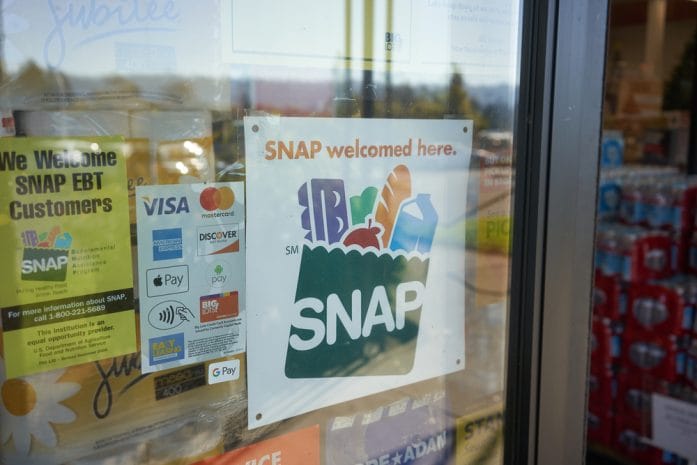
Illinois’ 1-in-6 SNAP Denial Rate: Why More Cases Are Failing the Income Check

April 30, 2026 by Brandon Marcus Leave a Comment

Illinois’ 1-in-6 SNAP Denial Rate: Why More Cases Are Failing the Income Check
Image Source: Unsplash.com

Illinois continues to see rising demand for food assistance, yet more applicants now hit an unexpected wall during the approval process. State data shows that roughly one in six SNAP applications fails due to income eligibility issues, a number that has quietly crept upward over the past few years. That statistic tells a deeper story than simple disqualification—it reflects a system struggling to keep pace with economic reality. Many households fall into a frustrating middle zone where they earn too much to qualify but too little to comfortably afford groceries. This growing gap leaves families navigating tough choices without the safety net they expected.

Applicants often assume SNAP eligibility aligns with everyday financial strain, but the math doesn’t always work that way. Income thresholds follow strict federal guidelines that rarely adjust fast enough to match real-world costs like rent, gas, and childcare. A small raise or extra work hours can push someone just over the limit, even if their overall financial situation hasn’t improved in any meaningful way.

Income Limits That Don’t Reflect Reality

SNAP eligibility hinges on gross and net income calculations, and both play a crucial role in determining approval. Gross income includes total earnings before deductions, while net income factors in allowable expenses like housing and childcare. Even with deductions, many applicants still land just above the qualifying line, especially in areas with higher living costs. Illinois uses federal poverty guidelines as a benchmark, which often lag behind the actual cost of living in many communities. That lag creates a mismatch between policy and lived experience.

A family of four, for example, may earn slightly above the gross income threshold but still struggle to cover basic monthly expenses. Rising rent, utility bills, and food prices stretch budgets thinner than ever, yet those pressures don’t always translate into SNAP eligibility. The system doesn’t always account for regional cost differences or sudden financial shifts, such as medical bills or reduced work hours. Applicants often feel blindsided when their financial hardship doesn’t qualify on paper. That frustration fuels the perception that the system excludes people who genuinely need help.

The Impact of Pandemic-Era Policy Changes

During the height of the pandemic, SNAP benefits expanded to meet urgent needs, and eligibility rules became more flexible. Emergency allotments boosted monthly benefits, and some verification requirements were eased to speed up access. Those temporary measures helped millions stay afloat during a period of economic uncertainty. However, as those policies expired, the system reverted to stricter guidelines. That shift caught many households off guard, especially those who had come to rely on expanded support.

The rollback of pandemic-era benefits didn’t just reduce monthly assistance—it also tightened eligibility thresholds. Households that previously qualified suddenly found themselves ineligible, even though their financial situation hadn’t dramatically improved. The transition created a wave of denials, contributing to the current 1-in-6 rejection rate. Many applicants still assume the more flexible rules remain in place, leading to confusion during the application process. This policy whiplash highlights how temporary relief measures can leave lasting gaps when they disappear.

Administrative Hurdles Add to the Challenge

Income limits aren’t the only reason applications fail—administrative complexities also play a significant role. SNAP applications require detailed documentation, including pay stubs, rent information, and utility costs. Missing or incomplete paperwork can delay processing or lead to outright denial. For applicants juggling multiple jobs or irregular income, gathering accurate documentation becomes a challenge in itself. Even small errors can derail an otherwise valid application.

Communication gaps between applicants and caseworkers can further complicate the process. Notices may arrive late, instructions may seem unclear, and deadlines can pass before applicants realize action is needed. Some individuals abandon the process entirely after facing repeated obstacles. Others reapply multiple times, hoping for a different outcome without fully understanding what went wrong. These administrative hurdles create an additional layer of difficulty that goes beyond income eligibility alone.

Illinois’ 1-in-6 SNAP Denial Rate: Why More Cases Are Failing the Income Check
Image Source: Shutterstock.com

Who Gets Caught in the Middle

The rising denial rate disproportionately affects working families who sit just above the eligibility threshold. These households often include hourly workers, gig economy participants, and individuals with fluctuating incomes. A slight increase in weekly hours or a temporary side job can push earnings over the limit, even if that income doesn’t provide long-term stability. These families don’t qualify for assistance, yet they don’t experience financial security either. That middle ground leaves them especially vulnerable to economic shocks.

Seniors and individuals with disabilities also face unique challenges within the eligibility system. While some programs offer adjusted criteria for these groups, navigating the rules can still feel overwhelming. Fixed incomes may exceed SNAP limits by a narrow margin, despite rising healthcare and living costs. The complexity of deductions and exemptions often requires careful calculation, which not all applicants fully understand. As a result, some eligible individuals never receive benefits simply because the process feels too complicated.

Practical Steps to Improve Approval Chances

Applicants can take several proactive steps to strengthen their SNAP applications and avoid unnecessary denials. Gathering complete and accurate documentation before applying can streamline the process and reduce delays. Keeping records of all income sources, including irregular earnings, ensures a clearer financial picture during evaluation. Applicants should also double-check their submissions for errors or missing information. Attention to detail can make a significant difference in the outcome.

Seeking assistance from local community organizations can also improve the chances of approval. Many nonprofits and social service agencies offer free guidance on completing SNAP applications and understanding eligibility rules. These resources help applicants navigate complex requirements and avoid common mistakes. Staying informed about current income limits and policy changes also proves essential, especially as guidelines continue to evolve. Taking these steps can turn a confusing process into a more manageable one.

What This Trend Means for Illinois Families

The rising SNAP denial rate signals a broader issue within the safety net system. As living costs continue to climb, more households fall into the gap between eligibility and actual need. This trend raises important questions about how assistance programs adapt to changing economic conditions. Policymakers face increasing pressure to reassess income thresholds and ensure they reflect real-world expenses. Without adjustments, the gap will likely continue to widen.

For families, the impact goes beyond a denied application—it affects daily decisions about food, housing, and financial stability. Many households must stretch limited resources further, often relying on community support or alternative assistance programs. The situation underscores the importance of accessible, responsive systems that align with current economic realities. As the conversation around SNAP evolves, the focus remains on bridging the gap between policy and lived experience.

Behind the Numbers

Illinois’ 1-in-6 SNAP denial rate reveals more than just a statistic—it highlights a system that struggles to keep pace with modern financial pressures. Income thresholds, administrative hurdles, and policy shifts all contribute to a growing disconnect between eligibility and need. Families caught in the middle face difficult choices without the support they expected to receive. Addressing this issue requires both policy adjustments and increased awareness among applicants. The goal remains clear: ensure that assistance reaches those who genuinely need it.

What changes would make SNAP eligibility feel more realistic and fair in today’s economy? Let’s chat about it below in our comments.

You May Also Like…

The 72-Hour SNAP Hold: Why Millions Of Applications Are Stuck in “Pending Review”

The SAVE System Backlog: How Immigration-Status Delays Are Knocking Eligible Families Off SNAP

April Food Alert: How to Use SNAP’s Medical Expense Deduction if Your Benefits Suddenly Dropped

These Are The Average Salaries of Those In Their 30s, 40s and 50s—How Do You Compare?

Why Large Itemized Deductions Can Trigger a 2026 Refund Review

Brandon Marcus
Brandon Marcus

Brandon Marcus is a writer who has been sharing the written word since a very young age. His interests include sports, history, pop culture, and so much more. When he isn’t writing, he spends his time jogging, drinking coffee, or attempting to read a long book he may never complete.

Filed Under: Lifestyle Tagged With: benefits eligibility, financial hardship, food insecurity, food stamps Illinois, government benefits, Illinois economy, Illinois SNAP, low income support, public assistance, SNAP denial rate, SNAP income limits, social services

The Overlooked Spousal Benefit Guideline That Quietly Cuts Monthly Social Security Payments

April 30, 2026 by Brandon Marcus Leave a Comment

The Overlooked Spousal Benefit Guideline That Quietly Cuts Monthly Social Security Payments
Image Source: Shutterstock.com

A surprisingly small detail in Social Security’s rulebook can quietly shave hundreds off monthly benefits, and many couples never notice until it’s too late. This guideline targets spousal benefits, a category designed to help married or formerly married individuals maximize retirement income. The catch lies in how and when those benefits get claimed, especially when both partners have their own earnings records. Timing, age, and filing strategy all collide in a way that feels more like a puzzle than a benefit. Miss one piece, and the payout shrinks—sometimes permanently.

Plenty of retirees assume that spousal benefits simply “add on” to their existing Social Security income, but that assumption leads straight into trouble. The system doesn’t stack benefits neatly; it blends them using a formula that often favors one benefit over another. That means a poorly timed claim can lock someone into a lower amount for life.

How Spousal Benefits Actually Work

Spousal benefits allow one partner to claim up to 50% of the other partner’s full retirement benefit, but only under specific conditions. The system calculates that percentage based on the higher earner’s benefit at full retirement age, not whatever they happen to receive early or late. That distinction matters more than most people realize because early filing reduces the base amount permanently. Once someone claims before full retirement age, the reduction sticks for life. No later adjustment restores that lost income.

The twist comes when both spouses qualify for their own retirement benefits as well as a spousal benefit. Social Security doesn’t let recipients choose freely between the two; it automatically pays the higher of the two amounts. That sounds helpful on paper, but it removes flexibility from the strategy. Someone who files early for their own benefit may unintentionally reduce their ability to maximize a spousal benefit later. This interplay creates a silent trap that catches even financially savvy retirees.

The Early Filing Trap That Shrinks Payments

Filing early often feels tempting, especially when retirement begins sooner than expected or savings run thin. Social Security allows claims as early as age 62, but that decision comes with a permanent reduction that can reach up to 30%. That reduction doesn’t just affect personal benefits—it also impacts spousal calculations. The system uses the reduced benefit as part of its formula, which drags down the total monthly payment. What looks like a quick financial win turns into a long-term loss.

Consider a realistic scenario where one spouse files early at 62 while the other waits until full retirement age. The early filer locks in a reduced personal benefit, and when spousal benefits come into play, the system still factors in that lower amount. The result? A combined household income that falls short of what strategic timing could have delivered. Over a 20-year retirement, that difference can add up to tens of thousands of dollars. That’s not a rounding error—it’s a major financial hit.

The “Deemed Filing” Rule Complicates Everything

The deemed filing rule adds another layer of complexity that trips up even well-prepared retirees. This rule states that when someone applies for either their own benefit or a spousal benefit, Social Security treats the application as if they applied for both. That eliminates the option to claim one benefit while delaying the other for a higher payout later. Before 2016, some retirees used clever strategies to maximize income, but rule changes closed that loophole. Now, the system forces a bundled decision.

This rule hits hardest for couples who don’t coordinate their claiming strategies carefully. One spouse might intend to claim a spousal benefit first while letting their own benefit grow, but deemed filing shuts that plan down instantly. The system automatically calculates and pays the higher of the two benefits, removing any strategic delay. That means fewer opportunities to boost lifetime income through timing. Many retirees only discover this rule after they’ve already filed, which leaves no room for correction.

Divorce and Spousal Benefits: Another Hidden Twist

Divorced individuals can still claim spousal benefits based on an ex-spouse’s earnings record, provided the marriage lasted at least 10 years. This provision sounds generous, but it comes with its own set of rules that mirror those for married couples. Filing age still matters, and early claims still trigger permanent reductions. The same spousal calculation formula applies, which means timing remains critical. Even the ex-spouse’s filing status can influence eligibility in certain cases.

A divorced person might assume that claiming a spousal benefit won’t affect their own retirement benefit later, but that assumption can lead to disappointment. The deemed filing rule still applies, which forces the system to evaluate both benefits at once. That removes the chance to delay one benefit while collecting another. In real-life scenarios, this often results in smaller monthly payments than expected. The system offers the benefit, but it demands careful navigation to make it worthwhile.

Smart Strategies to Avoid Costly Mistakes

Avoiding these pitfalls starts with one key move: delaying benefits until full retirement age whenever possible. That single decision preserves the full value of both personal and spousal benefits. Coordinating with a spouse—or even an ex-spouse—can also unlock better outcomes. Couples who plan together often secure significantly higher lifetime income than those who act independently. Timing isn’t just important; it drives the entire outcome.

Running the numbers before filing makes a massive difference. Social Security statements, online calculators, and financial advisors all provide insight into how different strategies play out. Testing multiple scenarios can reveal surprising results, especially when spousal benefits enter the mix. Even a one- or two-year delay can boost monthly payments in a meaningful way. Smart planning turns a confusing system into a powerful financial tool.

The Overlooked Spousal Benefit Guideline That Quietly Cuts Monthly Social Security Payments
Image Source: Shutterstock.com

The Quiet Rule That Deserves Loud Attention

This overlooked guideline doesn’t grab headlines, but it quietly shapes retirement income for millions of Americans. Spousal benefits offer real value, yet the rules governing them demand attention and strategy. Filing too early, misunderstanding deemed filing, or failing to coordinate with a spouse can all lead to reduced payments that last a lifetime. The system rewards patience and planning, not guesswork. Those who take the time to get it right often enjoy a far more comfortable retirement.

So here’s the real question: will your benefits quietly shrink? Or get maximized with a smarter approach?

You May Also Like…

The 4 Social Security Rules Experts Say Everyone Should Know Before Age 62

Here’s When Your May Social Security Check Will Arrive

Joint Tax Liability Rules Mean Spouses Can Still Owe Shared Tax Debts

Protecting Assets When a Spouse Has a Gambling Problem

Social Security Is Under Pressure — The Worker-to-Retiree Ratio Is Falling

Brandon Marcus
Brandon Marcus

Brandon Marcus is a writer who has been sharing the written word since a very young age. His interests include sports, history, pop culture, and so much more. When he isn’t writing, he spends his time jogging, drinking coffee, or attempting to read a long book he may never complete.

Filed Under: social security Tagged With: claiming strategies, government benefits, personal finance tips, Planning, retirement income, retirement mistakes, retirement planning, savings advice, Social Security, Social Security rules, spousal benefits, SSA guidelines

New York’s Rent-Audit Increase: Why More Seniors Are Getting Verification Letters

April 30, 2026 by Brandon Marcus Leave a Comment

New York’s Rent-Audit Increase: Why More Seniors Are Getting Verification Letters
Image Source: Shutterstock.com

The pace of rent verification in New York City has picked up, and seniors now find themselves at the center of this shift. While the city has not launched a new audit program, many housing providers, management companies, and subsidy administrators have increased their own internal reviews. These checks help update long-standing tenant files, confirm income information, and ensure compliance with long‑established program rules.

Verification letters often arrive without warning, prompting immediate attention from older tenants who rely on stable housing to maintain financial security. Property managers also move quickly as they work to keep records aligned with regulatory requirements. The entire process reflects a tightening administrative environment rather than a new citywide mandate.

Why New York City Housing Providers Are Increasing Verification Requests

New York City’s housing agencies have not introduced new audit rules, but many buildings and subsidy programs are conducting more frequent internal reviews. These efforts aim to ensure that tenant files remain accurate, especially in rent‑regulated and subsidized housing where eligibility depends on income and household composition. Seniors often appear in these review cycles because they make up a large share of long‑term tenants whose records may not have been updated in years. Housing providers want to prevent discrepancies between reported income and current financial status, particularly as digital systems replace older paper files.

Another factor driving the increase is the need to reconcile outdated information. Many senior tenants have lived in the same apartment for decades, and older records may contain gaps or inconsistencies. Verification requests help management companies update these files to meet current administrative standards. Property managers play a central role by collecting tenant documents and responding to oversight from city, state, or federal housing programs. This combination of modernization and compliance pressure fuels the rise in verification activity.

What Verification Letters Actually Request From Senior Tenants

Verification letters typically ask for proof of income, household size, and benefit sources. Seniors may be asked to submit tax returns, Social Security statements, pension documents, or bank records within a specific timeframe. Housing providers use this information to confirm continued eligibility for regulated or subsidized units. The letters often include strict deadlines that require quick organization of personal documents, which can feel overwhelming for tenants who are not accustomed to frequent paperwork.

These letters may also request clarification about changes in household composition or income adjustments. Even small updates, such as a cost‑of‑living increase in Social Security benefits, can prompt a review. Management companies compare submitted documents with previously reported information to ensure accuracy. Seniors who do not respond risk delays in rent calculations or further follow‑up requests. The process depends heavily on timely and complete responses to avoid complications.

How Seniors Feel the Pressure of Increased Housing Scrutiny

Seniors often experience stress when verification letters arrive because they involve detailed financial disclosures. Many rely on fixed incomes, which makes any perceived discrepancy feel urgent and concerning. The requirement to gather multiple documents within tight deadlines adds pressure to routines that may already feel complicated. Some older tenants struggle with digital submission systems, which increases frustration. This combination of factors creates emotional strain alongside administrative challenges.

Uncertainty around compliance can also affect daily stability. Seniors may worry about potential rent adjustments if management identifies inconsistencies. Even when tenants follow all instructions, the process can still feel intimidating due to technical language and strict formatting requirements. Community support services often step in to help interpret letters and organize paperwork. These support systems become essential in helping seniors stay confident during verification cycles.

New York’s Rent-Audit Increase: Why More Seniors Are Getting Verification Letters
Image Source: Shutterstock.com

What Triggers Verification Requests in NYC Housing

Several factors can prompt verification requests, especially within senior housing programs. Changes in reported income often draw attention from management companies or subsidy administrators. Missing or outdated documentation can also increase the likelihood of a review. Large discrepancies between tax records and previously reported income may prompt additional questions. These triggers help housing providers maintain accurate records and comply with oversight requirements.

Long-term tenancy can also lead to periodic reviews. Housing providers may revisit older files to ensure they meet current standards, especially as digital systems replace paper records. Adjustments to subsidies or benefit programs often require updated verification to maintain accuracy. Even administrative errors from past filings can resurface during routine checks. The system relies on these triggers to maintain fairness and accuracy across regulated housing.

How Seniors Can Respond Effectively to Verification Requests

Seniors can respond more effectively by keeping financial documents organized and maintaining updated records throughout the year. Housing counselors often recommend storing copies of tax forms, benefit statements, and rent receipts in one accessible location. Timely responses help reduce the risk of delays or additional follow‑up. Clear communication with property managers also improves the verification process. These steps help seniors stay ahead of potential issues.

Support services across New York City provide assistance with document preparation and submission. Community organizations guide tenants through complex forms and deadlines, helping them understand what each request means. Seniors who use these resources often feel more confident and less overwhelmed. Digital tools can also help streamline submission when used comfortably. Preparation and support together create a smoother experience during verification cycles.

What the Future of Verification Means for Senior Housing Stability

Housing experts expect verification requests to remain common as New York City’s housing providers continue modernizing their systems. Seniors will likely see more frequent documentation requests as management companies update records and comply with oversight requirements. This trend reflects a broader push for accuracy and transparency in regulated housing. While the process may feel demanding, officials and housing providers aim to maintain fairness and prevent errors in eligibility tracking.

Seniors can expect continued emphasis on documentation and timely communication with housing offices. The city’s housing landscape will remain highly regulated due to ongoing affordability pressures. Increased administrative oversight may improve long‑term stability by reducing mistakes in rent calculations and subsidy management. However, the process will continue requiring attention to detail from tenants. The evolving system highlights the importance of preparation and awareness for maintaining housing security.

What do you think about the rise in verification letters for seniors in New York City—helpful oversight or added stress for tenants?

You May Also Like…

Why Banks Are Quietly Reducing Cash Withdrawal Limits in California, New York, Texas, Florida, and Illinois

The Rental Car Insurance Mistake That Can Cost You a Fortune

Essential Guide to Umbrella Insurance for Rental Property Owners

7 Outrageous Costs Hidden in Apartment Leases

6 States Where It’s Better To Rent Than to Buy A Home

Brandon Marcus
Brandon Marcus

Brandon Marcus is a writer who has been sharing the written word since a very young age. His interests include sports, history, pop culture, and so much more. When he isn’t writing, he spends his time jogging, drinking coffee, or attempting to read a long book he may never complete.
Filed Under: Lifestyle Tagged With: affordable housing NYC, housing audits, housing policy NYC, NYC housing authority, NYC rent audits, property management NYC, rent regulation, rent stabilization, rent verification letters, senior citizens housing, senior housing NYC, tenant income verification, tenant rights

The 72-Hour SNAP Hold: Why Millions Of Applications Are Stuck in “Pending Review”

April 29, 2026 by Brandon Marcus Leave a Comment

The 72-Hour SNAP Hold: Why Millions Of Applications Are Stuck in “Pending Review”
Image Source: Shutterstock.com

A growing number of SNAP applicants hit the same frustrating wall: a status that reads “pending review” and refuses to budge for days. That 72-hour window often stretches longer, leaving households stuck in limbo while grocery bills pile up and kitchen cabinets grow emptier. State agencies promise quick processing, yet real-world timelines often tell a very different story. Many applicants check their status multiple times a day, hoping for movement that never comes. That delay doesn’t just inconvenience people—it disrupts meal planning, budgeting, and basic peace of mind.

Behind that delay sits a mix of policy rules, staffing shortages, and outdated systems that struggle to keep pace with demand. SNAP offices must verify income, identity, residency, and household size before approval, and each step requires manual review in many states.

Why Applications Get Flagged for Extra Review

SNAP systems don’t treat every application equally, and certain triggers send files straight into extended review. Income inconsistencies, recent job changes, or self-employment claims often require deeper verification. Households with fluctuating earnings—like gig workers or seasonal employees—face longer scrutiny because agencies must confirm accurate monthly averages. Even something as simple as mismatched names across documents can slow things down. These flags protect against fraud, but they also create delays for legitimate applicants.

Technology adds another layer to the issue, and not always in a helpful way. Automated systems scan applications and flag anything that doesn’t match existing databases, including tax records or previous benefit history. When systems detect a mismatch, they often halt progress until a human caseworker reviews the file.

That handoff doesn’t happen instantly, especially in understaffed offices. Each flagged application joins a growing pile that caseworkers must sort through manually. The result: longer wait times and mounting frustration for applicants who did everything right.

Staffing Shortages and System Overload

State SNAP offices across the country continue to deal with staffing shortages that slow processing times significantly. Caseworkers often juggle hundreds of applications at once, which makes quick turnaround nearly impossible. Training new staff takes time, and high turnover rates make the problem worse. Experienced workers leave, new hires step in, and the cycle repeats while applications keep pouring in. That imbalance between workload and staffing creates unavoidable delays.

Outdated technology compounds the problem in ways that applicants rarely see. Many SNAP systems still rely on decades-old infrastructure that struggles with modern demand. Slow databases, system crashes, and limited automation force workers to rely on manual processes. When thousands of applications hit the system at once, bottlenecks form quickly. Even minor technical glitches can stall entire batches of applications. That combination of human and technical limitations turns a simple review into a multi-day—or even multi-week—process.

Common Mistakes That Add Days to the Wait

Applicants often unknowingly extend their own wait time with small but critical mistakes. Missing documents top the list, especially pay stubs, identification, or proof of residence. Even blurry uploads or incomplete forms can trigger delays. SNAP offices require clear, accurate information, and anything less forces a pause in processing. That pause pushes the application back in line, adding days to the timeline.

Timing also plays a huge role in how fast an application moves. Submitting documents late in the day or right before weekends can delay review until the next business cycle. Applicants who fail to respond quickly to requests for additional information risk even longer delays. Some states only allow a limited window for follow-up, and missing that window can restart the entire process. Careful attention to detail and quick responses can make a noticeable difference. Small actions often determine whether an application moves forward or stalls again.

What Applicants Can Do to Speed Things Up

Applicants don’t have to sit back and wait helplessly during the review period. Proactive steps can often reduce delays and push applications forward faster. Submitting all required documents at once—clearly and completely—gives caseworkers everything they need from the start. Double-checking entries for accuracy helps avoid unnecessary flags. Calling the SNAP office to confirm receipt of documents can also prevent silent errors.

Following up strategically can make a real impact when done correctly. Applicants who check in after the initial 72-hour window often catch issues early. Many states offer online portals where users can track updates or upload missing documents مباشرة. Staying organized and keeping copies of everything submitted helps resolve disputes quickly. Persistence matters, but timing and clarity matter even more. A well-prepared application stands a much better chance of moving through the system without delays.

The 72-Hour SNAP Hold: Why Millions Of Applications Are Stuck in “Pending Review”
Image Source: Shutterstock.com

The Bigger Picture Behind SNAP Delays

The SNAP backlog reflects broader challenges within public assistance systems nationwide. Economic shifts, rising food costs, and increased demand continue to stretch resources thin. Government agencies face pressure to process applications quickly while maintaining strict verification standards. That balancing act often leads to slower processing times. Applicants feel the impact immediately, especially those who rely on benefits for daily meals.

Policy changes also influence how quickly applications move through the system. New eligibility rules or reporting requirements can add complexity to the process. States must implement these changes while continuing to handle existing workloads. That transition period often creates temporary slowdowns. While reforms aim to improve efficiency long-term, short-term delays remain a reality. Understanding that broader context helps explain why the “pending review” status persists for so many applicants.

When “Pending” Means More Than Just Waiting

That simple status message carries more weight than it appears at first glance. For many households, it represents uncertainty about food security and financial stability. Every extra day in review can mean tough choices at the grocery store or skipped meals. The emotional toll builds quickly, especially for families with children or fixed incomes. That stress makes the delay feel even longer than it actually is.

Awareness of the process can ease some of that frustration. Knowing what triggers delays and how to avoid them gives applicants a sense of control. Preparation, attention to detail, and timely follow-up all play a role in speeding things up. While the system doesn’t move as fast as many would like, informed applicants can navigate it more effectively. That knowledge turns a confusing wait into a manageable process.

What To Know About SNAP’s 72-Hour Hold

The 72-hour SNAP hold rarely sticks to a neat three-day timeline, and several factors drive that reality. Staffing shortages, system limitations, and strict verification rules all contribute to delays that stretch beyond expectations. Applicants who prepare thoroughly and respond quickly can often shorten their wait, even within a slow system. Clear documentation and proactive follow-up remain the strongest tools for moving an application forward. While the process may never feel fast, strategic action can make it feel far less frustrating.

What has your experience been with SNAP application delays: quick approval or endless waiting? Give us your story and experiences in the comments below.

You May Also Like…

The SAVE System Backlog: How Immigration-Status Delays Are Knocking Eligible Families Off SNAP

Hidden SNAP Rule Hitting Millions Of Adults — And Why States Are Sending New Work Notice

April Food Alert: How to Use SNAP’s Medical Expense Deduction if Your Benefits Suddenly Dropped

These Are The Average Salaries of Those In Their 30s, 40s and 50s—How Do You Compare?

Staffing Cuts Are Slowing Benefit Processing — And Delays Are Growing

Brandon Marcus
Brandon Marcus

Brandon Marcus is a writer who has been sharing the written word since a very young age. His interests include sports, history, pop culture, and so much more. When he isn’t writing, he spends his time jogging, drinking coffee, or attempting to read a long book he may never complete.

Filed Under: Lifestyle Tagged With: benefits approval process, EBT processing time, financial help, food assistance delays, food stamps delay, government assistance, low income support, pending review SNAP, public benefits, SNAP application tips, SNAP backlog, SNAP benefits

Georgia’s 30-Day Rule: Why Missed Renewal Calls Are Cutting Off Medicaid This Week

April 29, 2026 by Brandon Marcus Leave a Comment

Georgia’s 30-Day Rule: Why Missed Renewal Calls Are Cutting Off Medicaid This Week
Image Source: Shutterstock.com

Georgia’s Medicaid system has entered a high-stakes phase where timing matters more than ever, and thousands of residents now feel the pressure. A federally required 30‑day response window now determines who keeps coverage and who suddenly loses it. Miss a letter, overlook a text, or fail to submit paperwork in time, and coverage can disappear almost overnight. Many families didn’t realize their renewal window had even opened, and the result has been confusion, frustration, and in some cases, dangerous gaps in care.

The state is still working through the massive eligibility reviews that resumed after pandemic-era continuous coverage ended. For the first time in years, households must verify income, residency, and household size on a strict timeline. The system assumes quick responses, but life doesn’t always cooperate. Busy schedules, outdated contact information, and missed mail have turned routine renewals into high-risk moments for families who depend on Medicaid.

Why Missed Notices Lead to Sudden Coverage Loss

Georgia doesn’t require intentional non-compliance to terminate Medicaid—it only requires a lack of response. If the state sends a renewal notice and receives no information within 30 days, it can legally close the case. That means eligible people can lose coverage simply because they didn’t see the notice or didn’t respond in time. The process usually begins with a mailed packet or electronic alert requesting updated details. If those communications go unanswered, the clock keeps running whether the recipient is aware of it or not.

The problem grows when contact information isn’t current, which happens far more often than many expect. A move, a lost letter, or a phone number change can block critical updates. Once a case is marked as “no response,” the system moves forward without additional reminders. Many residents only discover the termination when they try to fill a prescription or schedule a doctor visit. By that point, restoring coverage becomes more complicated and far more stressful.

Real-Life Consequences of Losing Medicaid Overnight

Coverage loss doesn’t just create inconvenience—it disrupts essential care in immediate and tangible ways. Prescriptions get denied at the pharmacy counter, ongoing treatments get paused, and doctor appointments suddenly require out-of-pocket payment. For families managing chronic conditions, even a short gap can lead to serious health risks. Financial strain follows quickly, especially for households already stretched thin. A single urgent care visit without coverage can drain savings in days.

Parents feel the impact especially hard when children lose access to pediatric care. Missed checkups, delayed vaccinations, and limited access to specialists can create long-term consequences. Pregnant individuals and seniors face even higher stakes, where continuity of care plays a critical role in outcomes. The emotional toll also runs deep, as uncertainty around healthcare access adds stress to already challenging situations. These aren’t abstract policy shifts—they show up in daily life in very real ways.

Georgia’s 30-Day Rule: Why Missed Renewal Calls Are Cutting Off Medicaid This Week
Image Source: Shutterstock.com

How to Stay Ahead of Renewal Deadlines and Protect Coverage

The smartest move starts with making sure contact information stays accurate and up to date. Georgia Medicaid relies heavily on mail, texts, and phone communication, so even small changes need immediate updates. Checking renewal status regularly can also prevent surprises, especially during active review periods. The state’s online portal allows users to track deadlines, upload documents, and confirm whether action is required. Using these tools can mean the difference between uninterrupted coverage and sudden loss.

Setting reminders helps more than people expect. Mark renewal dates on calendars, set phone alerts, and follow up quickly when any notice arrives. Responding early—even if all documents aren’t ready—keeps the process moving. Community organizations and local health advocates offer free assistance with renewals and paperwork. Reaching out before coverage disappears gives families more options and far less stress.

What to Do Immediately If Coverage Gets Cut Off

Losing Medicaid doesn’t mean the situation is permanent, but quick action matters. The first step is contacting the state Medicaid office to confirm why the case was closed. Many terminations happen because paperwork wasn’t received, not because the person is ineligible. If the required information is submitted within 90 days, coverage can often be reinstated without filing a brand-new application. Waiting too long, however, may force a full re-enrollment, which takes more time and effort.

Appeals also offer a path forward if the termination seems incorrect. Filing an appeal quickly can pause or reverse the decision in certain situations. While that process unfolds, exploring temporary healthcare options becomes essential. Community clinics, sliding-scale providers, and prescription assistance programs can help bridge the gap. Acting immediately instead of waiting gives the best chance of minimizing disruption and restoring coverage faster.

Why This Shift Reflects a Bigger National Trend

Georgia’s situation mirrors a nationwide return to pre-pandemic Medicaid rules. Every state has resumed eligibility checks after years of continuous coverage, and the result has been a surge in disenrollments. A large share of these losses stem from administrative issues rather than true ineligibility. Experts note that procedural disenrollments—cases closed because paperwork wasn’t completed—now account for a significant portion of terminations across the country.

This shift has sparked debate among policymakers and healthcare advocates. Some argue that strict timelines improve program efficiency and reduce errors. Others warn that vulnerable populations face unnecessary risks due to communication breakdowns and bureaucratic hurdles. Regardless of perspective, the current environment demands more vigilance from enrollees. Staying informed and proactive has become essential for maintaining healthcare coverage.

Awareness and Action Make All the Difference

Georgia’s 30-day renewal window has turned Medicaid reviews into a race against time, and missing even one step can have serious consequences. Staying organized, responding quickly, and keeping information current all play a critical role in protecting coverage. The system doesn’t always allow room for delays, but preparation can prevent most problems before they start. For those already affected, immediate action offers the best chance at recovery and minimizing disruption. In a system driven by deadlines, awareness and quick decisions remain the strongest tools available.

What steps have you taken—or plan to take—to make sure important benefits don’t slip through the cracks? We want to hear your advice in our comments section.

You May Also Like…

Why New Renewal Letters Are Cutting Off Coverage for Medicaid Families In Texas

Medicaid Estate Recovery Allows States to Recoup Long-Term Care Costs From Estates

Utah’s $7,522 Healthcare Annual Cost And What It Means for Residents

A Big Change to Medicare Prior Authorization: 7‑Day Deadline Now Mandatory

What Happens When Retirement Plans Ignore Healthcare Costs

Brandon Marcus
Brandon Marcus

Brandon Marcus is a writer who has been sharing the written word since a very young age. His interests include sports, history, pop culture, and so much more. When he isn’t writing, he spends his time jogging, drinking coffee, or attempting to read a long book he may never complete.

Filed Under: Lifestyle Tagged With: benefits renewal, financial advice, Georgia Medicaid, government programs, health insurance, healthcare access, healthcare coverage, insurance deadlines, low income support, Medicaid, policy changes, public assistance

Why May Bills Include “Grid Modernization” Charges

April 29, 2026 by Brandon Marcus Leave a Comment

Why May Bills Include “Grid Modernization” Charges
Image Source: Shutterstock.com

A fresh line item on a monthly electric bill can spark instant frustration, especially when it carries a vague label like “grid modernization.” This May, many households will notice that exact phrase—and the cost attached to it. Utility companies now invest heavily in upgrading aging infrastructure, and they pass part of that bill directly to customers.

These charges often arrive quietly, without much explanation, yet they play a major role in shaping future energy reliability. Getting a clear handle on what drives these fees can help households make smarter financial decisions and avoid surprises.

What “Grid Modernization” Actually Means

This phrase refers to a sweeping overhaul of how electricity gets delivered from power plants to homes. Utilities upgrade old wires, substations, and transformers to handle modern energy demands. They also install smart technology that tracks outages and energy usage in real time. These updates aim to prevent blackouts, improve efficiency, and support renewable energy sources. The term sounds technical, but it boils down to making the power grid faster, smarter, and more resilient.

Utilities built much of the existing power grid decades ago, and it shows. Equipment breaks more often, repair costs climb, and extreme weather pushes systems to their limits. Modernization projects replace worn-out components and introduce automation that detects issues before they spiral into outages. Smart meters now send usage data instantly instead of relying on manual readings, which cuts labor costs and speeds up billing accuracy.

These improvements also support cleaner energy sources like solar and wind. Traditional grids struggle to handle fluctuating energy inputs, but modern systems adjust dynamically. That flexibility allows utilities to integrate renewable energy without destabilizing the system. While the benefits sound appealing, the price tag often lands squarely on customers’ monthly statements.

Why These Charges Are Showing Up

Timing plays a huge role in why these fees suddenly appear on bills this May. Many utility companies received regulatory approval for infrastructure upgrades over the past year. Once those projects start, companies begin recovering costs through customer billing. Seasonal demand also increases in late spring and summer, which makes May an ideal time to introduce new rate structures. The result: a noticeable bump in monthly expenses just as energy usage begins to climb.

Energy demand continues to rise due to electric vehicles, smart homes, and increased reliance on digital devices. Utilities must expand capacity to keep up, and that expansion requires significant investment. Regulatory agencies typically allow companies to recoup those costs gradually, which explains the steady appearance of new fees rather than one-time charges.

Inflation also plays a role in driving up infrastructure costs. Materials like copper, steel, and advanced electronics now cost more than they did even a few years ago. Labor shortages in skilled trades add another layer of expense. Utilities pass these rising costs along to customers, often under the umbrella of modernization efforts.

Why May Bills Include “Grid Modernization” Charges
Image Source: Shutterstock.com

What You’re Actually Paying For On Your Bill

That extra line item does not simply vanish into a corporate black hole. It funds specific upgrades like smart meters, automated substations, and advanced monitoring systems. It also supports cybersecurity improvements that protect the grid from digital threats. Some funds go toward integrating renewable energy sources and improving battery storage systems. Each charge reflects a piece of a much larger transformation happening behind the scenes.

Smart meters stand out as one of the most visible upgrades. These devices track electricity usage in real time and allow utilities to identify outages instantly. They also enable time-of-use pricing, which can reward consumers who shift usage to off-peak hours. While that sounds beneficial, it can also lead to higher bills for households that cannot easily adjust their energy habits.

Grid modernization also includes strengthening infrastructure against extreme weather. Storm-resistant poles, underground lines, and advanced forecasting tools all require funding. These improvements reduce the frequency and duration of outages, which saves money and frustration over time. Still, the upfront costs show up immediately, even if the long-term benefits take years to fully materialize.

How These Fees Affect Household Budgets

Even small increases in utility bills can ripple through a monthly budget. A $10 or $20 bump may not seem dramatic at first glance, but it adds up quickly over a year. Households already juggling rising costs for groceries, housing, and transportation feel the squeeze more intensely. Fixed-income families often face the toughest challenge, since they lack the flexibility to absorb new expenses. These charges can quietly shift financial priorities without much warning.

Energy costs rarely stay flat once they start climbing. Grid modernization often represents just one piece of a broader trend toward higher utility rates. As infrastructure projects expand, additional fees may appear over time. That makes it crucial to plan ahead rather than treat the increase as a one-off occurrence.

Some households may qualify for assistance programs that offset rising energy costs. Utility companies and local agencies often offer discounts or payment plans for eligible customers. Taking advantage of these programs can help ease the burden while still supporting necessary infrastructure improvements.

Smart Ways To Manage And Reduce The Impact

Consumers do not have to accept higher bills without taking action. Simple changes like adjusting thermostat settings, using energy-efficient appliances, and unplugging unused devices can lower overall consumption. Many utilities also offer detailed usage reports that highlight peak energy times. Paying attention to those patterns can help households shift usage and reduce costs. Small adjustments can make a noticeable difference over time.

Energy-efficient upgrades often deliver long-term savings. LED lighting, smart thermostats, and better insulation can significantly cut electricity usage. While these upgrades require upfront investment, they often pay for themselves through lower monthly bills. Some utility companies even provide rebates or incentives to encourage these improvements.

Budgeting strategies also play a key role in managing rising costs. Setting aside a small monthly buffer for utilities can prevent financial strain when bills increase unexpectedly. Reviewing statements regularly helps identify trends and catch errors early. Staying proactive keeps these new charges from derailing a household’s financial stability.

The Bigger Picture Behind The Charges

Grid modernization represents a long-term investment in energy reliability and sustainability. These upgrades aim to reduce outages, support clean energy, and prepare for future demand. While the costs feel immediate, the benefits unfold over years or even decades. The challenge lies in balancing short-term affordability with long-term progress. Consumers ultimately fund this transformation, which makes awareness and planning essential.

Utilities face increasing pressure to modernize as technology evolves and climate challenges intensify. A stronger, smarter grid can handle extreme weather events and reduce recovery times. That resilience carries real value, even if it does not always show up directly on a monthly bill.

What This Means For Your Wallet Moving Forward

Expect energy bills to keep evolving as infrastructure upgrades continue across the country. Grid modernization charges likely will not disappear anytime soon, and they may even increase as projects expand. Households that stay informed and proactive will handle these changes far more effectively. Paying attention to usage patterns, exploring efficiency upgrades, and taking advantage of assistance programs can soften the impact. Awareness turns a confusing line item into a manageable part of a broader financial strategy.

What changes have shown up on your recent utility bills, and how are you adjusting your budget to keep up? Give us your stories below in our comments.

You May Also Like…

Ohio Property Revaluations Are Increasing 2026 Tax Bills Across Multiple Counties

Utility Bills Are Rising as Service Fees Increase Across Multiple States

Virginia Residents Are Receiving Unexpected Personal Property Tax Bills Due to Local Rules

Adult Kids Beware: Some States Can Sue You for Your Parents’ Medical Bills

6 IRS Notices That Can Lead to Unexpected Tax Bills

Brandon Marcus
Brandon Marcus

Brandon Marcus is a writer who has been sharing the written word since a very young age. His interests include sports, history, pop culture, and so much more. When he isn’t writing, he spends his time jogging, drinking coffee, or attempting to read a long book he may never complete.

Filed Under: Lifestyle Tagged With: Budgeting Tips, consumer awareness, electric bills, electricity rates, energy infrastructure, energy policy, grid modernization, home expenses, power grid upgrades, saving money, smart meters, utility costs, utility fees

  • « Previous Page
  • 1
  • …
  • 23
  • 24
  • 25
  • 26
  • 27
  • …
  • 99
  • Next Page »

Follow Us

Search this site:

Recent Posts

  • Can My Savings Account Affect My Financial Aid? by Tamila McDonald
  • 12 Ways Gen X’s Views Clash with Millennials… by Tamila McDonald
  • What Advantages and Disadvantages Are There To… by Jacob Sensiba
  • 10 Tactics for Building an Emergency Fund from Scratch by Vanessa Bermudez
  • Call 911: Go To the Emergency Room Immediately If… by Stephen Kanaval
  • 7 Weird Things You Can Sell Online by Tamila McDonald
  • 10 Scary Facts About DriveTime by Tamila McDonald

Copyright © 2026 · News Pro Theme on Genesis Framework