• Home
  • About Us
  • Getting Finances Done
    • Hiring Advisors
    • Debt Management
    • Spending Plan
  • Insurance
    • Life Insurance
    • Health Insurance
    • Disability Insurance
    • Homeowners/Renters Insurance
  • Contact Us
  • Our Editorial Commitment

The Free Financial Advisor

You are here: Home / Archives for savings advice

5 Questions To Ask a Bank Before Depositing Your Money

May 28, 2026 by Brandon Marcus Leave a Comment

5 Questions To Ask a Bank Before Depositing Your Money
Before you place your hard-earned money in a bank account, there are certain questions you should ask – Shutterstock

Money does not sit quietly in a bank account without consequences—it either grows, shrinks through fees, or stays protected depending on the institution. Many people focus only on convenience when choosing a bank, but smart savers dig deeper before moving a single dollar.

The wrong choice can quietly drain savings through hidden fees, weak interest rates, or limited access to funds. The right choice can help money grow safely while staying easy to reach when life demands it. Asking the right questions upfront helps prevent frustration later and sets up a stronger financial foundation.

1. What Protection Does The Bank Offer For Deposited Money?

Every bank should clearly explain how it protects customer deposits, especially through government-backed insurance programs. In the United States, the FDIC protects deposits up to $250,000 per depositor, per insured bank, per account category. In Canada, CDIC provides similar protection up to set limits depending on account type. A strong bank proudly explains this coverage instead of burying it in fine print. Asking this question ensures deposits stay protected even if the institution faces financial trouble.

Banks that lack clear answers about insurance coverage raise immediate red flags. A trustworthy institution provides straightforward documentation and explains coverage limits without hesitation. This question also helps identify whether accounts need to be split across institutions for extra protection. Savers who confirm insurance details gain peace of mind before committing large balances. Security should always come first before chasing convenience or perks.

5 Questions To Ask a Bank Before Depositing Your Money
FDIC protection is vital for all bank accounts, so does yours have it? – Shutterstock

2. What Fees Apply To The Account In Everyday Use?

Banks often earn significant revenue from fees that customers overlook during sign-up. Monthly maintenance charges, ATM withdrawal fees, overdraft penalties, and transfer costs can quietly reduce savings over time. Some banks waive fees if customers maintain minimum balances, while others charge regardless of account activity. Asking this question upfront helps avoid unpleasant surprises on monthly statements. Fee transparency separates customer-friendly banks from those that rely heavily on penalties.

A detailed breakdown of fees reveals how the account behaves in real life, not just on paper. For example, frequent ATM users may face multiple charges if the bank lacks a strong ATM network. Overdraft protection policies also vary widely, and some institutions charge steep fees for small mistakes. Comparing fee structures across banks helps identify long-term cost differences that add up quickly. Smart savers always treat fees as a major decision factor, not an afterthought.

3. What Interest Rate Or Growth Does The Account Offer?

Interest rates determine how much money grows while sitting in the account, even if the growth feels small at first. Traditional savings accounts often offer very low annual percentage yields, while high-yield savings accounts provide significantly better returns. Asking this question helps clarify whether the bank rewards saving behavior or simply stores funds without benefit. Even a difference of one to two percent can meaningfully impact long-term savings growth. Banks that compete for deposits usually highlight their rates proudly.

Some institutions adjust interest rates based on balance tiers, meaning larger deposits earn higher returns. Others promote promotional rates that drop after a short period, which makes timing important. Savers should ask how often the bank changes rates and whether conditions apply. Understanding how interest works inside the account prevents disappointment later. A strong rate turns a basic savings account into a more powerful financial tool.

4. How Easily Can Account Holders Access Their Money?

Access matters just as much as growth because savings should remain available during emergencies or opportunities. Banks differ widely in ATM networks, mobile app quality, transfer speed, and branch availability. Asking this question helps reveal how quickly money can move when needed. Some banks offer instant transfers between accounts, while others require delays that slow down urgent transactions. Convenience should match personal financial habits, not force new routines.

Digital banking features also play a major role in modern access. Mobile check deposits, peer-to-peer transfers, and real-time alerts all improve account usability. Banks that invest in technology often provide smoother day-to-day experiences. Limited access can create frustration during travel or unexpected expenses. A well-connected account ensures money stays both safe and usable at all times.

5. What Security Measures Protect Accounts From Fraud?

Fraud protection has become a major concern as digital banking continues to grow. Banks should explain how they monitor suspicious activity, protect online logins, and handle unauthorized transactions. Strong institutions use multi-factor authentication, encryption, and real-time alerts to reduce risk. Asking this question helps identify how seriously a bank treats customer security. Clear answers signal strong internal systems and customer protection policies.

Some banks also offer zero-liability policies that reimburse customers for unauthorized transactions. Others require faster reporting timelines, which can complicate claims if fraud goes unnoticed for too long. Savers should ask how quickly the bank responds to suspicious activity and what steps they take after detection. Reliable fraud protection builds confidence in everyday banking. Security measures should always match the level of digital activity in the account.

Smart Banking Choices Start With Better Questions

Choosing a bank should never rely on convenience alone because financial institutions shape how money grows, stays protected, and remains accessible. These five questions reveal the real structure behind any account and help avoid costly surprises. Savers who ask about protection, fees, interest, access, and security gain a clearer picture of long-term value. Banks vary widely, and the right questions separate strong financial partners from weak ones. A little curiosity today can protect savings for years ahead.

What question feels most important when choosing a bank for everyday savings? Let’s hear your thoughts and opinions below in the comments.

You May Also Like…

The New Banking Trend That Could Make Paper Checks Harder to Use

IRS Won’t Automatically Reissue Paper Checks for Rejected Direct Deposits—You Must Update Bank Info

SNAP Alert: Why Some Seniors Are Seeing Lower Food Benefits This Month — and What to Check Before June Deposits Arrive

5 Reasons Your Valuables Might Not Be Fully Protected in a Safe Deposit Box

8 Financial Habits That Quietly Drain Your Checking Account

Brandon Marcus
Brandon Marcus

Brandon Marcus is a writer who has been sharing the written word since a very young age. His interests include sports, history, pop culture, and so much more. When he isn’t writing, he spends his time jogging, drinking coffee, or attempting to read a long book he may never complete.

Filed Under: Banking Tagged With: bank accounts, banking tips, financial literacy, interest rates, money safety, Personal Finance, savings advice

Why More Americans Are Checking Their Bank Accounts Daily in 2026—and It’s Not Just Because of Spending

May 28, 2026 by Brandon Marcus Leave a Comment

Why More Americans Are Checking Their Bank Accounts Daily in 2026—and It’s Not Just Because of Spending
More and more Americans are checking their banks accounts multiple times a day, for various reasons – Shutterstock

Bank apps now sit at the center of daily financial life, and millions of Americans open them every single day without even thinking twice. The habit has shifted from occasional balance checks to constant monitoring, and the reasons stretch far beyond shopping or bill payments. In 2026, financial anxiety, smarter technology, and faster-moving money systems all push people toward frequent account check-ins.

The behavior reflects a new era where money feels more digital, immediate, and unpredictable than ever before. This trend reveals a deeper story about trust, control, and the modern economy.

Digital Banking Alerts Changed the Game Completely

Mobile banking apps now push notifications for every swipe, deposit, and subscription charge, which keeps financial activity constantly visible. These alerts create a real-time feedback loop that encourages people to open their accounts repeatedly throughout the day. Banks also design apps to highlight spending patterns, upcoming bills, and account changes in bold, attention-grabbing formats. That constant stream of updates makes financial awareness feel like part of everyday scrolling habits. Over time, checking balances becomes less of a decision and more of a reflex triggered by notifications.

Technology companies and financial institutions also compete to keep users engaged, and that competition shapes user behavior in subtle ways. Features like instant transaction updates, spending summaries, and predictive balance warnings pull attention back into the app again and again. Many people now feel a strong need to confirm that transactions went through correctly, especially after using tap-to-pay systems. That reassurance loop strengthens the habit of checking accounts multiple times per day. What once required a bank visit now happens in seconds, and that speed fuels even more frequent monitoring.

Rising Fraud Fears Keep Financial Eyes Wide Open

Fraud concerns play a huge role in daily banking checks, especially as digital scams grow more sophisticated each year. Cybercriminals now use cloned websites, fake subscription charges, and automated phishing attempts that target everyday users. People respond by checking accounts more often to catch suspicious activity early before damage spreads. That behavior reflects a shift in mindset where financial vigilance feels necessary rather than optional. Trust in digital systems exists, but constant verification now shares the spotlight.

Banks report increasing cases of unauthorized transactions, which pushes consumers to stay alert throughout the day. Even small unfamiliar charges trigger immediate account reviews, especially when tied to subscription services or trial offers. Many users now treat their banking apps like security dashboards instead of simple balance tools. That change reflects a broader cultural shift toward personal responsibility for financial safety. The more digital money becomes, the more people rely on frequent checks to feel protected.

Budgeting Culture Turns Into a Daily Financial Routine

Budgeting apps and banking tools now encourage users to track every expense in real time, which reinforces daily account checking habits. People set spending limits, categorize purchases, and monitor cash flow with a level of detail that previous generations never experienced. This constant visibility turns financial management into a daily routine instead of a monthly task. Many users adjust their behavior mid-day after seeing spending updates, which further increases app engagement. That loop creates a strong connection between awareness and action.

Social media also plays a role by popularizing budgeting trends like cash stuffing, no-spend challenges, and weekly money resets. These trends encourage people to stay constantly aware of their balances and spending categories. Financial discipline now spreads through short videos and posts that make budgeting feel interactive and social. That visibility drives more frequent account checks as people compare habits and track progress. The result turns personal finance into a daily performance rather than a private monthly review.

Why More Americans Are Checking Their Bank Accounts Daily in 2026—and It’s Not Just Because of Spending
It’s important to keep tabs on your bank account, but how many times is too much? – Shutterstock

Economic Pressure Makes Every Dollar Feel More Important

Inflation shifts, interest rate changes, and unpredictable costs make many households more sensitive to small financial changes. People now monitor accounts closely to catch rising expenses before they spiral out of control. Grocery bills, utility costs, and subscription services all fluctuate more frequently, which increases the need for constant oversight. That pressure creates a mindset where every dollar matters in real time. Financial awareness becomes a survival tool rather than just a planning habit.

Wage growth does not always keep pace with rising expenses, which adds another layer of urgency to daily account monitoring. Many households track deposits and withdrawals carefully to avoid overdrafts or missed payments. Unexpected costs, such as medical bills or car repairs, push people to check balances multiple times per day during stressful periods. That behavior reflects a desire to stay ahead of financial surprises instead of reacting after the fact. Economic uncertainty strengthens the habit of staying connected to banking apps throughout the day.

Real-Time Money Culture Redefines Financial Control

Instant payments, peer-to-peer transfers, and digital wallets now move money faster than traditional banking ever allowed. That speed creates a culture where financial activity feels continuous rather than periodic. People no longer wait for statements because every transaction appears instantly on their phones. That immediacy encourages repeated checking as users verify every movement in real time. Financial life now operates on a live feed rather than a delayed report.

This real-time system also changes how people think about control and stability. Frequent account checks create a sense of control, even when external conditions remain uncertain. Many users associate visibility with security, which reinforces the habit further. Financial institutions design interfaces that highlight clarity and transparency to support that expectation. As a result, checking accounts daily becomes less about curiosity and more about maintaining a sense of stability in a fast-moving financial world.

The New Normal of Financial Awareness in 2026

Daily banking checks now reflect a combination of technology, psychology, and economic pressure working together. People use banking apps not just for transactions but for reassurance, planning, and protection. The habit continues to grow as digital finance becomes more integrated into everyday life. Financial awareness now operates at a constant pace that matches the speed of modern money movement. This shift shows how deeply financial behavior has adapted to a connected, always-on economy.

What do you think—does checking bank accounts daily feel like smart control or digital overload in today’s world?

You May Also Like…

The New Banking Trend That Could Make Paper Checks Harder to Use

IRS Won’t Automatically Reissue Paper Checks for Rejected Direct Deposits—You Must Update Bank Info

10 Warning Signs Your Banking App Was Compromised

Medicare’s Fast-Track Review Standard: Why Some Requests Must Be Approved or Denied Within 72 Hours

5 Digital Banking Changes That May Be Adding New Fees Without Notice

Brandon Marcus
Brandon Marcus

Brandon Marcus is a writer who has been sharing the written word since a very young age. His interests include sports, history, pop culture, and so much more. When he isn’t writing, he spends his time jogging, drinking coffee, or attempting to read a long book he may never complete.

Filed Under: Banking Tagged With: banking habits, budgeting, consumer trends, digital banking, Financial Security, money management, Personal Finance, savings advice

The Overlooked Spousal Benefit Guideline That Quietly Cuts Monthly Social Security Payments

April 30, 2026 by Brandon Marcus Leave a Comment

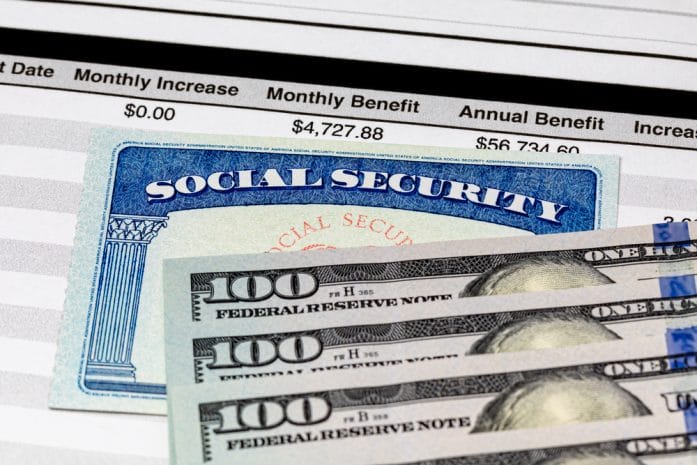
The Overlooked Spousal Benefit Guideline That Quietly Cuts Monthly Social Security Payments
Image Source: Shutterstock.com

A surprisingly small detail in Social Security’s rulebook can quietly shave hundreds off monthly benefits, and many couples never notice until it’s too late. This guideline targets spousal benefits, a category designed to help married or formerly married individuals maximize retirement income. The catch lies in how and when those benefits get claimed, especially when both partners have their own earnings records. Timing, age, and filing strategy all collide in a way that feels more like a puzzle than a benefit. Miss one piece, and the payout shrinks—sometimes permanently.

Plenty of retirees assume that spousal benefits simply “add on” to their existing Social Security income, but that assumption leads straight into trouble. The system doesn’t stack benefits neatly; it blends them using a formula that often favors one benefit over another. That means a poorly timed claim can lock someone into a lower amount for life.

How Spousal Benefits Actually Work

Spousal benefits allow one partner to claim up to 50% of the other partner’s full retirement benefit, but only under specific conditions. The system calculates that percentage based on the higher earner’s benefit at full retirement age, not whatever they happen to receive early or late. That distinction matters more than most people realize because early filing reduces the base amount permanently. Once someone claims before full retirement age, the reduction sticks for life. No later adjustment restores that lost income.

The twist comes when both spouses qualify for their own retirement benefits as well as a spousal benefit. Social Security doesn’t let recipients choose freely between the two; it automatically pays the higher of the two amounts. That sounds helpful on paper, but it removes flexibility from the strategy. Someone who files early for their own benefit may unintentionally reduce their ability to maximize a spousal benefit later. This interplay creates a silent trap that catches even financially savvy retirees.

The Early Filing Trap That Shrinks Payments

Filing early often feels tempting, especially when retirement begins sooner than expected or savings run thin. Social Security allows claims as early as age 62, but that decision comes with a permanent reduction that can reach up to 30%. That reduction doesn’t just affect personal benefits—it also impacts spousal calculations. The system uses the reduced benefit as part of its formula, which drags down the total monthly payment. What looks like a quick financial win turns into a long-term loss.

Consider a realistic scenario where one spouse files early at 62 while the other waits until full retirement age. The early filer locks in a reduced personal benefit, and when spousal benefits come into play, the system still factors in that lower amount. The result? A combined household income that falls short of what strategic timing could have delivered. Over a 20-year retirement, that difference can add up to tens of thousands of dollars. That’s not a rounding error—it’s a major financial hit.

The “Deemed Filing” Rule Complicates Everything

The deemed filing rule adds another layer of complexity that trips up even well-prepared retirees. This rule states that when someone applies for either their own benefit or a spousal benefit, Social Security treats the application as if they applied for both. That eliminates the option to claim one benefit while delaying the other for a higher payout later. Before 2016, some retirees used clever strategies to maximize income, but rule changes closed that loophole. Now, the system forces a bundled decision.

This rule hits hardest for couples who don’t coordinate their claiming strategies carefully. One spouse might intend to claim a spousal benefit first while letting their own benefit grow, but deemed filing shuts that plan down instantly. The system automatically calculates and pays the higher of the two benefits, removing any strategic delay. That means fewer opportunities to boost lifetime income through timing. Many retirees only discover this rule after they’ve already filed, which leaves no room for correction.

Divorce and Spousal Benefits: Another Hidden Twist

Divorced individuals can still claim spousal benefits based on an ex-spouse’s earnings record, provided the marriage lasted at least 10 years. This provision sounds generous, but it comes with its own set of rules that mirror those for married couples. Filing age still matters, and early claims still trigger permanent reductions. The same spousal calculation formula applies, which means timing remains critical. Even the ex-spouse’s filing status can influence eligibility in certain cases.

A divorced person might assume that claiming a spousal benefit won’t affect their own retirement benefit later, but that assumption can lead to disappointment. The deemed filing rule still applies, which forces the system to evaluate both benefits at once. That removes the chance to delay one benefit while collecting another. In real-life scenarios, this often results in smaller monthly payments than expected. The system offers the benefit, but it demands careful navigation to make it worthwhile.

Smart Strategies to Avoid Costly Mistakes

Avoiding these pitfalls starts with one key move: delaying benefits until full retirement age whenever possible. That single decision preserves the full value of both personal and spousal benefits. Coordinating with a spouse—or even an ex-spouse—can also unlock better outcomes. Couples who plan together often secure significantly higher lifetime income than those who act independently. Timing isn’t just important; it drives the entire outcome.

Running the numbers before filing makes a massive difference. Social Security statements, online calculators, and financial advisors all provide insight into how different strategies play out. Testing multiple scenarios can reveal surprising results, especially when spousal benefits enter the mix. Even a one- or two-year delay can boost monthly payments in a meaningful way. Smart planning turns a confusing system into a powerful financial tool.

The Overlooked Spousal Benefit Guideline That Quietly Cuts Monthly Social Security Payments
Image Source: Shutterstock.com

The Quiet Rule That Deserves Loud Attention

This overlooked guideline doesn’t grab headlines, but it quietly shapes retirement income for millions of Americans. Spousal benefits offer real value, yet the rules governing them demand attention and strategy. Filing too early, misunderstanding deemed filing, or failing to coordinate with a spouse can all lead to reduced payments that last a lifetime. The system rewards patience and planning, not guesswork. Those who take the time to get it right often enjoy a far more comfortable retirement.

So here’s the real question: will your benefits quietly shrink? Or get maximized with a smarter approach?

You May Also Like…

The 4 Social Security Rules Experts Say Everyone Should Know Before Age 62

Here’s When Your May Social Security Check Will Arrive

Joint Tax Liability Rules Mean Spouses Can Still Owe Shared Tax Debts

Protecting Assets When a Spouse Has a Gambling Problem

Social Security Is Under Pressure — The Worker-to-Retiree Ratio Is Falling

Brandon Marcus
Brandon Marcus

Brandon Marcus is a writer who has been sharing the written word since a very young age. His interests include sports, history, pop culture, and so much more. When he isn’t writing, he spends his time jogging, drinking coffee, or attempting to read a long book he may never complete.

Filed Under: social security Tagged With: claiming strategies, government benefits, personal finance tips, Planning, retirement income, retirement mistakes, retirement planning, savings advice, Social Security, Social Security rules, spousal benefits, SSA guidelines

New Retirees Are Waiting Weeks for Their First Social Security Check—Here’s Why

April 15, 2026 by Brandon Marcus Leave a Comment

New Retirees Are Waiting Weeks for Their First Social Security Check—Here’s Why
Image Source: Shutterstock.com

Retirement finally arrives, the paperwork gets filed, and the countdown begins for that first Social Security payment to hit the account. Then…nothing. Days stretch into weeks, and what should feel like a smooth financial transition suddenly feels uncertain and stressful. For many new retirees, this delay comes as a complete surprise, especially after years of paying into the system and expecting a predictable payout timeline.

The truth is, a Social Security check delay happens more often than most people realize, and it usually comes down to timing, processing rules, and a few overlooked details. Understanding why this happens can make a huge difference, especially when budgeting for those first critical months without a paycheck.

Timing Isn’t Instant—And It Was Never Designed to Be

Many retirees expect benefits to begin immediately after approval, but the system doesn’t actually work that way. Social Security operates on a payment schedule that starts one full month after eligibility begins, which automatically builds in a delay. For example, someone approved for benefits in June will typically receive their first payment in July. That gap alone creates what feels like a Social Security check delay, even though it follows standard procedure. Payments also get distributed based on birth dates, which can push deposits further into the month depending on timing.

This structure often catches retirees off guard because it doesn’t align with how most paychecks or pensions work. Instead of a predictable start date, the process follows a staggered calendar that spreads payments across multiple weeks. That design helps the system run smoothly, but it doesn’t help someone waiting on funds. Planning ahead for that built-in delay can prevent financial stress during the transition into retirement. Having at least one to two months of expenses set aside makes this waiting period far easier to handle.

Application Processing Can Slow Everything Down

Filing for Social Security benefits doesn’t always result in instant approval, especially if the application includes complexities. Missing documents, incorrect information, or verification issues can all slow the process. Even a small error, like a mismatched name or outdated banking detail, can trigger additional review steps. That extra review time often turns into a noticeable Social Security check delay, particularly during peak retirement seasons when applications surge. The Social Security Administration processes millions of claims, and even small backlogs can create significant wait times.

Online applications tend to move faster, but they still require careful attention to detail. Paper applications or in-person filings may take longer due to manual processing. Staying proactive during the application phase can make a big difference in avoiding delays. Double-checking every entry and submitting all required documents upfront reduces the chances of holdups. A little extra time spent on accuracy can shave weeks off the waiting period.

Verification Checks Add Another Layer of Waiting

Before sending out payments, the Social Security Administration verifies eligibility, identity, and work history. This process ensures accuracy, but it also introduces another potential slowdown. If anything needs clarification, the system pauses until the issue gets resolved. That pause can quickly turn into a frustrating Social Security check delay, especially if communication gaps occur. Some retirees don’t realize additional verification is happening behind the scenes until payments fail to arrive on time.

Direct deposit setup can also contribute to delays if banking information doesn’t match official records. Even minor discrepancies may require manual correction before funds get released. Keeping all personal and financial details updated with the Social Security Administration helps prevent these issues. Responding quickly to any requests for information keeps the process moving forward. Staying alert during this stage can mean the difference between a smooth start and weeks of waiting.

Benefit Start Dates Can Be Misunderstood

Choosing when to start benefits plays a bigger role than many people expect. Some retirees assume benefits begin the same month they apply, but that’s not always the case. The selected start date determines when payments begin, and confusion around that date often leads to a perceived Social Security check delay. For instance, selecting a future start date during the application process will push payments further out than expected. This misunderstanding creates unnecessary frustration when the first check doesn’t arrive on time.

The Social Security system also pays benefits in arrears, meaning each payment covers the previous month. That structure adds another layer to the timeline that many retirees don’t anticipate. Understanding how start dates and payment timing work together helps set realistic expectations. Reviewing benefit details carefully before submitting an application can prevent surprises. A clear understanding up front avoids confusion once retirement officially begins.

New Retirees Are Waiting Weeks for Their First Social Security Check—Here’s Why
Image Source: Shutterstock.com

High Demand Can Create System Backlogs

Certain times of the year see a surge in retirement applications, particularly at the start of the year or during economic shifts. When more people apply at once, processing times naturally increase. That surge can lead to a noticeable Social Security check delay as the system works through a larger volume of claims. Staffing levels and administrative resources also influence how quickly applications move through the pipeline. Even a well-prepared application may take longer during peak periods.

Economic uncertainty often drives more people to claim benefits earlier than planned, which adds pressure to the system. This increased demand doesn’t stop payments, but it can slow down approvals and disbursements. Filing early, ideally a few months before the intended retirement date, helps avoid getting caught in these bottlenecks. Planning ahead provides a buffer against unexpected slowdowns. Timing the application strategically can make a noticeable difference in how quickly benefits arrive.

The Waiting Game Doesn’t Have to Catch You Off Guard

A Social Security check delay may feel frustrating, but it rarely comes out of nowhere once the system’s timing and structure become clear. Most delays trace back to predictable factors like payment schedules, processing timelines, or application details. Preparing for these realities turns a stressful situation into a manageable one. Setting aside savings, filing early, and double-checking information all help smooth the transition into retirement. Small steps taken in advance can prevent big headaches later.

Have you or someone you know experienced a delay with Social Security payments, and how did you handle it? Let’s hear your experience in the comments.

You May Also Like…

Social Security Is Under Pressure — The Worker-to-Retiree Ratio Is Falling

How Seniors Jeopardize Their Social Security Right After Retirement

High-Tax States vs Low-Tax States — Where Retirees Keep More Money

7 Hidden Costs That Are Eating Away at Retirement Income

Social Security Checks Are Getting Smaller for Some Retirees — And It’s Not a Benefit Cut

Brandon Marcus
Brandon Marcus

Brandon Marcus is a writer who has been sharing the written word since a very young age. His interests include sports, history, pop culture, and so much more. When he isn’t writing, he spends his time jogging, drinking coffee, or attempting to read a long book he may never complete.

Filed Under: social security Tagged With: budgeting, delayed benefits, Personal Finance, Planning, retirement income, retirement planning, Retirement Tips, savings advice, Social Security, Social Security check delay, SSA benefits

Follow Us

Search this site:

Recent Posts

  • Can My Savings Account Affect My Financial Aid? by Tamila McDonald
  • 12 Ways Gen X’s Views Clash with Millennials… by Tamila McDonald
  • What Advantages and Disadvantages Are There To… by Jacob Sensiba
  • 10 Tactics for Building an Emergency Fund from Scratch by Vanessa Bermudez
  • Call 911: Go To the Emergency Room Immediately If… by Stephen Kanaval
  • 7 Weird Things You Can Sell Online by Tamila McDonald
  • 10 Scary Facts About DriveTime by Tamila McDonald

Copyright © 2026 · News Pro Theme on Genesis Framework