• Home
  • About Us
  • Toolkit
  • Getting Finances Done
    • Hiring Advisors
    • Debt Management
    • Spending Plan
  • Insurance
    • Life Insurance
    • Health Insurance
    • Disability Insurance
    • Homeowners/Renters Insurance
  • Contact Us
  • Risk Tolerance Quiz
  • Our Editorial Commitment

The Free Financial Advisor

You are here: Home / Archives for cost-of-living adjustment

Why Social Security Is Updating Payment Information for Older Beneficiaries This Year

May 1, 2026 by Brandon Marcus Leave a Comment

Why Social Security Is Updating Payment Information for Older Beneficiaries This Year
Image Source: Shutterstock.com

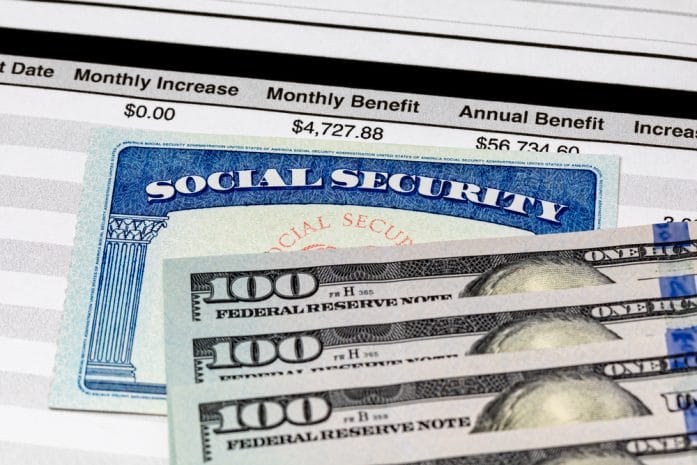
Social Security rarely makes headlines unless something big is brewing—and right now, something important is happening behind the scenes. The agency continues modernizing its systems and reviewing individual cases when discrepancies surface, and while that may sound like routine maintenance, the ripple effects can still matter for older beneficiaries.

These updates aren’t part of a sweeping new program, but they do reflect ongoing efforts to keep records accurate as technology improves. For retirees who rely on Social Security as a primary income source, even a small correction can feel significant. Staying informed helps avoid confusion and ensures that benefits reflect the most accurate information available.

Why Social Security Is Reviewing and Correcting Some Records Now

The Social Security Administration periodically updates records when new information becomes available or when its systems flag inconsistencies. Older files, especially those created decades ago, may contain gaps or manual-entry errors that only come to light when beneficiaries report changes, request reviews, or when automated systems detect something unusual. As SSA continues shifting from older paper-based processes to more modern digital tools, it becomes easier to identify mismatches in earnings histories, marital status updates, or benefit calculations.

These updates are not driven by a new law or a special initiative, but by the agency’s ongoing responsibility to maintain accurate records. When beneficiaries report life changes—such as a marriage, divorce, or updated work history—SSA may revisit earlier calculations to ensure benefits remain correct. In some cases, the agency also conducts routine quality reviews that can uncover discrepancies. These efforts reflect a broader push toward modernization and accuracy rather than a targeted overhaul of older beneficiaries’ payments.

Who Is Most Likely to See Their Records Updated

Beneficiaries with long or complex work histories are the most likely to see updates. People who worked multiple jobs, had periods of self-employment, or earned income that was not properly reported at the time may see adjustments when SSA reconciles those records. Widows, widowers, and divorced spouses may also experience updates because their benefits depend on another person’s earnings record, which can change if new information is added or corrected.

Individuals who delayed retirement past full retirement age sometimes discover that their delayed retirement credits were not fully reflected in earlier calculations. When SSA identifies these gaps, it can adjust the benefit amount accordingly. These updates are not tied to age alone; they occur when new information surfaces or when the agency identifies a discrepancy that needs correction.

What These Updates Could Mean for Monthly Benefits

For some beneficiaries, updates may result in a modest increase in monthly payments. If SSA determines that someone was underpaid due to an outdated record or missing earnings information, the agency can issue retroactive payments to make up the difference. These adjustments can improve financial stability for retirees living on fixed incomes, even if the increase is small.

A smaller number of beneficiaries may see reductions if SSA finds that they were overpaid in the past. While this possibility can feel unsettling, the agency typically works with individuals to create manageable repayment plans and avoids sudden, steep cuts. Beneficiaries receive official notices explaining any changes, along with information about appeal rights. The goal is accuracy, not disruption, and SSA generally prioritizes minimizing hardship for older Americans.

Why Social Security Is Updating Payment Information for Older Beneficiaries This Year
Image Source: Shutterstock.com

How Beneficiaries Can Stay Prepared and Informed

Beneficiaries can make this process smoother by reviewing their Social Security statements regularly and ensuring that their personal information is up to date. Checking earnings records, marital status, and benefit details can help identify issues early. Keeping documents such as tax records, W‑2s, marriage certificates, or divorce decrees in an accessible place can also be helpful if questions arise.

Staying alert to official communication from SSA is equally important. Scammers often take advantage of confusion around benefit updates, so verifying the source of any message is essential. Legitimate notices will come through official channels and will not demand immediate payment or sensitive information. Beneficiaries who feel uncertain can contact SSA directly or consult a trusted benefits counselor for clarity. A little awareness goes a long way in preventing misunderstandings.

Behind These Ongoing Adjustments

These updates reflect how Social Security continues adapting to a changing population and a more digital world. Americans live longer, work in more varied ways, and often have more complex financial histories than previous generations. That reality requires a system capable of correcting itself when new information becomes available. By updating records as needed, SSA strengthens the long-term reliability of the program and helps ensure that benefits remain accurate.

Modernization also plays a central role. As SSA improves its technology, it becomes easier to identify discrepancies that once went unnoticed. While no system is perfect, these updates demonstrate an ongoing effort to improve accuracy and maintain trust. For beneficiaries, that means a more dependable source of income and fewer long-term errors that could affect retirement security.

What This Means for Retirement Confidence Going Forward

These updates serve as a reminder that retirement income benefits are not static—they evolve as records are corrected and information is updated. Beneficiaries who stay engaged with their Social Security information tend to catch issues earlier and feel more confident about their long-term financial outlook. Awareness helps retirees ask questions, understand changes, and ensure that their benefits reflect what they have earned.

Looking ahead, continued modernization may lead to more consistent reviews, though not necessarily large-scale recalculations. A system that regularly checks its own data reduces the risk of long-term inaccuracies and strengthens trust for future retirees. These quiet adjustments may not make headlines, but they play an important role in maintaining the integrity of a program millions depend on.

A Quiet Process With Real Financial Impact

Social Security’s ongoing record updates may not come with major announcements, but they still carry real consequences for everyday finances. Whether the outcome brings a small increase, a correction, or simply reassurance, the process highlights the importance of accuracy in retirement income. Paying attention now can prevent surprises later and ensure that benefits align with what beneficiaries have earned. For millions of retirees, that stability matters just as much as the monthly check itself.

What do you think about these Social Security updates—helpful correction or unnecessary hassle? Give us your thoughts below in our comments section.

You May Also Like…

The Overlooked Spousal Benefit Guideline That Quietly Cuts Monthly Social Security Payments

The 4 Social Security Rules Experts Say Everyone Should Know Before Age 62

Social Security COLA Gains Are Being Offset by Rising Medicare Costs

Social Security Is Under Pressure — The Worker-to-Retiree Ratio Is Falling

Florida’s Insurance Spike: Why Retirees Are Seeing “Rebuild Fees” on May Statements

Brandon Marcus
Brandon Marcus

Brandon Marcus is a writer who has been sharing the written word since a very young age. His interests include sports, history, pop culture, and so much more. When he isn’t writing, he spends his time jogging, drinking coffee, or attempting to read a long book he may never complete.

Filed Under: social security Tagged With: aging population, benefits update, COLA, cost-of-living adjustment, Financial Security, government benefits, retirement income, retirement planning, seniors, Social Security, social security payments, SSA changes

The 2027 COLA May Radically Change American Households

April 27, 2026 by Brandon Marcus Leave a Comment

The 2027 COLA May Radically Change American Households
Image Source: Shutterstock.com

The upcoming 2027 COLA (cost-of-living adjustment) increase has started drawing serious attention because it could reshape how millions of households manage rising expenses, fixed incomes, and long-term financial planning. Social Security adjustments rarely spark excitement at first glance, but this one carries the potential to influence grocery budgets, rent decisions, and even retirement timelines in ways many families do not expect. Analysts already track inflation patterns, wage pressures, and economic slowdowns to estimate how the adjustment might land, and those projections suggest significant changes ahead.

Financial planners now highlight how even a small percentage shift in the 2027 COLA increase can ripple through household spending power. Seniors living on fixed incomes often feel these changes first, but working families also feel pressure when wages fail to keep pace with inflation-driven adjustments.

Why the 2027 COLA Increase Could Feel Different Than Recent Years

Some estimates predict the COLA change to be around 2 to 4 percent in 2027. One of the reasons why this increase in particular stands out is that inflation patterns no longer follow predictable cycles like they did in earlier decades. Energy prices, healthcare costs, and housing expenses now shift at different speeds, which creates uneven pressure on household budgets. Social Security adjustments rely on inflation data, but those numbers do not always reflect the true cost of daily living for retirees or fixed-income households. This mismatch means the 2027 COLA increase could feel either too small or temporarily helpful depending on which expenses dominate a household’s budget.

Analysts also point out that wage growth in certain sectors may outpace inflation while others lag behind, which further complicates how the 2027 COLA increase impacts real purchasing power. A retiree paying higher rent in an urban area may feel squeezed even with a larger adjustment, while someone in a lower-cost region may stretch benefits further. The 2027 COLA increase also interacts with policy decisions, tax brackets, and Medicare premiums, which can quietly reduce the net benefit. Even a strong adjustment can lose impact if healthcare costs absorb much of the gain. That combination makes this COLA cycle one of the most closely watched in recent memory.

How Inflation Trends Shape Household Budgets Before 2027 Arrives

Inflation trends play a direct role in shaping expectations around the 2027 COLA increase, especially since Social Security calculations depend heavily on consumer price data. When grocery prices rise steadily over multiple years, households start adjusting spending habits long before the official COLA announcement arrives. That behavior creates a lag where budgets already feel strained even before adjustments take effect. The 2027 COLA increase will likely reflect those inflation patterns, but timing always creates friction between rising costs and benefit updates.

Energy costs and housing remain two of the strongest drivers influencing the 2027 COLA increase, and both categories tend to move unpredictably. A spike in heating bills or rent increases can wipe out the perceived benefit of a stronger adjustment in a matter of months. Families that track monthly expenses closely often notice that inflation does not rise evenly, which complicates how far the 2027 COLA increase actually goes. Some months feel manageable while others create sudden financial pressure. That inconsistency forces households to rethink budgeting strategies rather than rely on annual adjustments alone.

Which Households Feel the Biggest Shock From the 2027 COLA Increase

Lower-income retirees often feel the strongest impact from the 2027 COLA increase, since a larger portion of their income goes toward essentials like food, housing, and healthcare. Even small inflation shifts can disrupt their financial stability because they have less flexibility in discretionary spending. The 2027 COLA increase may provide relief on paper, but real-world expenses often consume that relief quickly. That creates a situation where nominal gains do not always translate into improved financial comfort.

Middle-income households also feel pressure, especially when they support both retirees and working-age dependents. These households often juggle rising insurance premiums, mortgage costs, and education expenses at the same time. The 2027 COLA increase may help offset some costs, but competing financial obligations reduce its overall impact. Unexpected expenses like medical bills or home repairs can erase the benefit entirely within a single month. That financial balancing act makes planning ahead more important than reacting after the fact.

The 2027 COLA May Radically Change American Households
Image Source: Shutterstock.com

Here Are The Right Moves to Prepare Before the 2027 COLA

Households that prepare early for the 2027 COLA increase often gain more financial stability than those who wait for official announcements. Tracking monthly spending patterns helps identify which expenses rise fastest and which remain stable over time. That awareness allows families to adjust budgets proactively rather than react under pressure. The 2027 COLA increase becomes more effective when households already operate with flexible financial habits instead of rigid spending plans.

Building even a small emergency buffer can reduce stress when inflation spikes or when the 2027 COLA increase fails to match expectations. Financial advisors often recommend prioritizing high-impact expenses like housing and healthcare when planning ahead for uncertain adjustments. The 2027 COLA increase will likely bring relief in some areas, but strategic budgeting ensures that relief actually improves quality of life. Households that review subscriptions, insurance plans, and recurring costs often find hidden savings that matter more than annual adjustments. That proactive approach turns uncertainty into control rather than financial strain.

What the 2027 COLA Increase Really Signals for Household Stability

The 2027 COLA increase signals more than just a yearly adjustment; it reflects broader economic pressures that shape how households survive rising costs. Inflation, policy decisions, and shifting consumer behavior all influence how meaningful that adjustment feels in everyday life. Some families will experience noticeable relief, while others may see only a brief financial cushion before expenses rise again. The 2027 COLA increase highlights how important it becomes to plan beyond annual adjustments and focus on long-term financial resilience.

What do you think the 2027 COLA increase will mean for everyday budgets and retirement planning? Share your thoughts in the comments below.

You May Also Like…

Social Security COLA Gains Are Being Offset by Rising Medicare Costs

Georgia Seniors Are Paying More Due to Ad Valorem Rules on Vehicle Purchases

Social Security 2026 COLA: Why Your 2.8% Raise Disappeared After Medicare Deductions

How Seniors Jeopardize Their Social Security Right After Retirement

Arizona’s Rising Cost of Living — What $100K Buys in Phoenix Today

Brandon Marcus
Brandon Marcus

Brandon Marcus is a writer who has been sharing the written word since a very young age. His interests include sports, history, pop culture, and so much more. When he isn’t writing, he spends his time jogging, drinking coffee, or attempting to read a long book he may never complete.

Filed Under: social security Tagged With: 2027 COLA, COLA increase, cost-of-living adjustment, economic trends, household budgets, Inflation, inflation impact, retirement income, retirement planning, savings strategy, senior finances, Social Security, Social Security benefits

Social Security COLA Gains Are Being Offset by Rising Medicare Costs

April 16, 2026 by Brandon Marcus Leave a Comment

Social Security COLA Gains Are Being Offset by Rising Medicare Costs
Image Source: Shutterstock.com

The annual Social Security increase usually feels like a tiny but important victory, especially in times when everyday expenses seem to climb without warning. Headlines highlight the boost, retirees breathe a bit easier, and budgets get a quick mental refresh. But then reality hits in the form of rising healthcare costs, particularly Medicare premiums that quietly chip away at those gains. What looks like a raise on paper can end up feeling like a wash in practice. Understanding why this happens can make a huge difference in how retirees plan, spend, and protect their income.

For millions of Americans, Social Security serves as a primary income source, not just a supplement. That makes every adjustment matter, especially the annual Social Security COLA increase designed to keep up with inflation. However, when Medicare costs rise at the same time, the net benefit shrinks or disappears entirely.

Why Social Security COLA Doesn’t Always Feel Like a Raise

The Social Security COLA adjustment aims to keep benefits aligned with inflation, using data from the Consumer Price Index. On paper, this increase looks like a straightforward way to maintain purchasing power over time. However, the formula does not account for the specific spending patterns of retirees, especially healthcare costs. Medicare premiums often rise faster than general inflation, which means they eat into the Social Security COLA increase. As a result, many retirees see only a small net gain, or sometimes none at all, after deductions. This mismatch between general inflation and real-world expenses creates a gap that continues to frustrate beneficiaries.

The Role of Medicare Part B Premium Increases

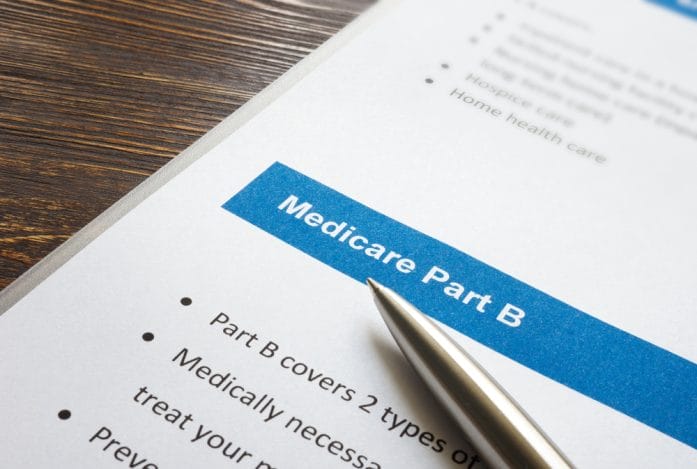
Medicare Part B premiums come directly out of Social Security checks for most beneficiaries, making their impact immediate and unavoidable. Each year, the government adjusts these premiums based on projected healthcare costs, which have been steadily rising.

Even a modest increase in Part B premiums can significantly reduce the benefit of a Social Security COLA increase. For example, if benefits rise by $50 per month but premiums increase by $30, the actual gain shrinks dramatically. This dynamic explains why many retirees feel like they are running in place financially. It also highlights the importance of paying attention to both sides of the equation, not just the COLA announcement.

Healthcare Inflation Is Outpacing Everything Else

Healthcare costs have consistently risen faster than other categories, and that trend shows no signs of slowing down. Prescription drugs, outpatient services, and specialist visits all contribute to higher overall expenses for Medicare. While the Social Security COLA attempts to keep up with inflation broadly, it cannot fully match the pace of healthcare-specific increases.

This imbalance creates ongoing pressure on retirees who rely heavily on fixed incomes. Over time, even small gaps between income growth and expense growth can compound into significant financial strain. That reality makes it essential to plan for healthcare as a major, growing expense rather than a fixed cost.

Social Security COLA Gains Are Being Offset by Rising Medicare Costs
Image Source: Shutterstock.com

The “Hold Harmless” Provision Isn’t a Perfect Shield

The “hold harmless” rule protects many Social Security recipients from seeing their benefits decrease due to rising Medicare Part B premiums. While this sounds reassuring, it does not prevent premiums from absorbing most or all of a Social Security COLA increase.

In practice, the rule simply ensures that net benefits do not drop below the previous year’s level. That means retirees might not lose money outright, but they also might not see any meaningful gain. Additionally, not everyone qualifies for this protection, especially higher-income beneficiaries. Understanding how this rule works can help set realistic expectations for annual benefit changes.

How Retirees Can Protect Their Buying Power

Retirees can take proactive steps to manage the impact of rising Medicare costs on their Social Security COLA increases. Reviewing Medicare plan options annually can uncover savings, especially during open enrollment periods. Some plans offer better coverage for prescriptions or lower out-of-pocket costs, which can offset premium increases.

Budgeting with a focus on healthcare expenses helps create a more accurate financial picture. Building even a modest emergency fund can also provide a buffer against unexpected medical costs. Taking control of these variables can help retirees stretch their benefits further and reduce financial stress.

What This Means for Future Retirement Planning

Younger workers and those approaching retirement should pay close attention to the interaction between Social Security COLA and healthcare costs. Relying solely on Social Security without factoring in rising medical expenses can lead to unpleasant surprises later. Financial plans should include realistic projections for Medicare premiums and out-of-pocket healthcare spending.

Diversifying income sources, such as savings or investments, can provide added stability. Planning ahead allows for more flexibility and less dependence on annual adjustments. This forward-thinking approach can make a significant difference in long-term financial security.

The Bottom Line on COLA and Costs

The Social Security COLA increase remains an important tool for protecting retirees from inflation, but it does not tell the whole story. Rising Medicare costs, especially Part B premiums, often reduce the real benefit of those increases. Understanding this relationship allows retirees to make smarter financial decisions and avoid unrealistic expectations. Taking steps to manage healthcare expenses and plan ahead can help preserve purchasing power over time. The key lies in looking beyond the headline numbers and focusing on the net impact.

What’s your experience with Social Security COLA increases—have they actually helped your budget, or do rising costs cancel them out? Let’s hear your thoughts and strategies in the comments!

You May Also Like…

Social Security Is Under Pressure — The Worker-to-Retiree Ratio Is Falling

Why Every Newly Married Woman Should Update Her Social Security Record Right Away

How Seniors Jeopardize Their Social Security Right After Retirement

Social Security Checks Are Getting Smaller for Some Retirees — And It’s Not a Benefit Cut

The COLA Theft: Why Half of Your Social Security Raise Just Vanished into Medicare This Morning

Brandon Marcus
Brandon Marcus

Brandon Marcus is a writer who has been sharing the written word since a very young age. His interests include sports, history, pop culture, and so much more. When he isn’t writing, he spends his time jogging, drinking coffee, or attempting to read a long book he may never complete.

Filed Under: social security Tagged With: budgeting, cost-of-living adjustment, fixed income, healthcare inflation, Medicare costs, Medicare Part B, retirement planning, senior finances, Social Security benefits, Social Security COLA

Social Security 2026 COLA: Why Your 2.8% Raise Disappeared After Medicare Deductions

February 9, 2026 by Brandon Marcus Leave a Comment

Social Security 2026 COLA: Why Your 2.8% Raise Disappeared After Medicare Deductions
Image source: shutterstock.com

Every fall, millions of retirees wait for the Social Security Administration to announce the next year’s cost‑of‑living adjustment, hoping the increase will help them keep pace with rising prices. For 2026, the COLA came in at 2.8 percent — a modest but meaningful bump meant to reflect cooling inflation and a stabilizing economy.

On paper, it should have offered a little breathing room. But for many retirees, that raise seemed to evaporate before it ever reached their bank account. The reason wasn’t a miscalculation or a glitch. It was Medicare. More specifically, the annual increase in Medicare Part B premiums, which quietly siphons away a portion of every Social Security check.

The Raise That Looked Bigger Than It Felt

A 2.8 percent COLA may not sound dramatic, but it’s still a meaningful adjustment for retirees who rely heavily on Social Security. The COLA is designed to help benefits keep pace with inflation, using the Consumer Price Index for Urban Wage Earners and Clerical Workers as its benchmark.

In 2026, inflation had cooled compared to the spikes earlier in the decade, which is why the COLA landed in the high‑2 percent range. For many retirees, that number initially felt encouraging — a sign that their benefits would stretch a little further. But the reality is that Social Security benefits don’t operate independently. They’re directly tied to Medicare premiums, and when those premiums rise faster than the COLA, retirees feel the impact immediately. That’s exactly what happened this year, turning what looked like a helpful raise into a disappointing surprise.

Medicare Part B: The Quiet Culprit Behind Shrinking Checks

Medicare Part B premiums are automatically deducted from Social Security payments for most beneficiaries, which means any increase in those premiums reduces the net amount retirees receive. In 2026, Part B premiums rose again, continuing a long‑running trend driven by higher healthcare costs, increased utilization, and the expansion of medical services covered by Medicare.

Even a moderate premium increase can offset a significant portion of a COLA, especially for retirees with smaller monthly benefits. For some, the entire 2.8 percent raise was absorbed before it ever reached their pocket. This dynamic often catches people off guard because the COLA announcement tends to dominate headlines, while Medicare premium changes receive far less attention. Yet the two are inseparable, and understanding their relationship is key to understanding why your raise didn’t feel like a raise at all.

Social Security 2026 COLA: Why Your 2.8% Raise Disappeared After Medicare Deductions
Image source: shutterstock.com

The Hold Harmless Rule: Helpful, But Not Always Comforting

One of the most misunderstood aspects of Social Security and Medicare is the “hold harmless” provision. This rule protects most beneficiaries from seeing their net Social Security payment decrease due to rising Medicare Part B premiums. In other words, your check won’t go down — but it also might not go up.

When the COLA is modest and Medicare premiums rise, the hold harmless rule ensures that the premium increase is capped at the amount of the COLA. That sounds reassuring, and in many ways it is, but it also means that your entire COLA can be consumed by Medicare. In years with modest COLAs, like 2026, this rule becomes especially relevant. Many retirees technically received a raise, but because the raise was used to cover higher premiums, their take‑home amount stayed exactly the same.

Why Healthcare Costs Keep Outpacing Social Security Increases

The tension between Social Security increases and Medicare premiums isn’t new, and it isn’t going away. Healthcare costs have been rising faster than general inflation for decades, driven by factors such as medical technology, prescription drug prices, and the growing demand for services as the population ages.

Even when overall inflation cools, healthcare inflation often remains stubbornly high. This creates a mismatch between the COLA and Medicare premiums, which reflect the specific costs of healthcare. Retirees will continue to face the same challenge year after year: COLAs that look helpful on paper but feel underwhelming in practice. The 2026 COLA is simply the latest example of this long‑running trend.

What Retirees Can Do to Protect Their Income

While retirees can’t control the COLA or Medicare premiums, they can take steps to better manage the impact. One option is to review Medicare Advantage and Part D plans annually during open enrollment. Switching plans can sometimes reduce out‑of‑pocket costs.

Another strategy is to explore programs that help lower‑income beneficiaries pay for Medicare premiums. Retirees can also benefit from budgeting with the assumption that COLAs will be modest and that healthcare costs will continue rising.

For those still approaching retirement, delaying Social Security can increase monthly benefits and provide a larger buffer against future premium increases. None of these strategies eliminate the challenge entirely. But they can help retirees maintain more control over their financial picture.

Your Vanishing Raise

The 2026 COLA wasn’t a disappointment because it was too small — it was a disappointment because Medicare premiums rose faster. This pattern has played out many times before. It will likely continue as long as healthcare costs outpace general inflation. Social Security is designed to keep pace with inflation, but Medicare is tied to a different set of economic forces, and the two don’t always move in harmony. When they collide, retirees feel the impact immediately. The key is staying informed, planning ahead, and recognizing that the COLA is only one piece of a much larger financial puzzle.

What impact did the 2026 COLA have on your Social Security check after Medicare deductions? Share your stories, tips, and insights in our comments section.

You May Also Like…

The COLA Theft: Why Half of Your Social Security Raise Just Vanished into Medicare This Morning

Could Your 2025 COLA Push You Into a Higher Tax Bracket—Without a Pay Raise?

The Medicare Part B Increase That’s Reducing Social Security Checks By About $185/Month in 2026

Are You Overpaying Medicare? How One Small Withdrawal Can Trigger a Two-Year Surcharge

The Sunshine State Squeeze: Why Florida Retirees are Seeing Smaller Social Security Checks This Week

Brandon Marcus
Brandon Marcus

Brandon Marcus is a writer who has been sharing the written word since a very young age. His interests include sports, history, pop culture, and so much more. When he isn’t writing, he spends his time jogging, drinking coffee, or attempting to read a long book he may never complete.
Filed Under: Lifestyle Tagged With: COLA 2026, cost-of-living adjustment, fixed income, Inflation, Medicare Part B, Medicare premiums, Personal Finance, retirees, retirement income, senior finances, Social Security

6 Benefit Changes Taking Effect in 2026 That Reduce Monthly Support

February 4, 2026 by Brandon Marcus Leave a Comment

These Are 6 Benefit Changes Taking Effect in 2026 That Reduce Monthly Support
Image source: shutterstock.com

Imagine waking up, checking your bank account, and wondering why that familiar support check doesn’t stretch as far as it used to. If you’re someone who relies on government benefits—whether Social Security retirement income, food support, disability payments, or healthcare subsidies—some big changes are coming that could quietly nibble away at your monthly support.

This news isn’t meant to scare you, it’s meant to help prepare you. Keep reading for important information you’ll want to know, with a dash of clarity and yes, a little storytelling flare.

1. Social Security’s Cost-of-Living Adjustment Isn’t Enough After Medicare Premiums Bite Back

Each year, the Social Security Administration adjusts benefits to keep up with inflation, and in 2026 that adjustment—the so-called cost-of-living adjustment (COLA)—comes in at 2.8%. On paper, that sounds like a win, bumping the average monthly check up by roughly $56. But Medicare Part B premiums are rising sharply in 2026, around 10% to roughly $202.90 per month, and that increase is automatically deducted from Social Security checks for most beneficiaries.

So instead of feeling richer with that COLA bump, many folks end up with a net increase far smaller than expected—or in some cases, almost no extra spending money at all once healthcare costs are taken out. This is one of those changes where the numbers look good until you read the fine print and realize your actual take-home support is being squeezed.

2. SNAP Work Requirements Expand, Cutting Off Support for Many

Food assistance via the Supplemental Nutrition Assistance Program (SNAP) is a lifeline for millions of households. But in 2026, expanded work requirements are rolling out in more states, meaning that able-bodied adults without dependents must work, volunteer, or train for at least 80 hours per month to keep their benefits.

What does this mean in real life? If you live in a state that implements these rules and don’t meet the work or training requirements, your monthly SNAP support could dry up—even if you struggle with transportation, caregiving, health issues, or local job availability.

3. Earnings Limits That Can Reduce Social Security Checks Are Increasing—but Still Bite

If you’re claiming Social Security early and continue to work, the government uses an earnings test that can withhold part of your monthly benefit if your income exceeds certain limits. In 2026, these limits rise but the basic rule stays the same: earn too much and part of your check gets clipped.

That sounds straightforward but remember this isn’t a temporary freeze. Benefits withheld under the earnings test might be added back later, but short-term reductions in monthly support can still bite your everyday budget, especially if you count on that monthly check for current living costs.

4. Medicare Part B Premium Hikes Eat Into Your Disposable Dollars

Yes, we mentioned Medicare Part B earlier in relation to the COLA—because it’s hard to overstate how big a deal this is. In 2026, Part B premiums jump to their highest level yet, and for many people, that means a bigger automatic deduction from your monthly Social Security benefit.

For individuals with higher incomes, this surcharge can be even steeper thanks to the Income-Related Monthly Adjustment Amount (IRMAA), meaning the more you make, the more you could lose in support each month. It’s one thing to get a bigger sticker price on your Medicare card—another to see it reflected in less cash in your pocket.

These Are 6 Benefit Changes Taking Effect in 2026 That Reduce Monthly Support
Image source: shutterstock.com

5. Higher Income Could Mean Less Benefit Through Medicare Surcharges

Speaking of income: depending on what you earn, your Medicare premium could spike even more due to income-related adjustments, which then further reduces your monthly support. This isn’t a flat fee; it’s tied to your reported income from previous years, so smart tax planning and budgeting in advance could make a difference in what you net each month.

This kind of change doesn’t always get front-page attention, but it’s very real for the folks who suddenly find their benefit checks trimmed because their income nudged them into a higher premium bracket.

6. SSI and Related Monthly Support Face Stricter Income/Asset Rules

Supplemental Security Income (SSI) and similar need-based monthly supports already have strict income and asset limits. While COLA changes technically increase payments for SSI recipients, deductions like rising healthcare premiums or asset reclassification rules can offset any nominal increase, effectively reducing the support that shows up in your checking account.

Those on SSI still benefit from a COLA adjustment, but many people on tight budgets find that higher living costs fight right back against any nominal benefit increase, leaving them feeling like they have less breathing room each month.

What to Watch (and What You Can Do)

If you or someone you love relies on monthly support, 2026 is a year to be proactive. Review eligibility rules early, track your earnings if you work while collecting benefits, and pay attention to healthcare premium notices in the fall.

The good news? Knowledge is power: understanding how these changes interact—especially the pesky policy details—can help you preserve your support as much as possible.

Now we want to hear from you: Which of these 2026 benefit changes will affect your monthly support the most—and what are you doing to prepare? Share your experience or strategy in the comments section.

You May Also Like…

Charity Strategy: 9 Giving Moves That Bring Tax Benefits Many People Ignore

Is Your Social Security Spousal Benefit Getting Slashed Without You Realizing?

The Medicare Part B Increase That’s Reducing Social Security Checks By About $185/Month in 2026

The COLA Theft: Why Half of Your Social Security Raise Just Vanished into Medicare This Morning

8 Disqualifications That Keep Veterans From Getting the Benefits They Earned

Brandon Marcus
Brandon Marcus

Brandon Marcus is a writer who has been sharing the written word since a very young age. His interests include sports, history, pop culture, and so much more. When he isn’t writing, he spends his time jogging, drinking coffee, or attempting to read a long book he may never complete.
Filed Under: Lifestyle Tagged With: 2026 benefits, benefit cuts, benefits, cost-of-living adjustment, earnings limits, government policy, Life, Lifestyle, Medicare Part B increase, retirement income, SNAP work requirements, Social Security changes 2026, SSI changes

10 Silent Pension Shifts That Lower Your First Distribution Check

August 13, 2025 by Catherine Reed Leave a Comment

10 Silent Pension Shifts That Lower Your First Distribution Check
Image source: 123rf.com

You’ve worked for decades, faithfully contributing to your pension, and the moment finally arrives for your first distribution check. But instead of the amount you expected, you find a smaller number staring back at you. What happened? Often, the answer lies in silent pension shifts that lower your first distribution check without much warning. These behind-the-scenes changes can happen gradually or suddenly, leaving retirees caught off guard unless they’ve been paying close attention.

1. Adjustments to Cost-of-Living Increases

Some pensions reduce their cost-of-living adjustments (COLAs) without clearly announcing it. This can mean your first distribution is based on outdated benefit calculations that don’t keep pace with inflation. A reduced COLA means the purchasing power of your money starts off lower than expected. Even a small percentage cut can result in hundreds of dollars lost annually. Understanding these adjustments is key to spotting silent pension shifts that lower your first distribution check.

2. Changes in Benefit Calculation Formulas

Pension payouts are determined by specific formulas based on salary history and years of service. If your employer alters the formula — for instance, averaging more years of earnings instead of your highest-earning years — the result can be a smaller check. These changes often occur during contract updates or policy revisions. They can be easy to miss if you don’t read every detail of plan notices. Staying informed is your best defense.

3. Early Retirement Penalties That Weren’t Clear

Some retirees choose to collect their pensions early without realizing the full impact of penalties. Even a few months before the standard retirement age can trigger significant reductions. This is one of the most common ways silent pension shifts that lower your first distribution check occur. Often, the language in pension documents is complex, making it difficult to see how steep the cut will be until it’s too late. Always run the numbers before committing.

4. Increased Employee Contribution Requirements

In certain cases, pension plans require employees to contribute more in their final working years to cover funding shortfalls. This can slightly reduce your final benefit if the plan structure offsets payouts by your contributions. The result is that the first check might be smaller than you thought because more money was diverted to cover plan obligations. If your employer announces contribution hikes, it’s worth checking how it affects your payout projection.

5. Revised Mortality Tables

Mortality tables, which estimate how long retirees are expected to live, play a big role in pension calculations. If these tables are updated to reflect longer life expectancies, your monthly benefit could be reduced. The logic is that the same total benefit is spread over a longer time. While it’s a positive sign for longevity, it’s another example of silent pension shifts that lower your first distribution check in a way few anticipate.

6. Switch from Lump Sum to Annuity-Only Options

Some plans eliminate lump sum payout options and only offer annuity distributions. This can mean lower monthly checks if the annuity rates are less favorable. Retirees who had planned on taking a large upfront sum for investments or debt repayment can be caught off guard. Reviewing plan option changes well before retirement is essential to avoid disappointment.

7. Reduction in Overtime or Bonus Inclusion

If your pension formula once included overtime or bonuses as part of pensionable earnings, removing them can drop your calculated benefit. This change often happens quietly in collective agreements or plan amendments. By the time you notice, it may already be affecting your first payment. For many, this is one of the more frustrating silent pension shifts that lower your first distribution check.

8. Delays in Processing Final Salary Data

Sometimes, administrative delays in confirming your final year’s salary mean your first check is based on incomplete data. This can result in a smaller initial payment, with adjustments coming later. While you might eventually receive back pay, the first impression of a reduced benefit can be discouraging. Monitoring your pension processing timeline can help catch errors early.

9. Withholding for Health Insurance Premiums

If your health insurance premiums are automatically deducted from your pension, your net payout can look far lower than anticipated. While not technically a change to the pension amount, it still affects how much you see in your account. This is a subtle but impactful example of silent pension shifts that lower your first distribution check in practice. Planning for these deductions ahead of time avoids sticker shock.

10. Changes to Survivor Benefit Elections

Choosing a survivor benefit for a spouse or dependent often reduces your monthly payment. Some plans have recently made joint-and-survivor benefits the default option, requiring retirees to opt out if they want a higher monthly check. This means some retirees unknowingly lock in a lower first payment. Always confirm your elections before your final retirement date.

Awareness is Your Strongest Protection

The reality is that many silent pension shifts that lower your first distribution check happen without loud announcements. Employers and pension administrators may comply with disclosure rules, but the details are often buried in fine print. By reviewing plan documents regularly, attending information sessions, and consulting with a financial advisor before retirement, you can spot potential reductions before they hit your wallet. Your retirement deserves careful planning to avoid costly surprises.

Have you ever been surprised by a smaller pension check than expected? Share your story in the comments to help others prepare for retirement.

Read More:

6 Retirement Accounts That Are No Longer Considered “Safe”

10 Retirement Funds That Can Be Frozen by Court Orders

Catherine Reed
Catherine Reed

Catherine is a tech-savvy writer who has focused on the personal finance space for more than eight years. She has a Bachelor’s in Information Technology and enjoys showcasing how tech can simplify everyday personal finance tasks like budgeting, spending tracking, and planning for the future. Additionally, she’s explored the ins and outs of the world of side hustles and loves to share what she’s learned along the way. When she’s not working, you can find her relaxing at home in the Pacific Northwest with her two cats or enjoying a cup of coffee at her neighborhood cafe.

Filed Under: Retirement Tagged With: cost-of-living adjustment, first pension check, pension changes, pension planning, retirement income, Retirement Tips, survivor benefits

FOLLOW US

Search this site:

Recent Posts

  • Can My Savings Account Affect My Financial Aid? by Tamila McDonald
  • 12 Ways Gen X’s Views Clash with Millennials… by Tamila McDonald
  • What Advantages and Disadvantages Are There To… by Jacob Sensiba
  • 10 Tactics for Building an Emergency Fund from Scratch by Vanessa Bermudez
  • Call 911: Go To the Emergency Room Immediately If… by Stephen Kanaval
  • 7 Weird Things You Can Sell Online by Tamila McDonald
  • 10 Scary Facts About DriveTime by Tamila McDonald

Copyright © 2026 · News Pro Theme on Genesis Framework