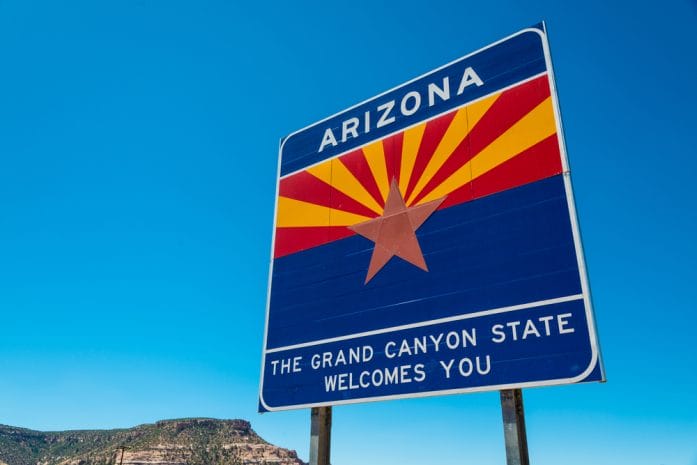
Arizona homeowners face a growing challenge that flows straight from the tap: aging water systems and strained infrastructure. Across the state, rising temperatures, population growth, and outdated pipes create a perfect storm that impacts daily life and monthly budgets.
Water no longer feels like a simple utility; it now demands attention, planning, and sometimes costly fixes. Homeowners who stay informed can avoid surprises and protect their property values.
Aging Infrastructure Creates Expensive Surprises
Arizona water infrastructure continues to age faster than many communities can repair it, and homeowners feel the impact firsthand. Pipes installed decades ago crack, corrode, and leak, which leads to sudden repair bills that can reach thousands of dollars. Municipal systems struggle to keep up with maintenance, especially in rapidly growing suburbs where demand stretches resources thin.
Homeowners often notice warning signs like low water pressure, discoloration, or unexplained spikes in water bills before major failures occur. Quick action on small issues helps prevent larger damage, including foundation problems and mold growth that can follow hidden leaks.
Rapid Growth Puts Pressure on Local Systems
Arizona attracts new residents every year, and that growth places heavy stress on Arizona water infrastructure. Cities expand quickly, but water systems do not always scale at the same pace, which creates supply bottlenecks and service disruptions. New developments often rely on existing pipelines that already operate near capacity, leaving little room for error during peak usage.
Homeowners in fast-growing areas may experience water restrictions or fluctuating service quality during high-demand seasons. Planning ahead with water-efficient appliances and landscaping helps reduce strain and keeps household costs manageable.
Drought Conditions Amplify Existing Problems
Persistent drought conditions across the Southwest intensify every weakness in Arizona water infrastructure. Limited water supply forces municipalities to implement conservation measures, which can include usage limits and higher rates. Homeowners often face stricter regulations on outdoor watering, pool refills, and even car washing.
These restrictions can affect property upkeep, especially for those with traditional lawns or large landscapes. Smart homeowners adapt by switching to drought-resistant plants, installing drip irrigation systems, and monitoring usage closely to avoid penalties.
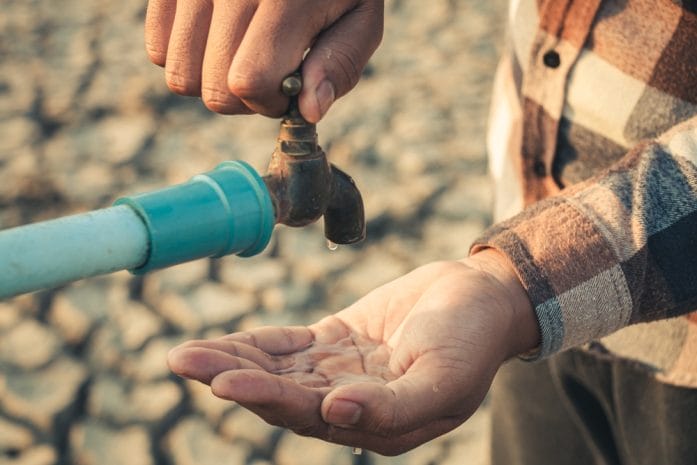
Rising Costs Hit Household Budgets Hard
Water bills across Arizona continue to climb as cities invest in repairs and conservation programs tied to Arizona water infrastructure. Utility providers pass infrastructure upgrade costs directly to residents, which increases monthly expenses even for modest usage. Homeowners also shoulder indirect costs, such as replacing old pipes within their property lines or upgrading fixtures to meet new efficiency standards.
Insurance policies may not cover gradual water damage, leaving residents responsible for repairs that result from long-term wear and tear. Budget-conscious homeowners benefit from regular inspections and proactive upgrades that reduce the risk of unexpected financial strain.
Proactive Steps Help Homeowners Stay Ahead
Homeowners who take control of their water systems can reduce risks tied to Arizona water infrastructure challenges. Regular plumbing inspections catch early signs of corrosion, leaks, or pressure issues before they escalate into major repairs. Installing water-efficient fixtures, such as low-flow toilets and smart irrigation systems, cuts usage and lowers bills over time. Many Arizona cities offer rebates for conservation upgrades, which makes these improvements more affordable. Staying informed about local water policies and infrastructure projects also helps homeowners anticipate changes and adjust accordingly.
Why Staying Informed Makes All the Difference
Arizona water infrastructure issues will not disappear overnight, but informed homeowners can navigate them with fewer headaches. Knowledge about local systems, drought conditions, and maintenance needs empowers residents to make smarter decisions about their homes. Small actions, like fixing leaks quickly or adjusting landscaping choices, create meaningful savings over time.
Communities that stay engaged often push for better infrastructure investments and improved water management policies. A proactive mindset turns a frustrating issue into a manageable part of homeownership.
What’s Your Next Move as Water Challenges Grow?
Arizona homeowners face real pressure from aging systems, rising costs, and ongoing drought conditions tied to Arizona water infrastructure. Those who stay proactive, invest in efficiency, and monitor their systems closely can avoid the worst financial impacts. Waiting until a problem becomes obvious often leads to higher costs and more stress.
Smart planning today protects both property value and peace of mind tomorrow. What steps have you taken to manage water issues in your home?
You May Also Like…
Arizona’s Rising Cost of Living — What $100K Buys in Phoenix Today
New York Residents Moving Out of State Are Facing Additional Tax Obligations
9 Unexpected Costs That Appear After Relocating Abroad
9 Money Conversations to Have Before Moving In Together
7 Essential Things Everyone Forgets When Moving

Brandon Marcus is a writer who has been sharing the written word since a very young age. His interests include sports, history, pop culture, and so much more. When he isn’t writing, he spends his time jogging, drinking coffee, or attempting to read a long book he may never complete.
.png)
Leave a Reply