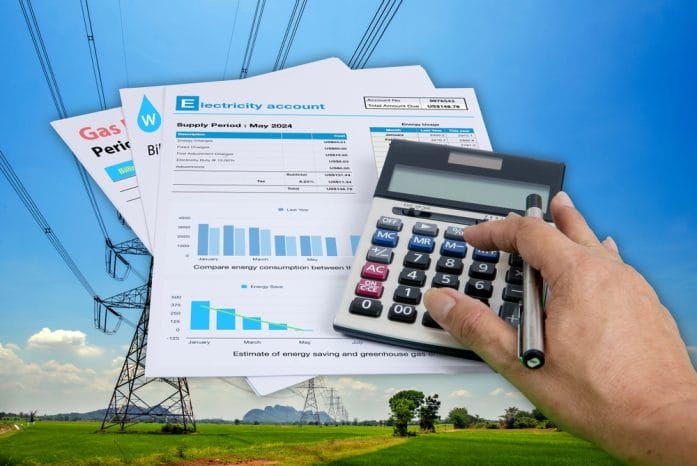
A fresh line item on a monthly electric bill can spark instant frustration, especially when it carries a vague label like “grid modernization.” This May, many households will notice that exact phrase—and the cost attached to it. Utility companies now invest heavily in upgrading aging infrastructure, and they pass part of that bill directly to customers.
These charges often arrive quietly, without much explanation, yet they play a major role in shaping future energy reliability. Getting a clear handle on what drives these fees can help households make smarter financial decisions and avoid surprises.
What “Grid Modernization” Actually Means
This phrase refers to a sweeping overhaul of how electricity gets delivered from power plants to homes. Utilities upgrade old wires, substations, and transformers to handle modern energy demands. They also install smart technology that tracks outages and energy usage in real time. These updates aim to prevent blackouts, improve efficiency, and support renewable energy sources. The term sounds technical, but it boils down to making the power grid faster, smarter, and more resilient.
Utilities built much of the existing power grid decades ago, and it shows. Equipment breaks more often, repair costs climb, and extreme weather pushes systems to their limits. Modernization projects replace worn-out components and introduce automation that detects issues before they spiral into outages. Smart meters now send usage data instantly instead of relying on manual readings, which cuts labor costs and speeds up billing accuracy.
These improvements also support cleaner energy sources like solar and wind. Traditional grids struggle to handle fluctuating energy inputs, but modern systems adjust dynamically. That flexibility allows utilities to integrate renewable energy without destabilizing the system. While the benefits sound appealing, the price tag often lands squarely on customers’ monthly statements.
Why These Charges Are Showing Up
Timing plays a huge role in why these fees suddenly appear on bills this May. Many utility companies received regulatory approval for infrastructure upgrades over the past year. Once those projects start, companies begin recovering costs through customer billing. Seasonal demand also increases in late spring and summer, which makes May an ideal time to introduce new rate structures. The result: a noticeable bump in monthly expenses just as energy usage begins to climb.
Energy demand continues to rise due to electric vehicles, smart homes, and increased reliance on digital devices. Utilities must expand capacity to keep up, and that expansion requires significant investment. Regulatory agencies typically allow companies to recoup those costs gradually, which explains the steady appearance of new fees rather than one-time charges.
Inflation also plays a role in driving up infrastructure costs. Materials like copper, steel, and advanced electronics now cost more than they did even a few years ago. Labor shortages in skilled trades add another layer of expense. Utilities pass these rising costs along to customers, often under the umbrella of modernization efforts.

What You’re Actually Paying For On Your Bill
That extra line item does not simply vanish into a corporate black hole. It funds specific upgrades like smart meters, automated substations, and advanced monitoring systems. It also supports cybersecurity improvements that protect the grid from digital threats. Some funds go toward integrating renewable energy sources and improving battery storage systems. Each charge reflects a piece of a much larger transformation happening behind the scenes.
Smart meters stand out as one of the most visible upgrades. These devices track electricity usage in real time and allow utilities to identify outages instantly. They also enable time-of-use pricing, which can reward consumers who shift usage to off-peak hours. While that sounds beneficial, it can also lead to higher bills for households that cannot easily adjust their energy habits.
Grid modernization also includes strengthening infrastructure against extreme weather. Storm-resistant poles, underground lines, and advanced forecasting tools all require funding. These improvements reduce the frequency and duration of outages, which saves money and frustration over time. Still, the upfront costs show up immediately, even if the long-term benefits take years to fully materialize.
How These Fees Affect Household Budgets
Even small increases in utility bills can ripple through a monthly budget. A $10 or $20 bump may not seem dramatic at first glance, but it adds up quickly over a year. Households already juggling rising costs for groceries, housing, and transportation feel the squeeze more intensely. Fixed-income families often face the toughest challenge, since they lack the flexibility to absorb new expenses. These charges can quietly shift financial priorities without much warning.
Energy costs rarely stay flat once they start climbing. Grid modernization often represents just one piece of a broader trend toward higher utility rates. As infrastructure projects expand, additional fees may appear over time. That makes it crucial to plan ahead rather than treat the increase as a one-off occurrence.
Some households may qualify for assistance programs that offset rising energy costs. Utility companies and local agencies often offer discounts or payment plans for eligible customers. Taking advantage of these programs can help ease the burden while still supporting necessary infrastructure improvements.
Smart Ways To Manage And Reduce The Impact
Consumers do not have to accept higher bills without taking action. Simple changes like adjusting thermostat settings, using energy-efficient appliances, and unplugging unused devices can lower overall consumption. Many utilities also offer detailed usage reports that highlight peak energy times. Paying attention to those patterns can help households shift usage and reduce costs. Small adjustments can make a noticeable difference over time.
Energy-efficient upgrades often deliver long-term savings. LED lighting, smart thermostats, and better insulation can significantly cut electricity usage. While these upgrades require upfront investment, they often pay for themselves through lower monthly bills. Some utility companies even provide rebates or incentives to encourage these improvements.
Budgeting strategies also play a key role in managing rising costs. Setting aside a small monthly buffer for utilities can prevent financial strain when bills increase unexpectedly. Reviewing statements regularly helps identify trends and catch errors early. Staying proactive keeps these new charges from derailing a household’s financial stability.
The Bigger Picture Behind The Charges
Grid modernization represents a long-term investment in energy reliability and sustainability. These upgrades aim to reduce outages, support clean energy, and prepare for future demand. While the costs feel immediate, the benefits unfold over years or even decades. The challenge lies in balancing short-term affordability with long-term progress. Consumers ultimately fund this transformation, which makes awareness and planning essential.
Utilities face increasing pressure to modernize as technology evolves and climate challenges intensify. A stronger, smarter grid can handle extreme weather events and reduce recovery times. That resilience carries real value, even if it does not always show up directly on a monthly bill.
What This Means For Your Wallet Moving Forward
Expect energy bills to keep evolving as infrastructure upgrades continue across the country. Grid modernization charges likely will not disappear anytime soon, and they may even increase as projects expand. Households that stay informed and proactive will handle these changes far more effectively. Paying attention to usage patterns, exploring efficiency upgrades, and taking advantage of assistance programs can soften the impact. Awareness turns a confusing line item into a manageable part of a broader financial strategy.
What changes have shown up on your recent utility bills, and how are you adjusting your budget to keep up? Give us your stories below in our comments.
You May Also Like…
Ohio Property Revaluations Are Increasing 2026 Tax Bills Across Multiple Counties
Utility Bills Are Rising as Service Fees Increase Across Multiple States
Virginia Residents Are Receiving Unexpected Personal Property Tax Bills Due to Local Rules
Adult Kids Beware: Some States Can Sue You for Your Parents’ Medical Bills
6 IRS Notices That Can Lead to Unexpected Tax Bills

Brandon Marcus is a writer who has been sharing the written word since a very young age. His interests include sports, history, pop culture, and so much more. When he isn’t writing, he spends his time jogging, drinking coffee, or attempting to read a long book he may never complete.
.png)
Leave a Reply