• Home
  • About Us
  • Toolkit
  • Getting Finances Done
    • Hiring Advisors
    • Debt Management
    • Spending Plan
  • Insurance
    • Life Insurance
    • Health Insurance
    • Disability Insurance
    • Homeowners/Renters Insurance
  • Contact Us
  • Privacy Policy
  • Risk Tolerance Quiz

The Free Financial Advisor

You are here: Home / Archives for home buying tips

New Federal Reporting Rule Covers All‑Cash Home Sales in Many Metro Areas — Here’s Who’s Impacted

April 30, 2026 by Brandon Marcus Leave a Comment

New Federal Reporting Rule Covers All‑Cash Home Sales in Many Metro Areas — Here’s Who’s Impacted

Image Source: Shutterstock.com

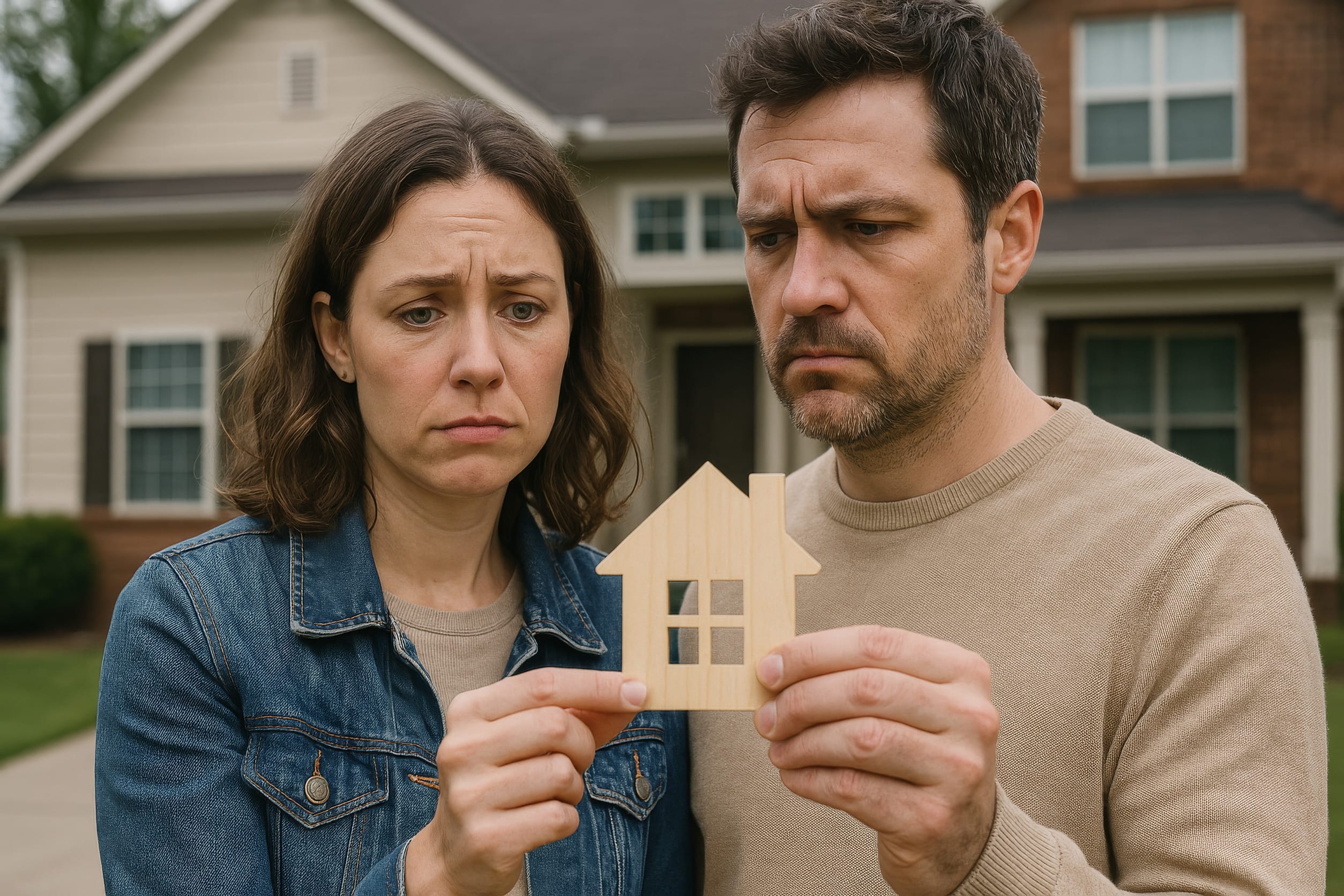
A new federal reporting rule has quietly stepped into the spotlight, and it’s already shaking up the way real estate transactions unfold in several major metro areas. The rule zeroes in on all-cash home sales, a segment of the market that has long attracted both legitimate investors and less transparent buyers. Regulators want more visibility, and they’re no longer treating cash deals as a low-risk corner of the housing world. This change carries real consequences for buyers, sellers, agents, and even title companies who handle these transactions. Anyone involved in real estate, especially in high-demand cities, needs to pay attention before the next deal closes.

The timing of this rule isn’t random, either. Over the past decade, cash purchases have surged, especially in competitive urban markets where speed often wins over financing contingencies. Investors, foreign buyers, and institutional players have all leaned heavily on cash offers to secure properties quickly. While that strategy once offered a streamlined path, it now comes with added scrutiny and reporting requirements.

What the New Rule Actually Requires From Buyers and Sellers

The new reporting rule, issued through the Financial Crimes Enforcement Network (FinCEN), requires certain real estate professionals to disclose details about individuals behind all-cash residential property purchases. This includes identifying the true “beneficial owner,” even if the property is purchased through an LLC or trust. The goal is simple: uncover who really controls the money in these deals. Title companies and settlement agents must now collect and submit this information to federal authorities within a specified timeframe. Failure to comply could trigger penalties or even legal consequences.

For buyers, this means fewer opportunities to remain anonymous. Previously, shell companies allowed individuals to purchase property without revealing their identities publicly. Now, those layers of privacy get peeled back, especially in designated metro areas covered by the rule. Sellers also need to stay aware, because transactions could face delays if documentation doesn’t meet the new standards. Even real estate agents must adapt quickly, as clients will expect guidance on navigating these additional steps.

Which Metro Areas Fall Under the Rule’s Scope

The rule doesn’t apply nationwide—at least not yet. Instead, it targets specific metropolitan areas known for high volumes of all-cash real estate transactions. Cities like New York, Los Angeles, Miami, Chicago, and San Francisco have already landed on the list, along with several others that show similar patterns of investment activity. These areas often attract global buyers and large-scale investors, making them prime candidates for increased oversight. Regulators chose these locations based on data showing a higher likelihood of opaque ownership structures.

That geographic focus creates an uneven playing field across the country. Buyers in smaller or less competitive markets may not feel the impact immediately, while those in major urban centers face stricter rules right away. However, many industry insiders expect the rule to expand over time. Once federal agencies gather enough data and refine their approach, broader implementation could follow. Anyone planning a cash purchase in a major city should assume these rules will stick—and possibly grow.

Why the Government Is Targeting All-Cash Transactions Now

All-cash home sales might seem harmless at first glance, but they’ve raised red flags for regulators focused on financial transparency. These transactions often bypass traditional lending systems, which typically include identity checks and financial scrutiny. Without those safeguards, cash deals can create opportunities for money laundering, tax evasion, or hiding illicit funds. Federal agencies have spent years studying patterns in real estate purchases, and the data pointed to cash transactions as a blind spot worth closing. This new rule aims to bring those deals into clearer view.

The move also reflects broader global efforts to crack down on hidden wealth. Governments worldwide have tightened reporting requirements in banking, investments, and now real estate. By targeting property purchases, regulators address one of the most popular ways to store wealth discreetly. Real estate offers stability, appreciation potential, and historically limited disclosure requirements—until now. This shift signals that the era of low-visibility property ownership has officially ended in many major markets.

How This Rule Impacts Real Estate Investors and Everyday Buyers

Real estate investors, especially those who rely on cash purchases, will feel the effects immediately. Many investors prefer cash deals because they eliminate financing hurdles and speed up closings. Now, those advantages come with additional paperwork and transparency requirements. Investors who use LLCs or partnerships must prepare to disclose ownership details that they previously kept private. While this doesn’t stop investment activity, it does change how deals get structured and executed.

Everyday buyers may not feel the impact as strongly, but they won’t escape it entirely. Even individuals purchasing a second home or vacation property with cash could fall under the rule’s scope in certain metro areas. That means providing more documentation and potentially waiting longer for approvals. On the flip side, some buyers may benefit from reduced competition if anonymous investors pull back. The rule could level the playing field slightly, giving traditional buyers a better shot in competitive markets.

What Real Estate Professionals Must Do to Stay Compliant

Real estate professionals now carry a heavier responsibility in ensuring compliance with federal regulations. Title companies, escrow agents, and attorneys must collect accurate information about buyers and submit reports promptly. This adds a layer of due diligence that didn’t exist in many transactions before. Professionals who ignore these requirements risk fines, reputational damage, and potential legal trouble. Staying informed and implementing new processes has become essential, not optional.

Agents also need to step up their communication game. Clients will expect clear explanations about why they must provide additional information and how it affects their transactions. Transparency builds trust, especially when new rules create confusion or concern. Brokerages may need to invest in training or compliance tools to keep everything running smoothly. Those who adapt quickly will stand out in a market that now demands both speed and accountability.

The Housing Market Moving Forward

This rule marks a turning point in how regulators view the housing market, particularly in high-value urban areas. Increased transparency could discourage certain types of speculative or anonymous investment activity. That shift might stabilize prices in overheated markets or at least reduce some of the volatility driven by cash-heavy buyers. However, it could also slow down transaction timelines and introduce new friction into the buying process. The long-term effects remain uncertain, but change has already begun.

Market watchers will keep a close eye on how buyers respond. Some may pivot to financing options to avoid scrutiny, while others will adapt to the new reporting standards without hesitation. International investors may rethink their strategies, especially if similar rules emerge in other countries. The housing market thrives on adaptability, and this rule adds another variable to the equation. Transparency has become the new currency in real estate.

New Federal Reporting Rule Covers All‑Cash Home Sales in Many Metro Areas — Here’s Who’s Impacted

Image Source: Shutterstock.com

The Reality of Cash Deals in Real Estate

Cash transactions no longer operate in the shadows, and that reality reshapes expectations across the board. Buyers must prepare for greater disclosure, sellers must anticipate possible delays, and professionals must tighten their processes. This rule doesn’t eliminate cash deals, but it transforms how they happen and who participates. The shift reflects a broader demand for accountability in financial systems, and real estate now sits firmly within that framework. Anyone involved in property transactions must adjust quickly to stay ahead.

So, will this new rule make the housing market fairer, or just more complicated for everyone involved? Give us your thoughts below in our comments.

You May Also Like…

13 Eye-Opening Truths About Real Estate Crowdfunding Ventures

10 Amazing Opportunities in Global Real Estate Markets Now

7 Hidden Costs That Are Eating Away at Retirement Income

Banks Are Holding Cash Transfers Over $2,000 for Verification—What Seniors Need to Know

Ohio Property Revaluations Are Increasing 2026 Tax Bills Across Multiple Counties

Brandon Marcus
Brandon Marcus

Brandon Marcus is a writer who has been sharing the written word since a very young age. His interests include sports, history, pop culture, and so much more. When he isn’t writing, he spends his time jogging, drinking coffee, or attempting to read a long book he may never complete.


Filed Under: Real Estate Tagged With: anti-money laundering, cash home sales, federal regulation, financial regulation, FinCEN, home buying tips, Housing Market, housing policy, property transactions, Real estate, real estate investors, real estate law

Priced Out? 5 Zip Codes Where Starter Homes are Still Under $200k

March 15, 2026 by Brandon Marcus Leave a Comment

Priced Out? 5 Zip Codes Where Starter Homes are Still Under $200k

Image Source: Shutterstock.com

Sticker shock dominates the housing market right now. Scroll through listings in many cities and the price tags look like someone accidentally added an extra zero. Yet pockets of opportunity still exist, hiding in plain sight across the country. Plenty of communities continue to offer starter homes under $200,000, which sounds almost mythical in an era where the national median home price sits far higher.

That affordability does not happen by accident. Many of these areas combine historic housing stock, revitalizing neighborhoods, and strong local pride. Buyers willing to look beyond the most obvious hotspots often discover real value, plus the chance to own a home without signing up for a lifetime of stress. A handful of ZIP codes stand out for keeping entry-level housing within reach while still offering community, character, and room for growth.

48227 – Detroit, Michigan: Where Comebacks Meet Bargain Prices

Detroit refuses to sit quietly on the sidelines of the American housing conversation. The city’s reputation still leans heavily on old headlines, yet large swaths of Detroit now pulse with renovation energy, new small businesses, and neighborhood pride. ZIP code 48227 sits on the city’s west side and continues to offer an impressive supply of starter homes well below $200,000.

Detroit ranks among the U.S. cities with the most listings under $200,000, with the city’s median list price around $90,000 in many areas. That number alone explains why first-time buyers and investors keep scanning Detroit listings with serious interest. Buyers frequently find classic brick homes with solid bones, wide porches, and large yards—features that feel almost luxurious compared to the micro-homes popping up in expensive markets.

Neighborhood momentum adds another appealing layer. Local organizations continue to invest in block-by-block improvements, community gardens, and housing rehabilitation projects. That grassroots activity creates the kind of neighborhood stability that many buyers crave. Starter homes here often require cosmetic upgrades, but that trade-off gives new homeowners the chance to build sweat equity instead of simply paying a premium upfront.

Savvy buyers often focus on homes that already show basic structural stability: updated roofs, functioning plumbing, and newer furnaces. Those elements reduce renovation headaches and keep budgets under control. Buyers who pair a modest purchase price with smart upgrades often transform these houses into comfortable long-term homes while keeping monthly costs surprisingly manageable.

44310 – Akron, Ohio: The Quiet Overachiever of Affordable Living

Akron rarely dominates flashy real estate headlines, yet the city consistently delivers one thing many markets cannot: affordability that still makes sense for everyday living. ZIP code 44310 in particular offers a blend of historic homes, established neighborhoods, and steady local demand.

Akron ranks among the cities with the highest number of homes listed under $200,000. That price point keeps starter homes firmly within reach for buyers who might feel completely shut out of markets in larger metropolitan areas. Many properties in this ZIP code feature traditional two-story layouts, finished basements, and generous lots.

Affordability alone does not define Akron’s appeal. The city maintains strong ties to regional employers, healthcare systems, and universities, which helps stabilize the housing market. Buyers often discover neighborhoods filled with mature trees, walkable streets, and long-term homeowners who take pride in their properties.

Smart shoppers in this ZIP code often prioritize homes that offer cosmetic potential rather than major structural repairs. A house with dated flooring and older paint colors might look uninspiring during the first tour, yet those cosmetic details often create negotiation leverage. Fresh paint, updated lighting, and simple landscaping upgrades can quickly transform these homes into comfortable starter properties without blowing the renovation budget.

38127 – Memphis, Tennessee: Southern Charm Without the Million-Dollar Price Tag

Memphis delivers culture, music history, and food that deserves its own fan club. Yet many neighborhoods still offer starter homes at prices that feel refreshingly grounded. ZIP code 38127, located in the northern section of the city, continues to attract attention from budget-conscious buyers.

The housing stock in this area includes classic ranch homes, brick cottages, and mid-century properties that offer solid layouts and manageable maintenance costs. Many houses feature spacious yards and detached garages, which feel like luxuries compared to the tight footprints common in expensive markets.

Buyers exploring Memphis often benefit from taking time to study neighborhood dynamics carefully. Some blocks show clear signs of revitalization, while others remain in earlier stages of recovery. Buyers who focus on streets with visible upkeep, owner-occupied homes, and community involvement often land in the sweet spot between affordability and stability. Pairing a budget-friendly purchase with strategic upgrades can dramatically boost property value. Kitchen updates, energy-efficient windows, and simple curb appeal improvements frequently deliver strong returns in markets like Memphis where buyers continue to search for reasonably priced homes.

14215 – Buffalo, New York: Historic Homes with Real Personality

Buffalo rewards buyers who appreciate character. The city’s architecture reads like a living museum of American home styles, and ZIP code 14215 offers many of those homes at prices that remain surprisingly accessible. Local pride fuels Buffalo’s housing resurgence. Community revitalization efforts, new restaurants, and small business growth continue to reshape many neighborhoods. Buyers who once overlooked Buffalo now recognize its combination of affordability and quality of life.

Starter homes in this ZIP code often benefit from Buffalo’s tradition of sturdy construction. Many properties built decades ago feature solid foundations and durable materials that hold up well over time. Buyers who invest in insulation upgrades, modern heating systems, and modest interior updates often create comfortable homes that retain historic charm while offering modern convenience.

Patience pays off here. Monitoring listings over several weeks allows buyers to spot homes that enter the market at realistic prices rather than inflated expectations. Buffalo’s market rewards thoughtful shoppers who move quickly once a strong opportunity appears.

44105 – Cleveland, Ohio: Big City Potential on a Starter Budget

Cleveland combines big-city amenities with a housing market that still leaves room for first-time buyers. ZIP code 44105 offers a particularly strong entry point for people determined to break into homeownership without taking on overwhelming debt. The housing landscape in this ZIP code features traditional single-family homes, brick colonials, and compact starter properties that work well for first-time buyers. Many homes also include basements and detached garages, which add flexibility for storage or future improvements.

Cleveland’s ongoing revitalization continues to reshape perceptions of the city. New entertainment districts, improved public spaces, and expanding healthcare employment contribute to steady demand for housing. Buyers who secure affordable homes today often position themselves for future appreciation as neighborhoods continue evolving.

Successful buyers here often approach the search with a renovation mindset. Properties that look slightly dated often deliver the strongest value because cosmetic updates dramatically improve livability without requiring structural overhauls.

Priced Out? 5 Zip Codes Where Starter Homes are Still Under $200k

Image Source: Shutterstock.com

The Real Secret to Finding Affordable Homes

Affordable starter homes still exist, but they rarely appear in the most obvious places. Buyers who expand their search beyond trendy neighborhoods often uncover housing markets that reward patience and curiosity. Cities like Detroit, Akron, Memphis, Buffalo, and Cleveland continue to prove that homeownership does not require a seven-figure bank account.

These ZIP codes highlight an important strategy: focus on solid fundamentals rather than flashy listings. A structurally sound home in a stable neighborhood often delivers far greater long-term value than a trendy property carrying a sky-high price tag. Smart buyers also keep renovation budgets realistic and prioritize upgrades that improve safety, efficiency, and livability first.

Housing markets constantly evolve, which means today’s overlooked ZIP code may become tomorrow’s hot neighborhood. Buyers who step into these affordable markets early often enjoy the dual benefits of manageable mortgage payments and rising property value over time.

Which affordable housing markets deserve more attention right now, and what strategies help uncover hidden real estate bargains? Share thoughts, insights, or homebuying experiences in the comments.

You May Also Like…

The $124 Trillion Hand-Off: How the Great Wealth Transfer is Quietly Saving the Real Estate Market

Why Wealthy Families Are Moving Cash Out of Traditional Banks Before Jan 31st

13 Eye-Opening Truths About Real Estate Crowdfunding Ventures

A Beginner’s Guide to Selling on the Real Estate Market

Why Home Insurance Claims Can Raise Premiums Without Payouts

Brandon Marcus
Brandon Marcus

Brandon Marcus is a writer who has been sharing the written word since a very young age. His interests include sports, history, pop culture, and so much more. When he isn’t writing, he spends his time jogging, drinking coffee, or attempting to read a long book he may never complete.

Filed Under: Real Estate Tagged With: affordable cities, affordable housing, budget homes, cheap homes USA, first-time homebuyers, home buying tips, housing affordability, Housing Market, property market, real estate investing, real estate trends, starter homes

The 620 Rule: How Some 2026 Buyers Can Get a Conventional Loan With Just 3% Down (And the Expensive Catch)

March 1, 2026 by Brandon Marcus Leave a Comment

The 620 Rule: How Some 2026 Buyers Can Get a Conventional Loan With Just 3% Down (And the Expensive Catch)

Image Source: Pexels.com

Homeownership is not getting easier in 2026, but some buyers are finding a small crack in the door if they carry a credit score around 620. That number sits right in the middle of opportunity and risk, and lenders watch it closely when deciding who gets a conventional loan with a tiny 3 percent down payment.

The conversation starts with credit because lenders care deeply about reliability. A 620 credit score sits just above the range many lenders classify as subprime. People reaching this level show enough history of paying bills responsibly, but not yet enough perfection to feel totally safe to investors funding the mortgage.

The 620 rule does not guarantee approval, but it signals where many automated underwriting systems start feeling comfortable. Borrowers still need a stable income, manageable debt, and a clean recent payment record. People thinking about jumping into homeownership should remember that hitting 620 is more like clearing the first hurdle rather than crossing the finish line.

The 3% Down Payment Temptation That Sounds Too Good to Ignore

The idea of buying a house with only 3 percent down feels exciting because it keeps cash in the bank. Someone purchasing a $300,000 home may only need about $9,000 upfront, not including closing costs. That number feels realistic for many younger buyers and people rebuilding savings after rent payments ate most of their income.

Programs allowing low down payments usually target first-time buyers or people who have not owned property for several years. These programs aim to open the housing market to people who want stability but cannot yet gather a 20 percent down payment. The 3 percent structure helps people move faster into homeownership instead of waiting years while home prices keep rising.

However, low down payments come with trade-offs. Mortgage insurance almost always enters the picture when the buyer puts less than 20 percent down. That insurance protects the lender, not the buyer, and adds monthly cost to the payment.

Buyers should also remember that 3 percent down loans often demand stronger documentation of income and employment stability. Lenders want to see steady work history, typically at least two years in the same industry or career path. Someone switching jobs frequently might need to provide extra proof of income consistency.

The 620 Rule: How Some 2026 Buyers Can Get a Conventional Loan With Just 3% Down (And the Expensive Catch)

Image Source: Pexels.com

The Cost That Follows

The expensive truth about the 620 rule lives inside the pricing structure of the loan rather than the approval headline. People might qualify for the loan, yet still face higher interest rates compared to borrowers holding higher credit scores.

Interest rate differences can feel small but grow massive over time. A half percentage point difference on a 30-year mortgage can cost tens of thousands of dollars in additional interest payments. That is why many financial advisors encourage buyers to push their credit score higher before locking a loan.

Market conditions also matter. If mortgage rates climb in 2026, the buyer using the 620 program could pay a double penalty: one from lower credit pricing and another from general interest rate trends. Housing finance experts keep watching how inflation and central bank policy influence borrowing costs.

Why Lenders Still Like the 620 Range

Financial institutions do not randomly choose 620 as a starting point. Historical loan performance data shows borrowers above this threshold tend to default less often than borrowers below it. That pattern gives banks confidence while keeping credit access somewhat open.

Government-supported mortgage liquidity systems also play a role. Organizations like Fannie Mae and Freddie Mac purchase qualified loans from lenders. This system gives banks money back to lend again, keeping housing markets moving. Still, approval does not happen automatically. Underwriters review debt-to-income ratios, employment verification, and sometimes even spending behavior patterns reflected in bank statements. Someone spending aggressively on luxury purchases while carrying heavy credit card debt may face tougher scrutiny.

Buyers should think of the 620 threshold as a starting checkpoint, not a promise. Improving credit score from 620 to 660 or higher can unlock noticeably better pricing tiers.

Smart Moves Buyers Can Try Before Applying

Anyone planning to use this program in 2026 can take several practical steps. First, paying down revolving credit card balances often improves utilization ratios quickly. Credit utilization below 30 percent usually helps scoring models.

Second, avoiding new large purchases before mortgage approval matters more than many people expect. Financing a car or opening new credit accounts right before applying can temporarily hurt credit scores.

Third, saving a small emergency buffer beyond the 3 percent down payment helps emotional and financial stability. Homeownership brings surprise costs such as maintenance, property taxes, and insurance adjustments.

The Reality Check Nobody Should Skip

The 620 rule feels hopeful, but it does not erase housing affordability pressure. Home prices remain high in many regions, and competition for starter homes stays intense. Low down payment programs help entry-level buyers, yet they do not guarantee long-term affordability if wages fail to keep pace.

People should calculate the total monthly cost of ownership instead of focusing only on down payment size. Taxes, insurance, maintenance, and mortgage insurance all belong in the budget conversation. Buying a home should feel stable rather than stressful. If monthly payments stretch finances too thin, waiting and improving credit may actually create more freedom later.

Opportunity With Responsibility Attached

The 620 rule opens a doorway, not a free pass into homeownership. Some 2026 buyers can indeed secure conventional loans with only 3 percent down, especially when working through programs tied to major mortgage finance organizations.

The catch lives in long-term cost, not in the approval process itself. Higher interest rates, mortgage insurance, and credit-based pricing can quietly increase total loan expense over time.

What would you do if you qualified for a 3 percent down loan at 620—jump in, or keep building credit a little longer before buying your first home? Let’s discuss real estate in our comments.

You May Also Like…

6 Expenses That Quietly Multiply After Buying a Home

13 Eye-Opening Truths About Real Estate Crowdfunding Ventures

10 Amazing Opportunities in Global Real Estate Markets Now

Avoid These Pitfalls: First-Time Homeownership Mistakes That Can Cost You

Escrow Shortages Are Adding $100–$300 to Monthly Mortgage Payments

Brandon Marcus
Brandon Marcus

Brandon Marcus is a writer who has been sharing the written word since a very young age. His interests include sports, history, pop culture, and so much more. When he isn’t writing, he spends his time jogging, drinking coffee, or attempting to read a long book he may never complete.

Filed Under: Lifestyle Tagged With: 3% down payment, 620 credit score loan, conventional mortgage, Fannie Mae programs, first-time homebuyer, Freddie Mac loans, home buying tips, Housing Market, mortgage 2026, mortgage rates 2026

The End of the 3% Mortgage: Why “Assumable Loans” Are A Smart Way to Buy a House in 2026

February 27, 2026 by Brandon Marcus Leave a Comment

The End of the 3% Mortgage: Why “Assumable Loans” Are A Smart Way to Buy a House in 2026

Image Source: Pexels.com

The 3% mortgage is not coming back. That era burned bright and fast, fueled by emergency rate cuts and historic economic chaos, and it left behind a generation of homeowners clinging tightly to loans they will never refinance away.

In 2026, buyers face a completely different landscape, one shaped by higher interest rates, stubborn affordability challenges, and fierce competition for anything that looks remotely like a deal. Traditional 30-year fixed rates no longer hover near 3%. They sit much higher than pandemic lows, and that reality forces buyers to rethink everything they thought they knew about financing a home.

One strategy now stands out from the noise: assumable loans. For many buyers, especially those priced out by today’s rates, assuming someone else’s lower-rate mortgage may offer the only realistic way to secure a payment that makes sense.

The 3% Mortgage Era Is Over, and the Market Knows It

Between 2020 and early 2022, buyers locked in 30-year mortgage rates that dipped below 3%, according to data from Freddie Mac. That window closed quickly once inflation surged and the Federal Reserve began raising its benchmark rate aggressively in 2022. Mortgage rates climbed above 6% and, at times, even higher, reshaping monthly payments in a dramatic way.

A buyer who could afford a $500,000 home at 3% suddenly faced a much steeper payment at 6% or 7%. The math stopped working for many households. At the same time, millions of homeowners who locked in ultra-low rates chose to stay put rather than trade a 3% mortgage for a 6% one. That “rate lock-in” effect shrank housing inventory and intensified competition for the homes that did hit the market.

In 2026, the market still feels the ripple effects. Rates fluctuate, but they remain well above pandemic lows. Buyers now hunt for creative financing options because the traditional route no longer delivers the same affordability.

What an Assumable Loan Actually Means

An assumable loan allows a buyer to take over a seller’s existing mortgage, including its interest rate, repayment schedule, and remaining balance. Instead of applying for a brand-new mortgage at current market rates, the buyer steps into the seller’s shoes and continues making payments under the original terms.

Not every mortgage qualifies. However, many government-backed loans remain assumable, including those insured by the Federal Housing Administration and guaranteed by the U.S. Department of Veterans Affairs. Some loans backed by the U.S. Department of Agriculture also allow assumptions under specific conditions.

That detail changes everything. If a homeowner secured an FHA or VA loan in 2021 at 2.75% and decides to sell in 2026, a qualified buyer may assume that low rate instead of borrowing at today’s higher rates. The lender still evaluates the buyer’s creditworthiness and financial stability, so approval does not happen automatically. Still, the possibility opens a door that otherwise remains shut.

Why Assumable Loans Suddenly Look Like Gold

In a high-rate environment, interest rate differences of even one or two percentage points can mean hundreds of dollars per month. A gap of three or four percentage points can change a family’s entire budget. Assuming a 3% mortgage when new loans hover around 6% or higher can slash monthly payments dramatically over the life of the loan.

Those savings create leverage. Buyers can qualify more easily because the lower rate reduces the debt-to-income ratio. They can preserve cash flow for repairs, upgrades, or emergencies. They can also avoid paying certain closing costs tied to originating a new mortgage, though assumption fees and other expenses still apply.

Sellers benefit too. A home with a 2.8% assumable mortgage stands out in a crowded listing feed. That low rate becomes a powerful marketing tool. In a market where affordability squeezes buyers from every direction, a transferable mortgage can attract serious attention and potentially justify a stronger sale price.

The End of the 3% Mortgage: Why “Assumable Loans” Are A Smart Way to Buy a House in 2026

Image Source: Pexels.com

Assumable Does Not Mean Easy

Assumable loans offer opportunity, but they also demand strategy and preparation. They are not easy to find, and the biggest hurdle often involves the equity gap. When a buyer assumes a mortgage, the buyer must pay the seller the difference between the home’s purchase price and the remaining loan balance.

Approval also takes time. The lender servicing the original loan must review the buyer’s income, credit, and financial history. Processing can stretch longer than a typical mortgage approval because many lenders have not built streamlined systems for handling assumptions at scale. Buyers must stay patient and organized throughout the process.

Another important detail involves VA loans. If a non-veteran assumes a VA loan, the original veteran’s entitlement may remain tied up in that property unless the buyer qualifies as an eligible veteran who can substitute entitlement. That factor can affect a seller’s future borrowing power, so both parties must understand the implications before moving forward.

How to Hunt for an Assumable Loan in 2026

Finding an assumable loan requires intention. Standard listing platforms rarely highlight assumption status in bold, flashing letters. Buyers must ask directly. Real estate agents can search for properties with FHA, VA, or USDA financing and then confirm assumption eligibility with the loan servicer.

Sellers should check their original mortgage documents or contact their loan servicer to verify whether their loan qualifies and what conditions apply. Transparency upfront can save weeks of confusion later.

Buyers can also include language in their offers that signals willingness to pursue an assumption. That approach shows creativity and flexibility, especially when competing against other offers. In some cases, buyers may negotiate a slightly higher purchase price in exchange for securing a much lower interest rate, and the long-term math can still work in their favor.

The 3% Dream Lives On—But Only for the Strategic

The 3% mortgage era may have ended, but its legacy continues through assumable loans. Buyers who understand how these loans work can unlock opportunities that others overlook. Sellers who recognize the value of their low-rate mortgage can position their homes more competitively in a tight market.

Success in 2026 demands more than scrolling listings and hoping for rate cuts. It requires asking sharper questions, reviewing loan documents carefully, and working with professionals who understand the assumption process. The housing market no longer rewards passive participation. It favors those who adapt quickly and think creatively.

Will assumable loans become the defining strategy of this high-rate era, or will the market shift again before most buyers catch on? Talk about all housing matters in our comments.

You May Also Like…

What Retirees in Income-Based Housing Should Know Before Inheriting

What Happens When Parents Rely on Kids for Housing

Forget Traditional Home Ownership: 12 Alternative Housing Options That Can Give You Real Financial Freedom

Escrow Shock: Why Some Mortgage Payments Suddenly Jumped $300 or More

Insurance Now Accounts for 9% of Typical Monthly Mortgage Payment

Brandon Marcus
Brandon Marcus

Brandon Marcus is a writer who has been sharing the written word since a very young age. His interests include sports, history, pop culture, and so much more. When he isn’t writing, he spends his time jogging, drinking coffee, or attempting to read a long book he may never complete.

Filed Under: Lifestyle Tagged With: assumable loans, buying a house, FHA loans, first-time homebuyers, home buying tips, housing market 2026, interest rates, mortgage rates, mortgage strategy, property investment, real estate trends, VA loans

7 Signs You’re About to Grossly Overpay for a House

October 13, 2025 by Catherine Reed Leave a Comment

7 Signs You're About to Grossly Overpay for a House

Image source: shutterstock.com

Buying a home is one of the biggest financial decisions most people ever make—but emotions can easily cloud logic when competition is fierce. Many buyers fall in love with a property and rush to bid high, only to discover later that they paid far more than the home was actually worth. Knowing how to recognize the red flags before you sign can save you tens of thousands of dollars. If you learn to spot the warning signs that you’re about to overpay for a house, you’ll protect both your finances and your peace of mind.

1. You’re Caught Up in a Bidding War

When the housing market heats up, it’s easy to get swept into bidding wars that make you overpay for a house. Competing buyers can create emotional pressure that drives prices beyond reason. Sellers benefit most from this frenzy, while buyers often stretch their budgets past comfort levels. Before joining a bidding battle, ask yourself if the property truly justifies the extra cost or if you’re simply chasing the win. Setting a strict budget—and sticking to it—can prevent you from paying more than the home’s actual value.

2. The Listing Price Is Way Above Comparable Sales

One of the clearest indicators that you might overpay for a house is when the listing price doesn’t align with local comparables. “Comps” refer to similar homes recently sold in the same neighborhood, adjusted for size and features. If the asking price is significantly higher than the average sale price, that’s a red flag. Some sellers overprice intentionally, hoping to catch an eager buyer who won’t question it. Always review at least three recent sales in the area to ensure you’re paying market value, not the hype value.

3. The Home Has Been Sitting on the Market Too Long

If a property has been listed for months with no offers, it often signals something off—either with the price, the condition, or the neighborhood. Sellers who refuse to adjust a high price may eventually lure buyers into thinking they’re getting a deal when they’re not. In reality, a stale listing can mean the home was overpriced from the start. Buyers who overlook that history risk paying full price for a home others already passed on. Doing your research into the home’s listing timeline can help you avoid this trap and avoid overpaying for a house.

4. The Seller or Agent Pressures You to Skip the Inspection

When sellers push buyers to skip inspections, it’s a major red flag that you may overpay for a house with hidden problems. Inspections reveal issues like foundation cracks, roof damage, or faulty wiring that could cost thousands in repairs. Waiving this step just to close faster or win a bidding war could leave you with major expenses down the line. Even new construction homes can hide costly defects. Always insist on a thorough inspection—it’s the best way to know if the asking price matches the home’s true condition.

5. The Neighborhood Doesn’t Support the Price Tag

Sometimes the house itself looks amazing, but the surrounding area doesn’t justify the cost. You might love the finishes and layout, but if nearby homes are smaller or older, the resale value could stall. Paying top dollar in an underdeveloped area is one of the easiest ways to overpay for a house. Location impacts appreciation more than design, so you want a neighborhood where property values are trending upward. Always research local schools, businesses, and infrastructure before committing to a price that doesn’t fit the area.

6. You’re Letting Emotion Drive the Decision

Falling in love with a home can be dangerous for your wallet. When buyers picture raising a family or hosting holidays in a dream space, they often justify paying more than planned. Emotional buying makes it easy to overlook flaws, inflated prices, or poor resale potential. Real estate agents and sellers know this and may subtly encourage urgency to keep emotions high. Taking a step back to evaluate with logic—and not heart—can keep you from overpaying for a house you might later regret.

7. You’re Ignoring Future Costs and Taxes

Even if the mortgage fits your budget now, overlooking future expenses is another way buyers overpay for a house without realizing it. Property taxes, insurance premiums, and utility bills can increase dramatically, especially in high-demand areas. Older homes may also require costly upgrades like new plumbing, HVAC systems, or roof replacements. A good deal isn’t just about the purchase price—it’s about total ownership costs over time. Estimating these expenses upfront ensures your dream home doesn’t become a financial drain later.

Knowing When to Walk Away Saves More Than Money

Recognizing the warning signs before you overpay for a house can make all the difference between a smart investment and a financial setback. Sometimes the best decision a buyer can make is to walk away and wait for a better opportunity. A home should add stability and comfort, not stress and regret. When you approach the process with patience, data, and discipline, you gain leverage instead of losing it. Remember, the right home at the right price will always be worth the wait.

Have you ever felt pressure to overpay for a house? What strategies helped you stay within your budget? Share your experience in the comments below!

What to Read Next…

Big Regrets: 7 Immediate Regrets Of Buying A New Home

5 Times You Should Renovate Your Home and 5 Times You Should Absolutely Sell It

10 Outrageous Costs of Ignoring Small Home Repairs

Why Do Some People Treat Home Equity Like Cash

6 Expenses That Quietly Multiply After Buying a Home

Catherine Reed
Catherine Reed

Catherine is a tech-savvy writer who has focused on the personal finance space for more than eight years. She has a Bachelor’s in Information Technology and enjoys showcasing how tech can simplify everyday personal finance tasks like budgeting, spending tracking, and planning for the future. Additionally, she’s explored the ins and outs of the world of side hustles and loves to share what she’s learned along the way. When she’s not working, you can find her relaxing at home in the Pacific Northwest with her two cats or enjoying a cup of coffee at her neighborhood cafe.

Filed Under: Real Estate Tagged With: first-time homebuyer, home buying tips, mortgage planning, overpay for a house, Personal Finance, property value, real estate advice

6 Reasons 2025 Is Not Your Year to Buy A House

September 19, 2025 by Catherine Reed Leave a Comment

6 Reasons 2025 Is Not Your Year to Buy A House

Image source: 123rf.com

Buying a home is often seen as the ultimate financial milestone, but timing plays a huge role in whether it’s a smart investment or a costly mistake. Many families are eager to step into the housing market, yet the conditions in 2025 make it a risky year to take the plunge. From interest rates to hidden costs, the landscape is filled with challenges that could turn your dream purchase into a financial headache. Recognizing why 2025 is not your year to buy a house could save you years of regret and thousands of dollars.

1. Interest Rates Remain Unfavorable

Mortgage interest rates continue to hover higher than many buyers expected, driving up monthly payments significantly. Even a small percentage increase can translate to hundreds of extra dollars each month. For families already struggling with rising costs, that added burden makes homeownership less affordable. Financial experts predict that rate drops will be gradual rather than dramatic. This is one clear reason why 2025 is not your year to buy a house if you’re hoping for cheap borrowing costs.

2. Housing Prices Are Still Inflated

Despite talks of cooling, housing prices remain stubbornly high in many markets. Limited inventory keeps competition strong, which means bidding wars still occur in desirable areas. Buyers who rush in may end up paying far more than a property is worth. Waiting allows time for potential corrections in inflated prices. Families should recognize that 2025 is not your year to buy a house if you want fair value for your money.

3. Economic Uncertainty Clouds the Market

The economy continues to send mixed signals, with inflation and job stability still unpredictable. Homeownership requires long-term confidence in your income and expenses, something many households simply don’t have right now. Jumping into a 30-year mortgage without stability could be disastrous. Even if the market looks tempting, uncertainty makes it risky to commit. For this reason, 2025 is not your year to buy a house if financial security isn’t guaranteed.

4. Maintenance Costs Are Rising

Owning a home comes with expenses far beyond the mortgage, and those costs are climbing. From higher utility bills to pricier materials for repairs, maintaining a house now eats up more of a household budget than ever before. Buyers often underestimate these additional costs when calculating affordability. Renting, for the moment, may be cheaper and less stressful. That reality makes 2025 not your year to buy a house if you aren’t prepared for ongoing expenses.

5. Better Investment Opportunities Exist Elsewhere

The money you would put into a down payment might work harder for you in other investments right now. With housing prices still high and returns uncertain, the stock market or retirement accounts may offer better growth potential. Locking funds into an overpriced property can limit flexibility and financial progress. Diversifying before committing to homeownership could make more sense. This is yet another reason 2025 is not your year to buy a house if you’re focused on long-term wealth.

6. Flexibility Matters More Than Ever

Committing to a home means tying yourself to one location, which may not align with modern realities. Job changes, economic shifts, and family needs often require mobility. Renting offers the flexibility to adapt without the burden of selling during uncertain times. A mortgage can lock you into a situation that quickly becomes financially and emotionally draining. That’s why 2025 is not your year to buy a house if adaptability is important to your lifestyle.

Sometimes Waiting Saves You Thousands

Patience can be the smartest financial move when conditions are stacked against you. By holding off, you give yourself time to build savings, wait for interest rates to adjust, and avoid paying peak prices. More importantly, waiting keeps you from rushing into a purchase that doesn’t fit your long-term goals. Homeownership will still be an option in the future, and entering the market at the right time makes all the difference. The smartest buyers know that sometimes the best investment is knowing when not to buy.

Do you agree that 2025 is not your year to buy a house, or are you planning to take the leap anyway? Share your perspective in the comments below.

What to Read Next…

How Much Home Can You Really Afford? Hint: Don’t Believe The Mortgage Company

10 Financial Traps People Walk Into After Buying a New House

Could Ignoring HOA Rules Destroy the Value of Your Home

6 Lesser-Known Risks of Owning Vacation Property

8 Financial Myths That People Still Pass Down to Kids

Catherine Reed
Catherine Reed

Catherine is a tech-savvy writer who has focused on the personal finance space for more than eight years. She has a Bachelor’s in Information Technology and enjoys showcasing how tech can simplify everyday personal finance tasks like budgeting, spending tracking, and planning for the future. Additionally, she’s explored the ins and outs of the world of side hustles and loves to share what she’s learned along the way. When she’s not working, you can find her relaxing at home in the Pacific Northwest with her two cats or enjoying a cup of coffee at her neighborhood cafe.

Filed Under: Real Estate Tagged With: 2025 is not your year to buy a house, financial advice, home buying tips, Housing Market, mortgage rates, real estate trends

6 Things People Should Always Ask Before Buying a Home

September 2, 2025 by Catherine Reed Leave a Comment

6 Things People Should Always Ask Before Buying a Home

Image source: 123rf.com

Purchasing a home is one of the biggest financial decisions most people will ever make. Yet, in the excitement of finding the perfect property, many overlook critical questions that could save them from financial and emotional headaches later. Asking the right questions provides clarity about the property, the neighborhood, and the true cost of ownership. Skipping these details can lead to surprises that stretch your budget and test your patience. Before signing on the dotted line, here are six things people should always ask before buying a home.

1. What Are the True Monthly Costs Beyond the Mortgage?

One of the most important questions to ask before buying a home is what the actual monthly expenses will be. While the mortgage payment is significant, other costs like property taxes, homeowner’s insurance, private mortgage insurance, and maintenance quickly add up. Some properties are also part of homeowners’ associations, which charge monthly or yearly fees. Knowing these figures in advance prevents you from stretching your budget too thin. A realistic picture of monthly costs helps buyers avoid unpleasant financial surprises after moving in.

2. Has the Home Had Any Major Repairs or Issues in the Past?

Understanding a property’s history is essential when buying a home. Past repairs, such as roof replacements, plumbing fixes, or foundation work, reveal how well the home has been maintained. On the flip side, frequent issues could signal ongoing problems that might require costly attention in the future. Sellers are often required to disclose major repairs, but asking directly ensures nothing important is overlooked. A clear repair history helps buyers plan for both short-term and long-term maintenance.

3. How Old Are the Key Systems and Appliances?

Another critical question when buying a home involves the age of essential systems. Heating, cooling, water heaters, and kitchen appliances all come with expiration dates. If these items are nearing the end of their lifespan, replacement costs could hit your wallet soon after moving in. A new HVAC system, for example, can cost thousands of dollars. Knowing the age of these systems helps you budget appropriately and avoid unexpected breakdowns.

4. What Is the Neighborhood Really Like?

A house may look perfect, but the surrounding community plays a huge role in long-term satisfaction. Asking about the neighborhood’s safety, school quality, traffic, and amenities is crucial when buying a home. Visiting the area at different times of day can also give insight into noise levels and overall vibe. Even a dream home may feel less appealing if the community doesn’t align with your lifestyle. The right neighborhood ensures your investment feels rewarding, not frustrating.

5. Are There Any Upcoming Developments or Zoning Changes Nearby?

Future plans for the area can impact both the enjoyment of your home and its long-term value. Asking about local development or zoning changes helps buyers understand what may be coming. New roads, shopping centers, or industrial projects can dramatically affect property values and quality of life. On the positive side, improvements like parks or schools may make the area more desirable. Being informed about these changes helps you make a smart, forward-looking decision.

6. What Is Included in the Sale?

It’s easy to assume everything you see during a showing comes with the house, but that’s not always the case. Appliances, fixtures, or even landscaping elements may be excluded unless specified in the contract. Asking what’s included ensures you won’t face the disappointment of moving in to find the washer, dryer, or favorite light fixture missing. Clarifying these details avoids misunderstandings and keeps negotiations fair. A precise agreement on what’s included protects your purchase and your expectations.

Knowledge Is Power for Homebuyers

When it comes to buying a home, the right questions are your best defense against costly mistakes. Each of these six areas—monthly costs, repair history, system ages, neighborhood dynamics, future developments, and included items—shapes the true value of your purchase. A home is more than just a place to live; it’s a major financial investment that deserves thorough investigation. By asking the right questions, you’ll not only protect your wallet but also ensure peace of mind. The smartest buyers are the ones who dig deeper before signing the contract.

What’s the most important question you think buyers should ask before purchasing a home? Share your thoughts in the comments.

What to Read Next…

12 Capital-Gains Surprises When You Sell the Family Home After 55

10 Big Purchases That Quietly Wreck Retirement Plans

9 Inherited Assets That Cause More Family Fights Than Joy

Could Wealthy People Be Poorer Than They Appear on Paper

Why Do Parents Hide Money Secrets From Their Children

Catherine Reed
Catherine Reed

Catherine is a tech-savvy writer who has focused on the personal finance space for more than eight years. She has a Bachelor’s in Information Technology and enjoys showcasing how tech can simplify everyday personal finance tasks like budgeting, spending tracking, and planning for the future. Additionally, she’s explored the ins and outs of the world of side hustles and loves to share what she’s learned along the way. When she’s not working, you can find her relaxing at home in the Pacific Northwest with her two cats or enjoying a cup of coffee at her neighborhood cafe.

Filed Under: Personal Finance Tagged With: buying a home, first-time buyers, home buying tips, home ownership, Personal Finance, property investment, real estate advice

7 Things I Wish I Knew Before Buying My First House

June 26, 2025 by Travis Campbell Leave a Comment

home buying

Image Source: pexels.com

Buying your first house is a milestone that’s both thrilling and overwhelming. The process is packed with excitement, but it’s also full of potential pitfalls that can catch even the most prepared buyers off guard. If you’re dreaming of homeownership, you probably have visions of picking out paint colors and hosting backyard barbecues. But before you get the keys, some crucial lessons can save you money, stress, and regret. Learning from others’ experiences can help you avoid common mistakes and make smarter decisions. Here are seven things I wish I knew before buying my first house, so you can walk into your new home with confidence.

1. The True Cost of Homeownership

When you’re budgeting for your first house, it’s easy to focus on the down payment and the monthly mortgage. But the true cost of homeownership goes far beyond that. Property taxes, homeowners insurance, private mortgage insurance (PMI), and maintenance costs can add up quickly. Many first-time buyers are surprised by how much they spend on repairs, lawn care, and unexpected fixes. For example, a study found that homeowners spend an average $13,667 annually on maintenance and repairs. Before buying, ensure you have a realistic budget that includes these hidden expenses.

2. The Importance of a Thorough Home Inspection

A home inspection isn’t just a formality—it’s your best defense against costly surprises. Skipping or rushing through this step can lead to expensive regrets down the road. A good inspector will check everything from the roof to the foundation, plumbing, electrical systems, and more. Don’t be afraid to ask questions or request additional inspections for things like mold or pests. You can negotiate repairs or a lower price if the inspection uncovers issues. Remember, walking away is better than inheriting a money pit.

3. How Your Credit Score Impacts Your Mortgage

Your credit score plays a huge role in the mortgage process. A higher score can mean a lower interest rate, which could save you thousands over the life of your loan. Before you start house hunting, check your credit report for errors and work on improving your score if needed. Pay down debts, avoid opening new credit accounts, and make all payments on time. Even a small increase in your score can make a big difference in your monthly payment and overall affordability.

4. The Value of Shopping Around for a Mortgage

Not all mortgages are created equal. Many first-time buyers make the mistake of accepting the first offer they receive. Shopping around with different lenders can help you find better rates, lower fees, and more favorable terms. Don’t just compare interest rates—look at closing costs, loan types, and lender reviews. The Consumer Financial Protection Bureau recommends getting quotes from at least three lenders to ensure you’re getting the best deal. Taking the time to compare can save you thousands over the life of your loan.

5. Why Location Matters More Than You Think

You’ve probably heard the phrase “location, location, location,” but it’s more than just a cliché. The neighborhood you choose will impact your daily life, commute, and even your home’s future value. Research local schools, crime rates, amenities, and future development plans. Visit the area at different times of day to get a feel for traffic and noise. Remember, you can change a house, but you can’t change its location. Prioritizing location can pay off in both quality of life and long-term investment.

6. The Emotional Rollercoaster of Homebuying

Buying your first house is an emotional journey. There will be highs—like finding “the one”—and lows, such as losing out on a bid or facing unexpected delays. It’s easy to get attached to a property or feel pressured to make quick decisions. Try to keep your emotions in check and stick to your budget and priorities. Having a trusted real estate agent and support system can help you navigate the ups and downs. Remember, patience and perspective are your best friends during this process.

7. The Power of Negotiation

Many first-time buyers don’t realize how much is negotiable in a real estate transaction. From the purchase price to closing costs, repairs, and even move-in dates, there’s often room to negotiate. Don’t be afraid to ask for what you want or to walk away if the deal doesn’t feel right. A good agent can help you craft strong offers and counteroffers. Negotiation isn’t just about saving money—it’s about making sure the deal works for you.

Walking Into Homeownership with Eyes Wide Open

Buying your first house is a major life event, and it’s easy to get swept up in the excitement. But taking the time to understand the true cost of homeownership, the impact of your credit score, and the importance of location can make all the difference. By learning from others’ experiences and being proactive about inspections, negotiations, and mortgage shopping, you’ll set yourself up for a smoother, more rewarding journey. Homeownership isn’t just about finding a place to live—it’s about making informed choices that support your financial future.

What’s one thing you wish you’d known before buying your first house? Share your story in the comments!

Read More

How to Date Your Bank

5 Biggest Refinance Concerns

Travis Campbell
Travis Campbell

Travis Campbell is a digital marketer/developer with over 10 years of experience and a writer for over 6 years. He holds a degree in E-commerce and likes to share life advice he’s learned over the years. Travis loves spending time on the golf course or at the gym when he’s not working.

Filed Under: Investing Tagged With: budgeting, first-time homebuyer, home buying tips, homeownership, mortgage, Personal Finance, Real estate

10 Little-Known Tricks That Help Investors Snag Homes Before You Even See Them

May 23, 2025 by Travis Campbell Leave a Comment

investor of homes

Image Source: 123rf.com

If you’ve ever tried to buy a home in a hot market, you know the frustration: you find a great listing, call your agent, and by the time you’re ready to tour, it’s already under contract. For investors, this can feel like a never-ending game of catch-up. But what if you could get ahead of the competition and snag homes before they even hit your radar? The truth is, savvy investors use a handful of little-known tricks to get the inside track on properties—sometimes before they’re even listed. If you’re tired of missing out, these strategies can help you get your foot in the door first and build your real estate portfolio faster.

In this article, we’ll reveal ten actionable, lesser-known tactics that can help you find and secure investment properties before the general public even knows they’re available. Whether you’re a seasoned investor or just starting out, these tips will give you a serious edge in today’s fast-paced housing market. Ready to get ahead? Let’s dive in!

1. Build Relationships With Local Wholesalers

Wholesalers are often the first to know about off-market properties. By cultivating relationships with reputable local wholesalers, you can get early access to deals before they’re widely advertised. Wholesalers typically work with motivated sellers who want a quick sale, so you might find properties at a discount. Attend local real estate meetups or join online forums to connect with these key players.

2. Network With Real Estate Agents Who Specialize in “Pocket Listings”

Some agents have access to “pocket listings”—properties that aren’t listed on the MLS but are quietly being shopped around. By building rapport with agents who specialize in investment properties, you can be among the first to hear about these hidden gems. Let agents know you’re a serious investor and ready to move quickly, so they think of you first when a pocket listing comes their way.

3. Use Direct Mail Campaigns to Target Homeowners

Direct mail isn’t just for big companies. Many investors use targeted postcards or letters to reach homeowners who might be considering selling. Focus on neighborhoods you’re interested in and craft a compelling message. BiggerPockets says direct mail can yield impressive response rates, especially when personalized.

4. Leverage Public Records for Pre-Foreclosure Leads

Public records are a goldmine for finding homes before they hit the market. Searching for pre-foreclosure notices, divorce filings, or probate cases allows you to identify motivated sellers before their properties are listed. Many counties have online databases, or you can visit the courthouse in person. This proactive approach can help you find deals that others overlook.

5. Join Local Real Estate Investment Groups

Real estate investment groups (REIGs) are fantastic for networking and sharing leads. Members often exchange information about upcoming deals, distressed properties, or off-market opportunities. By actively participating in these groups, you’ll stay in the loop and may even partner with other investors on deals you wouldn’t find on your own.

6. Monitor “For Rent” Listings for Tired Landlords

Some landlords are ready to sell but haven’t listed their properties yet. By keeping an eye on “For Rent” ads, you can reach out to owners directly and ask if they’d consider selling instead. This approach works especially well with properties that have been vacant or have had multiple price drops. It’s a win-win: you get a potential deal, and the landlord gets relief from a vacant property.

7. Use Driving for Dollars to Spot Hidden Opportunities

“Driving for dollars” means cruising neighborhoods to look for signs of distress—overgrown lawns, boarded-up windows, or neglected homes. These properties often belong to owners who might be open to selling but haven’t listed yet. Take note of addresses and follow up with a letter or a knock on the door. This old-school method is still one of the most effective ways to find off-market deals.

8. Set Up Automated Alerts for Off-Market Properties

Technology can give you a leg up. Set up alerts on platforms like Zillow, Redfin, or Realtor.com for keywords like “coming soon,” “off-market,” or “pre-foreclosure.” Some investor-focused tools, such as PropStream or DealMachine, also offer advanced filtering for off-market leads. Automated alerts ensure you’re notified the moment a potential deal surfaces.

9. Partner With Contractors and Inspectors

Contractors and home inspectors are often the first to know when a homeowner is considering selling, especially if repairs are too costly. By building relationships with these professionals, you can get early tips about properties that might be coming up for sale. Offer a referral fee or simply stay in touch so you’re top of mind when they hear about a potential deal.

10. Tap Into Social Media and Community Groups

Don’t underestimate the power of social media. Join local Facebook groups, Nextdoor communities, or neighborhood forums where residents discuss what’s happening in their area. Sometimes, homeowners will mention they’re considering selling before contacting an agent. By being active and helpful in these groups, you can position yourself as the go-to investor when someone is ready to sell.

Your Secret Weapon: Proactivity Pays Off

The most successful investors don’t wait for deals to come to them—they go out and find them. By using these little-known tricks, you can consistently discover homes before they’re widely available, giving you a crucial advantage in a competitive market. Remember, the key is to be proactive, build relationships, and leverage every tool at your disposal. With persistence and creativity, you’ll be snagging homes before most buyers even know they exist.

What’s your favorite trick for finding investment properties before they hit the market? Share your experiences or tips in the comments below!

Read More

12 Things You Should Always Do to Save Money

Is It Really Your Dream Job? 10 Ways to Avoid Job Scams

Travis Campbell
Travis Campbell

Travis Campbell is a digital marketer/developer with over 10 years of experience and a writer for over 6 years. He holds a degree in E-commerce and likes to share life advice he’s learned over the years. Travis loves spending time on the golf course or at the gym when he’s not working.

Filed Under: Real Estate Tagged With: home buying tips, investment strategies, off-market properties, property investment, real estate investing, real estate tips

FOLLOW US

Search this site:

Recent Posts

  • Can My Savings Account Affect My Financial Aid? by Tamila McDonald
  • 12 Ways Gen X’s Views Clash with Millennials… by Tamila McDonald
  • What Advantages and Disadvantages Are There To… by Jacob Sensiba
  • 10 Tactics for Building an Emergency Fund from Scratch by Vanessa Bermudez
  • Call 911: Go To the Emergency Room Immediately If… by Stephen Kanaval
  • 7 Weird Things You Can Sell Online by Tamila McDonald
  • 10 Scary Facts About DriveTime by Tamila McDonald

Copyright © 2026 · News Pro Theme on Genesis Framework