• Home
  • About Us
  • Toolkit
  • Getting Finances Done
    • Hiring Advisors
    • Debt Management
    • Spending Plan
  • Insurance
    • Life Insurance
    • Health Insurance
    • Disability Insurance
    • Homeowners/Renters Insurance
  • Contact Us
  • Privacy Policy
  • Risk Tolerance Quiz

The Free Financial Advisor

You are here: Home / Archives for public benefits

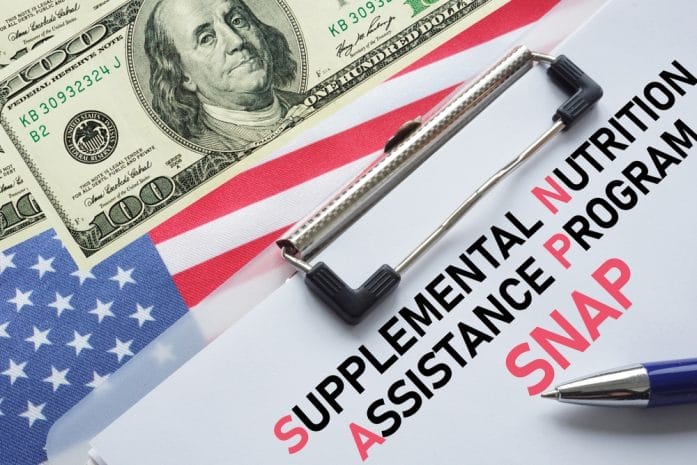
The 72-Hour SNAP Hold: Why Millions Of Applications Are Stuck in “Pending Review”

April 29, 2026 by Brandon Marcus Leave a Comment

The 72-Hour SNAP Hold: Why Millions Of Applications Are Stuck in “Pending Review”

Image Source: Shutterstock.com

A growing number of SNAP applicants hit the same frustrating wall: a status that reads “pending review” and refuses to budge for days. That 72-hour window often stretches longer, leaving households stuck in limbo while grocery bills pile up and kitchen cabinets grow emptier. State agencies promise quick processing, yet real-world timelines often tell a very different story. Many applicants check their status multiple times a day, hoping for movement that never comes. That delay doesn’t just inconvenience people—it disrupts meal planning, budgeting, and basic peace of mind.

Behind that delay sits a mix of policy rules, staffing shortages, and outdated systems that struggle to keep pace with demand. SNAP offices must verify income, identity, residency, and household size before approval, and each step requires manual review in many states.

Why Applications Get Flagged for Extra Review

SNAP systems don’t treat every application equally, and certain triggers send files straight into extended review. Income inconsistencies, recent job changes, or self-employment claims often require deeper verification. Households with fluctuating earnings—like gig workers or seasonal employees—face longer scrutiny because agencies must confirm accurate monthly averages. Even something as simple as mismatched names across documents can slow things down. These flags protect against fraud, but they also create delays for legitimate applicants.

Technology adds another layer to the issue, and not always in a helpful way. Automated systems scan applications and flag anything that doesn’t match existing databases, including tax records or previous benefit history. When systems detect a mismatch, they often halt progress until a human caseworker reviews the file.

That handoff doesn’t happen instantly, especially in understaffed offices. Each flagged application joins a growing pile that caseworkers must sort through manually. The result: longer wait times and mounting frustration for applicants who did everything right.

Staffing Shortages and System Overload

State SNAP offices across the country continue to deal with staffing shortages that slow processing times significantly. Caseworkers often juggle hundreds of applications at once, which makes quick turnaround nearly impossible. Training new staff takes time, and high turnover rates make the problem worse. Experienced workers leave, new hires step in, and the cycle repeats while applications keep pouring in. That imbalance between workload and staffing creates unavoidable delays.

Outdated technology compounds the problem in ways that applicants rarely see. Many SNAP systems still rely on decades-old infrastructure that struggles with modern demand. Slow databases, system crashes, and limited automation force workers to rely on manual processes. When thousands of applications hit the system at once, bottlenecks form quickly. Even minor technical glitches can stall entire batches of applications. That combination of human and technical limitations turns a simple review into a multi-day—or even multi-week—process.

Common Mistakes That Add Days to the Wait

Applicants often unknowingly extend their own wait time with small but critical mistakes. Missing documents top the list, especially pay stubs, identification, or proof of residence. Even blurry uploads or incomplete forms can trigger delays. SNAP offices require clear, accurate information, and anything less forces a pause in processing. That pause pushes the application back in line, adding days to the timeline.

Timing also plays a huge role in how fast an application moves. Submitting documents late in the day or right before weekends can delay review until the next business cycle. Applicants who fail to respond quickly to requests for additional information risk even longer delays. Some states only allow a limited window for follow-up, and missing that window can restart the entire process. Careful attention to detail and quick responses can make a noticeable difference. Small actions often determine whether an application moves forward or stalls again.

What Applicants Can Do to Speed Things Up

Applicants don’t have to sit back and wait helplessly during the review period. Proactive steps can often reduce delays and push applications forward faster. Submitting all required documents at once—clearly and completely—gives caseworkers everything they need from the start. Double-checking entries for accuracy helps avoid unnecessary flags. Calling the SNAP office to confirm receipt of documents can also prevent silent errors.

Following up strategically can make a real impact when done correctly. Applicants who check in after the initial 72-hour window often catch issues early. Many states offer online portals where users can track updates or upload missing documents مباشرة. Staying organized and keeping copies of everything submitted helps resolve disputes quickly. Persistence matters, but timing and clarity matter even more. A well-prepared application stands a much better chance of moving through the system without delays.

The 72-Hour SNAP Hold: Why Millions Of Applications Are Stuck in “Pending Review”

Image Source: Shutterstock.com

The Bigger Picture Behind SNAP Delays

The SNAP backlog reflects broader challenges within public assistance systems nationwide. Economic shifts, rising food costs, and increased demand continue to stretch resources thin. Government agencies face pressure to process applications quickly while maintaining strict verification standards. That balancing act often leads to slower processing times. Applicants feel the impact immediately, especially those who rely on benefits for daily meals.

Policy changes also influence how quickly applications move through the system. New eligibility rules or reporting requirements can add complexity to the process. States must implement these changes while continuing to handle existing workloads. That transition period often creates temporary slowdowns. While reforms aim to improve efficiency long-term, short-term delays remain a reality. Understanding that broader context helps explain why the “pending review” status persists for so many applicants.

When “Pending” Means More Than Just Waiting

That simple status message carries more weight than it appears at first glance. For many households, it represents uncertainty about food security and financial stability. Every extra day in review can mean tough choices at the grocery store or skipped meals. The emotional toll builds quickly, especially for families with children or fixed incomes. That stress makes the delay feel even longer than it actually is.

Awareness of the process can ease some of that frustration. Knowing what triggers delays and how to avoid them gives applicants a sense of control. Preparation, attention to detail, and timely follow-up all play a role in speeding things up. While the system doesn’t move as fast as many would like, informed applicants can navigate it more effectively. That knowledge turns a confusing wait into a manageable process.

What To Know About SNAP’s 72-Hour Hold

The 72-hour SNAP hold rarely sticks to a neat three-day timeline, and several factors drive that reality. Staffing shortages, system limitations, and strict verification rules all contribute to delays that stretch beyond expectations. Applicants who prepare thoroughly and respond quickly can often shorten their wait, even within a slow system. Clear documentation and proactive follow-up remain the strongest tools for moving an application forward. While the process may never feel fast, strategic action can make it feel far less frustrating.

What has your experience been with SNAP application delays: quick approval or endless waiting? Give us your story and experiences in the comments below.

You May Also Like…

The SAVE System Backlog: How Immigration-Status Delays Are Knocking Eligible Families Off SNAP

Hidden SNAP Rule Hitting Millions Of Adults — And Why States Are Sending New Work Notice

April Food Alert: How to Use SNAP’s Medical Expense Deduction if Your Benefits Suddenly Dropped

These Are The Average Salaries of Those In Their 30s, 40s and 50s—How Do You Compare?

Staffing Cuts Are Slowing Benefit Processing — And Delays Are Growing

Brandon Marcus
Brandon Marcus

Brandon Marcus is a writer who has been sharing the written word since a very young age. His interests include sports, history, pop culture, and so much more. When he isn’t writing, he spends his time jogging, drinking coffee, or attempting to read a long book he may never complete.
Filed Under: Lifestyle Tagged With: benefits approval process, EBT processing time, financial help, food assistance delays, food stamps delay, government assistance, low income support, pending review SNAP, public benefits, SNAP application tips, SNAP backlog, SNAP benefits

The SAVE System Backlog: How Immigration-Status Delays Are Knocking Eligible Families Off SNAP

April 26, 2026 by Brandon Marcus Leave a Comment

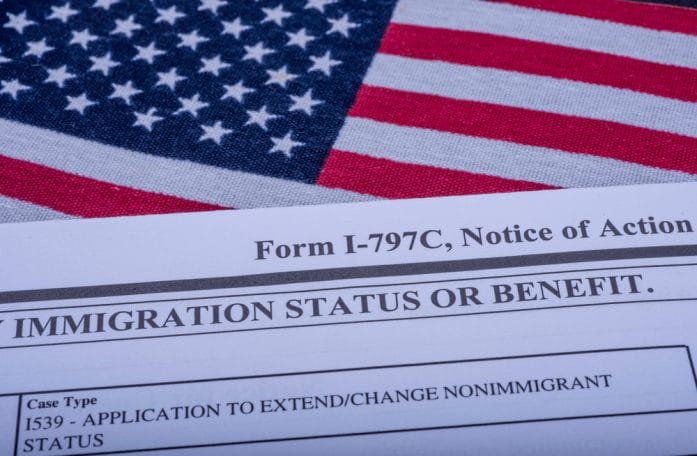
The SAVE System Backlog: How Immigration-Status Delays Are Knocking Eligible Families Off SNAP

Image Source: Shutterstock.com

A bureaucratic slowdown rarely grabs headlines, yet it can ripple through thousands of households in very real ways. The SAVE system—short for Systematic Alien Verification for Entitlements—sits at the center of a growing problem that affects access to SNAP benefits. When this verification tool stalls, families who qualify for food assistance suddenly find themselves locked out. Grocery budgets shrink overnight, and households must stretch every dollar further than ever. The issue does not stem from eligibility changes, but from delays in confirming immigration status through a system that many never even knew existed.

Local agencies rely heavily on SAVE to confirm lawful presence for non-citizens applying for benefits. When the system works smoothly, approvals move forward quickly and families receive timely support. However, recent backlogs have slowed that process to a crawl in some areas, creating weeks or even months of waiting. During that gap, benefits often pause or never begin, leaving families in limbo. The consequences hit hardest for households already walking a financial tightrope.

Why the SAVE System Backlog Keeps Growing

Several factors have fueled the growing backlog, and none of them resolve quickly. Increased application volumes, staffing shortages, and outdated processing workflows have combined to create a perfect storm. Agencies process more cases than ever, yet the system struggles to keep pace with demand. Each delay compounds the next, pushing verification timelines further out and creating a frustrating cycle for both applicants and caseworkers. This situation places enormous strain on local SNAP offices trying to deliver timely decisions.

Policy changes and stricter verification requirements have also added layers of complexity. Each additional step means more documentation, more review time, and more chances for a case to stall. Even minor discrepancies in records can trigger manual reviews that take significantly longer to resolve. Families often submit everything correctly yet still face delays because the system flags their case for additional checks. That reality creates confusion and anxiety for applicants who expect a straightforward approval process.

How Delays Translate Into Lost SNAP Benefits

The impact of these delays reaches far beyond paperwork and processing times. When verification stalls, SNAP applications often remain incomplete, preventing benefits from starting on schedule. In some cases, benefits stop entirely during recertification periods, even for families who have received assistance for years. That interruption forces households to cover food costs without the support they depend on. For many, that shift means choosing between groceries and other essential expenses.

Consider a household with children that relies on SNAP to offset rising food prices. A delay of even a few weeks can lead to empty pantries and increased reliance on food banks. Community organizations often step in, but they cannot fully replace consistent benefits. Families also face the emotional toll of uncertainty, as they wait for updates with little visibility into the process. The longer the delay continues, the harder it becomes to recover financially.

The SAVE System Backlog: How Immigration-Status Delays Are Knocking Eligible Families Off SNAP

Image Source: Shutterstock.com

What Families Can Do While Waiting for Verification

Families caught in the SAVE backlog do have options, though none offer a perfect fix. Staying in close contact with local SNAP offices helps ensure that caseworkers have the most up-to-date information. Promptly responding to requests for additional documentation can prevent further delays and keep the application moving forward. Applicants should also keep copies of everything they submit, creating a clear record in case questions arise later. This level of organization can make a significant difference in resolving issues faster.

Community resources can help bridge the gap during delays. Food banks, mutual aid groups, and local nonprofits often provide temporary assistance for families waiting on benefits. Some states also offer expedited SNAP processing for households facing severe hardship, which may bypass certain delays. Legal aid organizations can step in if a case remains unresolved for an extended period, offering guidance on appeals or next steps. Taking proactive measures can ease some of the immediate pressure, even if the system itself remains slow.

What Policymakers and Agencies Are Doing About It

Government agencies have started to recognize the urgency of the SAVE backlog and its impact on vulnerable households. Efforts to modernize the system aim to reduce processing times and improve data accuracy. Some states have increased staffing levels or adjusted workflows to handle higher caseloads more efficiently. These steps show progress, but they require time to deliver measurable results. Families currently affected still face delays while improvements roll out.

Advocacy groups continue to push for broader reforms, including simplified verification processes and greater transparency for applicants. Clear communication about case status could reduce confusion and help families plan more effectively. Policymakers also explore temporary measures to prevent benefit interruptions during verification delays. These proposals highlight a growing awareness that administrative barriers should not block access to essential food assistance. Real change depends on sustained attention and investment in the system.

The Real Cost of Waiting for SNAP Approval

The SAVE system backlog reveals a critical flaw in how essential benefits get delivered. Delays in immigration-status verification do not just slow paperwork—they directly impact whether families can put food on the table. While agencies work to fix the problem, households must navigate uncertainty and financial strain in the meantime. Addressing this issue requires both immediate solutions and long-term system improvements to prevent future disruptions. Ensuring timely access to SNAP benefits should remain a top priority for policymakers and communities alike.

What steps do you think should come first to fix the SAVE system backlog and protect families from losing SNAP benefits?

You May Also Like…

Social Security Is Under Pressure — The Worker-to-Retiree Ratio Is Falling

April Food Alert: How to Use SNAP’s Medical Expense Deduction if Your Benefits Suddenly Dropped

5 Overlooked Tax Deductions That Could Save You Thousands

9 Reasons You Can’t Qualify For Medicaid

The “Too Late” Rule: When Missed Government Doors Close Forever

Brandon Marcus
Brandon Marcus

Brandon Marcus is a writer who has been sharing the written word since a very young age. His interests include sports, history, pop culture, and so much more. When he isn’t writing, he spends his time jogging, drinking coffee, or attempting to read a long book he may never complete.

Filed Under: Lifestyle Tagged With: Budgeting Tips, financial hardship, food assistance delays, immigration verification, public benefits, SAVE system backlog, SNAP benefits

FOLLOW US

Search this site:

Recent Posts

  • Can My Savings Account Affect My Financial Aid? by Tamila McDonald
  • 12 Ways Gen X’s Views Clash with Millennials… by Tamila McDonald
  • What Advantages and Disadvantages Are There To… by Jacob Sensiba
  • 10 Tactics for Building an Emergency Fund from Scratch by Vanessa Bermudez
  • Call 911: Go To the Emergency Room Immediately If… by Stephen Kanaval
  • 7 Weird Things You Can Sell Online by Tamila McDonald
  • 10 Scary Facts About DriveTime by Tamila McDonald

Copyright © 2026 · News Pro Theme on Genesis Framework