• Home
  • About Us
  • Toolkit
  • Getting Finances Done
    • Hiring Advisors
    • Debt Management
    • Spending Plan
  • Insurance
    • Life Insurance
    • Health Insurance
    • Disability Insurance
    • Homeowners/Renters Insurance
  • Contact Us
  • Risk Tolerance Quiz
  • Our Editorial Commitment

The Free Financial Advisor

You are here: Home / Archives for rideshare

7 Dangers Lurking in Rideshare Apps You’ve Probably Ignored

November 26, 2025 by Travis Campbell Leave a Comment

rideshare
Image source: shutterstock.com

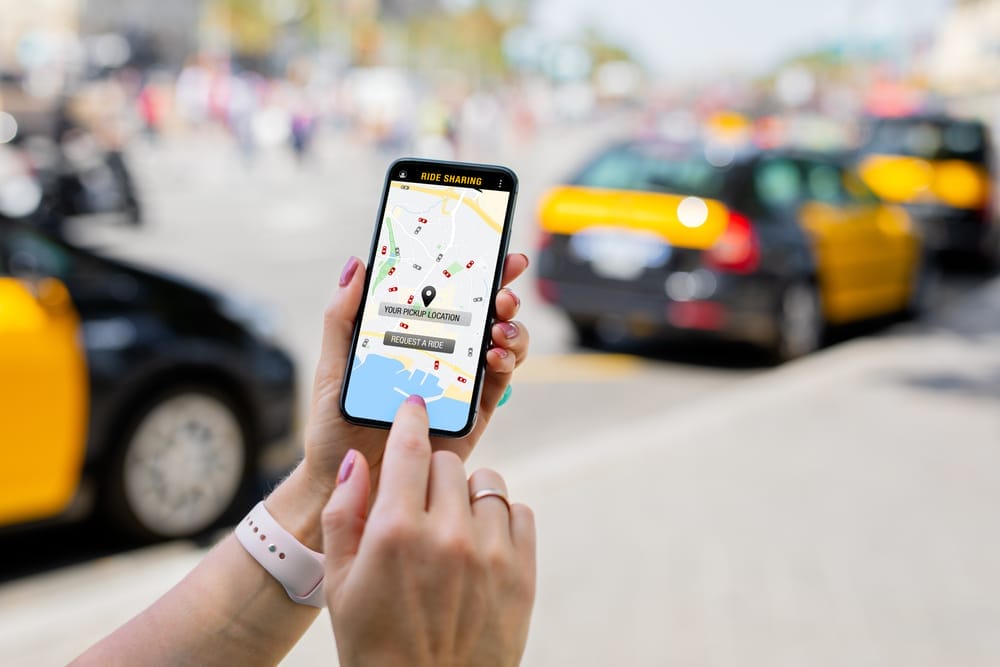
Rideshare apps have become commonplace. Users activate their screens before entering vehicles, which then transport them to their desired locations. The user-friendly design of rideshare apps conceals dangerous situations that users cannot see through their app interfaces or driver profiles. The system contains two types of problems: visible issues that users can see, and hidden issues in data settings and fast business processes. People tend to disregard these risks until they witness the adverse effects firsthand. The analysis of rideshare app security risks has become essential because users often disregard potential threats when using these services.

1. Data Trails That Don’t Disappear

Rideshare apps collect precise information about where people go, when they go, and how often they travel. That means every trip creates a data point tied to routines, habits, and private details. The data often stays on servers long after a person deletes the app. In some cases, the location history built by rideshare apps can reveal medical visits, financial errands, or personal relationships. This depth of information turns a simple ride request into a long-term record that can create vulnerabilities if mishandled or breached.

2. Surge Pricing That Quietly Drains Budgets

Surge pricing feels like a temporary inconvenience, but its impact stretches further. The algorithms shift fares in real time, sometimes doubling or tripling prices without warning. People often find themselves paying significantly more during peak hours when they have the fewest alternatives. These spikes create unpredictable expenses that undermine budgeting efforts. Over time, recurring surges make rideshare apps far more expensive than they appear in marketing claims or default fare estimates.

3. Driver Identity Gaps

Verification systems look strict from the outside. Inside the apps, gaps still exist. Photos may be outdated, names may appear similar, and occasional mismatches slip through unnoticed. The ride starts before the rider realizes something feels off. When that happens, a sense of safety built on trust in the app breaks down. And once the ride begins, exiting a moving car or arguing with a driver becomes a risk in itself.

4. App Glitches That Leave Riders Stranded

Most rides run smoothly until the app freezes, the GPS fails, or the platform crashes during high-traffic times. A stalled request can leave someone waiting alone at night or stuck outside in an unfamiliar area. Even when the app restarts, previous cancellations or broken connections can trigger penalties or delayed pickups. The reliance on rideshare apps for transportation makes these glitches more than technical hiccups—they become real safety issues disguised as simple errors.

5. Background Checks That Miss Critical Information

Rideshare companies promote safety processes, but the checks often rely on databases that update inconsistently. Recent incidents or unresolved cases may not appear, and the screening windows sometimes exclude relevant events. This creates a gap between what riders assume about driver histories and what the platform can actually confirm. When a driver with missing or outdated records is approved, the oversight exposes passengers to risks that go unnoticed until it’s too late.

6. Vehicle Safety Standards That Vary Widely

Cars participating in rideshare programs range from brand-new models to older vehicles that have barely passed inspection. Some drivers maintain their cars meticulously. Others cut corners. A clean interior can hide mechanical issues, poor tire conditions, or missing safety features. Riders rarely check because the transaction moves fast. That quick entry into an unknown car, combined with the assumption that the platform enforces strict standards, creates a false sense of security.

7. Quiet Shifts in Privacy Policies

Privacy policies inside rideshare apps change often. Updates typically come through small pop-up notices or long documents that most people accept without reading. Those quiet changes can alter how trip data is stored, shared, or monetized. A single update may expand a company’s ability to use detailed travel patterns for internal modeling or outside partnerships. Over time, these incremental shifts reshape how personal information is handled while giving riders little control over the outcome.

Why These Risks Keep Growing

The rapid growth of rideshare applications has outpaced the protective measures that should support them. The companies operating these platforms operate at high speed, but implementing oversight and consumer protection measures takes extended periods of time. The combination of feature development, increased trip data collection, and rising user numbers increases the risk of accidents, financial losses, and privacy violations. The same technology that provides affordable, quick transportation also raises financial, safety, and privacy issues that require human intervention to address.

People who understand how rideshare apps function can use them by setting specific goals and making logical choices. Knowledge of rideshare app operations does not eliminate all dangers, but it reduces the unknowns surrounding this widely used service. What issues have you faced while using your rideshare app?

What to Read Next…

  • Whos Watching Your Financial Apps Without You Knowing It
  • How Your Wi Fi Router Placement Might Be Sharing Personal Info
  • What Scams Are Targeting Retirees While You Still Trust Your Phone
  • 6 Phone App Permissions That Spy On Your Financial Life
  • Are Financial Apps Sharing Your Spending Data More Than You Realize
Travis Campbell
Travis Campbell

Travis Campbell is a digital marketer/developer with over 10 years of experience and a writer for over 6 years. He holds a degree in E-commerce and likes to share life advice he’s learned over the years. Travis loves spending time on the golf course or at the gym when he’s not working.
Filed Under: Online Safety Tagged With: budgeting, Personal Finance, privacy, rideshare, safety, transportation

7 Topics You Should Never Bring Up in a Rideshare Conversation

November 24, 2025 by Travis Campbell Leave a Comment

rideshare
Image source: Sundry Photography / Shutterstock.com

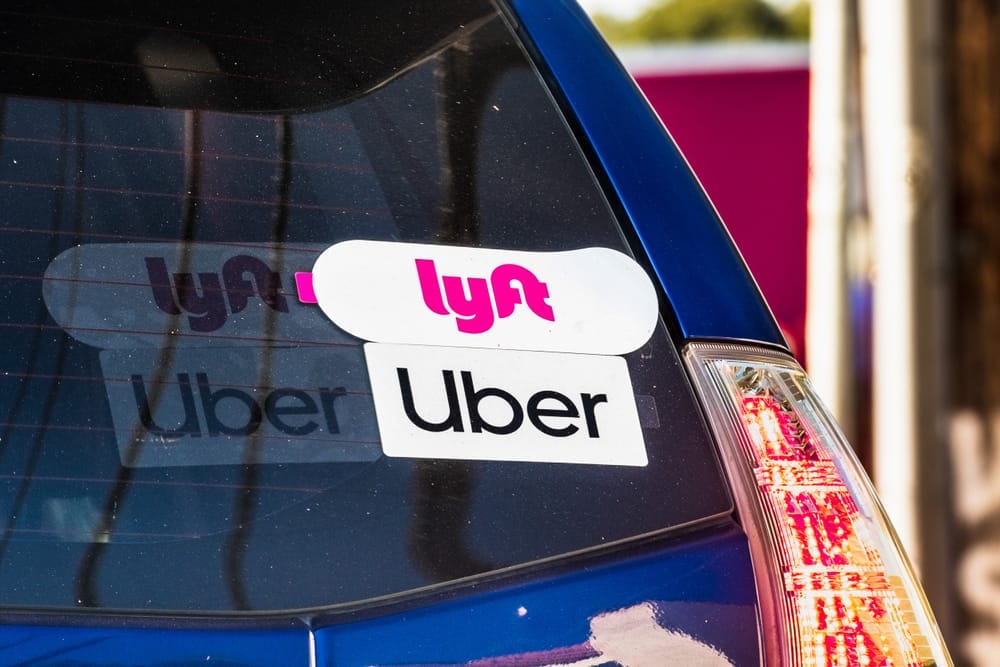
The experience of sharing a car service with another person creates an unusual situation that tests how people interact. Two people need to show mutual respect when sharing a restricted space during their travel. The wrong conversation topic can turn an otherwise peaceful ride into an uncomfortable experience, which may continue to affect you after the journey ends. People tend to bring unpleasant emotions from rideshare encounters into their daily activities, leading to unnecessary stress. Your ability to recognize which subjects to stay away from during rideshare conversations will help you maintain your mental health and the mental health of others.

1. Politics

Politics might feel like small talk, especially during election seasons when signs line every yard. But a rideshare conversation shifts the dynamic. You’re in someone else’s workspace, and they can’t escape a topic that might spiral quickly. Even a small comment—an offhand remark about a headline—can yank both of you into a debate no one asked for.

The car isn’t a public forum. It’s not neutral ground. Until you know how someone engages with political tension, the safest choice is to let the topic pass untouched. Most drivers already brace for confrontational passengers. There’s no reason to add to that weight.

2. Religion

Religion shapes identity more deeply than most topics, and a rideshare conversation doesn’t have the space to hold those complexities. One comment can feel intrusive or disrespectful without intention. The driver may belong to a faith you know nothing about, or they may have left one and carry complicated emotions about it.

Spiritual talk has a way of drifting into moral judgments fast. That kind of turn can make someone feel cornered. Respect the boundary. Let faith remain personal unless the driver initiates it and seems genuinely open to it—which is rare.

3. Personal Income

Asking a stranger how much they earn instantly crosses a line. Some passengers try anyway, usually out of curiosity about how much drivers make. But that question hits a nerve. This is someone’s livelihood. They don’t owe details about their finances to anyone, especially someone riding in the back seat.

Money talk tends to bring assumptions and comparisons. That never improves a rideshare conversation. It only exposes private information and leaves people feeling evaluated.

4. Relationship Troubles

It’s tempting to vent. The car feels like a confessional booth where you’ll never see the listener again. But unloading relationship problems onto a driver puts them in an unfair position. They don’t have the full context, and they didn’t agree to be your emotional support.

Some passengers spiral into details that cross boundaries quickly—cheating, fights, divorce. It’s heavy, and it traps the other person. A rideshare conversation works best when it stays light unless both people clearly want more depth. Assume they don’t.

5. Health Issues

Graphic stories about surgeries, symptoms, or medical scares make people uncomfortable, even when they’re trying to be polite. A rideshare conversation isn’t a place to catalogue ailments. You never know what someone else is dealing with in their own life. Your story might echo something painful for them.

And there’s a practical reason to avoid it. Health topics can lead to speculation, unintentional misinformation, or unsolicited advice. None of that serves the moment. Keep it general or skip it entirely.

6. Criticism of the Driver’s Choices

Some passengers critique everything: driving routes, music choices, and air conditioning levels. They treat the ride like an audition. That creates tension from the first minute. A rideshare conversation that starts on a critical note rarely recovers.

If something needs to change for safety or comfort, say it plainly and respectfully. Anything beyond that feels like commentary on the driver as a person, not on the ride’s conditions. And that’s where conflict usually begins.

7. The Driver’s Background

Casual questions can slide into invasive territory fast. Where are you from originally? How long have you lived here? Do you have family back home? What sounds innocent can feel pointed or suspicious. In a rideshare conversation, questions about origin, nationality, or immigration status can be highly sensitive.

It’s not your place to collect someone’s personal history. If the driver volunteers their story, that’s different. But prompting them into it can sound like you’re checking boxes.

Keeping the Ride Comfortable

Users will achieve their best results with rideshare dialogues by mastering self-control techniques. The space between words must remain unoccupied. People need to stay alert to their environment to succeed. The most comfortable dialogue occurs when participants focus on everyday subjects, such as daily activities, weather conditions, local events, and casual remarks. The subjects enable people to maintain comfort as they work to develop mutual understanding.

The objective does not include any measures to stop people from interacting with each other. The aim is to safeguard the short-term social bond, which begins when you finish opening the car door. The established limits create an improved experience for drivers and their passengers. Which subjects do you choose to stay away from when riding with a driver?

What to Read Next…

  • How Your Wi-Fi Router Placement Might Be Sharing Personal Info
  • 8 Things You’re Doing That Make Criminals Think You’re An Easy Target
  • Senior Citizens Alert: 8 Pieces Of Information You Should Never Give Out Over The Phone
  • What Are Banks Really Doing With Your Personal Spending Data?
  • Why ChatGPT May Be Generating Fake Financial Advice And Getting Away With It
Travis Campbell
Travis Campbell

Travis Campbell is a digital marketer/developer with over 10 years of experience and a writer for over 6 years. He holds a degree in E-commerce and likes to share life advice he’s learned over the years. Travis loves spending time on the golf course or at the gym when he’s not working.

Filed Under: Lifestyle Tagged With: Communication, Etiquette, privacy, rideshare, travel

FOLLOW US

Search this site:

Recent Posts

  • Can My Savings Account Affect My Financial Aid? by Tamila McDonald
  • 12 Ways Gen X’s Views Clash with Millennials… by Tamila McDonald
  • What Advantages and Disadvantages Are There To… by Jacob Sensiba
  • 10 Tactics for Building an Emergency Fund from Scratch by Vanessa Bermudez
  • Call 911: Go To the Emergency Room Immediately If… by Stephen Kanaval
  • 7 Weird Things You Can Sell Online by Tamila McDonald
  • 10 Scary Facts About DriveTime by Tamila McDonald

Copyright © 2026 · News Pro Theme on Genesis Framework