• Home
  • About Us
  • Toolkit
  • Getting Finances Done
    • Hiring Advisors
    • Debt Management
    • Spending Plan
  • Insurance
    • Life Insurance
    • Health Insurance
    • Disability Insurance
    • Homeowners/Renters Insurance
  • Contact Us
  • Privacy Policy
  • Risk Tolerance Quiz

The Free Financial Advisor

You are here: Home / Archives for Auto & Tech

The Truck Warning: Why 355,000 Ford Pickups Just Hit the Urgent Recall List

February 28, 2026 by Brandon Marcus Leave a Comment

The “Do Not Drive” Warning: Why 355,000 Ford Pickups Just Hit the Urgent Recall List

Image Source: Unsplash.com

A major corporate warning does not show up unless something demands immediate attention. When that warning lands on more than 355,000 pickup trucks across the United States, it signals a problem that no driver should ignore.

This time, the spotlight falls on certain heavy-duty trucks from Ford Motor Company. Federal safety regulators flagged a defect serious enough to tell owners to bring their vehicles in ASAP. That kind of language carries weight.

A Failure Risk That Demands Immediate Action

The recall centers on certain Ford Super Duty and F-150 pickup trucks equipped with certain instrument panels. According to filings with the National Highway Traffic Safety Administration, a failure inside the panels prevents drivers from seeing critical information such as the speedometer and warning lights. That means, of course, that drivers are at much higher risk of a crash.

Ford determined that the truck’s instrument panel could fail internally. When that failure happens, drivers might not notice warning messages on the dashboard or even chimes that signal a malfunction. Regulators and Ford both treat that possibility with urgency. A truck that weighs thousands of pounds needs to be reliable. When that confidence disappears, every mile on the road carries more risk than it should.

Why 355,000 Trucks Ended Up on the List

The recall affects hundreds of thousands of trucks from specific model years. These trucks often serve as workhorses. Contractors rely on them to haul equipment. Farmers count on them for daily operations. Families use them to tow campers and trailers across long stretches of highway.

Automakers investigate patterns through warranty claims, field reports, and internal testing. Once engineers identify a safety-related defect, federal law requires a recall. In this case, Ford chose to issue an advisory for certain trucks that show symptoms, and it instructed owners to contact dealers immediately if they notice warning light changes or concerns.

That level of caution underscores how seriously Ford and regulators view the issue. A heavy-duty pickup that isn’t reliable does not simply create inconvenience. It can create life-threatening danger.

What This Really Means for Owners

If a truck falls under the recall, owners should try to avoid driving it until a dealer completes the repair. Ford dealers will inspect affected trucks and replace the equipment at no cost. Anyone who owns a Ford truck from the affected years should check the vehicle identification number, often called the VIN. Owners can enter that VIN on Ford’s recall website or on the NHTSA recall lookup tool to confirm whether their specific truck falls under the recall.

Scheduling a service appointment quickly reduces risk and restores peace of mind. With the stakes so high and so much on the line, second-guessing shouldn’t be an option for drivers.

The “Do Not Drive” Warning: Why 355,000 Ford Pickups Just Hit the Urgent Recall List

Image Source: Unsplash.com

Smart Steps Every Truck Owner Should Take Now

Anyone who owns a Super Duty or F-150 truck should not wait for a letter to land in the mailbox. Taking a few proactive steps can make a big difference. First, check the VIN online through Ford or NHTSA to confirm recall status. That process takes only a few minutes and provides clear answers.

Second, pay attention to dashboard warnings. Modern trucks communicate problems through messages and alerts. Ignoring those signals can turn a manageable repair into a dangerous situation.

Third, schedule service promptly if the truck appears on the recall list. Dealers receive instructions and replacement parts to address the defect. Acting quickly prevents inconvenience later and reduces potential risk on the road.

What This Recall Says About the Industry

Large recalls often spark frustration, but they also show how safety oversight works. Automakers monitor performance data constantly. Federal regulators track complaints and investigate patterns. When evidence points to a safety defect, the recall process moves forward. No manufacturer enjoys issuing a recall, especially one that affects more than 355,000 vehicles. However, identifying a defect and offering free repairs protects drivers and reinforces accountability.

Truck buyers expect durability and strength from heavy-duty models. That expectation extends to every system under the hood. When a flaw emerges, swift corrective action matters far more than silence.

Park It, Fix It, Then Get Back to Work

This recall carries a simple message: take it seriously and take action. Owners of affected Ford pickups should verify their VIN, watch for warning signs, and schedule repairs without delay. Dealers stand ready to replace the faulty component.

A warning does not appear often in the automotive world. When it does, it deserves immediate respect. For anyone who depends on a truck for work, travel, or daily life, safety should always outrank convenience.

Will this recall change how truck owners approach maintenance and safety checks going forward? Let’s hear about it from all truck drivers in our comments below.

You May Also Like…

Are Pickup Truck Owners Just Trying to Compensate for Something?

7 Myths About Memory You Should Forget Immediately

Missed Insurance Payment? Your Auto Lender May Raise Your Costs Overnight

5 Steps to Take After a Truck Accident

How to Choose the Right Automotive Insurance Company

Brandon Marcus
Brandon Marcus

Brandon Marcus is a writer who has been sharing the written word since a very young age. His interests include sports, history, pop culture, and so much more. When he isn’t writing, he spends his time jogging, drinking coffee, or attempting to read a long book he may never complete.

Filed Under: Auto & Tech Tagged With: auto industry news, automotive defects, car maintenance, Ford recall, Ford trucks, NHTSA, pickup truck recall, recall alert, safety warning, truck news, truck owners, vehicle safety

Why Smart Drivers Are Refinancing Their Auto Loans Before Rates Shift Again

February 27, 2026 by Brandon Marcus Leave a Comment

Why Smart Drivers Are Refinancing Their Auto Loans Before Rates Shift Again

Image Source: Pexels.com

The cost of borrowing never sits still for long. Interest rates move, markets react, and monthly payments either shrink or swell depending on timing. Right now, financially savvy drivers refuse to sit back and hope for the best. They review their auto loans with a critical eye, weigh their options carefully, and refinance before the next rate shift catches them off guard.

That sense of urgency does not come from panic. It comes from preparation. The same drivers who comparison-shop for vehicles and negotiate purchase prices understand that the financing deserves just as much attention. An auto loan can quietly shape a budget for five, six, or even seven years. A smarter rate can free up breathing room every single month.

Rates Don’t Wait for Anyone

Interest rates rarely move in a straight line. The Federal Reserve adjusts its benchmark rate in response to inflation, employment trends, and overall economic stability. Lenders respond by adjusting the rates they offer on loans, including auto financing. Even small shifts in benchmark rates ripple through the lending market and change what borrowers qualify for.

Drivers who locked in financing during a period of higher rates often find themselves paying more than necessary once rates ease. On the other hand, when rates trend upward, anyone sitting on a variable-rate loan or considering refinancing may lose a valuable opportunity. Timing matters, but preparation matters more. Smart borrowers monitor economic signals without obsessing over headlines. They review their credit profile, compare lender offers, and calculate potential savings before they act. That proactive approach creates options instead of stress.

Refinancing Isn’t Just About a Lower Payment

A lower monthly payment grabs attention quickly, but refinancing delivers more than short-term relief. When a borrower secures a lower interest rate, more of each payment goes toward the principal balance instead of interest. That shift can shorten the life of the loan or reduce the total interest paid over time.

For example, consider a driver with a $25,000 balance on a five-year loan at 8 percent interest. If that borrower qualifies for 6 percent instead, the difference over the remaining term can add up to hundreds or even thousands of dollars in interest savings, depending on the exact balance and term. Those savings do not rely on gimmicks or tricks. They come straight from math.

Refinancing also allows drivers to adjust the structure of the loan. Some borrowers shorten the term to pay off the vehicle faster and reduce overall interest costs. Others extend the term to ease monthly cash flow during tight seasons. The key lies in choosing a structure that supports long-term financial goals instead of chasing a quick fix.

Credit Scores Open Doors

Credit plays a starring role in refinancing decisions. Lenders base interest rates largely on credit scores and overall credit history. Drivers who financed a vehicle with fair or average credit may qualify for better rates after a year or two of consistent, on-time payments and improved credit habits.

Raising a credit score even modestly can unlock noticeably better offers. Paying down credit card balances, avoiding late payments, and checking credit reports for errors can strengthen a profile before submitting a refinancing application. Many financial institutions and credit bureaus allow consumers to review reports for accuracy at no cost, which makes this step both practical and essential.

Smart drivers treat refinancing as a reward for responsible behavior. They recognize that consistent payments build credibility with lenders. When that credibility translates into a lower interest rate, the financial system finally works in their favor.

The Fine Print Deserves Attention

Refinancing can save money, but it demands careful evaluation. Some loans include prepayment penalties, which charge a fee for paying off the loan early. Although many modern auto loans do not carry these penalties, borrowers should always confirm the details in their original agreement.

Fees also matter. Some lenders charge application fees, title transfer fees, or administrative costs. A slightly lower interest rate may not deliver meaningful savings if fees eat away at the benefit. Smart borrowers calculate the total cost of refinancing, not just the headline rate.

Loan term adjustments also require thought. Extending a loan from three years to five years might reduce the monthly payment, but it can increase total interest paid over time. Drivers who want true savings often pair a lower rate with a reasonable term length that keeps overall costs down.

Why Smart Drivers Are Refinancing Their Auto Loans Before Rates Shift Again

Image Source: Pexels.com

Fixed Rates Offer Stability in Uncertain Times

Most auto loans carry fixed interest rates, which lock in the same rate for the entire term. That stability provides predictability, especially during periods of economic uncertainty. When market rates climb, borrowers with fixed rates avoid sudden payment increases.

Some refinancing options may include variable rates, although they remain less common for auto loans. A variable rate can start lower but rise later if broader rates increase. Borrowers who value stability typically gravitate toward fixed-rate options, particularly when rates sit near historic averages.

Drivers who refinance before anticipated rate increases can secure favorable terms while they remain available. Watching economic trends and acting decisively can prevent regret later. Nobody controls the market, but everyone can control their response to it.

When Refinancing Makes the Most Sense

Refinancing does not suit every situation. Drivers with very low interest rates may not find better offers, especially if market rates trend higher than when they originally financed. Similarly, vehicles that have depreciated significantly may not qualify for favorable refinancing terms, since lenders consider the vehicle’s current value.

However, refinancing often makes sense when credit has improved, when rates have declined since the original loan, or when monthly cash flow needs adjustment. Drivers who plan to keep their vehicles for several more years stand to gain the most from lower interest costs.

Timing also depends on loan age. Many lenders prefer vehicles under a certain age or mileage threshold. Checking eligibility requirements before applying can prevent unnecessary credit inquiries.

Financial Agility Beats Financial Complacency

Complacency costs money. A car loan may feel routine after the paperwork settles and the first few payments clear. Yet markets change, credit profiles improve, and opportunities emerge. Smart drivers revisit their financing periodically instead of assuming the original deal remains the best possible arrangement. They treat auto loans as dynamic financial tools rather than fixed burdens. That mindset encourages flexibility and positions them to act quickly when rates shift.

Refinancing requires effort, but it rarely demands overwhelming complexity. A few hours of research, some straightforward calculations, and a willingness to compare offers can reshape years of payments. That kind of return on effort deserves attention.

The Road Ahead Rewards Those Who Act

Interest rates will continue to move, because economic forces never stand still. Drivers who understand that reality take control of what they can influence. They monitor rates, strengthen credit, compare lenders, and refinance strategically instead of reactively.

A well-timed refinance can lower monthly payments, reduce total interest, or create breathing room in a tight budget. More importantly, it reinforces a habit of financial awareness that extends far beyond a single vehicle loan.

The next rate shift will arrive sooner or later. The real question centers on readiness. Will the next move in the market catch drivers off guard, or will preparation turn it into an opportunity? If you have plans or ideas about your auto loan, talk about them in our comments.

You May Also Like…

How Paying Off a Loan the Right Way Can Still Lower Your Score — and Why

Missed Insurance Payment? Your Auto Lender May Raise Your Costs Overnight

Every Affirm Purchase Adds a Loan to Your Credit Report — Here’s What That Means

7 Hidden Signs You Should Refinance Your Mortgage Right Now

15 Warning Signs You Should Refinance Your Mortgage

Brandon Marcus
Brandon Marcus

Brandon Marcus is a writer who has been sharing the written word since a very young age. His interests include sports, history, pop culture, and so much more. When he isn’t writing, he spends his time jogging, drinking coffee, or attempting to read a long book he may never complete.

Filed Under: Auto & Tech Tagged With: auto loan refinancing, car loan rates, car payments, Credit Score Tips, Debt Management, federal reserve, fixed vs variable rates, interest rates, loan terms, money saving strategies, Personal Finance, vehicle ownership

8 Kitchen Gadgets That Waste More Money Than They Save

November 14, 2025 by Travis Campbell Leave a Comment

rice cooker

Image source: shutterstock.com

Every kitchen space accumulates various kitchen gadgets that claim to simplify cooking operations, speed up preparation time, and enhance the cooking experience. But many of these so-called time-savers turn out to be dust collectors that quietly drain your wallet. The main problem extends beyond initial expenses, as it produces unnecessary clutter and wasted space, as well as deceptive convenience. The total cost of unused tools, replacement parts, and electricity expenses will surprise you when you calculate them. Avoiding kitchen gadgets that waste money can help you maintain a better budget and keep your countertops in better shape.

1. Electric Can Opener

It sounds handy, but an electric can opener rarely saves time compared to a manual one. It takes up counter space, plugs into an outlet, and costs more to replace when it breaks. A sturdy handheld opener lasts for years, costs less than $10, and never requires batteries or cleaning cords. This is one of those kitchen gadgets that waste money because it solves a problem that doesn’t really exist.

2. Single-Use Coffee Pod Machines

Convenience comes at a price. Those pods are expensive per cup, and the machine itself often costs far more than a traditional coffee maker. Over time, the cost of pods can double or triple what you’d spend brewing ground coffee. Additionally, the accumulation of plastic waste is a significant concern. A simple drip coffee maker or a French press gives you better flavor and lower costs. Sites like Consumer Reports have long pointed out that the per-cup cost of pods makes them a poor choice for budget-minded households.

3. Bread Makers

Fresh bread smells amazing, but a bread maker often ends up in storage after a few uses. The ingredients aren’t cheaper than a loaf from the bakery, and the machine can cost well over a hundred dollars. If you bake occasionally, you can make bread in the oven with a simple bowl and pan. The promise of “homemade savings” doesn’t hold up when you factor in electricity and maintenance. Among kitchen gadgets that waste money, the bread maker stands out as a bulky reminder of good intentions gone stale.

4. Juicers

Juicing feels healthy, but it’s rarely economical. You need a lot of produce to make a small glass of juice, and that produce isn’t cheap. Juicers are also messy and time-consuming to clean. Many owners use them a few times before giving up. A blender can serve double duty for smoothies, soups, and sauces, eliminating waste and preserving pulp and nutrients. The juice trend often drains wallets faster than it fills glasses.

5. Yogurt Makers

Homemade yogurt sounds thrifty until you realize the cost of the equipment, starter cultures, and milk adds up. Store-brand yogurt often costs less per serving and comes ready to eat. The machine also takes up a lot of space, and the results can be inconsistent. A saucepan and thermometer can do the same job if you really want to make yogurt at home. As far as kitchen gadgets that waste money go, this one hides behind a healthy image while offering little real savings.

6. Electric Egg Cookers

Boiling eggs doesn’t require special equipment. Still, electric egg cookers sell because they look cute and promise perfection. In practice, they’re unnecessary. A pot of water and a timer work just as well, and you already own both. When you factor in the cost, storage, and cleaning, the “perfect egg” becomes a pricey indulgence. Sometimes the simplest method is the most reliable—and the cheapest.

7. Specialty Slicers and Choppers

Avocado slicers, banana cutters, and pineapple corers all claim to save time. But knives and cutting boards handle every one of those jobs. Specialty slicers often break, rust, or lose blades quickly. They also eat up drawer space. A quality chef’s knife is a one-time investment that outlasts a dozen gimmicky gadgets. Over time, the cost of replacing cheap slicers adds up, quietly proving that kitchen gadgets that waste money usually come in shiny packaging.

8. Smart Kitchen Scales and App-Linked Gadgets

Technology has crept into every corner of the kitchen. Some gadgets connect to apps, track your recipes, or weigh ingredients automatically. They sound futuristic, but they often require updates, batteries, and pricey replacements. A basic scale or measuring cup works fine without Wi-Fi. For people trying to save money on cooking, tech-heavy gadgets rarely pay off. The more moving parts a device has, the more chances it has to fail.

Keeping Your Kitchen Budget in Check

Check the usage frequency of new appliances and evaluate if your current tools can perform the same tasks before making a purchase. Most kitchen gadgets that waste money appeal to impulse rather than need. The systems promise efficient solutions, but they generate excessive complexity in their operations. Multipurpose tools, together with trend-resistant products, enable you to reduce both space requirements and costs.

People need to develop proper methods for cost reduction instead of purchasing extra tools to achieve actual cost savings. Home cooking, with meal planning and ingredient utilization, offers greater value than buying new gadgets, as these gadgets tend to lose their purpose after initial use. The best way to extend your grocery budget involves choosing affordable food options and learning efficient cooking methods, rather than buying new gadgets. The need to manage money and prepare food effectively takes precedence over all other considerations.

What kitchen appliance did you buy that turned out to be more trouble than it was worth?

What to Read Next…

  • 7 Tactics Grocery Stores Use to Keep You From Thinking About Price
  • 10 Smart Purchases That Are Slowly Making You Broke
  • Are These 8 Money Saving Tricks Actually Keeping You Broke?
  • 8 Everyday Services That Are Slowly Becoming Subscription Only
  • 5 Home Investment Plans That Legal Experts Say to Avoid
Travis Campbell
Travis Campbell

Travis Campbell is a digital marketer/developer with over 10 years of experience and a writer for over 6 years. He holds a degree in E-commerce and likes to share life advice he’s learned over the years. Travis loves spending time on the golf course or at the gym when he’s not working.

Filed Under: Auto & Tech Tagged With: budgeting, consumer awareness, frugality, home economics, kitchen tips, Personal Finance

7 Wild Facts About Electric Cars That’ll Shock You

November 11, 2025 by Travis Campbell Leave a Comment

electric car

Image source: shutterstock.com

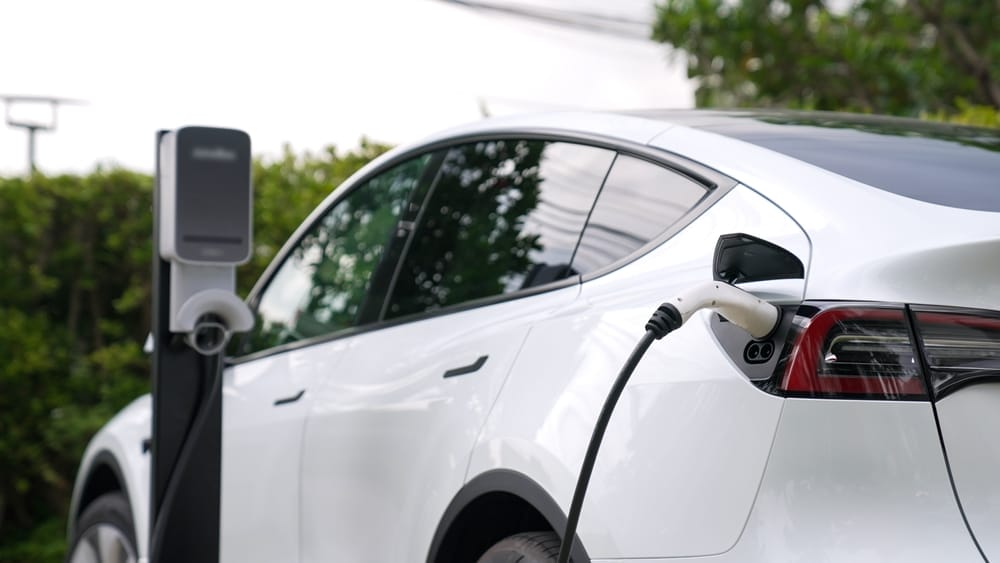
Electric cars are no longer a futuristic fantasy—they’re here, humming quietly beside you in traffic. As more drivers trade gas pumps for charging cables, the world of electric cars becomes increasingly interesting. From their surprising performance to the unexpected ways they affect the power grid, these vehicles are changing transportation faster than many realize. Understanding how electric cars work and what makes them unique helps drivers and investors see the bigger picture of where mobility is heading. Let’s plug in and explore seven wild facts about electric cars that might just change how you think about driving.

1. Electric Cars Can Outrun Sports Cars

Many people still picture electric cars as slow or dull, but that’s far from true. Electric motors deliver instant torque, meaning power is transmitted directly to the wheels without delay. Some electric cars can go from zero to sixty miles per hour in under three seconds, rivaling or beating high-end gasoline sports cars. The lack of gears also means smoother acceleration and fewer moving parts to wear out over time. For anyone who loves speed but hates gas bills, electric cars offer the best of both worlds.

2. The Batteries Are More Complex Than You Think

At the heart of every electric car is a massive battery pack, typically composed of thousands of individual lithium-ion cells wired in series. These batteries are engineered to balance energy density, safety, and lifespan. They include sophisticated cooling systems to prevent overheating and maximize performance in all weather conditions. The chemistry behind these batteries continues to evolve as manufacturers seek cheaper, lighter, and more sustainable materials. The race to improve battery technology is one reason electric cars keep getting better each year.

3. Electric Cars Can Power Your Home

One of the lesser-known capabilities of electric cars is bidirectional charging. Some models allow owners to use the car’s battery as a backup power source for their home. During a blackout, the car can feed electricity back into the house, keeping lights and appliances running. This feature, known as vehicle-to-home or V2H, turns electric cars into mobile energy storage units. As energy grids modernize, more utilities are exploring how electric cars could help stabilize power demand during peak hours. It’s a small step toward a smarter, more resilient energy system.

4. The Environmental Impact Isn’t Always Simple

Many drivers choose electric cars to reduce their carbon footprint, and in most cases, they do. But the environmental story is more complicated than just tailpipe emissions. Producing the batteries requires mining and processing materials like lithium, cobalt, and nickel, which can have significant environmental costs. However, as recycling technologies improve and renewable energy becomes more common, the lifetime emissions of electric cars continue to drop. For those curious about the math, EPA data on electric vehicle emissions shows that even when powered by a mixed energy grid, electric cars typically produce fewer total emissions than gasoline vehicles.

5. Charging Networks Are Growing Faster Than You Think

Just a few years ago, finding a public charger could be a challenge. Now, thousands of new charging stations are being installed every month across the world. Governments, automakers, and private companies are racing to expand infrastructure. In the United States, the Department of Energy’s charging station locator tracks a rapidly growing network that makes long-distance travel more practical than ever. With faster chargers capable of adding hundreds of miles in under 30 minutes, electric cars are shedding one of their biggest early drawbacks—range anxiety.

6. Maintenance Costs Are Surprisingly Low

Electric cars have fewer moving parts than traditional vehicles. There are no oil changes, timing belts, or exhaust systems to maintain. Regenerative braking also reduces wear on brake pads, meaning longer intervals between replacements. Over time, this simplicity adds up to significant savings. While battery replacement can be expensive, most batteries are built to last over 100,000 miles and often come with long warranties. For budget-conscious drivers, the lower maintenance costs make electric cars not just cleaner but cheaper to live with.

7. Some Electric Cars Make Artificial Engine Sounds

Because electric cars run almost silently, they can pose a risk to pedestrians who rely on sound cues to detect approaching traffic. To address this, regulators in many countries require electric cars to emit artificial sounds at low speeds. Automakers have responded creatively—some use futuristic hums, while others mimic the sound of traditional engines. It’s a strange twist: cars designed to be quiet now need to make noise for safety. This blend of technology and psychology shows how electric cars are reshaping not just transportation, but also how we experience it.

The Future Is Plugged In

Electric cars are more than a passing trend—they represent a turning point in how people think about energy, technology, and mobility. As battery innovation accelerates and infrastructure expands, the barriers that once held electric cars back are disappearing. The next decade will likely bring models with greater range, faster charging, and even lower costs. For anyone watching the automotive industry, the shift to electric cars is one of the most fascinating transformations in modern history.

What’s the most surprising thing you’ve learned about electric cars? Share your thoughts in the comments below.

What to Read Next…

  • What That New Car Smell Might Be Hiding Legally
  • 9 Cities Where Car Theft Is Becoming a Daily Occurrence
  • 7 Tactics Grocery Stores Use to Keep You From Thinking About Price
  • The Danger of Using Debit Cards While Traveling Abroad
  • What Are Banks Really Doing With Your Personal Spending Data?
Travis Campbell
Travis Campbell

Travis Campbell is a digital marketer/developer with over 10 years of experience and a writer for over 6 years. He holds a degree in E-commerce and likes to share life advice he’s learned over the years. Travis loves spending time on the golf course or at the gym when he’s not working.

Filed Under: Auto & Tech Tagged With: automotive, electric cars, EV technology, green energy, sustainability, transportation

6 Ways Big Tech’s Latest Privacy Policies Hurt People Over 45

October 22, 2025 by Travis Campbell Leave a Comment

privacy policy

Image source: shutterstock.com

Big tech companies are constantly updating their privacy policies. While these changes are meant to boost security, they can have unexpected downsides for users, especially those over 45. Many in this age group rely on digital tools for everything from banking to health records, but don’t always keep up with complicated policy updates. This can leave them vulnerable or confused. Understanding how these privacy shifts affect people over 45 is key to protecting financial, personal, and social well-being. Let’s examine the real impact of big tech privacy policies on this growing demographic, and why staying informed is so important for anyone navigating midlife and beyond.

1. Increased Complexity Leaves Many Behind

Big tech’s latest privacy policies are often packed with legal jargon and technical details. For users over 45, who may not have grown up with digital technology, this complexity can be overwhelming. When privacy settings change, it’s easy to miss important updates or misunderstand what’s actually being shared. This can result in personal information being exposed without the user’s knowledge. If you’re not a tech expert, navigating these updates can feel like learning a new language—one that changes every few months.

2. More Barriers to Accessing Accounts

Many new big tech privacy policies require multi-factor authentication or complex password requirements. While these steps do improve security, they can also create frustrating barriers for people over 45. Forgetting a password or losing access to a backup email can lock users out of important accounts. For those managing finances, health, or family schedules online, these barriers can have real-world consequences. Instead of feeling more secure, some users end up feeling excluded or anxious about using digital services at all.

3. Confusing Consent Requests

Every time a privacy policy changes, users are prompted to review and accept new terms. These consent requests are often lengthy and hard to interpret. For people over 45, who may not have the time or patience to read through pages of legal text, this can lead to blindly accepting terms that aren’t fully understood. This is especially risky with big tech privacy policies, since agreeing to new permissions may allow companies to collect more data than before. The result? Less control over personal information and more opportunities for misuse.

4. Targeted Advertising Gets More Aggressive

Big tech companies use updated privacy policies to refine how they collect and use data for advertising. For users over 45, this often means seeing more targeted ads based on their online activity, location, or even health searches. While some people appreciate relevant ads, others find it intrusive or unsettling—especially when ads seem to know too much. Worse, some targeted ads prey on fears that are more common in midlife, such as financial insecurity or health concerns. This raises the risk of scams and misinformation aimed at a vulnerable audience.

5. Data Sharing with Third Parties Increases

Another issue with modern big tech privacy policies is increased data sharing with third-party companies. Even if you think your information is safe with one service, it might be passed along to others for marketing, analytics, or unknown purposes. People over 45 are often less aware of how interconnected their data has become. This can lead to unintended exposure of sensitive details, such as health conditions or financial status, especially if those third parties have weaker security. In some cases, this data can end up on the dark web or be used for identity theft. Protecting your information means keeping up with not just one company’s policy, but potentially dozens.

6. Less Transparency About How Data Is Used

While companies claim to be more transparent, the reality is that big tech privacy policies often make it harder to understand exactly how your data is being used. For people over 45, who may already feel skeptical about technology, this lack of clarity can erode trust. If you don’t know what’s being collected or why, it’s tough to make informed choices about your online behavior. This creates a sense of powerlessness and can discourage users from taking advantage of digital tools that could improve their lives.

Taking Control in a Changing Digital World

Big tech privacy policies are evolving quickly, and their impact isn’t always obvious. For people over 45, these changes can mean more confusion, less control, and greater risk. The good news is that awareness is the first step to protection. Take time to review settings, ask for help if you need it, and don’t be afraid to question what companies are asking you to share. By staying engaged, you can maintain both your privacy and your confidence in the digital world.

How have big tech privacy policies affected your online experience? Share your thoughts in the comments below.

What to Read Next…

  • How Your Wi-Fi Router Placement Might Be Sharing Personal Info
  • 7 Free Financial Tools With Privacy Concerns
  • Are Financial Apps Sharing Your Spending Data More Than You Realize?
  • 6 Phone App Permissions That Spy On Your Financial Life
  • 7 ATM Removal Features That Could Reduce Your Financial Privacy
Travis Campbell
Travis Campbell

Travis Campbell is a digital marketer/developer with over 10 years of experience and a writer for over 6 years. He holds a degree in E-commerce and likes to share life advice he’s learned over the years. Travis loves spending time on the golf course or at the gym when he’s not working.

Filed Under: Auto & Tech Tagged With: big tech, Digital Security, Online Safety, over 45, personal data, privacy, technology trends

5 Best Earbuds on the Market, Ranked by Cool Factor

October 6, 2025 by Travis Campbell Leave a Comment

earbuds

Image source: pexels.com

Choosing the best earbuds on the market isn’t just about great sound anymore. With numerous options available, earbuds have become a style statement as much as a technological necessity. Whether you’re listening to music, joining a work call, or just blocking out the world, your earbuds say something about you. The right pair can boost your confidence and fit seamlessly into your daily routine. We’ve ranked the five best earbuds on the market, focusing on both performance and the elusive “cool factor.” If you’re looking to upgrade, read on to see which earbuds make the cut and why they stand out from the crowd.

1. Apple AirPods Pro (2nd Generation)

The Apple AirPods Pro (2nd Generation) are a staple in the conversation about the best earbuds on the market. Their instantly recognizable design, smooth integration with Apple devices, and active noise cancellation make them a favorite for many. These earbuds offer a comfortable fit and intuitive touch controls, allowing you to adjust the volume or skip tracks with a simple tap.

What really boosts their cool factor is the social status that comes with the iconic white stems. They’re almost a fashion accessory at this point. The new version features improved battery life and enhanced noise cancellation, making them both practical and stylish. If you’re an iPhone user who values seamless connectivity and a bit of status, these are hard to beat.

2. Sony WF-1000XM5

When it comes to the best earbuds on the market for audiophiles, the Sony WF-1000XM5 stands out. Sony’s reputation for top-notch sound quality is well-earned, and this model is no exception. The WF-1000XM5 offers deep bass, crisp highs, and adaptive noise cancellation that really works. The matte finish and understated design give them a modern, professional look.

These earbuds are packed with features like customizable sound profiles and multipoint connectivity, so you can switch between devices easily. The cool factor comes from their performance-first approach—these are for people who want to be seen as discerning listeners. They’re not flashy, but they show you care about quality.

3. Beats Fit Pro

If you want the best earbuds on the market for workouts and an active lifestyle, the Beats Fit Pro should be on your radar. Their flexible wingtips keep them secure during intense exercise, and the punchy sound signature makes your playlists come alive. These earbuds are sweat-resistant, making them ideal for the gym or a run outside.

Beats has always been about bold style, and the Fit Pro comes in several eye-catching colors. They support both Apple and Android devices, thanks to easy pairing options. The cool factor here is all about energy and movement—these earbuds look and feel dynamic, just like the people who wear them.

4. Samsung Galaxy Buds2 Pro

The Samsung Galaxy Buds2 Pro are a top pick if you’re invested in the Android ecosystem and want the best earbuds on the market for versatility. These buds offer rich, clear sound and excellent noise cancellation in a compact package. The design is sleek, with a soft matte finish that feels premium but not flashy.

Galaxy Buds2 Pro are comfortable for long listening sessions and have solid battery life. You can control ambient sound levels and customize touch controls through the Samsung app. Their cool factor comes from their subtlety—they’re for users who want performance without shouting for attention. They blend in, but those in the know will recognize their quality.

5. Nothing Ear (2)

If you like to stand out, the Nothing Ear (2) is a strong contender among the best earbuds on the market. These earbuds are instantly recognizable thanks to their transparent design, which shows off the inner components. It’s a conversation starter and a modern take on tech aesthetics.

Beyond looks, Nothing Ear (2) brings clear, balanced sound and effective noise cancellation. The companion app lets you tweak the EQ and controls to your liking. These are the earbuds for people who want to make a statement and aren’t afraid to be a little different. They’re also reasonably priced, making them accessible to a wider audience.

How to Choose the Best Earbuds on the Market for You

Finding the best earbuds on the market depends on your lifestyle, tech preferences, and sense of style. Some people prioritize audio quality, while others want seamless device integration or a unique design. Battery life, comfort, and noise cancellation features are important to consider as well.

Before making a decision, think about how you’ll use your earbuds most. If you’re often on video calls, something with clear microphones like the AirPods Pro makes sense.

What earbuds do you think have the most cool factor? Share your favorites or thoughts in the comments below!

What to Read Next…

  • How Your Wi-Fi Router Placement Might Be Sharing Personal Info
  • Is It Legal for Companies to Listen to You Through Smart Speakers?
  • How Safe Is That Password-Free Login Feature Everyone’s Using?
  • What Happens to Your Credit Score If Your Cell Provider Changes Ownership?
  • Why ChatGPT May Be Generating Fake Financial Advice and Getting Away With It
Travis Campbell
Travis Campbell

Travis Campbell is a digital marketer/developer with over 10 years of experience and a writer for over 6 years. He holds a degree in E-commerce and likes to share life advice he’s learned over the years. Travis loves spending time on the golf course or at the gym when he’s not working.

Filed Under: Auto & Tech Tagged With: audio gear, buying guide, cool gadgets, earbuds, headphones, tech reviews, wireless audio

Why Do Wealthy People Lease Cars Instead of Buying Them Outright

September 6, 2025 by Travis Campbell Leave a Comment

luxury car

Image source: pexels.com

When you think of wealthy people and cars, you might picture someone walking into a dealership and writing a check for the latest luxury model. But in reality, many affluent individuals choose to lease cars instead of buying them outright. This decision might seem surprising, especially since they can afford to purchase vehicles in cash. Yet, there are strategic reasons behind this choice that go beyond simple preference. Understanding why wealthy people lease cars can provide insight into smart financial habits and priorities. Whether you’re considering your next vehicle or just curious about money management, this topic is more relevant than it seems.

1. Preserving Cash Flow

One of the main reasons wealthy people lease cars is to preserve cash flow. Even if they have substantial assets, the wealthy know the importance of keeping liquid cash available for investments, business opportunities, or emergencies. Leasing a car requires a smaller upfront payment and lower monthly expenses compared to buying a new luxury vehicle outright. This means more of their money remains free to earn returns elsewhere, rather than being tied up in a depreciating asset. For those who value liquidity, leasing makes financial sense.

2. Avoiding Depreciation Losses

Luxury vehicles lose value quickly, especially in the first few years. When wealthy people lease cars, they avoid the brunt of depreciation that hits car owners. Instead of absorbing that loss, they simply return the vehicle at the end of the lease term. This approach aligns with a mindset that prioritizes financial efficiency. Why invest heavily in an asset that’s guaranteed to lose value? Leasing allows them to enjoy new cars without worrying about long-term resale values or market fluctuations.

3. Access to the Latest Models and Technology

Leasing offers wealthy individuals the flexibility to drive newer models with the latest features. The automotive industry evolves quickly, introducing new safety, comfort, and entertainment technologies every year. By leasing, affluent drivers can upgrade their vehicles every few years and stay on the cutting edge. This is especially appealing to those who value the status and convenience of always having a modern, high-performance car. When wealthy people lease cars, they rarely have to deal with outdated features or styling.

4. Tax Advantages and Business Deductions

For many high-net-worth individuals, cars are not just personal assets—they’re business tools. Leasing can offer significant tax advantages, especially if the vehicle is used for business purposes. In many cases, lease payments are deductible as a business expense, reducing taxable income. This can be more advantageous than claiming depreciation on a purchased vehicle. Those who own companies or work as independent contractors often consult tax professionals to maximize these benefits.

5. Lower Maintenance and Repair Costs

When you lease a car, it’s typically under warranty for the entire lease period. This means fewer out-of-pocket expenses for repairs and maintenance. Wealthy people often value their time and convenience, preferring not to deal with unexpected repair bills or the hassle of selling an older car. Leasing makes it easy to hand back the vehicle at the end of the term and start fresh with a new, worry-free ride. For those who drive high-end vehicles, where repair costs can be substantial, this peace of mind is worth a lot.

6. Flexibility for Lifestyle Changes

Life circumstances change, and so do automotive needs. Leasing gives the wealthy flexibility to adapt quickly. Maybe they want an SUV for a growing family this year, but a sporty coupe next time. Leasing contracts typically last two to three years, allowing frequent upgrades without the long-term commitment of ownership. This fits the dynamic lifestyles of many affluent individuals who travel, relocate, or simply enjoy variety. When wealthy people lease cars, they’re not locked into a single vehicle for a decade or more.

7. Strategic Use of Credit and Leverage

Even with ample cash reserves, wealthy people often use credit strategically. Leasing a car can help maintain or build a strong credit profile. It also allows them to leverage low interest rates, freeing up capital for higher-yield investments. Financial advisors often recommend using “good debt” to achieve bigger financial goals, rather than tying up cash in depreciating assets.

What This Means for Everyday Drivers

When you look at why wealthy people lease cars, it’s clear that the decision is rooted in financial strategy, not just luxury or convenience. Leasing offers advantages in cash flow management, tax planning, and lifestyle flexibility. While buying may feel like the traditional choice, leasing can be a smarter move for those who want to preserve capital and avoid depreciation losses.

Even if you’re not shopping for a luxury vehicle, these principles apply to anyone interested in making their money work smarter. Have you ever considered leasing instead of buying? What factors matter most to you when choosing how to finance your next car? Share your thoughts in the comments below!

What to Read Next…

  • 9 Times It’s Smarter To Rent Than Buy Even Long Term
  • 8 Things Rich People Never Finance And You Shouldn’t Either
  • Why Your Adult Children Might Fight Over The Family Car
  • What That New Car Smell Might Be Hiding Legally
  • 9 Cities Where Car Theft Is Becoming A Daily Occurrence
Travis Campbell
Travis Campbell

Travis Campbell is a digital marketer/developer with over 10 years of experience and a writer for over 6 years. He holds a degree in E-commerce and likes to share life advice he’s learned over the years. Travis loves spending time on the golf course or at the gym when he’s not working.

Filed Under: Auto & Tech Tagged With: car leasing, cash flow management, luxury vehicles, Personal Finance, tax strategies, wealthy habits

5 Dark Web Gadgets That Are Already Monitoring Your Credit Cards

August 15, 2025 by Travis Campbell Leave a Comment

credit card

Image source: pexels.com

Credit card fraud is everywhere. You might think your information is safe, but dark web gadgets are always looking for ways in. These tools don’t just target big companies. They go after regular people, too. If you use a credit card online, you’re a target. The dark web is full of gadgets that can steal your data without you even knowing. Here’s what you need to know about these dark web gadgets and how to protect yourself.

1. Skimmer Devices Hidden in Plain Sight

Skimmer devices are small, sneaky tools that criminals attach to card readers. You’ll find them on ATMs, gas pumps, and even in some stores. These gadgets copy your card’s magnetic stripe when you swipe. Some skimmers even have tiny cameras to catch your PIN. The worst part? They’re hard to spot. You might not notice anything wrong until you see strange charges on your statement.

If you use your card at a machine, always check for anything loose or odd. Wiggle the card slot. If it moves, don’t use it. Cover your hand when you enter your PIN. And check your statements often. If you see something you don’t recognize, call your bank right away. Skimmers are one of the oldest dark web gadgets, but they’re still everywhere.

2. Keyloggers That Track Every Keystroke

Keyloggers are software or hardware tools that record everything you type. Some are installed on public computers, like those in hotels or libraries. Others come from malware you accidentally download. Once a keylogger is on your device, it can send your credit card numbers, passwords, and other private info straight to criminals on the dark web.

You might not notice a keylogger. Your computer will work as usual. But behind the scenes, every keystroke is being recorded. To protect yourself, avoid entering sensitive information on public computers. Keep your devices updated. Use antivirus software. And if you get a warning about malware, take it seriously. Keyloggers are one of the most common dark web gadgets used for credit card theft.

3. RFID Scanners That Steal Data Wirelessly

RFID scanners are handheld gadgets that can read information from your credit cards without touching them. Many modern cards have RFID chips for contactless payments. That’s convenient, but it also means someone with an RFID scanner can get your card info just by standing close to you. You won’t feel a thing. The thief can then sell your data on the dark web.

To stop this, use an RFID-blocking wallet or sleeve. These are easy to find and not expensive. You can also ask your bank for a card without RFID if you’re worried. Be careful in crowded places like airports or concerts. If someone is standing too close, move away. RFID scanners are one of the newer dark web gadgets, but they’re spreading fast.

4. Phishing Kits That Fool Even Smart Shoppers

Phishing kits are ready-made tools that help criminals build fake websites and emails. These sites look just like real ones from your bank or favorite store. You get an email or text that seems legit. It asks you to “verify your account” or “fix a problem.” If you click the link and enter your info, the phishing kit grabs your credit card details and sends them to the dark web.

Phishing kits are easy to buy and use, which is why they’re everywhere. Always check the sender’s email address. Look for spelling mistakes or weird links. If you’re not sure, go to the website directly instead of clicking a link. Use two-factor authentication when you can. Phishing kits are one of the most effective dark web gadgets for stealing credit card data.

5. Carding Bots That Test Your Numbers in Seconds

Carding bots are automated programs that test stolen credit card numbers on shopping sites. They try small purchases to see if the card works. If it does, the bot tells the criminal, who then sells the “live” card on the dark web. These bots can test thousands of cards in minutes. You might not notice a $1 charge, but that’s how they start.

To combat carding bots, set up alerts for all transactions, regardless of their size. Many banks offer this for free. If you see a charge you didn’t make, report it right away. Use virtual credit card numbers for online shopping when possible. Carding bots are one of the fastest-growing dark web gadgets, and they’re getting smarter all the time.

Staying Ahead of Dark Web Gadgets

Credit card security is a moving target. Dark web gadgets keep changing, and so do the tricks criminals use. But you can stay ahead by being alert and taking simple steps. Check your accounts often. Use strong passwords and two-factor authentication. Don’t trust every email or website. And if something feels off, trust your gut.

The dark web is full of gadgets designed to steal your credit card info. But you don’t have to make it easy for them. Stay informed, stay cautious, and you’ll be much safer.

Have you ever spotted a suspicious charge or caught a scam before it got worse? Share your story in the comments.

Read More

10 Credit Report Errors That Saddled Retirees With Denied Loans

Why Some Credit Reports Are Withholding Important Data

Travis Campbell
Travis Campbell

Travis Campbell is a digital marketer/developer with over 10 years of experience and a writer for over 6 years. He holds a degree in E-commerce and likes to share life advice he’s learned over the years. Travis loves spending time on the golf course or at the gym when he’s not working.

Filed Under: Auto & Tech Tagged With: credit card security, cybersecurity, dark web, financial safety, identity theft, online fraud, Personal Finance

Old Tech You Still Use That Hackers Love

July 2, 2025 by Travis Campbell Leave a Comment

hacker

Image Source: pexels.com

We all have a few pieces of old tech lying around—maybe a dusty laptop, a classic flip phone, or even a printer that’s seen better days. While these devices might seem harmless or even nostalgic, they can actually be a goldmine for hackers. Why? Old tech often lacks the security features and updates that keep your personal information safe. Hackers know this and actively look for ways to exploit outdated gadgets. If you’re still using old tech, you could be putting your data, finances, and privacy at risk without even realizing it. Let’s break down the most common types of old tech hackers love and what you can do to protect yourself.

1. Routers and Modems from Years Ago

That router you got from your internet provider five or ten years ago might still work, but it’s a favorite target for hackers. Old tech like outdated routers often runs on firmware that hasn’t been updated in years, leaving them vulnerable to attacks. Hackers can exploit these weaknesses to access your home network, steal sensitive information, or even launch attacks on other devices. If your router doesn’t support the latest security protocols like WPA3, it’s time to upgrade. Always check for firmware updates, and consider replacing your router every few years to stay ahead of cybercriminals.

2. Unsupported Operating Systems

Still using a computer with Windows 7 or an old version of macOS? Hackers love old tech running unsupported operating systems because they no longer receive security patches. This means any vulnerabilities discovered after support ends are left wide open for exploitation. Even if you’re careful online, just being connected to the internet can put your device at risk. The best course of action is to upgrade to a supported operating system, or if your hardware can’t handle it, consider replacing the device. If you must use an outdated system, keep it offline and refrain from storing sensitive information on it.

3. Outdated Smartphones

Many people keep their old smartphones as backup devices or hand them down to family members. However, old tech like unsupported smartphones can be a hacker’s dream. Once manufacturers stop providing security updates, these devices become easy targets for malware, phishing, and data theft. Hackers can exploit outdated apps and operating systems to gain access to your contacts, messages, and even banking information. Always check if your phone is still receiving updates. If not, it’s time to recycle it responsibly and switch to a newer model.

4. Classic Printers and All-in-Ones

Printers might not seem like a big security risk, but old tech in the form of classic printers can be surprisingly vulnerable. Many older printers connect to your Wi-Fi network and store copies of documents you’ve printed or scanned. Hackers can exploit weak security settings to access your network or retrieve sensitive files. Make sure your printer’s firmware is up to date, and if it’s no longer supported, consider upgrading. Always wipe stored data before disposing of or selling an old printer.

5. USB Flash Drives and External Hard Drives

USB flash drives and external hard drives are convenient, but old tech like these can be risky if not handled properly. Malware can easily spread through infected drives, and lost or stolen devices can expose sensitive data. Hackers often use compromised USB drives to deliver ransomware or steal information. Always scan drives for malware before use, encrypt sensitive data, and avoid plugging unknown drives into your computer. When disposing of old drives, physically destroy them to ensure your data can’t be recovered.

6. Smart Home Devices with Outdated Firmware

Smart home devices—such as security cameras, smart plugs, and thermostats—are now ubiquitous. But old tech in the smart home world is a growing target for hackers. Devices with outdated firmware or weak default passwords can be hijacked and used to spy on you or launch attacks on other networks. Regularly check for firmware updates and change default passwords to something substantial and unique. If a device is no longer supported, it’s best to replace it with a newer, more secure model.

7. Old Email Accounts and Forgotten Logins

Many people have old email accounts or online logins they haven’t used in years. Hackers love this kind of old tech because these accounts often have weak passwords and no two-factor authentication. If a hacker gains access, they can use your old accounts to reset passwords, steal personal information, or launch phishing attacks. Regularly review your online accounts, close those you no longer use, and enable two-factor authentication wherever possible.

Staying Ahead of Hackers: Make Old Tech Work for You, Not Against You

Old tech doesn’t have to be a liability. By staying aware of the risks and taking simple steps—like updating firmware, replacing unsupported devices, and securing your accounts—you can keep hackers at bay. Don’t let nostalgia or convenience put your privacy and finances in jeopardy. Make it a habit to review your devices and digital habits annually. A little effort now can save you a lot of trouble down the road.

What’s the oldest piece of tech you still use, and have you ever worried about its security? Share your stories or tips in the comments!

Read More

The Definition of Irony (or Why You Should Know What You’re Doing)

Im Not An Expert On Everything

Travis Campbell
Travis Campbell

Travis Campbell is a digital marketer/developer with over 10 years of experience and a writer for over 6 years. He holds a degree in E-commerce and likes to share life advice he’s learned over the years. Travis loves spending time on the golf course or at the gym when he’s not working.

Filed Under: Auto & Tech Tagged With: cybersecurity, data protection, Digital Security, old technology, Online Safety, Personal Finance, tech tips

7 Ways Car Dealerships Rob You By Offering Free Inspections and Then Recommending Repairs

May 17, 2025 by Travis Campbell Leave a Comment

Photo of happy couple in car showroom

Image Source: 123rf.com

Have you ever been lured into a car dealership by the promise of a “free inspection”? It sounds like a win-win: you get a professional to look over your vehicle at no cost and drive away with peace of mind. But what if that free inspection is just a clever way for dealerships to get their hands on your wallet? Many drivers don’t realize that these complimentary checkups can be a gateway to unnecessary—and expensive—repairs. Understanding how dealerships use free inspections to upsell services is crucial for anyone who wants to keep their car (and their finances) in good shape. In this article, we’ll break down the seven most common ways car dealerships rob you by offering free inspections and recommending repairs you may not need. By the end, you’ll be armed with the knowledge to protect yourself and your bank account.

1. The “Urgent” Repair Tactic

One of the oldest tricks in the book is the urgent repair pitch. After your free inspection, the service advisor might tell you that your brakes are dangerously worn or your suspension is about to fail. The language is often alarming, designed to make you feel like your safety is at risk if you don’t act immediately. While some issues are genuinely urgent, dealerships sometimes exaggerate the severity to pressure you into expensive repairs on the spot. Before agreeing to any work, always ask for a detailed explanation and, if possible, a second opinion from an independent mechanic. Getting a second opinion can save you hundreds, if not thousands, of dollars.

2. Inflated Parts and Labor Costs

Dealerships often charge significantly more for parts and labor than independent shops. After a free inspection, you might be quoted a price for a repair that’s double or even triple what you’d pay elsewhere. The dealership banks on your trust and the convenience of getting everything done in one place. However, you can often find the same quality parts and certified technicians at a fraction of the cost outside the dealership. Always compare quotes and don’t be afraid to shop around. Websites like RepairPal can help you estimate fair prices for common repairs.

3. Recommending Unnecessary Maintenance

Another way dealerships take advantage of free inspections by recommending maintenance that isn’t needed. For example, they might suggest a transmission flush or a coolant replacement long before your vehicle’s manufacturer recommends it. These “extra” services pad the dealership’s bottom line but do little for your car’s longevity. Always check your owner’s manual for the manufacturer’s recommended maintenance schedule before agreeing to any additional work. If the dealership’s recommendations don’t match up, it’s a red flag.

4. Bundling Repairs You Don’t Need

Dealerships love to bundle repairs, making it seem like you need a whole suite of services when only one or two are necessary. For instance, you might go in for a free inspection and be told you need new brake pads, rotors, and calipers—even if only the pads are worn. This tactic can turn a minor repair into a major expense. Ask for a breakdown of each recommended repair and its necessity. Don’t hesitate to decline bundled services and only approve what’s truly needed.

5. Using Technical Jargon to Confuse

Service advisors sometimes use complex technical language to make repairs sound more urgent or complicated than they are. If you don’t understand what’s being recommended, it’s easy to feel overwhelmed and just agree to everything. Don’t be afraid to ask for plain-English explanations or to have the advisor show you the problem on your vehicle. A reputable dealership will be happy to explain things clearly, while a shady one will try to keep you in the dark.

6. Overstating Wear and Tear

During a free inspection, dealerships may exaggerate normal wear and tear to justify repairs. For example, they might claim your tires are dangerously worn when they’re still within safe limits, or say your battery is weak when it’s perfectly fine. This tactic preys on your lack of technical knowledge and your desire to keep your car running smoothly. If you’re unsure, ask to see the measurements or test results yourself, and consider getting a second opinion.

7. Pushing OEM Parts When Aftermarket Will Do

Dealerships often insist on using Original Equipment Manufacturer (OEM) parts, which are typically more expensive than high-quality aftermarket alternatives. While OEM parts are sometimes necessary, many aftermarket parts meet or exceed the same standards at a lower cost. Don’t be pressured into paying a premium unless it’s truly required for your vehicle’s warranty or performance. Ask about your options and do a little research before making a decision.

Outsmarting the Free Inspection Trap

The next time you see a dealership advertising a free inspection, remember that it’s often a marketing tool designed to get you in the door—and into their repair shop. By staying informed, asking questions, and seeking second opinions, you can avoid falling for these common tactics. Protecting yourself from unnecessary repairs saves you money and gives you confidence as a car owner. Knowledge is your best defense against dealership upsells, so don’t be afraid to use it.

Have you ever been pressured into unnecessary repairs after a free inspection? Share your story or tips in the comments below!

Read More

Why Does Carvana Offer Better Deals Than Car Dealerships?

Refinancing Your Car: Here Are the Pros and Cons

Travis Campbell
Travis Campbell

Travis Campbell is a digital marketer/developer with over 10 years of experience and a writer for over 6 years. He holds a degree in E-commerce and likes to share life advice he’s learned over the years. Travis loves spending time on the golf course or at the gym when he’s not working.

Filed Under: Auto & Tech Tagged With: auto maintenance, car dealerships, car ownership, car repairs, consumer tips, free inspection, saving money

  • 1
  • 2
  • Next Page »

FOLLOW US

Search this site:

Recent Posts

  • Can My Savings Account Affect My Financial Aid? by Tamila McDonald
  • 12 Ways Gen X’s Views Clash with Millennials… by Tamila McDonald
  • What Advantages and Disadvantages Are There To… by Jacob Sensiba
  • Call 911: Go To the Emergency Room Immediately If… by Stephen Kanaval
  • 10 Tactics for Building an Emergency Fund from Scratch by Vanessa Bermudez
  • 7 Weird Things You Can Sell Online by Tamila McDonald
  • 10 Scary Facts About DriveTime by Tamila McDonald

Copyright © 2026 · News Pro Theme on Genesis Framework