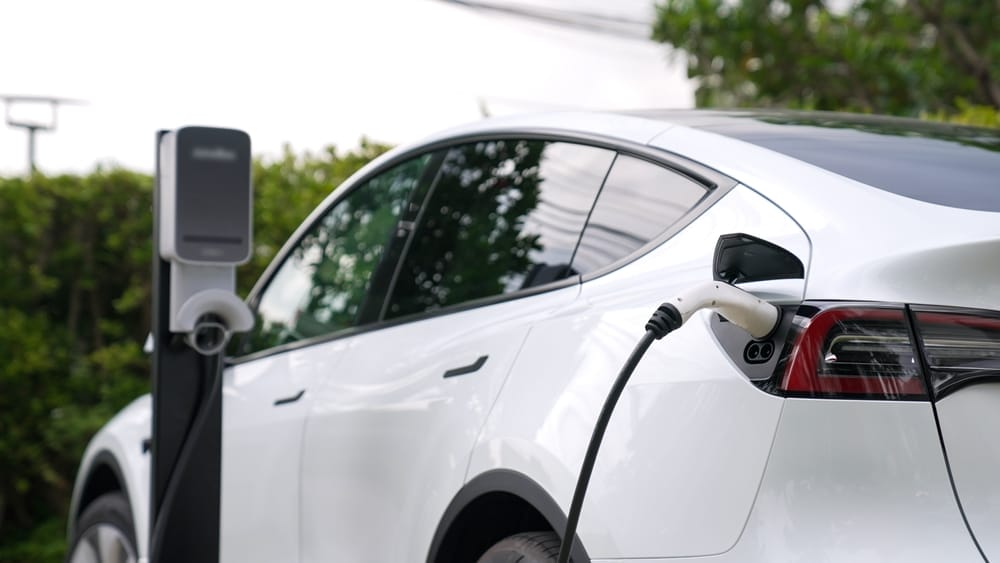
Electric cars are no longer a futuristic fantasy—they’re here, humming quietly beside you in traffic. As more drivers trade gas pumps for charging cables, the world of electric cars becomes increasingly interesting. From their surprising performance to the unexpected ways they affect the power grid, these vehicles are changing transportation faster than many realize. Understanding how electric cars work and what makes them unique helps drivers and investors see the bigger picture of where mobility is heading. Let’s plug in and explore seven wild facts about electric cars that might just change how you think about driving.
1. Electric Cars Can Outrun Sports Cars
Many people still picture electric cars as slow or dull, but that’s far from true. Electric motors deliver instant torque, meaning power is transmitted directly to the wheels without delay. Some electric cars can go from zero to sixty miles per hour in under three seconds, rivaling or beating high-end gasoline sports cars. The lack of gears also means smoother acceleration and fewer moving parts to wear out over time. For anyone who loves speed but hates gas bills, electric cars offer the best of both worlds.
2. The Batteries Are More Complex Than You Think
At the heart of every electric car is a massive battery pack, typically composed of thousands of individual lithium-ion cells wired in series. These batteries are engineered to balance energy density, safety, and lifespan. They include sophisticated cooling systems to prevent overheating and maximize performance in all weather conditions. The chemistry behind these batteries continues to evolve as manufacturers seek cheaper, lighter, and more sustainable materials. The race to improve battery technology is one reason electric cars keep getting better each year.
3. Electric Cars Can Power Your Home
One of the lesser-known capabilities of electric cars is bidirectional charging. Some models allow owners to use the car’s battery as a backup power source for their home. During a blackout, the car can feed electricity back into the house, keeping lights and appliances running. This feature, known as vehicle-to-home or V2H, turns electric cars into mobile energy storage units. As energy grids modernize, more utilities are exploring how electric cars could help stabilize power demand during peak hours. It’s a small step toward a smarter, more resilient energy system.
4. The Environmental Impact Isn’t Always Simple
Many drivers choose electric cars to reduce their carbon footprint, and in most cases, they do. But the environmental story is more complicated than just tailpipe emissions. Producing the batteries requires mining and processing materials like lithium, cobalt, and nickel, which can have significant environmental costs. However, as recycling technologies improve and renewable energy becomes more common, the lifetime emissions of electric cars continue to drop. For those curious about the math, EPA data on electric vehicle emissions shows that even when powered by a mixed energy grid, electric cars typically produce fewer total emissions than gasoline vehicles.
5. Charging Networks Are Growing Faster Than You Think
Just a few years ago, finding a public charger could be a challenge. Now, thousands of new charging stations are being installed every month across the world. Governments, automakers, and private companies are racing to expand infrastructure. In the United States, the Department of Energy’s charging station locator tracks a rapidly growing network that makes long-distance travel more practical than ever. With faster chargers capable of adding hundreds of miles in under 30 minutes, electric cars are shedding one of their biggest early drawbacks—range anxiety.
6. Maintenance Costs Are Surprisingly Low
Electric cars have fewer moving parts than traditional vehicles. There are no oil changes, timing belts, or exhaust systems to maintain. Regenerative braking also reduces wear on brake pads, meaning longer intervals between replacements. Over time, this simplicity adds up to significant savings. While battery replacement can be expensive, most batteries are built to last over 100,000 miles and often come with long warranties. For budget-conscious drivers, the lower maintenance costs make electric cars not just cleaner but cheaper to live with.
7. Some Electric Cars Make Artificial Engine Sounds
Because electric cars run almost silently, they can pose a risk to pedestrians who rely on sound cues to detect approaching traffic. To address this, regulators in many countries require electric cars to emit artificial sounds at low speeds. Automakers have responded creatively—some use futuristic hums, while others mimic the sound of traditional engines. It’s a strange twist: cars designed to be quiet now need to make noise for safety. This blend of technology and psychology shows how electric cars are reshaping not just transportation, but also how we experience it.
The Future Is Plugged In
Electric cars are more than a passing trend—they represent a turning point in how people think about energy, technology, and mobility. As battery innovation accelerates and infrastructure expands, the barriers that once held electric cars back are disappearing. The next decade will likely bring models with greater range, faster charging, and even lower costs. For anyone watching the automotive industry, the shift to electric cars is one of the most fascinating transformations in modern history.
What’s the most surprising thing you’ve learned about electric cars? Share your thoughts in the comments below.
What to Read Next…
- What That New Car Smell Might Be Hiding Legally
- 9 Cities Where Car Theft Is Becoming a Daily Occurrence
- 7 Tactics Grocery Stores Use to Keep You From Thinking About Price
- The Danger of Using Debit Cards While Traveling Abroad
- What Are Banks Really Doing With Your Personal Spending Data?

Travis Campbell is a digital marketer/developer with over 10 years of experience and a writer for over 6 years. He holds a degree in E-commerce and likes to share life advice he’s learned over the years. Travis loves spending time on the golf course or at the gym when he’s not working.
