
• Home
  • About Us
  • Toolkit
  • Getting Finances Done
    • Hiring Advisors
    • Debt Management
    • Spending Plan
  • Insurance
    • Life Insurance
    • Health Insurance
    • Disability Insurance
    • Homeowners/Renters Insurance
  • Contact Us
  • Privacy Policy
  • Risk Tolerance Quiz

The Free Financial Advisor

You are here: Home / Archives for safety

8 Essential Items Boomers Should Invest In If They’ll Be Living Alone

November 30, 2025 by Travis Campbell Leave a Comment

boomers

Image source: shutterstock.com

The aging process of Boomers reveals that they will spend their next life stage as single residents in their homes. People who choose to live by themselves gain independence through self-reliance, but they must create strategic plans. The right equipment helps people overcome challenges that become apparent when they live alone in their homes. People employ convenience as a protective method to defend their individual interests. The most vital financial investments should minimize risks while preserving individual freedom of choice.

1. Medical Alert System

A medical alert system acts as a lifeline for anyone living alone. One fall can change everything, especially when no one is there to help. A simple pendant or wrist device connects to an emergency response team within seconds. The technology stays out of the way until it’s needed. And when it is, the difference between immediate help and a long wait can decide the outcome.

Models with automatic fall detection add another layer of safety. They trigger even if the wearer can’t reach the button. For boomers managing chronic conditions or limited mobility, that feature becomes essential rather than optional.

2. Home Security System

A secure home provides stability for someone living alone, especially at night. Modern systems don’t require complex setup or contracts. Cameras, motion sensors, and entry alarms create a clear picture of what’s happening around the home. And they alert the owner within seconds if something isn’t right.

The value goes beyond break-ins. Some setups monitor smoke, carbon monoxide, and leaks. These threats escalate fast when no one else is there to notice early signs.

3. Smart Lighting

Lighting seems harmless until it isn’t. Dark hallways and poorly lit outdoor steps cause falls that are completely preventable. Smart lighting solves the problem by turning on automatically when someone enters a room or approaches the house. That eliminates fumbling for switches and avoids sudden darkness.

Scheduling lights also gives the home a lived-in look even when the owner is out. It’s a small deterrent that matters when a person living alone wants to reduce risk without making major changes to the property.

4. Backup Power Source

Power outages hit harder for those living alone. Losing heat, refrigeration, light, and phone charging capability at once creates an urgent situation. A backup generator or high-capacity power station bridges that gap. It keeps essential devices running until the grid returns.

Portable power stations work well for apartments or smaller homes. Generators handle larger loads. Either choice gives control back in moments that usually breed uncertainty.

5. Medication Management Tools

Medication schedules become more complicated with age. Missing a dose or taking too many can trigger serious health issues. Pill organizers with alarms, automated dispensers, or digital reminders cut down on errors. They simplify a routine that grows harder to track when days blend together, and schedules shift.

These tools add structure without creating clutter or pressure. For someone living alone, that structure protects both health and independence.

6. Durable Mobility Aids

Mobility issues can surface gradually, then escalate without warning. Canes, walkers, or grab bars in key areas reduce strain and steady movement. The goal isn’t to limit activity. It’s to make every step safer.

Quality matters. A flimsy cane or unstable walker can cause more harm than it prevents. Solid construction, adjustable height, and nonslip grips turn mobility aids into reliable partners rather than afterthoughts.

7. Meal Preparation Tools

Nutrition changes when someone shifts to living alone. Cooking full meals may feel unnecessary or exhausting. Small appliances like slow cookers, air fryers, or compact convection ovens bring back convenience. They allow easy meal prep without heavy lifting or complicated cleanup.

Healthy food becomes accessible again. And when meal prep stops feeling like a chore, it’s easier to maintain consistent nutrition—a key part of staying strong and steady.

8. Financial Management Software

Money mistakes become more likely when no one else shares the bills or notices irregularities. Financial management software organizes accounts, tracks spending, and flags unusual activity. It gives boomers a clear picture of their financial health without requiring spreadsheets or complex workflows.

This type of system also reduces the risk of missed payments. Automated reminders or autopay settings keep essentials current. And for someone living alone, that stability removes a constant worry.

Preparing for Independence

People develop stronger independence skills as they age, rather than losing them. The right equipment helps older adults who live alone stay independent while creating a safer home environment. The investments address critical issues while maintaining current operations, creating sustainable stability.

Which items do you believe are vital for your personal needs or for someone you care about? Please share your opinions through the comment section.

What to Read Next…

  • 6 Household Services You Can Eliminate Without Losing Quality Of Life
  • 8 Common Home Security Features That Aren’t As Safe As You Think
  • The True Cost Of Using Doordash For Senior Care Errands
  • 7 Ways Your Neighbor Could Be Spying On You Without Breaking The Law
  • 8 Things You’re Doing That Make Criminals Think You’re An Easy Target
Travis Campbell
Travis Campbell

Travis Campbell is a digital marketer/developer with over 10 years of experience and a writer for over 6 years. He holds a degree in E-commerce and likes to share life advice he’s learned over the years. Travis loves spending time on the golf course or at the gym when he’s not working.
Filed Under: Personal Finance Tagged With: aging, Boomers, independent living, retirement planning, safety

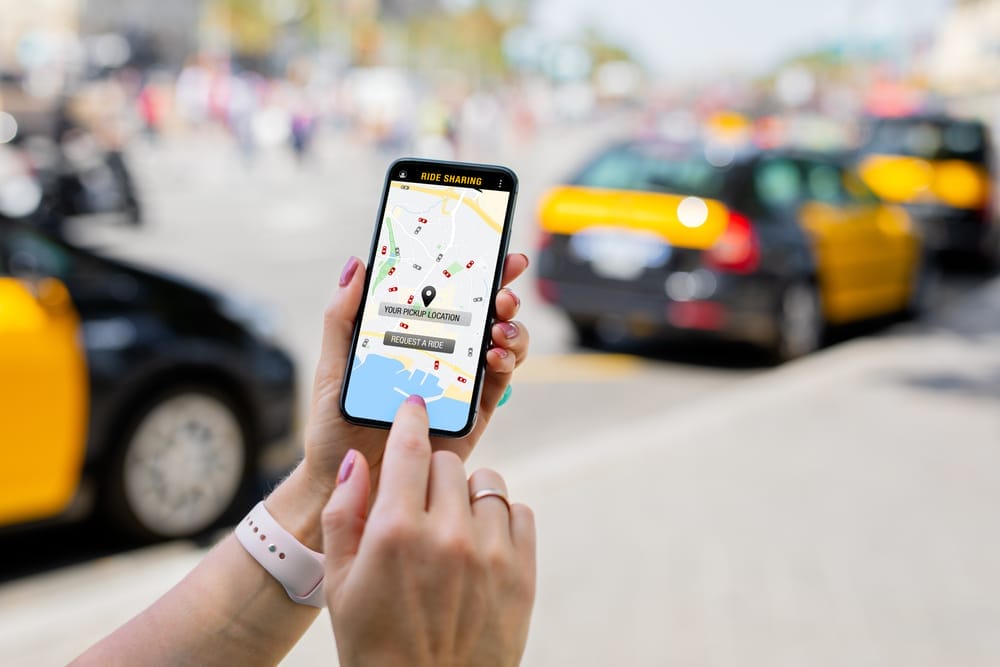
7 Dangers Lurking in Rideshare Apps You’ve Probably Ignored

November 26, 2025 by Travis Campbell Leave a Comment

rideshare

Image source: shutterstock.com

Rideshare apps have become commonplace. Users activate their screens before entering vehicles, which then transport them to their desired locations. The user-friendly design of rideshare apps conceals dangerous situations that users cannot see through their app interfaces or driver profiles. The system contains two types of problems: visible issues that users can see, and hidden issues in data settings and fast business processes. People tend to disregard these risks until they witness the adverse effects firsthand. The analysis of rideshare app security risks has become essential because users often disregard potential threats when using these services.

1. Data Trails That Don’t Disappear

Rideshare apps collect precise information about where people go, when they go, and how often they travel. That means every trip creates a data point tied to routines, habits, and private details. The data often stays on servers long after a person deletes the app. In some cases, the location history built by rideshare apps can reveal medical visits, financial errands, or personal relationships. This depth of information turns a simple ride request into a long-term record that can create vulnerabilities if mishandled or breached.

2. Surge Pricing That Quietly Drains Budgets

Surge pricing feels like a temporary inconvenience, but its impact stretches further. The algorithms shift fares in real time, sometimes doubling or tripling prices without warning. People often find themselves paying significantly more during peak hours when they have the fewest alternatives. These spikes create unpredictable expenses that undermine budgeting efforts. Over time, recurring surges make rideshare apps far more expensive than they appear in marketing claims or default fare estimates.

3. Driver Identity Gaps

Verification systems look strict from the outside. Inside the apps, gaps still exist. Photos may be outdated, names may appear similar, and occasional mismatches slip through unnoticed. The ride starts before the rider realizes something feels off. When that happens, a sense of safety built on trust in the app breaks down. And once the ride begins, exiting a moving car or arguing with a driver becomes a risk in itself.

4. App Glitches That Leave Riders Stranded

Most rides run smoothly until the app freezes, the GPS fails, or the platform crashes during high-traffic times. A stalled request can leave someone waiting alone at night or stuck outside in an unfamiliar area. Even when the app restarts, previous cancellations or broken connections can trigger penalties or delayed pickups. The reliance on rideshare apps for transportation makes these glitches more than technical hiccups—they become real safety issues disguised as simple errors.

5. Background Checks That Miss Critical Information

Rideshare companies promote safety processes, but the checks often rely on databases that update inconsistently. Recent incidents or unresolved cases may not appear, and the screening windows sometimes exclude relevant events. This creates a gap between what riders assume about driver histories and what the platform can actually confirm. When a driver with missing or outdated records is approved, the oversight exposes passengers to risks that go unnoticed until it’s too late.

6. Vehicle Safety Standards That Vary Widely

Cars participating in rideshare programs range from brand-new models to older vehicles that have barely passed inspection. Some drivers maintain their cars meticulously. Others cut corners. A clean interior can hide mechanical issues, poor tire conditions, or missing safety features. Riders rarely check because the transaction moves fast. That quick entry into an unknown car, combined with the assumption that the platform enforces strict standards, creates a false sense of security.

7. Quiet Shifts in Privacy Policies

Privacy policies inside rideshare apps change often. Updates typically come through small pop-up notices or long documents that most people accept without reading. Those quiet changes can alter how trip data is stored, shared, or monetized. A single update may expand a company’s ability to use detailed travel patterns for internal modeling or outside partnerships. Over time, these incremental shifts reshape how personal information is handled while giving riders little control over the outcome.

Why These Risks Keep Growing

The rapid growth of rideshare applications has outpaced the protective measures that should support them. The companies operating these platforms operate at high speed, but implementing oversight and consumer protection measures takes extended periods of time. The combination of feature development, increased trip data collection, and rising user numbers increases the risk of accidents, financial losses, and privacy violations. The same technology that provides affordable, quick transportation also raises financial, safety, and privacy issues that require human intervention to address.

People who understand how rideshare apps function can use them by setting specific goals and making logical choices. Knowledge of rideshare app operations does not eliminate all dangers, but it reduces the unknowns surrounding this widely used service. What issues have you faced while using your rideshare app?

What to Read Next…

  • Whos Watching Your Financial Apps Without You Knowing It
  • How Your Wi Fi Router Placement Might Be Sharing Personal Info
  • What Scams Are Targeting Retirees While You Still Trust Your Phone
  • 6 Phone App Permissions That Spy On Your Financial Life
  • Are Financial Apps Sharing Your Spending Data More Than You Realize
Travis Campbell
Travis Campbell

Travis Campbell is a digital marketer/developer with over 10 years of experience and a writer for over 6 years. He holds a degree in E-commerce and likes to share life advice he’s learned over the years. Travis loves spending time on the golf course or at the gym when he’s not working.

Filed Under: Online Safety Tagged With: budgeting, Personal Finance, privacy, rideshare, safety, transportation

7 Everyday Car Items Thieves Are Watching for Right Now

November 17, 2025 by Travis Campbell Leave a Comment

Car Thief

Image source: shutterstock.com

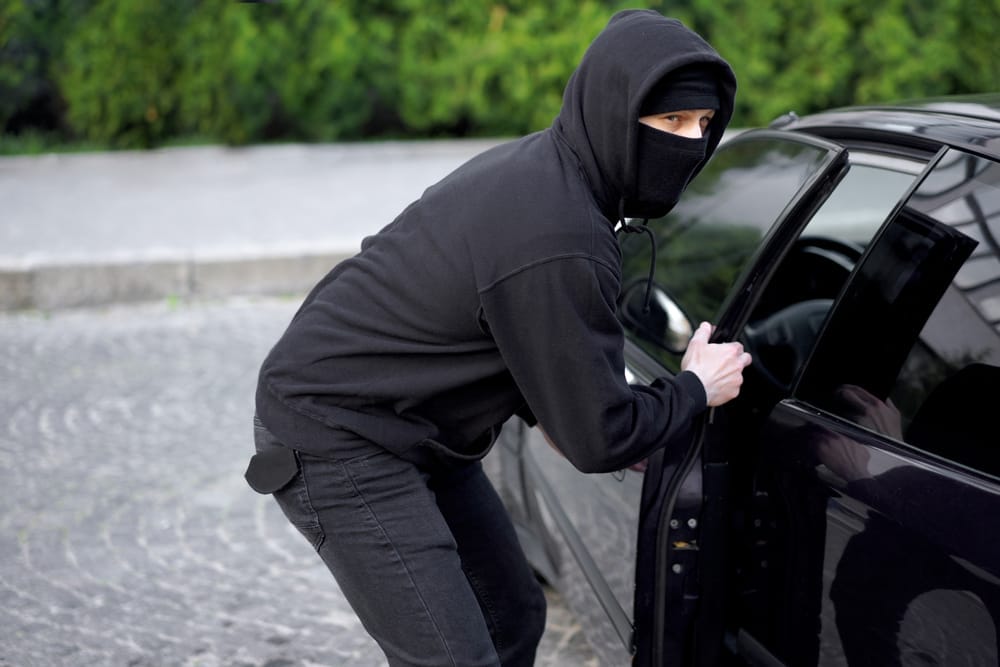
Most car thefts begin with drivers leaving items inside their vehicles, which are then stolen by thieves in dark parking areas and urban streets. Thieves seek fast access to stolen items, so any visible object in plain view becomes an attractive target. A person can steal from your car during any brief period when you stop at a store or school to drop off your children. Regular interior checks of your car help protect it from break-ins, as this practice helps prevent future security issues from occurring. Knowledge about car theft initiation points helps you prevent thieves from taking advantage of your situation.

1. Wallets and Loose Cash

Nothing draws attention faster than cash or a wallet on a seat. Thieves want small items they can grab in seconds, and they know a wallet usually includes far more than money. IDs, bank cards, gift cards, and membership passes can all be misused long after the thief leaves the scene.

Many drivers assume loose cash is harmless, but even a few bills can suggest that something more valuable is tucked away. This is how a quick smash-and-grab escalates from curiosity into full-blown car theft when thieves believe better items might be hidden elsewhere in the vehicle.

2. Laptops and Tablets

A laptop bag looks expensive even if it only holds a few cables. Criminals rarely assume it contains nothing important. Portable electronics resell easily, and thieves know buyers rarely ask where they came from.

Even when devices are powered off, they sometimes broadcast Bluetooth signals. Some thieves use scanners to detect them, which increases the chance of a break-in. Leaving electronics in your trunk before reaching your destination is safer than moving them once you arrive, when someone could be watching.

3. Keys and Key Fobs

Car keys left inside a vehicle can immediately escalate into full car theft. A thief no longer needs to break or hotwire anything—they simply drive away. People often hide spare keys in cupholders, center consoles, or seat pockets, assuming nobody will look there. Thieves check those spots first.

Some criminals also watch for key fobs left in gym bags or backpacks. Modern cars often unlock or start if the fob is close enough, which can make the entire vehicle an easy target. A fob left overnight inside a car can even let someone get in without breaking a window.

4. Mail and Packages

Mail feels boring, but it contains personal data that can be misused. Bank statements, tax letters, or insurance documents provide thieves with enough information to attempt identity theft. Even junk mail can reveal your address and make you an easier target later.

Packages left in cars signal that something new or valuable might be inside. Thieves assume small boxes carry electronics, and they move fast. Car theft often begins with someone spotting a simple package and guessing that it leads to something bigger worth stealing.

5. Shopping Bags

Branded shopping bags are an advertisement for potential loot. A bag from an athletic store, electronics retailer, or home goods chain can draw attention even if the item inside is inexpensive.

Even reusable grocery bags can be targeted because thieves know people sometimes leave wallets or keys buried under produce or receipts. When someone believes a car might contain something worth money, they rarely hesitate.

6. Garage Door Openers

This small device provides thieves with direct access to your home. Breaking into a car is one thing but entering a house while you’re away is far more damaging. A thief who grabs a garage opener can quickly follow it to your address if your registration paperwork is also in the glove compartment.

That combination—garage opener plus personal details—creates an opportunity for a second crime. Many victims don’t realize a break-in is coming until days later.

7. Phone Chargers and GPS Mounts

These small items may not be valuable on their own, but they hint at the presence of more expensive electronics hidden somewhere in the car. A charger suggests a phone or tablet might be tucked in a console or under a seat. A GPS mount tells thieves that a navigation device could be within reach.

Some criminals move fast and don’t bother checking whether anything else is inside. Others return later, assuming the car will eventually contain the electronics usually paired with those accessories. This is one of the subtle ways car theft patterns start.

Keeping Your Vehicle a Low-Interest Target

The selection of small actions determines how well you can stop thieves from stealing your property. Your vehicle becomes less noticeable to thieves when you keep attractive items out of sight because it blends with its environment instead of drawing attention. The process of car theft begins when thieves make quick decisions based on their assessment of a vehicle’s value. Your vehicle becomes more secure when you remove all visible clues and attractive items because this strategy deters potential intruders.

People commonly forget to remove their gym bags, old laptops, and shopping bags containing their purchases from their vehicles. Do you tend to store personal belongings inside your vehicle for longer periods than you should?

What to Read Next…

  • 9 Cities Where Car Theft Is Becoming a Daily Occurrence
  • 8 Things You’re Doing That Make Criminals Think You’re an Easy Target
  • 7 Places Criminals Watch Before Picking a Home to Rob
  • 8 Common Home Security Features That Aren’t as Safe as You Think
  • What That New Car Smell Might Be Hiding Legally
Travis Campbell
Travis Campbell

Travis Campbell is a digital marketer/developer with over 10 years of experience and a writer for over 6 years. He holds a degree in E-commerce and likes to share life advice he’s learned over the years. Travis loves spending time on the golf course or at the gym when he’s not working.

Filed Under: Car Tagged With: auto tips, car theft, Personal Finance, safety, vehicle security

Why Are Nursing Homes Hiring Private Security Now?

July 30, 2025 by Travis Campbell Leave a Comment

nursing home

Image Source: pexels.com

Nursing homes are supposed to be safe places. Families trust these facilities to care for their loved ones. But lately, more nursing homes are hiring private security. This change is raising questions. Why is this happening? And what does it mean for residents, families, and staff? If you have a loved one in a nursing home, or you’re planning for the future, you need to know what’s behind this trend.

1. Rising Safety Concerns

Nursing homes are seeing more safety issues. Some facilities have reported an increase in theft, vandalism, and even physical altercations. Residents can be vulnerable. Staff can’t always watch every corner. Private security helps fill that gap. Security guards can monitor entrances, patrol hallways, and respond quickly if something goes wrong. This extra layer of protection can make families feel more at ease.

2. Increase in Resident Wandering

Wandering is a real problem in nursing homes, especially for people with dementia or Alzheimer’s. Residents sometimes leave the building without anyone noticing. This can be dangerous. Security teams can help prevent these incidents. They watch exits and use technology like cameras and alarms. When someone tries to leave, security can step in right away. This keeps residents safe and reduces the risk of accidents.

3. More Visitors, More Risks

Nursing homes have opened their doors to more visitors since pandemic restrictions eased. While visits are important, they also bring new risks. Not every visitor has good intentions. Some may try to steal, cause trouble, or bring in banned items. Security guards check IDs, monitor who comes and goes, and make sure everyone follows the rules. This helps protect residents and staff from outside threats.

4. Staff Shortages and Burnout

Many nursing homes are short-staffed. Nurses and aides are stretched thin. They don’t have time to handle security issues on top of their regular duties. Private security takes some of that pressure off. Guards can handle conflicts, watch for suspicious activity, and deal with emergencies. This lets healthcare workers focus on caring for residents. It also helps prevent staff burnout, which is a big problem in the industry.

5. Legal and Liability Pressures

Lawsuits against nursing homes are on the rise. Families expect facilities to keep their loved ones safe. If something goes wrong, the nursing home can be held responsible. Hiring private security shows that the facility is taking safety seriously. It can also help in court if there’s ever a legal dispute. Security cameras and incident reports provide evidence. This can protect the nursing home from costly lawsuits and insurance claims.

6. Rise in Resident-on-Resident Incidents

Conflicts between residents are becoming more common. Sometimes, these disagreements turn physical. Staff may not always be able to step in fast enough. Security guards are trained to de-escalate situations. They can break up fights and prevent injuries. This keeps everyone safer and helps maintain a peaceful environment.

7. Protecting Against External Threats

Nursing homes are not immune to crime. There have been reports of break-ins, scams, and even violent incidents targeting these facilities. Security guards act as a deterrent. Their presence alone can stop criminals from targeting the building. They also know how to handle emergencies, like an intruder or a suspicious package. This level of preparedness is important for everyone’s peace of mind.

8. Managing Medical Emergencies

Security guards do more than just watch doors. Many are trained in first aid and emergency response. If a resident falls or has a medical crisis, security can help until medical staff arrive. They can also help evacuate residents during fires or other disasters. This quick response can save lives.

9. Supporting Mental Health and Well-Being

Feeling safe is important for mental health. Residents who worry about theft or violence may become anxious or depressed. Families may hesitate to visit if they don’t feel secure. Security guards help create a calm, safe environment. This can improve the mood and well-being of everyone in the building.

10. Adapting to a Changing World

The world is changing fast. New threats pop up all the time. Nursing homes need to adapt. Private security is one way to do that. It’s not just about reacting to problems. It’s about being proactive. Facilities that invest in security are showing they care about safety. This can help attract new residents and keep current ones happy.

Safety in Nursing Homes Is Everyone’s Business

Hiring private security in nursing homes is not just a trend. It’s a response to real problems. Safety concerns, staff shortages, legal risks, and changing visitor patterns all play a role. Private security helps protect residents, staff, and visitors. It also gives families peace of mind. If you’re choosing a nursing home, ask about their security measures. It’s an important part of quality care.

Have you noticed more security at nursing homes? How do you feel about it? Share your thoughts in the comments.

Read More

Your Parents Should Never End Up In A Nursing Home If They Do These 10 Things Right Now

7 Types of Nursing Homes You Should Never Leave Your Parents In

Travis Campbell
Travis Campbell

Travis Campbell is a digital marketer/developer with over 10 years of experience and a writer for over 6 years. He holds a degree in E-commerce and likes to share life advice he’s learned over the years. Travis loves spending time on the golf course or at the gym when he’s not working.

Filed Under: safety Tagged With: elder care, healthcare, legal issues, nursing homes, private security, safety, senior living, staff shortages

8 Common Home Security Features That Aren’t As Safe As You Think

July 28, 2025 by Travis Campbell Leave a Comment

home security

Image Source: pexels.com

Home security is a big deal for most people. You want to feel safe in your own space. You buy the latest gadgets, install cameras, and set up alarms. But what if some of these common home security features aren’t as safe as you think? It’s easy to trust the tools you use every day, but sometimes they have hidden flaws. Knowing where your security might fall short can help you make better choices and keep your home—and your family—safer.

1. Keypad Door Locks

Keypad door locks seem convenient. You don’t need to carry keys, and you can share codes with family or friends. But these locks have weaknesses. Many people use simple codes, such as “1234” or their birthdays. Thieves know this. Some keypads also show wear on the most frequently used numbers, making it easier to guess the code. And if the lock connects to Wi-Fi, hackers can sometimes gain remote access. If you use a keypad lock, pick a strong code and change it often. Clean the keypad to avoid leaving clues. And if it’s a smart lock, keep the software updated.

2. Fake Security Cameras

Fake cameras are cheap and easy to install. They might scare off some people, but experienced burglars can spot them. Most fake cameras don’t have wires or real lenses. Some even have blinking lights, which real cameras rarely use. If someone is serious about breaking in, a fake camera won’t stop them. Real security cameras are better. They record evidence and can alert you to trouble. If you want real protection, invest in a working camera system.

3. Glass Door and Window Sensors

Sensors on glass doors and windows are common. They beep if someone opens a door or window. But they don’t always catch a break-in. If a thief breaks the glass and climbs through without opening the window, the sensor might not trigger. Some sensors only work if the frame moves. For better security, use glass-break detectors. These listen for the sound of breaking glass and can catch more types of break-ins.

4. Motion-Activated Lights

Motion-activated lights are everywhere. They light up your yard when someone walks by. But they aren’t foolproof. Animals, wind, or even passing cars can set them off. Over time, people start to ignore them. Burglars know this. They might test the lights to see if anyone responds. If no one comes out, they know it’s safe to keep going. Motion lights work best with other security features, like cameras or alarms. Don’t rely on them alone.

5. Sliding Glass Door Locks

Sliding glass doors are a weak spot in many homes. The standard locks are easy to break or force open. Some burglars lift the door off its track. Others use a simple tool to pop the lock. Adding a bar or rod in the track helps, but it’s not perfect. For better security, use a pin lock or a security bar designed for sliding doors. You can also add shatter-resistant film to the glass.

6. Alarm System Yard Signs

Many people put alarm company signs in their yard. The idea is to scare off burglars. But signs alone don’t stop anyone. Some people even buy fake signs online. Experienced thieves know which signs are real and which aren’t. They might even see a sign as a clue that you have an older system that’s easy to bypass. If you use a sign, make sure you have a real, working alarm system behind it. And keep your system updated.

7. Smart Doorbells

Smart doorbells let you see who’s at your door from your phone. They record video and can even talk to visitors. But they have risks. If the Wi-Fi isn’t secure, hackers can access the camera or your home network. Some smart doorbells have been found to share data with third-party companies, raising concerns about privacy. If you use a smart doorbell, set a strong password and enable two-factor authentication. Update the software regularly. And check the privacy settings to control what data gets shared.

8. Window Bars

Window bars look tough. They keep people from climbing in. But they can also trap you inside during a fire or emergency. Some bars are easy to remove from the outside if they aren’t installed well. Others rust or break over time. If you use window bars, make sure they have a quick-release feature from the inside. Test them often to make sure they work. And don’t block every window—leave at least one exit in case you need to get out fast.

Rethinking Home Security: What Really Keeps You Safe

Home security features are only as strong as their weakest link. It’s easy to trust a lock, a camera, or a sign, but real safety comes from knowing the limits of your tools. Don’t assume that a popular gadget will protect you. Look for the gaps in your system. Combine different types of security and keep everything updated. Most of all, stay alert. The best defense is knowing what works—and what doesn’t. Your home is worth the extra effort.

Have you ever been surprised by a security feature that didn’t work as expected? Share your story or tips in the comments.

Read More

What Happens to Your Social Security If the Government Shuts Down Again?

Home Security Mistakes That Attract Break-Ins

Travis Campbell
Travis Campbell

Travis Campbell is a digital marketer/developer with over 10 years of experience and a writer for over 6 years. He holds a degree in E-commerce and likes to share life advice he’s learned over the years. Travis loves spending time on the golf course or at the gym when he’s not working.

Filed Under: safety Tagged With: burglary prevention, home protection, home security, safety, security tips, smart home

The True Cost of Using DoorDash for Senior Care Errands

July 23, 2025 by Travis Campbell Leave a Comment

doordash

Image Source: pexels.com

Getting groceries, prescriptions, or household items delivered can be a real help for seniors and their families. DoorDash and similar services promise convenience, but the true cost goes beyond the delivery fee. If you’re thinking about using DoorDash for senior care errands, it’s important to look at the full picture. The price you see on the app is just the start. There are hidden costs, safety concerns, and other factors that can affect your wallet and your peace of mind. Here’s what you need to know before you tap “order.”

1. Service Fees Add Up Fast

DoorDash charges more than just the price of the items. There’s a delivery fee, a service fee, and sometimes a small order fee. These can add up quickly, especially if you use the service often. For example, a $20 grocery order can easily become $30 or more after all the fees. If you’re on a fixed income, these extra costs can make a big difference over time. And if you need to order several times a week, the monthly total can be surprising. Always check the breakdown before you place an order.

2. Marked-Up Prices on Everyday Items

Many people don’t realize that prices on DoorDash are often higher than in-store prices. Retailers sometimes charge more for items sold through delivery apps. That means you might pay $5 for a loaf of bread that costs $3 at the store. Over time, these markups can add up to hundreds of dollars a year. If you’re helping a senior manage their budget, this is something to watch closely. You can compare prices by checking the store’s website or calling the store directly.

3. Tipping Expectations and Social Pressure

Tipping is expected on DoorDash, and the app often suggests a tip amount. While tipping is important for drivers, it’s another cost to consider. Some people feel pressured to tip more than they can afford, especially when the app suggests higher amounts. If you’re ordering for a senior on a tight budget, this can be stressful. There’s no rule for how much to tip, but most people give at least 15-20%. For frequent orders, this adds up. It’s okay to tip what you can, but be aware of the social pressure built into the app.

4. Delivery Delays and Unreliable Timing

DoorDash isn’t always as fast as it claims. Drivers can get lost, stuck in traffic, or delayed by other orders. For seniors who need medication or meals at a certain time, these delays can be a real problem. If you’re relying on DoorDash for time-sensitive errands, you might end up waiting longer than expected. This can be stressful, especially if you’re managing health needs. It’s a good idea to have a backup plan in case the delivery is late or canceled.

5. Safety and Security Concerns

Letting strangers deliver to your home can raise safety concerns, especially for seniors living alone. While most drivers are trustworthy, there have been reports of theft, scams, or uncomfortable interactions. Seniors may feel uneasy opening the door to someone they don’t know. If you’re using DoorDash for a loved one, talk to them about safety. Consider using a video doorbell or having a neighbor nearby during deliveries.

6. Limited Personalization and Communication

DoorDash drivers are focused on speed, not personal service. If a senior needs help bringing groceries inside, checking expiration dates, or making sure items are correct, the driver may not be able to help. There’s little room for special requests or extra care. For seniors who need more than just a drop-off, this can be a problem. If you need a higher level of service, you might need to look for local helpers or specialized senior care services.

7. Impact on Local Community Support

Using DoorDash can mean less contact with local stores and neighbors. For many seniors, shopping is a way to stay connected to the community. Relying on delivery apps can lead to isolation. Local stores may also lose business when people order through third-party apps. If you want to support your community and help seniors stay engaged, consider other options. Some local stores offer their own delivery or pickup services, often at a lower cost.

8. Subscription Services Don’t Always Save Money

DoorDash offers a subscription called DashPass, which promises free delivery and lower fees for a monthly charge. This sounds like a good deal, but it only saves money if you order often. If you’re only using DoorDash for occasional errands, the subscription fee can be a waste. Do the math before signing up. Track how much you spend each month and compare it to the cost of DashPass. Sometimes, paying per order is cheaper in the long run.

9. The Emotional Cost of Relying on Apps

There’s an emotional side to using delivery apps for senior care. Some seniors feel a loss of independence when they can’t shop for themselves. Others may feel embarrassed or uncomfortable relying on strangers. It’s important to talk openly about these feelings. Using DoorDash can be helpful, but it’s not a perfect solution for everyone. Make sure the senior in your life feels comfortable and involved in the decision.

Weighing Convenience Against True Value

DoorDash can make life easier, but the true cost is more than just money. Service fees, price markups, tipping, and safety concerns all add up. For seniors and their families, it’s important to look at the full picture. Sometimes, local options or community support offer better value and peace of mind. Before you rely on DoorDash for senior care errands, weigh the pros and cons carefully. The right choice is the one that fits your needs, budget, and comfort level.

Have you used DoorDash or another delivery app for senior care errands? What was your experience? Share your thoughts in the comments.

Read More

8 Apps That Are Quietly Stealing Your Retirement Budget

10 Popular Side Hustles That Are Just Legalized Exploitation

Travis Campbell
Travis Campbell

Travis Campbell is a digital marketer/developer with over 10 years of experience and a writer for over 6 years. He holds a degree in E-commerce and likes to share life advice he’s learned over the years. Travis loves spending time on the golf course or at the gym when he’s not working.

Filed Under: Budgeting Tagged With: budgeting, community, delivery apps, DoorDash, elder support, hidden costs, Personal Finance, safety, senior care

What Happens When You Forget to Update Your Emergency Contact Info

July 22, 2025 by Travis Campbell Leave a Comment

emergency contact

Image Source: pexels.com

Life moves fast. You change jobs, move to a new city, or lose touch with old friends. But there’s one thing most people forget to update: their emergency contact info. It seems like a small detail, but it can have big consequences. If something happens and your emergency contact is outdated, the people who need to help you might not be able to. This isn’t just about paperwork. It’s about your safety, your family, and your peace of mind. Here’s why keeping your emergency contact info current matters—and what can go wrong if you don’t.

1. Delayed Medical Help

When you’re in the hospital, doctors and nurses need to reach someone fast. If your emergency contact info is old, they might call a number that’s no longer in service or reach someone who doesn’t know you well. This can slow down important decisions about your care. Sometimes, medical staff need permission to perform certain procedures. If they can’t reach your emergency contact, you might not get the care you need as quickly as possible. In emergencies, every minute counts. Keeping your emergency contact info up to date helps make sure you get the right help, right away.

2. Family Left in the Dark

Imagine something happens to you, and your family doesn’t know. If your emergency contact is an old roommate or a former coworker, your loved ones might not hear about your situation until much later. This can cause a lot of stress and confusion. Your family wants to be there for you, but they can’t if they don’t know what’s going on. Updating your emergency contact info means the right people get the call when it matters most. It’s a simple way to keep your family in the loop and avoid unnecessary worry.

3. Problems at Work

Most employers ask for emergency contact info when you start a job. But how often do you update it? If something happens at work—like an accident or sudden illness—HR will use the info they have on file. If it’s outdated, they might not reach the right person. This can create problems for you and your employer. Your boss might have to make tough decisions without your family’s input. And your loved ones might not find out about your situation until it’s too late to help. Keeping your emergency contact info current at work protects you and your family.

4. Legal and Financial Complications

Sometimes, your emergency contact is needed for more than just medical reasons. If you’re unable to make decisions, your emergency contact might be asked to help with legal or financial matters. If the info is outdated, the wrong person could be contacted—or no one at all. This can lead to delays in important decisions, missed deadlines, or even legal trouble. For example, if you’re in the hospital and bills need to be paid, your emergency contact might need to step in. If they can’t be reached, you could face late fees or other problems. Keeping your info up to date helps avoid these headaches.

5. Missed Opportunities for Support

When something goes wrong, you want the people who care about you to know. If your emergency contact info is old, you might miss out on the support you need. Friends and family can’t help if they don’t know what’s happening. This can leave you feeling isolated at a time when you need support the most. Updating your emergency contact info makes sure the right people are there for you, whether you need a ride home or someone to talk to.

6. Complications for Children and Dependents

If you have kids or care for someone else, your emergency contact info matters even more. Schools, daycares, and caregivers rely on this info to reach you or someone you trust. If your info is outdated, your child might be left waiting, or the wrong person could be contacted in an emergency. This can be scary for kids and stressful for everyone involved. Ensure your emergency contact information is up to date everywhere it matters, including at school, with caregivers, and at work.

7. Issues During Travel

Traveling adds another layer of risk. If something happens while you’re away, local authorities or medical staff will use your emergency contact info to reach someone back home. If the info is wrong, your loved ones might not find out about your situation until much later. This can make a bad situation worse. Before you travel, check that your emergency contact info is up to date with your airline, hotel, and any travel insurance providers.

8. Difficulty in Crisis Situations

Natural disasters, accidents, or sudden health issues can happen without warning. In these moments, having the right emergency contact info can make all the difference. First responders and hospitals rely on this info to notify your loved ones and get you the help you need. If your info is outdated, it can slow down the process and create confusion. The American Red Cross stresses the importance of keeping emergency contact information current for disaster preparedness. Don’t wait for a crisis to realize your info is out of date.

Keep Your Emergency Contact Info Current—It’s Worth the Effort

Updating your emergency contact info doesn’t take long, but it can make a huge difference when it matters most. It’s about more than just filling out a form. It’s about making sure the right people are there for you in an emergency. Take a few minutes today to check your info at work, with your doctor, your child’s school, and anywhere else it matters. You’ll have peace of mind knowing you’re prepared.

Have you ever had an issue because your emergency contact info was out of date? Share your story or tips in the comments.

Read More

What Happens When Google Maps Sends Emergency Services to the Wrong Address

Why Crowdfunding Might Be Your Next Emergency Fund

Travis Campbell
Travis Campbell

Travis Campbell is a digital marketer/developer with over 10 years of experience and a writer for over 6 years. He holds a degree in E-commerce and likes to share life advice he’s learned over the years. Travis loves spending time on the golf course or at the gym when he’s not working.

Filed Under: Public Safety Tagged With: crisis planning, emergency contact, Family, health, legal, Personal Finance, safety, travel, workplace

What Happens When Google Maps Sends Emergency Services to the Wrong Address

July 20, 2025 by Travis Campbell Leave a Comment

google maps

Image Source: pexels.com

Emergencies are stressful enough. When you call 911, you expect help to arrive fast and at the right place. But what if Google Maps sends emergency services to the wrong address? This isn’t just a tech glitch—it can mean the difference between life and death. Many people trust digital maps for everything, including emergencies. But mistakes happen, and the results can be serious. Understanding what goes wrong and how to protect yourself matters to everyone who relies on their phone for directions.

1. Delayed Response Can Put Lives at Risk

When Google Maps sends emergency services to the wrong address, the most obvious problem is a delay. Every minute counts in an emergency. If an ambulance, fire truck, or police car goes to the wrong place, the person who needs help waits longer. Sometimes, that wait can be the difference between a good outcome and a tragedy. For example, a heart attack victim may not survive if help is delayed by even a few minutes. The same goes for fires or violent crimes. Delays caused by wrong directions can have real, lasting consequences.

2. Confusion for First Responders

First responders rely on accurate information. When they arrive at the wrong address, they waste time figuring out what went wrong. They may knock on doors, ask neighbors, or call dispatch for clarification. This confusion slows everything down. It also increases stress for the responders, who want to help as quickly as possible. In some cases, they may even leave the scene if they think the call was a false alarm. This can make it even harder to get help to the right place.

3. Privacy and Safety Concerns for Uninvolved Residents

Imagine emergency vehicles showing up at your door by mistake. It’s unsettling. You might worry that something happened to a loved one or that you’re in danger. Sometimes, police or paramedics enter homes or yards looking for the person in need. This can feel like an invasion of privacy. It can also cause fear or confusion, especially for children or elderly residents. In rare cases, these mistakes have led to confrontations or misunderstandings. No one wants to be surprised by flashing lights and sirens at their home for no reason.

4. The Role of Outdated or Incorrect Map Data

Google Maps is powerful, but it’s not perfect. Sometimes, addresses are listed incorrectly. New buildings might not appear on the map. Rural areas or apartment complexes can be especially tricky. If the map data is wrong, emergency services may be sent to the wrong place. Even small errors, like a misplaced pin or a missing street, can cause big problems. Keeping map data up to date is a huge challenge, especially as cities grow and change.

5. How Emergency Dispatch Centers Use Technology

Most 911 centers use a mix of technology and human judgment. They may rely on Google Maps, but they also use other mapping tools and databases. Sometimes, the address you give is checked against several sources. But if the information is wrong in all of them, the problem gets worse. Some dispatchers are trained to double-check locations, especially if something seems off. But in a fast-moving emergency, mistakes can slip through. Technology is helpful, but it’s not a replacement for careful communication.

6. Steps You Can Take to Protect Yourself

You can’t control every detail, but you can lower your risk. Always double-check your address in Google Maps and other apps. Make sure your home is easy to find, with clear numbers on your house or mailbox. If you live in a new development or a rural area, check that your address appears correctly on digital maps. If it doesn’t, you can report the error to Google Maps. When calling 911, give clear, simple directions. Mention landmarks or cross streets if possible. Don’t assume the dispatcher can see your exact location.

7. What to Do If Emergency Services Go to the Wrong Address

If you notice emergency vehicles in the wrong place, speak up. If it’s safe, let responders know they’re at the wrong address. If you called 911 and help hasn’t arrived, call back and confirm your location. Give as much detail as you can. Stay calm and answer questions clearly. If you see a pattern of mistakes in your area, contact your local government or emergency services to report the problem. Sometimes, fixing a map error can help your whole neighborhood.

8. The Bigger Picture: Technology Isn’t Perfect

We rely on technology for almost everything, including emergencies. But no system is flawless. Google Maps is a tool, not a guarantee. Mistakes can happen, and the results can be serious. It’s important to stay aware and take steps to protect yourself. Don’t assume that technology will always get it right. Be proactive about your safety and your address information.

Staying Safe in a Digital World

When Google Maps sends emergency services to the wrong address, the risks are real. Delays, confusion, and privacy issues can all result from a simple mapping error. But you can take steps to protect yourself. Check your address, give clear directions, and stay alert. Technology is helpful, but it’s not perfect. Your actions can make a difference when every second counts.

Have you ever had emergency services show up at the wrong address? Share your story or thoughts in the comments below.

Read More

How to Travel the World on $10K: 10 Realistic Tips You Need to Know

Old Fashion Door Locks Don’t Work Anymore: Try These Five Burglar Resistant Alternatives

Travis Campbell
Travis Campbell

Travis Campbell is a digital marketer/developer with over 10 years of experience and a writer for over 6 years. He holds a degree in E-commerce and likes to share life advice he’s learned over the years. Travis loves spending time on the golf course or at the gym when he’s not working.

Filed Under: safety Tagged With: 911, digital maps, emergency services, Google Maps, mapping errors, Public Safety, safety, technology

These 12 States Are Failing Their Residents in Jobs, Happiness, and Safety

May 26, 2025 by Travis Campbell Leave a Comment

states

Image Source: pexels.com

If you’re thinking about moving or just curious about how your state stacks up, you might want to pay close attention to where you live. Not all states are created equal when it comes to jobs, happiness, and safety. In fact, some states consistently fall short, leaving their residents struggling with high unemployment, low life satisfaction, and even personal safety concerns. Understanding which states are lagging behind can help you make smarter decisions for your family, your career, and your overall well-being. Let’s dive into the 12 states that are failing their residents—and what you can do if you find yourself living in one of them.

1. Mississippi

Mississippi often ranks at the bottom for jobs, happiness, and safety. The state has one of the highest poverty rates in the country, and job opportunities are limited, especially in rural areas. U.S. News & World Report, Mississippi also struggles with low life expectancy and high crime rates. If you’re a resident, consider seeking remote work opportunities or upskilling to improve your job prospects.

2. Louisiana

Louisiana faces persistent challenges with unemployment and crime. The state’s violent crime rate is among the highest in the nation, and job growth has lagged behind the national average. Residents often report lower levels of happiness, partly due to economic instability and natural disasters. Building a strong community network and staying informed about local job openings can help if you live here.

3. West Virginia

West Virginia’s economy has been hit hard by the decline of coal mining, leading to high unemployment and limited job diversity. The state also ranks low in health and happiness, with many residents struggling with opioid addiction and poor access to healthcare. Exploring online education or training programs can open doors to new career paths.

4. New Mexico

New Mexico’s beautiful landscapes can’t hide its struggles with crime and joblessness. The state has one of the highest property crime rates in the U.S., and many residents face underemployment. If you’re in New Mexico, consider networking with local business groups or looking into industries like tourism and renewable energy, which are showing growth.

5. Alabama

Alabama’s job market is slow to recover from economic downturns, and the state has a higher-than-average rate of workplace fatalities. Residents also report lower happiness levels, often tied to limited access to healthcare and education. Taking advantage of state-sponsored job training programs can help you get ahead.

6. Arkansas

Arkansas struggles with both economic opportunity and public safety. The state’s median household income is well below the national average, and violent crime rates are concerning. If you’re an Arkansas resident, focusing on financial literacy and budgeting can help you make the most of your resources while you seek better opportunities.

7. Oklahoma

Oklahoma’s economy is heavily dependent on oil and gas, making it vulnerable to market fluctuations. The state also ranks low in health and happiness, with high rates of obesity and mental health issues. Residents can benefit from diversifying their skill sets and exploring careers in growing sectors like tech or healthcare.

8. Kentucky

Kentucky faces challenges with job growth, health, and safety. The state’s opioid crisis has impacted both happiness and public safety, while job opportunities remain limited in many rural areas. If you’re in Kentucky, consider reaching out to local workforce development agencies for support and training.

9. Alaska

Alaska’s remote location contributes to high living costs and limited job options. The state also has a high rate of violent crime, particularly in rural communities. Residents can look into remote work or seasonal employment opportunities to supplement their income.

10. South Carolina

South Carolina’s job market is growing, but not fast enough to keep up with population growth. The state also struggles with high rates of property crime and lower-than-average happiness scores. If you’re a resident, staying proactive about personal safety and seeking out local job fairs can make a difference.

11. Tennessee

Tennessee’s booming cities can’t mask the struggles in rural areas, where jobs are scarce and crime rates are higher. The state also ranks low in overall happiness, with many residents citing financial stress. Exploring side hustles or gig work can help bridge the gap while you search for more stable employment.

12. Missouri

Missouri rounds out the list with its combination of slow job growth, high crime rates, and low happiness scores. The state’s urban centers, in particular, face significant safety challenges. Residents can benefit from community engagement and staying informed about local job training initiatives.

Turning Challenges Into Opportunities

Living in a state that’s struggling with jobs, happiness, and safety doesn’t mean you’re stuck. There are always ways to improve your situation, whether it’s by seeking new skills, building a supportive network, or exploring remote work options. Remember, your state’s statistics don’t define your future—you do. You can find opportunities even in the most challenging environments by staying proactive and informed.

What’s your experience living in one of these states? Do you agree with the rankings, or have you found ways to thrive despite the challenges? Share your thoughts in the comments below!

Read More

How Our Society Is More Dangerous Than Ever and No One Is Paying Attention

Could Wealth Inequality Destroy Democracy? The Warning Signs Are Already Here

Travis Campbell
Travis Campbell

Travis Campbell is a digital marketer/developer with over 10 years of experience and a writer for over 6 years. He holds a degree in E-commerce and likes to share life advice he’s learned over the years. Travis loves spending time on the golf course or at the gym when he’s not working.

Filed Under: Crime & Safety Tagged With: Career Advice, Happiness, jobs, moving, Personal Finance, safety, state rankings, well-being

FOLLOW US

Search this site:

Recent Posts

  • Can My Savings Account Affect My Financial Aid? by Tamila McDonald
  • 12 Ways Gen X’s Views Clash with Millennials… by Tamila McDonald
  • What Advantages and Disadvantages Are There To… by Jacob Sensiba
  • 10 Tactics for Building an Emergency Fund from Scratch by Vanessa Bermudez
  • Call 911: Go To the Emergency Room Immediately If… by Stephen Kanaval
  • 7 Weird Things You Can Sell Online by Tamila McDonald
  • 10 Scary Facts About DriveTime by Tamila McDonald

Copyright © 2026 · News Pro Theme on Genesis Framework