• Home
  • About Us
  • Toolkit
  • Getting Finances Done
    • Hiring Advisors
    • Debt Management
    • Spending Plan
  • Insurance
    • Life Insurance
    • Health Insurance
    • Disability Insurance
    • Homeowners/Renters Insurance
  • Contact Us
  • Risk Tolerance Quiz
  • Our Editorial Commitment

The Free Financial Advisor

You are here: Home / Archives for affordable housing

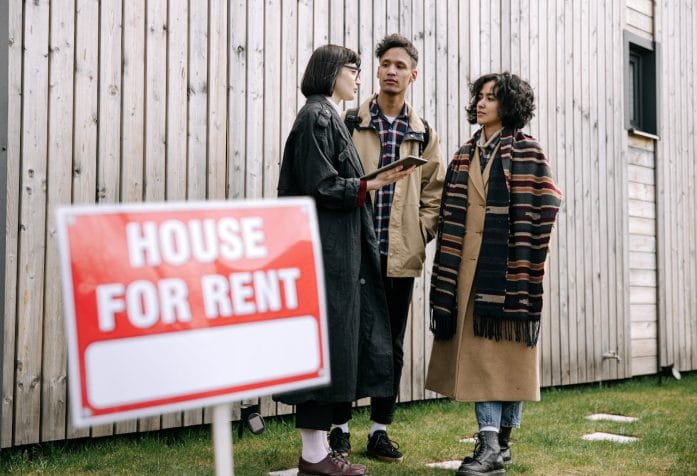
The Rent Cap Shift: Why Oregon and California Landlords Are Issuing New Notices

May 2, 2026 by Brandon Marcus Leave a Comment

The Rent Cap Shift: Why Oregon and California Landlords Are Issuing New Notices
Image Source: Pexels.com

Rent notices are landing in mailboxes with more urgency than usual, and tenants across Oregon and California feel the ripple effects. Landlords adjust their strategies as rent cap rules tighten, reset, or evolve under state housing laws.

These changes do not just tweak numbers on a lease; they reshape how rental markets operate month to month. Every new notice reflects a broader shift in how states try to balance affordability with property costs. That tension now shows up in very real ways for both renters and property owners.

Why Rent Cap Rules Are Suddenly Back in the Spotlight

Rent control laws rarely sit quietly in the background, but recent adjustments pushed them into everyday conversation again. Rising insurance costs, property taxes, and maintenance expenses pushed landlords to reassess pricing within legal limits. At the same time, tenants feel squeezed as wages struggle to match housing costs in many metro areas. That collision of pressures creates a wave of formal rent increase notices timed to stay compliant with state caps. Both Oregon and California now sit at the center of this recalibration.

Oregon’s rent stabilization framework limits annual increases based on inflation plus a set percentage, which resets every year. California’s AB 1482 also caps rent hikes for covered properties, forcing landlords to plan more strategically instead of reacting freely to market spikes. These laws do not eliminate increases, but they slow and structure them in ways that require precise timing. Landlords now send notices earlier and more frequently to avoid missing allowable windows. That shift explains why tenants suddenly see more paperwork even when changes feel predictable.

What Oregon’s Rent Stabilization Rules Mean for Notices

Oregon’s rent cap system ties increases to inflation, which means landlords must watch economic indicators closely before adjusting rent. The law typically allows annual increases up to a combined percentage cap, which changes based on CPI calculations. Property owners now issue notices well in advance because timing mistakes can invalidate an increase entirely. Tenants often receive structured letters explaining exact percentages, effective dates, and compliance references. That level of detail reflects how strictly Oregon enforces its rental framework.

Landlords in Oregon also adjust their portfolios differently than before the cap system matured. Many stagger rent increases across units to avoid hitting limits all at once and losing revenue flexibility. Others invest more in upgrades that justify legal increases without crossing regulatory thresholds. Tenants notice these shifts through more frequent communication and clearer documentation in their leases. The entire system now runs on predictability rather than sudden market-driven jumps.

The Rent Cap Shift: Why Oregon and California Landlords Are Issuing New Notices
Image Source: Shutterstock.com

How California Landlords Navigate AB 1482 Adjustments

California’s AB 1482 rent cap law continues to shape one of the most closely watched rental markets in the country. The law generally limits annual rent increases for covered properties, often tying them to inflation plus a fixed margin. Landlords respond by carefully timing increases and reviewing exemption categories that might apply to specific units. Every notice must follow strict formatting rules to remain enforceable under state law. That requirement turns simple rent adjustments into legally structured communications.

Many California landlords now plan increases years in advance instead of reacting annually. They evaluate tenant turnover risk, renovation schedules, and inflation forecasts before sending any notice. Tenants often see these increases arrive like clockwork rather than surprise jumps, even when the numbers feel steep. The predictability comes from compliance pressure, not market stability. That distinction explains why notices feel more frequent even when increases remain legally capped.

Why Tenants Are Seeing More Surprise Letters in the Mail

Mailboxes across both states now carry more official rent-related notices than in previous years. Landlords send these documents earlier to meet strict notification timelines required by law. Tenants often open them expecting small adjustments but sometimes encounter detailed breakdowns of allowable increases. The language feels formal because laws demand precision, not because landlords want to create confusion. That formality contributes to the perception of sudden changes.

Communication volume also increased because landlords now separate notices for different legal reasons. One letter may explain a CPI-based adjustment, while another outlines lease renewal terms or property cost changes. Tenants interpret this flow as instability, even when rules drive the structure behind it. Property managers rely on documentation to avoid disputes or legal challenges. That creates a paper trail that feels heavier than past rental cycles.

What This Rent Cap Shift Signals for the Months Ahead

The current wave of rent notices signals a housing market adjusting to tighter legal frameworks and persistent cost pressures. Oregon and California continue refining rules that aim to slow rent growth without freezing it completely. Landlords respond by becoming more proactive, more precise, and more documentation-heavy in every decision. Tenants feel the difference through more frequent communication and clearer but more complex notices. The entire rental ecosystem now operates with less surprise but more structure.

Rent cap laws keep changing how people experience housing stability, but do these new rules make renting feel more predictable or more complicated in the long run? Give us your opinion in our comments below.

You May Also Like…

The Rental Car Insurance Mistake That Can Cost You a Fortune

The 2026 Housing Shift: Why Renting May Make More Financial Sense Right Now

7 Outrageous Costs Hidden in Apartment Leases

Why Banks Are Quietly Reducing Cash Withdrawal Limits in California, New York, Texas, Florida, and Illinois

10 Retirement States That No Longer Cater to Retirees

Brandon Marcus
Brandon Marcus

Brandon Marcus is a writer who has been sharing the written word since a very young age. His interests include sports, history, pop culture, and so much more. When he isn’t writing, he spends his time jogging, drinking coffee, or attempting to read a long book he may never complete.


Filed Under: Lifestyle Tagged With: AB 1482, affordable housing, California housing, CPI rent limits, eviction laws, housing crisis, landlord news, Oregon housing, real estate trends, rent cap, rent control, rent increase notices, rental market, tenant rights

The Last 5 West Virginia Towns Where You Can Still Find Rent Under $900

March 15, 2026 by Brandon Marcus Leave a Comment

The Last 5 West Virginia Towns Where You Can Still Find Rent Under $900
Image Source: Shutterstock.com

A rent price that starts with a seven instead of a one feels almost mythical in 2026. Across the country, studio apartments push past a thousand dollars while modest one-bedrooms climb even higher. Yet deep in the Appalachian hills and river valleys, several towns in West Virginia still hold the line. Rent under $900 survives there, and these places offer more than just cheaper leases. They bring history, character, strong communities, and a slower rhythm that feels refreshing after the chaos of expensive cities.

West Virginia carries a reputation for rugged beauty and hardworking towns, but many people overlook its quiet affordability. Some communities still deliver apartments, duplexes, and even small houses within reach of ordinary paychecks. The towns below continue to offer that rare combination: manageable rent and authentic local culture. Anyone searching for breathing room in a housing market that refuses to calm down should keep these five spots firmly on the radar.

1. Beckley: Mountain Living Without the Mountain-Sized Rent

The town of Beckley anchors southern West Virginia with a mix of Appalachian charm and practical living costs. Renters searching local listings often stumble across one-bedroom apartments hovering between $800 to $850, especially in older buildings or quiet residential neighborhoods. That price range feels almost rebellious in a housing market obsessed with skyrocketing costs.

Beckley thrives as a service and tourism hub thanks to nearby attractions like the New River Gorge region, which continues drawing outdoor lovers from across the country. This steady activity supports restaurants, small shops, and local businesses without pushing rent through the roof. People who crave hiking trails, rafting adventures, and mountain scenery find plenty to love within a short drive. The town delivers a practical home base with genuine Appalachian hospitality.

Daily life in Beckley moves at a comfortable pace, yet the town still offers enough activity to prevent boredom. Tamarack Marketplace highlights regional artisans and craftspeople, while community events keep the calendar lively throughout the year. Grocery stores, health services, and schools sit within easy reach, which helps renters manage daily routines without constant long drives. Affordable rent also allows room in the budget for experiences rather than just bills.

2. Wheeling: Riverfront Character and Budget-Friendly Apartments

The historic city of Wheeling stands proudly along the Ohio River, where grand architecture and brick-lined streets tell stories from another era. Rent prices here often surprise newcomers who expect steep costs in a city with this much character. One-bedroom apartments frequently land between $750 to $800 depending on the neighborhood and building age. Wheeling experienced waves of economic change over the decades, yet that history left behind beautiful structures that now house affordable rentals. Older apartment buildings near downtown or in nearby residential districts offer some of the best deals. Renters willing to embrace vintage charm often discover spacious units with tall ceilings and plenty of personality.

Wheeling’s revitalized downtown keeps gaining momentum with restaurants, riverfront parks, and local festivals. Heritage Port hosts outdoor concerts and community gatherings that give the city a lively social pulse. The historic Wheeling Suspension Bridge and nearby walking trails create scenic spaces for evening strolls without spending a dime.

3. Fairmont: Small-Town Energy With Big-Time Affordability

The city of Fairmont sits just south of Morgantown, yet rent prices here remain dramatically lower than its college-town neighbor. That geographic sweet spot attracts renters who want access to jobs and entertainment without paying university-area prices. Many one-bedroom apartments still fall around $800, particularly in quiet neighborhoods just outside the downtown core. Fairmont’s historic districts showcase beautiful homes and tree-lined streets that create a warm, welcoming atmosphere. The town carries a strong identity rooted in coal mining history and community pride. Local businesses, bakeries, and family-owned restaurants keep the downtown area vibrant.

Fairmont State University adds youthful energy to the town without overwhelming the housing market. Coffee shops, casual restaurants, and local events offer plenty of ways to spend a Saturday afternoon. Renters who enjoy scenic drives will find rolling hills, rivers, and parks surrounding the city in every direction. Affordable housing also allows newcomers to focus on building a comfortable lifestyle rather than scrambling to cover rent each month. Searching listings slightly outside downtown often reveals the best prices, especially in duplexes or converted homes. Fairmont delivers a balanced lifestyle that blends affordability, local culture, and easy access to nearby cities.

The Last 5 West Virginia Towns Where You Can Still Find Rent Under $900
Image Source: Shutterstock.com

4. Parkersburg: Old-School Value Along the Ohio River

The river city of Parkersburg continues to surprise apartment hunters who expect higher prices in larger towns. Many rentals still sit around $800, particularly in neighborhoods just outside the central business district. Parkersburg developed as an industrial powerhouse during earlier decades, and that legacy left behind a wide range of housing stock. Older homes converted into apartments create opportunities for renters who appreciate space and character. The town’s location along the Ohio River adds scenic charm and outdoor recreation opportunities. Local parks, walking trails, and river views give residents easy ways to enjoy free leisure time.

Community life plays a strong role in Parkersburg’s identity. Seasonal festivals, farmers markets, and neighborhood gatherings keep people connected. Local diners and independent restaurants add flavor to the dining scene without draining the wallet. Renters who explore listings carefully often discover surprisingly large apartments tucked into historic homes or low-rise complexes. Choosing neighborhoods slightly outside the busiest areas usually brings the best prices. Parkersburg proves that a city can maintain character, culture, and affordability all at once.

5. Clarksburg: A Quiet Comeback Story With Low Rent

The city of Clarksburg continues carving out a quiet comeback in north-central West Virginia. Renters browsing listings often encounter one-bedroom apartments priced between $600 and $730, which places the town firmly inside the under-$900 category. Clarksburg carries deep Italian-American heritage that still shapes local culture, restaurants, and annual celebrations. Neighborhoods feature brick homes, leafy streets, and a strong sense of tradition. The city’s historic downtown continues drawing attention through revitalization projects and community investment. Affordable housing remains one of Clarksburg’s most appealing advantages.

Local parks and nearby lakes offer outdoor recreation that fits easily into daily routines. Community festivals and cultural events highlight the town’s unique heritage throughout the year. Renters searching older duplexes or modest apartment buildings often uncover the best bargains. Patience and consistent searching usually reveal units that combine generous space with low monthly costs. Clarksburg rewards those who appreciate history, community pride, and a slower pace of life. Anyone seeking financial breathing room while still enjoying a vibrant small-town environment should keep Clarksburg on the shortlist.

The Rare Places Where Rent Still Feels Reasonable

Affordable housing keeps shrinking across the United States, yet a few places stubbornly resist the trend. Towns like Beckley, Wheeling, Fairmont, Parkersburg, and Clarksburg continue offering rent under $900 while maintaining strong local character. Each town delivers something slightly different, from riverfront scenery to mountain adventures to historic downtown districts. That variety allows renters to choose a lifestyle rather than simply chasing the cheapest apartment available. Careful apartment hunting, flexibility with older buildings, and a willingness to explore smaller communities often unlock the best deals.

The broader lesson feels surprisingly hopeful. Affordable living still exists, but it hides in places that rarely grab national headlines. Those towns offer breathing room, community connections, and everyday experiences that feel grounded and real.

Which of these towns feels most interesting, and are there other hidden affordable communities that deserve attention? Give us your thoughts, tips, or overlooked towns in the comments.

You May Also Like…

The 2026 Housing Shift: Why Renting May Make More Financial Sense Right Now

The 10 Best Animals for Apartment and Tiny House Living

The Surprising Costs Of Renting Apartments In Atlanta

5 Ways To Ensure Your Safety If You Live In A Street Level Apartment

13 Intriguing Ideas for Generating Passive Rental Income Streams

Brandon Marcus
Brandon Marcus

Brandon Marcus is a writer who has been sharing the written word since a very young age. His interests include sports, history, pop culture, and so much more. When he isn’t writing, he spends his time jogging, drinking coffee, or attempting to read a long book he may never complete.

Filed Under: Lifestyle Tagged With: affordable housing, affordable rent, Appalachian towns, budget living, cheap apartments, Cost of living, real estate trends, relocation ideas, small towns, U.S. small towns, West Virginia

Priced Out? 5 Zip Codes Where Starter Homes are Still Under $200k

March 15, 2026 by Brandon Marcus Leave a Comment

Priced Out? 5 Zip Codes Where Starter Homes are Still Under $200k
Image Source: Shutterstock.com

Sticker shock dominates the housing market right now. Scroll through listings in many cities and the price tags look like someone accidentally added an extra zero. Yet pockets of opportunity still exist, hiding in plain sight across the country. Plenty of communities continue to offer starter homes under $200,000, which sounds almost mythical in an era where the national median home price sits far higher.

That affordability does not happen by accident. Many of these areas combine historic housing stock, revitalizing neighborhoods, and strong local pride. Buyers willing to look beyond the most obvious hotspots often discover real value, plus the chance to own a home without signing up for a lifetime of stress. A handful of ZIP codes stand out for keeping entry-level housing within reach while still offering community, character, and room for growth.

48227 – Detroit, Michigan: Where Comebacks Meet Bargain Prices

Detroit refuses to sit quietly on the sidelines of the American housing conversation. The city’s reputation still leans heavily on old headlines, yet large swaths of Detroit now pulse with renovation energy, new small businesses, and neighborhood pride. ZIP code 48227 sits on the city’s west side and continues to offer an impressive supply of starter homes well below $200,000.

Detroit ranks among the U.S. cities with the most listings under $200,000, with the city’s median list price around $90,000 in many areas. That number alone explains why first-time buyers and investors keep scanning Detroit listings with serious interest. Buyers frequently find classic brick homes with solid bones, wide porches, and large yards—features that feel almost luxurious compared to the micro-homes popping up in expensive markets.

Neighborhood momentum adds another appealing layer. Local organizations continue to invest in block-by-block improvements, community gardens, and housing rehabilitation projects. That grassroots activity creates the kind of neighborhood stability that many buyers crave. Starter homes here often require cosmetic upgrades, but that trade-off gives new homeowners the chance to build sweat equity instead of simply paying a premium upfront.

Savvy buyers often focus on homes that already show basic structural stability: updated roofs, functioning plumbing, and newer furnaces. Those elements reduce renovation headaches and keep budgets under control. Buyers who pair a modest purchase price with smart upgrades often transform these houses into comfortable long-term homes while keeping monthly costs surprisingly manageable.

44310 – Akron, Ohio: The Quiet Overachiever of Affordable Living

Akron rarely dominates flashy real estate headlines, yet the city consistently delivers one thing many markets cannot: affordability that still makes sense for everyday living. ZIP code 44310 in particular offers a blend of historic homes, established neighborhoods, and steady local demand.

Akron ranks among the cities with the highest number of homes listed under $200,000. That price point keeps starter homes firmly within reach for buyers who might feel completely shut out of markets in larger metropolitan areas. Many properties in this ZIP code feature traditional two-story layouts, finished basements, and generous lots.

Affordability alone does not define Akron’s appeal. The city maintains strong ties to regional employers, healthcare systems, and universities, which helps stabilize the housing market. Buyers often discover neighborhoods filled with mature trees, walkable streets, and long-term homeowners who take pride in their properties.

Smart shoppers in this ZIP code often prioritize homes that offer cosmetic potential rather than major structural repairs. A house with dated flooring and older paint colors might look uninspiring during the first tour, yet those cosmetic details often create negotiation leverage. Fresh paint, updated lighting, and simple landscaping upgrades can quickly transform these homes into comfortable starter properties without blowing the renovation budget.

38127 – Memphis, Tennessee: Southern Charm Without the Million-Dollar Price Tag

Memphis delivers culture, music history, and food that deserves its own fan club. Yet many neighborhoods still offer starter homes at prices that feel refreshingly grounded. ZIP code 38127, located in the northern section of the city, continues to attract attention from budget-conscious buyers.

The housing stock in this area includes classic ranch homes, brick cottages, and mid-century properties that offer solid layouts and manageable maintenance costs. Many houses feature spacious yards and detached garages, which feel like luxuries compared to the tight footprints common in expensive markets.

Buyers exploring Memphis often benefit from taking time to study neighborhood dynamics carefully. Some blocks show clear signs of revitalization, while others remain in earlier stages of recovery. Buyers who focus on streets with visible upkeep, owner-occupied homes, and community involvement often land in the sweet spot between affordability and stability. Pairing a budget-friendly purchase with strategic upgrades can dramatically boost property value. Kitchen updates, energy-efficient windows, and simple curb appeal improvements frequently deliver strong returns in markets like Memphis where buyers continue to search for reasonably priced homes.

14215 – Buffalo, New York: Historic Homes with Real Personality

Buffalo rewards buyers who appreciate character. The city’s architecture reads like a living museum of American home styles, and ZIP code 14215 offers many of those homes at prices that remain surprisingly accessible. Local pride fuels Buffalo’s housing resurgence. Community revitalization efforts, new restaurants, and small business growth continue to reshape many neighborhoods. Buyers who once overlooked Buffalo now recognize its combination of affordability and quality of life.

Starter homes in this ZIP code often benefit from Buffalo’s tradition of sturdy construction. Many properties built decades ago feature solid foundations and durable materials that hold up well over time. Buyers who invest in insulation upgrades, modern heating systems, and modest interior updates often create comfortable homes that retain historic charm while offering modern convenience.

Patience pays off here. Monitoring listings over several weeks allows buyers to spot homes that enter the market at realistic prices rather than inflated expectations. Buffalo’s market rewards thoughtful shoppers who move quickly once a strong opportunity appears.

44105 – Cleveland, Ohio: Big City Potential on a Starter Budget

Cleveland combines big-city amenities with a housing market that still leaves room for first-time buyers. ZIP code 44105 offers a particularly strong entry point for people determined to break into homeownership without taking on overwhelming debt. The housing landscape in this ZIP code features traditional single-family homes, brick colonials, and compact starter properties that work well for first-time buyers. Many homes also include basements and detached garages, which add flexibility for storage or future improvements.

Cleveland’s ongoing revitalization continues to reshape perceptions of the city. New entertainment districts, improved public spaces, and expanding healthcare employment contribute to steady demand for housing. Buyers who secure affordable homes today often position themselves for future appreciation as neighborhoods continue evolving.

Successful buyers here often approach the search with a renovation mindset. Properties that look slightly dated often deliver the strongest value because cosmetic updates dramatically improve livability without requiring structural overhauls.

Priced Out? 5 Zip Codes Where Starter Homes are Still Under $200k
Image Source: Shutterstock.com

The Real Secret to Finding Affordable Homes

Affordable starter homes still exist, but they rarely appear in the most obvious places. Buyers who expand their search beyond trendy neighborhoods often uncover housing markets that reward patience and curiosity. Cities like Detroit, Akron, Memphis, Buffalo, and Cleveland continue to prove that homeownership does not require a seven-figure bank account.

These ZIP codes highlight an important strategy: focus on solid fundamentals rather than flashy listings. A structurally sound home in a stable neighborhood often delivers far greater long-term value than a trendy property carrying a sky-high price tag. Smart buyers also keep renovation budgets realistic and prioritize upgrades that improve safety, efficiency, and livability first.

Housing markets constantly evolve, which means today’s overlooked ZIP code may become tomorrow’s hot neighborhood. Buyers who step into these affordable markets early often enjoy the dual benefits of manageable mortgage payments and rising property value over time.

Which affordable housing markets deserve more attention right now, and what strategies help uncover hidden real estate bargains? Share thoughts, insights, or homebuying experiences in the comments.

You May Also Like…

The $124 Trillion Hand-Off: How the Great Wealth Transfer is Quietly Saving the Real Estate Market

Why Wealthy Families Are Moving Cash Out of Traditional Banks Before Jan 31st

13 Eye-Opening Truths About Real Estate Crowdfunding Ventures

A Beginner’s Guide to Selling on the Real Estate Market

Why Home Insurance Claims Can Raise Premiums Without Payouts

Brandon Marcus
Brandon Marcus

Brandon Marcus is a writer who has been sharing the written word since a very young age. His interests include sports, history, pop culture, and so much more. When he isn’t writing, he spends his time jogging, drinking coffee, or attempting to read a long book he may never complete.

Filed Under: Real Estate Tagged With: affordable cities, affordable housing, budget homes, cheap homes USA, first-time homebuyers, home buying tips, housing affordability, Housing Market, property market, real estate investing, real estate trends, starter homes

The Rent Is Too High: 3 California Cities Still Under $1,700

March 6, 2026 by Brandon Marcus Leave a Comment

The Rent Is Too High: 3 California Cities Still Under $1,700
Image Source: Shutterstock.com

Rent in California keeps climbing like it has somewhere to be in a hurry, leaving many people wondering if comfortable living still exists without spending half a paycheck. Apartment seekers walk through online listings, squint at numbers, and sometimes feel like the price tags belong to another planet. Yet pockets of affordability still survive, and finding them feels a little like discovering a quiet café tucked between noisy streets.

The Golden State still offers sunshine, career opportunities, and coastal dreams, but housing costs push many families and young professionals inland. Some cities continue showing that decent rent does not always disappear completely. Three cities, in particular, still keep average rent for some apartments under $1,700, though availability and exact pricing change depending on neighborhoods, apartment age, and market timing.

1. Life Without Panic Pricing in Bakersfield

Bakersfield sits in the southern Central Valley and keeps earning attention from people searching for cheaper living. Many one-bedroom apartments there still appear around or below $1,700, depending on location and building age. The city offers a more relaxed pace than big coastal metros, and transportation feels easier for drivers who dislike heavy traffic jams.

People living in Bakersfield often work in agriculture, healthcare, energy, and service industries. Job opportunities continue growing slowly but steadily. The cost of groceries and everyday services also tends to stay lower than in many coastal regions of California. That combination makes the city feel more practical for people trying to stretch income further.

Outdoor lovers enjoy access to nearby nature spots and hiking trails. Weekends here sometimes involve driving a little outside town to find quiet scenery, fresh air, and open space that does not charge admission. Families often appreciate that schools in several neighborhoods perform reasonably well compared to expectations for mid-sized inland cities.

2. Fresno Keeps Fighting the High-Rent Wave

Fresno continues standing as one of the Central Valley’s largest population centers and also one of the more budget-friendly urban environments in the state. Some one-bedroom apartments and smaller rental units still land under $1,700, especially in older complexes or areas slightly away from downtown business districts. The city mixes agricultural roots with growing urban development. People here work in farming-related industries, education, medical services, retail, and local business operations. Commuting usually feels manageable compared to massive metropolitan congestion, though rush hour traffic still exists near major highways.

Food culture in Fresno feels vibrant and diverse. Local markets sell fresh produce because the surrounding region remains one of the most productive farming areas in America. Residents often find good Mexican, Southeast Asian, and American comfort food options within short driving distance. Safety and neighborhood quality can vary block by block, so checking crime statistics and visiting apartment surroundings during daytime helps avoid unpleasant surprises. Walking around potential neighborhoods before signing a lease gives a better picture than online photos alone.

3. Stockton: A River City Holding On to Budget-Friendly Dreams

Stockton sits along the San Joaquin River and continues attracting people who want California living without coastal price shock. Average rent in certain neighborhoods sometimes stays below $1,700, particularly for smaller apartments or older housing stock. Stockton offers a working-class character with historic downtown streets, waterfront views, and community events. The city sits roughly an hour’s drive from several major employment hubs, which makes it attractive for commuters willing to trade travel time for cheaper rent.

Transportation options include highways and regional transit connections, though many residents still prefer driving. Local parks along the river provide relaxing spaces for weekend walks or casual outdoor gatherings. People moving here often appreciate that everyday expenses feel less intimidating than in large coastal cities. Apartment seekers should check rental listings near established residential zones rather than newly developed luxury communities. Older buildings sometimes offer larger square footage for lower prices, though maintenance quality varies between properties.

The Rent Is Too High: 3 California Cities Still Under $1,700
Image Source: Unsplash.com

Smart Moves When Chasing Sub-$1,700 Rent in California

Finding apartments under $1,700 in California requires strategy, timing, and realistic expectations. Start searching about one to two months before moving because landlords usually post availability shortly before current tenants leave. Set up alerts on rental websites so new listings appear quickly on a phone or computer screen. Consider accepting trade-offs. Some cheaper apartments may lack modern appliances, fancy gyms, or recently renovated interiors. That does not automatically mean the place feels uncomfortable. Many older complexes still provide clean living spaces if maintenance teams stay responsive.

Check transportation costs before signing a lease. Saving $200 on rent does not help much if commuting adds expensive fuel or long transit rides every day. Balance rent price with work location, grocery stores, and medical facilities nearby.

Talk directly with property managers when possible. Some rental deals never appear publicly because landlords prefer filling vacancies through referrals or direct inquiries. Showing steady income proof and good credit history improves chances of approval.

Why These Cities Still Matter in the Housing Conversation

Affordable housing remains one of California’s biggest long-term challenges. Population growth, land restrictions, construction costs, and strong demand continue pushing prices upward in many regions. Cities like Bakersfield, Fresno, and Stockton represent important pressure valves in the housing market because they offer working families and young professionals places to live without overwhelming rent burdens.

None of these cities promise luxury living at bargain prices. What they do offer is breathing room, a chance to save money, and an opportunity to build financial stability while staying inside California’s economic ecosystem. That balance matters for people who want opportunity without constant housing anxiety.

Moving to lower-cost areas also allows residents to invest more income into education, retirement savings, or business ventures. Budget-friendly rent does not solve every challenge, but it helps create financial flexibility.

Don’t Let the Search Exhaust You

Housing searches can feel frustrating, especially when scrolling through listings shows price numbers that make stomachs tighten. But affordable pockets still exist if patience walks alongside persistence. Keep checking local listings, visit neighborhoods in person when possible, and stay open to older but well-maintained apartment buildings.

Which of these cities sounds like the best fit for balancing California sunshine with a budget that does not disappear every month? If you know any of these locations well, talk about them in our comments section below.

You May Also Like…

California Insurance Crisis: 13% of Home Sales Failed Due to No Coverage Available

13 Intriguing Ideas for Generating Passive Rental Income Streams

13% of California Realtors Report Sales Falling Through Due to Insurance Issues

7 Outrageous Costs Hidden in Apartment Leases

5 Ways To Ensure Your Safety If You Live In A Street Level Apartment

Brandon Marcus
Brandon Marcus

Brandon Marcus is a writer who has been sharing the written word since a very young age. His interests include sports, history, pop culture, and so much more. When he isn’t writing, he spends his time jogging, drinking coffee, or attempting to read a long book he may never complete.

Filed Under: Personal Finance Tagged With: affordable housing, apartment hunting, Bakersfield, budget living, California housing market, California rent, cheap rent California, Fresno, Stockton

6 Signs You’re in the Token Affordable Units on a Million-Dollar Block

October 3, 2025 by Travis Campbell Leave a Comment

apartment
Image source: pexels.com

Living in a high-end neighborhood can be a dream come true, but for many, it’s only possible through affordable housing programs. These programs let people rent or buy homes at below-market rates in otherwise expensive areas. If you’re in one of these token affordable units, you might find yourself surrounded by multi-million dollar properties and neighbors with vastly different lifestyles. Recognizing the signs that you’re in affordable housing on a luxury block can help you navigate both the perks and the challenges. Understanding your situation is important for budgeting, socializing, and making the most out of your unique location. Let’s look at the telltale signs you’re in the affordable housing units on a million-dollar block.

1. Your Rent Is Significantly Lower Than Your Neighbors’

The most obvious sign you’re in affordable housing units on a million-dollar block is your rent—or mortgage—costs much less than those of your neighbors. While they might be paying several thousand dollars per month, you’re enjoying a rate set by an affordable housing program. This big price gap is often the main reason you’re able to live in such a desirable area. You may even notice that your rent doesn’t increase as quickly as others’ in the neighborhood, keeping your living costs predictable and manageable.

2. The Building’s Amenities Feel Out of Reach

Luxury buildings often feature amenities such as rooftop pools, fitness centers, and private lounges. But as a resident of the token affordable units, you might have limited or no access to these perks. Sometimes, there are separate entrances or “affordable resident” rules that restrict your usage. You may find yourself explaining to guests why you can’t use certain facilities, or feeling left out when neighbors talk about building events you weren’t invited to. If you frequently notice these differences, it’s a clear sign you’re in the affordable housing units on a million-dollar block.

3. Your Unit Has Different Finishes or Layouts

While your neighbors enjoy designer kitchens, hardwood floors, and high-end appliances, your unit may have more basic finishes. Affordable housing units are often built to meet minimum standards, not luxury ones. You might have laminate countertops instead of marble or standard tile instead of imported stone. Sometimes, affordable units are smaller or have less desirable views. If you notice your place feels more “basic” compared to what’s shown in building marketing materials, it’s another giveaway.

4. The Neighborhood’s Shops and Services Don’t Match Your Budget

Living on a million-dollar block means the nearest coffee shop might charge $7 for a latte, and the local grocery store is more gourmet than budget-friendly. You might find yourself traveling further for affordable essentials or feeling out of place at neighborhood restaurants. This contrast can be a daily reminder that, while you enjoy the location, your budget is different from most of your neighbors. It can take extra planning to find affordable services, and you may rely more on delivery or public transportation to meet your needs.

5. Maintenance Response Times Differ

Another sign you’re in a token affordable unit is that maintenance requests for your apartment may not get the same priority as those for market-rate units. Some residents notice slower response times or less attention to detail when repairs are made. In mixed-income buildings, management sometimes outsources affordable unit maintenance or has a separate team. If you find yourself waiting longer for repairs or getting less comprehensive service, it’s a strong indicator of your affordable housing status.

6. Your Neighbors’ Lifestyles Are on Another Level

When you live in affordable housing units on a million-dollar block, you’ll likely notice that your neighbors’ lifestyles don’t resemble yours. They might drive luxury cars, vacation abroad, or send their kids to elite private schools. You may feel pressure to keep up or feel awkward when social invitations involve costly activities. While this can sometimes be isolating, it can also be inspiring or offer networking opportunities. If you often feel like an outsider at block parties or building meetings, you’re probably one of the few affordable housing residents on the block.

Making the Most of Living in Affordable Housing Units on a Million-Dollar Block

Living in affordable housing units on a million-dollar block comes with both benefits and challenges. You gain access to safe neighborhoods, top-rated schools, and valuable amenities—even if some are out of reach. The experience can be a steppingstone to future opportunities, letting you build connections and enjoy a better quality of life than you might otherwise afford. It’s important to stay grounded, budget wisely, and find community with others in similar situations.

Remember, you’re not alone—many people are making affordable housing work for them in high-cost areas.

Have you ever lived in affordable housing units on a million-dollar block? What was your experience? Share your thoughts in the comments below!

What to Read Next…

  • 6 Trends That Suggest The Middle Class Is Dying In Suburbia
  • 10 Places Where Middle Class Americans Are Quietly Disappearing
  • How Homeowners Associations Are Targeting Retirees With Fines
  • 9 Reasons Boomers Are Now Facing Eviction At Record Levels
  • Are These 7 Retirement States As Affordable As They Claim?
Travis Campbell
Travis Campbell

Travis Campbell is a digital marketer/developer with over 10 years of experience and a writer for over 6 years. He holds a degree in E-commerce and likes to share life advice he’s learned over the years. Travis loves spending time on the golf course or at the gym when he’s not working.

Filed Under: Real Estate Tagged With: affordable housing, budget living, housing programs, luxury neighborhoods, mixed-income, Real estate

What Retirees in Income-Based Housing Should Know Before Inheriting

August 18, 2025 by Catherine Reed Leave a Comment

What Retirees in Income-Based Housing Should Know Before Inheriting
Image source: 123rf.com

For retirees living in income-based housing, an inheritance might seem like a welcome financial boost. But receiving money, property, or valuable assets can also change your housing eligibility and monthly rent calculations. In some cases, it can even cause you to lose your spot in the program. Understanding how these rules work before you accept an inheritance can help you protect your living situation while still making the most of what you receive. Here are important points every retiree in income-based housing should know.

1. How Inheritance Can Impact Your Eligibility

Income-based housing programs determine eligibility by looking at your total income and, in some cases, your assets. If you inherit cash or property, it may count as income, which could push you above the allowed limits. Even if the inheritance is a one-time payment, the program might treat it as ongoing income if it generates interest or rental revenue. This could result in higher rent or disqualification from the program. Knowing the specific calculation methods for your housing provider is essential.

2. The Difference Between Income and Assets

Not everything you inherit is considered “income” right away. Some items, like a home or a car, might be classified as assets instead. However, if you sell those assets for cash, the proceeds may then be counted toward your income. For retirees in income-based housing, this distinction matters because it affects whether your rent increases or your eligibility changes. Understanding these definitions can help you make better choices about what to keep and what to sell.

3. Reporting Requirements After Receiving an Inheritance

Housing authorities typically require residents to report changes in income or assets within a set timeframe. Failing to report an inheritance can lead to penalties or even eviction. Retirees in income-based housing should prepare to provide documentation, such as legal notices or account statements. Even if you are unsure how the inheritance will affect you, it’s better to report it promptly and ask for clarification. Being transparent can prevent bigger issues later.

4. The Role of Lump-Sum Payments in Rent Calculations

If you inherit a lump sum of money, your housing provider may calculate its impact differently than regular monthly income. Some programs spread the value over a set period, adding a portion to your monthly income for rent purposes. Others may consider the full amount when determining eligibility. This means that even a modest inheritance can temporarily raise your rent. Understanding the calculation rules ahead of time allows you to prepare financially.

5. Strategies for Minimizing Impact on Your Housing

There are legal ways to accept an inheritance without jeopardizing your housing situation. In some cases, placing the funds in certain types of trusts or using them for approved expenses can help. You might also choose to decline part of the inheritance or redirect it to other family members. Retirees in income-based housing should consult with both a financial advisor and an attorney familiar with housing program rules. Careful planning can make a big difference.

6. How Inheriting Property Can Complicate Matters

If you inherit a home or land, it may count as an asset that affects your eligibility. In some cases, the property could also generate income if rented, which would count against your limits. You may face additional costs such as taxes, insurance, and maintenance. Deciding whether to keep, sell, or transfer the property is a big decision that can impact both your finances and your housing. Seeking professional advice is strongly recommended.

7. The Importance of Timing in Acceptance

When and how you accept an inheritance can play a role in how it affects your housing. Delaying the acceptance of certain assets may give you time to plan or make adjustments to stay eligible. In some cases, a will or trust allows for flexibility in timing. Retirees in income-based housing should coordinate with the executor of the estate to ensure they have options. Timing strategies can help reduce negative consequences.

Planning Ahead to Protect Your Housing and Inheritance

An inheritance can be a blessing, but for retirees in income-based housing, it requires careful handling to avoid unintended consequences. By understanding your program’s rules, reporting promptly, and seeking professional guidance, you can protect your housing while still benefiting from what you’ve been given. A thoughtful approach ensures you honor the gift without risking the stability of your living situation.

If you were in income-based housing, how would you handle an inheritance to protect your home? Share your ideas in the comments.

Read More:

5 Inherited Trust Myths That Cost Women Their Cash

9 Renovation Grants That Can Backfire on Your Estate

Catherine Reed
Catherine Reed

Catherine is a tech-savvy writer who has focused on the personal finance space for more than eight years. She has a Bachelor’s in Information Technology and enjoys showcasing how tech can simplify everyday personal finance tasks like budgeting, spending tracking, and planning for the future. Additionally, she’s explored the ins and outs of the world of side hustles and loves to share what she’s learned along the way. When she’s not working, you can find her relaxing at home in the Pacific Northwest with her two cats or enjoying a cup of coffee at her neighborhood cafe.

Filed Under: Retirement Tagged With: affordable housing, financial advice, housing eligibility, income-based housing, inheritance planning, Retirement, senior living

9 Reasons Boomers Are Now Facing Eviction at Record Levels

July 27, 2025 by Travis Campbell Leave a Comment

piggy bank
Image Source: pexels.com

The eviction crisis is hitting baby boomers hard. More older adults are losing their homes than ever before. This isn’t just a story about numbers—it’s about real people, many of whom worked for decades and now find themselves at risk of losing the roof over their heads. Rising rents, shrinking savings, and a changing job market are all part of the problem. If you’re a boomer, or you care about someone who is, understanding why this is happening matters. It’s not just about money. It’s about security, dignity, and the ability to age with peace of mind.

1. Rising Rents Outpacing Fixed Incomes

Many boomers live on fixed incomes from Social Security or pensions. But rents keep going up. In many cities, rent increases have far outpaced cost-of-living adjustments. This means that each year, a bigger chunk of a boomer’s income goes to housing. When rent takes up too much of the budget, there’s less left for food, medicine, or emergencies. If a landlord raises the rent even a little, it can push someone over the edge. For many, there’s no cushion to fall back on.

2. Shrinking Retirement Savings

A lot of boomers don’t have enough saved for retirement. Some lost savings during the 2008 financial crisis. Others had to dip into their nest eggs to cover medical bills or help family members. The result? Not enough money to cover basic living expenses, let alone rising rents. When savings run out, eviction becomes a real threat. And once you’re evicted, it’s even harder to find a new place to live, especially with limited funds.

3. Medical Debt and Health Costs

Healthcare costs keep climbing. Even with Medicare, out-of-pocket expenses can be high. Many boomers face big medical bills from chronic illnesses or unexpected emergencies. Sometimes, paying for medicine or treatment means skipping rent. Medical debt can also hurt credit scores, making it harder to rent a new place if eviction happens. Health problems can also make it tough to work, which means less income to cover housing.

4. Lack of Affordable Housing

There just aren’t enough affordable apartments for older adults. Waiting lists for subsidized housing can be years long. New construction often focuses on luxury units, not affordable ones. This leaves many boomers stuck in places they can’t afford, with few options to move. When affordable housing is scarce, landlords can raise rents without worrying about losing tenants. This puts even more pressure on those living paycheck to paycheck.

5. Job Loss and Age Discrimination

It’s tough for older adults to find new work if they lose a job. Age discrimination is real. Employers may prefer younger, cheaper workers. If a boomer loses a job, it can take months or even years to find another. Unemployment benefits don’t last forever. Without a steady income, paying rent becomes impossible. Some boomers end up taking part-time or gig jobs that don’t pay enough to cover basic expenses.

6. Family Changes and Divorce

Divorce rates among boomers have risen. When couples split, both may struggle to afford separate homes. Some may have relied on a spouse’s income or health insurance. After a divorce, one or both partners may face eviction if they can’t keep up with rent or mortgage payments. Family changes, like adult children moving out or a spouse passing away, can also leave someone with more housing costs than they can handle.

7. Rising Property Taxes and Utility Costs

Even if a boomer owns their home, rising property taxes and utility bills can be a problem. Local governments often raise taxes to cover budget gaps. Utility companies raise rates, too. For those on fixed incomes, these increases can make it hard to keep up. Some end up selling their homes and moving into rentals, only to find that the rents are too high. Others fall behind on bills and face foreclosure or eviction.

8. Limited Access to Support Services

Many older adults don’t know about or can’t access support services that could help. Programs for rental assistance, legal aid, or financial counseling exist, but they’re often underfunded or hard to navigate. Some boomers may feel embarrassed to ask for help. Others may not have internet access or transportation to reach these services. Without support, it’s easy to fall through the cracks.

9. Pandemic Fallout

The COVID-19 pandemic made things worse. Many boomers lost jobs or had to retire early. Some got sick and faced big medical bills. Eviction moratoriums helped for a while, but most have ended. Now, landlords are catching up on missed rent, and courts are processing a backlog of eviction cases. The pandemic also increased isolation, making it harder for older adults to get help or find new housing.

What Boomers Can Do Now

Facing eviction is scary, but there are steps to take. First, talk to your landlord if you’re struggling. Some may be willing to work out a payment plan. Look for local rental assistance programs—many cities and states offer help, even if funds are limited. Reach out to legal aid organizations if you get an eviction notice. They can explain your rights and may help you stay in your home. Consider downsizing or moving to a more affordable area if possible. And don’t be afraid to ask for help from family, friends, or community groups.

The Road Ahead: Staying Secure in Uncertain Times

Eviction rates among boomers are rising, but understanding the reasons can help you plan and protect yourself. The housing market is tough, but there are ways to get support and stay secure. Staying informed, asking for help, and making tough choices early can make a difference. No one should have to face eviction alone.

Have you or someone you know faced eviction as a boomer? What helped, or what do you wish you’d known sooner? Share your story in the comments.

Read More

Why More Boomers Are Declaring Bankruptcy—And It’s Not Medical Bills

Here’s Why Millennials Are Now Filing More Bankruptcy Cases Than Boomers

Travis Campbell
Travis Campbell

Travis Campbell is a digital marketer/developer with over 10 years of experience and a writer for over 6 years. He holds a degree in E-commerce and likes to share life advice he’s learned over the years. Travis loves spending time on the golf course or at the gym when he’s not working.

Filed Under: Personal Finance Tagged With: affordable housing, aging, Boomers, eviction, housing crisis, Planning, Rent, Retirement, senior living

Here’s Why It’s A Great Time To Purchase A Home In Ohio

April 25, 2025 by Travis Campbell Leave a Comment

columbus, ohio
Image Source: pixabay.com

The Ohio housing market is showing promising signs for potential homebuyers in 2025. With steady price growth, increasing inventory, and favorable economic conditions, now might be the perfect opportunity to invest in Ohio real estate. Let’s explore why the Buckeye State deserves your attention if you’re considering a home purchase.

1. Steady Price Appreciation Offers Investment Security

Ohio’s housing market demonstrates remarkable stability with consistent price growth. According to recent data from Ohio REALTORS®, the average home price reached $301,158 in September 2024, representing a 9.3% increase year-over-year. This steady appreciation trend has continued into 2025, with the current median home price at $247,200, up 11% from the previous year.

Unlike volatile markets elsewhere, Ohio’s price growth follows a sustainable pattern, making it an excellent long-term investment. Twelve out of fourteen major markets across the state showed increased average sales prices, indicating widespread value growth rather than isolated hotspots.

2. Increasing Inventory Gives Buyers More Options

After years of tight inventory, Ohio’s housing supply is finally expanding. Housing inventory has increased by 16.3% year-over-year, with approximately 37,809 homes currently for sale across the state. This growth in available properties means buyers have more choices and potentially more negotiating power than in recent years.

The average months of supply stands at about 2 months, which still indicates a relatively competitive market but offers significantly more breathing room than the extreme seller’s market conditions of previous years. This balanced inventory creates a healthier environment for thoughtful purchasing decisions.

3. Mortgage Rates Are Becoming More Favorable

Current mortgage rates in Ohio range between 6.37% and 6.62%, which, while not at historic lows, have stabilized after the volatility of recent years. Economic forecasts suggest potential rate decreases in the coming months as inflation continues to ease, potentially increasing buyers’ purchasing power.

For prospective homeowners, locking in today’s rates before potential market shifts could prove advantageous, especially considering the steady appreciation of Ohio properties that can offset financing costs over time.

4. Ohio’s Strong Economic Foundation

Ohio’s diverse economy provides a solid foundation for real estate investment. The state’s unemployment rate of 4.5% demonstrates economic resilience, with strong opportunities in technology, healthcare, manufacturing, education, and professional services sectors.

Cities like Shaker Heights and Columbus are experiencing particularly robust job markets, creating demand for housing and supporting property values. This economic diversity helps insulate the housing market from sector-specific downturns that might affect more specialized regional economies.

5. Affordability Compared to National Averages

Despite steady price appreciation, Ohio remains significantly more affordable than many other states. Ohio’s average cost of living is approximately $48,000, below the national average, while the median household income is $67,520.

According to recent reports, Ohio consistently ranks among the states with the most affordable housing markets. This makes homeownership accessible to a broader range of buyers, and the affordability factor, combined with steady appreciation, creates an attractive value proposition for homebuyers.

6. Competitive Market Without Being Overheated

Ohio’s real estate market demonstrates healthy competition without the frenzied bidding wars seen in some markets. Homes spend an average of 45 days on the market before going under contract, indicating strong demand without the pressure of instant decisions.

The sale-to-list price ratio is 100.1%, meaning homes typically sell very close to the asking price. This balanced dynamic allows buyers to make decisions while benefiting from a market that supports property values.

7. Diverse Housing Options Across Urban and Suburban Areas

Ohio offers remarkable diversity in housing options, from historic homes in established neighborhoods to new construction in growing communities. Major metropolitan areas like Cincinnati, Columbus, and Cleveland each have distinct submarkets catering to different preferences and price points.

New construction projects that were delayed during the pandemic are now coming to market, further increasing buyer options. This diversity allows purchasers to find properties that precisely match their needs and budgets.

8. Potential for Seller Concessions

With the recent National Association of REALTORS® settlement removing mandatory buyer agent compensation requirements, the market dynamics are shifting in ways that may benefit buyers. Sellers may increasingly offer concessions to attract qualified buyers, potentially including closing cost assistance or other financial incentives.

This evolving landscape creates opportunities for savvy buyers to negotiate favorable terms beyond just the purchase price, enhancing the overall value of their investment.

9. Long-Term Growth Potential in Key Markets

Several Ohio markets show particularly strong potential for continued growth. Cities like Columbus, Cincinnati, and emerging suburban areas are experiencing population growth and economic development that support long-term housing demand.

According to market forecasts, areas like Shaker Heights and Sandusky expect significant surges in home prices (66.8% and 79.8%, respectively) in the coming years, suggesting that early entry into these markets could yield substantial returns.

10. The Perfect Balance of Timing

The current Ohio market represents a rare equilibrium that favors thoughtful buyers. With increasing inventory providing more options, stable price growth offering investment security, and economic fundamentals supporting long-term value, the timing aligns perfectly for home purchases.

Market experts describe Ohio’s housing landscape as “strong and steady,” suggesting that the current conditions represent a momentary opportunity and a sustainable environment for real estate investment.

Making Your Ohio Dream Home a Reality

The combination of steady appreciation, increasing inventory, economic stability, and relative affordability makes 2025 an ideal time to purchase a home in Ohio. Whether you’re a first-time homebuyer, looking to upgrade, or considering an investment property, the Buckeye State offers compelling advantages in today’s real estate landscape.

As with any significant investment, working with knowledgeable local real estate professionals can help you navigate specific market conditions and identify the best opportunities in your target area. With proper research and guidance, your Ohio home purchase could provide both immediate satisfaction and long-term financial benefits.

Have you been considering a home purchase in Ohio? What factors are most important in your decision-making process?

Read More

8 Hidden Costs of Buying a Home

5 Ways to Save Up to Buy a House

Travis Campbell
Travis Campbell

Travis Campbell is a digital marketer/developer with over 10 years of experience and a writer for over 6 years. He holds a degree in E-commerce and likes to share life advice he’s learned over the years. Travis loves spending time on the golf course or at the gym when he’s not working.

Filed Under: Real Estate Tagged With: affordable housing, homebuying, Housing Market, mortgage rates, Ohio real estate, property values, Real Estate Investment

Should Homeowners Be Required to Rent Rooms During Housing Crises?

April 24, 2025 by Travis Campbell Leave a Comment

house keys
Image Source: pexels.com

The nationwide housing crisis has sparked intense debate about potential solutions, including whether homeowners should be obligated to rent out spare rooms. As housing costs soar and inventory remains scarce, many communities are exploring unconventional approaches to increase affordable housing options. This controversial proposal raises fundamental questions about property rights versus social responsibility during times of crisis. For homeowners and renters alike, understanding the nuances of this debate is crucial as housing policies continue to evolve in response to persistent shortages.

1. The Constitutional and Legal Considerations

Mandating that homeowners rent rooms raises significant legal concerns. The Fifth Amendment protects private property rights, making any government requirement to share one’s home constitutionally questionable. While some municipalities have implemented voluntary incentive programs for homeowners renting spare rooms, mandatory programs would likely face legal challenges.

Several court cases have established precedents regarding property rights limitations. For example, in Cedar Point Nursery v. Hassid, the Supreme Court reinforced protections against government-mandated access to private property. Any policy requiring homeowners to rent rooms must navigate these established legal boundaries.

Instead of mandates, some communities have found success with incentive-based approaches. Tax breaks, reduced utility rates, and simplified permitting processes have encouraged voluntary participation without infringing on property rights.

2. Economic Impacts on Homeowners and Housing Markets

Requiring homeowners to rent rooms would create both opportunities and challenges in the housing market. For homeowners, rental income could help offset mortgage payments and property taxes, potentially reducing foreclosures during economic downturns. A study by the Joint Center for Housing Studies at Harvard University found that rental income from accessory dwelling units can provide up to 30% of a homeowner’s housing costs.

However, mandatory rental requirements could negatively impact property values and homeowner insurance rates. Many insurance policies aren’t structured to cover tenant-related liabilities, potentially creating additional financial burdens for homeowners.

From a market perspective, increasing rental inventory through spare rooms could help stabilize rental prices in high-demand areas. This approach provides immediate housing options without the delays associated with new construction projects.

3. Social and Community Implications

Housing crises often disproportionately affect vulnerable populations, including low-income families, seniors, and essential workers. Mandatory room rentals could create immediate housing opportunities for these groups, potentially reducing homelessness and displacement.

However, forced cohabitation arrangements raise legitimate safety and compatibility concerns. Without proper screening mechanisms, homeowners and renters could face uncomfortable or potentially dangerous living situations. This is particularly concerning for households with children or elderly residents.

Community cohesion might either benefit or suffer from such policies. While shared housing can foster connections between different demographic groups, resentment could grow if homeowners feel government mandates have compromised their autonomy.

4. Alternative Solutions to Address Housing Shortages

Rather than mandating room rentals, communities might consider expanding voluntary programs that have proven successful. The Affordable Housing Overlay zones implemented in cities like Cambridge, Massachusetts, have increased housing density without infringing on property rights.

Zoning reforms that allow accessory dwelling units (ADUs) and reduce minimum lot sizes can significantly increase housing supply. These approaches respect property rights while still addressing housing shortages.

Public-private partnerships for affordable housing development offer another promising alternative. By combining government incentives with private sector efficiency, these partnerships can create new housing units more quickly than traditional public housing projects.

5. Ethical Dimensions: Rights vs. Responsibilities

The housing crisis debate ultimately centers on balancing individual rights with collective responsibilities. Homeownership has traditionally been viewed as conferring complete autonomy over one’s living space. Mandatory room rentals would fundamentally challenge this understanding.

Some ethicists argue that community needs may temporarily outweigh individual preferences during crises. Historical precedents exist for limiting property rights during emergencies, such as wartime housing requisitions. However, housing crises typically develop gradually rather than suddenly, making emergency justifications less compelling.

A middle-ground approach might involve graduated responses based on crisis severity. Communities could establish objective metrics to determine when housing shortages have reached crisis levels, triggering increasingly interventionist policies only when absolutely necessary.

6. The Path Forward: Balancing Innovation and Freedom

The most sustainable solutions to housing crises will likely combine innovative housing policies with respect for homeowner autonomy. Rather than mandates, communities should create compelling incentives that make room rentals financially and socially attractive to homeowners.

Technology platforms that simplify the room rental process, including tenant screening and payment processing, could reduce barriers to participation. Local governments might partner with these platforms to provide additional security features and dispute resolution services.

Education campaigns highlighting successful homeowner-tenant relationships could help overcome resistance based on misconceptions or fears. By showcasing positive outcomes without resorting to mandates, these campaigns might increase voluntary participation rates.

The Housing Crisis Demands Creative But Respectful Solutions

The housing crisis requires bold thinking, but solutions must balance immediate needs with long-standing principles of property rights. Mandatory room rentals represent one extreme on a spectrum of possible approaches, with purely voluntary programs at the opposite end. The most effective policies will likely fall somewhere in between, using targeted incentives and removing barriers to increase housing supply without undermining homeowner autonomy.

Communities facing housing shortages should engage in transparent, inclusive conversations about potential solutions, ensuring that both homeowners and those seeking housing have meaningful input into policy decisions. By working together, communities can develop approaches that address housing needs while respecting individual rights.

Have you ever considered renting out a spare room in your home? What incentives would make you more likely to participate in a room rental program during a housing crisis?

Read More

The Impact of Location on Commercial Real Estate Insurance Rates

10 Signs You’re Heading Towards a Financial Disaster

Travis Campbell
Travis Campbell

Travis Campbell is a digital marketer/developer with over 10 years of experience and a writer for over 6 years. He holds a degree in E-commerce and likes to share life advice he’s learned over the years. Travis loves spending time on the golf course or at the gym when he’s not working.

Filed Under: Real Estate Tagged With: affordable housing, homeowner responsibilities, housing crisis, housing policy, property rights, rental market, room rentals

Do Poor People Actually Pay More for Everything?

April 14, 2025 by Travis Campbell Leave a Comment

man holding a dollar
Image Source: unsplash.com

Have you ever noticed how being short on cash seems to make everything more expensive? This financial paradox affects millions of Americans living paycheck to paycheck. Understanding the “poverty premium” can help you identify these hidden costs and find ways to overcome them. Let’s explore the surprising ways that having less money often means paying more for basic necessities and services.

1. The Banking Penalty

Banking services often come with hidden costs that disproportionately affect those with lower incomes. Minimum balance requirements force many to choose between keeping extra money locked in accounts or paying monthly fees that eat into limited resources. Overdraft fees can cascade quickly, turning a single $35 charge into hundreds of dollars in penalties for those living on tight margins. Check-cashing services become the only option for the unbanked, charging steep percentages that wouldn’t apply to those with traditional accounts. Mobile banking alternatives often come with per-transaction fees that add up quickly for those making multiple small purchases. The cumulative effect creates a system where those with the least money pay the most to access their own funds.

2. The Transportation Trap

Transportation costs create a significant financial burden for lower-income households in ways that aren’t immediately obvious. Affordable housing is typically located farther from employment centers, forcing longer, more expensive commutes that wealthier individuals can avoid. Older, less expensive vehicles often require more frequent repairs and consume more fuel, creating unpredictable budget disruptions. While cheaper than car ownership, public transportation often involves time penalties with longer commutes that reduce earning potential or family time. Car insurance companies frequently charge higher premiums in lower-income zip codes, creating another financial penalty based solely on address. The inability to make bulk transportation investments (like annual transit passes) means paying higher per-trip rates that add up substantially over time.

3. The Food Price Paradox

Food costs reveal some of the most striking examples of how poverty becomes expensive. Grocery stores in lower-income neighborhoods typically offer fewer options at higher prices than their suburban counterparts, creating a “food desert” premium. Bulk purchasing power, which significantly reduces per-unit costs, remains inaccessible to those without storage space or upfront capital. Fresh produce and healthier options command premium prices compared to processed foods, making nutritious eating more expensive in the short term. Transportation limitations often force reliance on convenience stores, where prices for identical items can be 40-60% higher than supermarkets. The time poverty that accompanies financial hardship limits meal preparation options, making more expensive ready-made or fast food the only practical choice for many working families.

4. The Housing Cost Burden

Housing represents the largest expense for most households, but hidden costs affect lower-income renters disproportionately. Security deposits and first/last month’s rent requirements create significant barriers to accessing affordable housing options. Rental application fees can quickly accumulate when applying to multiple properties in competitive markets. Credit check requirements penalize those with limited credit histories with higher deposits or outright rejections. Utility costs in older, poorly insulated rental units can be substantially higher than in newer, more efficient housing typically available to higher-income households. The inability to qualify for mortgages keeps many trapped in rental markets where monthly payments often exceed what a mortgage would cost for the same property.

5. The Credit Accessibility Gap

Access to affordable credit creates perhaps the most significant long-term wealth gap between income levels. Subprime interest rates can more than double the cost of major purchases like vehicles or appliances for those with lower credit scores. Payday loans and high-interest credit cards become the only emergency funding options, with annual percentage rates sometimes exceeding 400%. Rent-to-own arrangements for furniture and appliances can ultimately cost three to four times the retail price of items. Security deposits for utilities and services replace the credit-based systems available to those with stronger financial profiles. The resulting debt cycle becomes increasingly difficult to escape as interest compounds and consumes a growing portion of monthly income.

Breaking the Cycle: Finding Financial Fairness

The poverty premium isn’t inevitable, but overcoming it requires awareness and strategic action. Financial education programs can help identify hidden costs and develop strategies to minimize their impact on tight budgets. Community-based alternatives like credit unions often provide more accessible banking services with fewer penalties for lower balances. Policy reforms targeting predatory lending practices have successfully reduced the most extreme examples of the poverty premium. Even in small amounts, building savings creates crucial financial buffers that prevent cascading fee structures. Recognizing these systemic challenges is the first step toward creating more equitable financial systems that don’t penalize people for having less.

Have you experienced paying more for services or products because of your financial situation? Share your experiences and strategies for overcoming these challenges in the comments below.

Read More

The Silent Killer of Your Budget: 10 Pointless Expenses That Are Keeping You Poor

The Spending Freeze Challenge: Could You Survive a Month Without Shopping?

Travis Campbell
Travis Campbell

Travis Campbell is a digital marketer/developer with over 10 years of experience and a writer for over 6 years. He holds a degree in E-commerce and likes to share life advice he’s learned over the years. Travis loves spending time on the golf course or at the gym when he’s not working.

Filed Under: Finance Tagged With: affordable housing, banking fees, credit access, economic justice, financial inequality, financial literacy, poverty premium

  • 1
  • 2
  • Next Page »

FOLLOW US

Search this site:

Recent Posts

  • Can My Savings Account Affect My Financial Aid? by Tamila McDonald
  • 12 Ways Gen X’s Views Clash with Millennials… by Tamila McDonald
  • What Advantages and Disadvantages Are There To… by Jacob Sensiba
  • 10 Tactics for Building an Emergency Fund from Scratch by Vanessa Bermudez
  • Call 911: Go To the Emergency Room Immediately If… by Stephen Kanaval
  • 7 Weird Things You Can Sell Online by Tamila McDonald
  • 10 Scary Facts About DriveTime by Tamila McDonald

Copyright © 2026 · News Pro Theme on Genesis Framework