• Home
  • About Us
  • Toolkit
  • Getting Finances Done
    • Hiring Advisors
    • Debt Management
    • Spending Plan
  • Insurance
    • Life Insurance
    • Health Insurance
    • Disability Insurance
    • Homeowners/Renters Insurance
  • Contact Us
  • Privacy Policy
  • Risk Tolerance Quiz

The Free Financial Advisor

You are here: Home / Archives for Frugal Living

7 Budget Foods Americans Rely On That Doctors Say Create Bigger Problems Later

January 30, 2026 by Brandon Marcus Leave a Comment

These Are 7 Budget Foods Americans Rely On That Doctors Say Create Bigger Problems Later

Image source: shutterstock.com

We all love a good deal. Those $1 frozen meals, bargain-brand chips, and instant noodles lining the shelves of supermarkets seem like lifesavers for anyone on a budget.

But here’s the painful truth: while these foods might fill your stomach without emptying your wallet, doctors say they can quietly wreak havoc on your health over time. Think of it as a financial investment gone rogue—you save money today but pay a much bigger price later.

1. Frozen Dinners: Convenience Comes at a Hidden Cost

Frozen dinners are the ultimate “I don’t have time” meal solution. They’re cheap, quick, and often marketed as complete meals. But doctors warn that most are loaded with sodium, preservatives, and added sugars, which can raise blood pressure, increase the risk of heart disease, and even contribute to insulin resistance.

A single frozen entrée can contain more than half your daily sodium limit. While the microwave might seem like a lifesaver, relying on these meals regularly is like hitting the fast-forward button on chronic health problems. For a smarter option, consider meal-prepping with frozen vegetables and lean proteins. It’s still convenient but keeps your sodium intake in check.

2. Packaged Snack Cakes: Sweet, Cheap, and Dangerous

Who doesn’t love a chocolate-filled snack cake for a dollar or less? They’re perfectly portioned, travel-friendly, and scream comfort. The catch? Most of these treats are made with refined flour, trans fats, and a sugar content that can spike blood sugar faster than your morning coffee.

Beyond short-term sugar crashes, frequent consumption can contribute to obesity, type 2 diabetes, and even liver issues. Dietitians suggest swapping these packaged delights for a homemade energy bite or a piece of fruit with nut butter—still indulgent, but with fewer health consequences. Sweet satisfaction doesn’t have to mean long-term damage.

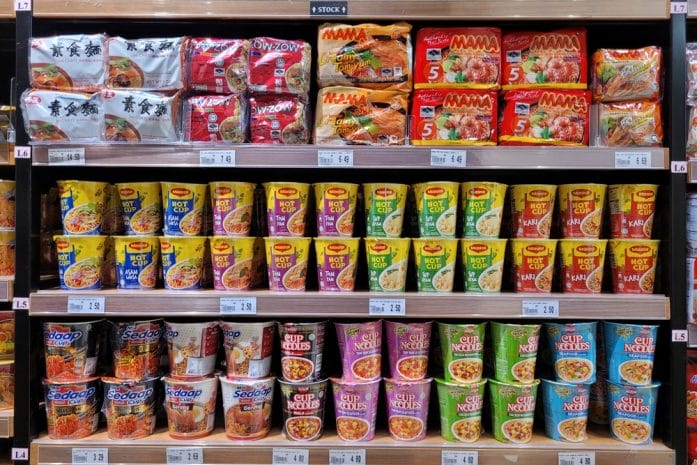
3. Instant Noodles: The Affordable Dinner Trap

Instant noodles have saved countless college students and busy adults from culinary despair. They’re cheap, easy, and oddly comforting. But the truth is harsh: these noodles often come with seasoning packets containing massive amounts of sodium, MSG, and artificial flavors. Regularly eating instant noodles is associated with higher risks of metabolic syndrome, which includes high blood pressure, excess belly fat, and abnormal cholesterol levels.

If ramen is your go-to, doctors recommend “greening up” your noodles by adding fresh veggies, lean proteins, and using only half the seasoning packet. That way, your wallet and your waistline both stay happier.
These Are 7 Budget Foods Americans Rely On That Doctors Say Create Bigger Problems Later

Image source: shutterstock.com

4. Sugary Cereals: Breakfast That Betrays You

Sugar-laden cereals are a nostalgic favorite, and they often cost less than healthier options. Kids love them, adults sometimes sneak them, and grocery stores stock them with pride. But studies show that high-sugar breakfasts can lead to blood sugar spikes, energy crashes, and cravings for more sweets throughout the day. Some cereals contain more sugar per serving than a candy bar!

Instead of going cold turkey, consider pairing a smaller portion of cereal with Greek yogurt or fresh fruit. This combo adds protein and fiber, slowing sugar absorption while keeping the breakfast ritual alive.

5. Canned Soups: Affordable, But Often Overloaded

Canned soups are pantry heroes, especially in chilly months when comfort is king. However, many canned varieties are packed with sodium. High sodium intake can increase blood pressure and strain your cardiovascular system, particularly if eaten frequently.

If you love canned soup, check for “low-sodium” options or make your own batch using broth, vegetables, and beans. It takes a little more effort but drastically reduces hidden health risks. A little prep goes a long way when it comes to heart health.

6. Processed Lunch Meats: Cheap Protein, High Risk

Deli meats, hot dogs, and pre-packaged cold cuts are popular for their convenience and low price. But doctors caution that they’re often loaded with nitrates, sodium, and saturated fats, all of which can increase the risk of heart disease and certain cancers. Studies suggest that even moderate consumption of processed meats can have long-term health consequences.

Consider rotating with grilled chicken, turkey breast, or even plant-based proteins for a budget-friendly alternative that doesn’t compromise your well-being. A small swap can yield big benefits over time.

7. Cheap Potato Chips: The Snack That Sneaks Damage

Potato chips are cheap, addictive, and seemingly harmless in small doses—but doctors warn they’re a triple threat. They’re loaded with unhealthy fats, salt, and sometimes artificial flavorings, all contributing to cardiovascular stress, weight gain, and inflammation. Even a single bag can pack hundreds of empty calories, leaving you full but nutritionally bankrupt.

Swapping chips for air-popped popcorn, roasted chickpeas, or veggie sticks with hummus can satisfy cravings while actually nourishing your body. Crunch responsibly, your future self will thank you.

Your Wallet and Health Can Coexist—If You Play It Smart

Budget-friendly foods don’t have to mean long-term health disasters. The key is awareness and strategic swaps. Frozen dinners, snack cakes, instant noodles, sugary cereals, canned soups, processed meats, and potato chips can all fit into life occasionally—but making them staples? That’s where trouble starts.

What’s your take—would you swap your go-to budget food for a healthier alternative, or do you think the convenience is worth the risk? Share your thoughts in the comments!

You May Also Like…

7 “Healthy” Foods That Are a Total Rip-Off

How Fast-Food Chains Are Cutting Costs by Changing Ingredients

9 Fast-Food Items That Nutritionists Secretly Say Are Worse Than Cigarettes

7 Bizarre Facts About the Human Body That Doctors Can’t Explain

6 Healthy Budget Tips To Keep Your Financially Healthy Until Payday

Brandon Marcus
Brandon Marcus

Brandon Marcus is a writer who has been sharing the written word since a very young age. His interests include sports, history, pop culture, and so much more. When he isn’t writing, he spends his time jogging, drinking coffee, or attempting to read a long book he may never complete.

Filed Under: Frugal Living Tagged With: budget foods, canned soup, diet advice, food, food and drink, frozen dinners, frugal living, healthy eating, healthy swaps, heart health, instant noodles, nutrition tips, potato chips, processed meats, snack cakes, sugary cereals

7 Insider Reasons Frugal Shoppers Are Obsessed With Trader Joe’s

November 27, 2025 by Travis Campbell Leave a Comment

frugal shopping

Image source: shutterstock.com

People who shop frugally follow specific goals that determine their shopping choices. The price comparison and value assessment process helps them stay on track with their shopping goals by preventing them from buying non-essential items that would increase their grocery expenses. The combination of affordable prices and budget-friendly policies at Trader Joe’s makes it an attractive destination for customers who want to save money. The system at Trader Joe’s enables customers to manage their everyday expenses instead of following fashion trends or exploring new products. The system proves its effectiveness to frugal shoppers.

1. A Limited Selection That Cuts Costs

Trader Joe’s stocks fewer products than a typical grocery chain. That narrow assortment looks simple, but it drives down overhead. Smaller inventories translate into lower storage costs, leaner logistics, and faster turnover. Every item on the shelf moves quickly. Nothing gathers dust. That efficiency shows up in the price tag, which frugal shoppers track closely.

Some stores overwhelm shoppers with 25 versions of a single item. Trader Joe’s sets a boundary and holds it. The store curates choices for people who want low prices without sifting through the noise. For frugal shoppers, the clarity matters as much as the savings.

2. Private Label Dominance

The aisles lean heavily on the store’s own brand. Trader Joe’s avoids the cost of carrying major national brands, which often build marketing costs into their prices. Private label goods cut out those premiums. The store negotiates directly with suppliers, often working with the same manufacturers that produce name-brand foods, but without the inflated branding expense.

Frugal shoppers pay for the product alone. They understand the quiet math behind the private-label strategy and respond accordingly. When quality meets lower cost, loyalty follows.

3. Transparent, Stable Pricing

Trader Joe’s rarely plays with price fluctuations or gimmicks. No coupons. No loyalty programs. No limited-time sales are engineered to push unnecessary purchases. The store sets a price and commits to it for as long as possible.

That stability helps frugal shoppers build predictable budgets. They don’t need to wonder if they should stockpile an item before a price hike. They don’t get drawn into games designed to extract more money through urgency. The price stays put, and that consistency becomes part of why frugal shoppers trust the brand.

4. A Smaller Footprint With Lower Overhead

Most Trader Joe’s locations operate in modest spaces. Smaller stores need fewer employees, less equipment, and less energy. Everything from rent to refrigeration costs less in a compact footprint. Those savings ripple across the entire operation and land back in shoppers’ carts.

Some chains build sprawling stores that try to become one-stop destinations. Trader Joe’s keeps its lanes tight. That physical restraint becomes a financial advantage. And frugal shoppers recognize efficiency in every square foot.

5. Fast Inventory Turnover and Minimal Waste

There’s a constant flow through the backroom. Items move fast, rotate fast, and sell fast. That velocity reduces waste, one of the biggest hidden costs in grocery retail. Perishables don’t get time to spoil. Shelf-stable items don’t linger long enough to become markdown losses. The store’s buying model anticipates real demand instead of projecting lofty estimates that lead to overstock.

The system stays lean, and frugal shoppers respond to the rhythm. They see fresher goods and lower prices because the store refuses to slow down.

6. A No-Frills Shopping Experience

The store skips luxury features. No in-store bakery pumping out warm bread every hour. No elaborate deli displays. No cafeteria-style food court is designed to keep shoppers wandering longer. Those extras cost money to maintain, and many of them encourage overspending.

Trader Joe’s keeps the experience clean, functional, and straightforward. The focus stays on the essentials. That restraint protects the margins that keep prices low. It also protects the budgets of frugal shoppers who want groceries, not a theatrical retail experience.

7. Curated Products That Deliver High Value

When Trader Joe’s adds an item, it often hits an unusual balance: high quality at a price that undercuts competitors. The store doesn’t chase endless variety. It brings in products that already fit the value structure. The curation feels intentional, and frugal shoppers pick up on that immediately.

Some items become cult favorites. Others quietly disappear when they stop meeting the store’s standards. The constant refinement keeps value at the center, which is exactly what frugal shoppers prioritize when stretching their food budget.

Why Trader Joe’s Keeps Winning Over Frugal Shoppers

The shopping environment at Trader Joe’s matches the budget-conscious lifestyle of its customers. The company designed its business model to serve frugal consumers through its limited product selection, reduced operational costs, private-label products, and a fixed pricing strategy. The entire system operates without depending on any form of promotional advertising. The system operates successfully because it maintains customer limits while minimizing unnecessary expenses.

The dependable nature of Trader Joe’s store environment attracts customers who follow a frugal lifestyle. The store maintains customer trust through its transparent shopping system, which prevents price manipulation that drives up grocery costs. The store offers customers an easy shopping experience because they face various interruptions while out and about during their daily activities.

Which particular methods do you employ to maintain your grocery expenses under your established budget?

What to Read Next…

  • 7 Tactics Grocery Stores Use to Keep You From Thinking About Price
  • Can Your Grocery Store Loyalty Card Be Used to Track You?
  • Are These 8 Money Saving Tricks Actually Keeping You Broke?
  • 10 Ways You’re Wasting Money Just Trying to Keep Up Appearances
  • 6 Monthly Bills You Should Cancel Immediately Even If You Can Afford Them
Travis Campbell
Travis Campbell

Travis Campbell is a digital marketer/developer with over 10 years of experience and a writer for over 6 years. He holds a degree in E-commerce and likes to share life advice he’s learned over the years. Travis loves spending time on the golf course or at the gym when he’s not working.

Filed Under: Frugal Living Tagged With: budgeting, frugality, grocery shopping, Personal Finance, Trader Joe's

8 Everyday Items Made From Recycled Materials You’d Never Expect

November 26, 2025 by Travis Campbell Leave a Comment

Recyclable

Image source: shutterstock.com

People in the public domain remain unaware of the origins of the products they use daily. The production process converts recycled materials into new products that bear no resemblance to their original form. The transformation process serves three purposes: it minimizes waste output, reduces manufacturing expenses, and extends the service life of materials, which would otherwise become landfill waste. People who buy products do not understand this manufacturing process, which supports their daily shopping activities. The knowledge of everyday objects will transform after you understand their transformation process.

1. Shoes Made From Plastic Bottles

Footwear companies now spin recycled materials into lightweight threads for the uppers of shoes. Clear plastic bottles become fibers, then yarn, then breathable mesh that’s both strong and flexible. The idea sounds rough, but the result feels nothing like the source.

The process trims waste from two directions. Fewer bottles end up buried or burned, and fewer new materials need to be manufactured. That balance reshapes an industry once dependent on petroleum-heavy synthetics.

2. Kitchen Countertops Forged From Old Glass

Shattered bottles and broken windows find a second life as polished kitchen surfaces. Manufacturers crush the glass, bind it with resin, and form dense slabs. The flecks of color aren’t paint. They’re remnants of the recycled materials embedded throughout.

These countertops handle heat and impact without the maintenance demands of natural stone. They show how discarded fragments can turn into something built to last.

3. Notebooks Pressed From Recycled Cotton Scraps

Fashion production leaves behind mountains of cotton trimmings. Instead of dumping them, some mills grind the scraps into fibers and press them into thick, durable paper. The sheets hold ink well and resist tearing, despite being made from material once considered waste.

The shift brings the textile and stationery worlds closer. It also reduces pressure on forests by limiting the need for wood pulp.

4. Park Benches Molded From Used Milk Jugs

Public spaces are full of quiet examples of recycled materials in action. Park benches made from high-density polyethylene come from the same jugs that hold household milk. After cleaning and shredding, the plastic becomes molded lumber that resists rot and insects.

Unlike wood, these benches don’t splinter or warp. They survive heat, cold, and rain, providing sturdy seating born from something meant for a single use.

5. Carpet Tiles Built From Old Fishing Nets

Ghost nets drift through oceans for years, damaging wildlife and ecosystems. Collecting them costs time and effort, but the payoff is real. The nylon inside these nets can be recycled into fibers used for carpet tiles. Once cleaned and processed, the material looks nothing like its past form.

These tiles lock together and can be replaced one square at a time. The durable fibers cut down future waste and keep harmful debris out of waterways.

6. Asphalt Enhanced With Recycled Rubber

Road surfaces often include ground-up tires. Rubber crumbs help create asphalt that absorbs impact and reduces road noise. It’s one of the most widespread uses of recycled materials, yet people rarely notice it under their wheels.

Tires are difficult to dispose of safely. Reusing the rubber gives them a second job, one that keeps millions of pounds of waste from accumulating in open lots or illegal dumps.

7. Insulation Made From Recycled Denim

Old jeans, shredded and treated, make effective home insulation. The fibers retain heat, block sound, and help prevent the itch associated with traditional fiberglass. Builders can cut and install the material without special suits or masks.

This approach repurposes clothing that can’t be resold or donated. It also trims the environmental footprint of new construction by replacing more energy-intensive materials.

8. Office Chairs Containing Reprocessed Metal

Hidden inside many office chairs is a network of steel or aluminum components created from recycled materials. Reprocessed metal delivers the same strength as new metal but requires far less energy to produce. The structural core stays sturdy even after years of use.

This change often goes unnoticed because nothing about the chair broadcasts its origins. Yet recycled content plays a central role in reducing manufacturing costs and environmental impact.

The Patterns Hiding in Plain Sight

People fail to recognize that recycled materials are used in their daily activities more often than they realize. The recycling process transforms materials into new products, creating economic changes that, in turn, affect our everyday activities and the environment.

The system produces major results through its basic modification capabilities. The discovery of recycled materials in everyday objects shows that they are present in regular consumer products.

Which recycled material product in your daily life has impressed you the most?

What to Read Next…

  • 7 Tactics Grocery Stores Use to Keep You From Thinking About Price
  • 8 Everyday Services That Are Slowly Becoming Subscription Only
  • 7 Popular Cleaning Products That Can Destroy Your Plumbing
  • 9 Common Products That May Be Illegal to Resell Online
  • 8 Things You’re Doing That Make Criminals Think You’re an Easy Target
Travis Campbell
Travis Campbell

Travis Campbell is a digital marketer/developer with over 10 years of experience and a writer for over 6 years. He holds a degree in E-commerce and likes to share life advice he’s learned over the years. Travis loves spending time on the golf course or at the gym when he’s not working.

Filed Under: Frugal Living Tagged With: household items, Personal Finance, recycling, sustainability, waste reduction

18 Beautiful Cities Where You Can Live Like Royalty for Under $1,000 a Month

November 4, 2025 by Travis Campbell Leave a Comment

Denmark

Image source: shutterstock.com

People want to live in attractive urban areas, but they also need to maintain financial stability. Research will help you discover cities that offer royal living at prices below $1,000 per month. People who want to live affordably can enjoy comfortable lives while experiencing a range of cultural events and exciting experiences. In fact, some of the world’s most charming cities offer a high quality of life at a fraction of the cost you’d expect. These locations offer budget-stretching opportunities that provide residents with an experience of living in a completely different environment.

1. Chiang Mai, Thailand

Chiang Mai is a favorite among expats for its blend of traditional Thai culture and modern amenities. Rent for a one-bedroom apartment in the city center often falls well below $400 a month. Street food, local markets, and inexpensive transportation make it easy to keep your total living expenses under $1,000. You can enjoy temples, coffee shops, and lush mountains without breaking the bank, truly enabling you to live like royalty for under $1,000 a month.

2. Granada, Nicaragua

Granada offers a unique blend of colonial charm, vibrant architecture, and a relaxed pace of life. A furnished apartment can be found for around $300 per month. Eating out, groceries, and utilities are also affordable. The city’s proximity to Lake Nicaragua and nearby volcanoes gives you plenty of opportunities for adventure on a budget.

3. Lviv, Ukraine

Lviv’s cobblestone streets and vibrant cultural scene make it a fantastic place to live. Rent and daily expenses are low, with many expats reporting total monthly costs around $700. Cafés, museums, and lively festivals are all part of the city’s appeal, helping you live well for less.

4. Cuenca, Ecuador

Cuenca is known for its mild climate, historic center, and friendly locals. A comfortable apartment in the city center can be rented for $500 or less. Utilities, groceries, and public transportation keep your monthly costs manageable. It’s no wonder Cuenca is popular among retirees seeking to live like royalty for under $1,000 a month.

5. Medellín, Colombia

Medellín offers a modern infrastructure, pleasant weather, and a dynamic social scene. One-bedroom apartments in safe neighborhoods can be found for under $400. Dining out, using public transit, and enjoying entertainment are all affordable. This city gives you a cosmopolitan experience on a small budget.

6. Penang, Malaysia

Penang blends tropical beaches, multicultural cuisine, and historic sights. Monthly rent for a central apartment can be as low as $300. Local hawker food, public buses, and utilities are all budget-friendly. Penang’s quality of life makes it easy for anyone to live like royalty for under $1,000 a month.

7. Sofia, Bulgaria

Sofia offers a mix of history, green spaces, and affordable living. Rent for a one-bedroom apartment often ranges from $350 to $500. The city’s efficient public transport and inexpensive groceries help keep costs low. Sofia is an underrated European gem for budget living.

8. Da Nang, Vietnam

Da Nang’s sandy beaches and modern cityscape attract digital nomads and retirees alike. For under $350, you can find a comfortable apartment. Eating out is cheap, and local markets make cooking at home affordable. Da Nang’s laid-back vibe is perfect for those seeking both relaxation and value.

9. Puebla, Mexico

Puebla is renowned for its colonial architecture, vibrant tiles, and diverse culinary scene. Apartments in safe areas typically rent for $300 to $400. Daily expenses like groceries, transportation, and entertainment are very reasonable, making Puebla a great option for affordable city living.

10. Tbilisi, Georgia

Tbilisi’s unique blend of European and Asian influences creates a lively, welcoming atmosphere. Rent and utilities are low, often totaling less than $400 a month. The city’s walkable center, delicious cuisine, and friendly locals make it easy to enjoy life on a modest budget.

11. Budapest, Hungary

Budapest combines historic beauty with affordability. You can find apartments for $400 or less, especially outside the main tourist areas. With affordable public transportation and numerous free cultural activities, your money goes further in this picturesque city.

12. Arequipa, Peru

Arequipa boasts beautiful colonial architecture and a mild climate. Rent for a central apartment is typically under $300. Local markets, inexpensive eateries, and low-cost transportation help keep your monthly budget in check.

13. Skopje, North Macedonia

Skopje is an affordable European city with a rich history. Renting an apartment can cost as little as $250 to $350 per month. Groceries, restaurants, and public transport are also budget-friendly, allowing you to live comfortably for less.

14. Quito, Ecuador

Quito has a unique blend of old and new, with a historic center and modern districts. Apartments in safe neighborhoods are available for $350 to $500 a month. The cost of living is low, and you can easily enjoy the city’s culture and scenery on a tight budget.

15. Plovdiv, Bulgaria

Plovdiv is one of Europe’s oldest cities, filled with Roman ruins and vibrant art scenes. Rent for a one-bedroom apartment is often under $300. With affordable dining and entertainment, Plovdiv is a fantastic place to live like royalty for under $1,000 a month.

16. Antalya, Turkey

Antalya offers Mediterranean beaches, ancient ruins, and a friendly atmosphere. You can rent an apartment near the sea for $400 or less. Groceries and transportation are also inexpensive, making Antalya a great value for those seeking sun and culture.

17. Belgrade, Serbia

Belgrade’s nightlife, riverside promenades, and café culture are legendary. Renting an apartment in the city center can cost $350 to $450. The overall cost of living remains low, so you can experience a lively urban lifestyle on a budget.

18. Vilnius, Lithuania

Vilnius is known for its baroque architecture and cozy cafés. A one-bedroom apartment in the city center typically rents for $400 to $500. With affordable groceries and public transport, Vilnius is a charming and cost-effective place to call home.

Tips for Finding Your Ideal City

The search for royal living in cities with a monthly budget of under $1,000 requires an evaluation of visa requirements, healthcare standards, and local expat populations. You can find reliable information about the cost of living through Numbeo and read about actual experiences from expats on their forums to help you decide. The three cities offer distinct combinations of affordable living, cultural experiences, and comfortable environments, allowing you to choose the aspects that matter most to you.

Do you feel ready to take the leap, or would you prefer to visit any of the locations listed on this page? Share your thoughts and experiences in the comments below!

What to Read Next…

  • 9 Times It’s Smarter to Rent Than Buy Even Long Term
  • Are These 7 Retirement States As Affordable As They Claim?
  • 5 Best Places to Retire in America With 500k in Savings
  • What’s the Real Cost of Living in a 55+ Retirement Community?
  • 10 Places Where Middle Class Americans Are Quietly Disappearing
Travis Campbell
Travis Campbell

Travis Campbell is a digital marketer/developer with over 10 years of experience and a writer for over 6 years. He holds a degree in E-commerce and likes to share life advice he’s learned over the years. Travis loves spending time on the golf course or at the gym when he’s not working.

Filed Under: Frugal Living Tagged With: affordable living, budget travel, Cost of living, expat life, Retirement

9 Everyday Items You’re Wildly Overpaying For at the Grocery Store

October 12, 2025 by Travis Campbell Leave a Comment

grocery

Image source: pexels.com

Grocery shopping is a regular part of life, but it’s easy to overlook how much you’re spending on certain items. Many everyday products are marked up far more than you realize. Sometimes, it’s for the sake of convenience; other times, it’s just clever marketing. If you’re trying to stretch your budget, knowing where you’re overspending can make a real difference. Today, we’re breaking down the everyday items you’re wildly overpaying for at the grocery store. Pay attention to these products on your next trip, and you could save a surprising amount of money.

1. Pre-Cut Fruits and Vegetables

Pre-cut fruits and vegetables are incredibly convenient, but you pay a steep price for that ease. Grocery stores often charge double or even triple the cost of whole produce when it’s sliced, diced, or packaged in a plastic container. While it’s tempting to grab these items for their ready-to-eat appeal, buying whole fruits and veggies and prepping them yourself can lead to big savings over time. Plus, you’ll reduce waste from unnecessary packaging.

2. Bottled Water

Bottled water is one of the most marked-up grocery items. In many cases, tap water at home is just as safe—and costs a fraction of the price. Even if you prefer filtered water, investing in a reusable filter pitcher or a water bottle with a built-in filter can save you money month after month. If you’re still buying bottled water regularly, it’s one of the classic ways people overpay at the grocery store without realizing it.

3. Brand-Name Spices

Spices are essential for cooking, but brand-name jars often come with hefty markups. In some stores, you’re paying three to five times more for a recognizable label. The quality difference is minimal, especially for basics like cinnamon, oregano, or garlic powder. Instead, buy generic or look for spices in the international or bulk foods aisle. You’ll get more for your money and still enjoy flavorful meals.

4. Single-Serve Snack Packs

Single-serve snack packs—nuts, crackers, chips—are a go-to for lunches and busy days. But convenience comes at a cost. These snacks are often much more expensive per ounce than their full-size counterparts. To keep grocery store spending in check, buy larger packages and portion them out yourself. Small reusable containers make DIY snack packs easy and cost-effective.

5. Pre-Shredded Cheese

Pre-shredded cheese saves a step in meal prep, but you pay extra for that shortcut. Not only is it pricier per pound compared to block cheese, but it’s also coated with anti-caking agents that can affect texture and melt quality. Shredding your own cheese takes just a minute and can help you avoid one of the most common ways people overpay at the grocery store.

6. Salad Kits

Salad kits promise a quick, healthy meal, but the markup is significant. You’re essentially paying for someone to chop lettuce and toss in a handful of toppings. When you buy greens, veggies, and dressing separately, you get more servings for less money. Plus, you have control over the freshness and quality of each ingredient. If you want both convenience and value, consider prepping your own salad ingredients for the week.

7. Packaged Deli Meats

Packaged deli meats are a staple in many lunchboxes, but they’re one of the most overpriced items at the grocery store. Sliced meats in branded packaging can cost significantly more than freshly sliced options from the deli counter. You also tend to get less meat per package. For better value and fresher taste, ask for your deli meats to be sliced to order. You can even request thicker or thinner slices to suit your needs.

8. Frozen Convenience Meals

Frozen meals are a quick fix for busy nights, but you’re paying a premium for that convenience. These ready-to-eat items are often much pricier than making a similar dish from scratch. In addition to the cost, many frozen meals have added sodium and preservatives. If you’re short on time, consider batch cooking your own meals and freezing portions for later. It’s a smarter way to cut down on the amount you overpay at the grocery store.

9. Organic Pre-Packaged Snacks

Organic snacks are appealing for health-conscious shoppers, but when they’re individually packaged, the price skyrockets. Whether it’s organic granola bars, fruit snacks, or chips, you’re often paying more for the packaging than the product itself. Instead, buy organic ingredients in bulk and make your own snacks. Not only will you save money, but you’ll also have more control over what goes into your food.

How to Avoid Overpaying at the Grocery Store

It’s easy to fall into the trap of overpaying for everyday items at the grocery store, especially when convenience seems worth the extra cost. But small changes—like prepping your own produce, choosing generic brands, and buying in bulk—can add up to significant savings. Being mindful of what you toss in your cart helps you keep your grocery store costs in check without sacrificing quality or nutrition.

If you’re looking to overhaul your grocery shopping habits, start by tracking which items you’re spending the most on. Compare prices, try out new brands, and experiment with prepping food at home. You might be surprised how much you can save.

What other grocery store items do you think people are overpaying for? Share your thoughts in the comments!

What to Read Next…

  • 7 Tactics Grocery Stores Use to Keep You from Thinking About Price
  • Can Your Grocery Store Loyalty Card Be Used to Track You?
  • Are These 7 Little Expenses Quietly Costing You Thousands a Year?
  • 8 Everyday Services That Are Slowly Becoming Subscription Only
  • 10 Smart Purchases That Are Slowly Making You Broke
Travis Campbell
Travis Campbell

Travis Campbell is a digital marketer/developer with over 10 years of experience and a writer for over 6 years. He holds a degree in E-commerce and likes to share life advice he’s learned over the years. Travis loves spending time on the golf course or at the gym when he’s not working.

Filed Under: Frugal Living Tagged With: budgeting, frugal living, Grocery savings, grocery store, Personal Finance, shopping tips, spending

Freebies and Huge Discounts: 11 Places You’re Overpaying Without Realizing It

October 9, 2025 by Travis Campbell Leave a Comment

discounts

Image source: shutterstock.com

It’s easy to miss out on savings when you don’t know where to look. Many people end up spending more than necessary on everyday expenses, simply because they’re unaware of available freebies and huge discounts. Whether it’s out of habit or convenience, these overlooked costs can add up quickly over time. Identifying areas where you might be overpaying can make a noticeable difference in your budget. This article highlights the most common places where you’re likely missing out on freebies and huge discounts—so you can keep more cash in your pocket.

1. Subscription Services

Monthly subscription services can sneak up on your wallet. From streaming platforms to meal kits, it’s common to forget about services you rarely use. Many companies offer freebies and huge discounts to new users, but once the trial ends, the price jumps. Audit your subscriptions regularly, cancel what you don’t use, and look for introductory offers if you want to try something new. Sometimes, simply reaching out to customer service can help you score a retention discount.

2. Gym Memberships

Gyms often lure you in with special deals, but after the initial period, you may be paying for services you barely use. Many fitness centers offer free trial classes or discounted rates during certain times of the year. Check for community centers or local parks that offer free or low-cost fitness classes. By taking advantage of these freebies and huge discounts, you can stay active without overspending.

3. Cell Phone Plans

Cell phone bills are a common area where people overpay. With frequent updates to plans and promotions, it’s easy to miss out on huge discounts. Compare your current plan to what’s available. You may find that switching providers or negotiating with your carrier leads to significant savings. Don’t forget to ask about discounts for students, military, or bundling services.

4. Grocery Shopping

Shopping without a list or ignoring store loyalty programs can cost you. Many grocery stores offer exclusive freebies and huge discounts through their apps or membership cards. Clip digital coupons, check for weekly specials, and consider buying store brands, which often offer the same quality at a lower price. Planning meals around sales can also help you avoid overpaying.

5. Restaurants and Takeout

Dining out can drain your budget if you’re not careful. Many restaurants have loyalty programs or apps that reward frequent customers with freebies and huge discounts. Sign up for email lists to receive special offers or birthday treats. Ordering directly from the restaurant instead of third-party apps can also save on extra fees.

6. Online Shopping

Impulse purchases online often mean paying full price. Before checking out, search for promo codes, cashback offers, or browser extensions that find discounts automatically. Many retailers give out freebies and huge discounts for first-time shoppers or newsletter sign-ups. Take a moment to compare prices on different sites or wait for seasonal sales to get the best deals.

7. Travel and Accommodation

Booking flights or hotels without comparison shopping can lead to overpaying. Use travel aggregator sites to compare prices and set alerts for drops. Some credit cards offer exclusive travel freebies and huge discounts, such as free checked bags or hotel upgrades. Consider flexible travel dates to take advantage of off-peak rates.

8. Car Insurance

Many drivers stick with the same insurer for years, missing out on lower rates elsewhere. Compare quotes from multiple companies every year. Some insurers offer discounts for bundling policies, safe driving, or even for being a good student. Don’t forget to ask about any available freebies and huge discounts before renewing your policy.

9. Prescription Medications

Medication costs can vary widely from one pharmacy to another. Many pharmacies offer loyalty programs or discount cards, and there are online tools that help you find the lowest price. Ask your doctor if generic alternatives are available, and check if your health plan covers mail-order options for additional savings.

10. Utility Bills

Most people don’t realize their utility providers may offer freebies and huge discounts for things like energy efficiency upgrades or paperless billing. Some areas have programs that provide free energy audits or rebates for installing efficient appliances. Contact your provider to ask about current offers and see if you qualify for lower rates or special programs.

11. Entertainment and Cultural Events

Concerts, museums, and local attractions often have discounted or free admission days. Public libraries frequently offer free passes to cultural sites or host events at no cost. Websites like Eventbrite list free community happenings in your area. Take advantage of these opportunities to enjoy entertainment without straining your budget.

Maximizing Savings with Freebies and Huge Discounts

Paying attention to where your money goes can reveal surprising opportunities to save. By being proactive and seeking out freebies and huge discounts, you’ll stretch your budget further and avoid unnecessary expenses. Small changes, like signing up for loyalty programs or regularly reviewing your bills, can add up to big savings over time.

Where have you found unexpected freebies and huge discounts in your daily life? Share your favorite money-saving tips in the comments below!

What to Read Next…

  • 7 Tactics Grocery Stores Use to Keep You From Thinking About Price
  • Are These 8 Money Saving Tricks Actually Keeping You Broke
  • 6 Online Freebies That End in Identity Theft
  • Are These 7 Little Expenses Quietly Costing You Thousands a Year
  • 5 Invisible Service Charges Eating Into Your Bank Balance
Travis Campbell
Travis Campbell

Travis Campbell is a digital marketer/developer with over 10 years of experience and a writer for over 6 years. He holds a degree in E-commerce and likes to share life advice he’s learned over the years. Travis loves spending time on the golf course or at the gym when he’s not working.

Filed Under: Frugal Living Tagged With: budgeting, discounts, freebies, money tips, Personal Finance, savings, spending

7 Simple Hacks to Stop Wasting Money on Subscription Services

October 9, 2025 by Travis Campbell Leave a Comment

streaming service

Image source: shutterstock.com

Subscription services are everywhere. From streaming platforms to meal kits and fitness apps, it’s easy to sign up and forget about them. These small monthly charges may not seem significant, but they add up quickly. Many people pay for subscriptions they rarely use or have even forgotten exist. Managing your subscription services can help you reclaim a surprising amount of money each month. If you’re ready to stop wasting money on subscription services, these practical hacks will help you take back control of your finances.

1. Make a List of All Your Subscriptions

The first step to stop wasting money on subscription services is to identify what you’re paying for. Go through your bank and credit card statements for the past three months. Write down every recurring charge you see. Don’t rely on memory—many subscriptions fly under the radar because they’re set to auto-renew. This list will show you exactly where your money is going and help you spot services you no longer use.

2. Cancel What You Don’t Use

Now that you have a complete list, it’s time to cancel any subscription services you’re not using. Be honest with yourself. If you haven’t logged into that streaming service in months or you’re not using the meal kit deliveries, it’s probably time to let them go. Many companies make it easy to cancel online, but some may require a phone call or email. Set aside an hour to take care of cancellations all at once. You’ll immediately stop wasting money on subscription services you don’t need.

3. Set Reminders for Free Trials

Free trials can be tempting, but they often turn into paid subscriptions if you forget to cancel. To avoid this trap, set a calendar reminder for a few days before the trial ends. Use your phone, email, or a paper planner—whatever works best for you. This simple habit ensures you have time to decide if the service is worth keeping or if you should cancel before being charged. It’s a quick way to stop wasting money on subscription services you never intended to keep.

4. Use Subscription Tracking Apps

Managing multiple subscriptions can get overwhelming. Fortunately, there are apps designed to help you track and manage recurring expenses. Apps like Rocket Money and Truebill allow you to see all your subscription services in one place. Some even offer cancellation features with a single tap. Using a tracking app can help you spot forgotten subscriptions, compare prices, and make smarter decisions about what to keep. This is a powerful tool for anyone looking to stop wasting money on subscription services.

5. Share or Split Subscriptions

Many subscription services, especially streaming platforms, allow account sharing within households. If you have family or roommates, consider splitting the cost of these services with them. Some plans even allow for multiple streams or profiles. Not only does this make each subscription more affordable, but it also ensures you’re getting the most value from what you pay for. Just make sure to check the service’s sharing policies to stay within the rules.

6. Pay Annually Instead of Monthly

If you decide a subscription service is truly worth it, see if there’s a discount for paying annually. Many companies offer one or two months free if you commit to a year upfront. This approach not only saves money but also forces you to think carefully about whether you’ll use the service long-term. If you’re unsure, set a reminder to review the subscription before it renews. This way, you avoid surprise charges and further stop wasting money on subscription services you might not need in the future.

7. Reevaluate Regularly

Your needs change over time, so it’s important to review your subscriptions every few months. Schedule a quarterly “subscription audit” and go through your list. Ask yourself if you’re still using each service and if it’s worth the cost. Don’t be afraid to cancel and resubscribe later if your interests change. Regular reviews help you catch any new charges and keep your spending in check. This habit is crucial if you want to stop wasting money on subscription services for good.

Take Charge of Your Subscriptions Today

Paying attention to your subscription services can make a big difference in your monthly budget. By tracking what you pay for, canceling what you don’t use, and reviewing your needs regularly, you can stop wasting money on subscription services and put those savings toward more important goals. Small changes add up over time and even cutting a few unused subscriptions can free up cash for things that truly matter.

How do you keep track of your subscription services? Have you found any clever ways to stop wasting money? Share your tips in the comments below!

What to Read Next…

  • 8 Everyday Services That Are Slowly Becoming Subscription Only
  • Are Automatic Renewals Draining More Than You Realize?
  • 8 Subscription Models That Quietly Strip Funds Monthly
  • 6 Monthly Bills You Should Cancel Immediately Even If You Can Afford Them
  • Is Your Internet Provider Charging You For Services You Don’t Use?
Travis Campbell
Travis Campbell

Travis Campbell is a digital marketer/developer with over 10 years of experience and a writer for over 6 years. He holds a degree in E-commerce and likes to share life advice he’s learned over the years. Travis loves spending time on the golf course or at the gym when he’s not working.

Filed Under: Frugal Living Tagged With: budgeting, money-saving, Personal Finance, recurring expenses, subscriptions

Roommate Please: 7 Times It Makes Sense To Get A Roommate

October 8, 2025 by Travis Campbell Leave a Comment

roommate

Image source: shutterstock.com

Housing costs eat up a big chunk of most budgets, and it’s only getting harder to find affordable rent. If you’re feeling squeezed by monthly expenses, you’re not alone. The decision to get a roommate can make a real difference in your financial life. For some people, it’s about more than just saving money—it’s about creating flexibility, building community, or managing life changes. No matter your situation, there are times when saying “roommate, please” is the smartest move. Here are seven situations when having a roommate makes solid financial sense.

1. Moving to a New City

Landing in a new city can be both exciting and overwhelming. Rent prices might be higher than you’re used to, and you may not know the neighborhoods yet. Choosing to get a roommate can lower your risk. You’ll split rent and utilities, which lets you try out city living without stretching your budget too thin.

Plus, roommates can help you adjust to your new environment. They might introduce you to local spots, share tips, or even become friends. If you’re unsure about making a long-term commitment, a roommate arrangement can be a helpful transition.

2. Paying Off Debt Faster

If you have student loans, credit card balances, or personal debt, cutting your monthly expenses is key. Choosing to get a roommate can free up a sizable chunk of your income. Instead of watching your paycheck disappear into rent, you can put more money toward your debt snowball.

This approach can help you achieve your financial goals faster. Some people even use the savings from a roommate arrangement to build an emergency fund or start investing. If your main goal is financial freedom, sharing your space is a practical step.

3. Facing a Job Loss or Income Drop

Life can throw curveballs. If you lose your job or your hours get cut, housing costs quickly become a worry. In these times, saying “roommate, please” can be a lifeline. By splitting rent and utilities, you can stay in your home while you get back on your feet.

This setup can also reduce stress during a tough period. With a roommate, you’re not carrying the full burden alone. Some people even find new job leads through their housemates. While it may not be your first choice, it’s a smart backup plan for uncertain times.

4. Saving for a Big Goal

Maybe you’re dreaming of buying a home, traveling, or starting a business. Big goals require big savings. When you get a roommate, you can stash away the difference between your share of rent and what you’d pay solo. Over a year or two, those savings add up.

It’s easier to stay motivated when you see your progress. You might even find a roommate who shares your goal, making it easier to support each other. Whether you’re planning for a wedding or a down payment, sharing your living space can help you get there faster.

5. Living in a High-Cost Area

Some places are just expensive, period. If you want to live in a city with high rent, it might be impossible to afford a place on your own. In these cases, getting a roommate isn’t just helpful—it’s essential. Splitting costs lets you access better neighborhoods, safer buildings, or more amenities.

Many people in cities like San Francisco or New York have embraced the roommate lifestyle as a long-term solution. If your dream location comes with a steep price tag, sharing a place is often the most practical way to go.

6. Transitioning After a Breakup or Divorce

Ending a relationship often means big changes—including where you live. Suddenly covering all the bills on your own can be tough. If you’re in this situation, saying “roommate please” can help you regain stability. You’ll reduce your expenses and buy yourself some time to plan your next move.

Roommates can also provide emotional support during a transition. Whether you team up with a friend or use a roommate-matching service, sharing a home can make a difficult period a little easier. It’s a practical step toward rebuilding your life and finances.

7. Wanting More Flexibility

If you’re not ready to settle down, getting a roommate can keep your options open. Maybe you want to travel, change careers, or try out a new city. With lower monthly expenses, you can save more and take risks without worrying about breaking a lease or losing your home.

For digital nomads and freelancers, roommate living can be the perfect fit. Many people also use this arrangement to test out different lifestyles. If flexibility is your top priority, sharing rent and responsibilities with a roommate makes sense.

Roommate Please: The Smart Move for Your Wallet

There are plenty of times when choosing to get a roommate is the right call. Whether you’re moving to a new city, paying off debt, or just trying to stay afloat, sharing your space can ease your financial load. The primary keyword here is simple: get a roommate. It’s a practical solution that works in a variety of life situations.

Sharing rent, utilities, and even groceries can leave you with more money for your goals. And it’s not just about saving cash—it’s about building flexibility and community.

Have you ever decided to get a roommate to save money or reach a goal? Share your experience in the comments below!

What to Read Next…

  • 9 Times It’s Smarter To Rent Than Buy Even Long Term
  • 6 Monthly Bills You Should Cancel Immediately Even If You Can Afford Them
  • 10 Signs You’re Living Above Your Means Without Realizing
  • 6 Household Services You Can Eliminate Without Losing Quality Of Life
  • 6 Trends That Suggest The Middle Class Is Dying In Suburbia
Travis Campbell
Travis Campbell

Travis Campbell is a digital marketer/developer with over 10 years of experience and a writer for over 6 years. He holds a degree in E-commerce and likes to share life advice he’s learned over the years. Travis loves spending time on the golf course or at the gym when he’s not working.

Filed Under: Frugal Living Tagged With: budgeting, financial goals, housing, Personal Finance, Rent, roommates, saving money

5 Inspiring Ways to Embrace Frugality as a Positive Virtue

October 7, 2025 by Travis Campbell Leave a Comment

frugul

Image source: pexels.com

Frugality often gets a bad reputation. Many people see it as deprivation or penny-pinching, but embracing frugality as a positive virtue can truly transform your financial life. Instead of focusing on what you’re giving up, you can see it as a way to gain control, peace of mind, and even joy. Living frugally doesn’t mean living miserably; it means making choices that align with your values and goals. With a thoughtful approach, frugality becomes a tool for freedom rather than limitation. Here are five inspiring ways to make frugality a celebrated part of your everyday life.

1. Reframe Frugality as Empowerment

The first step to embracing frugality as a positive virtue is to change the way you perceive it. Instead of viewing frugality as a restriction, think of it as a form of empowerment. When you choose to spend less, you’re not just saving money—you’re making conscious decisions that support your future goals. This mindset shift helps you focus on what matters most and lets you feel proud of your choices.

For example, skipping daily takeout coffee might seem small, but when you do it to save for a dream vacation or to pay off debt, it becomes a statement of your priorities. Embracing frugality this way puts you in the driver’s seat. You’re not denying yourself; you’re choosing what truly matters.

2. Practice Mindful Spending

Mindful spending is a cornerstone of frugality as a positive virtue. It’s about being intentional with every dollar. Before any purchase, ask yourself: Does this add real value to my life? Will I appreciate it a month from now? Mindful spending isn’t about saying “no” to everything—it’s about saying “yes” to what truly counts.

You can start by tracking your expenses for a month. Identify patterns and spot areas where spending doesn’t align with your values. Maybe you notice a subscription you never use, or realize that you’re buying clothes you rarely wear. By becoming aware, you make space for smarter choices and feel good about each purchase.

3. Celebrate Small Wins and Progress

Frugality isn’t an all-or-nothing game. Every small step toward saving money or cutting unnecessary expenses is worth celebrating. Did you pack lunch instead of eating out? Did you borrow a book from the library instead of buying it? These small wins add up and reinforce frugality as a positive virtue.

Tracking your progress can make the journey more rewarding. Consider setting up a simple savings chart or using an app to watch your savings grow. Share your milestones with friends or family who support your goals. Recognizing progress helps maintain high motivation and turns frugal habits into lasting routines.

4. Find Joy in Simplicity

Frugality doesn’t have to feel like a sacrifice. In fact, it can help you rediscover joy in life’s simple pleasures. When you focus less on material things, you create space for experiences, relationships, and activities that cost little but mean a lot.

Host a game night at home instead of going out, explore local parks, or cook a new recipe with family. These moments foster connection and happiness without draining your wallet. Many people who embrace frugality find that cutting back on spending leads to a richer, more fulfilling life.

5. Learn and Share Frugal Skills

Frugality as a positive virtue is about more than just spending less—it’s also about learning new skills and sharing them with others. From cooking at home to basic DIY repairs, every skill you pick up can save you money and boost your confidence. Plus, sharing these skills with friends and family creates a supportive community.

Start by picking one frugal skill to learn this month. Maybe it’s meal planning, sewing, or gardening. Not only will you save money, but you’ll also gain a sense of accomplishment.

Building a Life You Love Through Frugality

Embracing frugality as a positive virtue isn’t about cutting out all the fun or living with less for its own sake. It’s about making mindful, empowered choices that reflect your values and priorities. When you see frugality as a tool for building the life you truly want, it becomes a source of pride and satisfaction, not a burden.

How do you practice frugality in your daily life? What changes have made the biggest difference for you? Share your thoughts and experiences in the comments below!

What to Read Next…

  • Are These 6 Helpful Budget Tips Actually Ruining Your Finances?
  • 7 Tactics Grocery Stores Use to Keep You from Thinking About Price
  • 10 Ways You’re Wasting Money Just Trying to Keep Up Appearances
  • How Many of These 8 Middle Class Habits Are Keeping You Poor?
  • Are These 8 Money Saving Tricks Actually Keeping You Broke?
Travis Campbell
Travis Campbell

Travis Campbell is a digital marketer/developer with over 10 years of experience and a writer for over 6 years. He holds a degree in E-commerce and likes to share life advice he’s learned over the years. Travis loves spending time on the golf course or at the gym when he’s not working.

Filed Under: Frugal Living Tagged With: financial empowerment, frugality, Mindful Spending, Personal Finance, simple living

12 Unique Ways to Reward Yourself Without Destroying Savings

October 6, 2025 by Travis Campbell Leave a Comment

gift

Image source: pexels.com

Sticking to a budget can feel like a grind, especially if you never give yourself a break. Many people worry that treating themselves will undo their progress. But rewarding yourself doesn’t have to mean overspending or draining your savings. In fact, finding unique ways to reward yourself without destroying savings can help you stay motivated and make your financial journey more enjoyable. The key is to celebrate small wins in ways that feel special—without guilt or a big price tag. Here are twelve creative ideas that let you enjoy the moment and keep your savings goals on track.

1. Plan a Nature Adventure

Spending time outdoors can be incredibly rewarding and almost always free. Whether it’s a hike in a local park, a bike ride, or a day at the beach, nature offers a refreshing change of pace. Bring a homemade picnic and unplug for a few hours. You’ll return feeling recharged, and your wallet will thank you.

2. Host a Movie Night at Home

Skip the theater prices and create a cozy cinema experience in your living room. Pick a favorite movie or try something new, pop some popcorn, and dim the lights. You can even invite friends and make it a themed night. This is a fun way to reward yourself without destroying savings, and you’ll avoid the pricey snacks and tickets.

3. Try a New Recipe

Cooking a special meal at home can feel like a treat. Choose a recipe you’ve always wanted to try or recreate a restaurant dish. Not only do you get to enjoy something delicious, but you also learn a new skill. Plus, it’s much cheaper than dining out.

4. Take a Day Off Technology

Give yourself the gift of a digital detox. Turn off your phone, step away from social media, and spend the day doing something offline—read a book, take a walk, or work on a hobby. This simple act can feel like a luxury and helps you reconnect with yourself, all without spending a dime.

5. Explore Free Local Events

Check out community calendars for free concerts, art shows, or workshops in your area. Many cities offer no-cost events, especially during weekends or holidays. It’s a unique way to reward yourself without destroying savings, and you might discover something new about your community.

6. Start a Creative Project

Dive into a creative activity you’ve been putting off—whether it’s painting, writing, or crafting. Use materials you already have at home or swap supplies with friends. The joy of creating something with your own hands can be deeply satisfying and costs very little.

7. Treat Yourself to a Fancy Coffee—at Home

Instead of spending $5 on a coffee shop drink, make your own fancy beverage at home. Try a new blend, add some whipped cream, or experiment with flavors. Put it in your favorite mug and enjoy a café experience without the high price tag.

8. Swap Skills with a Friend

Everyone has a talent to share. Maybe you’re great at baking, and your friend is a yoga pro. Set up a skill swap: you teach them something, and they return the favor. It’s a fun way to learn, connect, and reward yourself without destroying savings.

9. Take a Long, Relaxing Bath

Transform your bathroom into a spa for an evening of relaxation. Light some candles, play soft music, and soak in a warm bath. Add Epsom salts or a few drops of essential oil, if available. This simple routine can melt away stress and feel luxurious, all for a few cents.

10. Download a Free Audiobook or Podcast

There’s a world of free entertainment out there. Download an audiobook from your local library’s app or find a new podcast series. Set aside time to listen with a cup of tea or during a walk. It’s a great way to reward yourself without destroying savings while expanding your mind.

11. Practice Mindful Meditation

Mindfulness doesn’t cost a thing, but the benefits are huge. Take 10–20 minutes to meditate, breathe deeply, or do some gentle stretching. Free guided meditations are available online, and this simple practice can help you reset and feel appreciated.

12. Write a Letter to Your Future Self

Sit down and write a note to yourself about your progress and what you’re proud of. Seal it in an envelope to open in a few months. This reflective exercise is a meaningful way to mark your achievements and can reinforce your commitment to not destroying savings.

Small Rewards, Big Motivation

Finding unique ways to reward yourself without destroying savings keeps your financial goals within reach while making life more enjoyable. These small acts of self-kindness help you stay on track and remind you that progress deserves recognition. By celebrating your wins thoughtfully, you reinforce good habits and make the journey to financial wellness more sustainable.

What are your favorite unique ways to reward yourself without overspending? Share your ideas in the comments below!

What to Read Next…

  • Are These 6 Helpful Budget Tips Actually Ruining Your Finances?
  • Are These 8 Money Saving Tricks Actually Keeping You Broke?
  • 10 Ways You’re Wasting Money Just Trying To Keep Up Appearances
  • 7 Tactics Grocery Stores Use To Keep You From Thinking About Price
  • 6 Monthly Bills You Should Cancel Immediately Even If You Can Afford Them
Travis Campbell
Travis Campbell

Travis Campbell is a digital marketer/developer with over 10 years of experience and a writer for over 6 years. He holds a degree in E-commerce and likes to share life advice he’s learned over the years. Travis loves spending time on the golf course or at the gym when he’s not working.

Filed Under: Frugal Living Tagged With: budgeting, Financial Wellness, frugal living, money tips, Personal Finance, self-care

  • 1
  • 2
  • 3
  • Next Page »

FOLLOW US

Search this site:

Recent Posts

  • Can My Savings Account Affect My Financial Aid? by Tamila McDonald
  • 12 Ways Gen X’s Views Clash with Millennials… by Tamila McDonald
  • What Advantages and Disadvantages Are There To… by Jacob Sensiba
  • 10 Tactics for Building an Emergency Fund from Scratch by Vanessa Bermudez
  • Call 911: Go To the Emergency Room Immediately If… by Stephen Kanaval
  • 7 Weird Things You Can Sell Online by Tamila McDonald
  • 10 Scary Facts About DriveTime by Tamila McDonald

Copyright © 2026 · News Pro Theme on Genesis Framework