• Home
  • About Us
  • Getting Finances Done
    • Hiring Advisors
    • Debt Management
    • Spending Plan
  • Insurance
    • Life Insurance
    • Health Insurance
    • Disability Insurance
    • Homeowners/Renters Insurance
  • Contact Us
  • Our Editorial Commitment

The Free Financial Advisor

You are here: Home / Archives for Inflation

The 2026 Interest Rate Forecast Could Change Borrowing Costs for Millions

February 18, 2026 by Brandon Marcus Leave a Comment

The 2026 Interest Rate Forecast Could Change Borrowing Costs for Millions
Image source: shutterstock.com

Interest rates sit at the center of almost every financial decision you make, whether you think about them daily or not. When they move, they shift mortgage payments, reshape credit card bills, alter auto loan offers, and even change how much your savings account earns. As 2026 continues, economists, investors, and policymakers all focus on one question: where will rates go next?

The answer carries real weight. The Federal Reserve raised rates aggressively in 2022 and 2023 to fight inflation, pushing its benchmark federal funds rate to the highest levels in more than two decades. In 2024, inflation cooled compared with its 2022 peak, and the Fed signaled that it expects to lower rates gradually if inflation continues to ease toward its 2 percent target. That path sets the stage for 2026, when borrowing costs could look very different from what households have grown used to.

The Fed Holds the Steering Wheel

No single institution shapes U.S. interest rates more directly than the Federal Reserve. The Fed sets a target range for the federal funds rate, which influences short-term borrowing costs across the financial system. Banks use that benchmark to price credit cards, home equity lines of credit, adjustable-rate mortgages, and many business loans. When the Fed raises or lowers rates, it sends a signal that ripples across the economy.

Over the last few years, the Fed lifted rates rapidly to combat the highest inflation in decades. That strategy slowed demand and helped cool price growth. Policymakers have made it clear that they will adjust rates based on incoming data, especially inflation and labor market strength. If inflation continues to trend downward and the job market softens modestly, the Fed has indicated that it could continue cutting rates.

However, the Fed will not slash rates just to make borrowing cheaper. Officials want to avoid reigniting inflation, so they will likely move cautiously. That careful approach means 2026 may not bring rock-bottom rates like those seen in 2020 and 2021, when the Fed cut rates near zero to support the economy during the pandemic. Instead, many analysts expect rates to settle at a more “neutral” level, high enough to keep inflation in check but lower than recent peaks.

Mortgage Rates Could Finally Ease, but Don’t Expect a Time Machine

Mortgage rates do not follow the federal funds rate perfectly, yet they respond to similar forces. Lenders base 30-year mortgage rates largely on longer-term Treasury yields, especially the 10-year Treasury note. Those yields reflect expectations about inflation, economic growth, and Fed policy. When investors believe inflation will cool and the Fed will ease policy, long-term yields often fall, which can push mortgage rates lower.

Prospective buyers should not wait for a perfect number that may never arrive. If rates decline in 2026, refinancing could make sense for homeowners who locked in loans at recent highs. Buyers should focus on affordability rather than chasing the lowest theoretical rate. That means reviewing your budget, comparing lenders, and understanding how even a half-point change can affect monthly payments over 30 years.

Credit Cards and Variable Loans Feel Every Move

If you carry credit card debt, interest rate forecasts matter immediately. Most credit cards carry variable rates tied to the prime rate, which closely tracks the federal funds rate. When the Fed raises rates, card issuers increase annual percentage rates within one or two billing cycles. When the Fed cuts rates, those APRs typically fall just as quickly.

In 2022 and 2023, average credit card rates climbed to record highs as the Fed tightened policy. That increase raised the cost of carrying balances dramatically, especially for households already stretched by higher prices. The Fed will hold rates through May of 2026, but if they cut rates in the early summer, card APRs should decline, offering some relief. Even so, they will likely remain high by historical standards, because credit card rates include large margins above the prime rate to cover risk and profit.

Borrowers should not rely solely on future rate cuts to solve debt problems. Paying down high-interest balances now delivers a guaranteed return that few investments can match. If you qualify, a balance transfer card or a personal loan with a fixed rate could help consolidate debt. Taking action today protects you from uncertainty and gives you control regardless of where rates land.
The 2026 Interest Rate Forecast Could Change Borrowing Costs for Millions
Image source: shutterstock.com

The Wild Cards That Could Rewrite the Forecast

Interest rate forecasts always carry uncertainty, and 2026 will prove no different. Inflation could reaccelerate if energy prices spike, supply chains face new disruptions, or consumer demand rebounds sharply. In that case, the Fed might pause rate cuts or even raise rates again. On the other hand, a sharp economic slowdown or rising unemployment could prompt faster and deeper cuts than current projections suggest.

Global events also play a role. Geopolitical tensions, trade policy shifts, and financial market stress can influence investor demand for U.S. Treasury bonds, which in turn affects long-term yields. Fiscal policy decisions, including federal spending and deficits, can also influence the broader interest rate landscape. No forecast exists in isolation from these forces.

What 2026 Really Means for Your Financial Game Plan

The 2026 interest rate outlook does not promise dramatic extremes; it points toward gradual adjustment after a historic tightening cycle. If inflation continues to cool and the economy remains stable, borrowing costs may ease modestly, offering relief to homeowners, credit card users, and businesses. At the same time, savers may see their returns taper as the Fed moves away from restrictive policy.

You do not need to predict the exact federal funds rate to make smart choices. Focus on the levers you control: your debt levels, your savings habits, and the structure of your loans. Run the numbers on refinancing scenarios. Compare fixed and variable options carefully. Treat every forecast as guidance, not gospel.

What steps are you taking now to prepare for where rates might land next? Talk about this tricky financial situation in our comments below.

You May Also Like…

The Federal Reserve Rate Cut That Did Nothing for Credit Card Holders

Credit Card Interest Rates Average 23.79% in January 2026 Despite Fed Rate Cuts

Why Does Interest Rate Talk Suddenly Affect Everyday Spending

Could Ignoring Rising Interest Rates Destroy Your Budget

Why Do Poorer Families Pay Higher Interest Rates Than Wealthy Ones

Brandon Marcus
Brandon Marcus

Brandon Marcus is a writer who has been sharing the written word since a very young age. His interests include sports, history, pop culture, and so much more. When he isn’t writing, he spends his time jogging, drinking coffee, or attempting to read a long book he may never complete.


Filed Under: Finance Tagged With: 2026 forecast, borrowing costs, credit cards, economy, federal reserve, Housing Market, Inflation, interest rates, loans, mortgage rates, Personal Finance, savings rates

Insurance Premium Increases Continue Outpacing Inflation

February 16, 2026 by Brandon Marcus Leave a Comment

Insurance Premium Increases Continue Outpacing Inflation
Image source: shutterstock.com

The cost of protection now climbs faster than the cost of living, and that reality reshapes household budgets across the country. Inflation has cooled from its recent peak, yet insurance premiums keep marching upward with stubborn determination.

Auto policies jump by double digits in many states, home coverage grows more expensive even outside disaster zones, and health insurance deductibles rarely move in the direction anyone hopes for. This pattern raises a blunt question: why does coverage cost so much more than the overall inflation rate, and what can anyone realistically do about it?

Insurance Premiums and Inflation: A Widening Gap

Inflation measures broad price changes across the economy, but insurance responds to a specific set of pressures that often move faster and hit harder than the general consumer basket. One does not care about the other.

The Consumer Price Index tracks categories like food, energy, housing, and transportation, yet insurance companies calculate risk based on claims costs, litigation trends, repair expenses, and catastrophic losses. When those factors spike, premiums follow.

Auto insurance offers one of the clearest examples. Car prices climbed sharply during the supply chain crunch, and repair costs soared as vehicles added advanced technology, sensors, and cameras that demand specialized parts and labor. When a minor fender-bender requires recalibrating multiple systems, insurers face much larger claim payouts than they did a decade ago.

Home insurance tells a similar story. Severe weather events have grown more frequent and more expensive, especially in states prone to hurricanes, wildfires, and hailstorms. Insurers paid out record sums for natural disasters in recent years, and companies responded by raising rates, tightening underwriting standards, or pulling out of high-risk markets altogether. Inflation alone does not explain these increases; escalating risk and rebuilding costs drive them.

Health insurance operates under its own set of forces. Hospital services, prescription drugs, and specialist care continue to rise in cost, and insurers adjust premiums to keep up with those trends. Even when headline inflation slows, medical inflation often moves on a different track.

Why Insurers Keep Raising Rates

Insurance companies do not raise rates for sport. They answer to regulators, shareholders, and solvency requirements that demand adequate reserves to cover future claims. When claims severity rises, premiums must rise as well or companies risk financial instability.

Vehicle repair costs have grown steadily because modern cars function as rolling computers. Advanced driver-assistance systems improve safety, yet they increase repair complexity. A simple bumper replacement can require replacing embedded sensors and recalibrating systems that control lane-keeping or adaptive cruise control. Labor shortages in auto repair shops add another layer of expense, as skilled technicians command higher wages.

Property insurance faces even more dramatic cost pressures. Construction materials experienced significant price increases during and after the pandemic. Lumber, roofing materials, and skilled labor all became more expensive. When a hurricane damages thousands of homes at once, insurers confront enormous claims in a compressed timeframe, and reinsurance costs also increase.

At the same time, insurers must comply with state regulations that often limit how quickly they can adjust rates. When regulators delay approval for necessary increases, companies may accumulate losses for several quarters and then implement sharper adjustments once approval arrives. That pattern can make premium hikes feel sudden and severe.

How Different Types of Insurance Compare

Auto insurance often captures headlines because drivers see the monthly bill and feel the sting immediately. Some drivers face increases of 15 percent or more year over year, especially in states with high accident rates or costly repair markets.

Home insurance varies dramatically by region. Coastal states and wildfire-prone areas see the steepest jumps, and some insurers have restricted new policies in places like Florida and California. Even homeowners outside those high-risk zones have encountered higher premiums because national catastrophe losses affect the broader insurance market. Insurers spread risk across their portfolios, and large losses in one region can influence pricing in others.

Insurance Premium Increases Continue Outpacing Inflation
Image source: shutterstock.com

Health insurance premiums depend heavily on employer contributions and plan design, yet many employees have seen higher deductibles and out-of-pocket costs over time. Employers often shift more of the cost burden to workers in response to rising medical expenses.

Renters insurance and umbrella policies also experience upward pressure, although their absolute costs remain lower than auto or homeowners coverage. As underlying risks and claim costs rise, these smaller policies rarely remain untouched.

What You Can Actually Do About It

No one controls the weather, global supply chains, or medical inflation, yet individuals do control how they approach insurance decisions. Shopping around remains one of the most effective tools available. Different insurers evaluate risk differently, and a clean driving record or improved credit score can yield very different quotes across companies. Set a calendar reminder to compare rates at least once a year, especially before renewal.

Consider adjusting deductibles carefully. A higher deductible lowers the premium, but only choose that route if you can comfortably cover the out-of-pocket cost in an emergency. An emergency fund acts as a buffer and gives you flexibility to structure coverage in a cost-effective way.

Control What You Can

Insurance premiums continue to outpace inflation because claim costs, catastrophe losses, and repair expenses rise faster than the broader economy. That trend creates real pressure on household budgets, and it will not reverse overnight. Complaining about it will not change the math, but strategic action can soften the blow.

Review policies annually, compare quotes across multiple carriers, adjust deductibles thoughtfully, and pursue every legitimate discount available. Build an emergency fund so you can tolerate higher deductibles and avoid filing small claims. Treat insurance as an active financial decision, not a set-it-and-forget-it bill.

The cost of protection may keep climbing, but informed choices can keep it from climbing unchecked. How have rising insurance premiums changed the way you approach your budget and coverage decisions? Share your thoughts and advice in the comments section below.

You May Also Like…

Florida Escrow Payments Continue Rising as Insurance Costs Climb

Expense Trap: 7 Inflation Surprises That Sneak Up on Middle-Aged Investors

Florida’s 3.35% Non-Renewal Rate: Why Hundreds of Thousands Lost Home Insurance Last Year

8 Bold Strategies for Investing During Periods of High Inflation

8 Homeowner Insurance Denials Based on Aerial Photos

Brandon Marcus
Brandon Marcus

Brandon Marcus is a writer who has been sharing the written word since a very young age. His interests include sports, history, pop culture, and so much more. When he isn’t writing, he spends his time jogging, drinking coffee, or attempting to read a long book he may never complete.

Filed Under: Insurance Tagged With: auto insurance, consumer advice, Cost of living, economic trends, health insurance, Home insurance, household budgets, Inflation, Insurance, insurance premiums, Personal Finance, Risk management

9 Everyday Costs Rising Faster Than Seniors’ Income

February 11, 2026 by Brandon Marcus Leave a Comment

These Are 9 Everyday Costs Rising Faster Than Seniors’ Income
Image source: shutterstock.com

Retirement is supposed to feel like a long exhale after decades of working, saving, and juggling responsibilities. Yet for many older adults, that peaceful chapter is being interrupted by a financial reality that feels more like a slow tightening of the belt. Prices keep climbing, but income—especially for those relying on Social Security—just isn’t keeping pace.

And while everyone feels the pinch of inflation, seniors often feel it more sharply because their budgets don’t have the same flexibility they once did.

1. The Grocery Bill That Just Won’t Sit Still

Food prices have been one of the most persistent sources of frustration for retirees. Even though inflation has cooled from its peak, grocery costs remain significantly higher than they were just a few years ago. Essentials like bread, eggs, produce, and meat have seen some of the steepest increases, and those jumps add up quickly when you’re shopping on a fixed income. Seniors who cook at home to save money are discovering that even the basics stretch their budget more than they used to.

It’s worth exploring store brands, loyalty programs, and weekly sales—not because it’s fun, but because it genuinely helps keep spending under control.

2. Healthcare Costs That Keep Climbing

Healthcare is one of the biggest expenses in retirement, and unfortunately, it’s also one of the fastest‑growing. Premiums, deductibles, prescription drugs, and out‑of‑pocket costs have all trended upward. Even with Medicare, many seniors find themselves paying more each year for the same treatments and medications. This is especially challenging for retirees managing chronic conditions, who can’t simply “cut back” on care.

Staying proactive with preventive appointments, reviewing Medicare plans annually, and asking providers about lower‑cost alternatives can help soften the blow.

3. Housing Expenses That Refuse to Level Off

Even if a mortgage is paid off, housing costs don’t disappear. Property taxes, homeowners insurance, utilities, and maintenance have all risen sharply. Renters face even steeper challenges, with rental prices in many areas increasing faster than Social Security’s annual cost‑of‑living adjustments.

Downsizing or relocating can help, but those are big decisions that require time, planning, and emotional readiness. For homeowners, energy‑efficient upgrades and regular maintenance can prevent small issues from becoming expensive emergencies.

4. Utility Bills That Seem to Have a Mind of Their Own

Electricity, natural gas, water, and internet costs have all crept upward, and seniors feel the impact every month. Extreme weather patterns have also pushed energy usage higher in many regions, making bills even more unpredictable. While you can’t control the weather or utility rates, you can take steps to reduce consumption.

Simple changes—like sealing drafts, adjusting thermostats, or switching to LED bulbs—can make a noticeable difference over time. Many utility companies also offer senior discounts or budget billing programs worth exploring.

5. Transportation Costs That Keep Rolling Higher

Even if you’re not commuting to work anymore, transportation remains a major expense. Gas prices fluctuate constantly, and repairs and maintenance have become more expensive due to rising labor and parts costs. For seniors who rely on their vehicles for independence, these increases can be especially frustrating.

Public transit, senior ride programs, or carpooling with friends can help reduce costs without sacrificing mobility. If driving less is an option, it can also extend the life of your vehicle and lower insurance premiums.

These Are 9 Everyday Costs Rising Faster Than Seniors’ Income
Image source: shutterstock.com

6. Insurance Premiums That Quietly Increase

Insurance rarely gets cheaper with age. Homeowners insurance, auto insurance, and supplemental health insurance have all seen steady increases. Insurers cite everything from rising repair costs to more frequent severe weather events as reasons for higher premiums.

While you can’t control those factors, you can shop around, bundle policies, or raise deductibles to find savings. It’s also smart to review coverage annually to make sure you’re not paying for protections you no longer need.

7. Dining Out That Costs More Than Ever

Eating out has become noticeably more expensive, even at casual restaurants. Menu prices have risen due to higher labor and ingredient costs, and many seniors who enjoy the occasional meal out are feeling the difference. While dining out is still a great way to socialize and treat yourself, it may require a bit more planning.

Choosing lunch instead of dinner, sharing dishes, or taking advantage of weekday specials can help keep the experience enjoyable without straining your budget.

8. Personal Care Items That Add Up Quickly

Toiletries, cleaning supplies, and household essentials have all increased in price, often without much warning. These aren’t glamorous purchases, but they’re necessary, and the rising costs can catch retirees off guard.

Buying in bulk, using coupons, or switching to more affordable brands can help stretch your dollars further. It’s also worth keeping an eye on sales cycles—many stores discount these items at predictable times throughout the year.

9. Entertainment Costs That Aren’t So Entertaining Anymore

Streaming services, movie tickets, hobbies, and recreational activities have all become more expensive. Even small increases can add up when you’re juggling multiple subscriptions or outings.

Entertainment is an important part of a fulfilling retirement, so cutting it entirely isn’t the goal. Instead, consider rotating streaming services, taking advantage of senior discounts, or exploring free community events. You can still enjoy your favorite activities without overspending.

What This All Means for Today’s Retirees

The rising cost of everyday living is reshaping what retirement looks like for many seniors. While you can’t control inflation, you can take steps to stay informed, adjust your spending, and make choices that protect your financial stability.

Awareness is the first step toward empowerment, and small changes can add up to meaningful relief over time. Retirement should feel rewarding, not stressful, and understanding these trends helps you stay in control of your future.

What rising costs have you noticed the most in your own life? How are you looking out for the seniors in your life? Tell us about it in the comments section below.

You May Also Like…

The Retirement Income Assumption That Breaks Down First During Inflation Cycles

Why Fixed Income Doesn’t Feel Fixed Anymore for Retirees in 2026

Why More Retirees Are Being Flagged for “Excess Assets” by Benefit Programs

The Surprising Way Virtual Reality Is Bringing New Connections to Seniors in Their 60s

Why Financial Stress Feels Worse After Retirement Instead of Better

Brandon Marcus
Brandon Marcus

Brandon Marcus is a writer who has been sharing the written word since a very young age. His interests include sports, history, pop culture, and so much more. When he isn’t writing, he spends his time jogging, drinking coffee, or attempting to read a long book he may never complete.

Filed Under: Lifestyle Tagged With: budgeting, Cost of living, fixed income, Income, Inflation, Life, Lifestyle, Personal Finance, Retirement, retirement planning, rising prices, senior lifestyle, seniors, Social Security

The Credit Card Balance Growth Slowdown That Signals Financial Stress in 2026

February 10, 2026 by Brandon Marcus Leave a Comment

The Credit Card Balance Growth Slowdown That Signals Financial Stress in 2026
Image source: shutterstock.com

Every so often, a financial trend pops up that looks positive at first glance, only to reveal something far more complicated once you dig in. That’s exactly what’s happening with the credit card balance growth slowdown in 2026.

On the surface, slower growth sounds like a win — as if people are finally catching a break, paying down balances, and getting ahead. But the reality is much less comforting. Instead of signaling financial strength, this slowdown is pointing to something more unsettling: consumers hitting their limits, tightening their budgets, and struggling to keep up with rising costs.

When Spending Power Hits a Wall

Credit card balances typically rise when people feel confident enough to spend, whether that’s on everyday purchases or bigger-ticket items. But in 2026, the pace of that growth has cooled. This isn’t happening because households suddenly became more disciplined or discovered a collective love for minimalism. It’s happening because many consumers have reached the point where they simply can’t put more on their cards.

Higher interest rates have made carrying a balance more expensive, and everyday essentials continue to stretch budgets thin. When people stop adding to their balances, it’s often because they’ve run out of room — not because they’ve run out of needs.

The Interest Rate Squeeze That Won’t Let Up

One of the biggest forces behind this slowdown is the cost of borrowing itself. Credit card interest rates have climbed to some of their highest levels in decades, making every purchase more expensive over time. Even small balances can balloon quickly when rates are this high, leaving consumers with less flexibility and more anxiety.

As interest charges eat up a larger share of monthly payments, people have less room to spend, save, or pay down principal. The result is a kind of financial gridlock: balances aren’t rising as fast, but they’re not shrinking either. If you’re carrying a balance, reviewing your interest rate, negotiating a lower one, and exploring your options can make a meaningful difference.

Inflation’s Lingering Grip on Household Budgets

While inflation has cooled from its peak, the effects are still very much alive in household budgets. Prices for groceries, utilities, insurance, and other essentials remain elevated, and many families are still adjusting to the new normal. When more of your paycheck goes toward necessities, there’s less left for discretionary spending — and less room to absorb unexpected expenses.

This pressure shows up in credit card data as slower balance growth, but the underlying story is one of households stretched thin. If you’re feeling the squeeze, tracking your spending for a month can help you identify areas where small adjustments might free up breathing room.

Rising Delinquencies Reveal the Real Story

Another key indicator that the slowdown isn’t a sign of financial health is the rise in credit card delinquencies. More consumers are falling behind on payments, especially younger borrowers and those with lower incomes. When delinquencies rise at the same time balance growth slows, it suggests that people aren’t spending less because they’re thriving — they’re spending less because they’re struggling.

This combination paints a picture of households juggling too many financial obligations at once. If you’re worried about falling behind, reaching out to your card issuer early can sometimes lead to temporary relief options.

The Shift Toward Alternative Borrowing

As credit cards become harder to manage, many consumers are turning to other forms of borrowing. Personal loans, buy-now-pay-later plans, and even payday loans have seen increased usage as people look for ways to bridge financial gaps. While some of these tools can be helpful when used responsibly, they can also create new challenges if they’re used to cover recurring expenses.

The shift away from credit cards doesn’t mean people are spending less — it means they’re spreading their debt across more platforms. If you’re considering alternative financing, comparing interest rates and repayment terms can help you avoid long-term pitfalls.

Why This Slowdown Matters for the Bigger Economic Picture

Credit card trends are often a window into the financial health of the broader economy. When balances grow steadily, it usually reflects confidence and stability. When growth slows sharply, it can signal that households are under strain.

In 2026, the slowdown is raising questions about how long consumers can continue to absorb higher prices, higher interest rates, and higher debt burdens. Economists watch these trends closely because consumer spending is a major driver of economic growth. If people are pulling back out of necessity, it could shape the economic landscape for the rest of the year.

The Credit Card Balance Growth Slowdown That Signals Financial Stress in 2026
Image source: shutterstock.com

Finding Stability in a Year of Financial Uncertainty

The credit card balance growth slowdown may not be the good news headline people hoped for, but it does offer a chance to reassess and reset. Understanding what’s driving the trend can help you make smarter decisions about your own finances.

Whether that means prioritizing high-interest debt, building a small emergency buffer, or simply becoming more intentional with spending, small steps can create meaningful progress. The financial landscape may feel unpredictable, but taking control of the pieces you can manage is a powerful way to stay grounded.

What financial trend in 2026 has surprised you the most so far? Are you using your credit card more or less in the new year? Let us know in the comments section below.

You May Also Like…

Bankrate Projects Credit Card Rates Will Only Drop to 19.1% by End of 2026

Credit Card Annual Fees Jumped in 2025 — Some Up to $200

The Credit Score Range That Gets You 17%–21% APR on Credit Cards Right Now

The Credit Score Range That Gets You 17%–21% APR on Credit Cards Right Now

Americans Carry $1.23 Trillion in Credit Card Debt as 2026 Begins

Brandon Marcus
Brandon Marcus

Brandon Marcus is a writer who has been sharing the written word since a very young age. His interests include sports, history, pop culture, and so much more. When he isn’t writing, he spends his time jogging, drinking coffee, or attempting to read a long book he may never complete.

Filed Under: credit cards Tagged With: budgeting, consumer spending, credit cards, debt trends, economic outlook, financial stress, household debt, Inflation, interest rates, money management, Personal Finance

Social Security 2026 COLA: Why Your 2.8% Raise Disappeared After Medicare Deductions

February 9, 2026 by Brandon Marcus Leave a Comment

Social Security 2026 COLA: Why Your 2.8% Raise Disappeared After Medicare Deductions
Image source: shutterstock.com

Every fall, millions of retirees wait for the Social Security Administration to announce the next year’s cost‑of‑living adjustment, hoping the increase will help them keep pace with rising prices. For 2026, the COLA came in at 2.8 percent — a modest but meaningful bump meant to reflect cooling inflation and a stabilizing economy.

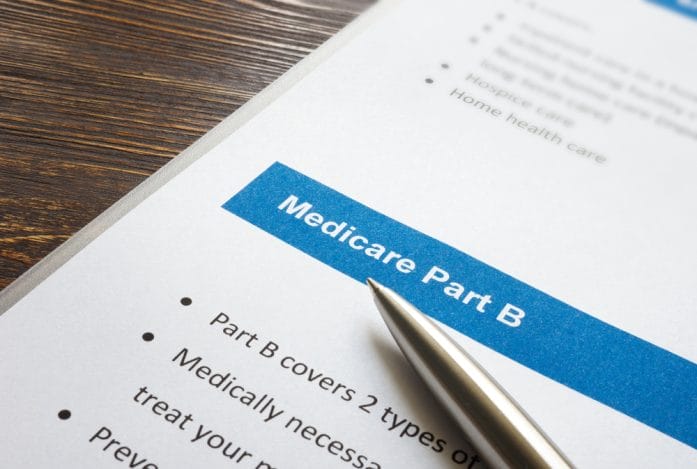
On paper, it should have offered a little breathing room. But for many retirees, that raise seemed to evaporate before it ever reached their bank account. The reason wasn’t a miscalculation or a glitch. It was Medicare. More specifically, the annual increase in Medicare Part B premiums, which quietly siphons away a portion of every Social Security check.

The Raise That Looked Bigger Than It Felt

A 2.8 percent COLA may not sound dramatic, but it’s still a meaningful adjustment for retirees who rely heavily on Social Security. The COLA is designed to help benefits keep pace with inflation, using the Consumer Price Index for Urban Wage Earners and Clerical Workers as its benchmark.

In 2026, inflation had cooled compared to the spikes earlier in the decade, which is why the COLA landed in the high‑2 percent range. For many retirees, that number initially felt encouraging — a sign that their benefits would stretch a little further. But the reality is that Social Security benefits don’t operate independently. They’re directly tied to Medicare premiums, and when those premiums rise faster than the COLA, retirees feel the impact immediately. That’s exactly what happened this year, turning what looked like a helpful raise into a disappointing surprise.

Medicare Part B: The Quiet Culprit Behind Shrinking Checks

Medicare Part B premiums are automatically deducted from Social Security payments for most beneficiaries, which means any increase in those premiums reduces the net amount retirees receive. In 2026, Part B premiums rose again, continuing a long‑running trend driven by higher healthcare costs, increased utilization, and the expansion of medical services covered by Medicare.

Even a moderate premium increase can offset a significant portion of a COLA, especially for retirees with smaller monthly benefits. For some, the entire 2.8 percent raise was absorbed before it ever reached their pocket. This dynamic often catches people off guard because the COLA announcement tends to dominate headlines, while Medicare premium changes receive far less attention. Yet the two are inseparable, and understanding their relationship is key to understanding why your raise didn’t feel like a raise at all.

Social Security 2026 COLA: Why Your 2.8% Raise Disappeared After Medicare Deductions
Image source: shutterstock.com

The Hold Harmless Rule: Helpful, But Not Always Comforting

One of the most misunderstood aspects of Social Security and Medicare is the “hold harmless” provision. This rule protects most beneficiaries from seeing their net Social Security payment decrease due to rising Medicare Part B premiums. In other words, your check won’t go down — but it also might not go up.

When the COLA is modest and Medicare premiums rise, the hold harmless rule ensures that the premium increase is capped at the amount of the COLA. That sounds reassuring, and in many ways it is, but it also means that your entire COLA can be consumed by Medicare. In years with modest COLAs, like 2026, this rule becomes especially relevant. Many retirees technically received a raise, but because the raise was used to cover higher premiums, their take‑home amount stayed exactly the same.

Why Healthcare Costs Keep Outpacing Social Security Increases

The tension between Social Security increases and Medicare premiums isn’t new, and it isn’t going away. Healthcare costs have been rising faster than general inflation for decades, driven by factors such as medical technology, prescription drug prices, and the growing demand for services as the population ages.

Even when overall inflation cools, healthcare inflation often remains stubbornly high. This creates a mismatch between the COLA and Medicare premiums, which reflect the specific costs of healthcare. Retirees will continue to face the same challenge year after year: COLAs that look helpful on paper but feel underwhelming in practice. The 2026 COLA is simply the latest example of this long‑running trend.

What Retirees Can Do to Protect Their Income

While retirees can’t control the COLA or Medicare premiums, they can take steps to better manage the impact. One option is to review Medicare Advantage and Part D plans annually during open enrollment. Switching plans can sometimes reduce out‑of‑pocket costs.

Another strategy is to explore programs that help lower‑income beneficiaries pay for Medicare premiums. Retirees can also benefit from budgeting with the assumption that COLAs will be modest and that healthcare costs will continue rising.

For those still approaching retirement, delaying Social Security can increase monthly benefits and provide a larger buffer against future premium increases. None of these strategies eliminate the challenge entirely. But they can help retirees maintain more control over their financial picture.

Your Vanishing Raise

The 2026 COLA wasn’t a disappointment because it was too small — it was a disappointment because Medicare premiums rose faster. This pattern has played out many times before. It will likely continue as long as healthcare costs outpace general inflation. Social Security is designed to keep pace with inflation, but Medicare is tied to a different set of economic forces, and the two don’t always move in harmony. When they collide, retirees feel the impact immediately. The key is staying informed, planning ahead, and recognizing that the COLA is only one piece of a much larger financial puzzle.

What impact did the 2026 COLA have on your Social Security check after Medicare deductions? Share your stories, tips, and insights in our comments section.

You May Also Like…

The COLA Theft: Why Half of Your Social Security Raise Just Vanished into Medicare This Morning

Could Your 2025 COLA Push You Into a Higher Tax Bracket—Without a Pay Raise?

The Medicare Part B Increase That’s Reducing Social Security Checks By About $185/Month in 2026

Are You Overpaying Medicare? How One Small Withdrawal Can Trigger a Two-Year Surcharge

The Sunshine State Squeeze: Why Florida Retirees are Seeing Smaller Social Security Checks This Week

Brandon Marcus
Brandon Marcus

Brandon Marcus is a writer who has been sharing the written word since a very young age. His interests include sports, history, pop culture, and so much more. When he isn’t writing, he spends his time jogging, drinking coffee, or attempting to read a long book he may never complete.
Filed Under: Lifestyle Tagged With: COLA 2026, cost-of-living adjustment, fixed income, Inflation, Medicare Part B, Medicare premiums, Personal Finance, retirees, retirement income, senior finances, Social Security

Credit Card Annual Fees Jumped in 2025 — Some Up to $200

February 8, 2026 by Brandon Marcus Leave a Comment

Credit Card Annual Fees Jumped in 2025 — Some Up to $200
Image source: shutterstock.com

There are few things more jarring than discovering your annual fee has quietly crept up like a cat on a countertop. If you felt that sting in 2025, you weren’t imagining it. Across the industry, many credit card issuers raised annual fees, and some increases reached as high as $200, depending on the card tier.

But before you toss your card into the nearest junk drawer or threaten to switch banks forever, it’s worth understanding why this happened, which types of cards were hit the hardest, and how you can stay ahead of the next round of increases. Because while annual fee hikes are annoying, they’re not random — and knowing the pattern can help you make smarter decisions with your wallet.

1. Premium Travel Cards Took the Biggest Hit — And Cardholders Felt It

If you carry a premium travel card, you probably noticed the biggest jumps. These cards tend to offer the flashiest perks — airport lounge access, travel credits, elite‑status boosts, concierge services, and other benefits that sound like they belong in a luxury brochure. But those perks aren’t cheap for issuers to maintain, especially as travel demand surged and lounge overcrowding became a real issue.

In 2025, several premium cards increased their annual fees to offset rising benefit costs. Some issuers expanded lounge partnerships, added new travel credits, or upgraded insurance protections, and those enhancements came with higher operational expenses. Even when perks stayed the same, inflation pushed up the cost of providing them.

2. Mid‑Tier Rewards Cards Quietly Slipped in Their Own Increases

While premium cards grabbed the headlines, mid‑tier rewards cards also saw fee adjustments. These cards often sit in the sweet spot for everyday consumers, offering cash‑back bonuses, rotating categories, or travel points without the hefty price tag.

But in 2025, issuers reevaluated these cards too. Rising operational costs, higher fraud‑prevention expenses, and increased rewards redemptions pushed some issuers to raise fees. These increases were usually smaller than those on premium cards, but they still added up, especially for households juggling multiple cards.

3. Co‑Branded Retail and Airline Cards Saw Targeted Adjustments

Co‑branded cards — the ones tied to airlines, hotels, or major retailers — also experienced fee changes in 2025. These cards operate under partnership agreements, and when partner costs rise, fees often follow. Airline cards, for example, faced higher costs tied to loyalty program updates, free‑bag benefits, and priority boarding perks.

Hotel cards saw similar pressures as loyalty programs adjusted redemption rates and expanded elite‑status benefits. Retail cards, meanwhile, faced increased fraud‑prevention and financing‑program costs.

Credit Card Annual Fees Jumped in 2025 — Some Up to $200
Image source: shutterstock.com

Not every co‑branded card increased its fee, but enough did to make 2025 a noticeable year for cardholders who rely on brand‑specific perks.

Why 2025 Became the Year of the Annual Fee Surge

So why did so many fees rise in the same year? Several industry‑wide factors converged at once.

First, inflation affected everything — including the cost of providing card benefits. Lounge access, travel insurance, purchase protection, and extended warranties all became more expensive for issuers to maintain. Second, consumer rewards usage increased. People redeemed more points, used more credits, and took advantage of more perks, which raised issuer costs.

Third, fraud‑prevention expenses climbed. As digital transactions grew, so did the need for advanced security systems, and those investments aren’t cheap.

2025 wasn’t a random spike. It was the result of economic pressure, consumer behavior, and industry competition colliding at the same time.

How to Decide Whether Your Card Is Still Worth It

A higher annual fee doesn’t automatically mean you should cancel your card. But it does mean you should reevaluate whether the benefits still justify the cost. Start by calculating how much value you actually get from the card each year. Do you use the travel credits? Are your credit card rewards worth it? Do you take advantage of perks like lounge access or free checked bags?

If the answer is yes, the card may still be worth keeping. But if you’re paying for perks you rarely use, it might be time to downgrade to a no‑fee or lower‑fee version. Many issuers offer product‑change options that let you keep your account history — and your credit score — intact.

How to Protect Yourself From Future Fee Surprises

Annual fee increases aren’t going away, but you can stay ahead of them. Make a habit of reading issuer emails, especially those with subject lines like “Important Account Update.” Set reminders to review your card benefits each year. And don’t be afraid to shop around — the credit card market is competitive, and switching cards can sometimes unlock better perks at a lower cost.

If you carry multiple cards, consider whether you’re spreading your spending too thin. Consolidating your usage onto fewer cards can help you maximize rewards and reduce the number of annual fees you pay.

Your Wallet Deserves a Yearly Checkup

The wave of annual fee increases in 2025 was a wake‑up call for many cardholders. It reminded us that credit cards aren’t “set it and forget it” tools — they’re financial products that evolve over time. And if you’re not paying attention, you might end up paying more than you need to.

Did your annual fee jump in 2025, or did you dodge the increases this time around? What are your financial plans for the rest of 2026? Share your thoughts in the comments.

You May Also Like…

American Express Platinum Fee Increases From $695 to $895

The Federal Reserve Rate Cut That Did Nothing for Credit Card Holders

Retail Store Credit Cards Now Charging 30% APR on Average

The Credit Score That Adds $2,000/Year to Florida Homeowner’s Insurance Premiums

6 Warning Signs That Your Credit Card Is A Problem

Brandon Marcus
Brandon Marcus

Brandon Marcus is a writer who has been sharing the written word since a very young age. His interests include sports, history, pop culture, and so much more. When he isn’t writing, he spends his time jogging, drinking coffee, or attempting to read a long book he may never complete.
Filed Under: credit cards Tagged With: 2025 trends, annual fees, consumer news, credit card industry, credit card perks, credit cards, Inflation, Personal Finance, Planning, rewards cards, travel cards

Credit Card Delinquencies Expected to Remain Flat in 2026 Says TransUnion

February 8, 2026 by Brandon Marcus Leave a Comment

Credit Card Delinquencies Expected to Remain Flat in 2026 Says TransUnion
Image source: shutterstock.com

Every once in a while, the financial world drops a headline that doesn’t make your stomach tighten or your pulse spike. Today is one of those rare days. According to TransUnion’s latest consumer credit forecast, credit card delinquencies are expected to remain flat in 2026. And in a world where interest rates, inflation, and everyday expenses seem to be competing in an Olympic sprint, “flat” suddenly sounds like the most comforting word in the English language.

Why does this matter? Because delinquencies are one of the clearest indicators of how stressed — or stable — American households really are. When delinquencies rise, it usually means people are falling behind. When they fall, it means people are catching up. But when they stay flat? That’s a sign of resilience in a year where many expected the opposite.

The Surprising Strength Behind Flat Delinquencies

TransUnion’s forecast doesn’t sugarcoat the fact that consumers are still juggling high interest rates and elevated balances. But the key takeaway is that most people are managing to keep up, even as credit card usage remains strong. This stability is partly due to steady employment levels, wage growth in several sectors, and consumers becoming more strategic about how they use credit.

Flat delinquencies don’t mean people are suddenly debt‑free or that credit card balances are shrinking. Instead, they signal that borrowers are adapting. Many households have adjusted their budgets, shifted spending habits, or prioritized minimum payments to avoid slipping into delinquency.

Why Consumers Are Holding Steady Despite Higher Costs

If you’ve felt like everything from groceries to gas to your favorite streaming service has gotten more expensive, you’re not imagining it. Yet even with these pressures, consumers are keeping their credit card payments on track. How?

One reason is that many households have shifted their spending toward essentials and away from big discretionary purchases. Another is that people are using credit cards more strategically — taking advantage of rewards, zero‑percent promotional offers, and balance‑transfer opportunities when available.

There’s also a psychological factor at play. After years of economic uncertainty, consumers have become more financially aware. Budgeting apps, credit monitoring tools, and automatic payment systems have made it easier than ever to stay on top of bills.

What Flat Delinquencies Mean for Your Financial Future

A stable delinquency rate may not sound as exciting as a stock market rally or a sudden drop in interest rates, but it has real implications for everyday consumers. For one, it signals to lenders that borrowers are managing their obligations, which can help keep credit markets healthy. When lenders feel confident, they’re more likely to offer competitive products, maintain credit limits, and avoid sudden tightening that can hurt consumers.

It also means that credit scores across the country are less likely to take a collective hit. Delinquencies are one of the most damaging factors in credit scoring models, so stability here helps preserve financial flexibility for millions of people.

How to Stay Ahead of Your Credit in 2026

Even though delinquencies are expected to remain flat, that doesn’t mean you should coast. This is a great time to strengthen your financial habits and build a buffer for the future. Start by reviewing your credit card statements to identify recurring charges you no longer need. You’d be surprised how many subscriptions quietly drain your budget.

It’s also smart to check your credit report regularly. TransUnion, Equifax, and Experian all offer free annual reports, and monitoring your credit can help you catch errors or fraud early. Staying informed is one of the most powerful tools you have.

Finally, build a small emergency fund if you don’t already have one. Even a few hundred dollars can prevent a temporary setback from turning into a missed payment.

Credit Card Delinquencies Expected to Remain Flat in 2026 Says TransUnion
Image source: shutterstock.com

Stability Is a Win Worth Celebrating

In a financial world that often feels unpredictable, TransUnion’s projection of flat credit card delinquencies in 2026 is a welcome dose of stability. It shows that consumers are adapting, lenders are cautious, and the credit system is holding steady despite economic headwinds. That doesn’t mean challenges are gone, but it does mean the foundation is stronger than many expected.

What’s your take? Are you feeling more confident about your credit habits heading into 2026, or are you still navigating some financial turbulence? Give us all of your thoughts in the comments section below.

You May Also Like…

The Federal Reserve Rate Cut That Did Nothing for Credit Card Holders

Why Good Credit (670–739 Score) Gets You 21%–24% APR in 2026

The Single Late Payment That Raises APR to 29.99% Permanently at Discover

Retail Store Credit Cards Now Charging 30% APR on Average

Why Credit Card APRs Only Dropped 0.35% Even After Three Fed Rate Cuts in 2025

Brandon Marcus
Brandon Marcus

Brandon Marcus is a writer who has been sharing the written word since a very young age. His interests include sports, history, pop culture, and so much more. When he isn’t writing, he spends his time jogging, drinking coffee, or attempting to read a long book he may never complete.
Filed Under: credit cards Tagged With: 2026 economy, consumer finance, credit cards, credit delinquencies, credit scores, debt trends, household budgets, Inflation, Personal Finance, Planning, TransUnion

Americans Carry $1.23 Trillion in Credit Card Debt as 2026 Begins

February 7, 2026 by Brandon Marcus Leave a Comment

Americans Carry $1.23 Trillion in Credit Card Debt as 2026 Begins
Image source: shutterstock.com

Welcome to the new year—it already has a price tag.

Unfortunately, the start of the year comes with some bad news. As 2026 kicks off, Americans are carrying a staggering $1.23 trillion in credit card debt, according to widely reported Federal Reserve data. It’s a record that feels less like a milestone and more like a collective stress headache. Many households entered the new year juggling holiday spending, higher everyday costs, and interest rates that make even small balances feel like they’re growing on their own.

If you’ve been feeling the financial squeeze, you’re far from alone—and understanding what’s driving this surge can help you navigate the months ahead with a little more clarity and a lot less panic.

Why Credit Card Balances Have Climbed So High—And Why It Matters

Credit card debt didn’t balloon overnight. Rising prices over the past few years have pushed many families to rely on credit just to keep up with essentials like groceries, utilities, and transportation. Even as inflation has cooled from its peak, the cost of living remains noticeably higher than it was just a few years ago.

Combine that with interest rates that have hovered at elevated levels, and suddenly carrying a balance becomes far more expensive. Many Americans are finding that even when they make consistent payments, their balances barely budge because interest is eating up so much of their monthly contribution. This creates a cycle that’s difficult to break, especially for households already stretched thin.

High Interest Rates Are Turning Small Balances Into Long-Term Burdens

One of the biggest contributors to the debt surge is the cost of borrowing itself. Credit card interest rates have remained high, with many cards charging APRs above 20 percent. That means even a modest balance can snowball quickly if it isn’t paid off in full. For example, carrying a $1,000 balance at a 22 percent APR and making only minimum payments can stretch repayment into years.

Many consumers don’t realize how much interest they’re paying until they look closely at their statements. If you’re feeling stuck, consider strategies like transferring a balance to a lower‑interest card, paying more than the minimum whenever possible, or targeting the highest‑interest card first to reduce long‑term costs.

Everyday Expenses Are Quietly Fueling the Debt Surge

While holiday spending often gets blamed for rising credit card balances, the truth is that everyday expenses are the real culprit for many families. Groceries, rent, insurance premiums, and medical costs have all increased in recent years, and wages haven’t always kept pace. When budgets are tight, credit cards become a safety valve—something to lean on when the checking account runs dry before the next paycheck arrives.

The problem is that using credit for essentials makes it harder to pay down balances later, especially when those essentials never stop coming. One helpful approach is reviewing your monthly expenses and identifying areas where small adjustments could free up cash for debt repayment. Even minor changes can add up over time.

Americans Carry $1.23 Trillion in Credit Card Debt as 2026 Begins
Image source: shutterstock.com

Buy Now, Pay Later Isn’t Replacing Credit Cards—It’s Adding to the Pile

Buy Now, Pay Later (BNPL) services have exploded in popularity, offering shoppers the ability to split purchases into smaller payments. While these services can be useful when used responsibly, they can also create a false sense of affordability. Many consumers end up juggling multiple BNPL plans alongside their credit card bills, which can make budgeting more complicated.

Unlike credit cards, BNPL plans don’t always show up on statements in a way that’s easy to track, leading some people to underestimate how much they owe. If you use BNPL, consider keeping a simple list of active plans and their due dates. It’s a small step that can prevent accidental overspending.

Rising Debt Doesn’t Mean Americans Are Irresponsible—It Means They’re Stretched

It’s easy to assume that rising credit card debt is the result of overspending, but the reality is far more nuanced. Many households are using credit cards to bridge gaps created by higher costs, unexpected expenses, or irregular income. Others are dealing with medical bills, car repairs, or childcare costs that simply don’t fit into their monthly budgets.

The narrative that Americans are “bad with money” doesn’t reflect the lived experience of millions of people who are doing their best in a challenging economic environment. Recognizing this can help reduce the shame that often accompanies debt—and make it easier to take practical steps toward improvement.

What Americans Can Do to Protect Their Finances in 2026

While the national debt total may feel overwhelming, there are actionable steps individuals can take to regain control. Start by reviewing your interest rates and prioritizing the highest ones first. Even small extra payments can reduce long‑term costs significantly.

Consider calling your credit card issuer to request a lower APR—many people are surprised to learn that this sometimes works. Building a small emergency fund, even just a few hundred dollars, can help prevent future reliance on credit when unexpected expenses pop up. And if your debt feels unmanageable, nonprofit credit counseling agencies can help you explore options without judgment or pressure.

Debt Is High, But Knowledge Is Rising

The $1.23 trillion figure is undeniably daunting, but it’s also a reminder of how important financial awareness is in times like these. Understanding how interest works, recognizing spending patterns, and making small but consistent changes can help you stay grounded even when the economic landscape feels uncertain.

You don’t need to overhaul your entire financial life overnight—just taking one step at a time can make a meaningful difference. And as 2026 unfolds, staying informed and proactive will be one of the most powerful tools you have.

Have rising costs or interest rates changed the way you use your credit cards? Give us your financial tips in the comments section so you can help others.

You May Also Like…

The 48-Hour Debt Collection Rule: How New Laws Let Lenders Freeze Accounts Faster in 2026

Retail Store Credit Cards Now Charging 30% APR on Average

7 Ways Credit Card Debt Builds Faster Than Expected

6 Warning Signs That Your Credit Card Is A Problem

Holiday Debt: 9 Warning Signs Your Spending Is Already Off Track

Brandon Marcus
Brandon Marcus

Brandon Marcus is a writer who has been sharing the written word since a very young age. His interests include sports, history, pop culture, and so much more. When he isn’t writing, he spends his time jogging, drinking coffee, or attempting to read a long book he may never complete.

Filed Under: Debt Management Tagged With: 2026 finance trends, Budgeting Tips, consumer spending, Credit card debt, Debt, Debt Management, financial literacy, Inflation, interest rates, money advice, Personal Finance, U.S. economy

Retail Store Credit Cards Now Charging 30% APR on Average

February 3, 2026 by Brandon Marcus Leave a Comment

Retail Store Credit Cards Now Charging 30% APR on Average
Image source: shutterstock.com

Once upon a time, retail store credit cards felt like a harmless little perk. You’d get 10% off your purchase, maybe a birthday coupon, and the occasional “exclusive” sale invite. It felt friendly. Convenient. Almost cozy.

But today, that friendly plastic card in your wallet is starting to look more like a financial landmine. Across the U.S., store credit cards are now charging interest rates that hover around 30% APR on average, turning everyday shopping into one of the most expensive ways to borrow money. This isn’t just a finance nerd issue—it’s a real-life, everyday money problem that affects millions of shoppers who just wanted a discount at checkout and ended up paying triple-digit interest over time.

How Store Credit Cards Quietly Became Some of the Most Expensive Debt You Can Carry

Retail credit cards were originally designed as loyalty tools, not serious lending products. But over time, they’ve evolved into full-blown credit products with interest rates that rival—or even exceed—some of the most expensive consumer credit options available. Many major store cards now advertise APRs that land close to 30%, especially for customers who don’t qualify for top-tier credit pricing.

What makes this tricky is how these cards are marketed. The focus is always on the discount: “Save 15% today!” or “Get $40 off your first purchase!” Meanwhile, the APR is buried in fine print that nobody reads while standing in a checkout line with a cart full of clothes. Psychologically, it feels like a reward card, not a loan. Financially, though, it behaves like high-interest debt, and that disconnect is where people get hurt.

Why Interest Rates on Retail Cards Are So High Right Now

The rise in store card APRs didn’t happen in a vacuum. Over the last few years, overall interest rates in the U.S. have climbed as the Federal Reserve raised benchmark rates to fight inflation. When base rates go up, borrowing gets more expensive across the board—from mortgages to credit cards to auto loans. Retail credit cards feel this pressure more than most and have been rising steadily year after year.

There’s also the business model itself. Store cards are often issued by third-party banks that specialize in retail lending, and they assume a higher risk of default because many applicants have fair or average credit, not excellent credit. Higher risk equals higher interest rates. On top of that, store cards typically lack the competitive pressure that general-purpose credit cards face.

The result is a perfect storm: rising national interest rates, higher-risk borrowers, and a business model that doesn’t prioritize low APRs.

Smarter Ways to Use Store Cards Without Getting Burned

Store cards aren’t automatically evil—they’re just dangerous if used casually. If you’re going to use one, the smartest approach is to treat it like a debit card with a delay, not a credit line. That means only charging what you can pay off in full before interest hits. If you’re using a store card for a one-time discount, set up an immediate payoff plan so the balance doesn’t linger.

If you already carry balances on store cards, prioritizing them in your debt payoff strategy can make a huge difference. High-interest debt should usually be paid down faster than low-interest debt because it’s actively draining your money every month.

What This Says About Consumer Spending and Debt Culture

The rise of 30% APR store cards says something bigger about modern consumer culture. We’ve normalized borrowing for everyday life—clothes, home goods, electronics, even basic essentials. Credit has become frictionless, invisible, and easy, which makes it dangerously seductive. Store cards sit right at the intersection of convenience and temptation.

This isn’t about shame or blame. It’s about understanding the system. Retailers want loyalty. Banks want interest income. Consumers want affordability. The tension between those goals creates products that look helpful on the surface and expensive underneath.

Retail Store Credit Cards Now Charging 30% APR on Average
Image source: shutterstock.com

The Real Win Isn’t the Discount—It’s Control Over Your Money

The biggest takeaway isn’t “never use store cards.” It’s “don’t let store cards use you.” When you understand how these products work, you stop making emotional money decisions at checkout and start making strategic ones. You realize that a 10% discount doesn’t matter if you’re paying 30% interest later. You stop confusing convenience with value. And you start treating credit as a tool instead of a trap.

Have you ever opened a store credit card for a discount and regretted it later, or do you use them strategically without paying interest? Talk about your experiences in the comments section.

You May Also Like…

Why Credit Card APRs Only Dropped 0.35% Even After Three Fed Rate Cuts in 2025

8 Times Retailers Don’t Owe You A Refund

6 Sneaky Ways Retailers Make People Overspend

7 Ways Credit Card Debt Builds Faster Than Expected

10 Reasons Your Credit Card Fraud Claim Was Denied—and What You Can Do About It

Brandon Marcus
Brandon Marcus

Brandon Marcus is a writer who has been sharing the written word since a very young age. His interests include sports, history, pop culture, and so much more. When he isn’t writing, he spends his time jogging, drinking coffee, or attempting to read a long book he may never complete.

Filed Under: credit cards Tagged With: APR, budgeting, consumer finance, credit awareness, Debt Management, financial literacy, Inflation, interest rates, personal finance tips, retail credit cards, shopping habits, store cards

Why Credit Card APRs Only Dropped 0.35% Even After Three Fed Rate Cuts in 2025

February 2, 2026 by Brandon Marcus Leave a Comment

Why Credit Card APRs Only Dropped 0.35% Even After Three Fed Rate Cuts in 2025
Image source: shutterstock.com

If you watched the Federal Reserve cut rates three times in 2025 and thought, “Finally, some breathing room,” you weren’t alone. Millions of cardholders expected lower balances, cheaper interest, and at least a noticeable dip in those brutal APR numbers.

Instead, many people saw their credit card rates barely move, dropping by only a fraction of a percent, which felt less like relief and more like a financial prank. The frustration makes sense, but credit card APRs play by a very different set of rules, and those rules are not designed with everyday consumers in mind.

The Fed Doesn’t Control Credit Card APRs The Way People Think

The Federal Reserve controls the federal funds rate, not the rates lenders charge you directly. Credit card APRs are tied loosely to benchmarks like the prime rate, but banks layer their own margins, risk pricing, and profit targets on top of that base. Even when the Fed cuts rates, lenders decide how much of that benefit they actually pass on to customers.

For credit cards, which are considered high-risk, unsecured debt, banks protect their margins aggressively. That means small Fed cuts often translate into tiny APR changes, if any, especially compared to mortgages or auto loans. If you’re waiting for Fed policy alone to rescue your credit card balance, you’re waiting on the wrong lever of the financial system.

Banks Price Risk, Not Just Interest Rates

Credit card lending isn’t treated like home loans or business financing because there’s no collateral backing it. If someone stops paying a mortgage, the lender has a house; if someone defaults on a card, the bank has nothing but a loss. That risk gets baked into APRs through higher pricing, regardless of what the Fed does.

In uncertain economic conditions, lenders often tighten standards and keep rates elevated to offset potential defaults. Even small signs of economic instability make banks defensive, not generous. That’s why APRs stay stubbornly high even when broader rates move downward.

Profit Margins Matter More Than Consumer Relief

Credit cards are one of the most profitable products that banks offer. Interest revenue, late fees, balance transfer fees, and interchange fees create massive income streams that shareholders expect to keep growing. When the Fed cuts rates, banks don’t feel pressure to sacrifice profits unless competition forces them to. Because most major issuers move together, there’s little incentive to slash APRs aggressively.

The result is a slow, symbolic drop that looks good in headlines but barely helps cardholders. The system rewards stability and profits, not consumer relief.

Variable APRs Move Slowly By Design

Most credit cards use variable APR formulas tied to benchmark rates plus a fixed margin. When rates rise, increases hit fast; when rates fall, decreases move like molasses. That asymmetry isn’t accidental—it’s structural. Lenders update rates based on internal schedules, billing cycles, and risk assessments, not real-time Fed announcements.

Even multiple cuts can get absorbed into those systems gradually. So while headlines talk about rate changes, your statement tells a much slower story.

Inflation Still Shapes Lending Behavior

Even with rate cuts, inflation expectations continue influencing how lenders price credit. If banks believe costs will rise or economic pressure will persist, they protect their interest income. Lower rates don’t erase operational costs, fraud losses, or charge-offs from defaults.

Credit card APRs reflect long-term risk outlooks, not short-term monetary policy shifts. Until inflation feels truly under control at a structural level, lenders will keep pricing defensively. That caution shows up directly in your APR.

What You Can Actually Do Instead Of Waiting

Waiting for macroeconomic policy to fix personal finance problems rarely works. If high APRs and interest rates are hurting your budget, proactive moves matter more than headlines. Balance transfer offers with 0% introductory rates can create breathing room if used strategically. Credit unions often offer lower APRs than major banks and are worth exploring.

Negotiating directly with your card issuer sometimes works, especially if your payment history is strong. And paying more than the minimum, even in small extra amounts, dramatically reduces long-term interest costs.

Why The 0.35% Drop Feels Like An Insult

A tiny APR drop feels offensive because it highlights how disconnected consumer debt is from economic optimism. People hear “rate cuts” and expect relief, not symbolic gestures. That emotional disconnect fuels frustration and financial fatigue. But the system isn’t broken—it’s operating exactly as designed. Understanding that design gives you power instead of confusion.

Why Credit Card APRs Only Dropped 0.35% Even After Three Fed Rate Cuts in 2025
Image source: shutterstock.com

Why Financial Control Beats Financial Hope

Hope feels good, but control works better. Fed policy will always move more slowly than personal financial needs. Small APR drops won’t fix big balances. Real progress comes from strategy, not headlines. The people who win financially focus on leverage, not luck.

If credit card APRs barely budged after three Fed rate cuts, what does that say about how much control consumers actually have over their financial lives—and what’s the next move you’re willing to make to change yours?

You May Also Like…

8 Times “0% Interest” Credit Cards Turn Into Financial Traps

8 Hidden Risks People Overlook When Financing a Car at High APR

6 Foolish Mistakes That Can Lead to High APRs When Buying a Used Car

Why Closing an Old, Unused Credit Card Can Wreck Your Credit Score

Why Does Interest Rate Talk Suddenly Affect Everyday Spending

Brandon Marcus
Brandon Marcus

Brandon Marcus is a writer who has been sharing the written word since a very young age. His interests include sports, history, pop culture, and so much more. When he isn’t writing, he spends his time jogging, drinking coffee, or attempting to read a long book he may never complete.

Filed Under: credit cards Tagged With: APR, budgeting, consumer finance, credit cards, Debt Management, federal reserve, financial literacy, Inflation, interest rates, money tips, Personal Finance

  • « Previous Page
  • 1
  • …
  • 4
  • 5
  • 6
  • 7
  • 8
  • …
  • 14
  • Next Page »

Follow Us

Search this site:

Recent Posts

  • Can My Savings Account Affect My Financial Aid? by Tamila McDonald
  • 12 Ways Gen X’s Views Clash with Millennials… by Tamila McDonald
  • What Advantages and Disadvantages Are There To… by Jacob Sensiba
  • 10 Tactics for Building an Emergency Fund from Scratch by Vanessa Bermudez
  • Call 911: Go To the Emergency Room Immediately If… by Stephen Kanaval
  • 7 Weird Things You Can Sell Online by Tamila McDonald
  • 10 Scary Facts About DriveTime by Tamila McDonald

Copyright © 2026 · News Pro Theme on Genesis Framework