• Home
  • About Us
  • Toolkit
  • Getting Finances Done
    • Hiring Advisors
    • Debt Management
    • Spending Plan
  • Insurance
    • Life Insurance
    • Health Insurance
    • Disability Insurance
    • Homeowners/Renters Insurance
  • Contact Us
  • Privacy Policy
  • Risk Tolerance Quiz

The Free Financial Advisor

You are here: Home / Archives for household debt

The Credit Card Balance Growth Slowdown That Signals Financial Stress in 2026

February 10, 2026 by Brandon Marcus Leave a Comment

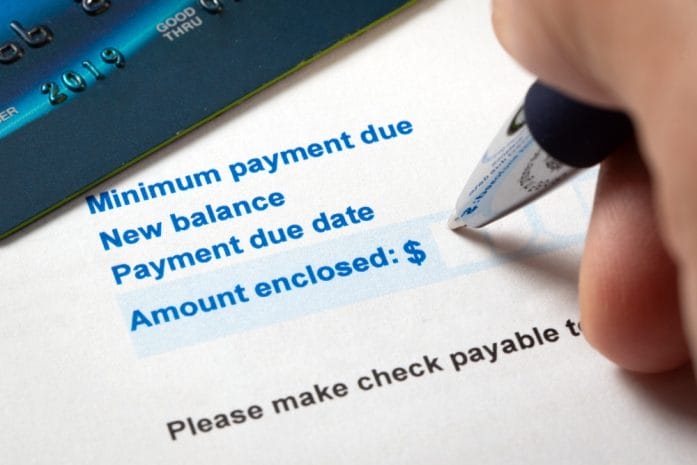
The Credit Card Balance Growth Slowdown That Signals Financial Stress in 2026

Image source: shutterstock.com

Every so often, a financial trend pops up that looks positive at first glance, only to reveal something far more complicated once you dig in. That’s exactly what’s happening with the credit card balance growth slowdown in 2026.

On the surface, slower growth sounds like a win — as if people are finally catching a break, paying down balances, and getting ahead. But the reality is much less comforting. Instead of signaling financial strength, this slowdown is pointing to something more unsettling: consumers hitting their limits, tightening their budgets, and struggling to keep up with rising costs.

When Spending Power Hits a Wall

Credit card balances typically rise when people feel confident enough to spend, whether that’s on everyday purchases or bigger-ticket items. But in 2026, the pace of that growth has cooled. This isn’t happening because households suddenly became more disciplined or discovered a collective love for minimalism. It’s happening because many consumers have reached the point where they simply can’t put more on their cards.

Higher interest rates have made carrying a balance more expensive, and everyday essentials continue to stretch budgets thin. When people stop adding to their balances, it’s often because they’ve run out of room — not because they’ve run out of needs.

The Interest Rate Squeeze That Won’t Let Up

One of the biggest forces behind this slowdown is the cost of borrowing itself. Credit card interest rates have climbed to some of their highest levels in decades, making every purchase more expensive over time. Even small balances can balloon quickly when rates are this high, leaving consumers with less flexibility and more anxiety.

As interest charges eat up a larger share of monthly payments, people have less room to spend, save, or pay down principal. The result is a kind of financial gridlock: balances aren’t rising as fast, but they’re not shrinking either. If you’re carrying a balance, reviewing your interest rate, negotiating a lower one, and exploring your options can make a meaningful difference.

Inflation’s Lingering Grip on Household Budgets

While inflation has cooled from its peak, the effects are still very much alive in household budgets. Prices for groceries, utilities, insurance, and other essentials remain elevated, and many families are still adjusting to the new normal. When more of your paycheck goes toward necessities, there’s less left for discretionary spending — and less room to absorb unexpected expenses.

This pressure shows up in credit card data as slower balance growth, but the underlying story is one of households stretched thin. If you’re feeling the squeeze, tracking your spending for a month can help you identify areas where small adjustments might free up breathing room.

Rising Delinquencies Reveal the Real Story

Another key indicator that the slowdown isn’t a sign of financial health is the rise in credit card delinquencies. More consumers are falling behind on payments, especially younger borrowers and those with lower incomes. When delinquencies rise at the same time balance growth slows, it suggests that people aren’t spending less because they’re thriving — they’re spending less because they’re struggling.

This combination paints a picture of households juggling too many financial obligations at once. If you’re worried about falling behind, reaching out to your card issuer early can sometimes lead to temporary relief options.

The Shift Toward Alternative Borrowing

As credit cards become harder to manage, many consumers are turning to other forms of borrowing. Personal loans, buy-now-pay-later plans, and even payday loans have seen increased usage as people look for ways to bridge financial gaps. While some of these tools can be helpful when used responsibly, they can also create new challenges if they’re used to cover recurring expenses.

The shift away from credit cards doesn’t mean people are spending less — it means they’re spreading their debt across more platforms. If you’re considering alternative financing, comparing interest rates and repayment terms can help you avoid long-term pitfalls.

Why This Slowdown Matters for the Bigger Economic Picture

Credit card trends are often a window into the financial health of the broader economy. When balances grow steadily, it usually reflects confidence and stability. When growth slows sharply, it can signal that households are under strain.

In 2026, the slowdown is raising questions about how long consumers can continue to absorb higher prices, higher interest rates, and higher debt burdens. Economists watch these trends closely because consumer spending is a major driver of economic growth. If people are pulling back out of necessity, it could shape the economic landscape for the rest of the year.

The Credit Card Balance Growth Slowdown That Signals Financial Stress in 2026

Image source: shutterstock.com

Finding Stability in a Year of Financial Uncertainty

The credit card balance growth slowdown may not be the good news headline people hoped for, but it does offer a chance to reassess and reset. Understanding what’s driving the trend can help you make smarter decisions about your own finances.

Whether that means prioritizing high-interest debt, building a small emergency buffer, or simply becoming more intentional with spending, small steps can create meaningful progress. The financial landscape may feel unpredictable, but taking control of the pieces you can manage is a powerful way to stay grounded.

What financial trend in 2026 has surprised you the most so far? Are you using your credit card more or less in the new year? Let us know in the comments section below.

You May Also Like…

Bankrate Projects Credit Card Rates Will Only Drop to 19.1% by End of 2026

Credit Card Annual Fees Jumped in 2025 — Some Up to $200

The Credit Score Range That Gets You 17%–21% APR on Credit Cards Right Now

The Credit Score Range That Gets You 17%–21% APR on Credit Cards Right Now

Americans Carry $1.23 Trillion in Credit Card Debt as 2026 Begins

Brandon Marcus
Brandon Marcus

Brandon Marcus is a writer who has been sharing the written word since a very young age. His interests include sports, history, pop culture, and so much more. When he isn’t writing, he spends his time jogging, drinking coffee, or attempting to read a long book he may never complete.

Filed Under: credit cards Tagged With: budgeting, consumer spending, credit cards, debt trends, economic outlook, financial stress, household debt, Inflation, interest rates, money management, Personal Finance

How Utah’s Boom Is Hiding a Debt Crisis

April 25, 2025 by Travis Campbell Leave a Comment

utah

Image Source: pexels.com

Utah is booming. From tech startups to new housing developments, the state looks like it’s thriving. But beneath the surface of prosperity lies a growing concern. Debt is quietly piling up—for households, cities, and even young professionals chasing the dream. This article unpacks how Utah’s rapid growth may be masking a financial crisis waiting to erupt.

1. The Mirage of Prosperity in the Beehive State

Utah’s economy has been the nation’s envy, with impressive growth metrics that paint a picture of unparalleled prosperity. According to the Kem C. Gardner Policy Institute, Utah’s real GDP growth rate led the nation at 4.6% through three quarters of 2024. The state’s unemployment rate of 3.1% remains well below the national average of 4.0%. Utah’s nominal GDP even surpassed $300 billion for the first time in history. These glowing statistics have created a narrative of economic invincibility that masks a troubling reality: beneath this veneer of success lies a growing debt crisis that threatens the financial stability of Utah households.

2. The Housing Affordability Trap Fueling Debt

The cornerstone of Utah’s debt crisis is its housing market, where prices have skyrocketed beyond the reach of many residents. Michael Jeanfreau, senior economist at the Utah Department of Workforce Services, notes that Utahns who manage to purchase homes are now spending six to seven times their household income, far exceeding the recommended ratio of 3.5 times income. This housing affordability crisis has created a “lockout effect” for first-time buyers and a “lock-in effect” for current homeowners who can’t afford to move due to higher mortgage rates.

According to a survey by Envision Utah and Utah Workforce Housing Advocacy, the state is projected to face a housing shortage of approximately 153,000 units by 2030. This supply-demand imbalance continues to drive prices upward, forcing many residents to take on unsustainable levels of debt just to secure housing.

3. Consumer Debt Reaching Alarming Levels

Utah households are accumulating debt at one of the fastest rates in the nation. Between the second and third quarters of 2024 alone, Utahns added more than $1 billion in household debt, with the average household taking on an additional $1,000, a rate higher than every state except Colorado, California, and Hawaii.

This debt accumulation isn’t limited to mortgages. As housing costs consume an ever-larger portion of household budgets, many Utahns are turning to credit cards and other high-interest loans to cover basic necessities. Delinquency rates have begun to creep higher, reflecting growing financial strain among consumers who once appeared resilient.

4. The Bifurcated Economy: Growth for Some, Struggle for Many

Utah’s economic success story masks a growing divide between high and low-income residents. A recent Deseret News/Hinckley Institute of Politics survey revealed stark differences in economic outlook based on income levels—67% of those earning over $100,000 per year deemed the state’s economy on the right track, while only 30% of those earning under $50,000 shared that optimism.

This bifurcation is also evident in consumer sentiment. While Utah’s consumer sentiment remains higher than the national average, it fell 3.5% in January 2025, indicating growing economic anxiety even among the state’s relatively confident population.

5. Commercial Real Estate: The Next Debt Bomb

While residential housing debt has captured most headlines, a potentially larger crisis looms in commercial real estate. According to economists at Stifel Financial, trillions in commercial loans will reset at much higher rates in the next one to three years, causing loan-to-value rates to increase between 30 and 90 percent.

This reset threatens to destabilize Utah’s commercial property market, potentially triggering defaults and foreclosures that could ripple through the state’s economy. The construction industry is already showing signs of strain, with the annual value of construction in Utah declining 1.5% in 2024.

6. Policy Responses: Building Out of Crisis?

Governor Spencer Cox has made addressing the housing crisis his “top priority” and a “moral imperative,” focusing on increasing supply through various policy initiatives. His administration aims to add 35,000 starter houses within five years to make homes more affordable for young families.

The Utah Legislature has passed several bills to ease the housing crunch, including measures to loosen parking requirements, incentivize condo construction, and allow denser development in exchange for affordability commitments. However, critics argue these incremental steps are insufficient to address the magnitude of the crisis.

7. The Debt Tipping Point: When Will It Break?

The question isn’t whether Utah’s debt bubble will burst, but when and how severely. Economic indicators suggest the state is approaching a tipping point where household debt becomes unsustainable. As interest rates remain elevated and housing costs continue to rise, more Utahns will find themselves unable to service their debt obligations.

Phil Dean, chief economist at the University of Utah’s Kem C. Gardner Policy Institute, acknowledges that while Utah’s economy remains strong, “we’re not an island” and national economic disruptions will inevitably impact the state.

The Reckoning Ahead: Beyond the Boom

Utah’s economic success story deserves celebration, but ignoring the growing debt crisis beneath the surface would be a grave mistake. The state’s continued prosperity depends on addressing the fundamental imbalances in housing affordability, wage growth, and household debt levels that threaten to undermine its economic foundation.

As Governor Cox aptly noted, “Everybody will know if we succeeded or not by how much they’re paying for a house. Does the median price of a house in Utah stay at $500,000 or more, or can we get it down to $375,000? That’s going to be the tell.”

What financial strategies have you adopted to manage debt in today’s challenging economic environment? Share your experiences in the comments below.

Read More

Debt is Sold to a Collection Agency

7 Unexpected Ways Hospitals Can Help You Slash Your Medical Debt

Travis Campbell
Travis Campbell

Travis Campbell is a digital marketer/developer with over 10 years of experience and a writer for over 6 years. He holds a degree in E-commerce and likes to share life advice he’s learned over the years. Travis loves spending time on the golf course or at the gym when he’s not working.

Filed Under: Debt Management Tagged With: consumer debt, economic boom, economic inequality, household debt, housing affordability, housing crisis, mortgage debt, Utah economy

FOLLOW US

Search this site:

Recent Posts

  • Can My Savings Account Affect My Financial Aid? by Tamila McDonald
  • 12 Ways Gen X’s Views Clash with Millennials… by Tamila McDonald
  • What Advantages and Disadvantages Are There To… by Jacob Sensiba
  • Call 911: Go To the Emergency Room Immediately If… by Stephen Kanaval
  • 10 Tactics for Building an Emergency Fund from Scratch by Vanessa Bermudez
  • 7 Weird Things You Can Sell Online by Tamila McDonald
  • 10 Scary Facts About DriveTime by Tamila McDonald

Copyright © 2026 · News Pro Theme on Genesis Framework