• Home
  • About Us
  • Getting Finances Done
    • Hiring Advisors
    • Debt Management
    • Spending Plan
  • Insurance
    • Life Insurance
    • Health Insurance
    • Disability Insurance
    • Homeowners/Renters Insurance
  • Contact Us
  • Our Editorial Commitment

The Free Financial Advisor

You are here: Home / Archives for Inflation

Social Security Checks Are Getting Smaller for Some Retirees — And It’s Not a Benefit Cut

March 26, 2026 by Brandon Marcus 1 Comment

Social Security Checks Are Getting Smaller for Some Retirees — And It’s Not a Benefit Cut
Image Source: Shutterstock.com

Imagine opening your mailbox, flipping open your latest Social Security statement, and discovering that your check looks a little leaner than last month. Panic sets in for many retirees, but before assuming the worst, it’s crucial to understand what’s really happening. Social Security checks can shrink for some retirees, even though no one in Washington pressed the “benefit cut” button. This phenomenon isn’t about punishment—it’s about math, taxes, and the sneaky ways living costs adjust under federal rules. For anyone counting on Social Security as a primary income source, this shift can feel unsettling, but knowing the why can ease a lot of worry.

At first glance, the idea of a smaller check seems like bad news. After all, Social Security is designed to provide steady, predictable income. But when retirees notice their deposits decreasing, it often has nothing to do with the Social Security Administration slashing benefits. The reality is more nuanced.

The Inflation Twist: COLA Isn’t Always Enough

Cost-of-living adjustments, or COLA, sound like a built-in financial cushion. Every year, Social Security recipients are supposed to get a bump that accounts for inflation. In theory, this is great news: your income should rise just enough to match higher prices at the grocery store or gas pump. Reality, however, has a few quirks. Inflation doesn’t hit every part of life equally. Retirees often spend a larger portion of their income on healthcare, which has historically risen faster than general inflation. So even if the COLA adds a few dollars to a check, it may not fully cover increased medical expenses or other cost surges.

The other wrinkle is the timing. Social Security benefits are adjusted annually, while prices climb continuously. During months when inflation spikes sharply, it can feel like your check is lagging behind real-world costs. Even when the system technically provides a raise, your spending needs may outpace it. This discrepancy isn’t a sign of a policy failure; it’s a reality of how benefits are calculated versus how prices actually move. Savvy retirees can mitigate the pinch by reviewing monthly expenses, prioritizing higher-cost essentials, and seeking supplemental income opportunities when necessary. Budgeting tools and automatic expense trackers can help spot where every dollar is going and where small adjustments could have a meaningful impact.

Medicare Premiums: The Silent Deduction

Few retirees anticipate just how much Medicare can quietly chip away at their Social Security checks. Part B and D premiums are deducted directly from payments, and these premiums can rise year to year depending on healthcare costs and legislative adjustments. While the premium increases are technically predictable, they can still feel like a shock when a recipient notices that their “new” check seems smaller than last year’s. What makes this deduction tricky is that it’s automatic and often overlooked when calculating expected income.

Income-based adjustments can complicate matters further. Higher earners may pay more for Medicare premiums through a mechanism called IRMAA (Income-Related Monthly Adjustment Amount). If someone’s income crosses certain thresholds, their premiums can jump significantly, reducing net benefits. Planning ahead is essential: retirees can review Medicare statements, understand the calculation behind their deductions, and consider tax strategies or supplemental insurance options that might lower total costs. Taking a proactive approach can help prevent surprises and make the monthly budget feel far more manageable.

Taxes: Uncle Sam’s Slice of Your Check

Social Security is not entirely tax-free, and this is where many retirees feel a bite that looks like a mysterious reduction in their benefits. Depending on income from other sources, up to 85% of Social Security benefits can become taxable at the federal level. That includes earnings from pensions, investments, or part-time work. The result? Even though the Social Security Administration hasn’t cut a single dollar, the IRS collects its share before the check hits the bank.

State taxes can also affect retirees, depending on where they live. Some states tax Social Security income fully, partially, or not at all, which adds an additional layer of complexity. The key takeaway is that understanding how taxes interact with Social Security is crucial to anticipating the actual take-home amount. Smart financial planning, including strategic withdrawals from other income sources or tax-advantaged accounts, can maximize the cash that actually lands in a retiree’s hands. This is another area where consulting a financial planner or using tax software to simulate outcomes can save headaches and preserve more of what you’ve earned.

Budgeting and Lifestyle Tweaks That Can Make a Big Difference

Smaller Social Security checks don’t have to translate into smaller lifestyles. Retirees can find creative ways to stretch income without sacrificing enjoyment. One method is reviewing discretionary spending with a fine-tooth comb: entertainment subscriptions, dining habits, and travel choices can all be optimized without feeling deprived. Even small changes, like shopping with a list or timing grocery runs to catch sales, can yield noticeable savings over time.

Another strategy involves exploring supplemental income options. Part-time work, freelancing, or even renting out extra space in a home can boost monthly cash flow. Pairing this with careful investment management and debt reduction strategies helps ensure that Social Security remains a stable foundation rather than the sole lifeline. Financial advisors often recommend a combination of careful planning and proactive lifestyle adjustments to preserve financial comfort while keeping retirement stress levels low. The goal is simple: make the most of every dollar while still enjoying the flexibility and freedom that retirement should offer.

Social Security Checks Are Getting Smaller for Some Retirees — And It’s Not a Benefit Cut
Image Source: Shutterstock.com

The Check May Shrink, But Planning Can Stretch It

Smaller Social Security checks aren’t inherently bad news. They often reflect taxes, Medicare premiums, and cost-of-living quirks rather than a government cut. Understanding these dynamics equips retirees to plan strategically, stretch income, and adjust spending without panic. Looking at the full picture—taxes, healthcare costs, inflation, and potential income streams—turns a moment of worry into a chance to make financial choices that work smarter. Retirement is about comfort, independence, and making sure every check supports the lifestyle you want. A well-informed approach ensures that even if a check looks smaller, the lifestyle it supports doesn’t have to shrink at all.

Have strategies that help stretch Social Security or creative ways to offset shrinking checks? Share your tips, stories, or insights in the comments below—let’s build a smarter, more vibrant retirement conversation together.

You May Also Like…

8 Mistakes That Can Trigger a Social Security Overpayment Notice

Waiting on Social Security? Why Thousands of Retirees Are Stuck in Payment Limbo Right Now

8 Hidden Fees That Can Eat Away at Your Retirement Savings

Is it Too Late at 45? How to Use the Mega Backdoor Roth to Dump Tens of Thousands into Retirement in One Year

Payment Delay Alert: Why Your January Social Security Deposit May Not Hit Your Account Today

Brandon Marcus
Brandon Marcus

Brandon Marcus is a writer who has been sharing the written word since a very young age. His interests include sports, history, pop culture, and so much more. When he isn’t writing, he spends his time jogging, drinking coffee, or attempting to read a long book he may never complete.

Filed Under: social security Tagged With: budgeting, COLA, Cost of living, federal benefits, finances, Inflation, Planning, Retirement, seniors, Social Security, taxes

7 Expenses That Are Rising Faster Than Most People Expected

March 26, 2026 by Brandon Marcus Leave a Comment

7 Expenses That Are Rising Faster Than Most People Expected
Image Source: Pexels.com

The price of everyday life didn’t just creep up—it jumped, sprinted, and in some cases, practically launched into orbit. Some expenses grabbed headlines, sure, but others quietly picked up speed until they started draining wallets faster than expected. This isn’t just about big purchases or luxury splurges either. These increases hit right in the middle of daily routines, where habits meet reality and budgets start to feel tight.

Staying ahead of rising costs takes more than shrugging and hoping things level out. It requires attention, a bit of strategy, and a willingness to rethink what used to feel normal. Some of these price jumps come from global shifts, others from industry changes, and a few from simple supply and demand doing what it does best.

1. Grocery Bills That Refuse to Chill Out

Grocery prices no longer feel like a weekly inconvenience—they now feel like a full-on budgeting event. Fresh produce, dairy, and meat continue to climb in price, and even basic pantry staples no longer offer the same comfort they once did. Supply chain disruptions, higher transportation costs, and climate-related issues have all pushed prices upward in ways that don’t reverse overnight. Walking through a grocery store now requires more decision-making than ever before, especially when familiar items suddenly cost significantly more.

Smart shoppers now treat grocery trips like strategy sessions rather than casual errands. Planning meals ahead of time, comparing unit prices, and leaning into store brands can make a noticeable difference over the course of a month. Bulk buying works well for non-perishable items, but only when done with intention instead of impulse. Seasonal produce often comes with better prices and better quality, making it an easy win. Keeping an eye on flyers and digital coupons adds another layer of savings without much effort.

2. Housing Costs That Keep Climbing Higher

Housing doesn’t just take a chunk out of income—it often takes the biggest slice. Rent continues to rise in many areas, and homeownership comes with its own set of escalating costs, including property taxes, maintenance, and mortgage rates. Even those who locked in lower mortgage rates years ago now face higher insurance premiums and repair costs. The idea of “stable housing costs” feels less realistic than it once did, especially in fast-growing regions.

Adapting to rising housing expenses requires a mix of creativity and long-term thinking. Some households explore downsizing or relocating to more affordable areas, while others focus on maximizing their current space rather than upgrading. Renting out unused space or taking on a roommate can offset costs in a meaningful way. Keeping up with maintenance prevents small issues from turning into expensive problems later. Housing may remain expensive, but smart decisions can soften the impact.

7 Expenses That Are Rising Faster Than Most People Expected
Image Source: Pexels.com

3. Insurance Premiums That Quietly Surge

Insurance rarely grabs attention until renewal time rolls around—and that’s when the surprise hits. Auto insurance, home insurance, and even renters insurance have all seen noticeable increases. Repair costs, natural disasters, and higher claim payouts have forced insurers to adjust pricing across the board. That means even those with clean records and no claims still feel the pinch when premiums go up.

Staying proactive makes a big difference here. Shopping around for quotes every year often uncovers better deals, especially since loyalty doesn’t always lead to lower rates. Bundling policies can unlock discounts, and raising deductibles can reduce monthly premiums when handled carefully. Keeping a strong credit score and maintaining a claims-free history also help keep costs manageable. Insurance may feel like a fixed expense, but it still offers room for strategy.

4. Utility Bills That Spike Without Warning

Utility bills used to follow predictable patterns, but recent shifts have made them far less reliable. Electricity, heating, and water costs have all increased due to higher energy prices and infrastructure demands. Seasonal changes now bring sharper spikes, and extreme weather events push usage—and costs—even higher. Opening a bill no longer feels routine when the number at the bottom fluctuates so dramatically.

Reducing utility costs starts with awareness and small changes that add up quickly. Energy-efficient appliances and LED lighting lower consumption without sacrificing comfort. Smart thermostats allow for better control, especially during peak seasons. Sealing drafts and improving insulation keeps heating and cooling costs from spiraling. Even simple habits like unplugging unused electronics or running full loads of laundry can make a noticeable difference over time.

5. Dining Out That Costs More Than Just Convenience

Eating out used to feel like a small treat, but it now carries a much bigger price tag. Restaurants face higher food costs, increased wages, and rising overhead, and those costs show up directly on menus. Portions sometimes shrink while prices increase, creating a double hit for anyone who enjoys dining out regularly. Even quick-service options no longer offer the same affordability they once did.

Cutting back doesn’t mean giving up the experience entirely. Choosing lunch over dinner often brings lower prices for the same quality. Sharing dishes or skipping extras like drinks and desserts keeps bills manageable without sacrificing enjoyment. Takeout can sometimes cost less than dining in, especially when service fees and tips factor in. Cooking at home more often and treating dining out as a planned event rather than a habit can restore balance.

6. Travel Expenses That Stretch Every Budget

Travel has bounced back in a big way, and prices have followed right behind. Flights, hotels, and rental cars have all become more expensive due to high demand and limited availability. Even smaller costs like baggage fees and resort charges add up quickly. The idea of a spontaneous getaway now requires more planning and flexibility than ever before.

Savvy travelers adapt by shifting how and when they book. Traveling during off-peak seasons often brings significant savings, along with fewer crowds. Booking flights midweek instead of weekends can reduce costs, and using fare comparison tools helps track deals. Loyalty programs and credit card rewards offer real value when used strategically. Planning ahead doesn’t just save money—it also opens up better options.

7. Healthcare Costs That Continue to Climb

Healthcare remains one of the most unpredictable and steadily rising expenses. Insurance premiums, prescription medications, and out-of-pocket costs all contribute to the upward trend. Even routine visits can feel expensive without proper coverage, and unexpected medical needs can disrupt even the most carefully planned budget. The complexity of healthcare pricing adds another layer of frustration.

Taking control of healthcare expenses requires a proactive approach. Preventative care often costs less than treatment later, making regular checkups a smart investment. Comparing prescription prices across pharmacies can uncover surprising differences. Health savings accounts provide a tax-advantaged way to prepare for future expenses. Asking questions about billing and exploring payment plans can also ease financial pressure when larger costs arise.

Staying Ahead of the Cost Curve

Rising expenses don’t follow a single pattern, and they rarely slow down all at once. Each category brings its own challenges, and together they create a financial landscape that demands attention and adaptability. Ignoring the changes only makes them harder to manage, while small, consistent adjustments can create a sense of control. Awareness turns frustration into action, and action builds resilience over time.

Which of these rising expenses has hit you the hardest, and what strategies have made the biggest difference in keeping things under control? Share thoughts, ideas, or even creative money-saving wins in the comments.

You May Also Like…

Alaska’s Eye-Popping Healthcare Costs — Planning for Higher Medical Expenses

2.4% Inflation Rate and Its Quiet Impact on Everyday Costs

7 Steps to Run a Financial Autopsy on Your 2025 Spending

9 Expenses That Used to Be Optional but Aren’t Anymore

Savings Fallout: 4 Hidden Expenses That Quietly Drain Retirement Budgets

Brandon Marcus
Brandon Marcus

Brandon Marcus is a writer who has been sharing the written word since a very young age. His interests include sports, history, pop culture, and so much more. When he isn’t writing, he spends his time jogging, drinking coffee, or attempting to read a long book he may never complete.

Filed Under: Smart Spending Tagged With: Budgeting Tips, Cost of living, groceries, healthcare expenses, Housing Costs, Inflation, insurance rates, Personal Finance, Planning, rising expenses, travel costs, utilities

7 Reasons Your Home Insurance Premium Just Went Up Again

March 24, 2026 by Brandon Marcus Leave a Comment

7 Reasons Your Home Insurance Premium Just Went Up Again
Image Source: Pexels.com

The number on that insurance renewal demands attention, raises eyebrows, and leaves many people staring at the page like it just delivered a personal insult. It seems that premiums keep climbing, and they don’t ask for permission. Instead, they arrive with confidence, backed by a list of reasons that actually make sense once everything gets laid out clearly. Still, that understanding doesn’t soften the sting when the bill lands.

Insurance companies don’t pull numbers out of thin air. They react to risk, data, and trends that shape the world outside the front door. Fires burn hotter, storms hit harder, and repair costs climb faster than anyone likes to admit. Those forces combine into one unavoidable outcome: higher premiums. The good news? Each increase tells a story, and once that story becomes clear, it opens the door to smarter decisions and a little more control over the situation.

1. Climate Chaos Isn’t Just Headlines Anymore

Weather doesn’t behave the way it used to, and insurance companies track every shift with laser focus. Stronger storms, heavier rainfall, and longer wildfire seasons push risk levels higher across entire regions. When insurers see more claims tied to weather damage, they adjust premiums quickly to match that reality. That adjustment doesn’t target one unlucky homeowner; it spreads across entire neighborhoods and cities.

Rising climate risks don’t just increase the number of claims—they also increase the severity of each one. A single storm can now cause widespread flooding, roof damage, and structural issues all at once. That kind of impact leads to bigger payouts, which forces insurers to recalculate how much coverage actually costs. Premiums rise as a direct response to those larger financial risks. No mystery exists there, just math.

Smart homeowners stay ahead by focusing on prevention. Upgrading roofing materials, improving drainage, and installing sump pumps can reduce risk in meaningful ways. Insurance providers often reward those upgrades with discounts, which helps offset rising premiums. Preparation doesn’t stop storms, but it absolutely softens the financial blow when they arrive.

2. The Price of Fixing Things Keeps Climbing

Repair costs don’t sit still, and neither do insurance premiums. Lumber, steel, and other building materials have jumped in price over the past few years. Contractors charge more for labor, and skilled workers don’t come cheap anymore. That combination drives up the cost of every single claim. Insurance companies base premiums on what it would cost to rebuild or repair a home today, not five years ago. When those costs rise, premiums follow without hesitation. A roof replacement that once cost a manageable amount now comes with a much higher price tag, and insurers adjust their pricing to reflect that reality. Every nail, beam, and hour of labor adds up.

Homeowners can take control by reviewing their coverage limits regularly. Underinsuring a home creates serious risk, while overinsuring wastes money. A quick conversation with an insurance provider ensures that coverage matches current rebuilding costs. That balance keeps protection strong without paying more than necessary.

3. Claims History Leaves a Long Shadow

Insurance companies never forget a claim. They track every incident, from water damage to theft, and they use that history to predict future risk. Multiple claims in a short period signal a higher likelihood of future payouts, which leads to increased premiums. Even small claims can have a big impact over time. Filing for minor repairs might feel like a win in the moment, but those claims stack up and influence pricing later. Insurers view frequent claims as a pattern, not isolated events. That pattern pushes premiums upward.

A smarter approach involves using insurance for major losses while handling smaller repairs out of pocket when possible. That strategy keeps the claims history cleaner and helps maintain lower premiums over time. Prevention also plays a huge role here—regular maintenance reduces the chances of needing to file a claim at all.

4. Neighborhood Risk Matters More Than Ever

Location shapes insurance costs in powerful ways. Crime rates, fire protection services, and proximity to water all influence how insurers calculate risk. A home in a high-risk area will almost always carry a higher premium, even if nothing has ever gone wrong at that specific property. Insurance companies rely on detailed data when they evaluate neighborhoods. They look at theft rates, response times for emergency services, and even the distance to the nearest fire hydrant. Those factors paint a clear picture of potential risk, and premiums reflect that picture with precision.

Homeowners don’t control every aspect of location, but they can still take action. Installing security systems, smoke detectors, and smart home monitoring devices can lower perceived risk. Many insurers offer discounts for those upgrades, which helps bring premiums back down to a more manageable level.

5. Policy Add-Ons Can Quietly Stack Up

Extra coverage sounds appealing, and it often makes sense, but it also increases premiums. Riders for jewelry, electronics, or specialty items add protection while also adding cost. Over time, those additions can push a policy far beyond its original price. Insurance policies evolve as needs change. A homeowner might add coverage for valuable items, upgrade liability protection, or include additional living expenses coverage. Each change brings value, but it also raises the overall premium. Without regular reviews, those costs can grow unnoticed.

A yearly policy check keeps everything in balance. Removing unnecessary add-ons and adjusting coverage based on current needs can trim costs without sacrificing protection. That kind of review takes very little time but delivers meaningful savings.

6. Credit Scores Play a Bigger Role Than Expected

Many insurance companies use credit-based insurance scores to help determine premiums. A lower score often signals higher risk in the eyes of insurers, which leads to higher costs. That connection might feel surprising, but it plays a significant role in pricing. Improving a credit score can lead to noticeable savings on insurance premiums. Paying bills on time, reducing debt, and monitoring credit reports all contribute to a stronger financial profile. Insurers reward that stability with better rates.

Homeowners who haven’t checked their credit recently might find an opportunity here. A small improvement can translate into real savings over time. That connection makes financial habits even more important when it comes to managing overall housing costs.

7 Reasons Your Home Insurance Premium Just Went Up Again
Image Source: Shutterstock.com

7. Insurance Industry Losses Ripple Outward

Insurance companies operate as businesses, and large-scale losses affect their bottom line. When natural disasters or widespread events lead to massive payouts, insurers adjust premiums across the board to recover those costs. That ripple effect touches even those who never filed a claim.

Global events can influence local premiums in surprising ways. A series of major disasters in different regions can strain the entire industry, leading to higher costs everywhere. Insurers spread risk across large pools, which means losses in one area can impact pricing in another.

Staying informed helps homeowners understand these shifts. Shopping around for quotes, comparing providers, and exploring bundle options can uncover better deals. Loyalty doesn’t always guarantee the best rate, so a little research can go a long way.

Control What You Can, Understand the Rest

Insurance premiums don’t rise without reason, even if those reasons feel frustrating in the moment. Climate risks, repair costs, claims history, and financial factors all play a role in shaping that final number. Each piece of the puzzle adds clarity, and that clarity creates opportunities to act.

Small changes can make a big difference. Regular maintenance, smart upgrades, and careful policy reviews all help keep costs under control. Paying attention to credit health and exploring different providers can unlock additional savings. Those steps don’t eliminate rising premiums entirely, but they do shift the balance back in a more favorable direction.

What strategies have worked best for lowering your insurance costs, and what surprises have shown up along the way? Share those insights and ideas in the comments—someone else might need exactly that tip next.

You May Also Like…

8 Super Simple Ways to Reduce Your Car Insurance Premiums

Is Quality Furniture Officially a Scam? Why Filling a New Home in 2026 is Destroying Senior Nest Eggs

Your House Is Holding You Back: Why So Many People Are Re‑Thinking Homeownership

Avoid These Pitfalls: First-Time Homeownership Mistakes That Can Cost You

The 60-Day Window to Contest Homeowner Cancellation Based on Satellite Images

Brandon Marcus
Brandon Marcus

Brandon Marcus is a writer who has been sharing the written word since a very young age. His interests include sports, history, pop culture, and so much more. When he isn’t writing, he spends his time jogging, drinking coffee, or attempting to read a long book he may never complete.
Filed Under: Insurance Tagged With: climate risk, Home insurance, homeowners, homeownership, Housing Costs, Inflation, insurance premiums, insurance tips, Personal Finance, property insurance, rising costs, Risk management

6 Alternative Assets to Hedge Against Inflation

March 18, 2026 by Brandon Marcus Leave a Comment

6 Alternative Assets to Hedge Against Inflation
Image Source: Shutterstock.com

Inflation can sneak into your finances like an uninvited guest, quietly shrinking purchasing power while your savings struggle to keep up. The usual bank accounts and bonds often feel like shields against nothing when prices climb, leaving people scrambling for smarter ways to protect wealth. Alternative assets offer a compelling solution because they operate outside traditional markets, providing both potential growth and a buffer against rising costs. These unconventional options aren’t just for Wall Street pros—they can become valuable tools in anyone’s financial toolkit.

Exploring alternative assets requires more than just curiosity; it demands strategy, research, and a willingness to consider options that might seem unusual at first. While stocks and bonds dominate most portfolios, diversifying with tangible and non-traditional assets creates resilience when inflation spikes. Each type of asset carries its own advantages, risks, and liquidity considerations, making understanding the landscape crucial.

1. Glittering Gold and Precious Metals

Gold has earned its reputation as the ultimate inflation hedge for centuries, and that status isn’t just historical mythology. When the value of paper money declines, tangible precious metals like gold, silver, and platinum often retain or even grow in value. These metals are universally recognized, highly liquid, and portable, which makes them incredibly versatile for hedging purposes. Collecting coins or bars adds a tactile element to investing, turning a financial strategy into a physical asset that can be stored safely or even gifted.

Silver, while often overshadowed by gold, provides another interesting layer of diversification. Unlike gold, silver tends to have industrial demand, linking it to economic cycles in ways that balance portfolio risk differently. Platinum and palladium, rarer than gold, can add extra upside for investors willing to handle volatility. Investing in metals doesn’t require a full vault at home—ETFs and precious metal funds offer exposure without the storage challenges. Whether acquired physically or digitally, metals remain a steadfast shield against inflation, grounding portfolios when markets wobble.

2. Real Estate That Stands the Test of Time

Property continues to offer an effective hedge against rising prices, but it’s not just about buying a home. Real estate investment trusts (REITs), rental properties, and even vacation homes can generate income while appreciating in value. Inflation often drives up both rent and property prices, meaning owning real estate can counteract the eroding effect of rising costs. Physical property also provides a tangible sense of security that paper assets cannot replicate.

Beyond traditional residential spaces, commercial real estate offers compelling alternatives, from storage units to office spaces repurposed for co-working. Investors benefit from rental income that often escalates alongside inflation, creating a natural buffer. Location matters more than ever—growing markets with strong demand typically deliver both income and appreciation, while stagnant areas carry risk. Real estate remains a long-term play, requiring patience and management, but its dual ability to produce cash flow and hedge against inflation makes it a central alternative asset.

3. Collectibles: From Art to Action Figures

High-quality collectibles have skyrocketed in value over the past decades, turning rare items into a surprisingly reliable inflation shield. Classic paintings, limited-edition sneakers, vintage toys, and rare comic books all represent markets that often move independently of stock and bond fluctuations. Scarcity drives value, and in many cases, demand continues to grow even during economic downturns. Collectibles combine enjoyment and investment, allowing for personal passion to meet financial strategy.

The key to success in this area lies in expertise and authenticity. Provenance, condition, and rarity can make or break an item’s investment potential. Unlike traditional assets, collectibles require active research and careful curation, but the payoff can be impressive. Modern platforms also facilitate buying, selling, and verifying collectibles, reducing some of the friction in these markets. While not every collectible will explode in value, a well-chosen piece can preserve purchasing power while adding a layer of fun to a portfolio.

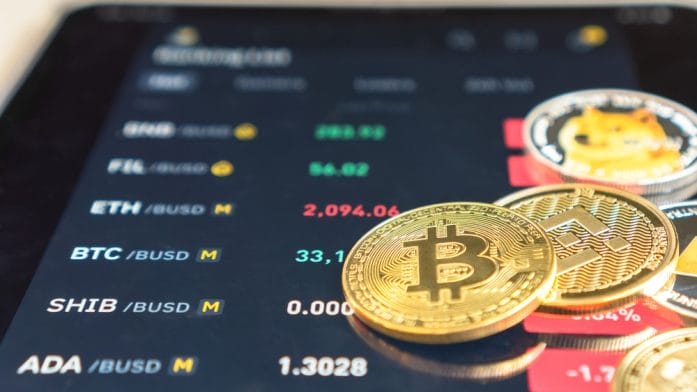
4. Cryptocurrencies: Digital Gold?

Digital currencies have become a heated topic in wealth protection discussions, offering high volatility but strong inflation hedging potential. Bitcoin and other major cryptocurrencies are often framed as digital gold due to their limited supply and independence from government-controlled currencies. This makes them attractive during periods when fiat money loses value. Cryptocurrency also provides global accessibility, with the ability to transfer and store value digitally across borders.

That said, crypto carries risk unlike traditional assets. Extreme price swings demand careful strategy, diversification, and risk tolerance. Many investors use small allocations to gain exposure without jeopardizing stability. Other blockchain-based assets, such as Ethereum or stablecoins pegged to tangible value, diversify the digital component of a portfolio. While adoption and regulation evolve, cryptocurrencies remain a modern, exciting alternative for those looking to hedge against inflation while exploring the frontier of finance.

6 Alternative Assets to Hedge Against Inflation
Image Source: Shutterstock.com

5. Farmland and Agriculture

Owning farmland might feel old-school, but it’s one of the most direct ways to hedge against inflation because land and food production inherently retain value. Crops, livestock, and timber generate income that often rises with commodity prices, creating both cash flow and long-term appreciation. Farmland has historically delivered steady returns and resilience, especially during periods of economic uncertainty.

Investing doesn’t always require boots in the dirt. Farmland investment platforms and REITs focused on agricultural land allow participation without daily hands-on management. Beyond direct returns, farmland provides tangible security—people need food regardless of inflation rates, and owning productive land creates a natural hedge. Strategic selection, soil quality, and crop types matter for maximizing returns, but agriculture remains a surprisingly powerful alternative asset for forward-thinking investors.

6. Hedge Funds and Private Equity

While traditional portfolios rely on public stocks and bonds, hedge funds and private equity offer access to alternative strategies that aren’t tied to inflation in the same ways. Hedge funds use tactics like short selling, derivatives, and global diversification to generate returns even in uncertain markets. Private equity invests directly in private companies, capturing growth opportunities inaccessible through public trading. Both can act as insulation from inflationary pressures, although they require higher entry thresholds and professional guidance.

These vehicles excel at creating tailored risk-return profiles, with managers adjusting strategies to respond to market fluctuations. Investors benefit from expertise and active management that anticipate inflationary trends before they hit mainstream markets. Diversification across sectors and geographies reduces dependency on any single economy, adding a layer of protection. While access may be limited, incorporating hedge funds or private equity into a portfolio can significantly enhance resilience against inflation.

Inflation Defense Starts Before Prices Spike

Alternative assets aren’t just about novelty—they form a strategic shield for wealth that stretches beyond traditional investments. Combining metals, real estate, collectibles, cryptocurrencies, farmland, and specialized investment vehicles creates a portfolio that can withstand inflation while offering growth opportunities. Timing and research remain essential, but the payoff lies in protection, flexibility, and long-term resilience. A diversified approach ensures that rising costs don’t automatically erode financial security, making wealth preservation both practical and exciting.

Which alternative assets do you think hold the strongest potential to beat inflation, and have you tried any unconventional investments yourself? Share strategies, experiences, or surprising success stories in the comments and start a conversation about creative ways to protect wealth.

You May Also Like…

The Hidden Cost of Keeping Money in Savings at 2.4% Inflation

6 Reasons Middle-Class Budgets Are Breaking Under “Slow Inflation”

Insurance Premium Increases Continue Outpacing Inflation

6 Financial Dangers of Ignoring Inflation

8 Bold Strategies for Investing During Periods of High Inflation

Brandon Marcus
Brandon Marcus

Brandon Marcus is a writer who has been sharing the written word since a very young age. His interests include sports, history, pop culture, and so much more. When he isn’t writing, he spends his time jogging, drinking coffee, or attempting to read a long book he may never complete.
Filed Under: Investing Tagged With: Alternative Assets, collectibles, cryptocurrencies, diversification, gold, hedge funds, Inflation, investing, Personal Finance, Planning, Real estate, wealth protection

The $49,000+ New Car Reality — Why Entry-Level Vehicles Cost More

March 14, 2026 by Brandon Marcus Leave a Comment

The $49,000+ New Car Reality — Why Entry-Level Vehicles Cost More
Image Source: Pexels.com

A brand-new car once symbolized a practical step forward. Today it often feels like a luxury purchase wrapped in monthly payments that stretch farther than a highway in Nevada. The average price of a new vehicle in the United States now hovers above $49,000, according to industry tracking from Kelley Blue Book, and that number carries serious weight. Entry-level cars once provided a comfortable gateway into ownership, yet those so-called starter vehicles now carry price tags that rival older luxury models. Something dramatic shifted inside the auto industry, and the sticker shock tells a much bigger story than simple inflation.

A tangle of technology upgrades, supply chain chaos, shifting consumer tastes, and manufacturing economics reshaped the entire market. Anyone curious about modern car prices needs to look beneath the shiny paint and chrome. The reality behind today’s entry-level vehicles reveals a fascinating collision of economics, innovation, and strategy.

The Disappearing Cheap Car

Affordable cars once filled dealership lots like popcorn in a movie theater. Compact sedans and tiny hatchbacks delivered dependable transportation without draining savings accounts. Over the past decade, automakers quietly erased many of those budget models from their lineups. Vehicles like the Ford Fiesta, Chevrolet Spark, and Toyota Yaris once carried entry-level price tags that hovered well under $20,000. Those models now sit in the automotive history books because manufacturers pulled them from production.

Profit margins explain much of that disappearance. Small cars require enormous investment in engineering, safety testing, emissions compliance, and factory tooling. Automakers discovered that larger vehicles such as crossovers and SUVs delivered much higher profits per unit. A manufacturer might earn only a few hundred dollars on a compact car but several thousand on a mid-size SUV. That math changes corporate priorities quickly. Companies now devote massive development budgets toward larger vehicles because those models generate stronger returns.

Consumer demand also shifted dramatically. Drivers embraced crossovers with enthusiasm because those vehicles combine SUV styling, higher seating positions, and family-friendly cargo space. Sales numbers reflected that trend with brutal clarity. Compact sedans once ruled American roads, yet crossovers now dominate new vehicle sales charts. Automakers responded to those signals with ruthless efficiency. Production lines pivoted toward profitable crossovers, leaving entry-level cars behind like forgotten luggage at the airport.

Technology Turned Every Car Into a Rolling Computer

Step inside even the most basic modern vehicle and a small technology festival appears immediately. Digital dashboards glow across instrument panels, touchscreen displays manage navigation and music, and driver-assistance systems monitor the road with radar and cameras. These features improve safety and convenience, yet they also raise manufacturing costs significantly. Advanced technology no longer lives exclusively inside luxury vehicles.

Safety regulations play a huge role in this transformation. Automakers must equip modern vehicles with sophisticated crash structures, multiple airbags, stability control systems, and complex electronic monitoring tools. Many vehicles also include automatic emergency braking, lane-keeping assistance, and adaptive cruise control. Each of those systems requires sensors, processors, software development, and extensive testing. Those components add real cost long before a car ever reaches a dealership lot.

Technology expectations from buyers also push manufacturers toward feature-packed vehicles. Many shoppers now expect smartphone integration, wireless charging, large infotainment screens, and advanced driver assistance even in entry-level models. Automakers rarely strip those features away because technology helps attract buyers in an intensely competitive market. The result resembles a technology arms race where each new model arrives with more digital muscle than the last. All that electronic sophistication raises the baseline cost of building a car.

Supply Chains, Chips, and the Price Ripple Effect

The global supply chain crisis delivered one of the biggest punches to vehicle pricing in recent memory. When the COVID-19 pandemic disrupted factories and transportation networks across the world, automakers suddenly struggled to secure critical components. Semiconductor chips created one of the most painful bottlenecks because modern vehicles rely on dozens of those tiny processors. A typical new car may use anywhere from 50 to over 100 chips depending on its technology features.

Limited chip supplies forced manufacturers to slow production dramatically. Fewer cars rolled off assembly lines, which shrank dealership inventory across the country. Simple economics stepped in at that moment. Lower supply combined with strong demand pushed prices upward quickly. Buyers who once negotiated thousands of dollars off a sticker price suddenly faced markups instead.

Even after supply chains stabilized, higher costs lingered across the industry. Raw materials such as aluminum, steel, and lithium rose sharply in price during the past several years. Automakers absorbed some of those increases, yet many of those expenses eventually appeared in vehicle pricing. Shipping costs, labor wages, and factory upgrades also added pressure. Every stage of production now carries heavier price tags than it did just a decade ago.

Bigger Vehicles, Bigger Price Tags

Walk through any dealership lot and one trend leaps out immediately: vehicles look enormous compared with models from the early 2000s. Crossovers and SUVs dominate the landscape, and those larger vehicles naturally cost more to produce. They require bigger engines, stronger frames, larger tires, and heavier-duty suspensions. Every additional pound of steel, aluminum, or composite material adds to the final price.

Marketing strategies also encourage buyers to move up the price ladder. Automakers design trim levels that stack features in tempting layers. A base model might appear affordable at first glance, yet a slightly upgraded trim offers larger screens, premium audio, heated seats, and advanced safety features. That upgrade often adds several thousand dollars to the price. Buyers frequently stretch their budgets to capture those extra comforts.

Financing plays a powerful role in this upward shift. Longer auto loans allow buyers to spread payments across six or even seven years. Those extended loan terms make expensive vehicles feel more manageable each month. Dealerships understand this psychology extremely well. When monthly payments drive purchasing decisions, vehicle prices climb steadily upward without triggering immediate resistance. That pattern helped push average new car prices beyond the $49,000 mark.

What Smart Buyers Can Do Right Now

Sticker shock does not eliminate every opportunity in the car market. Smart shoppers can still find value with careful planning and flexible expectations. Certified pre-owned vehicles often deliver one of the best deals available today. These cars typically include manufacturer inspections and warranties, yet they cost significantly less than brand-new models. A vehicle that sits two or three years old may offer nearly identical technology and safety features at a much lower price.

Timing also matters when purchasing a vehicle. Dealerships often offer stronger discounts at the end of a model year when new inventory arrives. Shopping during slower sales periods can improve negotiating leverage as well. Buyers who research vehicle incentives and financing offers gain a strong advantage before stepping onto a dealership lot.

Compact vehicles still exist for those willing to search carefully. Models such as the Toyota Corolla, Honda Civic, and Hyundai Elantra remain among the most affordable new cars on the market. Those vehicles deliver impressive reliability, excellent fuel economy, and lower starting prices than most crossovers. Choosing practicality over size can save thousands of dollars while still providing modern safety technology and comfort.

The $49,000+ New Car Reality — Why Entry-Level Vehicles Cost More
Image Source: Pexels.com

The Road Ahead for Car Prices

The automotive industry stands in the middle of another major transition. Electric vehicles, battery technology, and software development now dominate corporate investment plans across the globe. Those innovations promise cleaner transportation and exciting performance improvements. They also demand enormous research budgets and factory upgrades.

Automakers must recover those investments somewhere, which means vehicle pricing will remain a hot topic for years ahead. Competition among manufacturers may eventually slow the upward price march, yet few analysts expect a return to the ultra-cheap car era. Market forces, consumer expectations, and technological progress reshaped the industry permanently.

Car buyers now face a new reality where careful planning matters more than ever. Exploring used vehicles, comparing financing options, and choosing practical models can soften the impact of rising prices. The era of the simple bargain car may have faded, but smart decisions still open doors to reliable transportation without crushing budgets.

With the average new vehicle price now exceeding $49,000, what strategies make the most sense when shopping for a car today? Give us any and all insight you might have in our comments section below.

You May Also Like…

How to Choose the Right Automotive Insurance Company

The Rental Car Insurance Mistake That Can Cost You a Fortune

6 Reasons Your Car Insurance Company Can Legally Drop You After One Claim

The 2026 Medicare Premium Shock: Why Your Part B Bill Just Jumped by 9.7%

7 Hidden Costs of Owning “Cheap” Cars

Brandon Marcus
Brandon Marcus

Brandon Marcus is a writer who has been sharing the written word since a very young age. His interests include sports, history, pop culture, and so much more. When he isn’t writing, he spends his time jogging, drinking coffee, or attempting to read a long book he may never complete.
Filed Under: Car Tagged With: auto industry, automotive economics, automotive trends, buying a car, car market trends, car ownership, car prices, car technology, Inflation, new car prices, supply chain, vehicle costs

Why a $100K Salary Feels Like $40K in 2026

March 7, 2026 by Brandon Marcus Leave a Comment

Why a $100K Salary Feels Like $40K in 2026
Image Source: Shutterstock.com

Ever noticed how the number on a paycheck looks bigger than the freedom it actually buys at the end of the month? That strange gap between income and real-life comfort keeps growing as the calendar flips toward 2026. Earning $100,000 once felt like reaching a financial mountain peak where bills felt manageable, weekend plans felt easy, and savings grew quietly in the background. Now many workers discover that same salary does not stretch nearly as far when rent, insurance, food, and everyday expenses all march upward together.

People across industries talk about this shift at coffee shops, online forums, and office break rooms. The conversation does not focus only on how much someone earns but on what that money can actually purchase. The year 2026 stands as a moment where six figures feel psychologically powerful yet financially thinner than many expected when they first chased career growth.

Rising Rents and the Housing Puzzle That Eats Paychecks

Housing stands as the biggest villain in the story of shrinking salary power. Apartment rents and home prices rise faster than many wages in major urban areas. People who once spent about a quarter of income on housing now sometimes spend closer to 35 or 40 percent if living in high-demand cities. Land scarcity, construction costs, zoning restrictions, and investment property demand all push prices upward.

Homeownership feels harder to reach for younger professionals unless family help, dual incomes, or long-term saving strategies come into play. Mortgage interest rates influence monthly payments even when property prices stabilize. A small increase in interest rate multiplies lifetime interest cost across a 30-year loan, creating a quiet but serious burden.

Workers should think about housing flexibility as a financial strategy. Moving slightly farther from city centers sometimes saves thousands annually. Negotiating lease terms or sharing housing expenses helps protect disposable income. Remote or hybrid work options sometimes allow salary earners to live in lower-cost regions while keeping higher-paying jobs.

Housing costs also interact with transportation. Living far from work can reduce rent but increase fuel, maintenance, or commuting time. The smartest choice balances comfort, time, and money instead of chasing only the lowest rent number.

Healthcare and Insurance: The Silent Budget Monster

Healthcare costs behave differently from other expenses because people cannot easily skip medical care. Premiums, deductibles, and prescription prices continue rising in many regions. Workers sometimes feel shocked when employer coverage still leaves significant out-of-pocket expenses during serious medical events.

Health insurance complexity creates psychological pressure. People feel forced to maintain high-quality coverage even when it consumes a large portion of income. Families with children face even stronger financial strain because pediatric care, dental work, and emergency visits accumulate quickly.

The best strategy involves comparing insurance plans every year rather than automatically renewing the same policy. Choosing a slightly higher deductible plan sometimes lowers monthly premium cost, but only if emergency savings exist to cover unexpected medical bills. Building a small medical emergency fund matters more than many people realize. Setting aside three to six months of healthcare-related buffer money gives freedom during life surprises. This approach reduces anxiety when doctors order tests, treatments, or specialized care.

Food, Lifestyle, and the New Comfort Trap

Grocery bills quietly became a major force eating wage growth. Food prices fluctuate due to transportation cost, labor cost, and agricultural supply conditions. Dining out feels more expensive because restaurant owners also pay higher wages, rent, and utility bills. The modern lifestyle includes subscription services, digital entertainment, fitness programs, and convenience shopping. Each small monthly payment feels harmless alone, but stacking five or ten subscriptions starts resembling a second utility bill.

People often discover that lifestyle inflation follows income growth. When salary rises, spending habits sometimes upgrade automatically. Buying better coffee, more comfortable clothes, or faster delivery services feels natural, but these choices slowly absorb financial breathing room.

Smart budgeting does not mean removing enjoyment. Instead, it means choosing two or three high-value lifestyle pleasures rather than spreading money across many small recurring expenses. Spending intentionally creates stronger long-term happiness than impulsive comfort purchases.

Why a $100K Salary Feels Like $40K in 2026
Image Source: Shutterstock.com

Inflation Psychology: Why Numbers Feel Worse Than Reality

Inflation does not only change prices; it changes human perception. When people remember cheaper prices from earlier years, current costs feel emotionally heavier even if wages also rose.

The relationship between money supply, demand, and price stability sits under constant monitoring by the Federal Reserve. Policy decisions attempt to balance economic growth with inflation control, but results take time to show up in daily shopping habits.

Many economists describe the current period as a transition where nominal wages rise but real wage growth moves slower. Real wage growth measures how much purchasing power income actually holds after inflation. Tracking personal spending categories helps people understand their real financial position. Instead of only watching salary size, people should track how many rent payments, grocery carts, or medical visits income can cover.

$100K Is Still Good, But Not Legendary

Earning $100,000 in 2026 still represents financial strength. The problem comes from expecting that number to feel like luxury-level freedom. Modern middle-class comfort requires careful financial navigation rather than relying on salary alone.

Salary is only one part of financial stability. Savings rate, investment behavior, location choice, and lifestyle decisions matter just as much. People who invest even 10 to 20 percent of income often feel far more secure than people who spend every earned dollar.

Building multiple income streams helps protect against future cost shocks. Side projects, investments, or skill development can create financial resilience. Long-term thinking matters more than chasing short-term spending excitement. Financial planning also benefits from periodic reality checks. Reviewing annual expenses, subscription services, and debt balances keeps spending from drifting silently upward.

What Really Matters More Than the Number on the Check

The central lesson of the 2026 economy does not involve hating high salaries or fearing inflation. The real message focuses on financial awareness and flexibility. People who learn to control lifestyle expansion usually feel richer even without massive income jumps.

Economic systems change constantly. The world continues balancing productivity, consumption, technology, and resource limitations. Workers who adapt quickly tend to feel less pressure during price shifts.

Saving habits, smart housing decisions, and healthcare planning create stronger foundations than simply waiting for salary increases. Money behaves more like a tool than a trophy. Staying curious about financial trends also helps. Watching economic reports, learning basic investment concepts, and understanding policy effects gives people an advantage when planning careers or major purchases.

Living Smart in 2026

The simple truth says that a $100,000 salary does not automatically equal old-style middle-class luxury anymore. Housing markets, healthcare systems, lifestyle expectations, and global inflation forces reshape financial reality. That does not mean life becomes harder for everyone, but it does mean money requires more strategy than before.

The best move involves controlling costs before chasing higher income. Think about where money leaks each month. Ask whether each expense truly adds value to life satisfaction. Build savings first, then upgrade lifestyle slowly rather than suddenly.

If $100,000 does not feel like it used to, what income level would actually make your life feel comfortable and secure for the long run? Let’s talk about it in our comments!

You May Also Like…

How to Retire Early on an Average Salary: The Exact Blueprint

Student Loan Wage Garnishment Could Return After 5-Year Pause — 15% of Paychecks at Risk

10 Hidden 401(k) Fees That Can Eat Into Your Retirement Savings

The Hidden Cost of Keeping Money in Savings at 2.4% Inflation

What’s the Real Cost of Living in a 55+ Retirement Community?

Brandon Marcus
Brandon Marcus

Brandon Marcus is a writer who has been sharing the written word since a very young age. His interests include sports, history, pop culture, and so much more. When he isn’t writing, he spends his time jogging, drinking coffee, or attempting to read a long book he may never complete.

Filed Under: Finance Tagged With: Cost of living, economy 2026, Inflation, inflation impact, living costs, middle class, Personal Finance, Planning, salary reality, wages

Millions Of Americans Report High Stress And Loneliness Despite Market Gains

March 5, 2026 by Brandon Marcus Leave a Comment

Millions Of Americans Report High Stress And Loneliness Despite Market Gains
Image Source: Shutterstock.com

The stock market keeps pushing higher, but the country doesn’t feel any lighter. A recent national survey found that 54% of adults say they feel isolated, 50% lack companionship, and 50% feel left out. The numbers paint a startling and sad picture of America.

This is happening even as major indexes like the S&P 500 delivered another stretch of strong performance. That contrast reveals something important about the way people experience the economy. Wall Street celebrates momentum, but citizens still wrestle with grocery bills, rent spikes, loneliness, and the constant pressure of society. Market gains don’t erase the emotional weight of daily life, and the gap between economic headlines and lived reality keeps widening.

Market Momentum Doesn’t Always Reach Household Budgets

The S&P 500 climbed on the back of strong earnings, steady consumer spending, and a wave of optimism about long‑term growth. Retirement accounts tied to equities likely saw healthy gains, and financial commentators spent months pointing to rising charts as proof that the economy stands on solid ground. Yet many Americans don’t feel any richer. Stock ownership remains concentrated among higher‑income households, and millions of people hold only modest balances in retirement accounts. When the market rises, the benefits reach some families far more than others.

At the same time, the cost of everyday life still sits well above pre‑pandemic levels. Even though inflation cooled from its peak, prices didn’t fall back to where they once were. Groceries, rent, insurance, and utilities continue to strain budgets. A strong market doesn’t help someone who feels squeezed every time they check out at the store. People can’t pay for dinner with a chart showing the Dow hitting another milestone. And as budgets continue to strain, the stress adds up, leading to people retreating from friends, family, and society as a whole.

Inflation Leaves a Long Shadow

Inflation may no longer dominate headlines, but its impact lingers in every aisle and every bill. The rapid price increases of 2021 and 2022 reshaped household budgets, and those higher costs didn’t disappear just because inflation slowed. Wages rose in many industries, but not always enough to restore the breathing room families lost. That mismatch fuels stress, because people feel like they work harder just to stay in place.

Even with unemployment near historic lows, stories about layoffs in tech, media, and retail create a sense of instability and fear that eats into every part of daily life. The human brain reacts more strongly to uncertainty than to progress, and that instinct keeps people on edge even when economic indicators look healthy.

The Emotional Gap Between Headlines and Reality

Financial markets move on expectations and forecasts, but people live in the present. Corporate profits can soar while a family struggles to cover rising insurance premiums. Investors celebrate long‑term growth while workers worry about unpredictable hours or shrinking savings. That disconnect shapes how people interpret the economy. Surveys consistently show that individuals judge economic health through their own finances, not through national statistics.

Social media and nonstop news coverage amplify the tension. Every headline about market volatility, political conflict, or economic uncertainty adds another layer of stress. Even positive news arrives with speculation about what could go wrong next. The constant noise keeps people on edge, even when their own finances remain stable.

Practical Ways to Reduce Stress When Markets Rise but Anxiety Follows

A strong market doesn’t automatically create peace of mind, but individuals can take steps to regain control and live a fulfilling life with friends and family. Building an emergency fund offers a buffer against unexpected expenses and reduces the fear of sudden income changes. Tracking monthly spending helps identify areas where small adjustments can free up meaningful cash flow. Reducing high‑interest debt delivers immediate relief because every dollar saved on interest strengthens long‑term stability.

Diversifying investments and sticking to long‑term goals also helps. Market gains can tempt people to chase trends or take unnecessary risks, but a balanced portfolio supports steadier progress. Limiting exposure to constant financial news can also make a noticeable difference. Staying informed matters, but checking updates all day long often increases anxiety without improving decision‑making.

Millions Of Americans Report High Stress And Loneliness Despite Market Gains
Image Source: Shutterstock.com

Stress Extends Beyond Finances

Money plays a major role in stress, but it rarely acts alone. Work demands, family responsibilities, health concerns, and social pressures all contribute to rising anxiety levels. When finances feel uncertain, all of those other stressors intensify. Employers increasingly recognize the connection between financial wellness and overall well‑being, and many now offer tools and programs to help employees build confidence around money. Individuals can also seek guidance from nonprofit organizations or certified financial planners to strengthen their financial foundation.

Healthy habits support emotional resilience, too. Regular exercise, consistent sleep, and strong social connections help people manage stress more effectively. These habits don’t change market conditions, but they improve the ability to respond calmly and make thoughtful decisions.

What True Economic Confidence Looks Like

A rising stock market signals strength, but it doesn’t guarantee that people feel happy, connected, and secure. Real confidence grows when households trust their income, feel comfortable with their expenses, and believe they can handle the unexpected. That sense of stability takes time to rebuild after years of rapid price increases and shifting economic conditions.

Market gains don’t automatically translate into emotional relief. More than half of the country reporting stress, loneliness, and worry shows that financial headlines don’t tell the full story. People measure economic health through their own experiences, not through index performance.

If the market keeps climbing while stress keeps rising, what changes would make the economy feel strong in everyday life rather than just on paper? If you have been battling to stay happy and healthy despite the economy’s state, talk about it in the comments below.

You May Also Like…

Why Do Couples Keep Financial Secrets Even in Happy Marriages

9 Money Assumptions That No Longer Work in Today’s Economy

The Gig Economy Tax Nightmare: Why So Many Freelancers End Up Owing the IRS

The Credit Card Balance Growth Slowdown That Signals Financial Stress in 2026

What Does Financial Stress Do To Your Body?

Brandon Marcus
Brandon Marcus

Brandon Marcus is a writer who has been sharing the written word since a very young age. His interests include sports, history, pop culture, and so much more. When he isn’t writing, he spends his time jogging, drinking coffee, or attempting to read a long book he may never complete.

Filed Under: Investing Tagged With: economic trends, economy, household budgets, Inflation, investing, mental health, money management, Personal Finance, Planning, Retirement, stock market, stress

The Hidden Cost of Keeping Money in Savings at 2.4% Inflation

March 4, 2026 by Brandon Marcus Leave a Comment

The Hidden Cost of Keeping Money in Savings at 2.4% Inflation
Image Source: Shutterstock.com

Money sitting in a savings account feels safe, responsible, even wise. But when inflation runs at 2.4%, that calm sense of security starts to crack. The numbers may look steady on a bank statement, yet the true value of that cash slowly erodes in the background. What looks like stability often hides a quiet loss of purchasing power, and that loss deserves serious attention.

Inflation at 2.4% might not spark headlines like the surges seen in 2022, when U.S. inflation climbed above 9% at its peak, but even modest inflation steadily chips away at cash reserves. The math never takes a day off. If a savings account earns less than the inflation rate, the real return turns negative. That gap between interest earned and prices rising creates a hidden cost that many people underestimate.

The Math That Changes Everything

Start with a simple example. A savings account offers 1% annual interest, while inflation holds at 2.4%. On paper, that account grows by 1%. In reality, purchasing power falls by roughly 1.4% over the same period. After one year, $10,000 grows to $10,100, but goods, services, and everyday groceries that cost $10,000 now cost $10,240. That difference may look small in year one, yet it compounds over time. That hidden cost can make all the difference for a struggling household.

Extend that scenario over five years, and the impact grows more noticeable. Inflation compounds just like interest does. A steady 2.4% annual inflation rate reduces the real value of money by more than 11% over five years. Without higher returns, savings lose ground every single year. This dynamic often surprises people because nominal balances increase. Bank statements show higher numbers, which creates a sense of progress. But real wealth depends on what money can buy, not what the account displays. When returns trail inflation, savers move backward even while numbers climb upward.

The Hidden Cost of Keeping Money in Savings at 2.4% Inflation
Image Source: Shutterstock.com

Safety Feels Good, But It Comes at a Price

Savings accounts serve an important role. They provide liquidity, stability, and peace of mind. Federal deposit insurance protects balances up to legal limits, which removes the fear of losing principal due to bank failure. That security matters, especially for emergency funds. However, safety carries a trade-off. Banks typically invest deposits in loans or securities and pay savers a portion of what they earn. When central banks set lower interest rates, savings yields often fall as well. Even when rates rise, many traditional savings accounts lag behind.

High-yield savings accounts sometimes offer rates closer to prevailing market levels, and in certain periods they even exceed inflation. But not all savers take advantage of those options. Many leave money in legacy accounts earning fractions of a percent. At a 2.4% inflation rate, any account earning less than that threshold guarantees a loss in real terms.

Inflation Does Not Ask for Permission

Inflation reflects the broad increase in prices across the economy. The U.S. Bureau of Labor Statistics tracks this through the Consumer Price Index, which measures changes in the cost of goods and services such as housing, food, transportation, and medical care. When that index rises 2.4% year over year, it signals that everyday expenses cost more than they did twelve months earlier.

Even modest inflation affects long-term goals. Consider someone planning to spend $40,000 per year in retirement. At 2.4% inflation, that spending level rises to roughly $51,000 in ten years. Anyone who ignores inflation when planning risks underestimating future needs.

Cash loses value because it does not grow on its own. It requires interest or investment returns to maintain purchasing power. Inflation never pauses simply because money sits in a bank account. It continues reshaping the economy, pushing prices upward in housing markets, grocery stores, and service industries.

The Opportunity Cost That Hurts Even More

Beyond the direct impact of inflation, another cost emerges: opportunity cost. Money sitting in low-yield savings does not participate in potential growth elsewhere. Over long periods, diversified stock market investments have historically delivered average annual returns above inflation, although they fluctuate and carry risk. Bonds, certificates of deposit, and Treasury securities can also offer higher yields than standard savings accounts, depending on the rate environment.

That does not mean every dollar should move into the stock market. Risk tolerance, time horizon, and financial goals all matter. However, parking large sums in cash for years without a clear purpose can stunt wealth building. For example, someone who keeps $50,000 in a savings account earning 1% while inflation runs at 2.4% effectively loses purchasing power every year. If that person invests a portion in a diversified portfolio aligned with long-term goals, the potential for growth increases. Over decades, the difference between earning 1% and earning 6% or 7% compounds dramatically.

Inflation Awareness Creates Financial Power

Understanding inflation shifts financial decision-making from reactive to proactive. Instead of focusing solely on nominal returns, attention shifts toward real returns, which subtract inflation from interest or investment gains. That mindset change transforms how savings strategies evolve. Inflation does not always remain at 2.4%. It can rise higher or fall lower depending on economic conditions, supply chains, labor markets, and monetary policy. Staying informed about trends helps shape better choices. When inflation rises, protecting purchasing power becomes even more urgent.

Tracking expenses also matters. If personal costs rise faster than the official inflation rate, the pressure intensifies. Housing, insurance, and healthcare often increase at different rates than the overall index. A realistic financial plan accounts for those variations.

What Should Your Money Be Doing Right Now?

Money should serve a purpose. Some dollars guard against emergencies. Some dollars wait patiently for near-term goals. Others need to grow aggressively to support decades of future spending. Allowing large balances to sit in low-yield savings while inflation runs at 2.4% means accepting a guaranteed loss in purchasing power. That choice may feel comfortable, yet comfort does not build wealth. Thoughtful allocation, periodic review, and alignment with clear goals create a stronger foundation.

Inflation will continue to influence every financial plan, whether acknowledged or ignored. Taking control starts with a simple step: compare current savings rates to the inflation rate and calculate the real return. If the result falls below zero, it may signal time for a strategic shift.

Does every one of your dollars currently sit where it can truly keep up with the rising cost of living, or do some of them deserve a better assignment? Give us all of your financial thoughts in the comments below.

You May Also Like…

6 Reasons Middle-Class Budgets Are Breaking Under “Slow Inflation”

Insurance Premium Increases Continue Outpacing Inflation

Why Is Saving Money Harder Now Than It Was Ten Years Ago

Modern Taxation Explained: Filing, Records, and Savings

8 Bold Strategies for Investing During Periods of High Inflation

Brandon Marcus
Brandon Marcus

Brandon Marcus is a writer who has been sharing the written word since a very young age. His interests include sports, history, pop culture, and so much more. When he isn’t writing, he spends his time jogging, drinking coffee, or attempting to read a long book he may never complete.

Filed Under: saving money Tagged With: emergency fund, high-yield savings, Inflation, interest rates, investing basics, money management, Personal Finance, Planning, purchasing power, savings accounts, Wealth Building

5 Moves to Make Before the Federal Reserve Cuts Rates Again in 2026

March 2, 2026 by Brandon Marcus Leave a Comment

These Are 5 Moves to Make Before the Federal Reserve Cuts Rates Again in 2026
Image Source: Pexels.com

The next rate cut may not arrive quietly. When the Federal Reserve shifts direction, markets react fast, banks adjust even faster, and money starts flowing in new directions. Anyone who waits for the announcement before taking action will likely miss the best opportunities.

The Federal Reserve has already cut rates in past cycles when inflation cooled and growth slowed, and 2026 could bring another turning point if economic data supports it. That possibility alone demands preparation now, not later. Get ready, because the rest of 2026 could bring some serious changes to America’s economy.

1. Lock In High Yields While They Still Exist

High interest rates reward savers, but those rewards shrink quickly once the Federal Reserve lowers its benchmark rate. Banks tend to reduce yields on savings accounts, money market accounts, and certificates of deposit soon after a cut. Anyone holding large cash reserves should evaluate whether locking in today’s higher rates makes sense before that shift happens.

Certificates of deposit offer one straightforward way to preserve a strong yield. A CD with a one- or two-year term can secure a fixed rate that won’t fall if the Federal Reserve eases policy. Online banks often offer more competitive rates than traditional brick-and-mortar institutions, so comparing options pays off. High-yield savings accounts also deserve a close look, but those rates move quickly when policy changes.

Cash still plays an essential role in any financial plan, especially for emergency funds. However, letting large sums sit in low-yield accounts during a rate-cut cycle wastes earning potential. Locking in attractive yields now provides predictability and cushions against declining returns in 2026.

2. Refinance Strategically, Not Emotionally

Lower rates usually spark a refinancing frenzy, particularly in the mortgage market. When the Federal Reserve cuts its federal funds rate, longer-term rates such as mortgage rates do not always move in perfect sync, but they often trend downward when investors expect looser policy and slower growth. Anyone carrying high-interest debt should monitor those trends closely.

Homeowners with adjustable-rate mortgages may benefit significantly from refinancing into a fixed-rate loan if rates fall meaningfully. Those with fixed-rate mortgages locked in at historically low levels during 2020 and 2021 should not rush into a refinance without clear math supporting the move. Closing costs, loan terms, and long-term interest savings all deserve careful analysis.

Credit card balances and personal loans also demand attention. Variable-rate credit cards usually follow the direction of short-term rates. Paying down those balances before or during a rate-cut cycle can reduce overall interest costs and improve financial flexibility. A strategic refinance plan focuses on numbers and long-term benefit, not on headlines or hype.

3. Position Investments for a Shifting Cycle

Rate cuts often signal concern about economic growth. The Federal Reserve lowers rates to support borrowing, spending, and investment when inflation cools or growth slows. Markets tend to anticipate those moves, which means stock and bond prices can shift well before the official announcement.

Bond prices typically rise when rates fall because existing bonds with higher yields become more attractive. Investors who expect rate cuts may consider increasing exposure to high-quality bonds or bond funds before the cycle turns. U.S. Treasury securities often gain appeal during easing cycles, especially when investors seek safety.

Equities can also respond positively to rate cuts, particularly growth-oriented sectors that rely on borrowing and future earnings. However, not every stock benefits equally. Companies with strong balance sheets, consistent cash flow, and durable demand often hold up better if economic growth slows. Diversification remains critical. No single rate decision guarantees a smooth market rally, and volatility often increases around policy shifts.

4. Rethink Big Purchases and Timing

Lower interest rates reduce borrowing costs, which can make large purchases more attractive. Auto loans, home equity loans, and business financing often become more affordable when rates decline. However, timing matters. If a major purchase looms on the horizon, tracking interest rate trends could lead to meaningful savings.

For example, someone planning to buy a home in late 2026 might evaluate whether waiting for clearer signs of easing makes sense. On the other hand, housing prices sometimes rise when lower rates stimulate demand. A cheaper mortgage rate does not always offset a higher purchase price. Careful planning requires attention to both borrowing costs and market conditions.

Business owners should also prepare. Lower rates can create opportunities to expand, invest in equipment, or hire additional staff. Securing financing before demand surges can provide an edge. Anyone considering a large financial commitment should build flexibility into the plan, including room for unexpected economic shifts.

These Are 5 Moves to Make Before the Federal Reserve Cuts Rates Again in 2026
Image Source: Pexels.com

5. Strengthen the Foundation Before the Shift

Rate cuts often reflect broader economic pressures. The Federal Reserve does not lower rates simply to make borrowing cheaper; it responds to inflation trends, employment data, and overall economic momentum. Strengthening personal finances before a potential slowdown creates resilience no matter what 2026 brings.

Building a robust emergency fund stands at the top of that list. Three to six months of essential expenses in accessible accounts can protect against job disruptions or income changes. Reducing high-interest debt improves monthly cash flow and lowers financial stress. Reviewing insurance coverage, retirement contributions, and long-term goals also ensures that no blind spots remain.

Retirement savers should revisit asset allocation. A diversified portfolio aligned with risk tolerance and time horizon provides stability during policy changes. Automatic contributions to retirement accounts maintain discipline even when markets swing. Preparation beats reaction every time.

The Real Opportunity Lies in Preparation

The next move from the Federal Reserve will not exist in isolation. It will reflect inflation trends, employment data, and economic momentum leading into 2026. Those who prepare now can turn that policy shift into an advantage rather than a scramble.

Locking in strong yields, managing debt intelligently, positioning investments thoughtfully, timing major purchases carefully, and reinforcing financial fundamentals all create a powerful head start. Economic cycles never last forever, and each turn opens a new set of possibilities. Taking action before the headlines explode offers control in a moment when many people feel uncertain.

What step feels most urgent right now, and how will that decision shape financial goals heading into 2026? Share thoughts and strategies in the comments and start the conversation.

You May Also Like…

The Federal Reserve Rate Cut That Did Nothing for Credit Card Holders

The Interest Rate Cliff Explained: One Day You’re Fine, the Next Day You’re Broke

Why Smart Drivers Are Refinancing Their Auto Loans Before Rates Shift Again

9 Money Assumptions That No Longer Work in Today’s Economy

Boomers in Denial: What They Refuse to Accept About Today’s Economy

Brandon Marcus
Brandon Marcus

Brandon Marcus is a writer who has been sharing the written word since a very young age. His interests include sports, history, pop culture, and so much more. When he isn’t writing, he spends his time jogging, drinking coffee, or attempting to read a long book he may never complete.

Filed Under: Finance Tagged With: 2026 economy, bonds, federal reserve, Inflation, interest rates, investing strategy, Personal Finance, Planning, rate cuts, refinancing, savings accounts, stock market

How Trump’s New Fed Pick Could Change Your Interest Income Forever

March 1, 2026 by Brandon Marcus Leave a Comment

How Trump’s New Fed Pick Could Change Your Interest Income Forever
Image Source: Unsplash.com

Tighten your seatbelt for this one. Interest income, the kind that grows quietly inside savings accounts and money market funds, might feel the wind changing soon. Discussions around influence on the U.S. central bank and potential leadership direction keep surfacing whenever Donald Trump stays politically active. People care because central bank policy shapes how much money sits safely in a bank account and how fast it grows without touching risky investments.

The big question sits right in the middle of the financial world like a slow ticking clock: what happens to interest income if political pressure or new appointments tilt policy inside the Federal Reserve? The answer is not simple, but understanding the direction helps anyone who keeps cash parked in interest-bearing accounts sleep a little better at night.

The Political Chessboard Behind Central Bank Choices

Central banks live in a strange world where independence matters more than popularity. The United States built the Federal Reserve system partly to prevent political cycles from pushing interest rates around too wildly. Still, presidents nominate Fed governors, and the Senate confirms them, which keeps political influence sitting quietly in the background.

During previous administrations, including the time when Trump appointed several Federal Reserve officials, debates grew about whether the bank should move more aggressively on economic growth or focus harder on controlling inflation. Jerome Powell became a central figure during this discussion, especially when markets reacted to rate decisions and forward guidance.

If a new Fed pick reflects a preference for lower interest rates, then borrowing becomes cheaper while savings accounts may earn less. If the pick supports tighter monetary policy to fight inflation, then savings yields might climb, but mortgages and credit card interest could also rise. That balancing act sits at the heart of modern monetary policy, and it touches almost every household indirectly.

How Interest Income Moves When Policy Shifts

Interest income depends heavily on benchmark rates set or influenced by the Federal Reserve. When the central bank raises rates, commercial banks often follow by offering better returns on savings products. People holding certificates of deposit or high-yield savings accounts notice their balances growing slightly faster.

However, higher rates also slow economic activity sometimes because businesses borrow less. That slowdown can reduce stock market momentum, which matters for retirement accounts tied to equities. The relationship between interest income and overall economic health behaves like a swinging pendulum rather than a straight line.

If Trump’s influence helps push the Fed toward a growth-friendly stance, markets may expect lower borrowing costs. That situation usually favors housing markets and corporate expansion but may pressure fixed income savers. On the other hand, if inflation control becomes the priority, interest rates can stay elevated longer, which benefits people who hold cash but challenges borrowers.

What Savers Should Watch Over the Next Few Years

Smart money habits do not depend on guessing political outcomes, but they do benefit from watching macroeconomic trends. Anyone holding cash reserves should monitor Fed meeting announcements, inflation data, and labor market reports.

Diversification remains the best defense against uncertainty. Keeping some money in high-liquidity accounts while investing part of savings in long-term assets helps balance stability and growth. Some financial advisors suggest maintaining an emergency fund covering three to six months of expenses before chasing higher-yield investments. Bond markets often react faster than banks when expectations change. When traders believe future rates will fall, bond prices usually rise. When traders expect tighter policy, bond yields tend to move upward. Watching the 10-year Treasury yield sometimes gives a hint about where mortgage and savings trends head next.

How Trump’s New Fed Pick Could Change Your Interest Income Forever
Image Source: Unsplash.com

The Human Side of Monetary Policy

Economic headlines can sound cold and technical, but policy decisions eventually touch real life. Higher interest income helps retirees living on fixed investments feel more comfortable. Lower borrowing costs help young families buy homes or start businesses.

Markets react emotionally sometimes, even when data changes slowly. Traders sometimes move money based on expectations rather than reality. That behavior creates waves that ripple across global financial systems. The Federal Reserve’s communication style matters almost as much as its actual decisions. Clear guidance tends to calm markets. Mixed messages sometimes increase volatility. Political influence discussions surrounding Trump’s economic vision keep analysts watching policy language closely.

Suggestions for Staying Financially Prepared

Start reviewing savings product interest rates at least twice each year. Online banks often adjust yields faster than traditional brick-and-mortar institutions. Consider spreading savings across multiple financial institutions if balances grow large enough.

Track inflation reports and employment numbers because they often shape future rate moves. If wage growth stays strong while inflation stays controlled, the Fed may have flexibility in setting policy. Avoid chasing interest rates blindly. A slightly higher yield rarely compensates for high risk unless investment goals support that strategy. Think about money as a long-term companion rather than a sprinting competitor.

The Big Picture Moving Forward

The debate surrounding Trump’s Fed influence ultimately reflects a larger conversation about how politics and economics intersect. Monetary policy tries to keep growth steady while protecting purchasing power. Any new Fed nomination discussion signals potential direction shifts in that balancing effort.

Interest income may not explode overnight, but even small percentage changes compound over years. Someone saving consistently may notice meaningful differences if policy direction shifts toward either tighter or looser monetary conditions.

What do you think will matter more in the coming years — higher savings returns or cheaper borrowing costs? Give us your opinions in the comments below.

You May Also Like…

Public Service Loan Forgiveness Changes: The July 1, 2026 Rule Affecting Government Workers

Ground Ambulance Bills Still Fall Outside Federal Surprise Billing Protections

Why Credit Card APRs Only Dropped 0.35% Even After Three Fed Rate Cuts in 2025

The Drone Inspection Finding That’s Triggering Homeowner Policy Cancellations

6 Effective Principles for Investing During Extreme Political Uncertainty

Brandon Marcus
Brandon Marcus

Brandon Marcus is a writer who has been sharing the written word since a very young age. His interests include sports, history, pop culture, and so much more. When he isn’t writing, he spends his time jogging, drinking coffee, or attempting to read a long book he may never complete.

Filed Under: Finance Tagged With: bond yields, federal reserve, financial news, Inflation, interest rates, market impact, monetary policy, savings income, Trump Fed pick, US economy

  • « Previous Page
  • 1
  • 2
  • 3
  • 4
  • 5
  • 6
  • …
  • 14
  • Next Page »

Follow Us

Search this site:

Recent Posts

  • Can My Savings Account Affect My Financial Aid? by Tamila McDonald
  • 12 Ways Gen X’s Views Clash with Millennials… by Tamila McDonald
  • What Advantages and Disadvantages Are There To… by Jacob Sensiba
  • 10 Tactics for Building an Emergency Fund from Scratch by Vanessa Bermudez
  • Call 911: Go To the Emergency Room Immediately If… by Stephen Kanaval
  • 7 Weird Things You Can Sell Online by Tamila McDonald
  • 10 Scary Facts About DriveTime by Tamila McDonald

Copyright © 2026 · News Pro Theme on Genesis Framework