• Home
  • About Us
  • Toolkit
  • Getting Finances Done
    • Hiring Advisors
    • Debt Management
    • Spending Plan
  • Insurance
    • Life Insurance
    • Health Insurance
    • Disability Insurance
    • Homeowners/Renters Insurance
  • Contact Us
  • Privacy Policy
  • Risk Tolerance Quiz

The Free Financial Advisor

You are here: Home / Archives for consumer news

Credit Card Annual Fees Jumped in 2025 — Some Up to $200

February 8, 2026 by Brandon Marcus Leave a Comment

Credit Card Annual Fees Jumped in 2025 — Some Up to $200

Image source: shutterstock.com

There are few things more jarring than discovering your annual fee has quietly crept up like a cat on a countertop. If you felt that sting in 2025, you weren’t imagining it. Across the industry, many credit card issuers raised annual fees, and some increases reached as high as $200, depending on the card tier.

But before you toss your card into the nearest junk drawer or threaten to switch banks forever, it’s worth understanding why this happened, which types of cards were hit the hardest, and how you can stay ahead of the next round of increases. Because while annual fee hikes are annoying, they’re not random — and knowing the pattern can help you make smarter decisions with your wallet.

1. Premium Travel Cards Took the Biggest Hit — And Cardholders Felt It

If you carry a premium travel card, you probably noticed the biggest jumps. These cards tend to offer the flashiest perks — airport lounge access, travel credits, elite‑status boosts, concierge services, and other benefits that sound like they belong in a luxury brochure. But those perks aren’t cheap for issuers to maintain, especially as travel demand surged and lounge overcrowding became a real issue.

In 2025, several premium cards increased their annual fees to offset rising benefit costs. Some issuers expanded lounge partnerships, added new travel credits, or upgraded insurance protections, and those enhancements came with higher operational expenses. Even when perks stayed the same, inflation pushed up the cost of providing them.

2. Mid‑Tier Rewards Cards Quietly Slipped in Their Own Increases

While premium cards grabbed the headlines, mid‑tier rewards cards also saw fee adjustments. These cards often sit in the sweet spot for everyday consumers, offering cash‑back bonuses, rotating categories, or travel points without the hefty price tag.

But in 2025, issuers reevaluated these cards too. Rising operational costs, higher fraud‑prevention expenses, and increased rewards redemptions pushed some issuers to raise fees. These increases were usually smaller than those on premium cards, but they still added up, especially for households juggling multiple cards.

3. Co‑Branded Retail and Airline Cards Saw Targeted Adjustments

Co‑branded cards — the ones tied to airlines, hotels, or major retailers — also experienced fee changes in 2025. These cards operate under partnership agreements, and when partner costs rise, fees often follow. Airline cards, for example, faced higher costs tied to loyalty program updates, free‑bag benefits, and priority boarding perks.

Hotel cards saw similar pressures as loyalty programs adjusted redemption rates and expanded elite‑status benefits. Retail cards, meanwhile, faced increased fraud‑prevention and financing‑program costs.

Credit Card Annual Fees Jumped in 2025 — Some Up to $200

Image source: shutterstock.com

Not every co‑branded card increased its fee, but enough did to make 2025 a noticeable year for cardholders who rely on brand‑specific perks.

Why 2025 Became the Year of the Annual Fee Surge

So why did so many fees rise in the same year? Several industry‑wide factors converged at once.

First, inflation affected everything — including the cost of providing card benefits. Lounge access, travel insurance, purchase protection, and extended warranties all became more expensive for issuers to maintain. Second, consumer rewards usage increased. People redeemed more points, used more credits, and took advantage of more perks, which raised issuer costs.

Third, fraud‑prevention expenses climbed. As digital transactions grew, so did the need for advanced security systems, and those investments aren’t cheap.

2025 wasn’t a random spike. It was the result of economic pressure, consumer behavior, and industry competition colliding at the same time.

How to Decide Whether Your Card Is Still Worth It

A higher annual fee doesn’t automatically mean you should cancel your card. But it does mean you should reevaluate whether the benefits still justify the cost. Start by calculating how much value you actually get from the card each year. Do you use the travel credits? Are your credit card rewards worth it? Do you take advantage of perks like lounge access or free checked bags?

If the answer is yes, the card may still be worth keeping. But if you’re paying for perks you rarely use, it might be time to downgrade to a no‑fee or lower‑fee version. Many issuers offer product‑change options that let you keep your account history — and your credit score — intact.

How to Protect Yourself From Future Fee Surprises

Annual fee increases aren’t going away, but you can stay ahead of them. Make a habit of reading issuer emails, especially those with subject lines like “Important Account Update.” Set reminders to review your card benefits each year. And don’t be afraid to shop around — the credit card market is competitive, and switching cards can sometimes unlock better perks at a lower cost.

If you carry multiple cards, consider whether you’re spreading your spending too thin. Consolidating your usage onto fewer cards can help you maximize rewards and reduce the number of annual fees you pay.

Your Wallet Deserves a Yearly Checkup

The wave of annual fee increases in 2025 was a wake‑up call for many cardholders. It reminded us that credit cards aren’t “set it and forget it” tools — they’re financial products that evolve over time. And if you’re not paying attention, you might end up paying more than you need to.

Did your annual fee jump in 2025, or did you dodge the increases this time around? What are your financial plans for the rest of 2026? Share your thoughts in the comments.

You May Also Like…

American Express Platinum Fee Increases From $695 to $895

The Federal Reserve Rate Cut That Did Nothing for Credit Card Holders

Retail Store Credit Cards Now Charging 30% APR on Average

The Credit Score That Adds $2,000/Year to Florida Homeowner’s Insurance Premiums

6 Warning Signs That Your Credit Card Is A Problem

Brandon Marcus
Brandon Marcus

Brandon Marcus is a writer who has been sharing the written word since a very young age. His interests include sports, history, pop culture, and so much more. When he isn’t writing, he spends his time jogging, drinking coffee, or attempting to read a long book he may never complete.

Filed Under: credit cards Tagged With: 2025 trends, annual fees, consumer news, credit card industry, credit card perks, credit cards, Inflation, Personal Finance, Planning, rewards cards, travel cards

Heritage Insurance Approved: 9.6% Premium Drop for Seminole County Homeowners

February 8, 2026 by Brandon Marcus Leave a Comment

Heritage Insurance Approved: 9.6% Premium Drop for Seminole County Homeowners

Image source: shutterstock.com

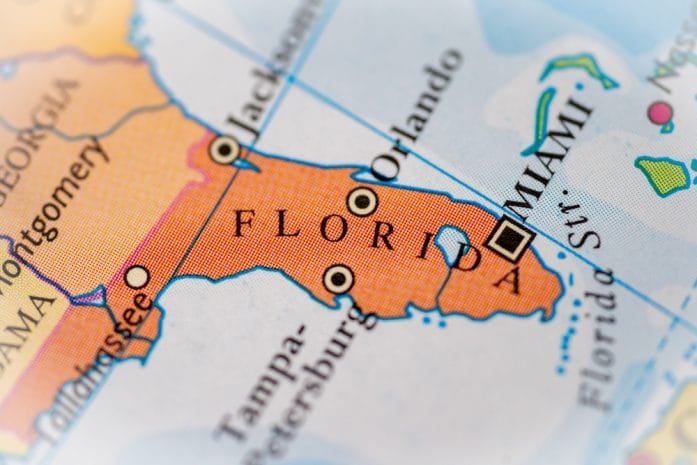
If you’re a Florida homeowner, you know the drill: every year you brace yourself for another insurance renewal, another rate hike, another moment of staring at your bill and wondering if your house is secretly made of gold. So when a rate decrease shows up in the news, it feels almost mythical.

But this time, it’s real. Heritage Insurance has officially been approved for a 9.6% premium drop for homeowners in Seminole County, and in a state where insurance headlines usually read like disaster movie scripts, this is the kind of plot twist people actually want.

Why Heritage Insurance Is Lowering Rates When Everyone Else Seems to Be Raising Them

If you’ve been following Florida’s insurance landscape, you know it’s been a roller coaster. Insurers have pulled out of the state, premiums have skyrocketed, and homeowners have been left scrambling for coverage. So how does a nearly 10% decrease happen in the middle of all that chaos?

The answer lies in a mix of company performance, risk modeling, and regulatory review. Heritage Insurance filed for the decrease after updated data showed improved loss ratios in Seminole County. In simpler terms, the company paid out less in claims than expected in that region, and the numbers were strong enough for regulators to approve a rate cut. This isn’t a statewide trend—it’s specific to Seminole County, where the risk profile and claims history have shifted enough to justify a downward adjustment.

It’s important to note that this doesn’t mean storms stopped happening or that Florida suddenly became a low‑risk state. Instead, it reflects localized improvements and insurer‑specific data.

What a 9.6% Drop Actually Means for Homeowners’ Wallets

A percentage decrease sounds nice, but what does it look like in real dollars? For many homeowners, this could mean hundreds of dollars saved over the course of a year. In a state where insurance premiums have doubled—or even tripled—for some households, a reduction of any size can help stabilize budgets that have been stretched thin.

This decrease also comes at a time when many homeowners are juggling rising costs in other areas: property taxes, HOA fees, utilities, and everyday living expenses. A lower insurance bill doesn’t solve everything, but it does offer breathing room. And in a market where most news has been relentlessly negative for years, this shift can help restore a bit of confidence that not every trend is moving in the wrong direction.

Heritage Insurance Approved: 9.6% Premium Drop for Seminole County Homeowners

Image source: shutterstock.com

Why Seminole County Stands Out in a Challenging Insurance Environment

Florida’s insurance market is complicated, and risk varies dramatically from one county to another. Seminole County benefits from being inland, which reduces exposure to storm surge and coastal flooding—two of the biggest cost drivers for insurers. While the county still faces hurricane winds, severe storms, and occasional flooding, its overall risk profile is more manageable than many coastal regions.

Additionally, Seminole County has seen improvements in building standards, mitigation efforts, and claims trends. When homeowners invest in roof upgrades, impact windows, and other protective measures, insurers take notice. Over time, these improvements can shift the risk landscape enough to influence rates.

How Homeowners Can Maximize Savings Beyond the Rate Drop

A 9.6% decrease is a great start, but homeowners can stack additional savings by taking a few proactive steps. First, it’s worth reviewing your policy to make sure you’re getting every discount available. Many homeowners qualify for mitigation credits without realizing it, especially if they’ve made upgrades in the last few years. Wind‑mitigation inspections, for example, can unlock significant savings and are often inexpensive compared to the long‑term benefit.

It’s also smart to shop around periodically. Even if you’re happy with Heritage, comparing quotes keeps you informed and ensures you’re not missing out on better options. Insurance markets shift constantly, and a rate decrease in one company can sometimes trigger competitive adjustments in others.

A Moment of Relief in a Market That Needed One

In a state where insurance news has felt like a never‑ending storm, Seminole County’s 9.6% premium drop is a welcome ray of sunshine. It’s a reminder that the market isn’t doomed, that improvements are possible, and that homeowners aren’t powerless in the face of rising costs. While this decrease won’t fix the entire system, it offers real financial relief and a bit of hope that more positive shifts could follow.

What’s your reaction to the rate drop—relief, curiosity, or cautious optimism? Are you a Florida resident feeling the relief? Share your thoughts in the comments.

You May Also Like…

The Roof Age That Automatically Disqualifies Florida Homes From Coverage

Florida Homeowners See First Rate Decrease in 10 Years — Citizens Property Insurance Dropping Premiums 2.6%

The Credit Score That Adds $2,000/Year to Florida Homeowner’s Insurance Premiums

9 Georgia Counties Where Property Taxes Are Set to Rise the Fastest

6 States Where Homeownership Is Getting More Expensive in 2026 — Here’s Why

Brandon Marcus
Brandon Marcus

Brandon Marcus is a writer who has been sharing the written word since a very young age. His interests include sports, history, pop culture, and so much more. When he isn’t writing, he spends his time jogging, drinking coffee, or attempting to read a long book he may never complete.

Filed Under: Insurance Tagged With: 2026 trends, consumer news, Florida homeowners, Heritage Insurance, Home insurance, Housing Costs, insurance rates, Planning, property insurance, rate decrease, Seminole County

7 Iconic Chains on the Brink—Will They Survive the Next Quarter?

May 16, 2025 by Travis Campbell Leave a Comment

TGI Friday

Image Source: pexels.com

It’s no secret that the retail and restaurant landscape is shifting faster than ever. From changing consumer habits to rising costs and digital disruption, even the most iconic chains are feeling the heat. You’re not alone if you’ve noticed your favorite stores or eateries closing up shop. For investors, employees, and everyday shoppers, the fate of these legendary brands matters. After all, when iconic chains struggle, it can ripple through local economies and even your own financial plans. So, which household names are teetering on the edge—and what can you do about it? Let’s dive into seven iconic chains that may not survive the next quarter, and what their struggles mean for you.

1. Rite Aid

Once a staple in American neighborhoods, Rite Aid is now facing a critical crossroads. The pharmacy giant filed for bankruptcy in late 2023, citing mounting debt and legal challenges related to opioid lawsuits. With hundreds of store closures already underway, Rite Aid’s future is uncertain. For consumers, this means fewer convenient pharmacy options and potential disruptions in prescription services. If you rely on Rite Aid, now’s the time to transfer prescriptions and explore alternatives like CVS or Walgreens. Investors should keep a close eye on restructuring news, as the company’s survival is anything but guaranteed.

2. Red Lobster

Red Lobster, the seafood chain famous for its Cheddar Bay biscuits, is in hot water. The company recently filed for bankruptcy protection, citing rising food costs and declining foot traffic. Many locations have abruptly closed, leaving loyal fans and employees in limbo. If you’re a fan of their endless shrimp deals, you might want to visit soon—there’s no telling how many locations will remain open. For communities, the loss of Red Lobster means fewer dining options and job losses. If you’re invested in restaurant stocks, this is a reminder to diversify and watch for signs of trouble in the casual dining sector.

3. Bed Bath & Beyond

Bed Bath & Beyond was once the go-to for home goods and wedding registries, but the iconic chain has been in a downward spiral. After a series of failed turnaround attempts, the company filed for bankruptcy in 2023 and began liquidating stores nationwide. While some locations have been acquired and rebranded, the original Bed Bath & Beyond experience is fading fast. Shoppers should use up any remaining gift cards and rewards points before they become worthless. For those who loved the chain’s famous coupons, it’s time to look for new ways to save on home essentials. The fall of this iconic chain is a cautionary tale about the importance of adapting to e-commerce trends.

4. Joann Fabrics

Joann Fabrics, a beloved destination for crafters and DIY enthusiasts, is also on shaky ground. The company filed for bankruptcy in early 2024, citing declining sales and increased competition from online retailers. While Joann has announced plans to keep stores open during restructuring, the future is uncertain. Consider stocking up or exploring local alternatives if you rely on Joann for fabric, craft supplies, or classes. For communities, the loss of Joann would mean fewer creative resources and local jobs. Investors should be wary of retail stocks that haven’t fully embraced digital transformation.

5. The Body Shop

The Body Shop, known for its ethical beauty products and activism, has seen better days. The iconic chain entered administration in the UK in 2024, leading to widespread store closures and layoffs. While some international locations remain open, the brand’s global footprint is shrinking. If you’re a fan of their cruelty-free products, now’s the time to stock up or seek out similar brands. The Body Shop’s struggles highlight the challenges even mission-driven companies face in a tough retail environment. It’s a reminder for investors to look beyond brand reputation and examine financial fundamentals.

6. TGI Fridays

TGI Fridays, once the go-to spot for casual dining and happy hour, is facing a steep decline. The chain has closed dozens of locations in the past year, citing changing consumer preferences and rising operational costs. With more people opting for takeout or healthier dining options, TGI Fridays is struggling to stay relevant. If you have gift cards or loyalty points, use them soon. For communities, the closure of TGI Fridays means fewer gathering spots and lost jobs. Investors should be cautious about restaurant chains that haven’t adapted to new dining trends.

7. Express

Express, the fashion retailer known for trendy workwear and party outfits, is another iconic chain on the brink. The company filed for bankruptcy in 2024, citing declining mall traffic and fierce competition from online brands. While some stores may survive under new ownership, the future of Express as we know it is uncertain. Shoppers should take advantage of clearance sales and use up any store credits. For those who love fashion, this is a reminder to support local boutiques and online brands that are innovating in the space.

What the Fate of Iconic Chains Means for Your Wallet

The struggles of these iconic chains aren’t just headlines—they have real impacts on your daily life and finances. Store closures can mean fewer local jobs, less competition (which can drive up prices), and the loss of familiar places to shop or dine. For consumers, it’s wise to use up gift cards, rewards, and credits at at-risk chains before it’s too late. Investors should take these warning signs seriously and diversify their portfolios to avoid overexposure to struggling sectors. Most importantly, the rise and fall of iconic chains is a reminder to stay flexible and informed in a rapidly changing economy.

What do you think? Have you noticed any of these iconic chains closing in your area? Share your experiences or thoughts in the comments below!

Read More

5 Biggest Refinance Concerns

Ripped from the Headlines: Bad Holiday Economic Mood

Travis Campbell
Travis Campbell

Travis Campbell is a digital marketer/developer with over 10 years of experience and a writer for over 6 years. He holds a degree in E-commerce and likes to share life advice he’s learned over the years. Travis loves spending time on the golf course or at the gym when he’s not working.

Filed Under: Business Tagged With: business trends, consumer news, iconic brands, investing, Personal Finance, restaurants, retail, store closures

FOLLOW US

Search this site:

Recent Posts

  • Can My Savings Account Affect My Financial Aid? by Tamila McDonald
  • 12 Ways Gen X’s Views Clash with Millennials… by Tamila McDonald
  • What Advantages and Disadvantages Are There To… by Jacob Sensiba
  • 10 Tactics for Building an Emergency Fund from Scratch by Vanessa Bermudez
  • Call 911: Go To the Emergency Room Immediately If… by Stephen Kanaval
  • 7 Weird Things You Can Sell Online by Tamila McDonald
  • 10 Scary Facts About DriveTime by Tamila McDonald

Copyright © 2026 · News Pro Theme on Genesis Framework