• Home
  • About Us
  • Getting Finances Done
    • Hiring Advisors
    • Debt Management
    • Spending Plan
  • Insurance
    • Life Insurance
    • Health Insurance
    • Disability Insurance
    • Homeowners/Renters Insurance
  • Contact Us
  • Our Editorial Commitment

The Free Financial Advisor

You are here: Home / Archives for COLA 2026

7 Oklahoma COLA Rules Every Eligible Retiree Must Verify Ahead of the 2026 Adjustments

July 18, 2026 by Brandon Marcus Leave a Comment

7 Oklahoma COLA Rules Every Eligible Retiree Must Verify Ahead of the 2026 Adjustments
Oklahoma OPERS retirees should review retirement dates, benefit status, and contact details before the 2026 COLA adjustments take effect – Shutterstock

Oklahoma Public Employees Retirement System (OPERS) retirees have a major date to watch in 2026 as new cost-of-living adjustments (COLAs) arrive. The key details come down to retirement dates, continuous retirement status, benefit eligibility, and a few easy-to-miss rules that can affect whether a retiree receives an increase.

A COLA can feel like a little financial breathing room when grocery bills, insurance costs, and everyday expenses keep changing. However, the adjustment does not automatically reach every retiree, so checking the fine print now can prevent a frustrating surprise later.

1. Verify the Retirement Date That Determines COLA Eligibility

The first thing every OPERS retiree should check is the retirement date on record because the 2026 COLA depends on how long someone has been retired as of June 30, 2026. Retirees who left employment on July 1, 2006, or earlier qualify for a 6% increase under the new rules. Those who retired between August 1, 2006, and July 1, 2016, qualify for a 3% increase. Retirees who left after August 1, 2016, do not receive an adjustment under this legislation.

That timeline sounds simple, but retirement records can sometimes contain details that deserve a second look. A retiree who remembers a retirement month differently than OPERS records should review official documents instead of relying on memory alone. Think of the retirement date like the expiration date on a coupon: being off by a small detail can change the result. Checking early gives retirees time to ask questions and correct any misunderstandings before payments change.

2. Confirm Continuous Retirement Status Before Counting on the Increase

The second rule involves continuous retirement status, which can change eligibility calculations for some people. OPERS explains that the qualifying retirement dates require continuous retirement, and retirees who returned to work and suspended their benefits may have different eligibility dates.

This detail matters because retirement does not always follow a perfectly straight line. Some retirees return to public employment for a while, pause benefits, and later restart retirement payments. Those situations can create a different timeline than someone who retired once and stayed retired. A quick review with OPERS can help clarify where a retiree stands. A few minutes of checking now can save a lot of head scratching when the new payment arrives.

3. Make Sure Benefits Were Active by June 30, 2026

The third rule focuses on whether a retiree actually received retirement benefits by June 30, 2026. The legislation requires retirees to be retired and receiving benefits on that date to qualify for the 2026 COLA.

This requirement creates an important distinction between someone who has stopped working and someone who has officially started receiving retirement payments. Those two moments do not always happen at the same time. Someone planning a retirement near that date should pay close attention to the timing of paperwork, approvals, and benefit payments. Retirement calendars can feel like a maze, but this particular date deserves a bright circle on the calendar.

4. Watch for the November 2026 Payment Change

The fourth rule involves timing because eligible retirees will not see the COLA immediately when the legislation takes effect. The COLA legislation becomes effective November 1, 2026, and OPERS expects the increased amount to appear with the benefit deposited on November 30, 2026.

OPERS plans to send eligible retired members a notification and Benefit Change Notice in late November. That notice should provide an official look at the updated benefit amount instead of leaving retirees to guess from their bank account. Retirees should keep that letter with other retirement records because it provides a useful paper trail. Retirement paperwork may not make the heart race like a vacation brochure, but keeping these documents organized can make future questions much easier.

5. Update Contact Information With OPERS

The fifth rule sounds simple, but it remains one of the easiest tasks to overlook. Retirees need to make sure OPERS has their current mailing address so important notices reach the right mailbox.

An outdated address can create unnecessary confusion, especially when benefit changes involve official notices. A retiree who moved after selling a home, downsizing, or relocating closer to family should check account information before the fall arrives. Small administrative chores often sit at the bottom of the to-do list, right next to organizing the junk drawer. Still, this one can protect access to important retirement updates.

6. Know That the Legislature Controls OPERS COLAs

The sixth rule involves one of the biggest misconceptions about retirement adjustments. OPERS does not have the authority to create a COLA on its own because the Oklahoma Legislature decides when to provide COLAs for OPERS members.

That distinction matters because retirees sometimes assume a pension system can simply adjust payments whenever costs rise. The process involves lawmakers, legislation, and official approval. Senate Bill 1145 created the 2026 OPERS COLA changes, with the adjustment structure based on years of retirement. Knowing who controls the decision helps retirees follow the right updates instead of chasing rumors floating around online or through neighborhood conversations.

7. Separate the COLA From Employer Contribution Changes

The seventh rule is about avoiding confusion between two separate retirement topics. House Bill 4050 changes state agency employer contribution rates to OPERS beginning July 1, 2026, but it does not change current retiree benefit payments or the way future benefits are calculated.

The contribution change affects employers, not the amount employees contribute from their paychecks. County and local government employer contributions also remain unchanged under this legislation. Mixing up employer contribution news with COLA news can create unnecessary worry. These are two different pieces of the retirement puzzle, and retirees should keep them in separate boxes.

A Simple 2026 COLA Check Can Prevent Big Surprises

The 2026 OPERS COLA adjustment brings welcome news for eligible retirees, but the details matter. Retirement date, benefit status, continuous retirement, and updated contact information all play a role in making sure the increase reaches the right people.

A smart retirement habit involves checking official records before a major change arrives. A quick review of OPERS information, retirement paperwork, and mailing details can make the transition smoother. The best retirement surprises come from a larger deposit, not from discovering an overlooked eligibility rule after the fact.

What step are you taking to prepare for the 2026 OPERS COLA changes, and do you think retirement adjustments should happen more frequently? Share your thoughts in the comments.

You May Also Like…

Money Moves Michigan Retirees Should Check After the 2026 Pension Withholding Change

6 Medicare Trust Fund Facts Retirees Should Know Before Changing Their Budget

Hospital Service Costs Rose in May CPI—A Retirement Healthcare Planning Reminder

The Retirement Income Sources Most People Forget to Include in Their Plan

Is Mississippi the Cheapest Place to Retire?

Brandon Marcus
Brandon Marcus

Brandon Marcus is a writer who has been sharing the written word since a very young age. His interests include sports, history, pop culture, and so much more. When he isn’t writing, he spends his time jogging, drinking coffee, or attempting to read a long book he may never complete.
Filed Under: Retirement Tagged With: COLA 2026, Oklahoma retirees, Oklahoma retirement, OPERS, pension benefits, retirement planning

Social Security 2026 COLA: Why Your 2.8% Raise Disappeared After Medicare Deductions

February 9, 2026 by Brandon Marcus Leave a Comment

Social Security 2026 COLA: Why Your 2.8% Raise Disappeared After Medicare Deductions
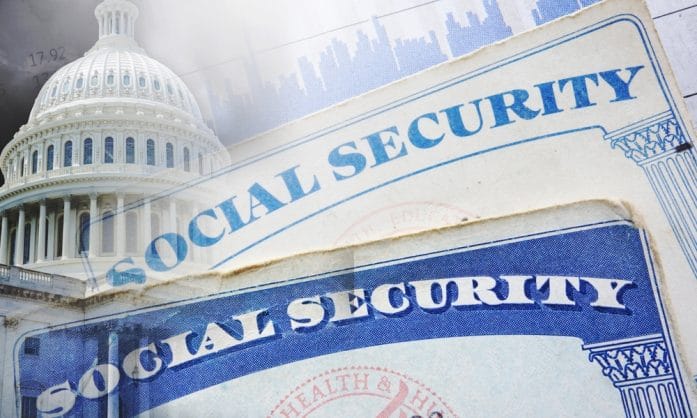
Image source: shutterstock.com

Every fall, millions of retirees wait for the Social Security Administration to announce the next year’s cost‑of‑living adjustment, hoping the increase will help them keep pace with rising prices. For 2026, the COLA came in at 2.8 percent — a modest but meaningful bump meant to reflect cooling inflation and a stabilizing economy.

On paper, it should have offered a little breathing room. But for many retirees, that raise seemed to evaporate before it ever reached their bank account. The reason wasn’t a miscalculation or a glitch. It was Medicare. More specifically, the annual increase in Medicare Part B premiums, which quietly siphons away a portion of every Social Security check.

The Raise That Looked Bigger Than It Felt

A 2.8 percent COLA may not sound dramatic, but it’s still a meaningful adjustment for retirees who rely heavily on Social Security. The COLA is designed to help benefits keep pace with inflation, using the Consumer Price Index for Urban Wage Earners and Clerical Workers as its benchmark.

In 2026, inflation had cooled compared to the spikes earlier in the decade, which is why the COLA landed in the high‑2 percent range. For many retirees, that number initially felt encouraging — a sign that their benefits would stretch a little further. But the reality is that Social Security benefits don’t operate independently. They’re directly tied to Medicare premiums, and when those premiums rise faster than the COLA, retirees feel the impact immediately. That’s exactly what happened this year, turning what looked like a helpful raise into a disappointing surprise.

Medicare Part B: The Quiet Culprit Behind Shrinking Checks

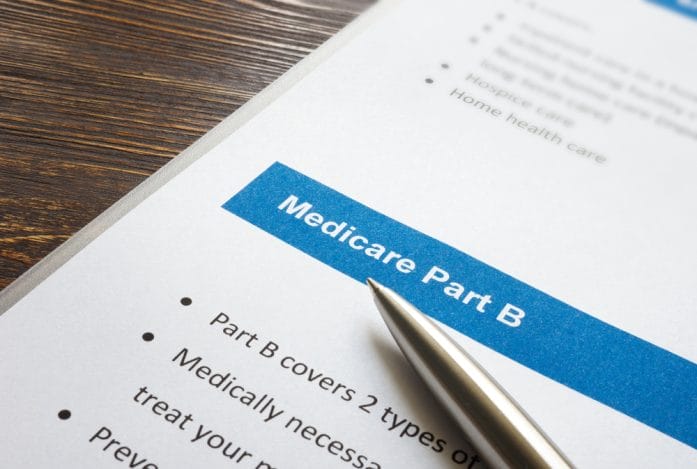
Medicare Part B premiums are automatically deducted from Social Security payments for most beneficiaries, which means any increase in those premiums reduces the net amount retirees receive. In 2026, Part B premiums rose again, continuing a long‑running trend driven by higher healthcare costs, increased utilization, and the expansion of medical services covered by Medicare.

Even a moderate premium increase can offset a significant portion of a COLA, especially for retirees with smaller monthly benefits. For some, the entire 2.8 percent raise was absorbed before it ever reached their pocket. This dynamic often catches people off guard because the COLA announcement tends to dominate headlines, while Medicare premium changes receive far less attention. Yet the two are inseparable, and understanding their relationship is key to understanding why your raise didn’t feel like a raise at all.

Social Security 2026 COLA: Why Your 2.8% Raise Disappeared After Medicare Deductions
Image source: shutterstock.com

The Hold Harmless Rule: Helpful, But Not Always Comforting

One of the most misunderstood aspects of Social Security and Medicare is the “hold harmless” provision. This rule protects most beneficiaries from seeing their net Social Security payment decrease due to rising Medicare Part B premiums. In other words, your check won’t go down — but it also might not go up.

When the COLA is modest and Medicare premiums rise, the hold harmless rule ensures that the premium increase is capped at the amount of the COLA. That sounds reassuring, and in many ways it is, but it also means that your entire COLA can be consumed by Medicare. In years with modest COLAs, like 2026, this rule becomes especially relevant. Many retirees technically received a raise, but because the raise was used to cover higher premiums, their take‑home amount stayed exactly the same.

Why Healthcare Costs Keep Outpacing Social Security Increases

The tension between Social Security increases and Medicare premiums isn’t new, and it isn’t going away. Healthcare costs have been rising faster than general inflation for decades, driven by factors such as medical technology, prescription drug prices, and the growing demand for services as the population ages.

Even when overall inflation cools, healthcare inflation often remains stubbornly high. This creates a mismatch between the COLA and Medicare premiums, which reflect the specific costs of healthcare. Retirees will continue to face the same challenge year after year: COLAs that look helpful on paper but feel underwhelming in practice. The 2026 COLA is simply the latest example of this long‑running trend.

What Retirees Can Do to Protect Their Income

While retirees can’t control the COLA or Medicare premiums, they can take steps to better manage the impact. One option is to review Medicare Advantage and Part D plans annually during open enrollment. Switching plans can sometimes reduce out‑of‑pocket costs.

Another strategy is to explore programs that help lower‑income beneficiaries pay for Medicare premiums. Retirees can also benefit from budgeting with the assumption that COLAs will be modest and that healthcare costs will continue rising.

For those still approaching retirement, delaying Social Security can increase monthly benefits and provide a larger buffer against future premium increases. None of these strategies eliminate the challenge entirely. But they can help retirees maintain more control over their financial picture.

Your Vanishing Raise

The 2026 COLA wasn’t a disappointment because it was too small — it was a disappointment because Medicare premiums rose faster. This pattern has played out many times before. It will likely continue as long as healthcare costs outpace general inflation. Social Security is designed to keep pace with inflation, but Medicare is tied to a different set of economic forces, and the two don’t always move in harmony. When they collide, retirees feel the impact immediately. The key is staying informed, planning ahead, and recognizing that the COLA is only one piece of a much larger financial puzzle.

What impact did the 2026 COLA have on your Social Security check after Medicare deductions? Share your stories, tips, and insights in our comments section.

You May Also Like…

The COLA Theft: Why Half of Your Social Security Raise Just Vanished into Medicare This Morning

Could Your 2025 COLA Push You Into a Higher Tax Bracket—Without a Pay Raise?

The Medicare Part B Increase That’s Reducing Social Security Checks By About $185/Month in 2026

Are You Overpaying Medicare? How One Small Withdrawal Can Trigger a Two-Year Surcharge

The Sunshine State Squeeze: Why Florida Retirees are Seeing Smaller Social Security Checks This Week

Brandon Marcus
Brandon Marcus

Brandon Marcus is a writer who has been sharing the written word since a very young age. His interests include sports, history, pop culture, and so much more. When he isn’t writing, he spends his time jogging, drinking coffee, or attempting to read a long book he may never complete.

Filed Under: Lifestyle Tagged With: COLA 2026, cost-of-living adjustment, fixed income, Inflation, Medicare Part B, Medicare premiums, Personal Finance, retirees, retirement income, senior finances, Social Security

Follow Us

Search this site:

Recent Posts

  • Can My Savings Account Affect My Financial Aid? by Tamila McDonald
  • 12 Ways Gen X’s Views Clash with Millennials… by Tamila McDonald
  • What Advantages and Disadvantages Are There To… by Jacob Sensiba
  • 10 Tactics for Building an Emergency Fund from Scratch by Vanessa Bermudez
  • Call 911: Go To the Emergency Room Immediately If… by Stephen Kanaval
  • 7 Weird Things You Can Sell Online by Tamila McDonald
  • 10 Scary Facts About DriveTime by Tamila McDonald

Copyright © 2026 · News Pro Theme on Genesis Framework