
• Home
  • About Us
  • Toolkit
  • Getting Finances Done
    • Hiring Advisors
    • Debt Management
    • Spending Plan
  • Insurance
    • Life Insurance
    • Health Insurance
    • Disability Insurance
    • Homeowners/Renters Insurance
  • Contact Us
  • Privacy Policy
  • Risk Tolerance Quiz

The Free Financial Advisor

You are here: Home / Archives for consumer advice

7 Questions to Ask Before Using Buy Now, Pay Later

March 17, 2026 by Brandon Marcus Leave a Comment

7 Questions to Ask Before Using Buy Now, Pay Later

Image Source: Shutterstock.com

Buy Now, Pay Later has exploded across online shopping like wildfire. It promises instant gratification without the sting of immediate payment, making checkout feel like a cheat code for adulting. But the convenience comes with strings attached, and ignoring them can turn a fun shopping hack into a financial headache faster than anyone expects. Millions of people now swipe, click, or tap their way into BNPL programs, from furniture and electronics to fashion and travel accessories.

While splitting payments sounds harmless, the reality behind interest, fees, and timelines often lurks just out of sight. Understanding the details before saying yes can save hundreds or even thousands of dollars over time. Smart shoppers approach BNPL like a strategy game instead of a magic trick. Asking the right questions before committing can protect both cash flow and credit scores.

1. How Will This Affect My Monthly Budget?

The first question anyone should ask is simple but essential: how does this fit into the monthly budget? Even small purchases, when split into four or six installments, can sneakily pile up and strain finances without anyone noticing. The immediate thrill of taking something home without paying can hide the long-term impact on cash flow. BNPL payments are not optional extras—they’re legally binding obligations. Late payments can trigger fees, and missing multiple installments can damage credit reports depending on the provider. A household that already juggles rent, utilities, groceries, and other bills must evaluate whether adding BNPL obligations keeps the budget balanced or introduces unnecessary risk.

Mapping out upcoming payments before checkout can prevent surprises. Shoppers who create a simple calendar of installments will likely see how each purchase fits alongside other expenses. This habit forces realistic reflection on whether the purchase is affordable or just temporarily tempting. The goal is financial clarity, not guilt, so every BNPL commitment should slot smoothly into the budget.

Understanding the monthly impact also helps avoid the most common trap: buying multiple items on BNPL at the same time. Each purchase multiplies the risk if income fluctuates or unexpected bills arise. Treating BNPL like a planned expense rather than a free ride keeps finances stable and stress-free.

2. What Are the Fees and Interest Rates Hidden in the Fine Print?

BNPL services often advertise “no interest” or “zero fees,” but the devil lives in the fine print. Missing a payment can trigger late fees that quickly overshadow the original purchase price. Some platforms charge interest after a grace period, and the way it compounds can catch even disciplined shoppers off guard. Each provider structures fees differently, meaning that one BNPL program might feel painless while another quietly drains cash if terms are ignored. Shoppers who fail to review this carefully may encounter unexpected bills, turning what felt like a $200 purchase into a $250 or $300 headache. Comparing terms across platforms before committing allows for smarter decisions that minimize hidden costs.

Understanding the exact timing of payments also matters. If installments are weekly rather than monthly, the perceived “affordability” can feel misleading. Payments that appear small may actually accumulate faster than anticipated, especially if multiple purchases run concurrently. Transparency and awareness about these mechanics make BNPL a helpful tool instead of a trap.

Late fees and interest can accumulate silently, so reading the fine print becomes an act of self-protection. Asking “what happens if I miss a payment?” and getting the answer in clear numbers ensures shoppers stay in control. Knowledge of fees transforms BNPL from a gamble into a predictable, manageable financial option.

3. Can I Actually Pay This Off on Time?

A BNPL purchase is only as safe as the ability to make the scheduled payments. Impulse buying can feel harmless, but missing an installment has consequences beyond immediate fees. Repeated missed payments can damage credit, making future borrowing more expensive and potentially harming long-term financial goals. Shoppers should realistically assess cash flow and timing before committing. Planning around paycheck schedules, recurring bills, and seasonal expenses gives a clear picture of whether paying on time is realistic. This step prevents small convenience purchases from cascading into long-term headaches.

For larger items, splitting payments might seem manageable at first glance but could collide with other financial priorities. Evaluating the total monthly obligations across all BNPL purchases ensures that nothing sneaks under the radar. Treating BNPL like a mini-loan rather than a freebie creates accountability and keeps the financial plan intact.

The ability to pay on time also reinforces discipline. Those who treat BNPL responsibly gain convenience without penalty, while those who underestimate commitments often face stress and financial setbacks. Planning, awareness, and honest evaluation make the difference between a helpful tool and a cautionary tale.

7 Questions to Ask Before Using Buy Now, Pay Later

Image Source: Shutterstock.com

4. What Happens If I Return the Item?

Returns complicate BNPL transactions more than traditional credit or debit payments. Some platforms refund purchases immediately, while others require shoppers to continue paying installments until the return processes fully. Timing issues or delays can make the process confusing or temporarily costly. Understanding the return policy in advance ensures no surprises at checkout. Some merchants coordinate directly with the BNPL provider, while others treat the loan separately, meaning shoppers must confirm the refund reaches the lender before the balance adjusts. Miscommunication can result in duplicate payments or lingering charges.

Return policies also influence purchasing decisions. A product that seems perfect online may feel less appealing if returning it introduces extra steps or risks. Knowing exactly how returns interact with the payment plan allows shoppers to make confident decisions and avoid headaches. Additionally, some BNPL providers enforce minimum repayment requirements before processing refunds, which can temporarily affect cash flow. Planning for these scenarios preserves financial stability and prevents frustration. Clear understanding transforms the shopping experience from risky guesswork to confident action.

5. How Will This Affect My Credit Score?

BNPL programs impact credit differently depending on the provider. Some report on-time payments to credit bureaus, which can strengthen credit history, while others report missed payments, which can damage scores. Understanding the credit implications is crucial for anyone considering larger purchases or future loans. A borrower’s existing credit profile also plays a role. If cash flow is tight and payments are missed, BNPL could compound financial strain while hurting creditworthiness. Alternatively, responsible usage of BNPL may demonstrate the ability to handle small installment loans, adding positive activity to a credit report.

Checking whether the BNPL provider reports to all three major credit bureaus clarifies potential effects. Not all services do, so confirming the reporting structure helps align financial strategy with long-term credit goals. For households planning major purchases in the near future, this knowledge can influence which BNPL program feels safe.

Credit impact goes beyond immediate scores. Missed payments could increase borrowing costs elsewhere or delay approvals for larger loans. Understanding and planning for these consequences transforms BNPL from a casual convenience into a calculated financial choice.

6. Could This Encourage Overspending?

The psychological effect of BNPL cannot be ignored. Paying later can make items feel cheaper than they actually are, encouraging purchases that might not fit within a true budget. Splitting payments can disguise the real cost of multiple items piling up simultaneously. Shoppers who rely too heavily on BNPL risk creating a cycle of deferred spending, which can balloon over weeks or months. Impulse purchases may feel harmless in the moment, but the cumulative effect can strain finances if payments coincide with unexpected expenses. Awareness of this tendency allows for proactive control.

Setting clear purchase limits and treating BNPL like a mini-loan rather than free money helps prevent overspending. Evaluating whether an item is truly needed or fits within existing financial plans reduces the temptation to buy beyond means. Discipline transforms BNPL from a dangerous gimmick into a convenient, responsible tool.

Understanding this effect also allows for smarter timing. Using BNPL for planned, budgeted purchases, rather than impulsive wants, maintains both convenience and control. The key is keeping psychology in check while leveraging the practical benefits of delayed payment.

7. Is There a Safer Alternative?

Finally, every shopper should ask whether BNPL is the best option or if a safer alternative exists. Saving in advance, using a low-interest credit card responsibly, or exploring store financing can sometimes offer better terms without introducing unnecessary risk. Alternative methods also provide more flexibility if circumstances change. Credit cards, for example, allow partial payments or adjustments without triggering automatic late fees in many cases. Savings-first strategies prevent debt from forming altogether, maintaining a stronger financial foundation.

BNPL may remain appealing for certain purchases, but understanding all available tools creates smarter decision-making. Evaluating interest, fees, timing, and alternatives ensures that convenience does not outweigh long-term financial health. In many cases, a thoughtful comparison produces a choice that maximizes both enjoyment and security.

The Smart BNPL Mindset That Protects Both Wallet and Peace of Mind

Using Buy Now, Pay Later can feel thrilling, but approaching it with curiosity and caution transforms convenience into a strategic advantage. Asking the seven questions outlined here empowers households to make informed choices, maintain control, and avoid surprises.

Ultimately, the smartest use of BNPL happens when shoppers combine budgeting awareness, timely payment habits, and knowledge of fees, returns, and credit impact. Doing so turns what could be a risky shortcut into a helpful financial tool that fits neatly into daily life.

What experiences or strategies have worked for managing BNPL responsibly? Are there creative ways to leverage its benefits without falling into common traps? Give us your thoughts below.

You May Also Like…

7 Reasons Why Many “Buy Now, Pay Later” Users Are Actually Paying With Debit Cards

The “Buy Now, Pay Later” Trap That’s Drowning People in Hidden Debt

Why Do People Get Trapped by “Buy Now Pay Later” Schemes

7 Steps to Run a Financial Autopsy on Your 2025 Spending

Why Does Spending Feel Riskier Than It Used To

Brandon Marcus
Brandon Marcus

Brandon Marcus is a writer who has been sharing the written word since a very young age. His interests include sports, history, pop culture, and so much more. When he isn’t writing, he spends his time jogging, drinking coffee, or attempting to read a long book he may never complete.
Filed Under: Spending Habits Tagged With: BNPL, budgeting, buy now pay later, consumer advice, credit tips, debt avoidance, Debt Management, money habits, Online shopping, Personal Finance, Planning, Smart Spending

Is Your State a Skimmer Hub? The 9 Places Where Credit Card Fraud Is Skyrocketing

February 24, 2026 by Brandon Marcus Leave a Comment

Is Your State a Skimmer Hub? The 9 Places Where Credit Card Fraud Is Skyrocketing

Image Source: Pexels.com

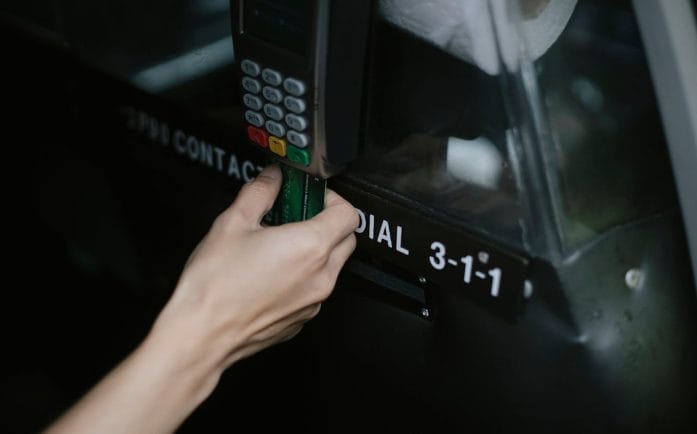
Think about this scenario: you’re fueling up, grabbing lunch, or swiping at a checkout—and somewhere in the machinery, someone isn’t playing by the rules.

Credit card fraud isn’t just something that happens to other people. It’s exploding in certain parts of the country, and understanding where it’s happening most can be the difference between catching a great deal and getting hit with a nasty financial surprise. Let’s cut through the fear-mongering and get to the facts, plus exact strategies to keep your money where it belongs.

1. Florida: Sunshine and Skimmers

Florida isn’t just a top travel destination; it also tops the list for credit card fraud reports per capita in the U.S. This has been a growing trend shaped by heavy tourism, transient customers less likely to scrutinize their statements, and endless high-traffic transactions that make perfect cover for card thieves.

Gas stations along major interstates and standalone ATMs in tourist zones often turn into magnets for skimming devices because of that constant footfall. If you find yourself in Florida, think beyond the beach umbrella: choose payment methods like tap-to-pay where possible, and ALWAYS check your statements within days of any travel. On the road, watch for unfamiliar ATMs and skip the ones tucked out of sight.

2. Georgia: The New Fraud Frontier

Georgia has rapidly risen up the charts to become one of the most common places for credit card fraud. Atlanta’s busy airport, sprawling suburbs, and high commuter traffic create a near-endless corridor of opportunity for skimming rings to plant devices unnoticed.

In addition to gas pumps, convenience store POS units and hotel lobby ATMs are frequently hit because they move so much volume in a single day it’s easier for thieves to stay under the radar. One of the few bright spots? If your card supports contactless payments through your phone or smart watch, using that option can sidestep swipe-based skimmers entirely. If you must dip your chip or swipe, glance at the reader and back away if anything seems out of place.

3. Nevada: Tourist Traps Aren’t Just Casinos

Las Vegas and Reno don’t just lure visitors for entertainment—they also attract fraudsters hunting for card data. Nevada’s blend of tourism, heavy cash flow, and high-turnover transactions makes it a perfect playground for skimming operations.

Whether you’re grabbing gas to hit the next attraction or using an ATM after dinner, criminals know that large crowds can camouflage illegal card readers. Casinos and hospitality businesses invest heavily in security, but smaller ATMs and gas station terminals often lag behind. As with other hotspots, the smartest move here is caution: prefer payments that don’t require swiping or inserting your card, and take a moment to inspect devices before touching them.

4. California: Population Power Meets Criminal Innovation

When it comes to sheer numbers of skimming events, California tops many lists. Far too many incidents have taken place in the Golden State, largely because of massive population density and a vast network of ATMs and independent gas stations.

Whether you’re in Los Angeles, the Bay Area, or smaller inland towns, the sheer volume of financial transactions gives thieves more victims with less effort. Even with advanced EMV chip technology widely deployed, the human element still matters; as more criminals switch to internal skimmers that latch inside card slots, spotting them becomes harder. Routine vigilance—like wiggling a card reader before using it or preferring chip or contactless transactions—is essential here.

5. Texas: Big State, Growing Problem

Texas often makes this list not because it has the highest per-capita rate, but because of its size and sheer number of cases reported annually. Large metropolitan areas like Houston, Dallas and Austin see a lot of card usage, and that volume gives fraudsters plenty of opportunities.

Law enforcement is cracking down in parts of the state with tougher sentencing and focused fraud units, and that’s helping to deter some shady players. However, people should stay alert everywhere from freeway gas stations to mall kiosks. If a payment terminal seems loose or sticker seals are damaged, walk inside and pay at the register. This isn’t paranoia—it’s paying attention to the details that protect you.

6. New York: Big City Risks, Big Data Losses

New York doesn’t just draw headlines for its skyline; it draws fraud activity too. Heavy travel, millions of daily transactions, and abundant independent ATMs and retail terminals make the state a high-risk zone for skimming devices.

Federal and local task forces have recently upped enforcement in cities like New York City itself to crack down on organized skimming rings, especially ones targeting lower-income communities and benefit cards that often lack modern security features. In such environments, choosing EMV chip or contactless payments isn’t just smart, it’s one of the most effective defenses you have.

Is Your State a Skimmer Hub? The 9 Places Where Credit Card Fraud Is Skyrocketing

Image Source: Pexels.com

7. Pennsylvania: A Quiet but Dangerous Player

Pennsylvania doesn’t always top the news for fraud, but its mix of urban centers like Philadelphia and Pittsburgh coupled with endless smaller towns makes it fertile ground for skimming.

Criminals know that in quieter areas, people might be less wary. Payment terminals at gas stations and smaller merchants often lack the most advanced tamper-proof protections, and that makes them inviting targets. Staying informed about local alerts—many police departments will publicize skimming devices found in their precincts—can give you an edge before you swipe. Naming unfamiliar ATMs and choosing terminals within sight of staff cuts your risk dramatically.

8 & 9. Maryland and Virginia: Beltway Busts

Down on the East Coast, Maryland and Virginia round out a cluster of states where card skimming has frequently been spotted. Their proximity to major travel corridors, commuter traffic, and dense populations means payment terminals get hammered every day. In these states, fraud isn’t always about big numbers in one city—it’s about opportunity everywhere you look.

If you’re filling up on I-95 or stopping at a rest area kiosk, assume that thieves are trying to get ahead of you. When possible, switch to contactless payments, check terminals for tampering just like you check your locks at night, and set up instant fraud alerts with your bank so if anything unusual happens, you know immediately.

Getting Ahead of the Skimmers

Credit card fraud isn’t going away. In fact, the FBI estimates card skimming alone costs consumers and banks more than $1 billion annually, and criminals keep refining their tools and tactics. While EMV chips, tokenization, and digital wallets have cut down some types of fraud, physical skimmers and the digital scams that follow still thrive because there’s always personal data to grab. Skimmers often attach to ATMs, gas pumps, and point-of-sale devices and harvest card info and PINs before you even notice a thing.

Do you think your state could be next, or have you spotted high-risk areas where you live? Share your thoughts in the comments.

You May Also Like…

8 Job-Scam Red Flags Everyone Needs to Know in 2025

8 Beauty Scams That Fooled Everyone — And Still Do

The “Love Bombing” Tactic Scammers Use to Gain Financial Control in a New Relationship

7 Reasons Credit Card Limits Drop After Paydowns — Even When You Never Miss a Payment

23% of Americans With Credit Card Debt Don’t Believe They’ll Ever Pay It Off

Brandon Marcus
Brandon Marcus

Brandon Marcus is a writer who has been sharing the written word since a very young age. His interests include sports, history, pop culture, and so much more. When he isn’t writing, he spends his time jogging, drinking coffee, or attempting to read a long book he may never complete.

Filed Under: Crime Tagged With: card skimmers, consumer advice, credit card fraud, credit theft statistics, Financial Security, fraud prevention, identity theft, skimming hotspots, U.S. fraud trends

Bank Alert: 7 Reasons “Courtesy Credits” Get Taken Back Without Warning

February 24, 2026 by Brandon Marcus Leave a Comment

Bank Alert: 7 Reasons “Courtesy Credits” Get Taken Back Without Warning

Image Source: Unsplash.com

You see a credit pop up in your account and feel a quick rush of relief. The bank refunded a fee. A disputed charge disappeared. Someone fixed a mistake. Then, days or weeks later, that same amount vanishes. No fireworks. No dramatic alert. Just a quiet reversal that leaves your balance lower than you expected.

Courtesy credits sound generous, and sometimes they are. But banks issue them with conditions, and they do not hesitate to take them back when those conditions change. If you rely on that money as if it’s permanent, you can end up scrambling. Let’s talk about why this happens and what you can actually do about it.

1. When a Dispute Doesn’t Go Your Way

Banks often issue a temporary credit when you dispute a debit card charge. Federal rules under Regulation E require banks to investigate errors, and they typically give you provisional credit within 10 business days if they need more time. That credit helps you avoid financial strain while the bank investigates.

But that credit does not mean you won the dispute. If the investigation finds that the charge was valid, the bank will reverse the provisional amount. The merchant might provide proof of authorization, delivery confirmation, or a signed receipt. Once the bank decides the charge stands, it removes the credit.

You can protect yourself here by following through on the dispute process. Provide documents quickly. Respond to bank emails. Keep screenshots and receipts. If you ignore requests for information, you increase the odds that the bank rules against you and pulls that courtesy credit back out of your account.

2. The Deposit That Didn’t Really Clear

Banks sometimes give you access to funds before a check fully clears. You might see a “courtesy” or “provisional” credit that lets you spend part or all of a deposit right away. That early access feels convenient, especially when you need the money urgently.

However, if the check bounces, the bank reverses the credit. The Federal Reserve’s funds availability rules allow banks to make funds available before final settlement, but that availability does not guarantee that the check is good. If the paying bank rejects it for insufficient funds, a closed account, or fraud, your bank removes the money from your balance.

You should treat any recent check deposit as conditional until you confirm it cleared. Avoid spending the full amount immediately, especially if you don’t know the check writer well. If someone pressures you to deposit a check and send money back quickly, that situation almost always signals a scam.

3. Fee Refunds With Strings Attached

Sometimes a bank waives an overdraft fee or monthly maintenance fee as a one-time courtesy. You call, explain the situation, and a representative credits your account. That goodwill gesture often depends on your account staying in good standing.

If you rack up more overdrafts right away or fail to bring your balance positive within a required time frame, the bank can reverse the courtesy refund. Many banks disclose in their account agreements that fee reversals fall under discretionary policies. They reserve the right to adjust your account if new activity changes the picture.

You can avoid this headache by reading your account terms and asking direct questions when you request a refund. Ask whether the credit depends on future behavior. Then adjust your habits. Set up low-balance alerts. Link a savings account for overdraft protection. Take the second chance seriously.

4. Fraud Claims That Change Midstream

When you report suspected fraud, banks move quickly to limit damage. They often issue a provisional credit while they investigate unauthorized transactions. That action protects you from losing access to your own money during the review.

But banks also analyze patterns, device information, transaction history, and merchant data. If they determine that you authorized the transaction or shared your credentials, they can deny the claim and reverse the credit. Some cases fall into gray areas, such as recurring subscription charges you forgot about or transactions made by someone you allowed to use your card.

You strengthen your position by reporting fraud immediately and changing your passwords right away. Avoid sharing debit card details, even with friends or family. Monitor your account frequently so you catch suspicious activity within the required reporting window. Timing matters in fraud claims, and delays can cost you that provisional credit.

Bank Alert: 7 Reasons “Courtesy Credits” Get Taken Back Without Warning

Image Source: Pexels.com

5. Merchant Chargebacks and Double Credits

Sometimes the confusion starts with the merchant, not the bank. You might receive a refund from a retailer and also see a temporary credit from your bank after filing a dispute. If both credits hit your account, you might assume you came out ahead.

Banks reconcile these situations carefully. If the merchant processes a refund and your bank already credited you for the same transaction, the bank will reverse its courtesy credit. You only get one refund for one transaction. The system corrects duplicates once the investigation closes.

Keep track of communications with both the merchant and the bank. If a merchant promises a refund, you may not need to file a dispute at all. Filing too quickly can complicate the process. Patience sometimes saves you from seeing that credit disappear later.

6. Account Reviews and Policy Violations

Banks conduct routine account reviews. They look for patterns that suggest misuse, policy violations, or high risk. If they spot frequent disputes, repeated overdrafts, or suspicious deposit activity, they can reassess prior credits.

In some cases, a bank might determine that a courtesy credit violated internal policy or resulted from incomplete information. When that happens, they adjust the account. The reversal might not come with much explanation beyond a standard notice in your transaction history.

You can lower your risk by keeping your account activity clean and consistent. Avoid frequent returned deposits. Limit disputes to legitimate errors. Maintain clear records. If you notice a reversal that seems wrong, contact the bank promptly and ask for a detailed explanation in writing.

7. Time Limits Expire Quietly

Provisional credits do not sit in limbo forever. Regulation E allows banks up to 45 days to complete most investigations, and even longer in certain cases. During that period, the credit remains temporary.

If the bank reaches a decision near the end of that window, it can reverse the credit with little fanfare. You might not receive a phone call. Instead, you’ll see a transaction labeled “reversal” or “chargeback adjustment.” That timing can feel abrupt, especially if you assumed weeks of silence meant approval.

Mark important dates when you file a dispute. Count forward 10 business days and then 45 calendar days. If you approach those deadlines without hearing back, call the bank and ask about the status. Staying proactive keeps you from getting blindsided.

The Fine Print Always Wins

Account agreements stretch for pages, and most people scroll past them. Those documents spell out the rules around provisional credits, fee reversals, and error investigations. Banks rely on those disclosures when they reverse a courtesy credit.

You do not need to memorize every clause, but you should understand key sections about funds availability, disputes, overdrafts, and fraud claims. Many banks publish simplified summaries online. Spending 20 minutes reviewing those policies can save you from confusion later.

If something feels unclear, ask for clarification. Document the date and the representative’s name. Clear communication builds a paper trail, and that paper trail helps you if you ever escalate a complaint to a regulator or file a formal dispute.

Don’t Treat Temporary Money Like It’s Permanent

Courtesy credits serve a purpose. They cushion mistakes, buy time during investigations, and show goodwill. But they do not equal guaranteed funds until the bank finalizes the underlying issue.

The smartest move involves caution. Leave disputed amounts untouched until the case closes. Build a small emergency cushion so a sudden reversal does not wreck your budget. Turn on transaction alerts and review your account weekly. These habits create breathing room.

Have you ever had a courtesy credit reversed, and did the bank explain it clearly or leave you piecing it together on your own? We want to hear about it in our comments.

You May Also Like…

Banks Are Still Charging Daily Overdraft Fees After Accounts Go Negative

Why Free Online Checking Continues to Beat Traditional Banks

Major Banks Continue Generating Billions From Overdraft Fees

Big Banks Are Still Collecting Billions in Overdraft and NSF Fees

5 Outrageous Fees Hidden in Everyday Banking Services

Brandon Marcus
Brandon Marcus

Brandon Marcus is a writer who has been sharing the written word since a very young age. His interests include sports, history, pop culture, and so much more. When he isn’t writing, he spends his time jogging, drinking coffee, or attempting to read a long book he may never complete.

Filed Under: Banking Tagged With: bank fees, banking, chargebacks, checking accounts, consumer advice, courtesy credit, deposits, financial literacy, fraud prevention, money management, overdraft, Personal Finance

Insurance Premium Increases Continue Outpacing Inflation

February 16, 2026 by Brandon Marcus Leave a Comment

Insurance Premium Increases Continue Outpacing Inflation

Image source: shutterstock.com

The cost of protection now climbs faster than the cost of living, and that reality reshapes household budgets across the country. Inflation has cooled from its recent peak, yet insurance premiums keep marching upward with stubborn determination.

Auto policies jump by double digits in many states, home coverage grows more expensive even outside disaster zones, and health insurance deductibles rarely move in the direction anyone hopes for. This pattern raises a blunt question: why does coverage cost so much more than the overall inflation rate, and what can anyone realistically do about it?

Insurance Premiums and Inflation: A Widening Gap

Inflation measures broad price changes across the economy, but insurance responds to a specific set of pressures that often move faster and hit harder than the general consumer basket. One does not care about the other.

The Consumer Price Index tracks categories like food, energy, housing, and transportation, yet insurance companies calculate risk based on claims costs, litigation trends, repair expenses, and catastrophic losses. When those factors spike, premiums follow.

Auto insurance offers one of the clearest examples. Car prices climbed sharply during the supply chain crunch, and repair costs soared as vehicles added advanced technology, sensors, and cameras that demand specialized parts and labor. When a minor fender-bender requires recalibrating multiple systems, insurers face much larger claim payouts than they did a decade ago.

Home insurance tells a similar story. Severe weather events have grown more frequent and more expensive, especially in states prone to hurricanes, wildfires, and hailstorms. Insurers paid out record sums for natural disasters in recent years, and companies responded by raising rates, tightening underwriting standards, or pulling out of high-risk markets altogether. Inflation alone does not explain these increases; escalating risk and rebuilding costs drive them.

Health insurance operates under its own set of forces. Hospital services, prescription drugs, and specialist care continue to rise in cost, and insurers adjust premiums to keep up with those trends. Even when headline inflation slows, medical inflation often moves on a different track.

Why Insurers Keep Raising Rates

Insurance companies do not raise rates for sport. They answer to regulators, shareholders, and solvency requirements that demand adequate reserves to cover future claims. When claims severity rises, premiums must rise as well or companies risk financial instability.

Vehicle repair costs have grown steadily because modern cars function as rolling computers. Advanced driver-assistance systems improve safety, yet they increase repair complexity. A simple bumper replacement can require replacing embedded sensors and recalibrating systems that control lane-keeping or adaptive cruise control. Labor shortages in auto repair shops add another layer of expense, as skilled technicians command higher wages.

Property insurance faces even more dramatic cost pressures. Construction materials experienced significant price increases during and after the pandemic. Lumber, roofing materials, and skilled labor all became more expensive. When a hurricane damages thousands of homes at once, insurers confront enormous claims in a compressed timeframe, and reinsurance costs also increase.

At the same time, insurers must comply with state regulations that often limit how quickly they can adjust rates. When regulators delay approval for necessary increases, companies may accumulate losses for several quarters and then implement sharper adjustments once approval arrives. That pattern can make premium hikes feel sudden and severe.

How Different Types of Insurance Compare

Auto insurance often captures headlines because drivers see the monthly bill and feel the sting immediately. Some drivers face increases of 15 percent or more year over year, especially in states with high accident rates or costly repair markets.

Home insurance varies dramatically by region. Coastal states and wildfire-prone areas see the steepest jumps, and some insurers have restricted new policies in places like Florida and California. Even homeowners outside those high-risk zones have encountered higher premiums because national catastrophe losses affect the broader insurance market. Insurers spread risk across their portfolios, and large losses in one region can influence pricing in others.

Insurance Premium Increases Continue Outpacing Inflation

Image source: shutterstock.com

Health insurance premiums depend heavily on employer contributions and plan design, yet many employees have seen higher deductibles and out-of-pocket costs over time. Employers often shift more of the cost burden to workers in response to rising medical expenses.

Renters insurance and umbrella policies also experience upward pressure, although their absolute costs remain lower than auto or homeowners coverage. As underlying risks and claim costs rise, these smaller policies rarely remain untouched.

What You Can Actually Do About It

No one controls the weather, global supply chains, or medical inflation, yet individuals do control how they approach insurance decisions. Shopping around remains one of the most effective tools available. Different insurers evaluate risk differently, and a clean driving record or improved credit score can yield very different quotes across companies. Set a calendar reminder to compare rates at least once a year, especially before renewal.

Consider adjusting deductibles carefully. A higher deductible lowers the premium, but only choose that route if you can comfortably cover the out-of-pocket cost in an emergency. An emergency fund acts as a buffer and gives you flexibility to structure coverage in a cost-effective way.

Control What You Can

Insurance premiums continue to outpace inflation because claim costs, catastrophe losses, and repair expenses rise faster than the broader economy. That trend creates real pressure on household budgets, and it will not reverse overnight. Complaining about it will not change the math, but strategic action can soften the blow.

Review policies annually, compare quotes across multiple carriers, adjust deductibles thoughtfully, and pursue every legitimate discount available. Build an emergency fund so you can tolerate higher deductibles and avoid filing small claims. Treat insurance as an active financial decision, not a set-it-and-forget-it bill.

The cost of protection may keep climbing, but informed choices can keep it from climbing unchecked. How have rising insurance premiums changed the way you approach your budget and coverage decisions? Share your thoughts and advice in the comments section below.

You May Also Like…

Florida Escrow Payments Continue Rising as Insurance Costs Climb

Expense Trap: 7 Inflation Surprises That Sneak Up on Middle-Aged Investors

Florida’s 3.35% Non-Renewal Rate: Why Hundreds of Thousands Lost Home Insurance Last Year

8 Bold Strategies for Investing During Periods of High Inflation

8 Homeowner Insurance Denials Based on Aerial Photos

Brandon Marcus
Brandon Marcus

Brandon Marcus is a writer who has been sharing the written word since a very young age. His interests include sports, history, pop culture, and so much more. When he isn’t writing, he spends his time jogging, drinking coffee, or attempting to read a long book he may never complete.

Filed Under: Insurance Tagged With: auto insurance, consumer advice, Cost of living, economic trends, health insurance, Home insurance, household budgets, Inflation, Insurance, insurance premiums, Personal Finance, Risk management

7 Store “Deals” Warehouse Shoppers Always Regret

November 9, 2025 by Travis Campbell Leave a Comment

warehouse

Image source: BalkansCat / Shutterstock.com

Millions of customers shop at warehouse clubs because they provide the lowest prices and bulk discount options. But not every item stacked high on those concrete floors is a real win. The initial impression of a smart purchase can sometimes turn out to be more expensive due to waste generation and storage needs, as well as buyer’s remorse. The common error warehouse shoppers make involves thinking that bigger product sizes automatically lead to better value. The following list shows seven store promotions at warehouses that customers often regret purchasing because they waste money on unnecessary items.

1. Giant Produce Packs

Fresh fruits and vegetables seem like safe bets, but bulk produce often spoils before you can finish it. Unless you’re feeding a large family or hosting a party, that 10-pound bag of avocados or massive tub of spinach will likely end up in the trash. Food waste cancels out any savings, especially when you factor in the cost per usable portion. Warehouse shoppers often regret these “deals” once they realize how much produce they toss each week.

To make bulk produce work, plan meals carefully or split purchases with a friend. Otherwise, stick to smaller quantities at your local grocery store, where freshness and flexibility matter more than a few cents saved per pound.

2. Oversized Condiments and Sauces

That gallon of ketchup or industrial-size mayonnaise might look like a smart buy, but condiments have shelf lives, too. Once opened, they lose flavor or separate long before you finish them. Even unopened, they take up precious fridge and pantry space. The math rarely works out when half the container expires before you use it up.

Warehouse shoppers chasing the lowest unit price often overlook the fact that value is lost if the product goes bad. Smaller bottles from regular stores may cost slightly more per ounce, but ensure you’re actually getting what you pay for.

3. Bulk Snacks and Sweets

Warehouse stores are famous for giant bags of chips, cookies, and candy. These seem like an easy way to stock up for less, but they often lead to overeating or staleness. Once the bag is open, freshness fades quickly. Even when sealed, snacks can lose their crunch or flavor if stored for too long. The temptation to eat more just because it’s there also makes these “deals” a health and budget setback.

Many warehouse shoppers regret buying bulk treats when they realize their snack budget vanishes faster than expected. If you want variety, consider buying smaller packs that allow you to rotate flavors and minimize waste.

4. Clothing and Footwear “Deals”

Warehouse stores often feature tables piled high with discounted clothing. The prices look great, but sizing inconsistencies, limited dressing rooms, and questionable quality can make these deals disappointing. Many shoppers grab items impulsively, only to find that they are poor fits or have fabrics that shrink after just one wash.

Even name-brand apparel can be manufactured specifically for warehouse sale channels, meaning it’s not the same quality as what you’d find in a department store. These store “deals” often end up as clutter or donation pile fodder. Before buying, check stitching, try items on if possible, and remember that a low price doesn’t always mean high value.

5. Electronics Bundles

Warehouse shoppers love the idea of getting extra cords, accessories, or software “free” with a new gadget. But electronics bundles can hide inflated prices or outdated components. That printer with a “bonus” ink pack may actually cost more than buying each part separately elsewhere. TVs and laptops might also be older models packaged to move inventory quickly.

Compare specs and prices online before assuming the warehouse price is unbeatable. Use sites like CamelCamelCamel to track historical pricing and confirm whether you’re truly saving money. Often, the warehouse deal isn’t as exclusive as it looks.

6. Cleaning Supplies in Excess

Buying cleaning products in bulk may seem practical, but storage and expiration issues can arise. Liquid cleaners, bleach, and detergents lose effectiveness over time. Giant jugs can also leak or harden before you finish them. Unless you run a cleaning business or have a large household, these mega containers often create more hassle than savings.

For most families, mid-size bottles from regular stores make more sense. They’re easier to handle, store, and replace when needed. Warehouse shoppers frequently regret these store “deals” once they realize how long it takes to use up a gallon of anything.

7. Books and Gift Sets

Stacks of glossy cookbooks, boxed gift sets, and seasonal bundles look tempting, especially around holidays. But they often cost more than similar items online. Many end up collecting dust because the novelty wears off quickly. The packaging adds perceived value, not real savings.

Before you buy, check pricing on a site like BookFinder. You may find that the same title or gift set costs less elsewhere. Warehouse shoppers often regret these impulse store “deals” once they realize they paid extra for presentation.

Smarter Shopping in the Aisles

You can save money at warehouse clubs by following certain shopping strategies. Choose items that you use frequently and store them properly, and have enough time to use them before their expiration dates. The most common store “deals” warehouse shoppers always regret involve perishables, oversized goods, or flashy bundles that sound better than they are.

Observe the real usage patterns of your home. A good deal only matters if it fits your lifestyle and your storage space. What was the worst warehouse purchase you have ever made?

What to Read Next…

  • 7 Tactics Grocery Stores Use to Keep You from Thinking About Price
  • Are These 8 Money Saving Tricks Actually Keeping You Broke
  • 10 Smart Purchases That Are Slowly Making You Broke
  • 7 Hidden Fees That Aren’t Labeled as Fees at All
  • Are Automatic Renewals Draining More Than You Realize
Travis Campbell
Travis Campbell

Travis Campbell is a digital marketer/developer with over 10 years of experience and a writer for over 6 years. He holds a degree in E-commerce and likes to share life advice he’s learned over the years. Travis loves spending time on the golf course or at the gym when he’s not working.

Filed Under: Smart Shopping Tagged With: budget tips, consumer advice, money-saving, store deals, warehouse shopping

10 Financial Traps Hidden in Cell Phone Contracts

September 26, 2025 by Travis Campbell Leave a Comment

phone

Image source: pexels.com

Cell phone contracts are designed to look straightforward, but many people find themselves paying much more than expected. Hidden fees and confusing terms can sneak up on even the savviest consumers. Understanding the financial traps in cell phone contracts can help you avoid frustrating surprises and save money in the long run. Before you sign a new agreement, it’s important to know what to watch for. Let’s break down the most common financial traps hidden in cell phone contracts and how you can sidestep them. If you want to keep your monthly bills predictable and fair, this guide is for you.

1. Early Termination Fees

One of the most common financial traps in cell phone contracts is the early termination fee. These charges can be hefty, sometimes running into hundreds of dollars if you decide to cancel your contract before it ends. While some companies prorate these fees, others do not, leaving you with a significant bill if your needs change unexpectedly. Always check the fine print to see how much you’d owe if you need to leave your contract early.

2. Device Payment Plans

Device payment plans may seem like a convenient way to get the latest phone without paying up front. However, these plans often come with high interest rates or hidden fees buried in the contract. If you decide to switch carriers or cancel your service, you might be required to pay off the device balance in one lump sum. This can create financial stress if you’re not prepared. Always calculate the total cost of the device over the life of the plan before agreeing.

3. Data Overage Charges

Many cell phone contracts include a set amount of data each month. Exceeding your data limit can lead to expensive overage charges, sometimes doubling your bill. Some carriers automatically bump you up to a higher data tier if you go over, while others simply add steep fees. Be sure to understand exactly how your plan handles data usage so you can avoid this financial trap in cell phone contracts.

4. Automatic Contract Renewals

Some cell phone contracts renew automatically at the end of the term unless you actively cancel or renegotiate. This can lock you into another year or two of service, sometimes with new fees or less favorable terms. Set a calendar reminder to review your contract before it renews, so you have a chance to shop around or negotiate better terms.

5. Hidden Administrative Fees

Administrative fees, regulatory recovery fees, and other surcharges often appear on your monthly bill. While these fees are usually small, they add up quickly and are rarely advertised up front. Carriers often justify these charges as necessary for regulatory compliance, but in reality, they’re often just extra profit. Scrutinize your bill for recurring charges you don’t recognize and ask your provider to explain each one.

6. International Roaming Costs

Traveling abroad with your phone can result in unexpected charges. International roaming rates are notoriously high, and some contracts don’t make it clear what you’ll pay for calls, texts, or data outside your home country. Even a short trip can result in a bill that’s several times your usual monthly payment. Look for plans with international options or consider using a local SIM card when traveling.

7. Promotional Pricing That Expires

Carriers love to entice new customers with promotional rates, but these discounts often expire after a few months. When the deal ends, your monthly payment can jump dramatically. If you’re not prepared, this can be a nasty shock. Always find out how long promotional pricing lasts and what your bill will be when it ends. Don’t sign a cell phone contract unless you’re comfortable with the regular price.

8. Mandatory Add-Ons and Bundled Services

Some contracts require you to purchase add-ons or bundled services you may not need, like insurance, streaming subscriptions, or cloud storage. These extras can inflate your monthly bill and are often hard to remove later. If a contract includes mandatory add-ons, ask if you can opt out or choose your own services. Don’t pay for features you won’t use.

9. Credit Checks and Security Deposits

Signing a cell phone contract often requires a credit check. If your credit isn’t perfect, you might be asked to pay a security deposit. These deposits can be substantial and are sometimes difficult to get back, especially if you cancel early or if there’s a dispute over your final bill. If you’re concerned about your credit, look for prepaid or no-contract plans that don’t require a deposit.

10. Contract Changes Without Notice

Some providers reserve the right to change your contract terms, fees, or services with little or no notice. This can leave you stuck with higher costs or reduced features. Always read the section about contract modifications and ask your provider how changes will be communicated. If possible, choose a provider that offers a clear, written notice of any changes to your cell phone contract.

Smart Strategies for Navigating Cell Phone Contracts

Understanding the financial traps in cell phone contracts is the first step to protecting your wallet. Take the time to read every detail, ask questions, and compare offers from multiple providers. Don’t be afraid to walk away if a contract feels one-sided or confusing.

It’s also smart to check out the FTC’s advice about marketing and contract rules if you want to know your rights. By staying alert to these financial traps in cell phone contracts, you can avoid costly mistakes and keep your monthly expenses under control. What’s the biggest contract surprise you’ve ever faced? Share your experience in the comments below!

What to Read Next…

  • What Happens to Your Credit Score If Your Cell Provider Changes Ownership
  • 7 Hidden Fees That Aren’t Labeled as Fees at All
  • Are These 8 Money Saving Tricks Actually Keeping You Broke
  • 8 Everyday Services That Are Slowly Becoming Subscription Only
  • 7 Credit Card Features Disappearing Without Any Notice
Travis Campbell
Travis Campbell

Travis Campbell is a digital marketer/developer with over 10 years of experience and a writer for over 6 years. He holds a degree in E-commerce and likes to share life advice he’s learned over the years. Travis loves spending time on the golf course or at the gym when he’s not working.

Filed Under: Finance Tagged With: cell phone contracts, consumer advice, data overage, early termination, financial traps, Hidden Fees, mobile plans

6 Unsettling Truths About Rent-to-Own Stores

September 16, 2025 by Catherine Reed Leave a Comment

6 Unsettling Truths About Rent-to-Own Stores

Image source: 123rf.com

At first glance, rent-to-own stores seem like a convenient solution for families who need furniture, electronics, or appliances but can’t afford to pay upfront. The appeal of taking items home immediately with little or no credit check is undeniable. However, the reality of these deals often looks very different once the fine print and long-term costs come into play. Many shoppers find themselves stuck in financial arrangements that drain their budgets and limit their options. To make an informed choice, it’s important to know the unsettling truths about rent-to-own stores before signing any agreement.

1. The True Cost Is Shockingly High

One of the most troubling realities of rent-to-own stores is how much customers end up paying in the long run. An item that sells for $500 in a retail store could cost $1,500 or more through a rent-to-own agreement. The weekly or monthly payments look manageable at first, but they add up quickly. By the time you finish paying off the item, you may have spent three or four times its actual value. This hidden markup is one of the biggest financial traps of rent-to-own stores.

2. Ownership Isn’t Guaranteed Until the End

Rent-to-own stores often advertise the idea of taking items home “today,” but that doesn’t mean you actually own them. Until you’ve made every payment in full, the store still has legal ownership. If you fall behind, the store can repossess the item, leaving you with nothing despite the money you’ve already paid. This risk makes these agreements especially dangerous for families living paycheck to paycheck. Missing even one or two payments can wipe out months of progress.

3. Contracts Are Loaded With Fine Print

The agreements from rent-to-own stores are often packed with terms and conditions that work in the store’s favor. Many contracts include steep penalties for late payments or early cancellations. Some even charge fees for basic wear and tear on items that were already used when rented out. Customers rarely realize how restrictive these agreements are until they run into trouble. By then, it’s too late to avoid the extra charges.

4. Better Alternatives Usually Exist

While rent-to-own stores market themselves as the only option for people with limited credit, alternatives often cost much less. Layaway programs, personal loans, or saving for a few months can provide the same outcome without the extreme markups. Secondhand stores, online marketplaces, and local classifieds also offer affordable options. Rent-to-own agreements rely on the belief that buyers have no other choices. In reality, looking outside these stores usually leads to better deals and stronger financial outcomes.

5. They Target Vulnerable Consumers

Rent-to-own stores often place themselves in low-income neighborhoods or areas where credit access is limited. Their business model relies on appealing to people who feel trapped financially. The lack of credit checks may seem like a lifeline, but it comes at a steep price. Instead of helping customers, these stores profit from their struggles. This targeting raises serious questions about whether the model helps or harms communities.

6. Items May Not Be New or High Quality

Many shoppers assume the products in rent-to-own stores are brand new. In reality, items are often used, refurbished, or lower-quality models compared to what you’d find in a retail store. Yet, the inflated prices make it seem like you’re paying for premium goods. This mismatch between price and quality is another unsettling truth about rent-to-own stores. Customers end up spending more for less while thinking they’re getting a good deal.

Knowledge Is Your Best Defense

Rent-to-own stores make big promises, but the reality behind those promises can be financially devastating. High costs, repossession risks, and predatory contracts turn what looks like convenience into a long-term burden. The good news is that by understanding these unsettling truths about rent-to-own stores, you can make smarter choices. Exploring alternatives, planning purchases, and avoiding these traps will protect your budget and help you keep more of your hard-earned money.

Have you ever dealt with rent-to-own stores? Did the experience help or hurt your finances? Share your thoughts in the comments below.

What to Read Next…

7 Things That End Up Costing More in Poor Neighborhoods

5 Outrageous Fees Hidden in Everyday Banking Services

10 Financial Traps People Walk Into After Buying a New House

The Debt Trap: Why People Go Broke Right After Getting Free

Could Hidden Medical Fees Be the Biggest Threat to Savings

Catherine Reed
Catherine Reed

Catherine is a tech-savvy writer who has focused on the personal finance space for more than eight years. She has a Bachelor’s in Information Technology and enjoys showcasing how tech can simplify everyday personal finance tasks like budgeting, spending tracking, and planning for the future. Additionally, she’s explored the ins and outs of the world of side hustles and loves to share what she’s learned along the way. When she’s not working, you can find her relaxing at home in the Pacific Northwest with her two cats or enjoying a cup of coffee at her neighborhood cafe.

Filed Under: Spending Habits Tagged With: Budgeting Tips, consumer advice, debt risks, financial traps, hidden costs, Personal Finance, rent-to-own stores

What “As-Is” Really Means When Buying a Used Car

July 11, 2025 by Travis Campbell Leave a Comment

car buying

Image Source: pexels.com

Buying a used car can feel like a gamble. You want a good deal, but you also want a car that won’t break down the minute you drive off the lot. That’s where the term “as-is” comes in. You see it on car ads, dealership windows, and private sale listings. But what does “as-is” really mean when you’re buying a used car? Understanding this term can save you money, stress, and a lot of headaches. If you’re thinking about buying a used car, knowing what “as-is” means is essential.

1. “As-Is” Means No Promises

When a car is sold “as-is,” the seller is making no promises about its condition. There are no guarantees. If something goes wrong after you buy it, you’re responsible for the repairs. The seller is not on the hook for anything that happens once you sign the paperwork. This is true whether you buy from a dealership or a private seller. The car could have hidden problems, and you have no legal protection if it does. That’s why it’s important to understand the risks before you agree to an “as-is” sale.

2. No Warranty Included

A car sold “as-is” does not come with a warranty. This means you can’t go back to the seller if the engine fails or the transmission slips. Some states require dealers to offer a short warranty on certain used cars, but if the car is marked “as-is,” you’re usually out of luck. Private sellers almost never offer warranties. If you want protection, you’ll need to buy a separate warranty or look for a certified pre-owned vehicle. The Federal Trade Commission explains more about used car warranties and your rights here.

3. You Must Do Your Own Inspection

With an “as-is” car, the responsibility to check the car’s condition falls on you. Sellers are not required to fix problems or even point them out. You need to inspect the car yourself or hire a mechanic to do it. Look for signs of damage, rust, leaks, or anything that seems off. Take the car for a test drive. Listen for strange noises. Check the tires, brakes, and lights. If you’re not comfortable doing this, pay a professional. Spending a little money now can save you a lot later.

4. Hidden Problems Are Your Problem

If you buy a car “as-is” and it breaks down the next day, you have no recourse. The seller is not responsible for any hidden problems. This includes issues with the engine, transmission, electrical system, or anything else. Even if the problem was there before you bought the car, you’re still responsible. Some sellers may not even know about the problem themselves. That’s why it’s so important to do your homework before you buy.

5. Read the Paperwork Carefully

Before you sign anything, read the paperwork. Make sure you understand what you’re agreeing to. If the contract says “as-is,” it means you accept the car in its current state, with all its faults. Don’t rush through this step. Ask questions if you’re unsure. If the seller promises to fix something, get it in writing. Verbal promises mean nothing once you sign an “as-is” agreement. The paperwork is your only protection.

6. State Laws Can Vary

Some states have laws that protect buyers, even in “as-is” sales. For example, a few states require dealers to disclose certain problems or provide a short warranty. Others have “lemon laws” that cover used cars. But in most cases, “as-is” means you’re on your own. Check your state’s laws before you buy.

7. Negotiation Is Still Possible

Just because a car is sold “as-is” doesn’t mean you can’t negotiate. Use the car’s condition as leverage. If you find problems during your inspection, ask for a lower price. Point out any repairs the car needs. Sellers may be willing to drop the price to make the sale. Don’t be afraid to walk away if the deal doesn’t feel right. There are plenty of used cars out there.

8. Consider the Total Cost

When you buy a car “as-is,” you need to think about more than just the purchase price. Factor in the cost of repairs, maintenance, and possible upgrades. A cheap car can become expensive if it needs a lot of work. Make a budget for repairs before you buy. If the car needs major work, it might not be worth it. Sometimes, paying a little more for a car in better condition is the smarter choice.

9. Trust Your Instincts

If something feels off about the deal, trust your gut. Walk away if the seller is pushy, won’t let you inspect the car, or refuses to answer questions. There are always other cars for sale. Don’t let anyone pressure you into a decision you’re not comfortable with. Your instincts are a valuable tool when buying a used car “as-is.”

10. “As-Is” Isn’t Always a Bad Deal

Buying a car “as-is” can work out if you know what you’re doing. Some people find great deals this way, especially if they’re handy with repairs. But it’s not for everyone. If you’re not comfortable with risk or you don’t know much about cars, it might be better to look for a car with a warranty. The key is to go in with your eyes open and be prepared for anything.

Know What You’re Signing Up For

Buying a used car “as-is” puts the responsibility on you. There are no guarantees, no safety nets, and no one to blame if things go wrong. But if you do your homework, inspect the car, and understand the risks, you can still find a good deal. The most important thing is to know what “as-is” really means before you sign. That knowledge can save you money and stress.

Have you ever bought a car “as-is”? What was your experience? Share your story in the comments.

Read More

5 Biggest Refinance Concerns

Is Disability Insurance Optional? I Think Not – Our Boner of the Week

Travis Campbell
Travis Campbell

Travis Campbell is a digital marketer/developer with over 10 years of experience and a writer for over 6 years. He holds a degree in E-commerce and likes to share life advice he’s learned over the years. Travis loves spending time on the golf course or at the gym when he’s not working.

Filed Under: Car Tagged With: as-is, auto buying tips, car buying, car inspection, car shopping, car warranty, consumer advice, used cars

Seasonal Sales That Trick You Into Buying Junk

July 8, 2025 by Travis Campbell Leave a Comment

junk

Image Source: pexels.com

Every year, retailers roll out seasonal sales with flashy signs, countdown clocks, and promises of unbeatable deals. It’s easy to get swept up in the excitement, especially when everyone around you seems to be scoring bargains. But here’s the catch: many of these seasonal sales are designed to trick you into buying junk you don’t need. The thrill of a “limited-time offer” can cloud your judgment, leading to purchases that clutter your home and drain your wallet. Understanding how these sales work—and why they’re so effective—can help you make smarter choices. If you’ve ever regretted a purchase after a big sale, you’re not alone. Let’s break down the most common seasonal sales that lure shoppers into buying things they’ll later regret.

1. Black Friday Blowouts

Black Friday is the king of seasonal sales, but it’s also a masterclass in getting people to buy junk. Retailers know that shoppers expect deep discounts, so they often stock up on low-quality, off-brand products made just for the event. These “doorbusters” might look like a steal, but they’re often inferior to regular inventory. The chaos and urgency of Black Friday can make you grab things you’d never consider at full price. Before you buy, check reviews and compare specs to make sure you’re not falling for a flashy deal on a subpar product. Remember, not every Black Friday deal is a good one—sometimes, it’s just cleverly packaged junk.

2. Back-to-School Bargains

Back-to-school sales target parents and students with promises of savings on everything from notebooks to laptops. The problem? Many of these deals focus on quantity over quality. Multi-packs of pens, cheap backpacks, and generic electronics often flood the shelves. While it’s tempting to stock up, these items can break or run out quickly, forcing you to buy replacements sooner than you’d like. Instead of grabbing the cheapest bundle, look for durable, well-reviewed products that will last the whole school year. Quality over quantity is key during the back-to-school season.

3. Holiday Gift Sets

Holiday sales are notorious for promoting gift sets that appear impressive but are often filled with low-value items. Think of those giant baskets of snacks, beauty kits, or kitchen gadgets. They’re often packaged to appear luxurious, but inside, you’ll find sample sizes, off-brand products, or items you’d never buy individually. These sets are designed to appeal to last-minute shoppers who want a quick, easy gift. If you want your money to go further, skip the pre-made sets and create your own thoughtful gifts. You’ll avoid paying a premium for fancy packaging and filler items.

4. End-of-Season Clearance

When seasons change, stores rush to clear out old inventory. End-of-season clearance racks are filled with deeply discounted clothing, décor, and outdoor gear. While some deals are genuine, many items are there because they didn’t sell for a reason—think odd sizes, outdated styles, or poor quality. It’s easy to justify a purchase when the price is slashed, but ask yourself if you’d want the item at full price. If not, it’s probably not worth the closet space. Focus on timeless pieces or essentials you know you’ll use next year.

5. Summer “Patio and Grill” Events

As soon as the weather warms up, retailers launch summer sales on patio furniture, grills, and outdoor accessories. These events often feature flashy, inexpensive sets that look great in the store but don’t hold up to real use. Cheap materials and poor construction mean you’ll be shopping for replacements sooner than you think. Before buying, research brands and materials, and read customer reviews. Investing in quality outdoor gear can save you money and frustration in the long run.

6. New Year’s “Get Organized” Sales

Every January, stores push storage bins, planners, and organization gadgets to help you “start fresh.” While getting organized is a great goal, many of these products are unnecessary or of poor quality. It’s easy to buy a stack of bins or a fancy label maker, only to find they don’t fit your space or needs. Instead of buying on impulse, take stock of what you already have and identify real gaps. Sometimes, decluttering is more effective than buying more stuff to organize your existing clutter.

7. Valentine’s Day “Limited Edition” Offers

Valentine’s Day brings a flood of limited-edition chocolates, stuffed animals, and novelty gifts. These items are often overpriced and designed to create a sense of urgency. The reality? Most of these products are mass-produced and quickly lose their appeal. Instead of falling for the hype, consider more meaningful gestures or experiences. A handwritten note or a home-cooked meal can be far more memorable than a generic teddy bear or heart-shaped box of candy.

Outsmarting Seasonal Sales: Buy What Matters

Seasonal sales are everywhere, and the pressure to buy can be intense. The key to avoiding junk is to shop with intention. Make a list before you shop, set a budget, and stick to it. Ask yourself if the item truly adds value to your life or if you’re simply caught up in the excitement. Remember, the best deal is one that fits your needs and lasts beyond the season. By staying mindful, you can enjoy the benefits of seasonal sales without falling for the tricks that lead to regret.

Have you ever bought something during a seasonal sale that you later regretted? Share your story or tips in the comments below!

Read More

Ripped From The Headlines: Bad Holiday Economic Mood

Stop Reading About Last Year’s Top Ten Mutual Funds

Travis Campbell
Travis Campbell

Travis Campbell is a digital marketer/developer with over 10 years of experience and a writer for over 6 years. He holds a degree in E-commerce and likes to share life advice he’s learned over the years. Travis loves spending time on the golf course or at the gym when he’s not working.

Filed Under: Smart Spending Tagged With: consumer advice, decluttering, holiday shopping, Personal Finance, seasonal sales, shopping tips, smart shopping

7 Times Loyalty Points Were Worthless When You Actually Needed Them

June 12, 2025 by Travis Campbell Leave a Comment

shopping

Image Source: pexels.com

Loyalty points are supposed to be the ultimate reward for your brand devotion. You swipe your card, scan your app, and watch those points pile up, all while dreaming of free flights, hotel upgrades, or a shopping spree. But what happens when you finally try to cash in those hard-earned rewards, only to find out they’re not as valuable as you thought? Many consumers have faced the frustrating reality that loyalty points can be surprisingly useless at the very moment you need them most. Understanding these pitfalls can help you avoid disappointment and make smarter decisions with your rewards. Here are seven real-life scenarios where loyalty points let people down, plus practical advice to help you get the most out of your loyalty programs.

1. Blackout Dates Block Your Travel Dreams

You’ve saved up thousands of airline miles for that dream vacation, only to discover that your preferred travel dates are “blacked out.” Airlines often restrict the use of loyalty points during peak travel times, holidays, or special events. This means your points are essentially worthless when demand is highest, exactly when you want to use them. To avoid this, always check blackout dates before committing to a loyalty program and consider flexible travel plans.

2. Points Expire Before You Can Use Them

Many loyalty programs have expiration policies that can wipe out your points if you don’t use them within a certain timeframe. Life gets busy, and it’s easy to forget about your points until it’s too late. Suddenly, all those coffee runs or hotel stays add up to nothing. Set reminders to use your points regularly, and look for programs that offer non-expiring points or easy ways to keep your account active. This simple habit can save you from losing out on rewards you’ve already earned.

3. Redemption Fees Eat Up Your Rewards

Some programs charge hefty fees when you try to redeem your loyalty points, especially for travel bookings or merchandise. These fees can quickly erode the value of your rewards, making your “free” flight or gift card not so free after all. Always read the fine print and calculate the true cost of redeeming your points. If the fees outweigh the benefits, it might be better to save your points for a different reward or look for a program with lower redemption costs.

4. Limited Inventory Leaves You Empty-Handed

You finally have enough points for that popular gadget or hotel room, but when you go to redeem them, everything is out of stock or unavailable. Limited inventory is a common issue, especially with high-demand rewards. This can be incredibly frustrating if you’ve been saving up for something specific. To avoid disappointment, act quickly when you see a reward you want, and consider diversifying your points across multiple programs to increase your options.

5. Devaluations Make Your Points Worth Less Overnight

Loyalty programs can change their terms at any time, often reducing the value of your points without warning. This is known as a “devaluation,” meaning you suddenly need more points for the same reward. For example, a hotel stay that once cost 20,000 points might jump to 30,000 points overnight. Stay informed about program changes and use your points sooner rather than later to avoid losing value.

6. Complicated Redemption Processes Cause Headaches

Some loyalty programs make it unnecessarily difficult to redeem your points. You might have to jump through hoops, call customer service, or navigate a confusing website. These barriers can discourage you from using your points at all, making them effectively worthless. Look for programs with simple, user-friendly redemption processes, and don’t hesitate to reach out for help if you get stuck. Your time is valuable, and a good loyalty program should respect that.

7. Points Only Cover Part of the Cost

It’s a common scenario: you have enough points for a flight or hotel, but the program only lets you use them for a portion of the total cost. You’re left paying unexpected cash fees, taxes, or surcharges. This partial coverage can be a letdown, especially if you were counting on a completely free experience. Before you redeem, always check what’s actually included and budget for any extra costs. Sometimes, using points for smaller, fully covered rewards—like gift cards or statement credits—can offer better value.

Making Your Loyalty Points Work for You

Loyalty points can be a great way to stretch your budget, but only if you understand the potential pitfalls. The key is to stay proactive: read the program rules, monitor your points balance, and act quickly when you see a good redemption opportunity. Don’t let your loyalty points become a source of frustration. Instead, treat them as a bonus—nice to have, but not something to rely on for essential purchases or travel plans. By staying informed and flexible, you can avoid the most common traps and actually enjoy the rewards you’ve earned.

Have you ever been let down by loyalty points when you needed them most? Share your story or tips in the comments below!

Read More

Vacation Without Breaking the Bank

Ripped From the Headlines: Bad Holiday Economic Mood

Travis Campbell
Travis Campbell

Travis Campbell is a digital marketer/developer with over 10 years of experience and a writer for over 6 years. He holds a degree in E-commerce and likes to share life advice he’s learned over the years. Travis loves spending time on the golf course or at the gym when he’s not working.

Filed Under: Spending Habits Tagged With: budgeting, consumer advice, credit cards, loyalty points, Personal Finance, rewards programs, travel tips

  • 1
  • 2
  • Next Page »

FOLLOW US

Search this site:

Recent Posts

  • Can My Savings Account Affect My Financial Aid? by Tamila McDonald
  • 12 Ways Gen X’s Views Clash with Millennials… by Tamila McDonald
  • What Advantages and Disadvantages Are There To… by Jacob Sensiba
  • Call 911: Go To the Emergency Room Immediately If… by Stephen Kanaval
  • 10 Tactics for Building an Emergency Fund from Scratch by Vanessa Bermudez
  • 7 Weird Things You Can Sell Online by Tamila McDonald
  • 10 Scary Facts About DriveTime by Tamila McDonald

Copyright © 2026 · News Pro Theme on Genesis Framework