
• Home
  • About Us
  • Toolkit
  • Getting Finances Done
    • Hiring Advisors
    • Debt Management
    • Spending Plan
  • Insurance
    • Life Insurance
    • Health Insurance
    • Disability Insurance
    • Homeowners/Renters Insurance
  • Contact Us
  • Privacy Policy
  • Risk Tolerance Quiz

The Free Financial Advisor

You are here: Home / Archives for rental cars

The Rental Car Insurance Mistake That Can Cost You a Fortune

December 3, 2025 by Brandon Marcus Leave a Comment

There Is A Certain Rental Car Insurance Mistake That Can Cost You a Fortune

Image Source: Shutterstock.com

You’re standing at the rental car counter, your suitcase still half-zipped, your energy drained from the flight, and suddenly the agent hits you with the question that makes every traveler break into a mental sweat: “Would you like to add insurance today?” It feels like a pop quiz you didn’t study for, and the stakes are sky-high. Your brain scrambles—Does my credit card cover this? Does my personal auto policy apply? Am I about to gamble thousands of dollars on a three-day weekend trip?

Before you know it, you’re nodding awkwardly, unsure whether you just protected your wallet or threw money into a black hole. But here’s the truth: the biggest rental car insurance mistake isn’t what you think, and making it can genuinely cost you a fortune.

The Hidden Gap Between Your Personal Insurance And Rental Coverage

Many travelers assume their personal auto insurance automatically protects them in a rental car, but that’s only partially true. While liability and collision coverage often transfer, deductibles, exclusions, and limitations can still leave you dangerously exposed. Some policies don’t cover loss-of-use charges, which rental companies apply when the car is being repaired and can’t be rented out. Others don’t cover diminished value, a fee you might face if the car is worth less after an accident, even if it’s fully fixed. Without knowing these details upfront, you might think you’re covered—right up until a bill arrives that makes your stomach drop.

Credit Card Protections Aren’t The Safety Net You Think

Credit cards advertise “free rental car insurance,” but the fine print is where dreams of savings go to die. Many cards offer only secondary coverage, meaning they only step in after your personal insurance has paid out—and your premiums take the hit. Some cards only cover certain vehicle types, rental durations, or countries, creating a maze of exceptions that can easily trap the unprepared traveler. Worse yet, forgetting a single requirement—like declining the rental company’s collision damage waiver—can void the entire benefit. Relying solely on your credit card protection without reading the exact terms is one of the most common and costly rental car mistakes people make.

The Collision Damage Waiver Isn’t Technically Insurance

The rental agent’s script might make the Collision Damage Waiver (CDW) sound like standard insurance, but it’s actually a contractual agreement. Instead of covering you like a traditional insurance policy, the CDW simply waives the rental company’s right to charge you for damage. But this waiver often comes with conditions, such as prohibiting off-road driving, unauthorized drivers, or late-night street parking in certain areas.

If you violate any of the terms—even unintentionally—the waiver becomes useless, leaving you fully responsible for damages. Because of this gap, countless travelers think they’re protected until a technicality proves otherwise.
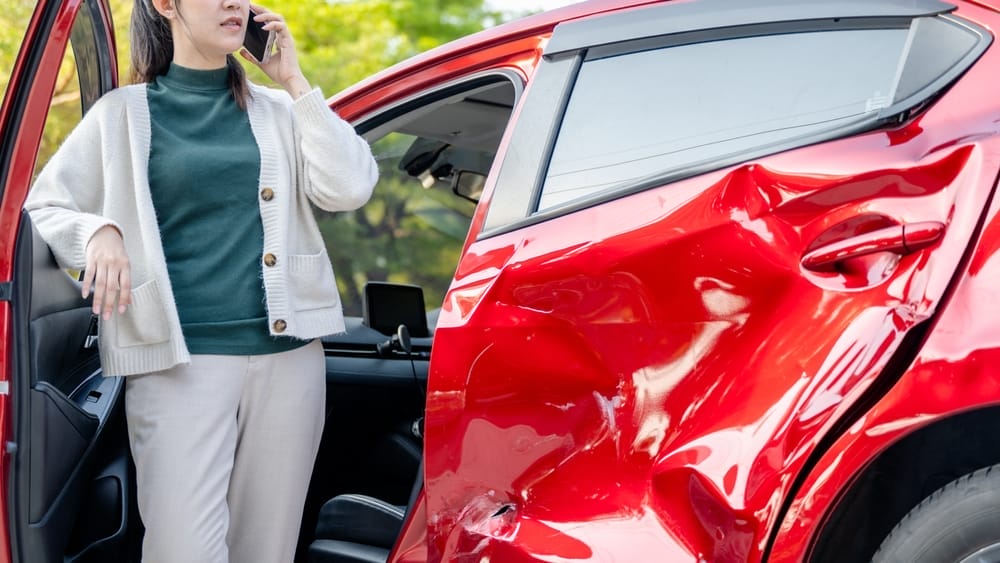
There Is A Certain Rental Car Insurance Mistake That Can Cost You a Fortune

Image Source: Shutterstock.com

Not Understanding “Loss Of Use” Can Drain Your Wallet

Rental car companies don’t just charge you for damage—they charge you for the money they could have earned while the car is being repaired. This fee, known as loss of use, is one of the biggest surprise expenses after an accident. Personal auto insurance and credit card coverage often exclude it, meaning you’re stuck paying out-of-pocket. Some rental companies even calculate loss of use at inflated daily rates, turning a minor fender-bender into a major financial setback. Without understanding this clause, you might walk away from the counter thinking you’re fully protected when you’re not even close.

Overlooking Supplemental Liability Coverage Can Be Risky

Liability claims can cost far more than damage to the rental car itself, yet many renters completely ignore supplemental liability coverage. Your personal auto policy might cover some liability. However, if you’re renting in a state with low mandatory minimums, you might be relying on dangerously thin protection. One accident could lead to costs that spiral far beyond what your policy covers. Supplemental liability feels optional until you’re in a situation where it suddenly becomes the most important coverage you could have purchased. Understanding how your liability limits apply is essential before driving off the lot.

Assuming The Rental Company Will Be “Reasonable”

Rental companies aren’t known for their generosity when it comes to damage assessments, and that can surprise even experienced travelers. They may charge you for repairs, lost revenue, administrative fees, and towing—sometimes before you even have a chance to respond. Some renters have reported being billed for damage they didn’t cause. Even minor scuffs or pre-existing scratches can turn into major disputes if there’s no proof of condition. Trusting that the company will be fair is a mistake that can cost thousands if you don’t take precautions.

Forgetting To Document The Vehicle Is A Classic Rookie Error

Five minutes taking photos can save you five thousand dollars later—and yet most people skip this step entirely. Documenting dents, scratches, paint issues, or even interior scuffs can prevent false or exaggerated claims. A full walk-around with photos and videos isn’t just smart—it’s essential. If you skip it, you’re leaving your wallet at the mercy of someone else’s memory.

Thinking You Don’t Need Full Coverage On A Vacation

Travelers often take more risks on vacation, whether that means unfamiliar roads, crowded city streets, or unpredictable weather. Add the fact that you’re in a new environment—possibly jet-lagged, distracted, or rushing—and the odds of a mishap increase significantly. Because of this, skipping full coverage while traveling is far riskier than skipping it at home. The financial consequences of an accident abroad or in a high-traffic tourist area can be enormous. What feels like a harmless shortcut at the rental counter can turn into a nightmare the moment something goes wrong.

Protect Your Trip Before You Hit The Road

Understanding what coverage you truly have is the key to stress-free travel. Before your next rental, take a moment to review your personal policy, your credit card benefits, and the rental company’s fine print. Doing so can save you from unexpected bills, exhausting disputes, and headaches you definitely didn’t pack for.

Have you ever had a rental car insurance surprise? Give us your thoughts, stories, or cautionary tales in the comments section for others to learn.

You May Also Like…

6 Reasons Your Car Insurance Company Can Legally Drop You After One Claim

7 Wild Facts About Electric Cars That’ll Shock You

Getting Around Without Going Broke: Smart Transit Options After Car Loss

7 Everyday Car Items Thieves Are Watching for Right Now

The “Act of God” Clause Insurance Companies Are Using to Reject Storm Damage Claims

Brandon Marcus
Brandon Marcus

Brandon Marcus is a writer who has been sharing the written word since a very young age. His interests include sports, history, pop culture, and so much more. When he isn’t writing, he spends his time jogging, drinking coffee, or attempting to read a long book he may never complete.

Filed Under: Car Tagged With: auto insurance, Automobile, automobiles, automotive care, best type of insurance, car, car insurance, cars, collision damage, credit card, credit card protections, credit cards, Insurance, insurance mistakes, liability insurance, mistakes, personal insurance, rental car, rental cars, Rentals, spending mistakes

5 Surprising Places Where Cash Payments Come With a Penalty Fee

July 20, 2025 by Travis Campbell Leave a Comment

cash

Image Source: pexels.com

Paying with cash used to be simple. You hand over your bills, get your change, and move on. But things have changed. More businesses are moving to digital payments, and some even charge you extra if you insist on using cash. This shift can catch you off guard, especially if you’re used to cash being king. Knowing where you might face a penalty for cash payments can help you avoid unnecessary fees and frustration. Here are five places where paying with cash could cost you more than you expect.

1. Utility Companies

Many utility companies now prefer digital payments. If you walk into a payment center with cash, you might face a “processing fee.” This fee covers the cost of handling cash, which is higher than processing electronic payments. Some companies even outsource cash payments to third-party locations, like convenience stores or check-cashing outlets. These places often charge a flat fee—sometimes $1.50 or more—just to process your payment. If you pay your electric or water bill in cash every month, those fees add up fast. To avoid this, check if your utility provider offers free online payments or automatic bank drafts. If you don’t have a bank account, consider prepaid debit cards, which some companies accept without extra fees.

2. Government Offices and Courts

You might think government offices would welcome cash, but that’s not always true. Many local courts, DMVs, and city offices now charge a “cash handling fee” if you pay fines, fees, or taxes in person with cash. The reason? Handling cash takes more time and security. Some offices even require you to use a money order instead of cash, which means you’ll pay a fee to buy the money order. In some cities, paying a parking ticket in cash at a kiosk or window can cost you an extra $2 to $5. Before you head to city hall with a wad of bills, check their payment policies online. You might save money by paying with a card or through an online portal.

3. Rental Car Agencies

Rental car companies have strict rules about cash payments. Some don’t accept cash at all, but others allow it—if you’re willing to pay a penalty. This can come as a “cash deposit fee” or a “cash payment surcharge.” The fee covers the extra paperwork and risk involved with cash. It’s not unusual to see a $50 or $100 fee added to your bill if you pay in cash. Plus, you may have to provide extra identification or proof of insurance. If you’re planning to rent a car and want to pay with cash, call ahead and ask about their policy. You might find it’s cheaper and easier to use a debit or credit card.

4. Some Medical Offices and Clinics

It sounds odd, but some medical offices now charge a fee for cash payments. This is especially true for clinics that use third-party billing services. When you pay in cash, the office has to manually process your payment, which takes more time and can lead to errors. Some clinics pass this cost on to you as a “cash handling fee.” The fee might be small$3 or$5—but it’s still an extra cost. If you’re paying for a prescription or a doctor’s visit, ask about payment options before you go. Many offices offer discounts for paying with a card or through their online portal. If you don’t have insurance or a bank account, look for clinics that advertise “no cash fees” or sliding scale payments.

5. Toll Roads and Bridges

Toll roads used to be a cash-only affair. Now, many have switched to electronic tolling systems. If you insist on paying cash, you might face a penalty. Some toll booths charge a “cash surcharge” or a higher toll rate for cash payments. Others have removed cash lanes entirely, forcing you to pay by mail, which often comes with a processing fee. In some states, the cash toll can be double the electronic rate. If you travel toll roads often, consider getting a transponder or using a prepaid toll account. This can save you money and time. Always check the toll authority’s website before your trip to see the latest payment options and fees.

Why Cash Isn’t Always King Anymore

Cash used to be the easiest way to pay. Now, it can cost you extra in places you wouldn’t expect. Businesses and agencies are moving to digital payments because it’s faster, safer, and cheaper for them. For you, that means watching out for penalty fees when you use cash. The best way to avoid these fees is to check payment policies before you go. If you don’t have access to digital payments, look for businesses that still accept cash without extra charges. And if you’re hit with a cash penalty, ask if there’s a way to waive it or use another payment method next time. Staying aware of these changes can help you keep more money in your pocket.

Have you ever been surprised by a cash payment penalty? Share your story or tips in the comments below.

Read More

What Do Lawyers Say About Leaving Cash to Your Kids?

Should You Cash Out Your 401(k) If You Need Help Now?

Travis Campbell
Travis Campbell

Travis Campbell is a digital marketer/developer with over 10 years of experience and a writer for over 6 years. He holds a degree in E-commerce and likes to share life advice he’s learned over the years. Travis loves spending time on the golf course or at the gym when he’s not working.

Filed Under: Banking Tagged With: cash payments, government fees, medical bills, penalty fees, Personal Finance, rental cars, toll roads, utility bills

FOLLOW US

Search this site:

Recent Posts

  • Can My Savings Account Affect My Financial Aid? by Tamila McDonald
  • 12 Ways Gen X’s Views Clash with Millennials… by Tamila McDonald
  • What Advantages and Disadvantages Are There To… by Jacob Sensiba
  • 10 Tactics for Building an Emergency Fund from Scratch by Vanessa Bermudez
  • Call 911: Go To the Emergency Room Immediately If… by Stephen Kanaval
  • 7 Weird Things You Can Sell Online by Tamila McDonald
  • 10 Scary Facts About DriveTime by Tamila McDonald

Copyright © 2026 · News Pro Theme on Genesis Framework