• Home
  • About Us
  • Toolkit
  • Getting Finances Done
    • Hiring Advisors
    • Debt Management
    • Spending Plan
  • Insurance
    • Life Insurance
    • Health Insurance
    • Disability Insurance
    • Homeowners/Renters Insurance
  • Contact Us
  • Privacy Policy
  • Risk Tolerance Quiz

The Free Financial Advisor

You are here: Home / Archives for insurance loopholes

The Out-of-Network Lab Test That Can Bypass Surprise Billing Laws

February 14, 2026 by Brandon Marcus Leave a Comment

The Out-of-Network Lab Test That Can Bypass Surprise Billing Warnings

Image source: shutterstock.com

Have you ever wondered how a routine blood test could turn into a jaw‑dropping bill?

Some out‑of‑network lab tests can bypass the laws meant to protect you. This happens because lawmakers, regulators, and insurers have written, interpreted, and applied the No Surprises Act in ways that leave gaps. It’s time to break down what’s going on, why it matters, and what you might do to avoid that kind of shocker.

The Law That Was Supposed to Stop Surprise Bills — But Has Its Limits

The No Surprises Act (NSA), which went into effect January 1, 2022, was supposed to be the financial seatbelt in healthcare that we’d been missing. It bans balance billing (asking you to pay the difference between what an insurer pays and what a provider charges) in many situations.

If you get emergency care from an out‑of‑network provider, the most you’re supposed to owe is whatever you would pay in‑network. That’s true even if you didn’t know you were out‑of‑network at the time.

But like all laws, the NSA isn’t perfect. It has language and definitions that matter. And lab testing is one of the places where the protections can get muddy. During many everyday medical visits, providers draw blood or collect specimens without asking where the lab will actually process them. That’s when things start to get complicated.

Ancillary Services Are Usually Covered — But Not Always

When you go to a hospital that’s in your insurer’s network, the NSA generally protects you from surprise bills for laboratory services. That protection applies if a test is ordered during care at an in‑network facility and the sample is processed by an out‑of‑network lab — at least in many common billing scenarios.

But that’s the key phrase: “in many common billing scenarios.” The law ties its protections to the context of your visit and to the facility or setting where providers deliver services. When a provider orders a test as part of a visit at an in‑network facility, surprise billing protections usually apply.

But the NSA won’t protect you if the law doesn’t consider a test part of that visit or if you decide to use an out‑of‑network lab on your own. In that case, the lab can bill you for the full difference between what your plan pays and what the lab charges.

That “Loophole” Everyone Talks About

Whether surprise billing protections cover a lab test depends largely on where the provider collects your specimen and how the lab processes it. If the lab test is completely separate from a visit that qualifies under the NSA’s definition of a “visit,” the protections may not kick in.

People visit a clinic that works with their insurer — everything looks in network — but weeks later, they discover the clinic sent their blood to an independent out‑of‑network lab, and suddenly they face a big bill because the NSA doesn’t cover that lab in this situation.

Isn’t There a “Good Faith” Estimate?

The NSA requires providers and facilities to give uninsured or self‑pay patients a good faith estimate of expected charges. It’s designed to give patients clear visibility so they don’t wake up to a bill far higher than expected. If a provider orders a test and doesn’t inform you that it’s out of network, the law may not require an estimate.

So if you didn’t know or ask ahead of time, you might not get that estimate — and that leaves you more vulnerable to a surprise. It’s a reminder that knowledge really is power when it comes to healthcare billing.

The Out-of-Network Lab Test That Can Bypass Surprise Billing Warnings

Image source: shutterstock.com

Laws Change, and So Can Billing

The NSA was a huge step forward for patient protections. But laws aren’t perfect. Some tests may be excluded from certain protections based on what regulators decide down the line. Plus, details about where tests occur can affect how the rules apply.

Bottom line? Understanding how out‑of‑network lab tests can sometimes bypass surprise billing warnings isn’t just trivia. It’s something that can save you real money and stress.

Why This Really Matters — And What It Says About Health Care

This case shows just how baffling healthcare billing in the U.S. can get. Some services fall under coverage, some don’t, and the way a provider codes or bills a procedure can turn a $30 cost into a $3,000 shock.

That’s why paying attention matters — literally. After reading this, will you double‑check where your blood goes? What’s the wildest surprise medical bill you’ve faced or heard about? Share your story in the comments below.

You May Also Like…

9 Financial Surprises That Hit Homeowners After a Renovation

Ground Ambulance Bills Still Fall Outside Federal Surprise Billing Protections

Why Do Medical Bills Feel So Hard to Plan Around

What Type of Businesses Outsource Their Billing?

7 Budget Foods Americans Rely On That Doctors Say Create Bigger Problems Later

Brandon Marcus
Brandon Marcus

Brandon Marcus is a writer who has been sharing the written word since a very young age. His interests include sports, history, pop culture, and so much more. When he isn’t writing, he spends his time jogging, drinking coffee, or attempting to read a long book he may never complete.

Filed Under: Health & Wellness Tagged With: balance billing, diagnostic tests, health insurance, healthcare costs, insurance loopholes, lab testing, medical billing, No Surprises Act, out‑of‑network labs, patient rights, surprise billing

Insurance Loopholes That Could Bankrupt You During a Natural Disaster

July 5, 2025 by Travis Campbell Leave a Comment

bankrupt

Image Source: pexels.com

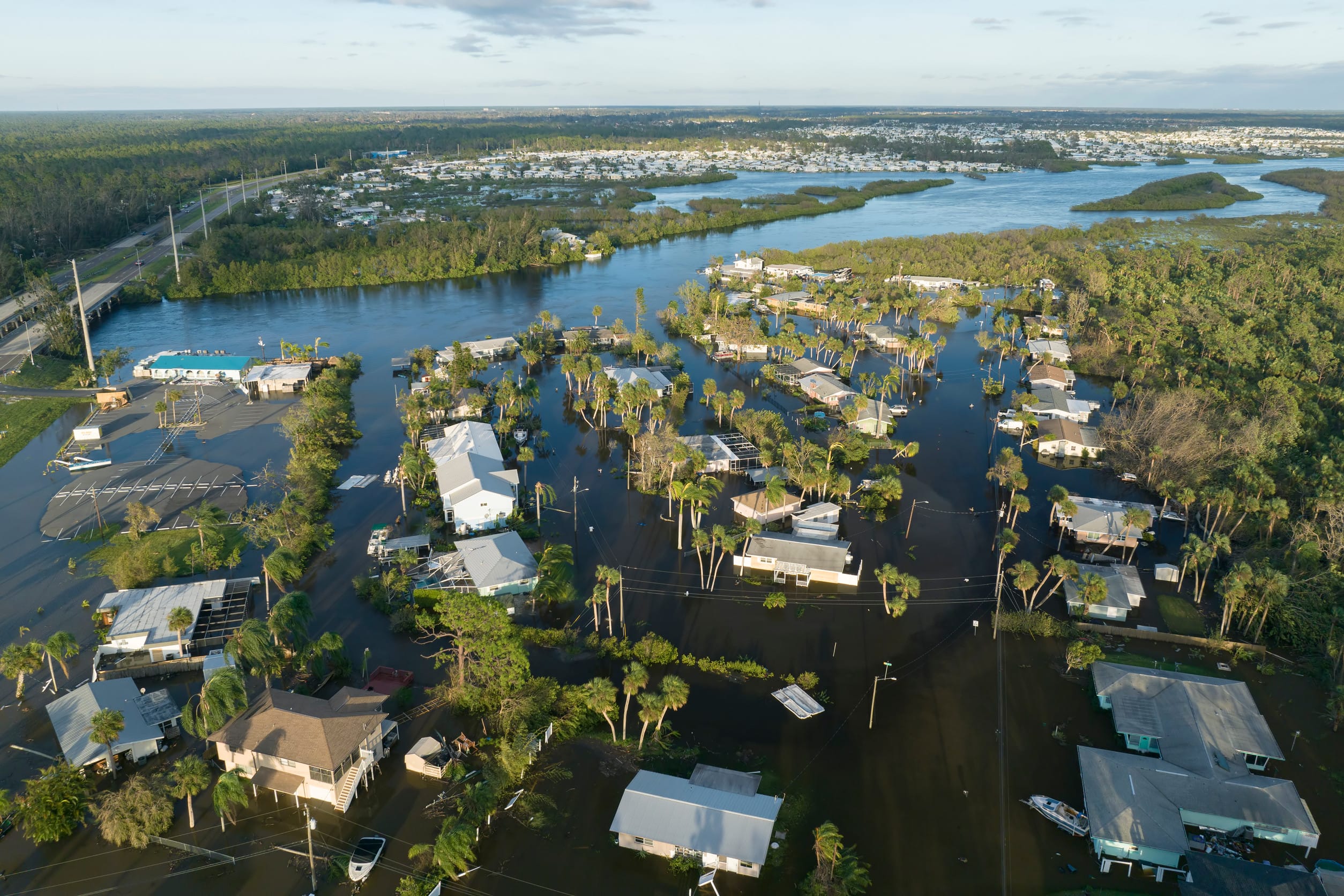
Natural disasters strike with little warning, leaving families scrambling to pick up the pieces, both emotionally and financially. You might think your insurance policy has you covered, but hidden loopholes can turn a safety net into a trap. When a hurricane, wildfire, or flood hits, the last thing you want is to find out your insurance won’t pay out when you need it most. Understanding these insurance loopholes is crucial for protecting your home, savings, and peace of mind. Let’s break down the most common pitfalls that could leave you financially exposed during a natural disaster, and what you can do to avoid them.

1. Exclusions for Specific Natural Disasters

Many homeowners assume their standard insurance policy covers all types of natural disasters, but that’s rarely the case. Most policies specifically exclude certain events, such as floods and earthquakes. For example, flood damage is seldom covered by a standard homeowners policy; you need separate flood insurance for that. The same goes for earthquakes in many regions. If you live in an area prone to these disasters and don’t have the right coverage, you could be left footing the entire bill for repairs or even a total rebuild. Always read the exclusions section of your policy and consider supplemental insurance if you’re at risk.

2. The Fine Print on Deductibles

Deductibles can be tricky, especially when it comes to natural disasters. Some policies have special deductibles for hurricanes, windstorms, or earthquakes that are much higher than your standard deductible. Instead of a flat dollar amount, these deductibles are often a percentage of your home’s insured value. For instance, a 5% hurricane deductible on a $300,000 home means you’d pay $15,000 out of pocket before insurance kicks in. This can be a devastating surprise if you’re not prepared. Review your policy’s deductible structure and ensure you have sufficient savings to cover it in the event of a disaster.

3. Actual Cash Value vs. Replacement Cost

How your insurance calculates payouts can significantly impact your recovery. Some policies pay out the “actual cash value” of your damaged property, which factors in depreciation. That means you’ll get less money for older items or structures. In contrast, “replacement cost” coverage pays what it would cost to replace the item at today’s prices, without deducting for age or wear. If your policy only covers actual cash value, you might not have enough to rebuild or replace your belongings after a disaster. Check your policy and consider upgrading to replacement cost coverage for better protection.

4. Coverage Limits That Don’t Match Your Needs

Insurance policies set maximum limits on how much they’ll pay for different types of losses. If your coverage limits are too low, you could be left with a huge financial gap after a natural disaster. This is especially common if you haven’t updated your policy in years or if you’ve made improvements to your home. Rising construction costs can also mean your coverage is outdated. Review your policy limits annually and adjust them to reflect your home’s current value and any major upgrades. This simple step can prevent a major financial shortfall when you need help the most.

5. Delays and Denials Due to Documentation

After a natural disaster, insurance companies require detailed documentation to process your claim. If you can’t provide proof of ownership or a home inventory, your claim could be delayed or even denied. Many people don’t realize how important it is to keep receipts, photos, and records of their belongings until it’s too late. Start a digital inventory of your home and update it regularly. Store copies of important documents in a secure, cloud-based location so you can access them even if your home is damaged. This preparation can make the claims process smoother and faster.

6. Mold, Sewage, and Secondary Damage Exclusions

Natural disasters often cause secondary damage, like mold growth or sewage backups, which many policies exclude or limit. For example, after a flood, mold can develop quickly, but your insurance might not cover the cleanup unless you have a specific rider. The same goes for water damage from backed-up sewers or drains. These repairs can be extremely costly and aren’t always obvious in your policy. Ask your insurer about endorsements or riders that cover these risks, especially if you live in a flood-prone area.

7. Underestimating the Need for Temporary Living Expenses

If your home is uninhabitable after a disaster, you’ll need somewhere to stay. Most policies include “loss of use” or additional living expenses (ALE) coverage, but the limits may not be enough for an extended displacement. Some policies cap ALE at a percentage of your dwelling coverage or set a strict time limit. If rebuilding takes longer than expected, you could run out of funds for rent, food, and other essentials. Review your ALE coverage and consider increasing it if you live in an area where rebuilding can be a slow process.

Protecting Your Financial Future Starts With Reading the Fine Print

Insurance loopholes can turn a natural disaster from a temporary setback into a financial catastrophe. The key to avoiding these pitfalls is understanding your policy, asking questions, and updating your coverage as your needs change. Don’t wait until after disaster strikes to find out what’s not covered. Take the time now to review your insurance, fill any gaps, and make sure you’re truly protected. Your financial future—and your peace of mind—depend on it.

What insurance surprises have you faced after a natural disaster? Share your story or tips in the comments below.

Read More

Find the Right Amount of Life Insurance in 10 Minutes

What’s the Right Type of Life Insurance?

Travis Campbell
Travis Campbell

Travis Campbell is a digital marketer/developer with over 10 years of experience and a writer for over 6 years. He holds a degree in E-commerce and likes to share life advice he’s learned over the years. Travis loves spending time on the golf course or at the gym when he’s not working.

Filed Under: Finance Tagged With: disaster preparedness, financial protection, homeowners insurance, Insurance, insurance loopholes, natural disaster, Personal Finance

Think You’re Safe Without Flood Insurance? 7 Dangerous Lies Insurance Companies Tell

March 17, 2025 by Latrice Perez Leave a Comment

Flood

Image Source: 123rf.com

Insurance is supposed to provide peace of mind, but what if the company you trust to protect you is actually leaving you exposed? Many homeowners assume they are covered against natural disasters, accidents, and unexpected losses—only to find out the hard way that their policy has major gaps.

Insurance companies are in the business of making money, and sometimes that means downplaying risks, misleading policyholders, and using technical loopholes to avoid paying claims. One of the biggest lies they tell? That flood insurance isn’t necessary. But that’s just the beginning.

Here are seven dangerous lies insurance companies tell that could leave you financially devastated when disaster strikes.

You Don’t Need Flood Insurance If You’re Not in a Flood Zone

One of the most common and costly lies insurance companies tell homeowners is that flood insurance is only necessary for those living in designated flood zones. While it’s true that homes in high-risk areas are required to carry flood insurance by mortgage lenders, the reality is that flooding can happen anywhere.

According to FEMA, more than 20 percent of all flood claims come from properties outside of high-risk flood zones. Heavy rainfall, storm surges, and even poor drainage systems can lead to flooding, and most standard homeowners insurance policies do not cover it. Waiting until after a flood to realize you need coverage can be a financial disaster, as government assistance is often limited and slow to arrive.

Your Homeowners Insurance Covers All Natural Disasters

Many people believe that their standard homeowners insurance policy covers all natural disasters, but that’s far from the truth. Floods, earthquakes, mudslides, and certain types of storm damage often require separate policies.

For example, while your policy may cover damage from strong winds, it might exclude water damage from storm surge or flooding. If a hurricane strikes, you could be left paying out of pocket for thousands—or even hundreds of thousands—of dollars in repairs. Always read the fine print and ask specifically about coverage for major disasters in your area.

Water Damage and Flood Damage Are the Same Thing

Insurance companies often use confusing language to make policyholders think they are covered for certain types of water damage when they actually aren’t. Water damage from a burst pipe or a leaking roof may be covered under your homeowners policy, but flood damage—defined as rising water from an external source—is almost always excluded unless you have separate flood insurance.

This technical distinction means that if heavy rain causes a river to overflow into your home, your insurance company can deny your claim. Understanding the difference between water damage and flood damage can help you avoid costly surprises when filing a claim.

Your Car Insurance Will Cover Flood Damage to Your Vehicle

flooded vehicle

Image Source: 123rf.com

Many drivers assume that their auto insurance will protect them if their car is damaged by a flood. However, if you only have liability or collision coverage, flood damage will not be covered.

Comprehensive coverage is the only type of car insurance that protects against flooding, hurricanes, and other natural disasters. Without it, you could be left paying for repairs or replacing your vehicle entirely. If you live in an area prone to flooding, making sure your policy includes comprehensive coverage is a must.

Filing a Claim Will Only Affect Your Rates If You’re at Fault

Insurance companies often encourage policyholders to file claims when disasters strike, but they don’t always disclose the long-term consequences. Even if you file a claim for something that wasn’t your fault—like storm damage or theft—your rates could still go up.

Many insurers use a database called the Comprehensive Loss Underwriting Exchange (CLUE) to track claims. Even inquiries about damage that don’t result in a claim can sometimes be recorded, leading to higher premiums in the future. Before filing a claim, it’s important to weigh the long-term costs and benefits.

You Have Plenty of Time to Get Coverage Before Disaster Strikes

Many people assume they can wait until a storm is approaching before purchasing flood insurance or adding additional coverage. The reality is that most insurance policies have waiting periods that prevent last-minute sign-ups.

For example, flood insurance policies through the National Flood Insurance Program (NFIP) typically have a 30-day waiting period before coverage takes effect. Some private insurers may offer shorter waiting periods, but they still won’t provide immediate coverage when a storm is already on the horizon. If you wait too long, you could be left completely unprotected when disaster hits.

You’ll Get the Full Replacement Cost for Your Losses

One of the most misleading assumptions homeowners have is that their insurance will pay the full cost to rebuild their home or replace lost belongings. In reality, many policies only cover the actual cash value of items, which takes depreciation into account.

For example, if your five-year-old TV is destroyed in a flood and your policy only covers actual cash value, you’ll only be reimbursed for what it’s worth today—not what it costs to buy a new one. To avoid this, homeowners should look for policies that include replacement cost coverage rather than actual cash value. This ensures that you receive enough money to rebuild or replace your lost items at current market prices.

Don’t Let These Lies Cost You Everything

Insurance companies rely on policyholders assuming they are covered for all disasters, but as these seven lies show, that’s not always the case. Believing these myths could leave you financially devastated when the unexpected happens.

To protect yourself, review your policies carefully, ask direct questions about exclusions, and consider additional coverage where needed. The best time to prepare is before disaster strikes—not after it’s too late.

Have you ever had an insurance claim denied due to one of these myths? Share your experience in the comments below.

Read More:

7 Ridiculous Reasons Your Liability Insurance Isn’t Protecting You

The Top Benefits of Having Condo Insurance for Homeowners

Latrice Perez

Latrice is a dedicated professional with a rich background in social work, complemented by an Associate Degree in the field. Her journey has been uniquely shaped by the rewarding experience of being a stay-at-home mom to her two children, aged 13 and 5. This role has not only been a testament to her commitment to family but has also provided her with invaluable life lessons and insights.

As a mother, Latrice has embraced the opportunity to educate her children on essential life skills, with a special focus on financial literacy, the nuances of life, and the importance of inner peace.

Filed Under: Insurance Tagged With: car insurance, filing insurance claims, financial protection, flood insurance, homeowners insurance, insurance companies secrets, insurance loopholes, insurance myths, natural disaster coverage, protecting your home

FOLLOW US

Search this site:

Recent Posts

  • Can My Savings Account Affect My Financial Aid? by Tamila McDonald
  • 12 Ways Gen X’s Views Clash with Millennials… by Tamila McDonald
  • What Advantages and Disadvantages Are There To… by Jacob Sensiba
  • Call 911: Go To the Emergency Room Immediately If… by Stephen Kanaval
  • 10 Tactics for Building an Emergency Fund from Scratch by Vanessa Bermudez
  • 7 Weird Things You Can Sell Online by Tamila McDonald
  • 10 Scary Facts About DriveTime by Tamila McDonald

Copyright © 2026 · News Pro Theme on Genesis Framework