• Home
  • About Us
  • Toolkit
  • Getting Finances Done
    • Hiring Advisors
    • Debt Management
    • Spending Plan
  • Insurance
    • Life Insurance
    • Health Insurance
    • Disability Insurance
    • Homeowners/Renters Insurance
  • Contact Us
  • Risk Tolerance Quiz
  • Our Editorial Commitment

The Free Financial Advisor

You are here: Home / Archives for flood insurance

Think You’re Safe Without Flood Insurance? 7 Dangerous Lies Insurance Companies Tell

March 17, 2025 by Latrice Perez Leave a Comment

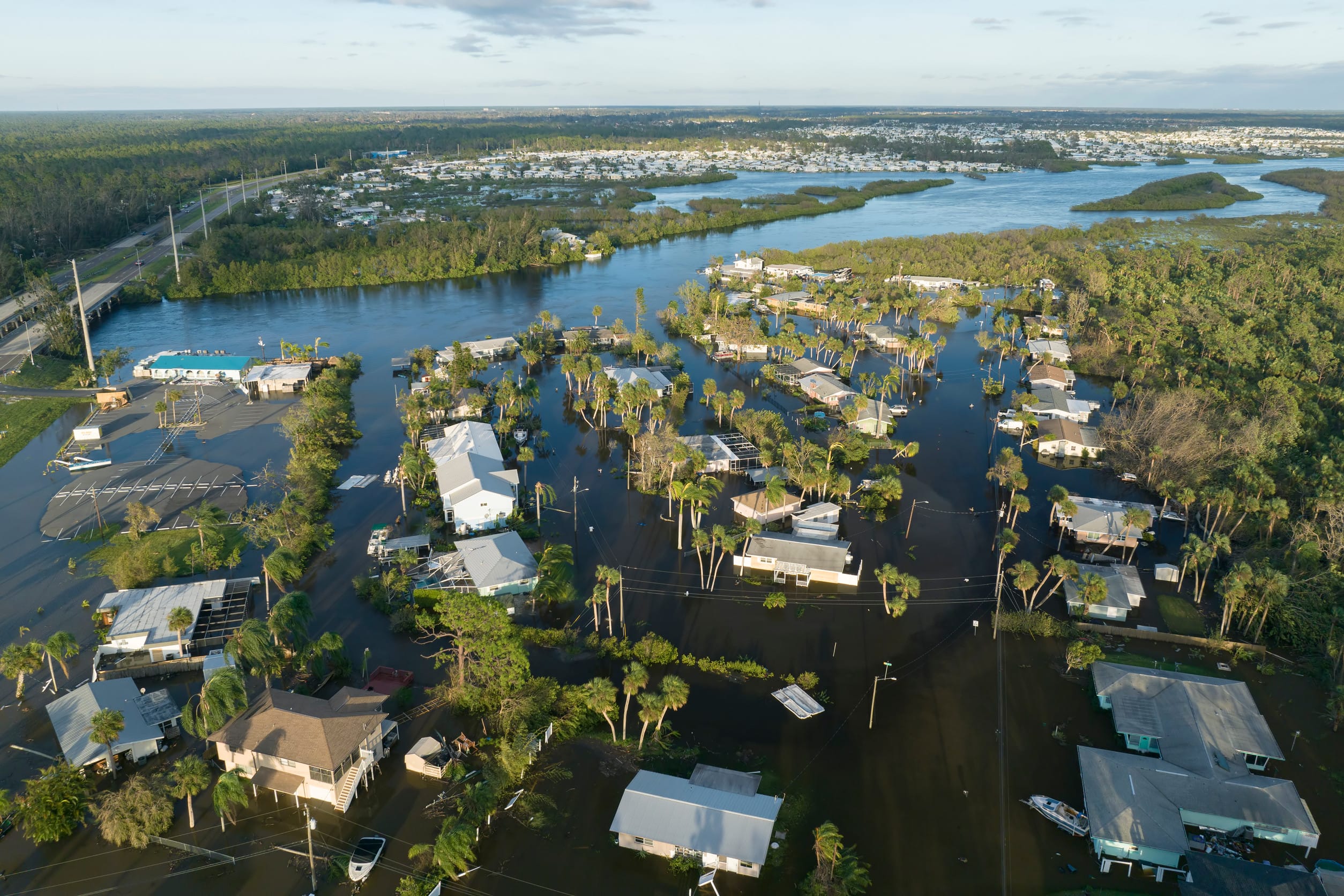
Flood
Image Source: 123rf.com

Insurance is supposed to provide peace of mind, but what if the company you trust to protect you is actually leaving you exposed? Many homeowners assume they are covered against natural disasters, accidents, and unexpected losses—only to find out the hard way that their policy has major gaps.

Insurance companies are in the business of making money, and sometimes that means downplaying risks, misleading policyholders, and using technical loopholes to avoid paying claims. One of the biggest lies they tell? That flood insurance isn’t necessary. But that’s just the beginning.

Here are seven dangerous lies insurance companies tell that could leave you financially devastated when disaster strikes.

You Don’t Need Flood Insurance If You’re Not in a Flood Zone

One of the most common and costly lies insurance companies tell homeowners is that flood insurance is only necessary for those living in designated flood zones. While it’s true that homes in high-risk areas are required to carry flood insurance by mortgage lenders, the reality is that flooding can happen anywhere.

According to FEMA, more than 20 percent of all flood claims come from properties outside of high-risk flood zones. Heavy rainfall, storm surges, and even poor drainage systems can lead to flooding, and most standard homeowners insurance policies do not cover it. Waiting until after a flood to realize you need coverage can be a financial disaster, as government assistance is often limited and slow to arrive.

Your Homeowners Insurance Covers All Natural Disasters

Many people believe that their standard homeowners insurance policy covers all natural disasters, but that’s far from the truth. Floods, earthquakes, mudslides, and certain types of storm damage often require separate policies.

For example, while your policy may cover damage from strong winds, it might exclude water damage from storm surge or flooding. If a hurricane strikes, you could be left paying out of pocket for thousands—or even hundreds of thousands—of dollars in repairs. Always read the fine print and ask specifically about coverage for major disasters in your area.

Water Damage and Flood Damage Are the Same Thing

Insurance companies often use confusing language to make policyholders think they are covered for certain types of water damage when they actually aren’t. Water damage from a burst pipe or a leaking roof may be covered under your homeowners policy, but flood damage—defined as rising water from an external source—is almost always excluded unless you have separate flood insurance.

This technical distinction means that if heavy rain causes a river to overflow into your home, your insurance company can deny your claim. Understanding the difference between water damage and flood damage can help you avoid costly surprises when filing a claim.

Your Car Insurance Will Cover Flood Damage to Your Vehicle
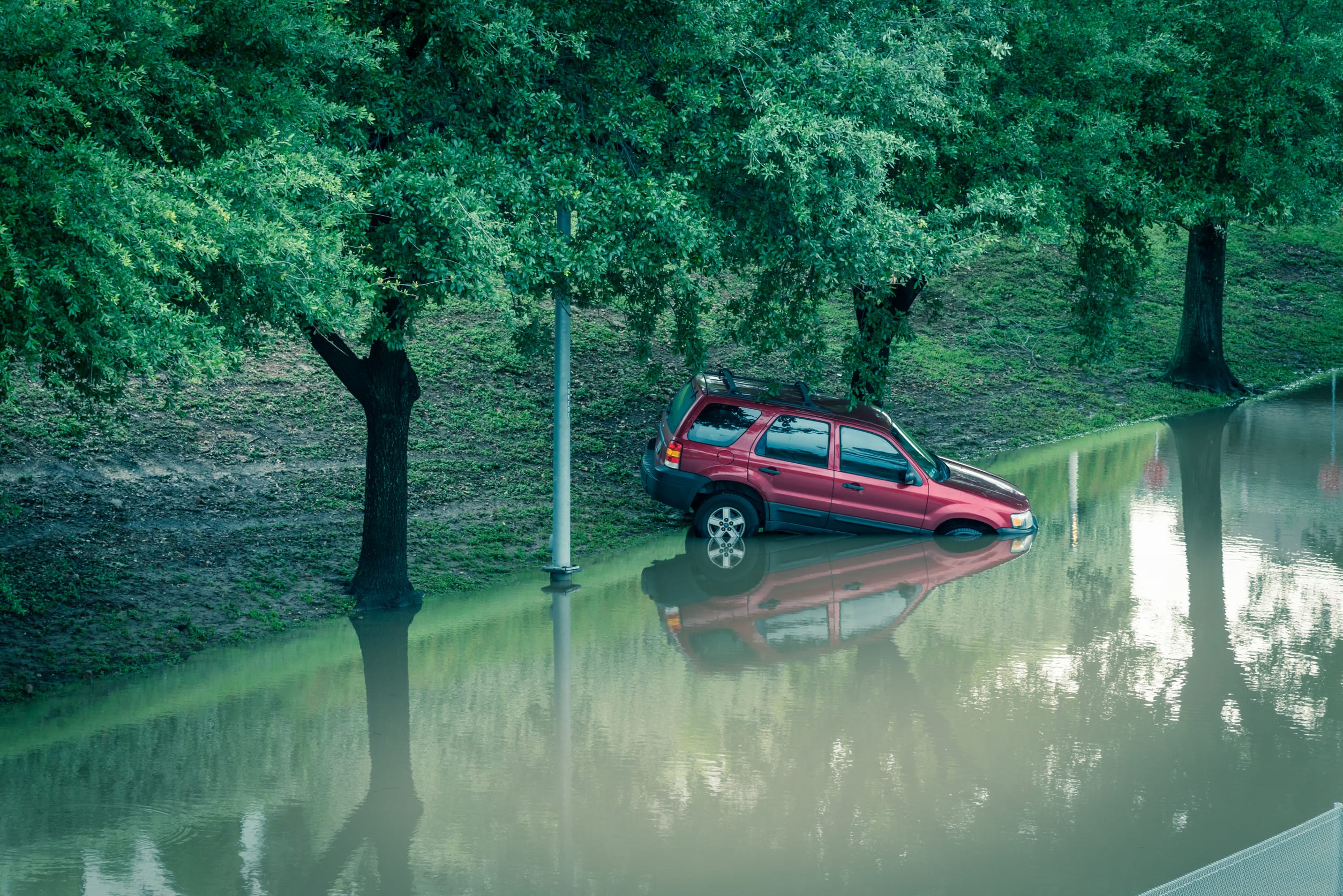
flooded vehicle
Image Source: 123rf.com

Many drivers assume that their auto insurance will protect them if their car is damaged by a flood. However, if you only have liability or collision coverage, flood damage will not be covered.

Comprehensive coverage is the only type of car insurance that protects against flooding, hurricanes, and other natural disasters. Without it, you could be left paying for repairs or replacing your vehicle entirely. If you live in an area prone to flooding, making sure your policy includes comprehensive coverage is a must.

Filing a Claim Will Only Affect Your Rates If You’re at Fault

Insurance companies often encourage policyholders to file claims when disasters strike, but they don’t always disclose the long-term consequences. Even if you file a claim for something that wasn’t your fault—like storm damage or theft—your rates could still go up.

Many insurers use a database called the Comprehensive Loss Underwriting Exchange (CLUE) to track claims. Even inquiries about damage that don’t result in a claim can sometimes be recorded, leading to higher premiums in the future. Before filing a claim, it’s important to weigh the long-term costs and benefits.

You Have Plenty of Time to Get Coverage Before Disaster Strikes

Many people assume they can wait until a storm is approaching before purchasing flood insurance or adding additional coverage. The reality is that most insurance policies have waiting periods that prevent last-minute sign-ups.

For example, flood insurance policies through the National Flood Insurance Program (NFIP) typically have a 30-day waiting period before coverage takes effect. Some private insurers may offer shorter waiting periods, but they still won’t provide immediate coverage when a storm is already on the horizon. If you wait too long, you could be left completely unprotected when disaster hits.

You’ll Get the Full Replacement Cost for Your Losses

One of the most misleading assumptions homeowners have is that their insurance will pay the full cost to rebuild their home or replace lost belongings. In reality, many policies only cover the actual cash value of items, which takes depreciation into account.

For example, if your five-year-old TV is destroyed in a flood and your policy only covers actual cash value, you’ll only be reimbursed for what it’s worth today—not what it costs to buy a new one. To avoid this, homeowners should look for policies that include replacement cost coverage rather than actual cash value. This ensures that you receive enough money to rebuild or replace your lost items at current market prices.

Don’t Let These Lies Cost You Everything

Insurance companies rely on policyholders assuming they are covered for all disasters, but as these seven lies show, that’s not always the case. Believing these myths could leave you financially devastated when the unexpected happens.

To protect yourself, review your policies carefully, ask direct questions about exclusions, and consider additional coverage where needed. The best time to prepare is before disaster strikes—not after it’s too late.

Have you ever had an insurance claim denied due to one of these myths? Share your experience in the comments below.

Read More:

7 Ridiculous Reasons Your Liability Insurance Isn’t Protecting You

The Top Benefits of Having Condo Insurance for Homeowners

Latrice Perez

Latrice is a dedicated professional with a rich background in social work, complemented by an Associate Degree in the field. Her journey has been uniquely shaped by the rewarding experience of being a stay-at-home mom to her two children, aged 13 and 5. This role has not only been a testament to her commitment to family but has also provided her with invaluable life lessons and insights.

As a mother, Latrice has embraced the opportunity to educate her children on essential life skills, with a special focus on financial literacy, the nuances of life, and the importance of inner peace.

Filed Under: Insurance Tagged With: car insurance, filing insurance claims, financial protection, flood insurance, homeowners insurance, insurance companies secrets, insurance loopholes, insurance myths, natural disaster coverage, protecting your home

Every Homeowner Should Have Flood Insurance-Here’s Why!

May 17, 2021 by Tamila McDonald Leave a Comment

every homeowner should have flood insurance

No homeowner imagines being the victim of a natural disaster. A serious flood can be devastating. Floods can damage your home and personal property with surprising speed. However, not having flood insurance can make the entire situation worse. Without the right coverage, your losses may not be covered. If you’re wondering why every homeowner should have flood insurance. Here’s what you need to know.

What Flood Insurance Is and What It Covers

Flood insurance is a type of coverage that is separate from a traditional homeowners insurance policy. Anyone who lives in an area with flood risk can potentially purchase this supplemental policy.

It specifically focuses on flood-related damage caused by natural disasters, as well as other causes. Usually, flood insurance covers damage in specific categories.

First, flood insurance will commonly handle structural damage to your home. This includes the actual building, as well as some related systems, like electrical, plumbing, and HVAC.

Second, flood insurance may cover your personal property. This includes damaged furniture that isn’t salvageable and similar household items, as well as clothing. However, this isn’t always part of the starting flood insurance policy, so you may need to request it be added if you want this protection.

Now, certain high-value items may not be fully covered by base flood insurance. This can include art, antiques, jewelry, firearms, or electronics above a certain value. In those cases, you may need flood insurance riders to add that coverage, just as you do with traditional homeowners policies.

Additionally, it’s important to note that every policy is different. Before you make assumptions about your coverage, review your flood insurance policy carefully. Ask questions about what is and isn’t protected, and request add-ons if needed to provide you with the level of protection you’re after.

Why Homeowners Need Flood Insurance

Typically, flood insurance fills a gap that many homeowners have in the primary policy. While homeowners insurance does cover some types of water damage under the hazard insurance segment of their policy, flooding events usually aren’t classified as the covered kind of hazard. As a result, damage caused by a flood may not be covered, leaving you without financial support to repair your home or replace your personal property.

Essentially, if you don’t have flood insurance, you’ll have to handle all related costs out of pocket. For most homeowners, this simply isn’t feasible. Flood repairs to a structure can be incredibly costly. Similarly, replacing all of your damaged personal belongings could take thousands and thousands of dollars.

It’s also important to note that homeowners with mortgages who live in higher-risk areas may be required by their lender to have flood insurance. This is especially true for anyone who uses government-backed financing sources, as there are federal laws requiring the coverage for properties they finance in high-risk zones. However, other lenders often follow suit, even if there isn’t a legal requirement.

The mandate for flood insurance through a company like this Minneapolis water damage restoration service, is similar to them requiring homeowners insurance in general. It ensures the property is protected should a flood event occur and, since the lender is technically the owner until you pay off the mortgage, they have a vested interest in protecting its value.

How to Find Out if You’re in a High-Risk Flood Area

If you want to see if a property is in a high-risk flood area, the simplest way is to use the Federal Emergency Management Agency (FEMA) Flood Map Service Center. Simply enter your address into the search bar, and the site will display a map that identifies your home’s risk level.

You may be able to turn to other state and local resources as well. State emergency management agencies may have flood maps, for example, so they can be worth checking if you find the FEMA results lacking.

Should Low-Risk Property Owners Skip Flood Insurance?

No, homeowners in low-risk areas shouldn’t skip flood insurance. Even if you live in a low-risk area, going without flood insurance means you aren’t protected should the unexpected occur.

Low-risk doesn’t mean risk-free. Many natural events are unprecedented. But even if they weren’t deemed likely, your base homeowners policy won’t cover the related damage if it is excluded in your policy.

Additionally, risk levels can change over time. An area that wasn’t previously flood-prone can suddenly become so for a variety of reasons. Climate change, land development, and similar shifts can alter water flow through regions, turning areas that previously didn’t experience flooding into moderate or high-risk areas.

Where to Get Flood Insurance

If you need flood insurance, you can call your homeowners insurance company to see if they offer it. Some insurers have flood insurance riders, while others may require a separate policy for that specific kind of coverage.

However, not all insurance companies offer flood insurance. If that’s the case, you may not be able to secure flood insurance through your homeowners policy provider. Instead, you’ll turn to the National Flood Insurance Program, a system run by FEMA, that can help you find a provider that covers homeowners in your area.

Do you think every homeowner should have flood insurance?  Have you decided to risk it and go without flood insurance? Has flood insurance ever saved you from financial hardship? Share your thoughts in the comments below.

Read More:

  • Which Life Insurance Fits Your Needs Best
  • Top Reasons You Need Car Insurance
  • Is Cheap Insurance Worth It?
Tamila McDonald
Tamila McDonald

Tamila McDonald is a U.S. Army veteran with 20 years of service, including five years as a military financial advisor. After retiring from the Army, she spent eight years as an AFCPE-certified personal financial advisor for wounded warriors and their families. Now she writes about personal finance and benefits programs for numerous financial websites.

Filed Under: Insurance, Personal Finance Tagged With: flood insurance, Insurance

FOLLOW US

Search this site:

Recent Posts

  • Can My Savings Account Affect My Financial Aid? by Tamila McDonald
  • 12 Ways Gen X’s Views Clash with Millennials… by Tamila McDonald
  • What Advantages and Disadvantages Are There To… by Jacob Sensiba
  • 10 Tactics for Building an Emergency Fund from Scratch by Vanessa Bermudez
  • Call 911: Go To the Emergency Room Immediately If… by Stephen Kanaval
  • 7 Weird Things You Can Sell Online by Tamila McDonald
  • 10 Scary Facts About DriveTime by Tamila McDonald

Copyright © 2026 · News Pro Theme on Genesis Framework