• Home
  • About Us
  • Toolkit
  • Getting Finances Done
    • Hiring Advisors
    • Debt Management
    • Spending Plan
  • Insurance
    • Life Insurance
    • Health Insurance
    • Disability Insurance
    • Homeowners/Renters Insurance
  • Contact Us
  • Privacy Policy
  • Risk Tolerance Quiz

The Free Financial Advisor

You are here: Home / Archives for taxes

Are You Positioned Correctly If 2026 Becomes A Higher-Tax Era?

December 31, 2025 by Brandon Marcus Leave a Comment

Are You Positioned Correctly If 2026 Becomes A Higher-Tax Era?

Image Source: Shutterstock.com

Hold on tight, because the next few years might rewrite the rulebook for your wallet. Tax whispers are growing louder, and 2026 could usher in a higher-tax reality that changes how you save, invest, and spend. Whether you’re a seasoned investor or someone who just wants to keep more of your hard-earned cash, now is the time to think strategically.

The government’s moves could reshape retirement plans, stock gains, and even your everyday purchases. If you’re not prepared, your financial comfort zone could feel a lot tighter—and faster than you think.

Understanding The Potential Tax Shifts

2026 isn’t just another year on the calendar—it could mark the return of higher rates for many Americans. Experts are eyeing adjustments in capital gains, income taxes, and corporate levies that could hit both the wealthy and the middle class. Historical trends show that when taxes rise, investment behavior shifts almost immediately. Savvy taxpayers tend to accelerate gains, adjust deductions, and rethink retirement contributions. Knowing what’s potentially on the horizon can be the difference between staying ahead or scrambling when the law changes.

Reassessing Your Investment Portfolio

If higher taxes are coming, your investment strategy may need a refresh. Certain assets, like municipal bonds, become even more attractive during higher-tax periods because their income is often tax-exempt. On the flip side, high-turnover stock portfolios might get hit harder by increased capital gains taxes. Diversification, tax-loss harvesting, and long-term holding strategies could become essential tools for keeping your returns healthy. Consulting with a financial advisor now can prevent surprises later and ensure your portfolio is structured for a new tax landscape.

Retirement Accounts Could Be Your Secret Weapon

Retirement accounts are about to take center stage if taxes rise. Traditional 401(k)s and IRAs might offer deductions today that could save you big when rates climb. Roth accounts, where you pay taxes upfront but withdraw tax-free later, may also shine if the top tax brackets jump. Strategic contributions—maxing out tax-advantaged accounts or converting between types—can lock in savings. Planning your retirement contributions with a 2026 tax lens could make the difference between a comfortable lifestyle and an unexpected pinch.

Real Estate And Property Considerations

Real estate has always been a tax-savvy asset, but higher taxes could change the math on property investments. Mortgage interest deductions, property tax caps, and capital gains exclusions may play a larger role in your decisions. Investors might pivot to rental properties, commercial real estate, or REITs that offer unique tax benefits. Timing sales or renovations to optimize deductions could become more critical than ever. Even homeowners who aren’t investors should consider the implications for their own tax bills and long-term equity strategies.

Are You Positioned Correctly If 2026 Becomes A Higher-Tax Era?

Image Source: Shutterstock.com

Strategic Charitable Giving Can Cushion The Impact

Charitable contributions aren’t just about goodwill—they’re a powerful tax planning tool. In a higher-tax era, the deductions for donations may save you more than ever before. Donor-advised funds allow you to contribute now, take the deduction, and distribute later, offering flexibility and potential tax efficiency. Gifts of appreciated assets, rather than cash, can also reduce taxable gains while supporting your favorite causes. Thoughtful philanthropy may become one of the most rewarding ways to offset an increased tax burden.

Business Owners Must Stay Agile

Entrepreneurs and small business owners could feel a heavier tax hand in 2026. Corporate rates, pass-through entity rules, and payroll taxes may all shift in ways that influence hiring, expansion, and cash flow. Strategic planning—like choosing between S-corp, C-corp, or LLC structures—can reduce your overall exposure. Reinvesting profits or timing expenses may also become a smart move in anticipation of higher rates. Business owners who plan ahead now will have a competitive edge when the numbers start to bite.

Planning For Lifestyle Adjustments

Higher taxes don’t just impact investments—they touch everyday life. You may need to reconsider large purchases, vacation budgets, or even housing decisions. Energy-efficient upgrades, health savings accounts, and other tax-smart lifestyle choices could buffer your bottom line. Awareness is power: tracking potential changes now allows you to adjust before your financial flexibility shrinks. The key is proactive adaptation rather than reactive scrambling once 2026 arrives.

Act Now To Stay Ahead

Higher taxes may feel like a looming storm, but preparation is your umbrella. By understanding potential shifts, reassessing investments, leveraging retirement accounts, and strategically using charitable giving, you can safeguard your financial future. Business owners, homeowners, and everyday taxpayers alike have tools to reduce exposure and maintain wealth. Planning now gives you more options, control, and confidence when the rules inevitably change.

Let us know your thoughts, experiences, or strategies in the comments section below—how are you positioning yourself for the possibility of a higher-tax 2026?

You May Also Like…

Income Threshold: 4 Hidden Taxes That Hit Once You Cross Certain Limits

9 Georgia Counties Where Property Taxes Are Set to Rise the Fastest

6 Advanced Techniques to Lower Your Capital Gains Taxes Legally

9 Financial Dangers of Ignoring Property Taxes

Why Do Middle-Class Families End Up Paying the Most Taxes


Brandon Marcus
Brandon Marcus

Brandon Marcus is a writer who has been sharing the written word since a very young age. His interests include sports, history, pop culture, and so much more. When he isn’t writing, he spends his time jogging, drinking coffee, or attempting to read a long book he may never complete.


Filed Under: tax tips Tagged With: 2025 taxes, 2026 tax law, DIY taxes, end of year taxes, estate taxes, file taxes, investing, Investment, investment portfolio, Real estate, real estate planning, Retirement, retirement accounts, retirement planning, retirement plans, smart investing, tax codes, tax shifts, taxes

Tax Ahead: 4 Strategic Moves If You Think Congress Will Rewrite Tax Rules

December 30, 2025 by Brandon Marcus Leave a Comment

Tax Ahead: 4 Strategic Moves If You Think Congress Will Rewrite Tax Rules

Image Source: Shutterstock.com

Congress is like that unpredictable relative who shows up to dinner unannounced, changes the rules mid-meal, and somehow leaves you scrambling to adjust. When it comes to taxes, the stakes are even higher. One minute your strategy seems solid, the next a new proposal or legislative tweak could flip your financial plan upside down.

For anyone who wants to keep more of their hard-earned money and avoid last-minute panic, understanding potential changes—and acting before they happen—is crucial.

1. Reassess Your Retirement Contributions Immediately

If Congress hints at changing tax treatment for 401(k)s, IRAs, or other retirement vehicles, waiting until the last minute could cost you thousands. By reassessing contributions now, you can maximize tax-deferred growth before any new limits or rules hit. Consider whether shifting from a traditional account to a Roth account—or vice versa—aligns with potential legislative changes. Tax-free withdrawals in the future could be a game-changer if rates go up. Staying proactive now allows you to adapt smoothly without scrambling when new rules become law.

2. Reevaluate Capital Gains Strategies

Capital gains taxes are notoriously sensitive to legislative tinkering. If Congress starts talking about raising rates or changing how gains are calculated, it’s wise to examine your investments. Harvesting losses strategically can offset gains and reduce tax liability, even before any law changes take effect. Long-term planning, such as holding assets for over a year, might save you from higher future rates. Working with a financial advisor now ensures your portfolio is positioned to ride out potential changes without unnecessary losses.

3. Explore Timing Large Deductions Or Expenditures

The timing of deductions can suddenly become a high-stakes game when tax rules are in flux. If new legislation limits deductions or alters thresholds, accelerating deductible expenses now could lock in savings. Charitable donations, mortgage interest, and state taxes paid might be especially worth front-loading. Conversely, some taxpayers may benefit from deferring expenses if future rules allow higher deductions. Paying attention to timing isn’t just strategic—it can transform potential tax headaches into manageable planning wins.

Tax Ahead: 4 Strategic Moves If You Think Congress Will Rewrite Tax Rules

Image Source: Shutterstock.com

4. Reconsider Business And Investment Structures

Business owners and investors should treat potential tax reforms like a chessboard. Changing how corporations, partnerships, or LLCs are taxed can dramatically impact take-home profits. Evaluating the structure of your business or investment accounts now could avoid costly restructuring later. Shifts in pass-through taxation, qualified business income deductions, or international tax rules are not far-fetched under current congressional conversations. Taking action early helps you stay flexible and potentially minimize liabilities while Congress debates new rules.

Take Control Before Rules Change

Waiting until Congress finalizes new tax laws is like waiting for a storm to hit before closing the windows—you’ll almost always regret it. The smartest taxpayers act preemptively, reassessing contributions, investments, deductions, and business structures now. Planning ahead can turn uncertainty into opportunity, saving money and stress. By taking deliberate steps today, you position yourself to adapt without scrambling.

Let us know your thoughts, experiences, or strategies in the comments section below—we’d love to hear how you approach shifting tax landscapes.

You May Also Like…

Income Threshold: 4 Hidden Taxes That Hit Once You Cross Certain Limits

9 Georgia Counties Where Property Taxes Are Set to Rise the Fastest

10 Lesser-Known Tax Rules That Cost Households Big Money

Is Your Social Security About to Shrink Unless Congress Acts Fast?

7 ATM Withdrawal Behaviors That Raise Government Surveillance Flags


Brandon Marcus
Brandon Marcus

Brandon Marcus is a writer who has been sharing the written word since a very young age. His interests include sports, history, pop culture, and so much more. When he isn’t writing, he spends his time jogging, drinking coffee, or attempting to read a long book he may never complete.

Filed Under: Tax Planning Tagged With: capital gains, Congress, deductions, Government, government policy, retirement account, retirement contribution, retirement plan, retirement planning, Tax, tax moves, tax planning, tax rules, taxes, United States

Tax Surge: 4 Income Types That Trigger Hidden Tax Bills

December 28, 2025 by Brandon Marcus Leave a Comment

Tax Surge: 4 Income Types That Trigger Hidden Tax Bills

Image Source: Shutterstock.com

Money feels great when it lands in your account — until the tax bill shows up like an uninvited guest who knows exactly how much you made and wants a cut. One of the biggest financial surprises people face isn’t earning more money, but realizing that not all income is treated the same by the tax system. Some income types quietly trigger extra taxes, phaseouts, penalties, or reporting rules that most people never see coming.

These hidden tax traps don’t just affect the ultra-wealthy; they quietly snag freelancers, retirees, investors, and side hustlers every year.

1. Investment Income That Quietly Raises Your Tax Rate

Investment income often feels passive, but the tax system treats it like an active participant in your financial life. Capital gains, dividends, and interest can push your total income higher, sometimes triggering higher marginal tax brackets without you realizing it. Long-term capital gains are taxed differently than ordinary income, but they can still cause other benefits or credits to phase out. Investment income can also trigger the Net Investment Income Tax, an extra 3.8% levy many people don’t realize applies once certain income thresholds are crossed. Even reinvested dividends — money you never actually touched — can still generate a tax bill that sneaks up on you.

2. Side Hustle And Gig Income That Comes With Surprise Self-Employment Taxes

That side hustle money feels especially sweet because it’s often earned on your own terms, but it comes with tax strings attached. Unlike a traditional job, side income usually doesn’t have taxes withheld automatically, meaning the IRS expects you to pay both income tax and self-employment tax. Many people are shocked to learn they owe quarterly estimated payments instead of settling up once a year. What starts as a fun side project can quietly become a tax headache if planning doesn’t keep pace with profits.

3. Retirement Income That Isn’t As Tax-Free As It Sounds

Retirement income often carries the illusion of simplicity, but the tax reality can be surprisingly complex. Traditional 401(k) and IRA withdrawals are taxed as ordinary income, which can push retirees into higher tax brackets than expected. Social Security benefits can also become partially taxable depending on your total income, a twist that catches many retirees off guard. Required Minimum Distributions can force withdrawals even when the money isn’t needed, creating taxable income by mandate rather than choice. What feels like a stable retirement paycheck can quietly reshape your entire tax picture.

Tax Surge: 4 Income Types That Trigger Hidden Tax Bills

Image Source: Shutterstock.com

4. Windfalls And One-Time Payments That Trigger Unexpected Consequences

Bonuses, legal settlements, severance packages, and even forgiven debt often come with tax implications that aren’t obvious at first glance. These lump sums can push income temporarily into a higher tax bracket, increasing the rate applied to part of your earnings. Certain payments may also reduce deductions, credits, or healthcare subsidies tied to income thresholds. What feels like a financial win can become a tax maze without careful planning.

The Hidden Side Of “Extra” Money

Understanding how different income types interact with tax rules can help prevent unpleasant surprises and allow smarter financial decisions year-round. Whether it’s investments, side gigs, retirement funds, or one-time windfalls, knowledge turns confusion into control.

If you’ve ever been surprised by a tax bill or learned a lesson the hard way, we’d love to hear your thoughts or experiences in the comments below.

You May Also Like…

Income Stream: 5 Unexpected Income Sources Retirees Are Trying This Winter

Income Pivot: 8 Income Streams Retirees Are Adding Before Rates Change Again

13 Intriguing Ideas for Generating Passive Rental Income Streams

7 Income Streams You’d Laugh At—Until They Out-earned Your Salary

6 Income Sources People Don’t Try But Should


Brandon Marcus
Brandon Marcus

Brandon Marcus is a writer who has been sharing the written word since a very young age. His interests include sports, history, pop culture, and so much more. When he isn’t writing, he spends his time jogging, drinking coffee, or attempting to read a long book he may never complete.

Filed Under: tax tips Tagged With: gig economy, Income, income stream, income types, invest, investing, Investment, investments, multiple income stream, retire, Retirement, retirement account, side hustle, side hustles, Tax, tax tips, taxes, windfalls

Legacy Blueprint: 5 Estate Mistakes Lawyers Still See Constantly

December 28, 2025 by Brandon Marcus Leave a Comment

Legacy Blueprint: 5 Estate Mistakes Lawyers Still See Constantly

Image Source: Shutterstock.com

Estate planning sounds like something reserved for millionaires with yachts and complicated family trees, but the truth is far more relatable and far more urgent. Every day, attorneys watch ordinary families stumble into preventable chaos because of tiny oversights that quietly snowball into legal nightmares. Wills get written, forgotten, and then quietly betray their owners years later. Heirs argue, courts intervene, and the plan meant to create peace ends up causing stress, expense, and resentment.

The good news is that most of these disasters are completely avoidable once you know where people go wrong and why. Let’s break down the most common estate mistakes lawyers still see constantly, and how smarter planning can turn confusion into clarity.

1. Failing To Update Beneficiaries After Life Changes

Life changes fast, but estate documents rarely keep up unless someone forces the issue. Marriages, divorces, births, deaths, and even strained relationships can instantly make old beneficiary designations dangerously outdated. Lawyers often see ex-spouses accidentally inheriting retirement accounts because no one updated a form sitting in a dusty drawer. Courts usually follow the paperwork, not your intentions, no matter how awkward or unfair the result feels. Keeping beneficiaries current is one of the simplest tasks in estate planning, yet it causes some of the most painful surprises.

2. Relying On DIY Documents And Internet Templates

Online templates promise speed, savings, and simplicity, but estate law is not a one-size-fits-all situation. A document that works perfectly in one state or family setup can fail completely in another. Lawyers frequently see DIY wills that conflict with state laws, omit key language, or accidentally disinherit loved ones. These documents often look official while quietly creating legal chaos behind the scenes. Saving money upfront can cost heirs exponentially more later when courts must untangle the mess.

3. Forgetting To Fund Trusts And Coordinate Assets

Creating a trust is only half the job, yet many people stop there and assume they are finished. Assets must actually be transferred into the trust, or the trust does nothing at all. Lawyers regularly encounter beautifully drafted trusts that sit empty while assets pass through probate anyway. Bank accounts, real estate, and investment accounts all need proper coordination to work as intended. Without follow-through, a trust becomes a decorative folder instead of a powerful planning tool.

4. Ignoring Tax Consequences And State-Specific Rules

Estate planning is never just about federal law, yet many people act as if it is. States have their own tax rules, probate processes, and quirks that can dramatically change outcomes. Lawyers see families blindsided by unexpected taxes or delays simply because state-specific planning was ignored. Even states without estate taxes may have inheritance rules that complicate distributions. Smart planning accounts for where you live now and where you might live later.

5. Avoiding Conversations That Prevent Family Conflict

Silence might feel polite, but in estate planning it often fuels confusion and resentment. When families don’t understand intentions, they fill in the gaps with assumptions and emotions. Lawyers frequently watch siblings fight not over money itself, but over what they believe a parent “would have wanted.” Clear conversations during life can defuse conflict long before documents are ever opened. Transparency, even when uncomfortable, often preserves relationships far better than secrecy.

Legacy Blueprint: 5 Estate Mistakes Lawyers Still See Constantly

Image Source: Shutterstock.com

The Legacy You Leave Is More Than Paper

Estate planning is not about predicting death; it is about protecting the people who live on after you. The most painful cases lawyers see usually involve good intentions paired with inaction or outdated decisions. A thoughtful plan, kept current and clearly communicated, can spare loved ones unnecessary stress and expense. Your legacy is shaped not just by what you leave behind, but by how smoothly life continues without you.

If you’ve experienced any of these mistakes or have insights of your own, feel free to give your thoughts or stories in the comments below.

You May Also Like…

Why Young People Don’t Think About Estate Planning

Am I the Only One Who Thinks Estate Planning Is Deeply Terrifying?

7 Excuses Millennials Use to Delay Estate Planning (and Why It’s Risky)

Legacy Risk: 6 Estate Myths That Put Families in Financial Danger

Estate Shift: 4 Overlooked Documents That Could Trigger Major Tax Headaches


Brandon Marcus
Brandon Marcus

Brandon Marcus is a writer who has been sharing the written word since a very young age. His interests include sports, history, pop culture, and so much more. When he isn’t writing, he spends his time jogging, drinking coffee, or attempting to read a long book he may never complete.

Filed Under: Estate Planning Tagged With: beneficiaries, beneficiary, death, end-of-life, estate, Estate plan, Estate planning, Family, family issues, family planning, Funds, important documents, tax issues, taxes, trusts

Income Threshold: 4 Hidden Taxes That Hit Once You Cross Certain Limits

December 26, 2025 by Brandon Marcus Leave a Comment

Income Threshold: 4 Hidden Taxes That Hit Once You Cross Certain Limits

Image Source: Shutterstock.com

Earning more money is usually exciting—raises, promotions, side hustles finally paying off. But what if your bank account gains triggered sneaky traps that weren’t in the paycheck memo? These hidden taxes can strike the moment your income passes certain thresholds, quietly shrinking your take-home pay.

From disappearing deductions to stealthy surtaxes, they hit in ways that make your wallet flinch. Let’s dive into four surprising taxes that you might not know are lurking just above your financial comfort zone.

1. Social Security Tax Cap And Its Sneaky Effect

Social Security taxes feel straightforward at first glance. But once you cross a specific income cap, you stop paying Social Security taxes on additional earnings. Sounds like a break, right? Not entirely, because the sudden cessation affects long-term benefits, since your retirement check is calculated based on your lifetime earnings. High earners may find themselves paradoxically paying less in the short term but potentially receiving lower proportional benefits later.

2. Medicare Surtax That Hits The Top Bracket

Medicare usually takes 1.45% of your paycheck, and your employer contributes the same. Yet for individuals earning more than a certain amount, an additional Medicare surtax applies. This tax doesn’t end at a cap—it keeps taking from every extra dollar earned above that threshold. It’s an often-overlooked bite for high-income earners, especially those juggling bonuses or side income streams. Ignoring it can result in a shock when you file your taxes, turning extra earnings into unexpected deductions.

3. The Phaseout Of Itemized Deductions

Deductions are your best friends, trimming taxable income and lightening your tax bill. But once your income surpasses a certain limit, many itemized deductions begin to phase out. For example, higher-income taxpayers may lose deductions for state and local taxes, mortgage interest, or charitable contributions. This stealthy withdrawal increases taxable income without any overt notice in your paycheck. Essentially, the more you earn past a threshold, the fewer deductions you can claim, quietly inflating your effective tax rate.

4. Net Investment Income Tax: The Silent Siphon

The net investment income tax (NIIT) is like a secret toll booth on passive income. Individuals with modified adjusted gross income over a certain amount pay an additional tax on investment earnings. That includes interest, dividends, capital gains, rental income, and certain passive business income. For investors, this can drastically change the net return on a well-planned portfolio, especially if multiple income streams push you above the threshold. Many people don’t realize that this tax operates independently of ordinary income tax, so it’s easy to underestimate its bite.

Income Threshold: 4 Hidden Taxes That Hit Once You Cross Certain Limits

Image Source: Shutterstock.com

Why Timing And Planning Matter More Than Ever

Crossing these thresholds isn’t just a numbers game; it’s a timing and strategy issue. Earning a bonus or selling an investment at the wrong moment can push you over a critical line. Smart tax planning—like deferring income, bunching deductions, or leveraging tax-advantaged accounts—can mitigate these hidden hits. Professionals and self-employed earners especially benefit from proactive planning, as small moves can save thousands. Understanding when and how these thresholds apply keeps your hard-earned money from evaporating unnoticed.

Keep An Eye On Changes Every Year

Tax laws are rarely static—they shift, sometimes subtly, each year. The IRS annually updates income limits, caps, and thresholds, affecting Social Security, Medicare, deductions, and investment taxes. What applied last year may not hold true this year, so relying on outdated information can be costly. Staying informed ensures you’re prepared for each threshold, rather than surprised at filing time. Vigilance transforms these hidden taxes from stealthy penalties into manageable considerations in your financial plan.

What Do You Think About Hidden Taxes?

Hidden taxes often hit without warning, but knowledge is your best defense. Understanding income thresholds, surtaxes, phaseouts, and investment taxes can help you strategize and protect your earnings.

Have you ever encountered a surprise tax when you crossed an income line? Tell us your thoughts or stories in the comments section below. The more you know, the better you can plan—and maybe even keep more of what you earn.

You May Also Like…

Income Pivot: 8 Income Streams Retirees Are Adding Before Rates Change Again

13 Intriguing Ideas for Generating Passive Rental Income Streams

7 Income Streams You’d Laugh At—Until They Out-earned Your Salary

5 Income Goals That Professionals Wish They Hit by 35

12 Different Ways to Structure Your Portfolio for Income Generation

Brandon Marcus
Brandon Marcus

Brandon Marcus is a writer who has been sharing the written word since a very young age. His interests include sports, history, pop culture, and so much more. When he isn’t writing, he spends his time jogging, drinking coffee, or attempting to read a long book he may never complete.

Filed Under: tax tips Tagged With: deductions, extra income, fees, fixed income, Hidden Fees, hidden taxes, high income, income threshold, Medicare, net investment income tax, Social Security, Tax, tax limit, tax tips, taxes

Tax Trigger: 8 Portfolio Adjustments to Make Before 2026 Reforms Hit

December 25, 2025 by Brandon Marcus Leave a Comment

Tax Trigger: 8 Portfolio Adjustments to Make Before 2026 Reforms Hit

Image Source: Shutterstock.com

Tax season usually arrives like clockwork, but 2026 is shaping up to be a wild ride. New reforms are looming on the horizon, and if you don’t act, your portfolio might feel the sting faster than you can say “capital gains.” Savvy investors are already shifting strategies, optimizing deductions, and repositioning assets to sidestep the biggest hits.

A few smart moves now could save you thousands, maybe tens of thousands, over the next decade. Let’s dive into eight portfolio adjustments that could turn tax turbulence into an advantage.

1. Rebalance With Precision And Purpose

Rebalancing isn’t just about keeping your portfolio neat; it’s about strategic timing. With the 2026 reforms, certain asset classes could become more or less tax-efficient. Consider shifting some gains to tax-advantaged accounts or harvesting losses where possible. Even minor tweaks now can compound into significant tax savings later. Think of this as a tactical game of chess where every move counts.

2. Maximize Your Tax-Deferred Contributions

401(k)s, IRAs, and similar vehicles are more than retirement buckets—they’re tax shields. With upcoming reforms potentially changing contribution limits or tax treatment, pumping extra money into these accounts now could shield you from higher rates. Don’t overlook the catch-up contributions if you’re over 50; they’re like turbo boosters for your tax strategy. Each additional dollar tucked away now is a future win. Essentially, this is free legal magic your future self will thank you for.

3. Harvest Losses Strategically

Selling underperforming investments to offset gains is a classic move—but timing is everything. With new reforms on the way, the rules for capital gains and losses might tighten. Smart investors are examining their portfolios for those quietly lagging assets that could be converted into a tax break. Even a small loss harvested now can offset larger taxable gains later. It’s like finding buried treasure hidden in plain sight.

4. Accelerate Or Delay Income Thoughtfully

Some income might be better earned sooner, and some better postponed. Bonus checks, dividends, or capital gains could push you into a higher bracket once reforms land. Crunching the numbers now to accelerate deductions or delay taxable income can prevent unwelcome surprises. Consulting your tax advisor on timing can turn potential penalties into strategic advantages. Think of it as playing a high-stakes financial Tetris.

5. Evaluate Your Estate And Gift Planning

Estate taxes and gift rules may shift dramatically in 2026, and ignoring this is a costly mistake. Consider gifting assets or making charitable donations before the new thresholds apply. For high-net-worth investors, trusts and strategic transfers could preserve millions in taxable wealth. Even modest adjustments now could mean a lighter tax footprint for heirs. Planning ahead transforms anxiety into control.

6. Rethink Your Real Estate Investments

Property isn’t just a place to live—it’s a complex tax lever. Upcoming reforms might change depreciation schedules, mortgage interest deductions, or capital gains rules. Selling, refinancing, or restructuring real estate holdings could turn potential penalties into significant savings. Rental property owners should review income strategies carefully before the clock strikes 2026. In real estate, foresight is the ultimate power move.

Tax Trigger: 8 Portfolio Adjustments to Make Before 2026 Reforms Hit

Image Source: Shutterstock.com

7. Explore Tax-Efficient Funds And ETFs

Some investments are built to minimize tax impact automatically. Index funds, municipal bond funds, and certain ETFs generate fewer taxable events than actively managed funds. Moving part of your portfolio into these vehicles before reforms hit could preserve more of your returns. Remember, it’s not just about raw growth—it’s about growth that survives the taxman. Being proactive now is better than reactive scrambling later.

8. Lock In Current Rates With Smart Conversions

Roth conversions are tricky but can be extraordinarily beneficial in the right hands. Converting traditional IRAs to Roth accounts before 2026 could lock in current tax rates, protecting future withdrawals. Even partial conversions, spread over multiple years, can reduce the overall tax bite. The strategy requires careful calculation, but executed correctly, it’s a shield against the unknown. Your future self may look back and high-five you for this move.

Time To Take Action Before 2026

The 2026 tax reforms aren’t just another regulatory update—they’re a wake-up call. Taking these eight steps could transform your portfolio from vulnerable to virtually untouchable. Every adjustment, no matter how small, is an opportunity to safeguard wealth and maximize returns. Now is the moment to be proactive rather than reactive, because once the new rules hit, it may be too late to maneuver.

Leave your thoughts or personal experiences in the comments section below—what strategies are you planning before 2026?

You May Also Like…

How To Start Your 2026 Investing Journey With A Bang

Why Investing Apps Will Remain Popular in 2026

Market Rust: 4 Aging Industries That Might Surprise Investors Next Cycle

5 Investment Mistakes Young People Make

Are You Prepared For The Tax-Law Changes Arriving Sooner Than Most Americans Expect?


Brandon Marcus
Brandon Marcus

Brandon Marcus is a writer who has been sharing the written word since a very young age. His interests include sports, history, pop culture, and so much more. When he isn’t writing, he spends his time jogging, drinking coffee, or attempting to read a long book he may never complete.

Filed Under: Investing Tagged With: contributions, Estate plan, Estate planning, harvest losses, Income, income stream, invest, investing, Investment, investment portfolio, investment taxes, investments, multiple income streams, portfolio, portfolio adjustments, portfolio rebalancing, rebalancing, rebalancing portfolio, tax reform, tax season, taxes

Are You Unknowingly Triggering Tax Penalties With December Transactions?

December 23, 2025 by Brandon Marcus Leave a Comment

Are You Unknowingly Triggering Tax Penalties With December Transactions?

Image Source: Shutterstock.com

The final month of the year isn’t just about tinsel, twinkling lights, and holiday cheer. It’s also a financial minefield where one seemingly innocent transaction could spark unexpected tax penalties. From last-minute stock moves to charitable contributions, December is the season when timing is everything—and sometimes, even a day can make the difference between a deduction and a deduction disaster. The stress of year-end planning can leave even the savviest taxpayer vulnerable to costly mistakes.

If you’ve ever wondered whether your December dealings could be silently sabotaging your tax return, buckle up—this guide is your year-end financial survival kit.

Understanding December Transaction Timing And Its Tax Impact

The clock matters more than you think when it comes to year-end finances. Any deposit, withdrawal, or purchase in December could count against your 2025 tax year, even if you don’t realize it. The IRS doesn’t care if you made a transaction in the heat of holiday madness—it sees only the date. For example, selling investments on December 31st could trigger capital gains taxes you weren’t expecting. Small miscalculations in timing could also affect deductions, retirement contributions, and tax credits, leaving you with a bigger bill than you anticipated.

Retirement Contributions Can Be Tricky

Many people assume they have until April 15th to make contributions to IRAs, but there’s a catch. Employer-sponsored 401(k) contributions, for example, are only counted in the year they are deducted from your paycheck. Contributing too late or misreporting contributions can result in penalties or even disqualification of the account’s tax-advantaged status.

December is often the last opportunity to make significant contributions that reduce taxable income for the year. Understanding the difference between pre-tax and Roth contributions is crucial, as each has unique tax implications.

Beware Of Last-Minute Charitable Deductions

Generosity can backfire when it comes to year-end tax planning. The IRS requires that donations be completed by December 31st to count for the current tax year, and even a small delay can disqualify your deduction. Cash donations must clear your bank by year-end, while mailed checks must be postmarked by December 31st. Non-cash contributions, like clothing or vehicles, have their own valuation and documentation requirements that can trip up the unwary. Without proper record-keeping, you could miss out on deductions or even face questions from the IRS.

Are You Unknowingly Triggering Tax Penalties With December Transactions?

Image Source: Shutterstock.com

Investment Sales And Capital Gains Surprises

Year-end can be a perfect time to rebalance your investment portfolio, but it’s also a time to tread carefully. Selling appreciated assets can trigger capital gains taxes that eat into your profits if you’re not strategic. Loss-harvesting strategies can offset gains, but only if executed before the end of the year. Even small miscalculations in gains, losses, or the timing of sales can have a surprisingly large impact on your tax bill. Consulting a financial professional before executing trades in December is often worth every penny.

Avoiding Penalties With Flexible Spending Accounts

Flexible Spending Accounts (FSAs) often have “use-it-or-lose-it” rules, making December a frantic rush for eligible medical and dependent care purchases. Failing to spend the balance before the deadline means forfeiting the money you’ve contributed. Some plans allow short grace periods, but those rules vary, so timing is critical. Making last-minute purchases without checking what qualifies could result in lost funds and potential tax complications. Planning ahead and tracking deadlines ensures you maximize your benefits without unwanted penalties.

Real Estate And Mortgage Moves Can Be Tax-Sensitive

Closing on property or making mortgage payments in December might seem like a simple financial move, but timing matters for deductions. Interest payments and property taxes are deductible only in the year they’re actually paid. A December payment could bump a deduction into the current tax year—or a late January payment could push it to the next year, affecting your overall tax strategy.

Misunderstanding these timing rules can inadvertently increase your taxable income. Consulting with a tax advisor before making large real estate transactions ensures you’re maximizing benefits and minimizing risks.

Avoiding Common Payroll Mistakes

Year-end bonuses and deferred compensation can be delightful—or disastrous—if mishandled. Employers must report income accurately, and errors in timing can trigger additional withholding or penalties. Employees often assume that receiving a bonus in December means it applies to that year’s taxes, but payroll processing timing can complicate matters.

Retirement plan deferrals must also be carefully calculated to avoid exceeding annual limits. Double-checking payroll documentation before the end of the year prevents unnecessary headaches come tax season.

Understanding State-Specific Rules

State taxes often have quirks that differ from federal regulations, making December transactions a minefield. Some states require contributions or payments to be postmarked or processed by a specific date to count for the year. Ignoring state deadlines can result in penalties even if you’re compliant with federal rules. Sales taxes, local property taxes, and income-specific deductions may have unique timing requirements. Being aware of these details ensures you’re not caught off guard with an unexpected state tax bill.

The Role Of Professional Guidance

Tax professionals and financial advisors can be invaluable for year-end planning. They understand the nuances of timing, contributions, deductions, and transactions that can trigger penalties. Attempting to navigate December transactions alone can be risky, especially when multiple accounts, investments, and deadlines intersect. Even a single misstep can negate careful planning and create costly consequences. Investing in professional guidance often pays for itself through avoided penalties and optimized returns.

Your December Action Plan

Navigating December transactions isn’t just about getting your finances in order—it’s about avoiding sneaky penalties that could cost you hundreds or even thousands of dollars. Timing is critical across investments, charitable giving, retirement contributions, and more. Staying organized, reviewing deadlines, and consulting professionals are your best defenses against unintentional missteps.

Have you ever had a December transaction backfire on your taxes, or discovered a timing mistake too late? Let us know your thoughts or experiences in the comments section.

You May Also Like…

Savings Sprint: 9 Ways to Catch Up on Retirement Savings Before December Ends

Could Your Current Portfolio Survive A Sudden December Correction?

The 401(k) Withdrawal Mistake That Triggers Massive Tax Penalties

Can Your Taxes Be Cut In Half By You Simply Incorporating Your Name?

Savings Game: 5 Ways to Boost Your Emergency Fund Before December Ends


Brandon Marcus
Brandon Marcus

Brandon Marcus is a writer who has been sharing the written word since a very young age. His interests include sports, history, pop culture, and so much more. When he isn’t writing, he spends his time jogging, drinking coffee, or attempting to read a long book he may never complete.

Filed Under: tax tips Tagged With: avoiding tax penalties, charitable deductions, December, December transactions, end of year, invest, investing, Investment, investors, Retirement, retirement contributions, Tax, tax penalties, taxes, winter

Regulation Echo: 10 Under-the-Radar Rules Affecting Future Wealth

December 22, 2025 by Brandon Marcus Leave a Comment

Regulation Echo: 10 Under-the-Radar Rules Affecting Future Wealth

Image Source: Shutterstock.com

Money doesn’t just grow or shrink because of markets, luck, or hustle—it responds to rules quietly humming in the background. While headlines scream about interest rates and stock swings, a softer but more powerful force keeps shaping who wins, who waits, and who wonders what happened. These are the regulations most people never notice until they feel the consequences in their savings, investments, or retirement plans.

They aren’t flashy, and they rarely trend on social media, but they influence wealth the way gravity influences motion. Get ready, because once you notice these echoes, you’ll never hear the financial system the same way again.

1. Retirement Account Contribution Limits

These caps seem harmless, even responsible, but they quietly decide how much tax-advantaged wealth you’re allowed to build each year. High earners often hit these ceilings quickly, forcing excess money into taxable accounts with less favorable treatment. Over decades, that difference can mean hundreds of thousands of dollars lost to frictional taxes. Contribution limits also lag inflation, subtly shrinking their real value over time. What looks like a simple number is actually a throttle on long-term compounding.

Regulation Echo: 10 Under-the-Radar Rules Affecting Future Wealth

Image Source: Shutterstock.com

2. Required Minimum Distribution Rules

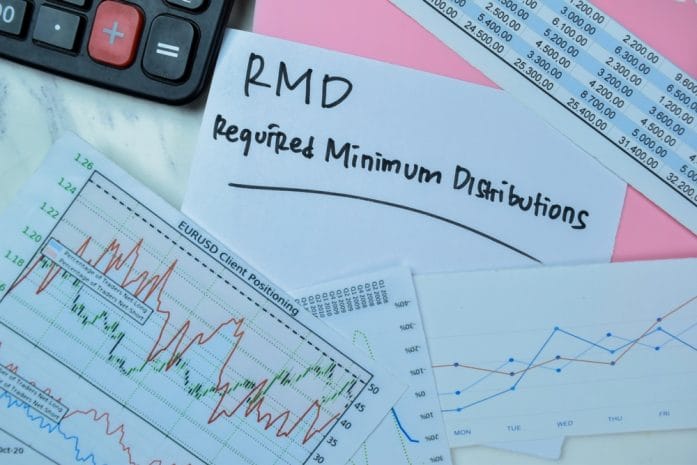
RMDs dictate when the government expects you to start withdrawing retirement funds, whether you need the money or not. These forced withdrawals can push retirees into higher tax brackets at precisely the moment they hoped for simplicity. They also limit how long tax-deferred assets can grow untouched. Recent adjustments raised the age slightly, but the underlying pressure remains. The rule quietly nudges retirees from growth mode into tax-management mode.

3. Capital Gains Holding Period Definitions

That one-year line between short-term and long-term gains carries more power than most realize. Selling an asset a day too early can double the tax bill on profits. This encourages timing decisions that may not align with market realities or personal goals. Over time, the rule shapes behavior, not just tax outcomes. Wealth often rewards patience, but the regulation decides how patience is defined.

4. Estate Tax Exemption Thresholds

These thresholds rise and fall with political winds, making long-term planning a moving target. Families who plan under one assumption may face a very different reality a decade later. Even those well below the federal limit can be caught by state-level estate taxes. The uncertainty itself becomes a hidden cost, pushing people toward complex planning strategies. Inheritance outcomes are often decided years before a will is ever read.

5. Accreditation Rules For Private Investments

To access many private deals, you must meet income or net-worth standards set by regulation. These rules aim to protect investors, but they also gatekeep high-growth opportunities. Those just below the cutoff are locked out regardless of experience or sophistication. Over time, this can widen wealth gaps by reserving certain returns for a select group. The rule quietly decides who gets invited into the most exclusive rooms in finance.

6. Housing Zoning And Land-Use Regulations

Local zoning laws heavily influence property values, often more than the condition of the home itself. Restrictions on density can inflate prices by limiting supply. Homeowners benefit while renters struggle to enter the market. These rules can turn geography into destiny for wealth accumulation. Real estate fortunes are often built on paperwork long before bricks are laid.

7. Student Loan Repayment Structures

Repayment rules determine how long educational debt lingers and how expensive it becomes over time. Income-driven plans can lower payments but extend balances for decades. Interest capitalization quietly inflates what borrowers actually repay. These structures influence when people buy homes, invest, or start businesses. The rulebook shapes not just debt, but life timelines.

8. Social Security Benefit Calculations

Benefit formulas reward certain earnings patterns more than others, often favoring long, steady careers. Those with gaps, caregiving years, or nontraditional work paths may receive less than expected. The rules are complex enough that many never optimize their claiming strategy. Timing decisions can swing lifetime benefits by six figures. What feels like a safety net is actually a puzzle with high financial stakes.

9. Tax Treatment Of Side Income

Gig work and side hustles face different reporting and tax obligations than traditional wages. Self-employment taxes surprise many first-time earners. Deductions exist, but only for those who understand the rules well enough to claim them properly. Over time, missteps erode the extra income these ventures promise. The regulation determines whether a side hustle builds wealth or quietly drains it.

10. Inflation Indexing Rules

Not all financial thresholds adjust for inflation, and that omission matters more every year. Tax brackets may move, but deductions, credits, and exemptions often lag behind. This creates “stealth tax increases” without new legislation. As purchasing power shifts, so does the real impact of old numbers. Inflation indexing decides whether rules age gracefully or grow harsher over time.

Listening To The Echoes

Wealth isn’t shaped only by what you earn or invest, but by the rules that quietly steer outcomes in the background. These under-the-radar regulations don’t announce themselves, yet they influence decisions at every stage of life. Paying attention to them can mean the difference between reacting too late and planning ahead with confidence.

Everyone has a moment when a small rule made a big difference in their financial story. We’d love to hear your experiences, insights, or perspectives in the comments section below.

You May Also Like…

Legacy Risk: 6 Estate Myths That Put Families in Financial Danger

Funding Gap: 8 Ways Rising College Costs Are Changing Mid-Life Financial Planning

Legacy Debt: 5 Family Conversations That Help Prevent Wealth From Becoming a Burden

Legacy Trap: How Your Kids Might Inherit More Tax Than Wealth Without Realizing It

Deadline Countdown: 11 Smart Moves Every Wealth-Seeker Should Do in December


Brandon Marcus
Brandon Marcus

Brandon Marcus is a writer who has been sharing the written word since a very young age. His interests include sports, history, pop culture, and so much more. When he isn’t writing, he spends his time jogging, drinking coffee, or attempting to read a long book he may never complete.

Filed Under: Wealth Building Tagged With: capital gains, estate tax, invest, investing, investments, money rules, Required Minimum Distributions, retirement account, retirement contribution, tax rules, taxes, Wealth, Wealth Building

Tax Blindspot: 4 Deductions Many Americans Miss During December

December 21, 2025 by Brandon Marcus Leave a Comment

Tax Blindspot: 4 Deductions Many Americans Miss During December

Image Source: Shutterstock.com

December isn’t only about amazing holiday lights, frantic gift shopping, and cookie overload. Instead, this time of year is also a secret window for sneaky tax savings.

While most Americans are busy decking the halls, a lot of valuable tax deductions quietly slip through their fingers. Ignoring these opportunities can cost you hundreds, even thousands, of dollars when April rolls around. But here’s the good news: knowing where to look and what counts could turn your end-of-year chaos into financial brilliance.

We’re about to turbocharge your tax knowledge and show you deductions you probably didn’t even know existed.

1. Charitable Contributions Count More Than You Think

Donating to your favorite charity isn’t just good karma—it’s a tax move that often goes unnoticed. If you’ve been generous with gifts or cash in December, you may qualify for deductions even if you didn’t itemize earlier in the year. Keep careful records, receipts, and donation confirmations to ensure Uncle Sam knows you’re giving with good intentions. Cash donations, clothing, and even certain household items can all count toward this deduction. Timing is everything, so getting your contributions in before December 31 could make a real difference on your tax bill.

2. Medical Expenses Can Be Sneaky Deductibles

Most people assume medical expenses are only relevant when a doctor’s visit is long past, but December is prime time to review them. Costs that aren’t reimbursed by insurance, including prescription medications, dental work, and certain vision care, can be deducted if they surpass a specific percentage of your adjusted gross income.

Some Americans forget that last-minute medical bills or even over-the-counter purchases with proper documentation can qualify. Review your records carefully and consider scheduling appointments or purchasing necessary medical items before the year ends. These small moves can quietly chip away at what you owe the IRS.

3. Tax-Loss Harvesting Isn’t Just For Wall Street Pros

If you have investments, December might be your golden opportunity for tax-loss harvesting—a fancy term for selling losing investments to offset gains. Many investors overlook this strategy until it’s too late, missing out on lowering their taxable income. You can use losses to offset capital gains and even deduct a portion against ordinary income. But be mindful of the “wash-sale” rule, which prevents you from buying the same stock back too quickly. Strategically reviewing your portfolio before the year’s close can create a substantial end-of-year tax advantage without any drastic moves.

Tax Blindspot: 4 Deductions Many Americans Miss During December

Image Source: Shutterstock.com

4. Flexible Spending Accounts: Don’t Let Your Money Vanish

Flexible Spending Accounts (FSAs) are like little time bombs—you contribute pre-tax dollars for health expenses, but if you don’t use them, they often disappear. December is crunch time: if you still have a balance, use it for eligible items like glasses, contact lenses, or even certain medical equipment. Some plans allow a short grace period or a small rollover, but don’t assume you’ll get an automatic extension. By spending FSA funds wisely before the deadline, you essentially reduce your taxable income without touching your regular cash. It’s like finding free money for your wallet—one of the few December gifts that actually pays you back.

Don’t Let These Deductions Slip Away

End-of-year tax planning isn’t glamorous, but it can feel exhilarating once you realize how much you might save. Charitable contributions, medical expenses, investment losses, and FSA balances are all often overlooked ways to trim your tax bill. Act now, because December is your last chance before the calendar flips. By taking a few focused steps, you can turn ordinary holiday chaos into a strategic financial win.

If you’ve ever uncovered a deduction that surprised you or made a real difference in your tax return, we’d love for you to tell us about it in the comments section below.

You May Also Like…

Tax Freeze: 6 Immediate Actions to Lock In Lower Rates Before Reforms Hit

Should You Make A Roth Conversion Now Or Wait For January’s Tax Environment To Settle?

Savings Game: 5 Ways to Boost Your Emergency Fund Before December Ends

Tax Bonanza: The Tax Move That Saves Thousands—But Only If You Do It Before December 31st

Why Do Middle-Class Families End Up Paying the Most Taxes


Brandon Marcus
Brandon Marcus

Brandon Marcus is a writer who has been sharing the written word since a very young age. His interests include sports, history, pop culture, and so much more. When he isn’t writing, he spends his time jogging, drinking coffee, or attempting to read a long book he may never complete.

Filed Under: tax tips Tagged With: 2025 taxes, America, Americans, December, file taxes, financial plans, Planning, Tax, tax blindspot, tax deadlines, tax deduction, Tax Deductions, tax laws, tax planning, taxes, United States, winter

Tax Reset: 8 Moves to Consider If You’ve Had a Windfall in 2025

December 19, 2025 by Brandon Marcus Leave a Comment

Here Are 8 Moves to Consider If You’ve Had a Tax Windfall in 2025

Image Source: Shutterstock.com

A sudden windfall in 2025 can feel like someone handed you a golden ticket—maybe from a business sale, a legal settlement, a crypto boom, or even an unexpected inheritance. The thrill is real, the excitement palpable, and the possibilities endless. But along with that exhilaration comes a giant, unavoidable reality check: taxes.

How do you protect your newfound fortune while making it work for you? The good news is, with a little strategy and some savvy moves, your windfall can become a launchpad for serious wealth growth rather than a tax nightmare.

Understand Your Tax Landscape Immediately

Before you do anything else, get a clear picture of what the IRS—or your local tax authority—thinks you owe. Different types of windfalls are taxed differently, from ordinary income rates to capital gains or even estate taxes. Consulting a tax professional early can prevent costly mistakes. Remember, ignorance isn’t bliss here; it’s expensive. Even a brief delay in understanding your obligations could mean paying more than necessary.

Maximize Retirement Contributions

If you qualify, consider pumping up your retirement accounts with your windfall. 2025 allows for higher contribution limits across 401(k)s, IRAs, and other tax-advantaged accounts, giving you a legal way to shield money from taxes now. This move also compounds your wealth while reducing taxable income for the year. Even a modest adjustment can save tens of thousands in taxes. Don’t just stash the cash—make it work for your future self.

Explore Gifting Strategies

Generosity can be a smart financial maneuver. The IRS allows you to gift a significant amount each year without triggering taxes, and this can be a way to protect your wealth from estate taxes down the road. Gifting can also support loved ones or charitable causes that matter to you. Just make sure you track these gifts carefully to avoid complications. Strategic gifting turns a windfall into a tool for long-term planning, not just short-term spending.

Here Are 8 Moves to Consider If You’ve Had a Tax Windfall in 2025

Image Source: Shutterstock.com

Consider Investment Diversification

Jumping straight into risky investments might feel tempting, but diversification is the key to long-term security. Spread your windfall across stocks, bonds, real estate, or alternative assets. 2025 has seen some market volatility, so don’t put all your eggs in one basket. A balanced portfolio can help mitigate risk while keeping your money productive. Think of it as giving your windfall multiple lanes to grow rather than a single rollercoaster ride.

Evaluate Debt Repayment Opportunities

If you have lingering high-interest debt, your windfall could be your golden ticket to financial freedom. Paying off credit cards, personal loans, or other liabilities can give you a guaranteed return equal to the interest rate you were paying. It also improves your credit profile, opening doors for better rates in the future. This isn’t just about eliminating stress; it’s about leveraging your windfall for maximum efficiency. Clean balance sheets create freedom and flexibility.

Explore Tax-Advantaged Accounts Beyond Retirement

Your windfall might open doors to accounts beyond standard retirement options. Health Savings Accounts (HSAs), 529 college savings plans, and even certain business investment accounts can provide tax benefits. These accounts can offer immediate deductions, long-term growth, and sometimes tax-free withdrawals. Strategically using these tools turns your windfall into a multi-purpose financial weapon. It’s about making taxes work for you, not against you.

Engage With Financial and Legal Professionals

Even if you consider yourself financially savvy, professional guidance is crucial. Tax advisors, financial planners, and estate attorneys each bring a piece of the puzzle. Windfalls can trigger complex tax scenarios or legal obligations that aren’t obvious at first glance. Investing in expert advice now can save exponentially more than trying to go it alone. Think of professionals as your safety net for both opportunity and risk.

Plan For Legacy And Long-Term Goals

Finally, a windfall is a chance to think bigger than today. Estate planning, philanthropic efforts, or future investment goals all deserve consideration. A thoughtful approach ensures that your windfall supports not only your lifestyle but also your values and ambitions. Mapping out these priorities helps prevent impulsive decisions that could erode wealth quickly. 2025 isn’t just a year for celebrating—you’re building a roadmap for decades of financial stability.

Your Windfall, Your Move

Receiving a windfall is thrilling, but without a solid plan, excitement can quickly turn into regret. Implementing these eight moves helps you protect your newfound fortune, reduce tax exposure, and position yourself for long-term growth.

We’d love to hear your experiences or lessons learned with sudden financial gains—drop your thoughts and stories in the comments section below.

You May Also Like…

Tax Freeze: 6 Immediate Actions to Lock In Lower Rates Before Reforms Hit

9 Georgia Counties Where Property Taxes Are Set to Rise the Fastest

9 Financial Dangers of Ignoring Property Taxes

What Happens When Small Business Owners Skip Taxes

6 Advanced Techniques to Lower Your Capital Gains Taxes Legally


Brandon Marcus
Brandon Marcus

Brandon Marcus is a writer who has been sharing the written word since a very young age. His interests include sports, history, pop culture, and so much more. When he isn’t writing, he spends his time jogging, drinking coffee, or attempting to read a long book he may never complete.

Filed Under: tax tips Tagged With: 401(k), Debt, debt payoff, debt repayment, estate taxes, file taxes, income taxes, invest, investing, Investment, local taxes, Retirement, retirement contributions, tax landscape, tax reset, tax windfall, taxes

  • « Previous Page
  • 1
  • …
  • 5
  • 6
  • 7
  • 8
  • 9
  • …
  • 15
  • Next Page »

FOLLOW US

Search this site:

Recent Posts

  • Can My Savings Account Affect My Financial Aid? by Tamila McDonald
  • 12 Ways Gen X’s Views Clash with Millennials… by Tamila McDonald
  • What Advantages and Disadvantages Are There To… by Jacob Sensiba
  • Call 911: Go To the Emergency Room Immediately If… by Stephen Kanaval
  • 10 Tactics for Building an Emergency Fund from Scratch by Vanessa Bermudez
  • 7 Weird Things You Can Sell Online by Tamila McDonald
  • 10 Scary Facts About DriveTime by Tamila McDonald

Copyright © 2026 · News Pro Theme on Genesis Framework