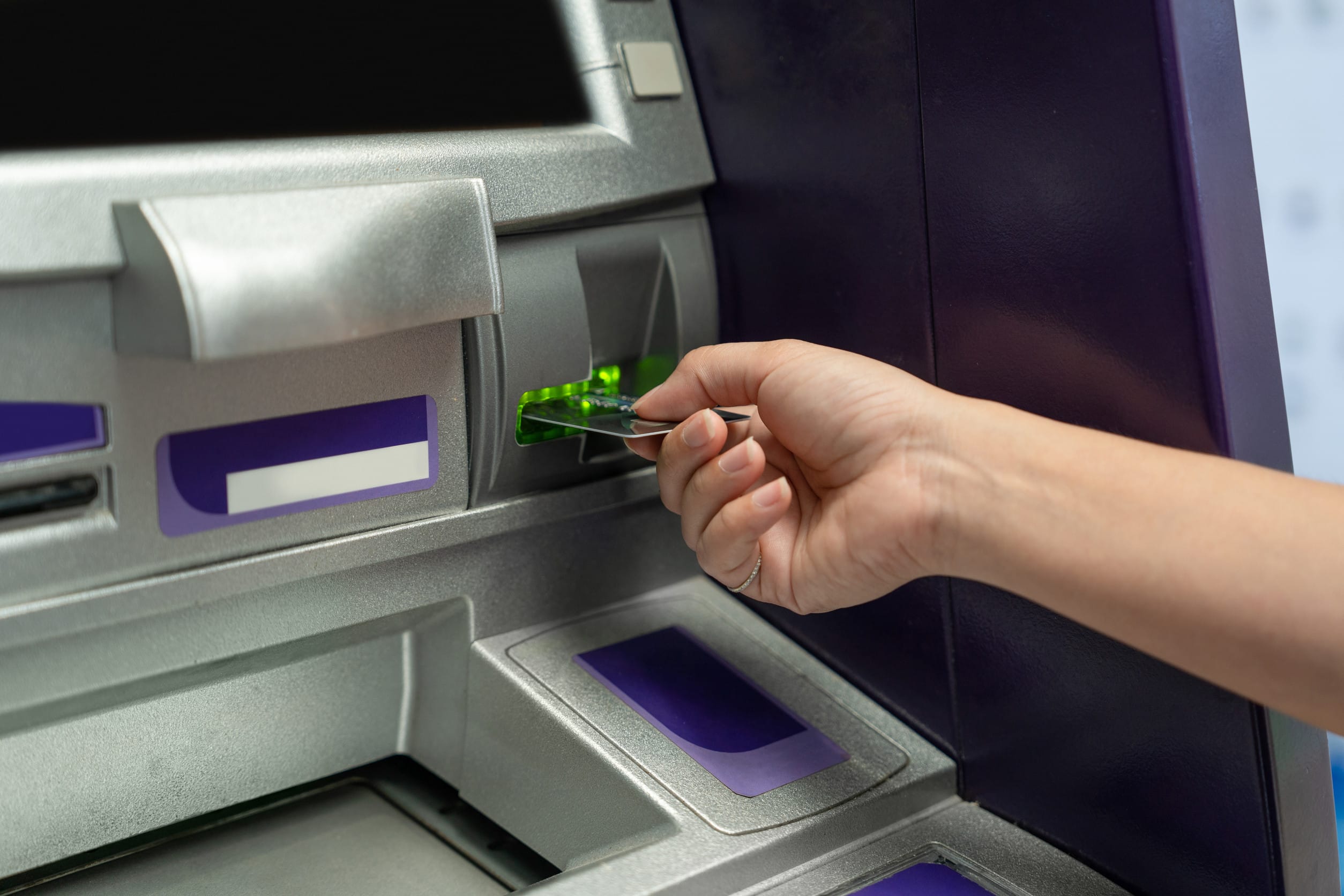
While most people use ATMs without giving it a second thought, certain withdrawal patterns can draw unwanted attention from regulators and law enforcement agencies. Banks are required to monitor transactions for signs of suspicious activity, and in some cases, these patterns get flagged for further review by government agencies. Even if your money is completely legitimate, unusual habits at the ATM can lead to delays, account freezes, or questions you’d rather avoid. Understanding the ATM withdrawal behaviors that raise government surveillance flags can help you keep your banking routine low-risk and hassle-free. Here are seven behaviors worth knowing about.
1. Large Cash Withdrawals Over Reporting Thresholds
Withdrawing cash above certain limits — typically $10,000 in a single day — automatically triggers a Currency Transaction Report (CTR) to the government. Even if you are withdrawing for a perfectly legal reason, the transaction is flagged for recordkeeping under anti-money laundering laws. Banks are required to report these large withdrawals, and frequent high-value cash movements may invite further scrutiny. The government sees large sums of cash as a potential sign of illicit activity, such as tax evasion or money laundering. If you truly need to withdraw this much, be prepared for questions or documentation requests.
2. Multiple Withdrawals Just Under the Limit
Some people try to avoid triggering a report by making several withdrawals just under the $10,000 threshold. This tactic, known as “structuring,” is itself illegal and often more suspicious than a single large withdrawal. Regulators view this pattern as an intentional attempt to avoid reporting requirements. Even if the intention is innocent, such as withdrawing in stages for budgeting, banks may still flag the account. This is one of the most common ATM withdrawal behaviors that raise government surveillance flags.
3. Frequent Withdrawals in Unusual Locations
Withdrawing cash in multiple states, cities, or foreign countries in a short period can trigger monitoring alerts. These patterns suggest potential fraud or money movement designed to avoid detection. Banks may freeze your card until they verify your travel plans or intentions. If the withdrawals occur in areas known for high crime or financial fraud, the risk of scrutiny is even greater. Letting your bank know before traveling can help avoid unnecessary flags.
4. Consistent Withdrawals at Odd Hours
Late-night or very early morning withdrawals, especially if they happen regularly, can look suspicious to automated monitoring systems. While many people have legitimate reasons for nighttime transactions, unusual timing paired with high frequency can raise questions. The concern is that such behavior might be tied to illicit activities that operate during those hours. Even modest cash amounts withdrawn in the middle of the night can be flagged if they create a recognizable pattern. Being mindful of timing can reduce unwanted attention.
5. Using Multiple ATMs for Back-to-Back Withdrawals
Some account holders hop between different ATMs to take out cash in quick succession, either to avoid machine limits or to withdraw large sums without going into a branch. This can be interpreted as an attempt to conceal the total amount withdrawn. Banks are trained to spot this “ATM hopping” and may flag it as suspicious, even if you’re simply trying to access your own money. In certain cases, the bank might impose temporary withdrawal restrictions. Planning a single withdrawal through the bank can avoid this problem.
6. Repeated Maximum Daily Limit Withdrawals
Consistently taking out the maximum allowed amount each day — even if it’s below reporting thresholds — can catch the attention of monitoring systems. This is especially true if the withdrawals are in cash and not followed by a corresponding purchase or deposit pattern. Regulators may suspect the cash is being stockpiled or used in untraceable transactions. Over time, this can trigger further investigation or inquiries from your financial institution. Adjusting your withdrawal habits can help reduce the risk.
7. Frequent International ATM Transactions Without Travel History
Regularly withdrawing cash from ATMs in foreign countries while your main residence is in the U.S. can be a red flag. This behavior might be associated with offshore accounts, unreported income, or cross-border money movement. If you’re not physically traveling but using international ATMs through proxies or services, banks may consider this suspicious. Currency conversion patterns can also draw attention if the amounts are large or occur in high-risk regions. Among ATM withdrawal behaviors that raise government surveillance flags, this one often leads to deeper reviews by both banks and government agencies.
Staying Below the Radar with Smart Banking Habits
You don’t have to be doing anything illegal to trigger financial monitoring — sometimes, all it takes is a pattern that looks unusual to a computer algorithm. The best way to avoid ATM withdrawal behaviors that raise government surveillance flags is to keep transactions consistent, transparent, and in line with your known spending habits. If you anticipate a transaction that might raise questions, informing your bank ahead of time can prevent unnecessary freezes or reports. Your money should work for you without creating avoidable headaches.
Have you ever had a bank flag or question one of your withdrawals? Share your story in the comments — your experience could help others avoid the same situation.
Read More:
7 ATM Removal Features That Could Reduce Your Financial Privacy
Everyday Mistakes That Make You Vulnerable to Criminals

Catherine is a tech-savvy writer who has focused on the personal finance space for more than eight years. She has a Bachelor’s in Information Technology and enjoys showcasing how tech can simplify everyday personal finance tasks like budgeting, spending tracking, and planning for the future. Additionally, she’s explored the ins and outs of the world of side hustles and loves to share what she’s learned along the way. When she’s not working, you can find her relaxing at home in the Pacific Northwest with her two cats or enjoying a cup of coffee at her neighborhood cafe.
.png)
Leave a Reply