• Home
  • About Us
  • Getting Finances Done
    • Hiring Advisors
    • Debt Management
    • Spending Plan
  • Insurance
    • Life Insurance
    • Health Insurance
    • Disability Insurance
    • Homeowners/Renters Insurance
  • Contact Us
  • Our Editorial Commitment

The Free Financial Advisor

You are here: Home / Archives for tax help

Ignoring an IRS Notice Never Makes It Go Away — Here’s What Each Letter Type Means

June 8, 2026 by Brandon Marcus Leave a Comment

Ignoring an IRS Notice Never Makes It Go Away — Here's What Each Letter Type Means
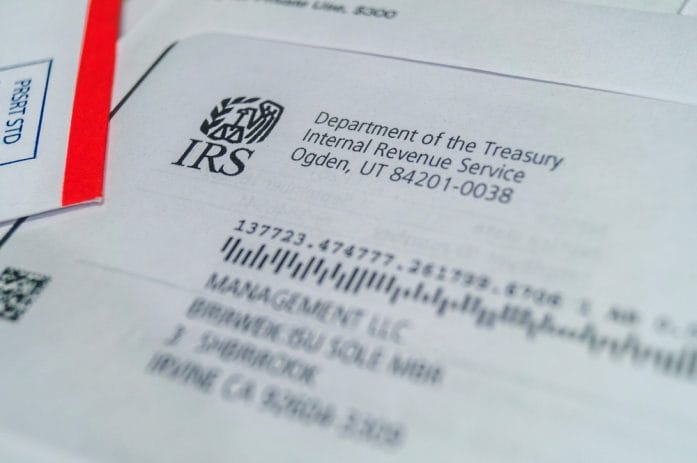
IRS notices range from identity verification letters to final collection warnings, and each stage signals escalating urgency. Responding early helps prevent penalties, liens, and wage garnishment from taking hold. Shutterstock

Some envelopes carry a quiet sense of urgency, and IRS notices rank at the top of that list because they rarely arrive without a reason that demands attention. Every IRS letter signals a specific issue tied to taxes, filings, payments, or mismatched records, and each one escalates the situation if it gets ignored. The longer the response takes, the more the IRS stacks penalties, interest, and enforcement actions that can quickly spiral out of control.

IRS notices do not function like routine mail that can sit on a counter for weeks without consequence, because the agency builds each letter into a structured enforcement system. Each type of notice connects to a different stage of tax review or collection, and the wording often reveals how urgent the situation has become. Recognizing these signals early gives taxpayers a chance to correct errors, avoid fees, and prevent long-term financial damage.

Why IRS Notices Demand Immediate Attention (Before Things Snowball)

IRS notices arrive with purpose, not randomness, because each letter connects to a specific trigger in tax reporting systems that detect mismatches, missing payments, or unfiled returns. The IRS uses automated matching tools that compare employer records, bank reports, and prior filings, and even small discrepancies can activate a formal notice. Once the system flags an issue, the IRS moves through a structured sequence that escalates with time rather than waiting for voluntary correction.

Many taxpayers underestimate how quickly penalties stack up once a notice arrives, especially when interest compounds daily on unpaid balances. A simple unpaid tax difference can grow into a larger debt within months due to late fees and ongoing interest charges. The IRS does not pause this process because silence signals noncompliance rather than confusion or delay.

The Most Common IRS Letters and What They Signal

IRS Letter 4883C often arrives when the agency needs identity verification before processing a return, usually triggered by suspected fraud or mismatched personal data. CP2000 notices signal income mismatches between reported tax returns and third-party documents like W-2s or 1099s, and they often involve underreported income issues. CP14 letters show a balance due after a return gets processed, which means the IRS has officially recorded unpaid taxes.

CP501 and CP503 notices escalate the urgency by reminding taxpayers of outstanding balances and warning about growing penalties, while CP504 introduces potential collection actions. Each letter builds on the previous one, creating a clear escalation ladder that leads toward enforcement if no response arrives. The wording becomes increasingly firm as the IRS moves closer to garnishments or liens.

What Happens When IRS Notices Get Ignored

Ignoring early IRS notices leads to a predictable chain reaction that starts with penalty increases and quickly moves toward enforced collection actions. The IRS can file a federal tax lien, which places a legal claim on property and affects credit profiles in ways that last for years. Continued silence can trigger wage garnishment, where employers must redirect part of the income directly to the IRS.

Bank levies present another serious consequence, allowing the IRS to freeze and withdraw funds directly from accounts after proper notice procedures complete. Tax refunds from future years may also get seized automatically and applied toward unpaid balances without additional warning. Each step reduces financial flexibility and makes resolution more expensive and more complicated.

How to Respond Without Panic or Costly Mistakes

Responding to IRS notices starts with reading every line carefully because each notice includes instructions tailored to the specific issue. Contacting the IRS directly or working through a tax professional helps clarify the situation before making payments or disputes that could worsen the case. Acting quickly often opens options for payment plans or corrections that reduce penalties.

Documentation plays a key role in resolving IRS notices effectively, especially when disputes involve income reporting or deductions. Keeping tax records, bank statements, and prior filings organized helps support claims and speeds up resolution. Many taxpayers also benefit from installment agreements that break large balances into manageable monthly payments while avoiding enforcement actions.

Stay Ahead of Future IRS Notices With Simple Habits

Preventing IRS notices begins with accurate tax filing practices that match income records across all employers, banks, and investment accounts. Reviewing tax returns before submission reduces the chance of mismatches that trigger automated IRS letters. Consistency in reporting creates fewer flags in the IRS system and lowers audit risk.

Maintaining organized financial records throughout the year also helps avoid surprises during tax season. Tracking income, deductions, and estimated payments creates a clearer picture that reduces errors when filing. Setting reminders for deadlines and estimated tax payments keeps accounts in good standing and prevents avoidable penalties.

The Real Cost of Ignoring IRS Mail

IRS notices never disappear on their own, and every delay increases both financial and legal pressure in ways that become harder to reverse over time. Each letter marks a specific point in an escalation system designed to move from warning to enforcement when no response arrives. Taking action early consistently leads to better outcomes, fewer penalties, and more flexible payment solutions.

Staying proactive turns IRS communication from a financial threat into a manageable process that protects income and long-term stability. What strategies help make tax season and IRS notices less stressful and more manageable in everyday life?

You May Also Like…

New IRS Matching Technology Is Catching Income Discrepancies That Used to Slip Through

Cryptocurrency Owners Are Getting IRS Letters — Even for Small Trades

Your Refund Could Be Redirected to State Debt Without a Single Notice From the IRS

Gig Workers Who Didn’t Set Aside Taxes Last Summer Are Facing Bills Right Now

California Heirs Are Facing Higher Property Taxes Under Prop 19 Transfer Rules

Brandon Marcus
Brandon Marcus

Brandon Marcus is a writer who has been sharing the written word since a very young age. His interests include sports, history, pop culture, and so much more. When he isn’t writing, he spends his time jogging, drinking coffee, or attempting to read a long book he may never complete.

Filed Under: tax tips Tagged With: financial advice, government letters, IRS collection, IRS notices, IRS penalties, money management, tax debt, tax help, tax letters

The IRS Letter You Shouldn’t Ignore – and What To Do If You Get One

April 10, 2026 by Brandon Marcus Leave a Comment

The IRS Letter You Shouldn't Ignore - and What To Do If You Get One
Image Source: Shutterstock.com

A plain white envelope just landed in the mailbox, and it carries more weight than it looks. The return address reads IRS, and suddenly everything else on the to-do list feels a lot less important. That single piece of mail can trigger a rush of questions, a spike of stress, and a strong urge to pretend it doesn’t exist. That instinct might feel tempting, but it sets up a much bigger problem down the line. Ignoring that letter never makes it disappear, and it rarely ends well.

That envelope doesn’t always mean disaster, though, and that’s where things get interesting. The IRS sends millions of notices every year, and many of them deal with simple issues that have straightforward fixes. Some letters ask for clarification, some correct small errors, and others alert taxpayers to balances owed or refunds adjusted. The key lies in knowing what the letter actually says and acting quickly with a clear plan. A calm, informed approach can turn a nerve-wracking moment into something completely manageable.

Not All IRS Letters Spell Trouble—But Every Single One Demands Attention

That official letter might look intimidating, but it doesn’t automatically signal an audit or a major issue. The IRS uses notices for a wide range of reasons, and many of them fall into routine communication. A letter might point out a math error on a tax return, request additional information, or confirm a change made to a filing. In some cases, the IRS might even send a notice to verify identity or flag potential fraud, which actually protects taxpayers rather than punishes them. That variety makes one thing very clear: the letter matters, even when it doesn’t bring bad news.

Each notice includes a specific code, usually in the upper right corner, and that code tells the story. A CP2000, for example, often means the IRS found a mismatch between reported income and third-party documents like W-2s or 1099s. Other notices, like CP14, typically relate to a balance due, while letters like 5071C deal with identity verification. Understanding that code helps cut through the confusion and points directly to the issue at hand. Skipping that step leaves too much room for guessing, and guessing doesn’t help when dealing with tax matters.

The letter also outlines a deadline, and that deadline matters more than anything else on the page. The IRS expects a response within a set timeframe, often 30 days, and failing to respond can lead to additional penalties or enforced collection actions. That timeline doesn’t leave much room for procrastination. Taking action quickly keeps options open and prevents the situation from escalating into something far more complicated. Even a simple acknowledgment or request for more time can make a big difference.

The Worst Move? Tossing It Aside and Hoping for the Best

That moment of hesitation after opening an IRS letter can turn into full-blown avoidance if left unchecked. Letting the letter sit unopened or unanswered might feel easier in the short term, but it creates a chain reaction that leads to bigger problems. The IRS doesn’t forget, and it doesn’t quietly drop issues when deadlines pass. Instead, penalties can grow, interest can accumulate, and the tone of future notices can become much more urgent.

Ignoring a balance due notice, for example, can lead to additional fees and eventually collection actions such as liens or levies. A lien can attach to property, while a levy can involve wage garnishment or bank account seizures. Those outcomes don’t happen overnight, but they start with missed deadlines and unanswered letters. Addressing the issue early keeps those consequences off the table and preserves more flexibility in how to resolve the situation.

Even when the letter involves something minor, like a request for documentation, ignoring it can escalate the issue unnecessarily. The IRS may adjust a return without input, which could result in a higher tax bill than necessary. Responding with accurate information can correct the record and potentially reduce or eliminate the problem. Taking control early always beats scrambling later when fewer options remain.

What To Do the Moment That Letter Hits Your Hands

The first move involves reading the letter carefully from start to finish, even if the urge to skim feels strong. Every detail matters, including the notice number, the tax year involved, and the specific issue identified. That information sets the stage for everything that follows. Skipping over key points can lead to misunderstandings and incorrect responses, which only complicate matters further.

Next comes verifying the information against personal records. Pull out the relevant tax return, income documents, and any supporting paperwork to compare details. If the IRS claims a discrepancy, check whether the original filing missed something or whether the IRS made an error. Both scenarios happen, and only a thorough review can uncover the truth. That step transforms a vague concern into a clear understanding of what needs to happen next.

After reviewing the details, decide on a response strategy. If the letter requests payment, explore options such as paying in full, setting up an installment agreement, or requesting a temporary delay if financial hardship exists. If the notice disputes information, prepare documentation to support the correct figures and respond within the deadline. Sending a clear, organized response shows engagement and helps move the process forward efficiently. Keeping copies of everything sent also creates a solid paper trail for future reference.

The IRS Letter You Shouldn't Ignore - and What To Do If You Get One
Image Source: Shutterstock.com

When It’s Time to Bring in Backup

Some IRS letters stay simple, while others introduce complexity that requires professional guidance. Notices involving audits, large balances, or legal language often benefit from expert help. Tax professionals such as certified public accountants, enrolled agents, or tax attorneys understand the system and know how to navigate it effectively. That expertise can prevent costly mistakes and reduce stress during the process.

Bringing in help doesn’t mean losing control; it means strengthening the approach. A professional can review the notice, explain options, and communicate with the IRS on behalf of the taxpayer if needed. That support can feel especially valuable when dealing with tight deadlines or unfamiliar terminology. Choosing someone with proper credentials and experience ensures the guidance stays reliable and accurate.

Even in less complicated situations, a quick consultation can provide reassurance and clarity. A professional might confirm that a response looks correct or suggest a better way to present information. That extra layer of confidence can make the entire process smoother and less overwhelming. Investing in guidance at the right moment can save time, money, and frustration.

Turn a Stressful Letter Into a Smart Financial Move

A common IRS letter might not feel like an opportunity at first glance, but it can become one with the right mindset. Addressing the issue promptly can lead to better financial organization, improved recordkeeping, and a clearer understanding of tax obligations. Those benefits extend far beyond the immediate situation and help build stronger habits for the future.

Taking action also creates a sense of control that replaces uncertainty. Instead of worrying about what might happen, a clear plan turns the situation into a series of manageable steps. That shift changes the entire experience from reactive to proactive. Staying organized, meeting deadlines, and communicating effectively with the IRS all contribute to a smoother resolution.

Looking ahead, small adjustments can reduce the chances of future notices. Double-checking tax returns, keeping thorough records, and reporting all income accurately can prevent many common issues. Setting reminders for important tax dates and reviewing filings carefully before submission can also make a big difference. Those habits turn a one-time scare into a long-term advantage.

The Letter That Demands Action—And Rewards It

That IRS envelope carries weight, but it doesn’t have to carry fear. Taking it seriously, understanding its purpose, and responding with clarity can turn a stressful moment into a manageable task. Every notice brings a message, and acting on that message keeps control firmly in hand. Waiting, ignoring, or guessing only adds unnecessary risk, while prompt action opens the door to solutions.

What’s the move? Face it head-on and take control, or let it sit and grow into something bigger than it needs to be? Share your thoughts, strategies, or experiences in the comments and keep the conversation going.

You May Also Like…

Penalty Traps: Everyday Actions That Trigger IRS Fines

IRS Refund Delays Surge: Incorrect Bank Info Is Triggering Weeks-Long Payment Holds

Property Taxes Are Catching Homeowners Off Guard — Especially After Buying or Renovating

5 Reasons To Talk To Your Kids About Taxes

The IRS Is Flagging More Returns This Year—And One Detail Keeps Triggering Reviews

Brandon Marcus
Brandon Marcus

Brandon Marcus is a writer who has been sharing the written word since a very young age. His interests include sports, history, pop culture, and so much more. When he isn’t writing, he spends his time jogging, drinking coffee, or attempting to read a long book he may never complete.

Filed Under: tax tips Tagged With: audit, IRS, IRS letters, IRS notice, money advice, Personal Finance, Planning, tax help, tax problems, tax return, tax tips, taxes

10 Tax Questions Too Embarrassing to Ask Your Accountant

June 27, 2025 by Travis Campbell Leave a Comment

tax
Image Source: pexels.com

Tax season can feel like a pop quiz you never studied for, and sometimes the questions swirling in your head seem too awkward to say out loud. Maybe you’re worried your accountant will judge you, or perhaps you think you should already know the answer. The truth? Everyone has embarrassing tax questions, and asking them is the first step to getting your finances in order. This article tackles ten of the most common—and cringeworthy—tax questions people hesitate to ask, offering clear, practical advice so you can file with confidence. Don’t let embarrassment stand between you and a better tax outcome. Let’s break the silence and get you the answers you need.

1. What Happens If I Forgot to Report Some Income?

It’s more common than you think to forget a side gig or a small freelance payment. If you realize you left out income after filing, don’t panic. The IRS receives copies of most income forms (like W-2s and 1099s), so they’ll likely notice the omission. The best move is to file an amended return as soon as possible. This can help you avoid additional penalties and interest. Remember, honesty is always the best policy when it comes to embarrassing tax questions.

2. Can I Claim My Pet as a Dependent?

As much as we love our furry friends, pets don’t qualify as dependents on your tax return. The IRS only allows you to claim humans—typically children or qualifying relatives—who meet specific criteria. However, if your pet is a service animal or used for business purposes (like a guard dog for your business), some expenses may be deductible.

3. What If I Can’t Pay My Tax Bill?

If you owe more than you can pay, you’re not alone. The IRS offers payment plans and options for individuals who can’t pay in full immediately. Ignoring the bill will only make things worse, so reach out to the IRS or your accountant to discuss installment agreements or an offer in compromise. Addressing this embarrassing tax question head-on can help you avoid unnecessary stress and penalties.

4. Is It Okay to Round Up or Down on My Tax Return?

It’s tempting to round numbers for simplicity, but the IRS expects accuracy. You can round to the nearest dollar, but don’t round up or down to the nearest hundred or thousand. Consistent rounding errors can trigger an audit. Always use exact figures from your tax documents to stay compliant and avoid unnecessary scrutiny.

5. Do I Have to Report Cash Income?

Yes, all income—including cash from tips, side jobs, or selling items online—must be reported. The IRS is clear: if you earned it, you need to report it, even if there’s no official paperwork. Failing to report cash income is a common, embarrassing tax question, but it’s crucial for staying on the right side of the law.

6. Can I Deduct My Home Office If I Only Work from Home Occasionally?

The home office deduction is only available if you use a specific area of your home exclusively and regularly for business. If you occasionally check emails from your kitchen table, you likely don’t qualify. However, if you have a dedicated workspace used solely for business, you may be eligible.

7. What If I Made a Mistake on My Return?

Mistakes happen, and the IRS knows it. If you catch an error after filing, you can file an amended return using Form 1040-X. Correcting mistakes promptly can help you avoid penalties and interest. Don’t let embarrassment keep you from fixing an honest error—accountants see this all the time.

8. Can I Claim My Boyfriend or Girlfriend as a Dependent?

This is one of those embarrassing tax questions that’s more common than you’d think. In some cases, you can claim a significant other as a dependent if they lived with you all year, earned less than the exemption amount, and you provided more than half their support. However, the rules are strict, so be sure to double-check the requirements before claiming this deduction.

9. Will I Get in Trouble for Claiming Too Many Deductions?

Claiming legitimate deductions is your right, but inflating or fabricating deductions is tax fraud. If you’re unsure whether a deduction is allowed, ask your accountant. It’s better to clarify than to risk an audit or penalties. Remember, there’s no such thing as a “stupid” or “embarrassing” tax question when it comes to protecting yourself.

10. What If I Haven’t Filed Taxes in Years?

If you’ve skipped a year—or several—don’t let shame keep you from getting back on track. The IRS offers programs to help individuals catch up, and filing sooner rather than later can help minimize penalties. Many people have been in your shoes, and accountants are there to help, not judge. Addressing this embarrassing tax question now can save you a lot of trouble down the road.

Why Asking Embarrassing Tax Questions Is the Smartest Move

No one expects you to be a tax expert, and even seasoned professionals have questions. The only real mistake is staying silent and letting embarrassment get in the way of your financial health. By asking those embarrassing tax questions, you empower yourself to make better decisions, avoid costly errors, and take control of your money. Remember, your accountant has heard it all before—so speak up and get the answers you need.

Have you ever hesitated to ask your accountant a tax question? Share your story or your own embarrassing tax questions in the comments below!

Read More

Tax Season Is Here

Find the Right Amount of Life Insurance in 10 Minutes

Travis Campbell
Travis Campbell

Travis Campbell is a digital marketer/developer with over 10 years of experience and a writer for over 6 years. He holds a degree in E-commerce and likes to share life advice he’s learned over the years. Travis loves spending time on the golf course or at the gym when he’s not working.

Filed Under: tax tips Tagged With: embarrassing tax questions, Personal Finance, Planning, tax advice, tax help, tax questions, tax season, tax tips

Follow Us

Search this site:

Recent Posts

  • Can My Savings Account Affect My Financial Aid? by Tamila McDonald
  • 12 Ways Gen X’s Views Clash with Millennials… by Tamila McDonald
  • What Advantages and Disadvantages Are There To… by Jacob Sensiba
  • 10 Tactics for Building an Emergency Fund from Scratch by Vanessa Bermudez
  • Call 911: Go To the Emergency Room Immediately If… by Stephen Kanaval
  • 7 Weird Things You Can Sell Online by Tamila McDonald
  • 10 Scary Facts About DriveTime by Tamila McDonald

Copyright © 2026 · News Pro Theme on Genesis Framework