• Home
  • About Us
  • Toolkit
  • Getting Finances Done
    • Hiring Advisors
    • Debt Management
    • Spending Plan
  • Insurance
    • Life Insurance
    • Health Insurance
    • Disability Insurance
    • Homeowners/Renters Insurance
  • Contact Us
  • Privacy Policy
  • Risk Tolerance Quiz

The Free Financial Advisor

You are here: Home / Archives for tax return

The IRS Letter You Shouldn’t Ignore – and What To Do If You Get One

April 10, 2026 by Brandon Marcus Leave a Comment

The IRS Letter You Shouldn't Ignore - and What To Do If You Get One

Image Source: Shutterstock.com

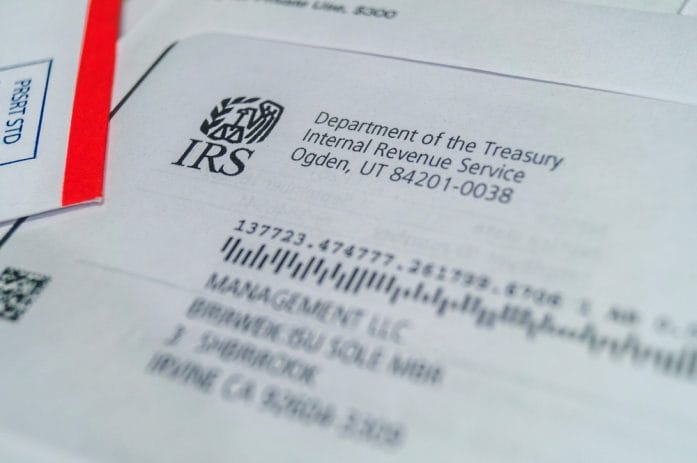
A plain white envelope just landed in the mailbox, and it carries more weight than it looks. The return address reads IRS, and suddenly everything else on the to-do list feels a lot less important. That single piece of mail can trigger a rush of questions, a spike of stress, and a strong urge to pretend it doesn’t exist. That instinct might feel tempting, but it sets up a much bigger problem down the line. Ignoring that letter never makes it disappear, and it rarely ends well.

That envelope doesn’t always mean disaster, though, and that’s where things get interesting. The IRS sends millions of notices every year, and many of them deal with simple issues that have straightforward fixes. Some letters ask for clarification, some correct small errors, and others alert taxpayers to balances owed or refunds adjusted. The key lies in knowing what the letter actually says and acting quickly with a clear plan. A calm, informed approach can turn a nerve-wracking moment into something completely manageable.

Not All IRS Letters Spell Trouble—But Every Single One Demands Attention

That official letter might look intimidating, but it doesn’t automatically signal an audit or a major issue. The IRS uses notices for a wide range of reasons, and many of them fall into routine communication. A letter might point out a math error on a tax return, request additional information, or confirm a change made to a filing. In some cases, the IRS might even send a notice to verify identity or flag potential fraud, which actually protects taxpayers rather than punishes them. That variety makes one thing very clear: the letter matters, even when it doesn’t bring bad news.

Each notice includes a specific code, usually in the upper right corner, and that code tells the story. A CP2000, for example, often means the IRS found a mismatch between reported income and third-party documents like W-2s or 1099s. Other notices, like CP14, typically relate to a balance due, while letters like 5071C deal with identity verification. Understanding that code helps cut through the confusion and points directly to the issue at hand. Skipping that step leaves too much room for guessing, and guessing doesn’t help when dealing with tax matters.

The letter also outlines a deadline, and that deadline matters more than anything else on the page. The IRS expects a response within a set timeframe, often 30 days, and failing to respond can lead to additional penalties or enforced collection actions. That timeline doesn’t leave much room for procrastination. Taking action quickly keeps options open and prevents the situation from escalating into something far more complicated. Even a simple acknowledgment or request for more time can make a big difference.

The Worst Move? Tossing It Aside and Hoping for the Best

That moment of hesitation after opening an IRS letter can turn into full-blown avoidance if left unchecked. Letting the letter sit unopened or unanswered might feel easier in the short term, but it creates a chain reaction that leads to bigger problems. The IRS doesn’t forget, and it doesn’t quietly drop issues when deadlines pass. Instead, penalties can grow, interest can accumulate, and the tone of future notices can become much more urgent.

Ignoring a balance due notice, for example, can lead to additional fees and eventually collection actions such as liens or levies. A lien can attach to property, while a levy can involve wage garnishment or bank account seizures. Those outcomes don’t happen overnight, but they start with missed deadlines and unanswered letters. Addressing the issue early keeps those consequences off the table and preserves more flexibility in how to resolve the situation.

Even when the letter involves something minor, like a request for documentation, ignoring it can escalate the issue unnecessarily. The IRS may adjust a return without input, which could result in a higher tax bill than necessary. Responding with accurate information can correct the record and potentially reduce or eliminate the problem. Taking control early always beats scrambling later when fewer options remain.

What To Do the Moment That Letter Hits Your Hands

The first move involves reading the letter carefully from start to finish, even if the urge to skim feels strong. Every detail matters, including the notice number, the tax year involved, and the specific issue identified. That information sets the stage for everything that follows. Skipping over key points can lead to misunderstandings and incorrect responses, which only complicate matters further.

Next comes verifying the information against personal records. Pull out the relevant tax return, income documents, and any supporting paperwork to compare details. If the IRS claims a discrepancy, check whether the original filing missed something or whether the IRS made an error. Both scenarios happen, and only a thorough review can uncover the truth. That step transforms a vague concern into a clear understanding of what needs to happen next.

After reviewing the details, decide on a response strategy. If the letter requests payment, explore options such as paying in full, setting up an installment agreement, or requesting a temporary delay if financial hardship exists. If the notice disputes information, prepare documentation to support the correct figures and respond within the deadline. Sending a clear, organized response shows engagement and helps move the process forward efficiently. Keeping copies of everything sent also creates a solid paper trail for future reference.

The IRS Letter You Shouldn't Ignore - and What To Do If You Get One

Image Source: Shutterstock.com

When It’s Time to Bring in Backup

Some IRS letters stay simple, while others introduce complexity that requires professional guidance. Notices involving audits, large balances, or legal language often benefit from expert help. Tax professionals such as certified public accountants, enrolled agents, or tax attorneys understand the system and know how to navigate it effectively. That expertise can prevent costly mistakes and reduce stress during the process.

Bringing in help doesn’t mean losing control; it means strengthening the approach. A professional can review the notice, explain options, and communicate with the IRS on behalf of the taxpayer if needed. That support can feel especially valuable when dealing with tight deadlines or unfamiliar terminology. Choosing someone with proper credentials and experience ensures the guidance stays reliable and accurate.

Even in less complicated situations, a quick consultation can provide reassurance and clarity. A professional might confirm that a response looks correct or suggest a better way to present information. That extra layer of confidence can make the entire process smoother and less overwhelming. Investing in guidance at the right moment can save time, money, and frustration.

Turn a Stressful Letter Into a Smart Financial Move

A common IRS letter might not feel like an opportunity at first glance, but it can become one with the right mindset. Addressing the issue promptly can lead to better financial organization, improved recordkeeping, and a clearer understanding of tax obligations. Those benefits extend far beyond the immediate situation and help build stronger habits for the future.

Taking action also creates a sense of control that replaces uncertainty. Instead of worrying about what might happen, a clear plan turns the situation into a series of manageable steps. That shift changes the entire experience from reactive to proactive. Staying organized, meeting deadlines, and communicating effectively with the IRS all contribute to a smoother resolution.

Looking ahead, small adjustments can reduce the chances of future notices. Double-checking tax returns, keeping thorough records, and reporting all income accurately can prevent many common issues. Setting reminders for important tax dates and reviewing filings carefully before submission can also make a big difference. Those habits turn a one-time scare into a long-term advantage.

The Letter That Demands Action—And Rewards It

That IRS envelope carries weight, but it doesn’t have to carry fear. Taking it seriously, understanding its purpose, and responding with clarity can turn a stressful moment into a manageable task. Every notice brings a message, and acting on that message keeps control firmly in hand. Waiting, ignoring, or guessing only adds unnecessary risk, while prompt action opens the door to solutions.

What’s the move? Face it head-on and take control, or let it sit and grow into something bigger than it needs to be? Share your thoughts, strategies, or experiences in the comments and keep the conversation going.

You May Also Like…

Penalty Traps: Everyday Actions That Trigger IRS Fines

IRS Refund Delays Surge: Incorrect Bank Info Is Triggering Weeks-Long Payment Holds

Property Taxes Are Catching Homeowners Off Guard — Especially After Buying or Renovating

5 Reasons To Talk To Your Kids About Taxes

The IRS Is Flagging More Returns This Year—And One Detail Keeps Triggering Reviews

Brandon Marcus
Brandon Marcus

Brandon Marcus is a writer who has been sharing the written word since a very young age. His interests include sports, history, pop culture, and so much more. When he isn’t writing, he spends his time jogging, drinking coffee, or attempting to read a long book he may never complete.


Filed Under: tax tips Tagged With: audit, IRS, IRS letters, IRS notice, money advice, Personal Finance, Planning, tax help, tax problems, tax return, tax tips, taxes

5 Overlooked Tax Deductions That Could Save You Thousands

April 8, 2026 by Brandon Marcus Leave a Comment

Overlooked Tax Deductions That Could Save You Thousands

Image Source: Shutterstock.com

Taxes don’t reward laziness. They reward attention, strategy, and a willingness to dig a little deeper than the obvious. Anyone who only grabs the standard deductions and calls it a day might leave serious money on the table, and that money doesn’t come back later with a polite apology. The tax code hides opportunities in plain sight, but it expects effort in return. That effort can lead to thousands of dollars saved, not through tricks or loopholes, but through deductions that already exist and simply get ignored.

The real problem isn’t complexity. The real problem comes from assumptions. Too many people assume they don’t qualify, assume something doesn’t apply, or assume their situation feels too ordinary to unlock meaningful savings. That mindset quietly drains wallets every single year. With the right approach, even everyday expenses can transform into powerful deductions that shrink tax bills and boost refunds.

1. The Home Office That Actually Pays You Back

Working from home doesn’t just mean comfy clothes and fewer commutes. It can also unlock one of the most valuable deductions available, yet many people skip it because they think it sounds complicated or risky. The home office deduction applies to anyone who uses part of their home exclusively and regularly for business purposes, and that “exclusively” part matters more than anything else. A dedicated workspace, even a small one, can qualify if it serves business use and nothing else. That includes freelancers, contractors, and side hustlers who handle work from a spare room or even a clearly defined corner.

This deduction comes in two flavors, and both deserve attention. The simplified method offers an easy calculation based on square footage, while the regular method allows a deeper dive into actual expenses like rent, utilities, insurance, and repairs. Choosing the right method depends on the situation, but both options can lead to meaningful savings. People who hesitate often miss out simply because they fear making a mistake, yet accurate recordkeeping removes most of that risk. Tracking space usage, keeping receipts, and staying consistent can turn a home into a legitimate tax-saving machine.

Beyond the basics, the home office deduction can also open the door to additional write-offs tied to business use. Internet costs, office furniture, and even certain upgrades can qualify when they directly support work. That means a simple workspace setup can evolve into a powerful financial tool over time. Ignoring this deduction leaves money behind, especially in a world where remote work continues to grow. Anyone working from home should take a serious look at how much that space could actually return.

2. The Medical Expenses People Shrug Off Too Fast

Healthcare costs hit hard, but they can also offer relief during tax season if handled correctly. Many people overlook medical expense deductions because they assume they won’t meet the threshold, but those assumptions often miss the full picture. Eligible expenses include far more than doctor visits and prescriptions. They can stretch into dental work, vision care, mental health services, and even certain travel costs tied to treatment. Those numbers add up faster than expected, especially over the course of a year.

The key lies in understanding that only expenses exceeding a certain percentage of adjusted gross income qualify, but that doesn’t make the deduction useless. It makes tracking essential. Every receipt, every bill, and every payment matters when calculating the total. People who dismiss small expenses often lose out because those small pieces create a much larger number together. A single appointment may not matter, but a full year of care tells a completely different story.

Some lesser-known expenses can make a surprising difference. Items like hearing aids, certain home modifications for medical needs, and even mileage for doctor visits can count. These details don’t just pad the deduction; they can push someone past the qualifying threshold. Taking the time to gather everything instead of guessing can unlock savings that feel almost hidden. Medical costs already take enough, so reclaiming a portion through taxes feels like a well-earned win.

3. Education Costs That Quietly Cut Your Tax Bill

Education doesn’t just build knowledge. It can also reduce tax liability in ways that many people completely overlook. Tuition grabs attention, but it doesn’t stand alone. Books, supplies, and required equipment can all qualify under certain credits and deductions, and those extras often slip through the cracks. Whether someone pursues a degree, takes professional courses, or sharpens skills for career growth, those efforts can come with financial perks.

Tax credits like the American Opportunity Credit and the Lifetime Learning Credit provide strong incentives, but they require careful attention to eligibility rules. Income limits, enrollment status, and the type of education all play a role in determining what qualifies. People who assume they don’t meet the criteria often skip checking altogether, and that decision can cost them hundreds or even thousands. Even part-time students or those taking courses to improve job skills may qualify under the right conditions.

Student loan interest also deserves a closer look. Many taxpayers forget that interest payments can qualify for a deduction, even if they don’t itemize. That means borrowers can still benefit without diving into complex filing strategies. Keeping track of payments and reviewing loan statements can ensure nothing gets missed. Education already demands time and money, so taking advantage of these tax benefits helps soften the financial impact.

Overlooked Tax Deductions That Could Save You Thousands

Image Source: Shutterstock.com

4. Charitable Giving That Goes Beyond Cash

Donations don’t have to come in the form of cash to make a difference on a tax return. Many people give generously throughout the year but fail to track or claim those contributions properly. Clothing, household items, and even vehicles can qualify when donated to eligible organizations. The key lies in documenting the value and keeping records that support the claim. Without that documentation, even the most generous contributions won’t count.

Volunteering can also create indirect deductions that often go unnoticed. While time itself doesn’t qualify, expenses tied to volunteer work can. Mileage, supplies purchased for charitable activities, and even certain travel costs may qualify if they directly support the cause. These smaller expenses often get ignored, yet they can add meaningful value over time. Paying attention to these details turns generosity into both a personal and financial benefit.

Timing also plays a role in maximizing charitable deductions. Grouping donations into a single tax year can help push total deductions beyond the standard threshold, making itemizing worthwhile. This strategy, often called “bunching,” allows taxpayers to take full advantage of their generosity instead of spreading it too thin. Thoughtful planning can turn everyday giving into a strategic advantage that supports both good causes and financial goals.

5. The Hidden Power of Job-Related Expenses

Work-related costs don’t always receive the attention they deserve, especially for those who don’t realize they qualify. While recent tax law changes limited some deductions for employees, certain groups still benefit, including self-employed individuals, educators, and specific professionals. These expenses can include tools, uniforms, continuing education, and even travel tied directly to work responsibilities. Ignoring them means absorbing costs that could otherwise reduce taxable income.

Educators, in particular, receive a special deduction for classroom expenses, and that benefit continues to grow in relevance as teachers often spend their own money on supplies. Tracking those purchases throughout the year ensures that nothing slips through the cracks. Self-employed individuals can take this even further by deducting a wide range of business-related expenses, from software subscriptions to professional services. Every legitimate cost tied to income generation can contribute to lowering the final tax bill.

The challenge comes from organization, not eligibility. Keeping receipts, logging expenses, and maintaining clear records can make the difference between claiming a deduction and missing it entirely. Digital tools and apps can simplify this process, turning what once felt overwhelming into something manageable. A little consistency throughout the year can lead to significant savings when tax season arrives.

Don’t Let This Money Slip Away Again

Every dollar saved on taxes carries the same weight as a dollar earned, yet far too many deductions go untouched year after year. The tax system doesn’t reward guesswork or assumptions, and it certainly doesn’t remind anyone about missed opportunities. Taking control of deductions means asking better questions, tracking expenses with intention, and refusing to settle for the bare minimum. Those small efforts can create a powerful ripple effect that shows up in a bigger refund or a smaller bill.

Which of these deductions stands out the most, and what strategies have made the biggest difference in past tax seasons? Share thoughts, insights, or even a favorite overlooked deduction in the comments.

You May Also Like…

April Food Alert: How to Use SNAP’s Medical Expense Deduction if Your Benefits Suddenly Dropped

Retirement Accounts Are Triggering Unexpected Taxes — What Some Investors Overlook

Can You Trust AI With Your Taxes and Investments? 8 Risks No One Explains

5 Reasons To Talk To Your Kids About Taxes

9 Georgia Counties Where Property Taxes Are Set to Rise the Fastest


Brandon Marcus
Brandon Marcus

Brandon Marcus is a writer who has been sharing the written word since a very young age. His interests include sports, history, pop culture, and so much more. When he isn’t writing, he spends his time jogging, drinking coffee, or attempting to read a long book he may never complete.

Filed Under: Tax Planning Tagged With: education expenses, freelancers, healthcare costs, homeowners, IRS, Personal Finance, Planning, saving money, small business taxes, Tax Deductions, tax return, tax tips

6 IRS Letters That Could Signal Trouble — Even If You Think You Filed Correctly

August 17, 2025 by Catherine Reed Leave a Comment

6 IRS Letters That Could Signal Trouble — Even If You Think You Filed Correctly

Image source: 123rf.com

Few things create more anxiety than receiving unexpected mail from the IRS. Even if you are confident your tax return was accurate and submitted on time, certain notices can indicate potential problems. These letters often require a timely response and may involve additional documentation, payments, or explanations. Knowing the meaning behind 6 IRS letters that could signal trouble — even if you think you filed correctly — can help you respond quickly and reduce the risk of escalating issues. Here’s what each of these notices typically means and why they matter.

1. CP2000: Proposed Changes to Your Return

The CP2000 is one of the most common letters on the list of 6 IRS letters that could signal trouble — even if you think you filed correctly. It means the IRS’s records, such as W-2s or 1099s reported by employers or financial institutions, do not match the income or deductions listed on your return. While it is not an official audit, it often results in proposed changes that can increase your tax bill. Sometimes these discrepancies are due to missing forms or reporting errors by third parties. Even if you believe you reported everything correctly, it’s important to review the details and respond promptly.

2. CP14: Unpaid Taxes Notice

Receiving a CP14 means the IRS believes you owe unpaid taxes for a specific year. This can happen if the IRS adjusted your return after processing it, or if payments were not properly applied. On the list of 6 IRS letters that could signal trouble — even if you think you filed correctly — this one is critical because ignoring it can lead to penalties and interest. Sometimes, the issue stems from a simple clerical error or timing mismatch in processing payments. Verifying your records and contacting the IRS quickly can help resolve the matter before it escalates.

3. CP501 or CP503: Balance Due Reminders

These letters are follow-ups to an initial unpaid tax notice and are part of the collection process. In the context of the 6 IRS letters that could signal trouble — even if you think you filed correctly — they indicate the IRS believes you still have an outstanding balance. CP501 is a friendly reminder, while CP503 is more urgent, warning that further action will be taken if you don’t respond. Even if you are certain your taxes were paid, it’s possible the payment was misapplied or a return adjustment was made without your knowledge. The sooner you address the notice, the easier it is to avoid further collection efforts.

4. CP504: Notice of Intent to Levy

Among the 6 IRS letters that could signal trouble — even if you think you filed correctly — the CP504 is one of the most serious. It means the IRS intends to seize certain assets, such as state tax refunds, to satisfy a debt it believes you owe. This letter is a precursor to more aggressive collection actions, including wage garnishments or bank levies. Sometimes, the problem is a result of unaddressed earlier notices that you did not receive or did not realize required a response. Immediate action is needed to protect your assets and resolve the alleged balance.

5. Letter 566: Examination Audit Notice

A Letter 566 means your return has been selected for an examination, which is the IRS term for an audit. As part of the 6 IRS letters that could signal trouble — even if you think you filed correctly — this notice should never be ignored. The audit may be a correspondence audit handled by mail, or it could require an in-person meeting. Even if your filing was accurate, audits can be time-consuming and require substantial documentation to prove your reported income and deductions. Responding promptly and accurately is key to minimizing stress and potential adjustments.

6. Letter 1058: Final Notice of Intent to Levy and Notice of Your Right to a Hearing

This is one of the most urgent letters in the list of 6 IRS letters that could signal trouble — even if you think you filed correctly. It means the IRS is preparing to take collection action against your wages, bank accounts, or other property. The letter also informs you of your right to request a Collection Due Process hearing, which is your last chance to dispute the debt before the levy occurs. Even if you believe the balance is wrong, failing to act quickly can result in immediate financial consequences. Legal or tax professional assistance is strongly recommended at this stage.

Staying Calm and Taking Action Quickly

While receiving any of the 6 IRS letters that could signal trouble — even if you think you filed correctly — can be unsettling, the most important step is to act promptly. Most issues can be resolved with the right documentation and communication, especially if they stem from misunderstandings or clerical errors. Ignoring the notices only increases penalties, interest, and the risk of enforced collection. Start by reading each letter carefully. Then, gather your records and respond within the given time frame. That way, you can protect your rights and finances. Preparedness and quick action are your best defenses.

Have you ever received one of these IRS letters unexpectedly? Share your experience in the comments to help others understand how to handle them.

Read More:

7 Ill-Advised Advisor Tips That Trigger IRS Audits

6 Tax Breaks That Vanished Before Anyone Noticed

Catherine Reed
Catherine Reed

Catherine is a tech-savvy writer who has focused on the personal finance space for more than eight years. She has a Bachelor’s in Information Technology and enjoys showcasing how tech can simplify everyday personal finance tasks like budgeting, spending tracking, and planning for the future. Additionally, she’s explored the ins and outs of the world of side hustles and loves to share what she’s learned along the way. When she’s not working, you can find her relaxing at home in the Pacific Northwest with her two cats or enjoying a cup of coffee at her neighborhood cafe.

Filed Under: Tax Planning Tagged With: CP2000, CP504, IRS audit, IRS letters, IRS notices, tax filer, tax problems, tax resolution, tax return

10 Fields in Tax Returns That Raise IRS Eyebrows

August 17, 2025 by Travis Campbell Leave a Comment

tax

Image source: pexels.com

Filling out your tax return can feel like navigating a minefield. Every year, millions of Americans worry about which numbers might catch the IRS’s attention. Some fields in tax returns are more likely to flag an audit or prompt further questions. Knowing which areas raise IRS eyebrows helps you prepare a more accurate return and avoid unnecessary stress. This guide shines a spotlight on the top 10 fields in tax returns that the IRS scrutinizes most closely, so you can file with confidence and minimize audit risk. Let’s look at what makes these fields stand out and how you can address them.

1. Income Reporting Mismatches

The IRS receives copies of your W-2s, 1099s, and other income documents directly from employers and financial institutions. If the income you report on your tax return doesn’t match these records, it’s a huge red flag. Even small discrepancies can prompt the IRS to take a closer look. Double-check that every dollar earned is accounted for, especially if you have multiple jobs or sources of freelance income. Accurate income reporting is crucial for avoiding unnecessary IRS scrutiny.

2. Large Charitable Contributions

Claiming big charitable deductions relative to your income is one of the most common fields in tax returns that raises IRS eyebrows. The IRS compares your claimed donations to statistical averages for your income bracket. If your contributions seem unusually high, you may be asked to provide receipts or documentation. To stay safe, keep detailed records for every donation, including receipts, acknowledgment letters, and proof of payment.

3. Home Office Deductions

The home office deduction is tempting, especially with more people working remotely. However, this is another tax return field that gets close attention. The IRS wants to ensure your space qualifies as a “regular and exclusive” work area. Claiming a large home office deduction or writing off a significant portion of your home’s expenses increases your audit risk. Take care to measure your workspace accurately and keep records of your calculations and expenses.

4. Unusually High Business Expenses

If you’re self-employed or own a small business, reporting high business expenses can raise questions. Expenses should be ordinary and necessary for your industry. Large deductions for travel, meals, or entertainment—especially compared to your reported income—will stand out. Be ready to provide receipts, invoices, and a clear explanation if the IRS comes calling. Consistent, detailed records are your best defense.

5. Earned Income Tax Credit (EITC) Claims

The Earned Income Tax Credit is a valuable benefit for many working families, but it’s also a frequent source of errors and fraud. Because of this, the IRS pays close attention to EITC claims. Incorrectly reporting income, dependents, or filing status can result in delays or audits. Double-check eligibility requirements and proof of income before claiming this credit. The IRS provides a helpful EITC assistant tool to guide you through the process.

6. Schedule C Losses Year After Year

Reporting losses on Schedule C for your business for several years in a row is another field in tax returns that raises IRS eyebrows. The IRS expects most businesses to turn a profit eventually. If you continually report losses, they may suspect you’re operating a hobby rather than a legitimate business. To avoid problems, keep thorough records and be prepared to show a profit motive, such as marketing efforts or business plans.

7. Large Deductions for Medical Expenses

Medical expense deductions can only be claimed for unreimbursed costs that exceed a certain percentage of your adjusted gross income. Substantial deductions here, especially without supporting documentation, are a common audit trigger. Save receipts, invoices, and insurance statements for all medical expenses you deduct. If your medical deductions are unusually high, consider adding an explanation statement to your return.

8. Real Estate Losses

Rental property owners often claim losses to offset other income, but this is an area where the IRS pays close attention. Passive activity loss rules limit how much you can deduct each year, unless you qualify as a real estate professional. If you claim large real estate losses, be ready to show your hours worked and keep detailed logs of activities. Review the IRS guidance on passive activities to ensure your deductions are legitimate.

9. Foreign Bank Accounts and Assets

If you have money in foreign accounts, you’re required to report them on your tax return and, in many cases, file additional forms like the FBAR. Omitting or underreporting foreign assets is a major audit trigger, and penalties can be severe. Make sure to disclose all qualifying accounts and consult a tax professional if you’re unsure about the rules. Transparency is key when dealing with international finances.

10. Rounded Numbers Everywhere

Filing a tax return filled with round numbers—like $500 for office supplies or $2,000 for travel—can make the IRS suspicious. Real expenses rarely add up to perfect multiples of ten or a hundred. While rounding to the nearest dollar is fine, avoid estimating or guessing. Use actual numbers from your receipts and records for all fields in tax returns that could be questioned.

Staying Under the IRS Radar

Understanding which fields in tax returns raise IRS eyebrows gives you a head start on filing accurately and confidently. Pay extra attention to these areas, keep detailed documentation, and avoid the temptation to inflate or estimate numbers. The more precise and honest you are, the less likely you’ll attract unwanted attention from the IRS.

Have you ever had an IRS inquiry about your tax return? What tips do you have for keeping your tax return audit-proof? Share your experience and advice in the comments!

Read More

5 Account Transfers That Unexpectedly Trigger IRS Penalties

Are You Reading The Right Fine Print On Your Tax Refund?

Travis Campbell
Travis Campbell

Travis Campbell is a digital marketer/developer with over 10 years of experience and a writer for over 6 years. He holds a degree in E-commerce and likes to share life advice he’s learned over the years. Travis loves spending time on the golf course or at the gym when he’s not working.

Filed Under: Tax Planning Tagged With: charitable contributions, deductions, EITC, IRS, Real estate, self-employed, tax audit, tax return

What Happens if You Use Tax Software After Fraudulent Activity?

August 15, 2025 by Travis Campbell Leave a Comment

tax software

Image source: pexels.com

If you’ve ever worried about tax fraud, you’re not alone. Tax fraud can happen to anyone, and it’s a real headache. Maybe you found out someone used your Social Security number. Maybe you noticed a strange tax return filed in your name. Now, you’re wondering: what happens if you use tax software after fraudulent activity? This question matters because the wrong move can make things worse. Tax software is supposed to make life easier, but after fraud, it can get complicated fast. Here’s what you need to know if you’re thinking about using tax software after you’ve been hit by fraud.

1. Your Return Might Get Rejected

If someone has already filed a tax return using your information, the IRS will flag your Social Security number. When you try to file your own return through tax software, you might get an error message. The software will tell you that the IRS has already received a return with your details. This is a clear sign of tax fraud. At this point, you can’t just keep clicking “submit.” The IRS won’t accept two returns with the same Social Security number. You’ll need to take extra steps to fix the problem.

2. You’ll Need to Prove Your Identity

After fraud, the IRS wants to make sure you’re really you. If your return is rejected, you’ll likely need to verify your identity. Tax software can’t do this for you. The IRS might send you a letter asking you to call or visit a local office. Sometimes, you’ll need to use the IRS Identity Verification Service online. This process can take time and patience. You’ll need documents like your driver’s license, passport, or other ID. Until you prove who you are, your tax return will be on hold.

3. Filing Electronically May Not Be an Option

Tax software is built for electronic filing. But after fraud, e-filing might not work. If your Social Security number is flagged, the IRS will block electronic returns. The software will tell you to print your return and mail it in. This slows everything down. Paper returns take longer to process, and you might wait months for your refund. It’s frustrating, but it’s the safest way to make sure your real return gets to the IRS.

4. You’ll Need to File an Identity Theft Affidavit

If you suspect or know you’re a victim of tax fraud, you need to file IRS Form 14039, the Identity Theft Affidavit. Most tax software can’t do this automatically. You’ll have to download the form, fill it out, and mail it with your paper return. This tells the IRS you’re a victim and need help. The IRS will then investigate and put extra protections on your account.

5. Your Refund Will Be Delayed

After fraud, don’t expect a quick refund. The IRS needs time to sort out what happened. They’ll compare the fraudulent return with your real one. This can take weeks or even months. Tax software might show you an estimated refund date, but it won’t be accurate. The IRS will contact you if it needs more information. Be patient and keep checking your mail and IRS account for updates.

6. You Might Need to Contact the IRS Directly

Tax software is great for simple returns, but it can’t solve fraud. If you run into problems, you’ll need to call the IRS. Be ready for long wait times. When you get through, explain your situation clearly. Have your documents ready, including your last tax return, ID, and any IRS letters. The IRS can walk you through the next steps and tell you what to do next. You can also check the Federal Trade Commission’s identity theft resources for more help.

7. You’ll Need to Watch for More Fraud

Once you’ve been hit by tax fraud, you’re at higher risk for more problems. Criminals might try to use your information again. The IRS might give you an Identity Protection PIN (IP PIN) to use on future returns. This is a six-digit number that helps stop fraud. Tax software will ask for your IP PIN if you have one. Never share this number with anyone. Keep an eye on your credit reports and watch for suspicious activity.

8. You May Need to Update Your Tax Software Account

If you used tax software before the fraud, your account could be at risk. Change your password right away. Turn on two-factor authentication if it’s available. Check your account for any strange activity, like returns you didn’t file. If you see anything odd, contact the software company’s support team. They can help secure your account and guide you on what to do next.

9. You’ll Have to Be Extra Careful Next Year

After fraud, tax season gets more stressful. Start early next year. Gather your documents and file as soon as you can. The sooner you file, the less chance a criminal has to file before you. Use your IP PIN if you have one. Keep your tax software and computer updated to protect your information. Stay alert for phishing emails or fake IRS calls.

10. You Might Need Professional Help

Sometimes, tax fraud gets complicated. If you feel overwhelmed, consider talking to a tax professional. They can help you file your return, deal with the IRS, and protect your information. Some tax software companies offer audit support or identity theft help, but it’s not always enough. A professional can give you peace of mind and make sure you’re doing everything right.

Moving Forward After-Tax Fraud

Using tax software after fraudulent activity isn’t simple. You’ll face roadblocks, delays, and extra steps. But you can get through it. Stay organized, follow the IRS’s instructions, and protect your information. The most important thing is to act quickly and not ignore the problem. Tax fraud is stressful, but you can take control and get back on track.

Have you ever dealt with tax fraud or had trouble using tax software after identity theft? Share your story or tips in the comments below.

Read More

Are You Reading the Right Fine Print on Your Tax Refund?

6 Overlooked Retirement Age Triggers That Can Spike Your Tax Bill

Travis Campbell
Travis Campbell

Travis Campbell is a digital marketer/developer with over 10 years of experience and a writer for over 6 years. He holds a degree in E-commerce and likes to share life advice he’s learned over the years. Travis loves spending time on the golf course or at the gym when he’s not working.

Filed Under: tax tips Tagged With: identity theft, IRS, Personal Finance, refund delay, security, tax filing, tax fraud, tax return, tax software

Are You Reading the Right Fine Print on Your Tax Refund?

August 13, 2025 by Travis Campbell Leave a Comment

tax

Image source: pexels.com

Tax season can feel like a relief when you see that refund number pop up. But before you start planning how to spend it, there’s something you need to know. The fine print on your tax refund isn’t just legal jargon—it can affect how much money you actually get, how fast you get it, and what happens if there’s a mistake. Many people skip over the details, thinking it’s all standard stuff. But missing the right fine print can cost you time, money, or even trigger an audit. If you want to keep more of your refund and avoid headaches, it’s time to pay attention to what’s really in the details.

1. The Real Timeline for Your Tax Refund

You might expect your tax refund to arrive in a week or two. Sometimes it does. But the fine print often says it can take longer, especially if you file late, claim certain credits, or make a mistake. The IRS says most refunds arrive within 21 days, but that’s not a guarantee. If you file a paper return, it can take much longer. And if your return gets flagged for review, you could wait months. Always check the actual timeline in the fine print so you know what to expect. Don’t make big plans with your refund money until it’s in your account.

2. Fees That Eat Into Your Refund

Some tax preparers and online services offer to take their fee out of your refund. It sounds easy, but the fine print can hide extra charges. You might pay a “refund transfer” fee or other processing costs. These fees can add up fast and shrink your refund. If you use a prepaid debit card, there may be more fees for withdrawals or balance checks. Read every line about fees before you agree. If you’re not sure what you’re paying, ask for a breakdown. Keeping more of your refund starts with knowing where your money is going.

3. Refund Advances Aren’t Free Money

Some companies offer a “refund advance”—a loan based on your expected refund. It’s tempting if you need cash fast. But the fine print matters here. Some advances come with high interest rates or hidden fees. Even if the advance is “no fee,” you may be required to use their tax prep service, which could cost more than you’d pay elsewhere. If your refund is delayed or smaller than expected, you could owe money back. Always read the terms before you sign up for a refund advance. Make sure you understand what happens if things don’t go as planned.

4. Direct Deposit Details Can Make or Break Your Refund

Direct deposit is the fastest way to get your tax refund. But the fine print on your tax form asks for your bank account and routing numbers. If you enter the wrong numbers, your refund could go to someone else or get delayed for weeks. The IRS won’t fix this quickly. Double-check your account details before you file. Some banks also have rules about accepting tax refunds, especially if the name on the refund doesn’t match the account. Read your bank’s policy and the IRS instructions to avoid problems.

5. Offsets: When Your Refund Gets Taken

You might be counting on your full refund, but the fine print says the government can take it to pay certain debts. This is called an “offset.” If you owe back taxes, child support, or federal student loans, your refund can be reduced or taken entirely. The IRS will send you a notice, but it may come after your refund is already gone. If you’re worried about offsets, check your status before you file. The Bureau of the Fiscal Service has information on how offsets work and what you can do if your refund is taken.

6. Amended Returns and Corrections

Mistakes happen. If you realize you made an error after filing, you may need to file an amended return. The fine print explains how this works. Amended returns take longer to process—sometimes up to 16 weeks or more. If you’re owed more money, you’ll have to wait. If you owe, you may face penalties or interest. Always read the instructions for amending a return. Don’t ignore mistakes, but don’t rush to file an amendment without checking the rules. The IRS website has clear steps for fixing errors.

7. State Refunds Have Their Own Rules

Federal and state tax refunds aren’t the same. Each state has its own process, timeline, and fine print. Some states take longer to issue refunds. Others may offset your refund for unpaid state debts. The rules for direct deposit, fees, and corrections can be different from the IRS. Always read the fine print on your state tax return. If you move or change banks, update your information with both the IRS and your state tax agency.

8. Identity Verification and Delays

The IRS and some states use identity verification to prevent fraud. If your return is flagged, you may get a letter asking for more information. The fine print explains what you need to do and how long it might take. If you don’t respond quickly, your refund will be delayed. Sometimes, you’ll need to verify your identity online or by phone. Keep an eye on your mail and email after you file. Respond to any requests right away to keep your refund on track.

9. What Happens If Your Refund Is Lost or Stolen

It’s rare, but refunds can get lost or stolen. The fine print tells you how to report a missing refund and what steps to take. If you used direct deposit, your bank may be able to help. If you got a paper check, you’ll need to contact the IRS and possibly file a claim. This process can take weeks or months. Always keep copies of your tax return and any correspondence. If you move, update your address with the IRS to avoid lost checks.

10. Watch Out for Tax Scams

Scammers target people waiting for tax refunds. The fine print often warns you not to share personal information with anyone who contacts you about your refund. The IRS will never call, email, or text you to ask for your Social Security number or bank details. If you get a suspicious message, don’t respond. Report it to the IRS. Protect your refund by keeping your information private and using secure methods to file your taxes.

The Fine Print Is Your Refund’s Safety Net

Reading the right fine print on your tax refund isn’t just about following rules. It’s about protecting your money, avoiding delays, and making sure you get what you’re owed. Every year, people lose out because they skip the details. Take a few extra minutes to read the fine print. It can save you time, stress, and money.

Have you ever missed something important in the fine print on your tax refund? Share your story or tips in the comments.

Read More

8 Documents That Can Help Heirs Avoid Court Battles

How Heirs Can Lose Property When Titles Aren’t Reviewed Carefully

Travis Campbell
Travis Campbell

Travis Campbell is a digital marketer/developer with over 10 years of experience and a writer for over 6 years. He holds a degree in E-commerce and likes to share life advice he’s learned over the years. Travis loves spending time on the golf course or at the gym when he’s not working.

Filed Under: tax tips Tagged With: IRS, Personal Finance, refund delays, tax filing, tax refund, tax return, tax scams, tax season, tax tips

FOLLOW US

Search this site:

Recent Posts

  • Can My Savings Account Affect My Financial Aid? by Tamila McDonald
  • 12 Ways Gen X’s Views Clash with Millennials… by Tamila McDonald
  • What Advantages and Disadvantages Are There To… by Jacob Sensiba
  • 10 Tactics for Building an Emergency Fund from Scratch by Vanessa Bermudez
  • Call 911: Go To the Emergency Room Immediately If… by Stephen Kanaval
  • 7 Weird Things You Can Sell Online by Tamila McDonald
  • 10 Scary Facts About DriveTime by Tamila McDonald

Copyright © 2026 · News Pro Theme on Genesis Framework