• Home
  • About Us
  • Getting Finances Done
    • Hiring Advisors
    • Debt Management
    • Spending Plan
  • Insurance
    • Life Insurance
    • Health Insurance
    • Disability Insurance
    • Homeowners/Renters Insurance
  • Contact Us
  • Our Editorial Commitment

The Free Financial Advisor

You are here: Home / Archives for IRS letters

The IRS Is Sending More “Math Error” Notices—Here’s What They Really Mean

May 12, 2026 by Brandon Marcus 1 Comment

The IRS Is Sending More “Math Error” Notices—Here’s What They Really Mean
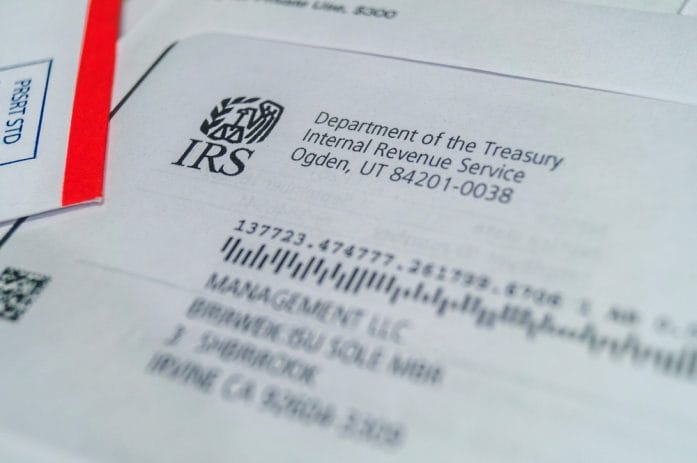
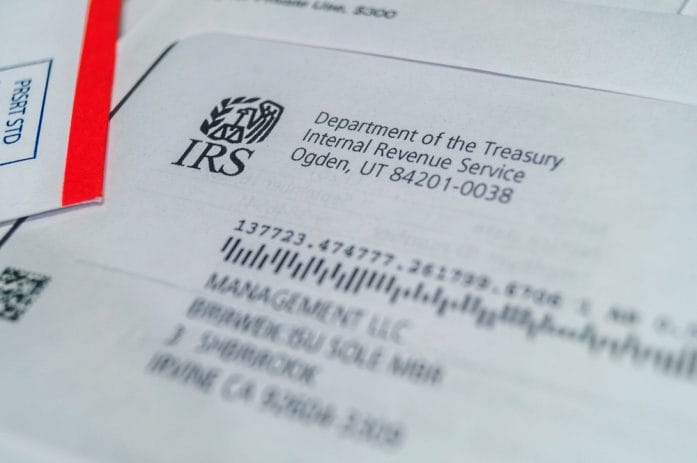
Letters from the IRS – Shutterstock

Tax season already brings enough stress without surprise mail from the IRS landing in the mailbox. Lately, more Americans have received something called a “math error notice,” and it often sparks confusion, frustration, and a little bit of panic. These notices do not always signal major trouble, but they do mean the IRS spotted something on a return that needs attention. The twist? Many of these “errors” do not come from simple math mistakes at all.

The IRS now uses automated systems more aggressively than ever, which means small mismatches can trigger big-looking letters. A missing form, a mismatched number, or even a typo can set off the system. That shift leaves many taxpayers wondering what went wrong and what to do next. The good news? These notices follow a structure, and once taxpayers understand how they work, the situation becomes far less intimidating.

What an IRS Math Error Notice Actually Means

A math error notice sounds dramatic, but it does not automatically mean a taxpayer did anything wrong. The IRS uses this label for any adjustment it makes to a tax return without launching a full audit. That adjustment might come from simple miscalculations, but it often stems from missing information or mismatched records. The agency corrects the return and then sends the notice explaining the change. Taxpayers usually see changes to refunds or balances owed after the adjustment.

These notices often reflect automated system decisions rather than human review. The IRS compares reported income, credits, and deductions against its internal databases. When something does not line up, the system flags it immediately. The result shows up in the form of a letter rather than a conversation. That process speeds things up, but it also increases confusion for taxpayers who expect a traditional review process.

Why the IRS Sends More Notices Now Than Before

The IRS continues to expand automation to handle millions of tax returns each year. Staffing shortages and increased filing volume push the agency toward faster digital review systems. Those systems scan returns quickly and flag anything that looks inconsistent. That efficiency leads to more math error notices, even when taxpayers did not actually make a mistake.

Modern tax rules also play a role in the increase. Credits like the Child Tax Credit and Earned Income Tax Credit require precise eligibility checks. Even small discrepancies in income reporting or dependent information can trigger adjustments. The IRS also receives third-party data from employers, banks, and financial institutions. When that data does not match a filed return, the system reacts immediately, which often results in a notice.

The Most Common Triggers Behind These Notices

Several common issues consistently trigger IRS math error notices, even for careful filers. One major cause involves mismatched Social Security numbers or dependent information. Another frequent trigger comes from incorrect income reporting compared to W-2 or 1099 forms submitted by employers. Even a small typo in a number can create a mismatch that the system flags.

Tax credits also create a large share of these notices. Families who claim dependents or education credits often face adjustments when documentation does not fully match IRS records. Math mistakes still happen too, especially when taxpayers calculate deductions manually instead of relying on software. The IRS system does not distinguish intent—it simply reacts to inconsistencies. That reality makes accuracy more important than ever during filing season.

What to Do When a Math Error Notice Arrives

An IRS notice can feel intimidating, but it does not require panic. The first step involves carefully reading the entire letter and identifying exactly what the IRS changed. The notice typically explains the adjustment, the reason behind it, and the resulting tax difference. Taxpayers should compare that information directly with their original return to spot the mismatch.

If the taxpayer disagrees with the change, they can respond with supporting documentation. That might include corrected forms, receipts, or employer records. The IRS allows a specific timeframe to dispute the adjustment, so timing matters. If the taxpayer agrees with the notice, they can simply accept the change and pay any additional tax owed. Either way, ignoring the notice creates bigger problems down the road.

How Taxpayers Can Avoid Future Math Error Notices

Preventing these notices starts with careful preparation and accurate recordkeeping. Taxpayers who rely on organized documents reduce the chance of mismatches significantly. Using tax software also helps catch common errors before submission. These systems cross-check data and flag inconsistencies before the IRS ever sees the return.

Double-checking every Social Security number, income entry, and credit claim makes a major difference. Taxpayers should also match their records with official IRS documents like W-2s and 1099s. Filing early can help too, since it gives more time to correct issues before deadlines. Careful attention upfront often prevents stressful mail later.

The IRS Is Sending More “Math Error” Notices—Here’s What They Really Mean
The front glass door of an IRS office – Shutterstock

What This Really Means for Taxpayers Going Forward

IRS math error notices continue to rise because the tax system now relies heavily on automation and data matching. That shift increases efficiency but also raises the chances of small discrepancies triggering official letters. Most notices do not signal serious wrongdoing, but they do require attention and action. Taxpayers who stay organized and respond quickly usually resolve issues without major complications. The key takeaway centers on accuracy, documentation, and timely response rather than fear of the notice itself.

What do you think—should the IRS simplify these notices to make them easier for everyday taxpayers to understand? Give us your opinions below in the comments.

You May Also Like…

7 “Trigger Words” the IRS Uses to Flag Returns Faster

Waiting on a Refund? New IRS Identity Flags Are Pulling More Returns

How the IRS’s New Digital Asset Form Could Affect Casual Crypto Users

The IRS’s New 1099-K Threshold Could Catch Side Hustlers Off Guard

California Prop 19 Alert: Why Heirs Are Receiving Supplemental Property Tax Bills

Brandon Marcus
Brandon Marcus

Brandon Marcus is a writer who has been sharing the written word since a very young age. His interests include sports, history, pop culture, and so much more. When he isn’t writing, he spends his time jogging, drinking coffee, or attempting to read a long book he may never complete.


Filed Under: tax tips Tagged With: American taxpayers, IRS, IRS audit, IRS letters, IRS notice explanation, math error notice, refund delay, tax mistakes, tax refunds, tax season, tax tips

6 IRS Notices That Can Lead to Unexpected Tax Bills

April 16, 2026 by Brandon Marcus Leave a Comment

6 IRS Notices That Can Lead to Unexpected Tax Bills
Image Source: Shutterstock.com

That letter from the IRS doesn’t just sit around quietly in the mailbox—it practically hums with anxiety and pressure. Most people assume they’ve done everything right when they file taxes, so any official notice feels like a mistake or, worse, a looming financial hit. The truth is, IRS notices often flag very real issues, and ignoring them can turn a small discrepancy into a much bigger bill.

Really knowing what these notices mean can save you a ton of money, stress, and a whole lot of back-and-forth with the government. There is no better time to break down common IRS notices that can lead to unexpected tax bills—and what to do when they show up.

1. CP2000: The Mismatch That Triggers a Bill

The CP2000 notice ranks as one of the most common IRS notices people receive, and it usually comes as a surprise. It shows up when the IRS finds a mismatch between reported income and information from employers, banks, or brokers. For example, someone might forget to include a freelance 1099 or investment income, which the IRS already has on file. The notice proposes a correction, often adding tax, interest, and sometimes penalties. Responding quickly with documentation or agreement can prevent the issue from escalating further.

2. CP14: The Balance Due Wake-Up Call

The CP14 notice makes things very clear—it states that taxes are owed and payment is due. This type of IRS notice often arrives when a return shows a balance that hasn’t been paid in full. It includes the original amount owed plus penalties and interest that have already started to grow. Ignoring it doesn’t make it disappear; it only increases the total due over time. Setting up a payment plan or paying the balance quickly can minimize additional costs and stress.

3. CP501: The Friendly Reminder That Isn’t So Friendly

The CP501 notice follows up on an unpaid balance, and it’s less gentle than it sounds. This IRS notice signals that the account remains unpaid after the initial request for payment. It may feel repetitive, but it serves as a warning that the IRS is tracking the debt closely.

Remember, continued inaction can lead to more aggressive collection efforts, including liens or levies. Taking action at this stage still leaves room for flexible solutions like installment agreements.

4. CP503: The Urgency Is Getting Real

The CP503 notice raises the stakes and adds urgency to the situation. It indicates that previous notices haven’t resulted in payment or communication. At this point, the IRS starts preparing for more serious collection actions if the issue remains unresolved. This IRS notice often emphasizes deadlines more strongly, making it clear that time is running out. Reaching out to the IRS or a tax professional at this stage can help avoid severe consequences.

6 IRS Notices That Can Lead to Unexpected Tax Bills
Image Source: Shutterstock.com

5. CP504: Final Notice Before Collection Action

The CP504 notice marks a turning point where things can get serious fast. It warns that the IRS intends to levy certain assets, such as state tax refunds, if the balance remains unpaid. Unlike earlier IRS notices, this one carries a clear threat of enforcement action. It doesn’t mean immediate seizure of property, but it signals that the process has begun. Acting immediately by paying, appealing, or arranging a payment plan can stop further escalation.

6. Letter 525: Audit Results That Change Everything

Letter 525 arrives after an audit and outlines proposed changes to a tax return. This IRS notice often includes adjustments that increase taxable income or disallow deductions. The result usually leads to a higher tax bill, along with potential penalties. Taxpayers have the option to agree or challenge the findings, but deadlines matter. Consulting a tax professional can make a huge difference in navigating this complex situation and potentially reducing the impact.

When a Letter Turns Into Leverage

IRS notices don’t have to spiral into financial chaos, but they demand attention and action. Each notice tells a story about what the IRS sees and what it expects next, and ignoring that message almost always makes things worse. Staying organized with tax documents, double-checking returns, and responding quickly to any IRS notices can prevent small issues from becoming major expenses.

Many people find that early action leads to more flexible solutions, including payment plans or reduced penalties. Have you ever received one of these IRS notices, and how did you handle it? Let’s share our stories and helpful insights in the comments below.

You May Also Like…

Unreported Income: How the IRS Finds Out (and What It Costs You)

5 Hidden Triggers That Can Turn Your Tax Refund Into an IRS Audit

The IRS Doesn’t Warn You Twice — Tax Deadlines That Could Cost You Thousands

IRS Refund Delays Surge: Incorrect Bank Info Is Triggering Weeks-Long Payment Holds

Penalty Traps: Everyday Actions That Trigger IRS Fines

Brandon Marcus
Brandon Marcus

Brandon Marcus is a writer who has been sharing the written word since a very young age. His interests include sports, history, pop culture, and so much more. When he isn’t writing, he spends his time jogging, drinking coffee, or attempting to read a long book he may never complete.
Filed Under: Tax Planning Tagged With: CP2000, financial advice, IRS letters, IRS notices, Personal Finance, saving money, tax audit, tax bills, tax tips, taxes

The IRS Letter You Shouldn’t Ignore – and What To Do If You Get One

April 10, 2026 by Brandon Marcus Leave a Comment

The IRS Letter You Shouldn't Ignore - and What To Do If You Get One
Image Source: Shutterstock.com

A plain white envelope just landed in the mailbox, and it carries more weight than it looks. The return address reads IRS, and suddenly everything else on the to-do list feels a lot less important. That single piece of mail can trigger a rush of questions, a spike of stress, and a strong urge to pretend it doesn’t exist. That instinct might feel tempting, but it sets up a much bigger problem down the line. Ignoring that letter never makes it disappear, and it rarely ends well.

That envelope doesn’t always mean disaster, though, and that’s where things get interesting. The IRS sends millions of notices every year, and many of them deal with simple issues that have straightforward fixes. Some letters ask for clarification, some correct small errors, and others alert taxpayers to balances owed or refunds adjusted. The key lies in knowing what the letter actually says and acting quickly with a clear plan. A calm, informed approach can turn a nerve-wracking moment into something completely manageable.

Not All IRS Letters Spell Trouble—But Every Single One Demands Attention

That official letter might look intimidating, but it doesn’t automatically signal an audit or a major issue. The IRS uses notices for a wide range of reasons, and many of them fall into routine communication. A letter might point out a math error on a tax return, request additional information, or confirm a change made to a filing. In some cases, the IRS might even send a notice to verify identity or flag potential fraud, which actually protects taxpayers rather than punishes them. That variety makes one thing very clear: the letter matters, even when it doesn’t bring bad news.

Each notice includes a specific code, usually in the upper right corner, and that code tells the story. A CP2000, for example, often means the IRS found a mismatch between reported income and third-party documents like W-2s or 1099s. Other notices, like CP14, typically relate to a balance due, while letters like 5071C deal with identity verification. Understanding that code helps cut through the confusion and points directly to the issue at hand. Skipping that step leaves too much room for guessing, and guessing doesn’t help when dealing with tax matters.

The letter also outlines a deadline, and that deadline matters more than anything else on the page. The IRS expects a response within a set timeframe, often 30 days, and failing to respond can lead to additional penalties or enforced collection actions. That timeline doesn’t leave much room for procrastination. Taking action quickly keeps options open and prevents the situation from escalating into something far more complicated. Even a simple acknowledgment or request for more time can make a big difference.

The Worst Move? Tossing It Aside and Hoping for the Best

That moment of hesitation after opening an IRS letter can turn into full-blown avoidance if left unchecked. Letting the letter sit unopened or unanswered might feel easier in the short term, but it creates a chain reaction that leads to bigger problems. The IRS doesn’t forget, and it doesn’t quietly drop issues when deadlines pass. Instead, penalties can grow, interest can accumulate, and the tone of future notices can become much more urgent.

Ignoring a balance due notice, for example, can lead to additional fees and eventually collection actions such as liens or levies. A lien can attach to property, while a levy can involve wage garnishment or bank account seizures. Those outcomes don’t happen overnight, but they start with missed deadlines and unanswered letters. Addressing the issue early keeps those consequences off the table and preserves more flexibility in how to resolve the situation.

Even when the letter involves something minor, like a request for documentation, ignoring it can escalate the issue unnecessarily. The IRS may adjust a return without input, which could result in a higher tax bill than necessary. Responding with accurate information can correct the record and potentially reduce or eliminate the problem. Taking control early always beats scrambling later when fewer options remain.

What To Do the Moment That Letter Hits Your Hands

The first move involves reading the letter carefully from start to finish, even if the urge to skim feels strong. Every detail matters, including the notice number, the tax year involved, and the specific issue identified. That information sets the stage for everything that follows. Skipping over key points can lead to misunderstandings and incorrect responses, which only complicate matters further.

Next comes verifying the information against personal records. Pull out the relevant tax return, income documents, and any supporting paperwork to compare details. If the IRS claims a discrepancy, check whether the original filing missed something or whether the IRS made an error. Both scenarios happen, and only a thorough review can uncover the truth. That step transforms a vague concern into a clear understanding of what needs to happen next.

After reviewing the details, decide on a response strategy. If the letter requests payment, explore options such as paying in full, setting up an installment agreement, or requesting a temporary delay if financial hardship exists. If the notice disputes information, prepare documentation to support the correct figures and respond within the deadline. Sending a clear, organized response shows engagement and helps move the process forward efficiently. Keeping copies of everything sent also creates a solid paper trail for future reference.

The IRS Letter You Shouldn't Ignore - and What To Do If You Get One
Image Source: Shutterstock.com

When It’s Time to Bring in Backup

Some IRS letters stay simple, while others introduce complexity that requires professional guidance. Notices involving audits, large balances, or legal language often benefit from expert help. Tax professionals such as certified public accountants, enrolled agents, or tax attorneys understand the system and know how to navigate it effectively. That expertise can prevent costly mistakes and reduce stress during the process.

Bringing in help doesn’t mean losing control; it means strengthening the approach. A professional can review the notice, explain options, and communicate with the IRS on behalf of the taxpayer if needed. That support can feel especially valuable when dealing with tight deadlines or unfamiliar terminology. Choosing someone with proper credentials and experience ensures the guidance stays reliable and accurate.

Even in less complicated situations, a quick consultation can provide reassurance and clarity. A professional might confirm that a response looks correct or suggest a better way to present information. That extra layer of confidence can make the entire process smoother and less overwhelming. Investing in guidance at the right moment can save time, money, and frustration.

Turn a Stressful Letter Into a Smart Financial Move

A common IRS letter might not feel like an opportunity at first glance, but it can become one with the right mindset. Addressing the issue promptly can lead to better financial organization, improved recordkeeping, and a clearer understanding of tax obligations. Those benefits extend far beyond the immediate situation and help build stronger habits for the future.

Taking action also creates a sense of control that replaces uncertainty. Instead of worrying about what might happen, a clear plan turns the situation into a series of manageable steps. That shift changes the entire experience from reactive to proactive. Staying organized, meeting deadlines, and communicating effectively with the IRS all contribute to a smoother resolution.

Looking ahead, small adjustments can reduce the chances of future notices. Double-checking tax returns, keeping thorough records, and reporting all income accurately can prevent many common issues. Setting reminders for important tax dates and reviewing filings carefully before submission can also make a big difference. Those habits turn a one-time scare into a long-term advantage.

The Letter That Demands Action—And Rewards It

That IRS envelope carries weight, but it doesn’t have to carry fear. Taking it seriously, understanding its purpose, and responding with clarity can turn a stressful moment into a manageable task. Every notice brings a message, and acting on that message keeps control firmly in hand. Waiting, ignoring, or guessing only adds unnecessary risk, while prompt action opens the door to solutions.

What’s the move? Face it head-on and take control, or let it sit and grow into something bigger than it needs to be? Share your thoughts, strategies, or experiences in the comments and keep the conversation going.

You May Also Like…

Penalty Traps: Everyday Actions That Trigger IRS Fines

IRS Refund Delays Surge: Incorrect Bank Info Is Triggering Weeks-Long Payment Holds

Property Taxes Are Catching Homeowners Off Guard — Especially After Buying or Renovating

5 Reasons To Talk To Your Kids About Taxes

The IRS Is Flagging More Returns This Year—And One Detail Keeps Triggering Reviews

Brandon Marcus
Brandon Marcus

Brandon Marcus is a writer who has been sharing the written word since a very young age. His interests include sports, history, pop culture, and so much more. When he isn’t writing, he spends his time jogging, drinking coffee, or attempting to read a long book he may never complete.
Filed Under: tax tips Tagged With: audit, IRS, IRS letters, IRS notice, money advice, Personal Finance, Planning, tax help, tax problems, tax return, tax tips, taxes

The IRS Is Sending More “Math Error” Notices — Why You Could Owe Without Realizing It

March 26, 2026 by Brandon Marcus Leave a Comment

The IRS Is Sending More “Math Error” Notices — Why You Could Owe Without Realizing It
Image Source: Shutterstock.com

A letter from the IRS doesn’t need flashing red lights to feel urgent, and lately, more of those letters arrive stamped with a deceptively simple phrase: “math error.” That label sounds harmless, almost like a quick fix, but it often carries a financial sting that catches people off guard. The number of these notices has climbed in recent years, and they don’t just target complicated returns or high earners. They hit everyday tax filers who thought they checked every box correctly and walked away confident.

These notices don’t wait for a full audit, and that’s exactly what makes them so disruptive. The IRS uses automated systems to flag discrepancies, adjust returns, and send out corrections before anyone has time to react. One small mismatch can turn into a reduced refund or even a balance due, and the clock starts ticking the moment that notice lands.

When “Math Error” Doesn’t Mean What You Think It Means

The phrase “math error” sounds like someone added numbers wrong, but the IRS uses it far more broadly than that. The agency applies this label to a wide range of issues, including missing information, mismatched Social Security numbers, and incorrect claims for credits like the Earned Income Tax Credit or Child Tax Credit. That means a notice could arrive even when every calculation on the return adds up perfectly. The system flags inconsistencies between what someone reported and what the IRS has on file, often pulling data from employers, financial institutions, and prior filings.

This automated approach speeds things up, but it also removes the human layer that might otherwise catch context. For example, a slight typo in a dependent’s Social Security number can trigger a rejection of a credit, which then leads to a reduced refund or a sudden balance due. The IRS doesn’t ask for clarification before making the change, and it sends the notice after the adjustment already happens. That creates a jarring moment where expectations collide with reality, especially when someone counted on a refund for bills or savings.

The rules behind these notices come from the IRS’s authority to correct certain “obvious” errors without launching a full audit. That sounds efficient, but it leaves little room for nuance. Many people don’t realize that they have only a limited window, usually 60 days, to respond if they disagree with the change. Ignoring the notice can lock in the adjustment and open the door to penalties and interest. Taking it seriously right away gives the best chance to fix the issue before it snowballs.

Why These Notices Are Showing Up More Often

The rise in math error notices doesn’t come out of nowhere, and a few key factors drive the trend. The IRS has leaned more heavily on automation, especially as it processes large volumes of returns quickly. Technology allows the agency to cross-check data at scale, which increases the chances of catching discrepancies, even minor ones. At the same time, tax laws have shifted in recent years, especially around credits and stimulus-related provisions, and those changes have added layers of complexity to otherwise simple returns.

More complexity creates more room for error, and not all of those errors come from carelessness. Some stem from confusion about eligibility rules, especially for credits tied to income thresholds, filing status, or dependent qualifications. A slight misunderstanding can lead to a claim that doesn’t match IRS records, and the system flags it immediately. The IRS then adjusts the return without waiting for clarification, which leads to a notice that feels sudden and unexpected.

Another factor comes from timing. Employers and financial institutions submit forms like W-2s and 1099s directly to the IRS, and any mismatch between those records and what appears on a return triggers a red flag. Even something as simple as entering the wrong income figure by a small amount can set off the system. The combination of real-time data matching and automated corrections means fewer discrepancies slip through unnoticed, but it also means more notices land in mailboxes.

Smaller Refunds or Surprise Bills

A math error notice doesn’t just point out a problem; it changes the outcome of a tax return. The IRS can reduce a refund, delay it, or convert it into a balance due, depending on the situation. That shift can disrupt plans in a big way, especially when someone expects a certain amount and suddenly sees a different number. The notice explains the adjustment, but it doesn’t always feel clear at first glance, which adds to the confusion.

When the IRS reduces or eliminates a credit, the financial impact can feel immediate. Credits like the Earned Income Tax Credit or Child Tax Credit can significantly boost a refund, so losing them changes the bottom line quickly. If the adjustment creates a balance due, interest and penalties can start accruing if the amount isn’t paid on time. That turns a simple correction into a growing obligation that demands attention.

The emotional impact matters too, even if it doesn’t show up on a balance sheet. A notice from the IRS can create stress and uncertainty, especially when it arrives without warning. The key lies in shifting from reaction to action, because these notices often come with clear next steps. Reading the notice carefully, comparing it to the original return, and gathering any supporting documents can bring clarity and control back into the situation.

The IRS Is Sending More “Math Error” Notices — Why You Could Owe Without Realizing It
Image Source: Shutterstock.com

What To Do If That Letter Shows Up

Opening the notice and setting it aside might feel tempting, but that approach can make things worse. The IRS includes a specific explanation of what changed and why, and understanding that explanation should come first. Comparing the notice to the original return helps identify whether the IRS made a valid correction or missed something important. That step alone can reveal simple issues like a typo or a missing form.

If the correction looks accurate, paying the balance or accepting the reduced refund resolves the issue quickly. If something doesn’t add up, responding within the allowed timeframe becomes critical. The IRS usually provides instructions for disputing the change, and that process often involves sending documentation that supports the original filing. Acting within the deadline preserves the right to challenge the adjustment and prevents it from becoming final.

Getting help can make a big difference, especially when the notice involves credits or eligibility rules. A tax professional can review the situation, spot errors, and guide the response. Keeping organized records, including W-2s, 1099s, and receipts, strengthens any case and speeds up the resolution. Taking these steps turns a stressful moment into a manageable task, and it prevents the issue from escalating.

Don’t Let a “Math Error” Catch You Off Guard

A math error notice might sound minor, but it carries real financial weight and demands quick attention. The IRS uses that label to cover a wide range of issues, and the rise in these notices reflects a system that moves faster and checks more data than ever before. Taking the time to understand how these notices work can prevent confusion and protect against unexpected bills or reduced refunds. Staying organized, double-checking details, and responding quickly to any notice can turn a frustrating situation into a manageable one.

What steps feel most helpful when it comes to avoiding surprises at tax time, and what strategies have worked best for keeping everything accurate and stress-free? Share all of your thoughts, tips, or experiences in the comments and keep the conversation going.

You May Also Like…

Refunds Are Being Delayed Over New IRS Identity Flags — Why More Returns Are Getting Pulled

7 Common Deductions That Are Getting More Scrutiny From the IRS

IRS Changes for Seniors: What’s Actually New on the 1040‑SR for 2026

6 Advanced Techniques to Lower Your Capital Gains Taxes Legally

9 Financial Dangers of Ignoring Property Taxes

Brandon Marcus
Brandon Marcus

Brandon Marcus is a writer who has been sharing the written word since a very young age. His interests include sports, history, pop culture, and so much more. When he isn’t writing, he spends his time jogging, drinking coffee, or attempting to read a long book he may never complete.
Filed Under: tax tips Tagged With: audit risk, credits, IRS, IRS letters, math error notice, Personal Finance, tax debt, tax filing mistakes, tax refund, tax season, tax tips, taxes

Refunds Are Being Frozen Over a Single IRS Identity Check — Here’s What’s Causing the Delays

February 22, 2026 by Brandon Marcus Leave a Comment

Refunds Are Being Frozen Over a Single IRS Identity Check — Here’s What’s Causing the Delays
Image Source: Pexels.com

The tax refund that was supposed to land in a bank account can stop cold because of one thing: identity verification. Not an audit. Not a math error. Not some dramatic investigation. Just a single flag that tells the Internal Revenue Service it needs to make sure the person behind the return is actually who they claim to be.

For anyone counting on that refund to cover rent, wipe out a credit card balance, or finally fix the car that keeps making that mysterious noise, the delay feels personal. It also feels confusing. After all, if a return went through without a hitch last year, why would the IRS suddenly question it now?

The Identity Verification Trigger That Stops Everything

The IRS runs every tax return through filters designed to catch fraud before money leaves the Treasury. Identity theft tied to tax refunds remains a real issue, so the agency built automated systems that compare each return against prior filings, wage records, and known fraud patterns. When something does not match up, the system kicks the return out for review.

That mismatch can stem from surprisingly ordinary details. A new mailing address, a different bank account for direct deposit, a change in filing status, or income that looks out of line with prior years can all raise a flag. Sometimes the IRS simply wants to confirm that the person who filed the return actually submitted it.

When that happens, the IRS freezes the refund and sends a letter asking for identity verification. The letter instructs the taxpayer to verify identity either online through the IRS identity verification service or by phone. In some cases, the IRS requires an in-person appointment at a Taxpayer Assistance Center.

Until that step happens, the refund does not move. The IRS does not issue partial payments. It does not release funds while it waits. The entire amount stays locked.

Why the IRS Cares So Much About This One Check

Tax identity theft once exploded across the country as criminals filed fake returns early in the season to grab refunds before legitimate taxpayers filed their own. The IRS responded by tightening security. It expanded filters, improved data matching, and added more identity verification steps. That shift cut down fraudulent payouts, but it also created more friction for legitimate filers.

The agency now cross-checks W-2 and 1099 income forms against returns. If an employer submits wage information late, the IRS system may not see a match right away. That delay alone can cause a return to get flagged. When self-employed taxpayers report income that differs sharply from previous years, the system may also want confirmation.

The IRS does not treat every flagged return as fraud. It treats them as returns that need confirmation. That distinction matters. An identity verification request does not mean someone faces penalties or criminal trouble. It means the IRS wants proof before releasing money.

The Letters That Spark Panic — and What They Actually Mean

Nothing rattles nerves quite like an official IRS letter. The envelope alone can raise blood pressure. Yet in many cases, these identity verification letters follow a straightforward script.

Letter 5071C directs taxpayers to verify their identity online using the IRS’s secure identity verification tool. That process requires personal information, a copy of the prior year’s return, and access to a financial account or mobile phone for verification. Letter 4883C often asks taxpayers to call a specific IRS phone number and answer questions about their return. Letter 5747C typically requires an in-person visit.

Each letter includes a control number and instructions that must match the official IRS website. The IRS does not initiate identity verification requests through email, text, or social media. Anyone who receives a message outside official channels should assume it is a scam and avoid clicking links.

After successful verification, the IRS resumes processing the return. The agency often states that it may take up to nine weeks to issue the refund once identity verification is complete. Some refunds arrive sooner, but no one should expect instant movement.

How to Respond Without Making the Delay Worse

Speed matters. When the IRS sends an identity verification letter, the clock starts ticking. Ignoring the letter does not make the issue disappear. It simply keeps the refund frozen.

The first step involves confirming the letter’s authenticity by checking the letter number and comparing it with information on IRS.gov. Once that check clears, taxpayers should gather last year’s tax return, the current year’s return, and any supporting documents such as W-2s or 1099s. Having those documents ready makes the online or phone verification process smoother.

If the letter instructs online verification, completing it through the official IRS identity verification portal usually moves faster than calling. Phone lines often involve long hold times, especially during peak tax season. For letters that require in-person visits, scheduling the appointment quickly reduces the overall wait.

Taxpayers should also continue to monitor their refund status using the “Where’s My Refund?” tool on IRS.gov. That tool updates once per day and reflects progress after identity verification clears.

When the Refund Delay Points to Something Bigger

Sometimes identity verification marks the beginning of a more complicated review. If the IRS suspects discrepancies beyond identity concerns, it may send additional notices asking for documentation to support credits or income claims. That situation often happens with refundable credits such as the Earned Income Tax Credit or the Additional Child Tax Credit, which the IRS reviews carefully due to past abuse.

In those cases, the IRS may ask for proof of residency for children, school records, or income documentation. Responding thoroughly and quickly becomes even more important. Missing deadlines or sending incomplete information can extend the delay by months.

Refunds Are Being Frozen Over a Single IRS Identity Check — Here’s What’s Causing the Delays
Image Source: Pexels.com

Practical Steps to Reduce the Risk Next Year

Filing early in the season often helps because fraudsters typically file as soon as filing opens. Using direct deposit with a bank account in the taxpayer’s own name avoids confusion. Keeping mailing addresses consistent across employers, banks, and tax filings prevents mismatches.

Creating an IRS online account adds another layer of control. Through that account, taxpayers can view balances, transcripts, and notices. Monitoring wage and income transcripts later in the season ensures that employers submitted accurate forms.

Anyone concerned about identity theft can also request an Identity Protection PIN, known as an IP PIN, from the IRS. That six-digit number must accompany a tax return each year, which blocks fraudsters from filing without it.

Security Comes First, Even When It Hurts

Identity verification freezes feel frustrating because they disrupt expectations. Taxpayers follow the rules, file on time, and expect the refund timeline advertised by the IRS. Then a letter arrives and changes everything.

Yet the IRS tightened these checks for a reason. When criminals steal refunds, legitimate taxpayers deal with months of cleanup and paperwork. Strong verification rules protect the system as a whole, even though they slow down some refunds.

Refund delays over a single identity check do not signal doom. They signal a pause that requires action. Once identity verification clears, the refund clock starts ticking again.

Has an identity verification letter ever held up a refund, or did the process move faster than expected? Share your thoughts, insights, and tips in the comments below.

You May Also Like…

Can You Trust AI With Your Taxes and Investments? 8 Risks No One Explains

5 Reasons To Talk To Your Kids About Taxes

Income Threshold: 4 Hidden Taxes That Hit Once You Cross Certain Limits

6 Advanced Techniques to Lower Your Capital Gains Taxes Legally

Can Your Taxes Be Cut In Half By You Simply Incorporating Your Name?

Brandon Marcus
Brandon Marcus

Brandon Marcus is a writer who has been sharing the written word since a very young age. His interests include sports, history, pop culture, and so much more. When he isn’t writing, he spends his time jogging, drinking coffee, or attempting to read a long book he may never complete.

Filed Under: tax tips Tagged With: identity verification, IRS, IRS Form 5071C, IRS identity check, IRS letters, IRS online account, refund freeze, refund hold, tax delays, tax refunds, tax return processing, tax season 2026

6 IRS Letters That Could Signal Trouble — Even If You Think You Filed Correctly

August 17, 2025 by Catherine Reed Leave a Comment

6 IRS Letters That Could Signal Trouble — Even If You Think You Filed Correctly
Image source: 123rf.com

Few things create more anxiety than receiving unexpected mail from the IRS. Even if you are confident your tax return was accurate and submitted on time, certain notices can indicate potential problems. These letters often require a timely response and may involve additional documentation, payments, or explanations. Knowing the meaning behind 6 IRS letters that could signal trouble — even if you think you filed correctly — can help you respond quickly and reduce the risk of escalating issues. Here’s what each of these notices typically means and why they matter.

1. CP2000: Proposed Changes to Your Return

The CP2000 is one of the most common letters on the list of 6 IRS letters that could signal trouble — even if you think you filed correctly. It means the IRS’s records, such as W-2s or 1099s reported by employers or financial institutions, do not match the income or deductions listed on your return. While it is not an official audit, it often results in proposed changes that can increase your tax bill. Sometimes these discrepancies are due to missing forms or reporting errors by third parties. Even if you believe you reported everything correctly, it’s important to review the details and respond promptly.

2. CP14: Unpaid Taxes Notice

Receiving a CP14 means the IRS believes you owe unpaid taxes for a specific year. This can happen if the IRS adjusted your return after processing it, or if payments were not properly applied. On the list of 6 IRS letters that could signal trouble — even if you think you filed correctly — this one is critical because ignoring it can lead to penalties and interest. Sometimes, the issue stems from a simple clerical error or timing mismatch in processing payments. Verifying your records and contacting the IRS quickly can help resolve the matter before it escalates.

3. CP501 or CP503: Balance Due Reminders

These letters are follow-ups to an initial unpaid tax notice and are part of the collection process. In the context of the 6 IRS letters that could signal trouble — even if you think you filed correctly — they indicate the IRS believes you still have an outstanding balance. CP501 is a friendly reminder, while CP503 is more urgent, warning that further action will be taken if you don’t respond. Even if you are certain your taxes were paid, it’s possible the payment was misapplied or a return adjustment was made without your knowledge. The sooner you address the notice, the easier it is to avoid further collection efforts.

4. CP504: Notice of Intent to Levy

Among the 6 IRS letters that could signal trouble — even if you think you filed correctly — the CP504 is one of the most serious. It means the IRS intends to seize certain assets, such as state tax refunds, to satisfy a debt it believes you owe. This letter is a precursor to more aggressive collection actions, including wage garnishments or bank levies. Sometimes, the problem is a result of unaddressed earlier notices that you did not receive or did not realize required a response. Immediate action is needed to protect your assets and resolve the alleged balance.

5. Letter 566: Examination Audit Notice

A Letter 566 means your return has been selected for an examination, which is the IRS term for an audit. As part of the 6 IRS letters that could signal trouble — even if you think you filed correctly — this notice should never be ignored. The audit may be a correspondence audit handled by mail, or it could require an in-person meeting. Even if your filing was accurate, audits can be time-consuming and require substantial documentation to prove your reported income and deductions. Responding promptly and accurately is key to minimizing stress and potential adjustments.

6. Letter 1058: Final Notice of Intent to Levy and Notice of Your Right to a Hearing

This is one of the most urgent letters in the list of 6 IRS letters that could signal trouble — even if you think you filed correctly. It means the IRS is preparing to take collection action against your wages, bank accounts, or other property. The letter also informs you of your right to request a Collection Due Process hearing, which is your last chance to dispute the debt before the levy occurs. Even if you believe the balance is wrong, failing to act quickly can result in immediate financial consequences. Legal or tax professional assistance is strongly recommended at this stage.

Staying Calm and Taking Action Quickly

While receiving any of the 6 IRS letters that could signal trouble — even if you think you filed correctly — can be unsettling, the most important step is to act promptly. Most issues can be resolved with the right documentation and communication, especially if they stem from misunderstandings or clerical errors. Ignoring the notices only increases penalties, interest, and the risk of enforced collection. Start by reading each letter carefully. Then, gather your records and respond within the given time frame. That way, you can protect your rights and finances. Preparedness and quick action are your best defenses.

Have you ever received one of these IRS letters unexpectedly? Share your experience in the comments to help others understand how to handle them.

Read More:

7 Ill-Advised Advisor Tips That Trigger IRS Audits

6 Tax Breaks That Vanished Before Anyone Noticed

Catherine Reed
Catherine Reed

Catherine is a tech-savvy writer who has focused on the personal finance space for more than eight years. She has a Bachelor’s in Information Technology and enjoys showcasing how tech can simplify everyday personal finance tasks like budgeting, spending tracking, and planning for the future. Additionally, she’s explored the ins and outs of the world of side hustles and loves to share what she’s learned along the way. When she’s not working, you can find her relaxing at home in the Pacific Northwest with her two cats or enjoying a cup of coffee at her neighborhood cafe.

Filed Under: Tax Planning Tagged With: CP2000, CP504, IRS audit, IRS letters, IRS notices, tax filer, tax problems, tax resolution, tax return

Follow Us

Search this site:

Recent Posts

  • Can My Savings Account Affect My Financial Aid? by Tamila McDonald
  • 12 Ways Gen X’s Views Clash with Millennials… by Tamila McDonald
  • What Advantages and Disadvantages Are There To… by Jacob Sensiba
  • 10 Tactics for Building an Emergency Fund from Scratch by Vanessa Bermudez
  • Call 911: Go To the Emergency Room Immediately If… by Stephen Kanaval
  • 7 Weird Things You Can Sell Online by Tamila McDonald
  • 10 Scary Facts About DriveTime by Tamila McDonald

Copyright © 2026 · News Pro Theme on Genesis Framework