• Home
  • About Us
  • Getting Finances Done
    • Hiring Advisors
    • Debt Management
    • Spending Plan
  • Insurance
    • Life Insurance
    • Health Insurance
    • Disability Insurance
    • Homeowners/Renters Insurance
  • Contact Us
  • Our Editorial Commitment

The Free Financial Advisor

You are here: Home / Archives for overpayment notice

10 Financial Mistakes: What to Avoid After Receiving a Social Security Overpayment Notice

May 8, 2026 by Brandon Marcus Leave a Comment

10 Financial Mistakes: What to Avoid After Receiving a Social Security Overpayment Notice
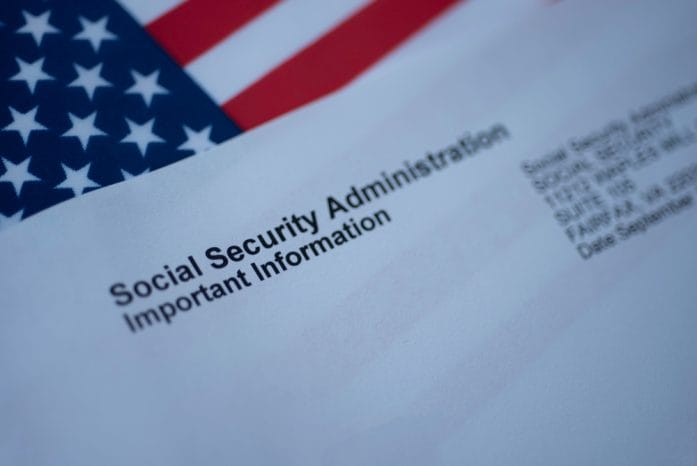
A Social Security check – Shutterstock

A letter from the Social Security Administration can flip a calm afternoon into a full-blown financial panic. That overpayment notice doesn’t just ask for money back—it demands quick thinking, smart decisions, and a steady head. The clock starts ticking immediately, and every move matters more than most people realize.

Some people rush to fix the issue and accidentally make things worse, while others freeze and let deadlines slip past. The smartest approach blends urgency with strategy, and that’s exactly what this guide delivers.

1. Ignoring the Notice and Hoping It Goes Away Completely

Some people toss the letter aside because it feels overwhelming, but that move invites bigger trouble fast. The Social Security Administration keeps records tight and follows up with persistence, so silence never works. Late responses can trigger automatic withholding of future benefits, which can crush a fixed income overnight. A delayed response also weakens the ability to appeal or request a waiver within the required timeframe. Quick action gives control, while hesitation hands that control away.

Real cases show that individuals who respond within the first 30 days often secure better repayment terms or even reversals. The notice usually outlines specific deadlines, and those dates matter more than anything else on the page. People who miss those windows lose leverage and face fewer options. A simple acknowledgment letter or phone call can buy valuable time and open doors to solutions. Taking that first step immediately shifts the situation from crisis to manageable challenge.

2. Automatically Accepting the Overpayment Amount as Accurate

Numbers printed on official letters look final, but mistakes happen more often than expected. Earnings records, disability status updates, or benefit adjustments can easily cause calculation errors. Accepting the amount without review can lead to paying back money that never should have been owed. A careful review of past statements and income records often reveals discrepancies. That review can shrink the amount or even eliminate it entirely.

Financial advocates frequently uncover errors tied to outdated employment data or incorrect reporting timelines. Comparing the notice with personal tax returns and benefit statements creates a clearer picture. If something doesn’t match, filing an appeal can correct the record. The process may take time, but accuracy saves money and stress in the long run. Treat the number as a starting point, not a final verdict.

3. Missing the Appeal Deadline and Losing Key Rights Fast

The appeal window usually lasts 60 days, and that countdown starts immediately after receiving the notice. Missing that deadline closes off one of the most powerful tools available. An appeal allows individuals to challenge both the existence and the amount of the overpayment. Without it, repayment becomes almost unavoidable regardless of circumstances. Timing matters just as much as the argument itself.

Many people feel unsure about filing an appeal, but the process exists specifically to protect them. Submitting the appeal keeps benefits flowing in many cases while the issue gets reviewed. That breathing room can prevent financial collapse during the dispute period. Filing early also signals seriousness and increases the chances of a fair review. Acting quickly turns a stressful situation into a controlled negotiation.

4. Draining Savings Immediately to Pay the Balance in Full

A sudden urge to wipe out the debt can push people to empty emergency funds or retirement savings. That move creates a second crisis that feels even harder to recover from. Financial stability depends on keeping cash reserves intact for unexpected expenses. Paying everything at once rarely offers advantages compared to structured repayment options. Protecting liquidity often matters more than eliminating the balance instantly.

The Social Security Administration frequently offers installment plans based on income and expenses. These plans can stretch payments over months or even years, making them far more manageable. Keeping savings intact allows individuals to handle medical bills, housing costs, or emergencies without added stress. A balanced approach protects both current and future financial health. Smart repayment beats rushed decisions every time.

5. Overlooking the Option to Request a Waiver Entirely

A waiver request can eliminate the obligation to repay the overpayment under specific conditions. Many people never explore this option because they assume it rarely applies. The truth tells a different story, especially for those who did not cause the overpayment and cannot afford repayment. The waiver process examines financial hardship and fault, not just the numbers. That makes it a powerful tool for those in tight situations.

Successful waiver requests often include detailed financial statements and supporting documentation. Showing that repayment would create hardship can tip the decision in favor of the applicant. This path doesn’t guarantee approval, but it offers a legitimate chance to resolve the issue without repayment. Ignoring it leaves money on the table and limits possible outcomes. Exploring every option strengthens the overall strategy.

6. Failing to Adjust a Monthly Budget After the Notice

An overpayment notice changes the financial landscape immediately, yet many budgets stay untouched. That disconnect leads to overspending and missed obligations within weeks. A revised budget creates clarity and prevents small issues from snowballing. Every dollar needs a new assignment that reflects the updated reality. Clear planning turns uncertainty into structure.

Budget adjustments don’t require extreme cuts, but they do demand honesty. Reviewing fixed expenses, discretionary spending, and income sources reveals opportunities to rebalance. Even small changes can create room for repayment without sacrificing essentials. A proactive approach reduces stress and increases confidence in handling the situation. Financial clarity always beats guesswork.

10 Financial Mistakes: What to Avoid After Receiving a Social Security Overpayment Notice
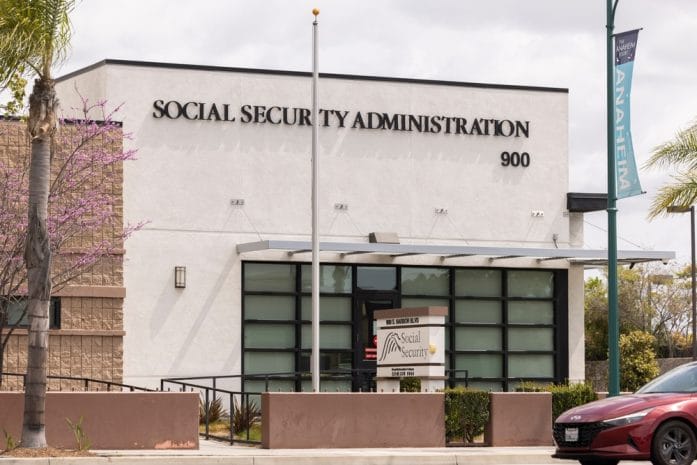
A branch of the Social Security Administration – Shutterstock

7. Trusting Verbal Advice Without Getting Written Confirmation

Phone conversations with representatives can feel reassuring, but they don’t create a permanent record. Miscommunication or misunderstandings can lead to serious complications later. Written confirmation ensures that agreements stay clear and enforceable. Documentation protects against future disputes and confusion. Every important detail deserves a paper trail.

Experienced financial planners always recommend keeping copies of all correspondence. Notes from calls, confirmation letters, and submitted forms create a solid record. If something goes wrong, that documentation provides evidence and support. Relying solely on memory or verbal assurances leaves too much to chance. Written proof adds a layer of security that no one should skip.

8. Letting Fear Drive Quick and Costly Decisions

Stress can push people into rash decisions that don’t serve their long-term interests. Fear often leads to overpayment, skipped appeals, or unnecessary financial sacrifices. A calm, methodical approach produces better outcomes every time. Taking a step back allows for clearer thinking and smarter choices. Emotional reactions rarely align with financial success.

Real-life cases show that individuals who pause and gather information often reduce their repayment obligations significantly. Consulting a financial advisor or legal expert can provide valuable perspective. Even a short delay to assess options can prevent costly mistakes. Confidence grows when decisions come from knowledge rather than panic. Control returns when fear takes a back seat.

9. Ignoring Professional Help That Could Save Thousands

Some situations require expert guidance, yet many people try to handle everything alone. Financial advisors, legal aid organizations, and advocacy groups specialize in these cases. Their experience can uncover options that individuals might miss entirely. Professional advice often pays for itself through reduced payments or successful appeals. Skipping that help can cost far more in the long run.

Nonprofit organizations often provide free or low-cost assistance for Social Security issues. These experts understand the system and know how to navigate complex processes. They can help prepare appeals, waiver requests, and repayment plans with precision. Accessing that support strengthens the entire approach. Smart decisions often start with the right guidance.

10. Forgetting to Monitor Future Benefits and Prevent Repeat Issues

Resolving one overpayment doesn’t guarantee smooth sailing moving forward. Ongoing monitoring ensures that future payments stay accurate and aligned with current circumstances. Changes in income, marital status, or disability status can affect benefits quickly. Staying proactive prevents the same problem from happening again. Vigilance protects long-term financial stability.

Regularly reviewing benefit statements and reporting changes promptly keeps everything on track. Small errors can grow into large overpayments if left unchecked. Consistent attention reduces risk and builds confidence in managing benefits. Prevention always beats correction when it comes to finances. Staying engaged keeps surprises at bay.

The Smartest Move Starts With Taking Control Right Now

A Social Security overpayment notice demands attention, but it doesn’t have to derail financial stability. Each decision made in the early days shapes the final outcome in a big way. Avoiding common mistakes keeps options open and reduces unnecessary stress. Clear thinking, timely action, and smart planning turn a stressful situation into a manageable one. Control doesn’t come from luck—it comes from informed, deliberate choices.

What step would feel hardest to take if that notice landed in your mailbox today? Let’s chat about this topic below in our comments.

You May Also Like…

Why Social Security Is Updating Payment Information for Older Beneficiaries This Year

The Overlooked Spousal Benefit Guideline That Quietly Cuts Monthly Social Security Payments

The 4 Social Security Rules Experts Say Everyone Should Know Before Age 62

New Retirees Are Waiting Weeks for Their First Social Security Check—Here’s Why

How Seniors Jeopardize Their Social Security Right After Retirement

Brandon Marcus
Brandon Marcus

Brandon Marcus is a writer who has been sharing the written word since a very young age. His interests include sports, history, pop culture, and so much more. When he isn’t writing, he spends his time jogging, drinking coffee, or attempting to read a long book he may never complete.

Filed Under: social security Tagged With: Budgeting Tips, Debt Management, financial mistakes, government benefits, money advice, overpayment notice, Personal Finance, Planning, retirement income, saving money, Social Security, SSA

8 Mistakes That Can Trigger a Social Security Overpayment Notice

March 23, 2026 by Brandon Marcus Leave a Comment

8 Mistakes That Can Trigger a Social Security Overpayment Notice
Image Source: Shutterstock.com

A letter from Social Security demanding money back can hit like a financial lightning bolt. One day everything looks fine, and the next day a notice shows up claiming too much money landed in the account. That moment creates confusion, frustration, and one big question: how did this even happen?

The answer rarely comes down to one dramatic mistake. Instead, a series of small, easy-to-miss details build up over time until they trigger an overpayment. Knowing about those details turns into the difference between smooth benefits and a stressful repayment situation.

1. Working While Collecting Without Tracking the Limits

Earning extra income while receiving Social Security benefits sounds like a smart move, and it often is. The problem starts when earnings cross specific limits without proper tracking. Social Security sets annual income thresholds, especially for those who claim benefits before full retirement age, and exceeding those limits can reduce benefits or create overpayments. Many people assume that a few extra shifts or freelance jobs will not matter, but those earnings add up quickly. The Social Security Administration calculates benefits based on reported income, and any mismatch between expected and actual earnings can lead to excess payments. Once that gap appears, the agency will eventually flag it.

Timing also plays a role. Employers report income after the fact, which means Social Security may continue sending higher payments for months before adjusting. That delay creates a situation where the overpayment builds quietly in the background, only to surface later as a bill. Keeping a close eye on earnings throughout the year helps prevent this issue. Estimating income accurately and updating Social Security when changes occur can keep benefits aligned with actual earnings. A quick check-in during the year can save a major headache later.

2. Forgetting to Report Life Changes That Matter

Life changes do not just affect daily routines; they directly impact Social Security benefits. Marriage, divorce, moving, or changes in household composition can all shift eligibility or payment amounts. Ignoring those updates creates a gap between reality and what Social Security believes to be true.

Supplemental Security Income, known as SSI, relies heavily on household income and living arrangements. A change in who lives in the home or who contributes financially can adjust benefit levels. When those updates do not reach Social Security, payments may continue at a higher rate than allowed.

Even something as simple as a change of address can create complications if it affects benefit eligibility or communication. Missing important notices or failing to respond to requests for information can lead to incorrect payments that build over time. Staying proactive makes a big difference. Reporting life changes as soon as they happen keeps records accurate and prevents overpayments from forming. A quick update today can avoid a stressful correction later.

3. Not Understanding the Rules Around Disability Benefits

Disability benefits come with specific rules that can trip people up quickly. Programs like Social Security Disability Insurance (SSDI) allow limited work activity, but those limits come with strict guidelines. Crossing them without realizing it can trigger an overpayment situation. Trial work periods, substantial gainful activity limits, and continuing disability reviews all play a role in how benefits get calculated. These rules sound technical, but they directly affect how much someone can earn while still receiving benefits. Missing one of these details can throw everything off balance.

Medical improvement also affects eligibility. If health conditions improve and that change does not get reported, benefits may continue even when eligibility has shifted. Social Security will eventually review the case and may request repayment for the excess funds. Keeping detailed records and staying informed about program rules helps avoid confusion. Checking in with Social Security or a benefits advisor can provide clarity and prevent costly mistakes before they happen.

4. Overlooking Spousal or Dependent Benefit Adjustments

Benefits tied to spouses or dependents add another layer of complexity. When multiple people receive payments based on one worker’s record, changes in one person’s situation can affect everyone involved. That interconnected structure can lead to overpayments if updates do not happen quickly. A child aging out of eligibility, a spouse starting their own benefits, or changes in custody arrangements can all shift payment amounts. If Social Security continues issuing payments based on outdated information, those extra funds may need to be repaid later.

Divorce can also impact spousal benefits, especially when eligibility rules change after the split. Failing to report those changes promptly can result in payments that no longer align with current circumstances. Reviewing benefit statements regularly helps catch discrepancies early. Keeping track of family-related changes and reporting them right away ensures that payments stay accurate and avoids unexpected bills.

5. Ignoring Notices or Assuming Everything Is Fine

Mail from Social Security often gets set aside, especially when everything seems to run smoothly. That habit can create serious problems, because those notices often request important updates or provide warnings about potential issues. Social Security sends letters when it needs verification, clarification, or additional documentation. Ignoring those requests can lead to assumptions on their end, and those assumptions may result in incorrect payments. Over time, that mismatch can grow into an overpayment.

Some notices include deadlines, and missing them can trigger automatic adjustments. Those adjustments may not reflect the actual situation, which creates further discrepancies in benefit amounts. Opening every letter and responding promptly keeps everything on track. Staying engaged with communication ensures that small issues get resolved before they turn into large financial problems.

8 Mistakes That Can Trigger a Social Security Overpayment Notice
Image Source: Shutterstock.com

6. Misreporting Income or Resources on SSI

SSI benefits depend heavily on income and available resources, which means accuracy matters at every step. Reporting incorrect information, even unintentionally, can lead to payments that exceed the allowed amount. Resources include savings, property, and other assets, and exceeding certain limits can affect eligibility. Forgetting to update these details or misunderstanding what counts as a resource can create an overpayment situation.

Income reporting must stay consistent and timely. Even small amounts of additional income can change benefit calculations, and failing to report those changes can result in excess payments over time. Keeping organized records and reviewing SSI rules regularly can prevent mistakes. Taking a few extra minutes to verify information before submitting it can protect against future repayment demands.

7. Assuming Social Security Always Gets It Right

Social Security handles millions of payments, but that scale does not guarantee perfection. Errors can occur, and those errors can lead to overpayments just as easily as personal mistakes. Relying entirely on the system without reviewing benefit amounts can create blind spots. If payments seem higher than expected, that situation deserves a closer look rather than quiet acceptance.

Catching discrepancies early allows for quick corrections. Waiting too long can allow overpayments to accumulate, which increases the amount that may need to be repaid. Staying involved and reviewing statements regularly helps maintain accuracy. Taking an active role in monitoring benefits adds a layer of protection against unexpected surprises.

8. Waiting Too Long to Fix a Problem

Small issues rarely stay small when ignored. An incorrect payment or unreported change can grow into a larger problem over time, especially when months or years pass without correction. Once Social Security identifies an overpayment, it will seek repayment, and that process can include withholding future benefits or setting up repayment plans. The longer the issue continues, the larger the repayment amount becomes.

Addressing concerns early can limit the financial impact. Contacting Social Security as soon as something seems off allows for quicker adjustments and smaller corrections. Taking action quickly shows responsibility and helps keep the situation manageable. That approach can reduce stress and prevent a minor mistake from turning into a major financial burden.

Stay Ahead of the System, Not Behind It

Avoiding a Social Security overpayment comes down to awareness, attention, and timely action. Each of these mistakes may seem small on its own, but together they can create a situation that demands repayment and disrupts financial stability.

Keeping records organized, reporting changes promptly, and reviewing benefit statements regularly can make a huge difference. These habits do not require expert knowledge, but they do require consistency and a willingness to stay engaged.

A little effort now can prevent a frustrating surprise later. Which of these mistakes feels the easiest to fix right away, and what strategies have helped keep benefits on track? Give us your thoughts and ideas in the comments and keep the conversation going.

You May Also Like…

Waiting on Social Security? Why Thousands of Retirees Are Stuck in Payment Limbo Right Now

The Harsh Truth About Delaying Social Security: You Might Never See the Money

Social Security 2026 COLA: Why Your 2.8% Raise Disappeared After Medicare Deductions

IRS Changes for Seniors: What’s Actually New on the 1040‑SR for 2026

The Medicare Part B Increase That’s Reducing Social Security Checks By About $185/Month in 2026

Brandon Marcus
Brandon Marcus

Brandon Marcus is a writer who has been sharing the written word since a very young age. His interests include sports, history, pop culture, and so much more. When he isn’t writing, he spends his time jogging, drinking coffee, or attempting to read a long book he may never complete.

Filed Under: social security Tagged With: benefits, disability benefits, government benefits, income reporting, money mistakes, overpayment notice, Planning, retirement income, Social Security, SSA mistakes, SSA rules, SSI

Follow Us

Search this site:

Recent Posts

  • Can My Savings Account Affect My Financial Aid? by Tamila McDonald
  • 12 Ways Gen X’s Views Clash with Millennials… by Tamila McDonald
  • What Advantages and Disadvantages Are There To… by Jacob Sensiba
  • 10 Tactics for Building an Emergency Fund from Scratch by Vanessa Bermudez
  • Call 911: Go To the Emergency Room Immediately If… by Stephen Kanaval
  • 7 Weird Things You Can Sell Online by Tamila McDonald
  • 10 Scary Facts About DriveTime by Tamila McDonald

Copyright © 2026 · News Pro Theme on Genesis Framework